Planning a trip to Germany doesn't have to be difficult. Known for Checkpoint Charlie in Berlin and Aachen Cathedral, this country is a very popular destination. Our travel cost guide will help you plan a perfect trip on your ideal budget. We've collected tons of travel cost data from previous travelers, and this Germany trip budget calculator reveals average hotel prices and dining costs along with sightseeing and transportation tips. Now you'll be able to craft a memorable adventure without blowing your budget. This will help you plan the best trip to Germany and stay within your ideal travel budget, whether you're exploring the energy of Munich, eating the delicious cuisine in Baden-Baden, or admiring the small town charm of Fussen.
How much does it cost to travel to Germany?
A typical traveler spends $207 (€178) per day on a trip to Germany. This is the average daily price for a vacation in Germany based on the expenses of other visitors.
Past travelers have spent, on average for one day:
- $77 (€66) on meals
- $28 (€24) on local transportation
- $175 (€150) on hotels
A one-week trip to Germany for two people costs, on average, $2,900 (€2,492). This includes accommodation, food, local transportation, and sightseeing.
All of these average travel prices have been collected from thousands of other travelers to help you plan your own travel budget.
Independent Travel
Traveling Independently has many benefits including affordabilty, freedom, flexibility, and the opportunity to control your own experiences.
All of the travel costs below are based on the experiences of other independent travelers.
Is Germany expensive to visit?
Germany is a moderately priced destination to visit. It's about average with most other countries for travel costs. The prices for food, accommodation, and transportation are all fairly reasonable.
Within Europe, which is known to be an expensive region, Germany is moderately priced compared to the other countries. The overall cost of travel here is comparable to Austria or Finland.
In Germany, budget travelers spend $83 (€72) per person per day on average, mid-range travelers spend $207 (€178) per day, and luxury travelers spend around $497 (€427) per day. These costs are calculated from the expenses of previous travelers to Germany.
In Germany, you'll find accommodation and activities that cater to both budget travelers and those seeking a more lavish experience. Budget accommodation options are available, such as hostels in Berlin, Hamburg, and Munich, but there are also luxury hotels that cater to the more affluent customer, along with mid-range hotels for families or couples.
Germany doesn't have to break the bank if you follow simple tips like eating at less expensive restaurants, taking public transit, and enjoying free activities.
For more details, see Is Germany Expensive?
How much money do I need for a trip to Germany?
The average Germany trip cost is broken down by category here for independent travelers. All of these Germany travel prices are calculated from the budgets of real travelers. Also, you can see more details at How much does a trip to Germany cost?
Germany on a Budget
|
Category
|
Budget
|
Mid-Range
|
Luxury
|
Accommodation1
For 1 person in double occupancy
|
$36
(€31)
|
$87
(€75)
|
$197
(€169)
|
|
Local Transportation1
|
$11
(€9.44)
|
$28
(€24)
|
$70
(€60)
|
|
Food2
|
$31
(€27)
|
$77
(€66)
|
$184
(€158)
|
|
Entertainment1
|
$13
(€11)
|
$32
(€28)
|
$83
(€71)
|
|
Alcohol2
|
$5-15
(€4-13)
|
$13-38
(€11-32)
|
$31-93
(€27-80)
|
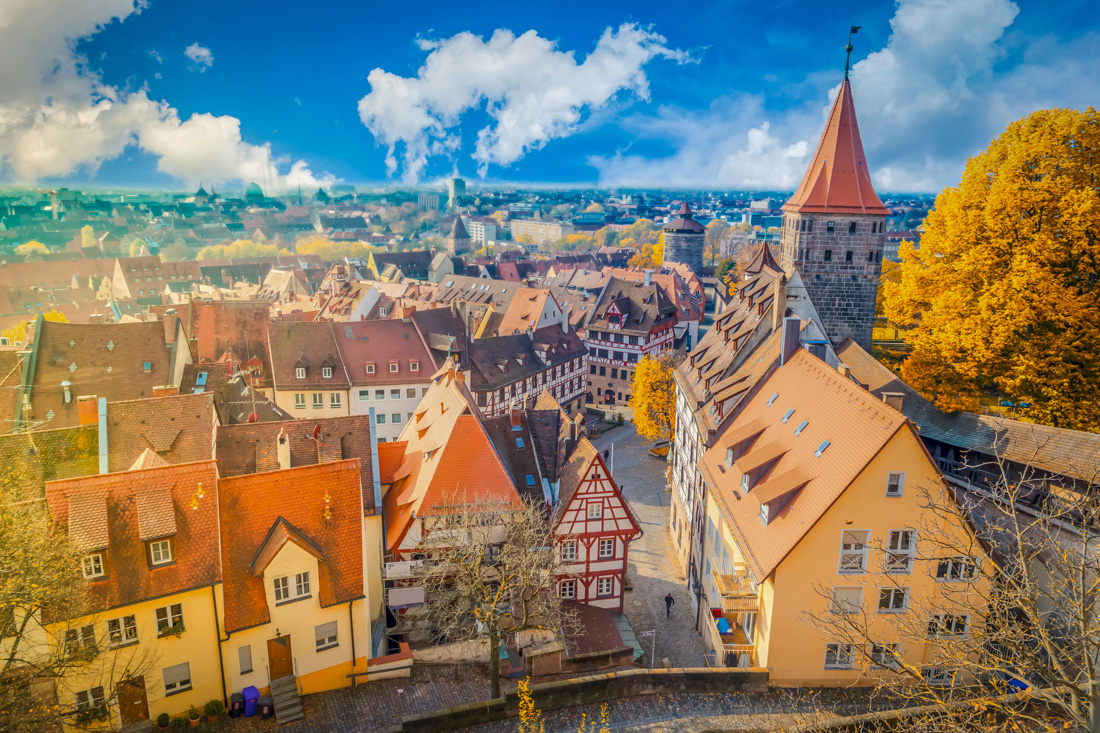 Nuremberg, Germany
Accommodation Budget in Germany
Germany offers hotels with a wide range of prices. You might be surprised at the difference between budget and high-end options, especially during peak season when prices increase significantly. To save, visit in the off-season, and book early for better deals.
Calculated from travelers like you
The average price paid in Germany for two people for a typical double-occupancy hotel room is $175 (€150). For one person sharing a room, the average price paid for a hotel room is $87 (€75) per night. These costs are from the reported spending of actual travelers.
Looking for a hotel in Germany? Prices vary by location, date, season, and the level of luxury. See below for options.
Berlin
In Berlin, which is a large city, expect a fairly wide range of choices and prices for accommodation. Hotel prices here can range from $53 in the low season to $276 during the peak season. Casa Camper Berlin ($172) is one of the best hotel options here, and Residenz Villa Kult is also good, and starts at $89. You can expect to pay around $22 for a dorm bed if you decide to stay in a hostel. As many travelers typically stay for up to seven days, ensure you find a cozy place in a good spot if you intend to explore for a while.
Hamburg
Hamburg is a terrific port city that is one of the more popular destinations in Germany. During the peak summer months hotels can fill up early, so plan to book well in advance. In Hamburg, the average hotel price is $82 in the low season and $153 in the busy season. On average, four star hotels will cost $109 to $203. If you stay in a hostel, you can expect to pay around $25 for a dorm bed. For hotels, a few of the best options here include The Madison Hotel Hamburg for $120 and Volksschule starting at $96.
Munich
There's a wide range of hotel prices in Munich. You can expect to spend anywhere from $59 to $233 depending on your budget and needs. Most visitors to Munich stay up to five days, so you'll want to find a comfortable and convenient place if you're staying for a while. Also, a great hotel option is Hotel Rothof Bogenhausen that runs about $106 per night. You can expect to pay around $30 for a dorm bed if you decide to stay in a hostel.
Local Transportation Budget in Germany
Calculated from travelers like you
-
On average, past travelers have spent $28 (€24) per person, per day, on local transportation in Germany. The cost of a taxi ride or rideshare service (Uber/Lyft) in Germany is significantly more than public transportation.
-
Local Transportation1
Taxis, local buses, subway, etc.
$28
€24
With an outstanding train system, Germany connects you to almost anywhere in the country. The prices are quite reasonable, and the rides are both fast and comfortable. When rail lines don't reach your destination, long-distance and regional buses can step in.
For those looking to save money, utilizing public transit is an excellent option. Many areas offer dependable public transportation systems, with some of the best found in Munich and Berlin. Additionally, many travelers prefer to explore on foot, allowing for a more personal experience wandering through the neighborhoods and seeing the local culture. If walking is your preference, you'll love your time in Fussen and Bamberg.
In larger urban areas like Munich and Berlin, it's a good idea to invest in a multi-day pass if you expect to rely on public transit frequently. Depending on your travel patterns, this could save you a lot compared to individual ticket purchases.
If your plans include a trip to the countryside, you'll probably want to rent a car. Remember that the usual vehicle in Europe is equipped with a manual transmission, and choosing an automatic will likely increase the cost. Be sure to book in advance, as the more economical choices can disappear quickly.
In busy Munich and Berlin, it's much simpler to avoid driving, given the heavy traffic and congestion. Parking fees can be steep, making a car rental less appealing. Instead, consider using public transportation or walking to get around and keep your costs down.
If you plan on driving in one of the bigger cities, be sure to check with your hotel about parking ahead of time. You may be required to pay for parking either at the hotel or in a nearby public garage. In some cases, parking further out of town could be cheaper.
Some typical prices for transportation in Germany are shown below. These are actual costs from previous travelers, and are representative of the amount you'll likely spend on transportation in Germany. Don't forget that your individual costs will vary based on how you get around, because hired cars such as taxis are often much more expensive than local public transportation.
-
City transport day ticket
€11
-
Single Zone Trip on Subway
€2.30
-
Inner District Subway Day Pass
€5.20
-
Short Taxi Ride
€20
-
Bahn Ticket
€3.00
-
Short Trip Metro Ticket
€1.40
-
Short Distance Ubahn Ticket
€1.70
-
Car Rental
€50
Food Budget in Germany
Calculated from travelers like you
-
While restaurant and meal prices in Germany can vary significantly, the average cost of food in Germany is $77 (€66) per day, per person, based on the spending habits of previous travelers.
-
Food2
Meals for one day
$77
€66
When dining out, the average daily cost for food in Germany is about $77 (€66) per person. Previous travelers have typically spent from $31 to $184 per day. Generally, breakfast and lunch will cost less than dinner, but that will vary based on the type of restaurant and what you order.
Typical meal prices in Germany are as follows:
- Breakfast: $14 to $23
- Lunch: $11 to $38
- Dinner: $27 to $61
- Coffee: $7
- Fast Food or Street Food: $12
German restaurants often serve traditional dishes that are based on meat and potatoes. Dishes are often served with gravy and a side of vegetables. If you go to a more modern restaurant, the dishes will be more influenced by nearby European countries, but whatever city you visit, you'll likely find a good bratwurst and a cold beer somewhere.
Bratwurst: This is the most common German sausage and it is found everywhere. It's often served with mustard and sauerkraut on a bun. It's a great budget option and can easily be purchased from street vendors in most large cities. It makes for a good late night snack or a quick lunch option when you're on the go.
Doner Kebab: This veal or chicken dish actually originated in Germany, despite it being considered a Turkish dish. It's a popular, affordable meal that is rich in flavor, but cheap in cost.
Rehrucken: This is a venison tenderloin that is typically served with noodles and a heavy gravy sauce. You'll find it in many different traditional style restaurants.
Rinderroulade: A uniquely German dish, this is made from very thinly sliced beef that is rolled around a piece of bacon and pickled cucumber.
Germany is a popular destination for food lovers, offering a wide variety of culinary delights. Travelers often indulge in the local cuisine while visiting as part of their trip. Top cities for dining out include Baden-Baden, Munich, and Berlin.
Baden-Baden
Baden-Baden is one of the best culinary destinations in Germany. There are Michelin starred restaurants and many opportunities to sip wine and sample local cuisine. Many consider the Baden cuisine to be among the best in Germany. You'll find wine, sausages, game meat, poultry, and more. Make sure you try the Rehrücken Baden-Baden (Roe Deer), Käsespätzle (cheese spatzle), and Schäufele (pig's shoulder).
Munich
One of the best culinary spots in Germany is Munich. Bavaria has some of the best food in Germany. Popular dishes include schnitzel, weisswurst and spätzel.
Berlin
Make sure you don't miss the cuisine in Berlin. There's a great international food scene, but also all of the traditional favorites like currywurst, spätzle, and schnitzel. You'll find many diverse food halls, street markets, and local restaurants, as well as a large selection of traditional German restaurants that cater to the tourists.
Heidelberg
Heidelberg is not to be missed because of it's amazing cuisine. The old town is filled with local restaurants that offer an assortment of traditional dishes. The restaurants offer a mix of outdoor and indoor seating and classic dishes include saumagen, lewwerkneedl, and dampfnudeln.
Nuremberg
Nuremberg is well known for its food scene. The city is heavily influenced by Franconian cuisines and you'll find many sausages and lots of meat in the restaurants. In addition to Nuremberg sausage, you should definitely try the bretzel, leberkäsweggla (a meat and grain snack), and schäuferle (pig's shoulder meat).
When visiting larger cities like Munich, Berlin, or Cologne, you can save some money by opting for lunch at nicer restaurants rather than dinner. Many restaurants in tourist districts or business centers feature lunch specials that are typically smaller and cheaper than their dinner offerings. With a little effort, you might be able to enjoy a complete multi-course gourmet meal at a budget-friendly price. Just plan for a lighter dinner afterwards.
Are you planning to stay somewhere like Munich or Berlin for a week or more? It's a smart choice for families or groups to book an apartment or vacation rental with a kitchen. Cooking your own meals with affordable groceries can save you money.
If you're on the road with kids, search for restaurants that include a kids' menu. This can save you quite a bit since those options usually come at a lower price. Some restaurants might not showcase their kids meals, so be sure to ask the waiter first.
While many hotels include breakfast in the overall price, some may charge you extra for it. The range of prices and quality can vary by hotel. Knowing what to expect can help you determine if the hotel buffet is worth it or if you should just grab something from a nearby bakery or café at a lower cost.
Rather than buying drinks everywhere you go, bring a water bottle with you. It's also a good way to care for the environment.
If you have a tour planned, be sure to find out in advance which meals are covered. You may need to cover some of your food costs yourself, potentially impacting your budget.
If you want to experience the culture in Germany, a food tour or cooking class is a great way to do it. After all, cuisine is one of the reasons why so many people visit. A few of the best culinary activities here include:
- Regensburg Private Tour. Personalities, Art and Food Tour for $94 details
- Nuremberg Food Tour with Full Meal & Drinks by Do Eat Better for $129 details
- Freiburg Food Tour - Full Meal & Drinks by Do Eat Better for $128 details
- St George's Culinary Food Tour for $58 details
Below are some standard food costs in Germany, gathered from real travelers. These prices should give you a general idea of what you can expect to spend on dining and meals. Keep in mind, though, that your own costs may differ depending on your taste in restaurants, travel habits, and menu choices.
Sightseeing and Activities Budget in Germany
Calculated from travelers like you
-
Sightseeing activities, entertainment, and entrance tickets in Germany typically cost an average of $32 (€28) per person, per day based on the spending of previous travelers. This includes fees paid for admission tickets to museums and attractions, day tours, and other sightseeing expenses.
-
Entertainment1
Entrance tickets, shows, etc.
$32
€28
Germany is an excellent destination, offering a range of amazing spots to explore. Some of the most visited areas are Munich, Berlin, and Cologne.
Munich
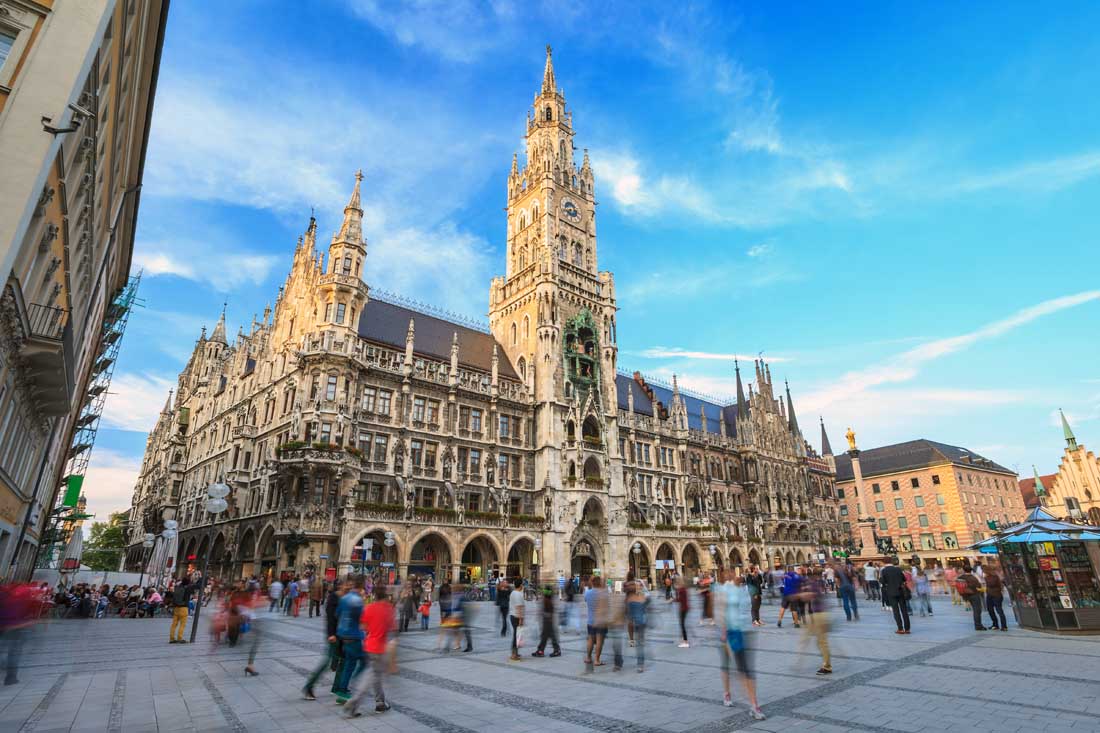
Munich is the capital of Bavaria and, while its most popular during Oktoberfest, it's also interesting to visit other times of the year. At the heart of the old town is Marienplatz Square, which is filled with landmarks. The city also has many parks and museums that you can explore.
Berlin
Berlin is the artsy and bustling capital city of Germany. It is cloaked in history with remnants of the Berlin Wall and a moving Holocaust Memorial in town. Today, the city is recognized for its art scene and underground subculture. There are many modern landmarks to see and plenty of entertainment opportunities to experience.
Cologne
Cologne is a city that combines both modern and historic features in a very compatible and fun style. From the impressive Cologne Cathedral to the many museums and outdoor spaces along the river, Cologne offers something for everyone. The city is also well connected to the rest of Germany and Europe with a very popular train station right in the heart of town.
Dresden
Dresden sits on both sides of the Elbe River, with the city's old town on one side and the new town on the other. It is the capital city of the German state of Saxony and it is known for its rich cultures and beautiful baroque architecture. There are many palaces, gardens, and churches thoughout.
Fussen
Fussen is a quintessential German village that's located along the country's "Romantic Road". Most people who stop here are enroute to the Neuschwanstein Castle, which is among the most famous castles in Germany. The town itself has a small but scenic old town. There are also hiking trails and scenic viewpoints in the area that are worth exploring.
If the buzz of a big city is what you're after, look no further than Munich, Berlin, and Cologne. There's an abundance of things to do, along with a vibrant cultural scene, museums, and a variety of dining options.
If you're seeking a slower pace with small town charm, make sure to visit Fussen, Wernigerode, and Lindau. These towns offer a relaxing atmosphere and picturesque streets that invite you to unwind.
A nice way to explore destinations in Germany is with local tours that last just a few hours. This way you can see as much as possible in an efficient way with knowledgable guides. Prices vary by the type of activity or tour, the dates, and the size of the group. Here are a few of the highest rated tours by previous visitors:
- 2 hours Segway Elbe Mini Tour for $83 details
- Andechs Monastery Beer Hike Food Experience Private Tour for $278 details
- Camp Zeppelin Tour in Spanish for $24 details
- Medieval Musical Tour of Rothenburg ob der Tauber for $230 details
Outlined below are some typical prices for entry fees and activities in Germany. They have been reported from the expenses of previous travelers. These costs provide an idea of what you might need to spend, though your individual expenses will depend on the activities you participate in, the places you visit, and how often you choose budget-friendly or free activities.
-
Neuschwanstein Castle (2)
€24
-
Berlin Zoo (2)
€20
-
Schack Gallery Entrance
€4.00
-
Munich Zoo Entrance
€9.00
-
Pub Crawl Munich Tour
€14
-
Tower at St. Michael's Church
€3.50
-
Formula 1 Tickets (for 2)
€670
Nightlife Budget in Germany
Calculated from travelers like you
-
The average person spends about $25 (€21) on nightlife and alcoholic beverages in Germany per day. The more you spend on alcohol, the more fun you might be having despite your higher budget.
-
Alcohol2
Drinks for one day
$25
€21
Germany is renowned for its nightlife, attracting people worldwide to experience the exciting atmosphere. A few of the best places for nightlife include Munich, Berlin, and Cologne.
Munich
Munich is one of the best nightlife destinations in Germany. The city has a young and vibrant population that keep the nightlife scene active and fun. There are many bars and clubs around town, but the city is also famous for Oktoberfest during the months of September and October.
Berlin
Visitors love the nightlife in Berlin. The nightlife scene here is legendary. There are club nights that last for days, bars and parties that appeal to every personality, and a diversity of venues that you can choose from. You'll find the classic techno warehouses, but there are also modern dance clubs, bunker parties, and raves.
Cologne
The nightlife in Cologne is quite popular. Head to one of the many beerhalls to check out the local nightlife scene. Make sure you try the local beer, Kölsch. Some of the most popular places for night include Ona Mor, Pepe, and Engel & Weiss.
Dresden
When the sun goes down, the party picks up in Dresden. Head to Neustadt for the highest concentration of bars and clubs. There's a diversity of trendy clubs and casual bars. Bar hopping is easy as most places are accessible by public transit.
Heidelberg
The nightlife scene is a highlight for many young visitors in Heidelberg. As a university town, you'll find a very young population and many bars, pubs, and nightclubs where you can hang out.
While the nightlife can be one of the best parts of traveling, cutting back on cocktails can make a big dent in your overall budget.
Nightlife activities and tasting tours are popular in Germany. A few favorites from other travelers include:
- Vineyard hike “Würzburger Panoramaweg” incl. 3er wine tasting for $59 details
- Private city rally in Würzburg including wine tasting for $65 details
- Beer hike in Berlin Experience brewery and craft beer for $65 details
- Pub Crawl Hamburg - Ladies Night for $29 details
Here are some typical drink and nightlife prices in Germany, drawn from the experiences of past travelers. These costs can give you a general sense of what to expect, though your own spending will differ based on how often you enjoy alcoholic beverages and how much you consume. Remember, one of the most effective ways to reduce your travel costs is to limit alcohol consumption.
-
Hofbrauhaus
€12
-
Drinks at a Show
€14
-
Night Out Drinking
€25
-
Becks Beer
€2.00
Travel Costs Last Updated: Jun 3, 2026
Traveling in Germany
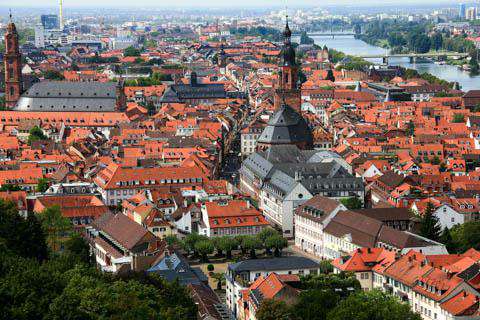 Heidelberg, Germany
Germany is the largest country in central Europe. It is highly influential financially, culturally, and politically and it is recognized for its precision engineering and high-tech products. Despite its strong influence technologically, it still manages to maintain an old-world charm and "Gemutlichkeit" (coziness) or hospitality. It's a lovely place to visit and most tourists find the locals to be very welcoming and eager to show off their country.
Given the country's large size, it has several distinct regions that are surprisingly diverse, making it a pleasure to explore. The north is known for its hills and coastline which stretches along the Baltic Sea. Western Germany is wine country and is a wonderful place to relax and sip some of the area's finest wine. Central Germany has dense forests, historic towns, and large cities which act as financial centers. Eastern Germany houses the capital, Berlin, and Southern Germany touches the Alps, which offers perhaps some of the most beautiful landscape in Europe. Germany has many cities which are worth visiting, the most popular of which include Berlin, Munich, Frankfurt and Hamburg. Allow yourself several days in each city, but also make sure you have time to enjoy the countryside and Germany's quaint, fairytale like small towns. Many people think of castles when they think of Germany. Many of these are found along the "Romantic Road" which is a popular scenic route that passes by many of the most well known castles and a handful of lovely small towns. Perhaps the most quintessential castle along the route is Neuschwanstein Castle.
Although Germany is not really considered a budget travel destination, there are some tricks you can use to save some money. Perhaps the most significant cost savings will come from booking your train tickets several weeks in advance. This can cut the cost by as much as half, but it will reduce the amount of flexibility you have when you travel. There are also some good budget food options. There are street vendors in most of the larger cities and many of the small towns. Most sell sausages, but sometimes you'll find more diversity and the cost really can't be beat. Also look into free tour options in the larger cities. Inquire at the visitors center and they may be able to tell you about some free, student run tour programs. These tours offer a great overview to the city before you begin exploration on your own.
At A Glance
- Most people think of Oktoberfest when they think of Germany. This is the single largest festival in all of Europe and it is popular with travelers from around the world. People head to the Bavarian region of the country to fully experience the festive beer culture that exists here.
- There are many budget airlines that fly into Germany. This is a popular way to reach the country at a low cost, but do be careful as there are some tricks that you might need to be concerned about. Make sure you fully understand any additional fees for baggage, taxes, or food before you book your ticket. Also make sure you know where the airport is that you're flying into. They are often well outside of town and the public transportation can be lacking.
- Look into EuroCity trains that travel throughout Germany and connect many cities with the neighboring countries. These trains are often slower than the European high speed trains, but they are also cheaper and provide more interesting views of the landscape.
- The easiest place to buy a train ticket is at one of the vending machines that you'll find at most train stations. If you're confused about the route, price, or schedule then your better option is to go to the manned ticket counter where they can answer any questions you might have.
- Look into the BahnCard. This is a year long pass for train travel. If you'll be spending any extended time in Germany and will be traveling by train a lot then this may be a good option for you.
Related:
Looking for a party in Berlin or Munich?
Are you a student or backpacker traveling alone through Germany?
Find a Contiki tour to Europe.
Top Tourist Attractions
The Alps: The German Alps are a beautiful destination any time of the year. During the winter months they offer great skiing opportunities for winter sports enthusiasts, and during the summer you can enjoy some wonderful hiking and breathtaking views. There are beautiful small towns that dot the countryside and it's worth stopping by a couple to get a feel for the area.
The Black Forest: The Black Forest has countless hiking trails, many restaurants, and unique shops. It is located in southwest Germany and is bordered by the Rhine Valley.
Neuschwanstein Castle: Perhaps the most iconic of all the German castles, its found along the Romantic Road and is one of the most visited castles in all of Germany.
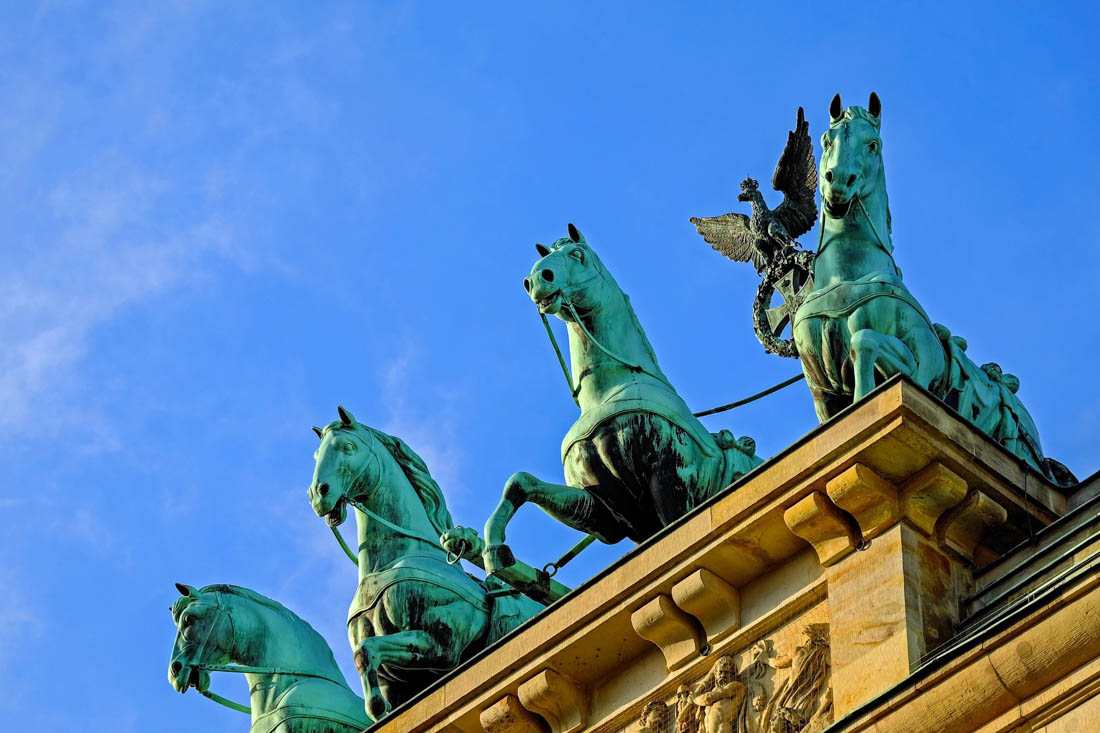
Brandenburg Gate: A former city gate in Berlin, this site is considered a symbol of Berlin's past.
Realistic Expectations for Your Travel Budget
It's essential to have a grounded and realistic perspective on your budget. While many believe they can travel as "budget" travelers on a mere $83 a day like a backpacker, the reality is that most people struggle to enjoy that style of travel. Consider what makes you happy and how you've traveled before. Do you prefer the comfort of resorts, the convenience of vacation rentals, or the simple camaraderie of hostels? Is dining out a top priority for you? Do you plan to visit the major attractions? Your answers to these questions will certainly impact your overall travel budget.
The Truth on Budget Travel
People often say you can visit Germany for just $83 daily, but unless you're okay with sacrificing many comforts, be ready to shell out a lot more.
Backpackers can typically make that budget work, but it usually requires sleeping in dorm-style hostels, eating at the most affordable restaurants or fast food spots, taking public transit or walking, and sticking to free sights.
Thankfully, Germany offers a wide variety of hostels, with the largest selection found in Berlin, Hamburg, and Munich. In many places, the availability of efficient public transportation allows budget travelers to save money by avoiding expensive taxi or Uber rides. While everyone appreciates the delicious food in Germany, those on a budget often dine on street food or cook in their hostel. This could lead to missing out on some of the better culinary experiences.
So, are you average?
For families and couples traveling for fun, staying in a mid-range hotel, eating at popular restaurants, and visiting famous museums and attractions with entry fees is typical. Most visitors to Germany will want to visit Checkpoint Charlie in Berlin or Aachen Cathedral in Aachen. As you can expect, most of these experiences come at a price, so it's safer to plan for a trip budget around $207 per person each day.
There are a wide range of hotels and vacation rentals in Germany. If you're traveling with others, you'll share your hotel with a partner, friend, or your children, so costs will be split accordingly, saving money. In places like Bonn and Munich, which are particularly family-friendly, you'll find hotels and restaurants that cater to kids. Also, in Munich, Pension Prinz is a good kid-friendly option, and in Rust, Rooster Bed&Breakfast is also terrific. Hotel Bergknappenhof in Bodenmais is a terrific romantic hotel for couples to enjoy their stay. You'll find more hotels that cater to families and couples in our hotel guide for Germany here.
Want to Escape the Daily Grind in Style?
For a lavish experience with the highest level of comfort and service, expect a price tag around $497. Booking five-star hotels, dining at top restaurants, splurging on once-in-a-lifetime excursions, and hiring private drivers will put you in the luxury travel tier. You'll be enjoying the good life in places like Dusseldorf and Fussen. Or you could plan an multi-day adventure by booking a higher end tour such as German Riverscapes from Trier to Passau - offered by Lueftner Cruises.
We've been gathering travel costs from tens of thousands of actual travelers since 2010, and we use the data to calculate average daily travel costs for destinations around the world. We also systematically analyze the prices of hotels, hostels, and tours from travel providers such as Kayak, HostelWorld, TourRadar, Viator, and others. This combination of expenses from actual travelers, combined with pricing data from major travel companies, gives us a uniqe insight into the overall cost of travel for thousands of cities in countries around the world. You can see more here: How it Works.

We didn't expect this, but Germany was actually one of the more affordable countries we visiting in Europe. Everyone knows that Switzerland and Austria can be expensive, but Germany was also cheaper than the Netherlands and England.