Which country is cheaper, Cuba or Aruba?
These are the overall average travel costs for the two destinations.

Trying to figure out where to travel next? This travel comparison between Aruba and Cuba can help. It includes a travel cost comparison in addition to other factors. For many travelers, the cost of a destination is a primary consideration when choosing where to go.
We'll start with a quick overview, and below we will go into all of the details.
| Aruba | Cuba | |
| Museums & Attractions |  |
|
| Culture & History | |
|
| Food | |
|
| Resorts | |
|
| Scuba Diving & Snorkeling | |
|
| Hiking | |
|
| National Parks | |
|
| Outdoor Activities | |
|
| Families | |
|
| Couples | |
|
| Backpackers | |
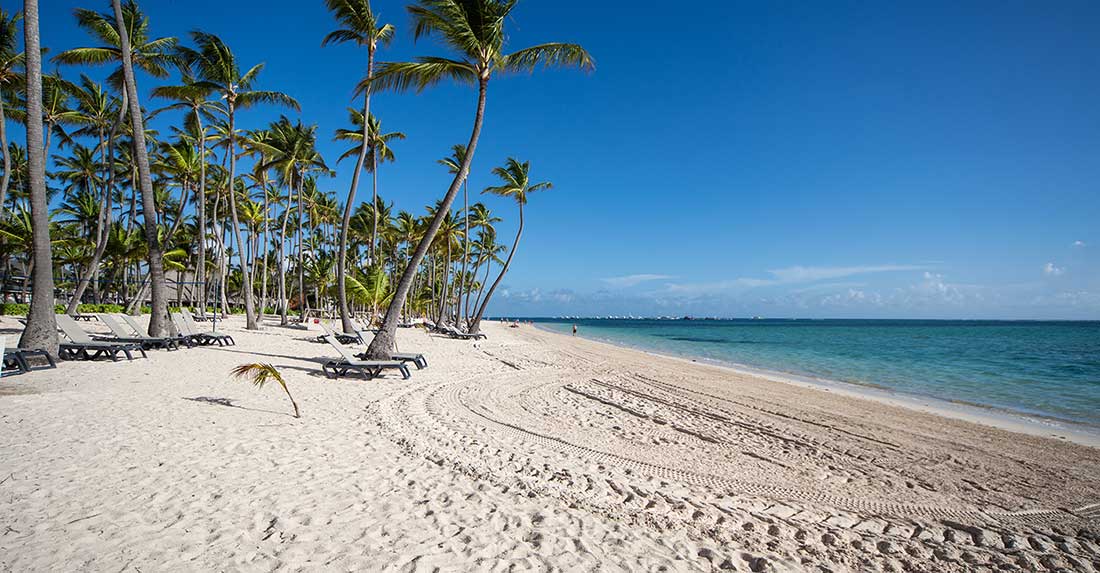 Tropical Beach
 Aruba is a vibrant, welcoming, and sun-drenched country. You'll find world class beauty in Aruba as well. And you can't forget about the beaches, shopping, wildlife, and adventure travel.
Aruba, often dubbed “One Happy Island,” is a captivating Caribbean gem known for its year-round sunshine and powdery white-sand beaches framed by crystal-clear turquoise waters. Beyond the postcard-perfect coastline, this Dutch Caribbean island boasts a unique fusion of Latin, European, and indigenous cultures, creating a vibrant culinary and festive scene. Adventure seekers can explore the rugged Arikok National Park, where dramatic volcanic rock formations and hidden caves offer both hiking thrills and fascinating history. Aruba’s pristine conditions and steady trade winds make it a world-renowned hotspot for windsurfing and kitesurfing, while luxury resorts and boutique hotels cater to travelers seeking relaxation and upscale comfort. The island’s compact size means you can soak in sun, culture, and nightlife all within a single day, making it ideal for both laid-back holidays and action-packed escapes. Whether savoring freshly caught seafood at a beachside palapa or dancing to Calypso rhythms after sunset, Aruba effortlessly blends tropical charm with casual sophistication.
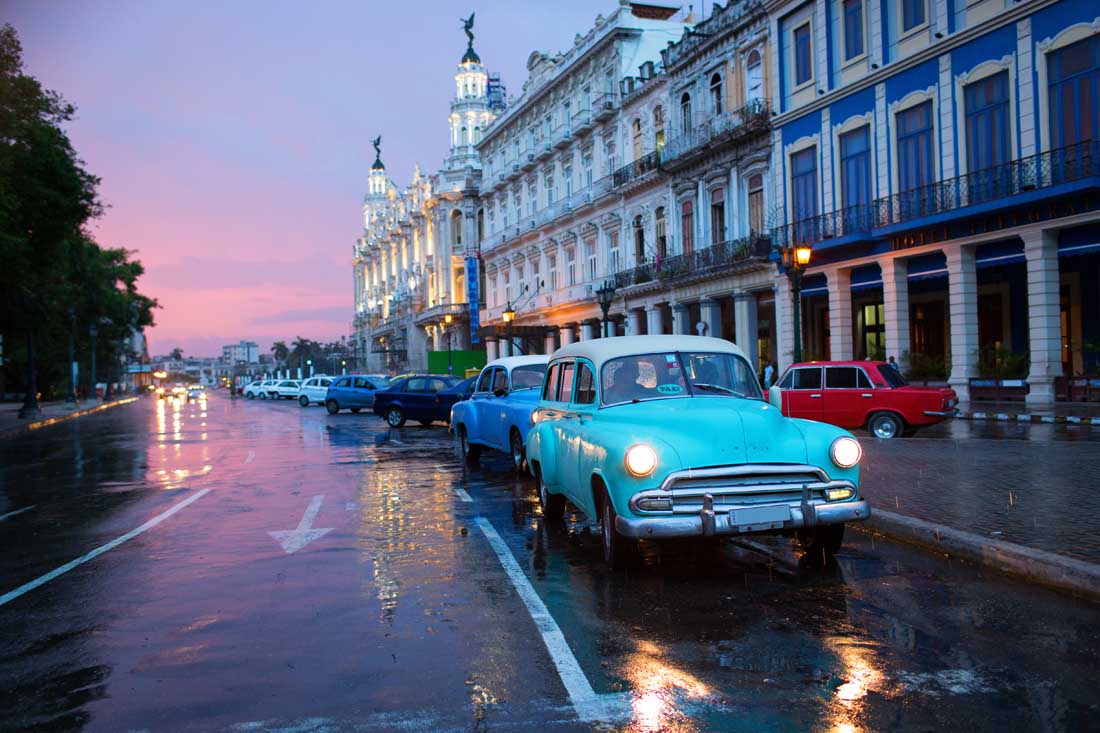 Havana, Cuba
 Cuba is a historic, dynamic, and alluring country. Cuba is considered by many to be an absolutely beautiful destination, too. It's also popular because of the hiking, museums, wildlife, and adventure travel.
Traveling to Cuba is like stepping back in time, where vibrant culture, rich history, and stunning landscapes merge to create an unforgettable experience. Visitors flock to this Caribbean gem for its lively music, colonial architecture, and pristine beaches. Despite political and economic challenges, Cuba has maintained its unique charm, offering travelers a chance to immerse themselves in a world where vintage cars and timeless traditions are part of the daily rhythm. Whether you’re exploring the colorful streets of Havana, relaxing on Varadero’s soft sands, or hiking in the lush Viñales Valley, Cuba promises adventure and inspiration at every turn. The warmth of its people and the complexity of its history combine for a multifaceted travel experience that captures the spirit of resilience and creativity.
Tropical Beach Below we will examine the differences and similarities between Aruba and Cuba. With this information, you can decide for yourself which place is better for your next trip.
While you'll find a number of sights and museums in both Aruba and Cuba, those in Cuba are generally more well known.
If you're looking for an educational opportunity, there are a decent number of museums and historical sights around Cuba. Offers a varied selection of museums that appeal to history buffs and culture enthusiasts. The Museum of the Revolution in Havana provides insights into the country's turbulent past with its extensive exhibits. Art lovers can admire works by Cuban artists at the National Museum of Fine Arts. In Santiago de Cuba, the Emilio Bacardí Moreau Museum hosts a fascinating collection of historical artifacts. Smaller, local museums scattered across towns provide deeper understanding of the unique culture and traditions throughout the country.
Aruba offers a handful of options for museums and historical sights. Aruba may be best known for its stunning beaches and vibrant nightlife, but it also offers a rich cultural tapestry showcased in some truly engaging museums that every traveler should explore. The island’s crown jewel is the **Archaeological Museum of Aruba**, located in the charming capital city of Oranjestad. This museum offers a fascinating glimpse into Aruba’s indigenous Arawak heritage, featuring artifacts, pottery, and ancient tools that tell the story of the island’s earliest inhabitants. Just a short stroll away, the **National Archaeological Museum Aruba** provides an immersive experience with beautifully curated exhibits that highlight the island’s pre-Columbian era and colonial history. For a more unique adventure, the **Numismatic Museum** on the outskirts of Oranjestad caters to coin enthusiasts and history buffs alike, displaying an impressive collection of currency from Aruba and around the world. These museums stand out not only for their well-preserved artifacts but also for their ability to connect visitors with the island’s rich past, making them a must-visit complement to the sun-soaked allure of Aruba’s beaches.
While both cultures have their own history and culture, generally Cuba offers more of this on a visit than Aruba
For those interested in history, art, and culture, Cuba is not to be missed. The island boasts rich history and vibrant culture that captivates visitors. Old Havana's cobblestone streets and colonial architecture provide a journey through time with every step. Trinidad's well-preserved plazas and colorful homes offer insights into the island's colonial past. The Bay of Pigs and the Che Guevara Mausoleum in Santa Clara reflect the island's pivotal moments in history. Music and dance, deeply rooted in Afro-Cuban traditions, enlivens the streets, creating an immersive cultural experience.
Aruba is a very nice destination to visit for history and culture, as it has some sights worth visiting. Aruba’s rich tapestry of history and culture is a captivating journey that invites travelers to explore beyond its famed beaches. This Dutch Caribbean island blends indigenous Arawak heritage with colonial influences, reflected vividly in its well-preserved landmarks and vibrant cultural scene. The Archaeological Museum of Aruba in Oranjestad offers a fascinating glimpse into the island’s pre-Columbian past through ancient artifacts and exhibits, while Fort Zoutman, the oldest structure dating back to 1798, stands as a proud symbol of Aruba's colonial history and now hosts the lively Historical Museum. For a deeper cultural immersion, visitors shouldn’t miss the colorful street art and local festivals such as Dera Gai, celebrating indigenous traditions through music, dance, and ritual. Wandering the quaint streets of San Nicolas, known as Aruba’s cultural heart, visitors experience firsthand the island’s artistic spirit with galleries, craft markets, and performances that highlight both Afro-Caribbean and Latin influences. Whether exploring centuries-old architecture or joining spirited cultural celebrations, Aruba offers a compelling blend of history and vibrant local life that enriches every traveler’s experience.
Cuba offers more big cities to explore than Aruba.
Because of the large cities in Cuba, visitors will find many sights and attractions. The cities offer a rich blend of history, culture, and dynamic street life. Havana stands as a cornerstone for visitors, with its blend of colonial architecture, vibrant murals, and lively music scene. Santiago de Cuba is equally important, known for its Afro-Cuban culture and role in the Cuban Revolution. Cities like Cienfuegos, with its French colonial influence, and the historic streets of Camagüey, provide a backdrop for discovery at every turn.
See also 10 Things You Shouldn't Miss in Havana.
Aruba has some large cities to see. Aruba’s largest city and capital, Oranjestad, is the island’s vibrant heart and undoubtedly the premier urban destination for travelers seeking a blend of Caribbean charm and modern convenience. As the hub of commerce and culture, Oranjestad offers an inviting array of big-city activities including colorful street art strolls, duty-free shopping in chic boutiques, and visits to historical sites like Fort Zoutman. Travelers flock here for its lively waterfront, where a string of open-air markets and cruise ship terminals create a bustling atmosphere. Dining in Oranjestad ranges from authentic Aruban seafood shacks to upscale international cuisine, perfectly complemented by a nightlife scene that pulses with beach bars, live music venues, and elegant casinos. While Aruba’s cities aren’t sprawling metropolises like those on larger islands, Oranjestad’s compact size is part of its charm, making theater performances, cultural festivals, and lively street events easily accessible. For those seeking a mix of urban sophistication and island relaxation, Aruba’s biggest city offers a uniquely intimate yet dynamic travel experience.
Cuba offers more villages and small towns to explore than Aruba.
As Cuba is a destination with many small towns and villages, visitors also come to explore the sights and local activities. Visiting smaller towns reveals Cuba's charm through their picturesque settings and warmth of local people. Trinidad enchants visitors with its cobblestone streets and colorful colonial buildings, a UNESCO World Heritage site brimming with history. Baracoa, surrounded by lush landscapes and pristine beaches, offers an off-the-beaten-path experience with its unique cocoa-based cuisine. Remedios, known for its traditional festivals, provides a sense of escapism from bustling city life. These towns invite you to slow down and immerse yourself in local culture and tradition.
Aruba is a very nice destination to see some small towns which are not to be missed. Aruba’s small towns may be modest in size, but they brim with vibrant charm and an unmistakable Caribbean allure that captivates every visitor. Take San Nicolas, often called the “Sunrise City,” where the streets burst with colorful murals and a lively arts scene, offering an authentic glimpse into local culture away from the resort hubs. Its quaint waterfront and laid-back vibe make it an ideal spot to savor Aruban cuisine or catch an impromptu music performance. Meanwhile, Oranjestad—the island’s capital though modest in scale—combines Dutch colonial architecture with bustling markets and pastel-hued boutiques, inviting leisurely strolls under swaying palm trees. Visitors flock to these towns for their picturesque scenery, from bright seaside views to charming plazas, and enjoy popular activities like exploring local craft shops, visiting historic landmarks such as Fort Zoutman, or embarking on culinary tours that highlight Aruba’s unique fusion flavors. For travelers seeking intimate cultural experiences paired with stunning coastal backdrops, Aruba’s small towns offer an irresistible blend of quaintness and vitality that perfectly complements the island’s famed white-sand beaches.
For a nice culinary experience, head to Cuba, which is well known for it's local dishes and restaurants.
Cuba has a number of nationally recognized food spots and restaurants. The cuisine showcases delicious flavors that are rich in local tradition. From tasty street snacks like churros to savory dishes like ropa vieja, there's much to savor here. Havana is a hotspot for paladares, privately-owned restaurants that serve authentic, home-cooked meals with inventive twists. Seafood lovers will enjoy dishes like lobster and grilled fish, often seasoned with fresh, local ingredients. The town of Trinidad offers unique culinary experiences alongside its well-preserved colonial architecture.
Aruba offers number of good local restaurants to choose from. Aruba’s culinary scene is a vibrant tapestry that reflects its multicultural heritage, blending indigenous Caribbean flavors with Dutch, Spanish, and Latin American influences. Typical Aruban cuisine features fresh seafood like lionfish, mahi-mahi, and red snapper, often grilled or prepared in rich stews such as the beloved “Keshi Yena” — a decadent, baked cheese dish stuffed with spiced meat, olives, and raisins that beautifully showcases the island’s penchant for melding bold flavors. Other staples include funchi (a creamy cornmeal porridge), pan bati (a sweet, pancake-like bread), and an array of tropical fruits and spices that give the food its distinctive island flair. While Aruba’s cuisine may not yet have the global renown of, say, Jamaican jerk or Peruvian ceviche, it is widely celebrated by those who seek out authentic Caribbean tastes beyond the usual tourist fare. Locals and visitors alike praise its fresh ingredients, comforting textures, and the way each dish tells a story of Aruba’s seafaring and colonial past — making it a hidden gem for food lovers with a taste for adventure.
Both Aruba and Cuba have great vibes after the sun sets.
With a handful of venues, visitors can find a fairly lively vibe in Aruba. Aruba’s nightlife pulses with a vibrant energy that perfectly complements its year-round sunshine and turquoise waters. In the bustling capital of Oranjestad, you’ll find a lively mix of stylish cocktail bars, trendy lounges, and casinos where the party often stretches until dawn. Meanwhile, Palm Beach stands out as the epicenter of Aruba’s after-dark scene, boasting beachfront clubs and bars that spill out onto the sand, offering everything from live reggae and salsa bands to international DJs spinning infectious beats under the stars. For those craving a more laid-back vibe, the quaint fishing village of San Nicolas transforms after sunset with colorful street art festivals, cozy craft breweries, and intimate venues showcasing local music and cultural performances. Whether you’re seeking high-energy dance floors, elegant evenings sipping rum cocktails, or a casual night mingling with locals, Aruba’s nightlife is as diverse and captivating as its famous sunsets.
Cuba has an active nightlife scene for those who seek it out. While not as celebrated as some other destinations, it offers a lively nightlife experience, infused with local rhythm and flavors. Havana is the heart of the action, where you can dance the night away to live salsa or enjoy a cocktail at the famous Tropicana. Trinidad promises an authentic experience with casual dance parties at Casa de la Música. Varadero's bars and clubs offer more relaxed beachfront entertainment. While certain areas are quieter, those looking to enjoy an evening out will find plenty to do.
Aruba is more known as a resort destination than Cuba.
Aruba offers an unforgettable resort vacation. Aruba’s resort scene is as vibrant and diverse as the island’s famously stunning coastline, offering travelers a variety of experiences tailored to every taste. The most popular area, Palm Beach, is where you’ll find a dazzling stretch of powdery white sand lined with high-rise resorts like the iconic Marriott and Renaissance Aruba, perfect for those seeking a lively atmosphere with world-class dining, casinos, and nonstop watersports such as jet skiing, parasailing, and snorkeling. Just a short drive away, Eagle Beach presents a more serene and upscale vibe, famed for its wide, tranquil beaches and luxurious boutique resorts ideal for honeymooners and travelers craving peace and privacy amidst swaying divi-divi trees. Meanwhile, Oranjestad, Aruba’s charming capital, offers smaller hotels and resorts that blend cultural exploration with urban convenience—think shopping, museums, and colorful Dutch colonial architecture. Whether visitors are chasing sun-soaked relaxation, thrilling adventure, or a taste of local culture, Aruba’s diverse resort areas each offer unique access to the island’s pristine beaches, vibrant coral reefs, and warm Caribbean hospitality, making the “One Happy Island” a perennial draw for all kinds of travelers.
Cuba has a handful of resorts to choose from. The island offers a range of resort experiences, particularly along its beautiful beaches. Varadero is the most popular destination, known for its all-inclusive resorts with stunning ocean views and plentiful amenities. Cayo Coco and Cayo Santa Maria provide more serene getaways, with luxurious accommodations and pristine beaches. Some resorts offer exclusive access to private stretches of sand, ideal for a relaxing escape. Although the luxury spectrum is not as broad as in some other Caribbean nations, the resorts offer comfort and beautiful settings.
While Cuba and Aruba both provide spots for scuba diving or snorkeling, overall Aruba is considered to be a more popular choice.
People travel to Aruba specifically to enjoy its famous scuba diving and snorkeling areas. Aruba is a scuba diver’s paradise, offering crystal-clear waters, vibrant marine life, and some of the Caribbean’s most accessible and diverse dive sites. The iconic Antilla Wreck just off the northern coast is arguably the crown jewel—this massive, sunken German freighter rests at around 100 feet and teems with colorful coral formations, sponges, and an abundance of tropical fish, making it a thrilling spot for both novice and experienced divers. For those fascinated by underwater caves and dramatic drop-offs, the Boca Catalina and Mangel Halto areas on the western shore offer tranquil bays with stunning coral gardens, seahorses, and playful parrotfish amid gentle currents. Meanwhile, the southern shore’s famous Blue Room—a mesmerizing underwater cave lit by vibrant blue light—adds an adventurous twist to any dive itinerary. What truly sets Aruba apart is its consistently warm, clear water year-round, visibility often exceeding 100 feet, and easy shore access to several sites, enabling divers to explore a stunning underwater world without the hassle of long boat rides. Whether you crave historical shipwrecks, colorful reefs, or serene underwater caves, Aruba delivers a uniquely captivating scuba experience beneath its shimmering waves.
Grab a mask and fins and explore the underwater scenery in Cuba. With vibrant marine life and clear waters, scuba diving enthusiasts will find exciting opportunities. The Bay of Pigs, known for its historical significance, also offers excellent scuba spots teeming with coral reefs and shipwrecks. Maria la Gorda on the western coast is known for its underwater biodiversity and colorful fish. Cayo Largo provides divers with stunning coral walls and rich marine life. For those new to diving, various dive centers across the island offer lessons and guided experiences suitable for all skill levels.
Both Aruba and Cuba are considered to be great beach destinations.
Aruba is considered to be a world-class beach destination. Aruba, often hailed as the “One Happy Island,” boasts some of the Caribbean’s most stunning beaches, each with its own distinct charm. Palm Beach, located on the northwest coast, is the island’s vibrant epicenter for luxury resorts, sparkling turquoise waters, and endless water sports, making it perfect for travelers seeking a lively atmosphere paired with picture-perfect sunsets. Just a short drive south, Eagle Beach offers a more tranquil escape with powdery white sand and iconic fofoti trees bending gracefully over the shore—this stretch is consistently ranked among the world’s top beaches for its pristine beauty and serene vibe. For those craving rugged natural beauty, Arikok National Park’s Baby Beach in the southeast corner provides calm, shallow waters ideal for snorkeling amid coral reefs and tropical fish. Whether you’re after bustling beachfront bars or quiet seaside serenity, Aruba’s beaches deliver spectacular settings that cater to every coastal craving.
Cuba offers stunning beaches that attract visitors from around the world. Known for stunning beaches offering something for every kind of traveler. Varadero Beach is world-famous for its fine, white sand and turquoise waters, perfect for families, couples, and solo travelers alike. The smaller, less crowded Playa Paraiso in Cayo Largo del Sur is ideal for a relaxing day in a pristine natural setting. Playa Ancón, near Trinidad, offers beautiful sunrises and soft sand. Those seeking adventure can find vibrant marine life to explore or engage in various watersports along these beautiful shores.
While Aruba and Cuba both offer hiking, overall Cuba is considered to have more to offer.
Plenty of visitors go hiking around Cuba. The diverse landscapes make for stimulating hiking experiences. In the Vinales Valley, trails wind through tobacco fields and past impressive mogote formations, offering spectacular views. The Sierra Maestra mountains present a challenging trek to Cuba's highest peak, Pico Turquino, rewarding hikers with panoramic vistas. For those seeking a leisurely walk, the Gran Parque Natural Topes de Collantes near Trinidad offers lush trails with waterfalls and diverse wildlife. Although the terrain is varied, a range of trails is available for all skill levels.
Aruba has hiking trails if you want to get outside. Though Aruba is famed for its powdery beaches and turquoise waters, its hiking trails offer a rugged, lesser-known adventure amid its unique desert landscape. The island’s best hiking areas cluster in Arikok National Park, a sprawling 18,000-acre reserve that covers nearly 20% of Aruba’s landmass. Here, trails wind through dramatic limestone formations, ancient caves adorned with indigenous Arawak petroglyphs, and sparse yet resilient desert flora. The Park’s most popular routes include the challenging Arikok Trail, which rewards hikers with panoramic views of the island’s east coast cliffs, and the Fontein Cave Trail, where you can explore cavern interiors rich with history and geology. Beyond Arikok, the rocky northern coast near Casibari Rock Formation offers shorter hikes with striking boulder-strewn landscapes and vistas overlooking the crashing Caribbean waves below. What makes Aruba’s hiking truly special is this juxtaposition: a sunny, dry climate that encourages exploration year-round, coupled with vistas that reveal a wild, untamed side of the “One Happy Island” that many visitors never expect to find.
While Aruba and Cuba both have national parks worth visiting, overall Cuba is considered to have more destinations.
Cuba has a range of national park areas worth visiting. Offers a variety of national parks that cater to nature lovers and adventure enthusiasts alike. The Viñales National Park is famous for its picturesque landscapes and agricultural heritage, offering plenty of hiking trails. The Parque Nacional Ciénaga de Zapata is a haven for bird watchers and wildlife enthusiasts, with its wetlands attracting a range of species. Desembarco del Granma National Park is a UNESCO World Heritage site, known for its impressive marine terraces and unique geography. These parks provide serene retreats, rich in biodiversity and natural wonders.
Aruba is a good destination to visit the national parks. Aruba, though modest in size, boasts a remarkably diverse array of natural wonders safeguarded within its national parks, each offering a distinctive glimpse into the island’s rugged charm and rich biodiversity. The star attraction is Arikok National Park, which covers nearly 20% of the island and serves as a spectacular sanctuary for unique flora like the divi-divi tree and fauna including the endemic Aruban whiptail lizard. What truly sets Arikok apart is its dramatic landscape—from jagged limestone hills and hidden caves adorned with ancient Arawak petroglyphs to secluded pristine beaches perfect for a serene dip. Another gem is the Bubali Bird Sanctuary, a haven for birdwatchers where flamingos, herons, and countless migratory species flock amidst tranquil lagoons midway between Oranjestad and the airport. Together, these parks encapsulate Aruba’s captivating blend of desert-like terrain, coastal beauty, and vibrant wildlife, making them essential stops for travelers eager to experience the island beyond its famed beaches.
You can find a fairly equal amount of great wildlife viewing and wilderness activities in both Aruba and Cuba.
Wilderness and wildlife activities in Aruba are quite popular with travelers. Aruba, often celebrated for its pristine beaches and vibrant culture, also offers surprisingly rich wildlife viewing opportunities that enchant nature enthusiasts. The island’s crown jewel for wildlife lovers is Arikok National Park, a sprawling sanctuary that covers nearly 20% of Aruba’s landmass. Here, visitors can spot endemic species like the Aruban whiptail lizard and the rare burrowing owl, while coastal cliffs provide nesting grounds for the Caribbean’s iconic brown pelicans and magnificent frigatebirds. Beyond Arikok, the Bubali Bird Sanctuary near Palm Beach is a tranquil hotspot where migratory and native birds—herons, egrets, and ibis among them—flock to the freshwater lagoons, creating an artist’s palette of colors against the turquoise Caribbean backdrop. For marine wildlife aficionados, the shallow reefs and clear waters surrounding Boca Catalina and Malmok Beach offer encounters with sea turtles, parrotfish, and vibrant coral species, making Aruba’s wildlife viewing a uniquely diverse fusion of desert, forest, wetland, and marine ecosystems that belie its small size and desert-like landscape.
Cuba has some great wildlife viewing activities that attract visitors. The island is home to diverse wildlife, especially for birdwatching enthusiasts. The Zapata Swamp is a significant wetland area, lush with various species, including the endemic Zapata wren and the Cuban crocodile. The forests in the Sierra Maestra are teeming with unique plants and birds which are a treat for nature lovers. In Baracoa, you'll find a diverse range of flora and fauna within its tropical rainforest. While wildlife here is not as abundant as in other destinations, the diversity present offers unique spotting opportunities.
Overall, Aruba is considered to offer more adventure travel options and experiences to visitors.
Aruba is an extremely popular destination for those interested in adventure travel. Aruba, a sun-drenched gem in the southern Caribbean, is a playground for adventure seekers craving both adrenaline and natural beauty. Beyond its pristine beaches, the island offers exhilarating activities that showcase its rugged terrain and vibrant marine life. Off-road enthusiasts flock to the rugged trails of Arikok National Park, where guided ATV and jeep tours navigate dramatic limestone caves, ancient Indian rock paintings, and panoramic vistas overlooking the sparkling Caribbean Sea. For underwater explorers, the crystal-clear waters off Baby Beach and Malmok Beach invite world-class snorkeling and scuba diving, with vibrant coral reefs teeming with colorful fish, sea turtles, and mysterious shipwrecks. Windsurfing and kitesurfing are equally popular, especially at Boca Grandi and Fisherman’s Huts, where steady winds and warm waters combine for the perfect ride. Finally, adrenaline junkies can try deep-sea fishing or even parasailing along the Eagle Beach coastline, offering breathtaking aerial views of the island’s unique mix of desert landscapes and turquoise bays. Aruba’s compact size and year-round sunshine make it an unbeatable adventure destination for travelers eager to blend thrills with tropical charm.
Cuba has some adventurous travel experiences that often attract visitors. Adventure seekers will find various thrilling opportunities. Hiking through the lush mountains of the Sierra Maestra, where the highest peak, Pico Turquino, offers stunning vistas, is a popular activity. The waters of Varadero provide exciting diving and snorkeling experiences, unveiling vibrant marine life. Nature lovers can explore the rocky landscapes of Viñales by horseback or bicycle. Caving enthusiasts can visit the Santo Tomas Cave system, one of the largest in Latin America, for further adrenaline-pumping activities.
You can find a fairly equal amount of great watersports in both Aruba and Cuba.
The huge number of watersports activities in Aruba is one of the main reasons people come to visit. Aruba is a veritable playground for water sports enthusiasts, offering crystal-clear Caribbean waters and steady trade winds that create ideal conditions year-round. Among the most popular activities is windsurfing, especially at the iconic Boca Grandi Beach on the island’s rugged southeastern coast, where both beginners and pros revel in exhilarating rides over consistent waves. Kiteboarding is another favorite, with spots like Fisherman’s Huts and Hadicurari Beach drawing thrill-seekers to harness the powerful breezes while skimming across turquoise waters. Snorkeling and scuba diving flourish around Aruba’s vibrant coral reefs—places like Malmok Beach and the famous Antilla shipwreck provide breathtaking underwater adventures teeming with tropical fish and marine life. For a more leisurely but equally memorable experience, paddleboarding and kayaking offer tranquil exploration along the calm, sheltered bays of Palm Beach and Eagle Beach, allowing travelers to appreciate the island’s stunning coastline from a unique vantage point. Whether you crave adrenaline-pumping action or peaceful aquatic exploration, Aruba’s diverse watersports scene promises an unforgettable oceanic playground.
Cuba is famous for its exciting and thrilling watersports activities. With its expansive coastlines and clear waters, the country is a haven for watersports enthusiasts. Varadero is a top destination for sailing, windsurfing, and kitesurfing, thanks to its breezy conditions. The crystal-clear waters around the Bay of Pigs are perfect for snorkeling and scuba diving, offering views of vibrant coral reefs. Cienfuegos Bay is ideal for sailing adventures, while Playa Larga provides great spots for kayaking. The southern coast, particularly around Jardines de la Reina, enchants with its underwater paradises for divers.
Overall, Cuba is considered to offer more outdoor activities and attractions to visitors.
The huge number of outdoor activities in Cuba is one of the main reasons people come to visit. Renowned for its beautiful outdoor settings that cater to a variety of activites. Hiking in the Viñales Valley, surrounded by dramatic karst landscapes, provides an unforgettable experience. Birdwatching in the Zapata Peninsula offers a glimpse into the island's diverse avian life. For a change of pace, take to the water for snorkeling or scuba diving in the pristine reefs around Maria la Gorda. The island’s countryside offers countless cycling routes through picturesque villages and lush tobacco fields.
The outdoor activities and experiences of Aruba attract many visitors. Aruba’s sun-soaked shores and rugged interior offer an exhilarating playground for outdoor enthusiasts, making it a top destination for travelers craving adventure beyond the beach. Snorkeling and diving are among the island’s most popular activities, with crystal-clear waters teeming with vibrant coral reefs and marine life—Eagle Beach and the famous Antilla shipwreck near Palm Beach are prime spots for underwater exploration. For those seeking dry-land thrills, the Arikok National Park, which covers nearly 20% of the island, invites visitors to hike through dramatic volcanic landscapes, discover ancient cave paintings, and encounter native flora and fauna in a stark desert setting. Windsurfing and kiteboarding are also stellar draws, especially along the breezy shores of Boca Grandi and Fisherman’s Huts, where consistent trade winds turn every wave into an adrenaline rush. Finally, off-road excursions via ATV or Jeep tours allow travelers to traverse Aruba’s rugged north coast—complete with hidden beaches, natural bridges, and breathtaking ocean vistas—offering an unforgettable blend of excitement and natural beauty that perfectly encapsulates the island’s adventurous spirit.
Cuba is usually considered to be a better destination to explore on a road trip than Aruba.
With many possiblities for a road trip, Cuba is a great place to take on the open road. A road trip is a rewarding way to explore the diverse landscapes and vibrant culture. The scenic drive from Havana to Viñales leads through stunning valleys and picturesque countryside. The coastal highway to Trinidad offers breathtaking ocean views and quaint fishing villages perfect for lunch stops. Exploring the eastern regions, from Santiago de Cuba to Baracoa, reveals lush mountains and hidden beaches. With a sense of adventure and openness to the unexpected, travelers can uncover the unique beauty and charm of the island by road.
Aruba offers some possibilities for road trips. Aruba, often celebrated for its pristine beaches and year-round sunshine, unfolds a uniquely captivating charm when explored by road. Although compact—just 19 miles long and 6 miles wide—the island offers a diverse tapestry of landscapes and vibrant cultural spots that make road trips here incredibly rewarding. The most popular route typically loops from Oranjestad, Aruba’s colorful capital, driving northwards along the rugged coastline to Arikok National Park, where desert-like terrain meets hidden caves and natural pools. Travelers then often continue to Baby Beach in the southeast, a tranquil lagoon famed for its crystal-clear waters and gentle snorkeling. Along the way, stops at the iconic California Lighthouse provide panoramic views of the island’s dramatic coast, and small fishing villages like Savaneta showcase authentic local life. Driving in Aruba is generally a breeze thanks to well-maintained roads, minimal traffic, and easily navigable routes—making rental cars or scooters the preferred choices for visitors seeking freedom and flexibility. For those looking for added adventure, guided 4x4 tours give access to off-road trails and secluded spots, perfectly complementing the casual self-driven road trip experience. Ultimately, touring Aruba by road is an intimate invitation to discover the island’s contrasting natural beauty beyond the postcard-perfect beaches.
Families will find a wider variety of activities in Aruba than Cuba.
Aruba is an amazing family-friendly country to visit. Aruba stands out as a premier family-friendly destination, seamlessly blending stunning natural beauty with a wealth of kid-centric activities that keep little travelers entertained and engaged. Beyond its iconic white-sand beaches like Eagle Beach, where gentle waves make for safe swimming and seashell collecting, families can explore the Butterfly Farm, a captivating haven where children learn about vibrant tropical butterflies in an interactive setting. For a splash of adventure, the Aruba Ostrich Farm offers close-up encounters with these fascinating birds, while De Palm Island presents an all-inclusive playground with snorkeling, water trampolines, and sea lion shows tailored to younger guests. Aruba’s warm, welcoming culture coupled with its safe, pedestrian-friendly resorts ensures parents have peace of mind as their children discover this island paradise—making it an ideal choice for a memorable, stress-free family getaway.
Cuba is a very family-friendly place to visit. From beautiful beaches to cultural experiences, there is plenty for families to enjoy. Varadero, with its crystal-clear waters and sandy beaches, is perfect for a family day out. Old Havana offers a delightful stroll through its historic streets, where children can marvel at the classic cars and colorful buildings. Families can also discover the enchanting wildlife and learning opportunities at the National Aquarium of Cuba. For a mix of history and outdoor fun, a visit to the Vinales Valley is perfect, with its fascinating landscapes and tobacco farms open for tours.
While Cuba and Aruba are both popular destinations, overall Aruba is considered to be a more popular choice.
Aruba has so much to offer for a romantic couple's vacation. Aruba is the quintessential romantic escape for couples seeking both adventure and tranquility against the backdrop of shimmering turquoise waters and powdery white beaches. From savoring sunset cocktails at the intimate beachfront lounge of the Ritz-Carlton to sharing a private catamaran cruise along the island’s vibrant coral reefs, love is truly in the air. Honeymooners can indulge in couples’ spa treatments featuring indigenous aloe vera at the award-winning Bucuti & Tara Beach Resort, while adventurous duos might explore the rugged Arikok National Park hand-in-hand, discovering hidden caves and secluded coves. As night falls, dining al fresco under a canopy of stars at renowned restaurants like The Flying Fishbone — where your toes can touch the sand — turns every meal into a memorable celebration of romance. In Aruba, every moment is crafted to deepen connection, making it a top-tier destination for couples in love.
Cuba is a nice destination for couples. The romantic allure of Cuba can be felt in its vibrant culture and picturesque landscapes. Walking hand-in-hand through the historic streets of Old Havana or enjoying a sunset on the Malecón are must-do's for couples. The cobblestone streets and colonial architecture of Trinidad provide a charming setting for a getaway. For a more secluded escape, Playa Ancón offers a serene beach experience away from the bustling crowds. Sipping mojitos together in a lively salsa club promises a memorable evening immersed in local culture.
Visitors will be able to get around equally well in both Aruba and Cuba.
Aruba has some public transit options. Aruba’s compact size and well-maintained roads make getting around the island both straightforward and enjoyable, yet transportation options are somewhat limited compared to larger Caribbean destinations. Most visitors opt for renting a car or scooter, which offers the greatest flexibility to explore Aruba’s stunning beaches, rugged landscapes, and charming towns at their own pace. Taxis are readily available, though they tend to be pricier and lack metered fares, so it’s wise to agree on a rate upfront. Public transportation exists in the form of small buses and shared vans called “Arubus,” primarily connecting Oranjestad with nearby neighborhoods and popular tourist spots, but services can be infrequent and are generally not the most convenient for spontaneous travel. Unlike some islands, Aruba does not have trains or extensive public transit infrastructure, and domestic flights are obviously unnecessary given its size. For travelers seeking freedom and ease, renting a vehicle remains the top choice, while those looking to soak in local flavors can try the bus for a more authentic, albeit limited, experience.
Is it easy to travel around Aruba?
You'll find some public transit in Cuba, but it may not be enough to take you everywhere. The country's transport network is relatively well-established, offering various options despite some limitations. Viazul buses provide a reliable means of traveling between major cities like Havana, Trinidad, and Santiago de Cuba. For a more local experience, Camiones, old truck buses, connect smaller towns but can be less comfortable. Vintage taxis and classic cars serve as an iconic mode of urban transport, especially in Havana. While infrastructure may not be ultra-modern, the options available allow for accessibility across the island.
Is it easy to travel around Cuba?
Overall Aruba is a more comfortable and modern travel destination than Cuba.
Aruba is extremely comfortable for travelers as it is a modern destination with plenty of amenities. Traveling in Aruba offers a refreshingly modern and comfortable experience, wrapped in a laid-back Caribbean charm rather than anything rough around the edges. The island’s well-maintained roads and reliable network of green public buses make getting around surprisingly easy for a typical traveler, even without renting a car—buses run frequently along the main routes connecting popular beaches, towns, and resort areas. Food-wise, Aruba presents a delightful culinary blend influenced by Dutch, Caribbean, and Latin flavors, with everything from upscale international restaurants in Palm Beach to humble roadside stalls dishing up fresh seafood and local specialties like keshi yená (a savory stuffed cheese casserole). Hotels here range from stylish, all-inclusive resorts equipped with pristine pools and spa facilities to boutique guesthouses, all emphasizing comfort, cleanliness, and modern amenities that cater well to tourists seeking relaxation without compromising convenience. In short, Aruba manages to deliver that island escape vibe without making visitors feel like they’re leaving modern comforts behind.
Cuba is somewhat comfortable to travel in. While not the most luxurious destination, offers travelers mid-range comfort with unique experiences. Many hotels and resorts in Varadero and Havana provide decent amenities and ocean views. The casas particulares offer a cozy and personal approach, where travelers can enjoy homely comforts and hearty Cuban meals. Infrastructure in cities is basic but provides essential services for a comfortable stay, with taxis and public buses being the main modes of transport. Despite some limitations in resources, the warm hospitality of the locals enhances the overall experience of comfort.
Aruba is considered to be much more touristy than Cuba.
Aruba is very touristy. Aruba sits comfortably in the sweet spot between over-touristed hotspot and undiscovered gem, making it a beloved destination for travelers seeking that perfect blend of lively atmosphere and laid-back charm. While the island’s pristine white-sand beaches like Eagle Beach and Palm Beach attract a steady stream of visitors—especially during peak winter months—you won’t find the overwhelming crowds seen in larger Caribbean hubs like Cancun or Punta Cana. Popular landmarks such as Arikok National Park and the colorful capital of Oranjestad see a healthy flow of tourists but rarely feel congested, thanks to Aruba’s well-managed tourism infrastructure and island-wide spread of attractions. So, if you're picturing throngs of tourists elbow-to-elbow at every vista, think again; Aruba is busy but never crushingly packed, offering a vibrant yet comfortably paced experience that keeps it just shy of over-touristed, while far from off-the-beaten-path.
Cuba is a little bit touristy. The country is still somewhat off the beaten path compared to other Caribbean destinations. While Havana and Varadero attract a sizable number of tourists, much of the country maintains an authentic atmosphere. You can explore regions like Cienfuegos or Baracoa and experience a more local vibe with fewer crowds. Cultural festivals, like Santiago de Cuba’s Carnival, draw visitors but retain a strong local flair. For a more immersive experience, spending time in the less-visited Vinales Valley reveals stunning landscapes and traditional ways of life.
Havana, Cuba In either Aruba or Cuba, you'll find plenty of activities to fill your time. Most visitors tend to spend more time in Aruba than Cuba because of the overall number of sights and activities. Usually, 3-7 days is a good amount of time for Aruba, and 3-5 days is enough time in Cuba.
Families should spend more time in Aruba than Cuba. Because of the many family-friendly attractions and fun things to do for kids in Aruba, it's a great place to visit with the whole family.
Couples should spend more time in Aruba than Cuba. You'll find plenty of romantic sights and fun activities in Aruba that are great for a weekend getaway or a longer couple's trip.
Backpackers and budget travelers should spend more time in Cuba than Aruba if your budget allows for it. With a larger number of budget-friendly sights, good nightlife, and active things to do, anyone traveling on a budget would have a good time in Cuba.
Aruba is a fun place to experience. It's also a great beach destination, too. But since there are so many activities, you'll likely want to spend more than a weekend exploring. The entire region has so many activities, and you'll want time to do everything.
It's hard to know how much time to spend in Cuba. It's a great spot for a beach vacation. A weekend is usually not enough time for a trip here as there is plenty to do. The length of your ideal trip is an individual decision.
Visitors enjoy the adventure travel, history and culture, and nightlife when visiting the vibrant destination of Aruba. This country offers something for everyone. Adventure travel is very popular here, too. Plenty of people spend five days in the area when traveling. Five days is often enough time to do most activities.
Cuba is a fun place to experience. In Cuba, many people enjoy the adventure travel, national parks, and history and culture that this destination offers. You'll find plenty of activities on the beach. This would be the perfect place to spend five days, as it has just the right amount of activities.
Visitors enjoy the history and culture, nightlife, and food when visiting the sun-drenched country of Aruba. It's also known for its adventure travel activities. Many people spend one week here. The length of your trip often depends on your style of travel. Because of this, one week is usually enough time for a trip here.
You'll find national parks, history and culture, and nightlife around the dynamic destination of Cuba. Most people come for the beaches. Take your pick from the many activities offered here. One week is plenty of time to see everything, even with extra days to spare.
The vibrant country of Aruba offers history and culture, nightlife, and food. You'll find plenty of activities on the beach. The length of your trip often depends on your style of travel. Two weeks is plenty of time to see everything, even with extra days to spare.
You'll find national parks, history and culture, and nightlife around the historic destination of Cuba. Most people come for the beaches. Take your pick from the many activities offered here. Most people find that two weeks is more than enough time to see everything.
These are the overall average travel costs for the two destinations.
The average daily cost (per person) in Aruba is $369, while the average daily cost in Cuba is $53. These costs include accommodation (assuming double occupancy, so the traveler is sharing the room), food, transportation, and entertainment. While every person is different, these costs are an average of past travelers in each country. What follows is a categorical breakdown of travel costs for Aruba and Cuba in more detail.
Looking for a hotel in Aruba or Cuba? Prices vary by location, date, season, and the level of luxury. See below for options and compare which is best for your budget and travel style.
Kayak helps you find the best prices for hotels, flights, and rental cars for destinations around the world. Compare prices for multiple destinations when planning your next trip.
Here are some examples of typical transportation prices from actual travelers in Aruba:
Also for Aruba, here are a few examples of actual transportation services:
Below are a few samples from actual travelers for transportation costs in Cuba:
Prices for flights to both Cuba and Aruba change regularly based on dates and travel demand. We suggest you find the best prices for your next trip on Kayak, because you can compare the cost of flights across multiple airlines for your prefered dates.
For Aruba, here are some samples of tours and activities related to meals and dining experiences:
Some typical examples of dining costs in Cuba are as follows:
Below are a few sample prices from actual travelers for Aruba's activities, tours, and tickets:
For Aruba, here are a few prices for actual activities, tours, and tickets provided by various companies:
Here are a few nightlife and alcohol tours and activities from local tour providers in Aruba:
Here are a few samples of the prices for alcohol and nightlife in Cuba from other travelers:
When we compare the travel costs of actual travelers between Aruba and Cuba, we can see that Aruba is more expensive. And not only is Cuba much less expensive, but it is actually a significantly cheaper destination. So, traveling to Cuba would let you spend less money overall. Or, you could decide to spend more money in Cuba and be able to afford a more luxurious travel style by staying in nicer hotels, eating at more expensive restaurants, taking tours, and experiencing more activities. The same level of travel in Aruba would naturally cost you much more money, so you would probably want to keep your budget a little tighter in Aruba than you might in Cuba.
 Budget Your Trip is all about finding out how much everything costs so that you can travel cheaper and longer. Created by avid travelers Laurie and Bryan, our goal is to help you plan your next trip on the right budget. With average daily travel costs that are calculated from the budgets of real travelers, plus an analysis of hotel and tour prices, you can find out how much money you need to plan your next adventure. We also have plenty of travel advice, accommodation reviews, and activity suggestions.
Some of the links on this website are sponsored or affiliate links which help to financially support this site. By clicking the link and making a purchase, we may receive a small commission, but this does not affect the price of your purchase.