Which country is cheaper, Iceland or Ghana?
These are the overall average travel costs for the two destinations.

Trying to figure out where to travel next? This travel comparison between Ghana and Iceland can help. It includes a travel cost comparison in addition to other factors. For many travelers, the cost of a destination is a primary consideration when choosing where to go.
We'll start with a quick overview, and below we will go into all of the details.
| Ghana | Iceland | |
| Museums & Attractions |  |
|
| Culture & History | |
|
| Nightlife | |
|
| Resorts | |
|
| Beaches | |
|
| Skiing | |
|
| Hiking | |
|
| National Parks | |
|
| Wildlife | |
|
| Families | |
|
| Couples | |
|
| Backpackers | |
Ghana is a cultural, vibrant, and hospitable country. Many visitors also come to Ghana because of it's amazing beauty. Visitors also love the national parks, history and culture, nightlife, and food.
Ghana is a vibrant and culturally rich West African nation known for its warm hospitality, stunning landscapes, and fascinating history. Visitors are drawn to its dynamic cities, beautiful beaches, diverse wildlife, and historical sites that offer a glimpse into its colonial past and the era of the transatlantic slave trade. With its welcoming people and a plethora of cultural festivals, Ghana captivates travelers looking for a unique African experience. From the bustling streets of Accra to the serene shores of Cape Coast, Ghana offers a blend of modernity and tradition that leaves a lasting impression on its visitors.
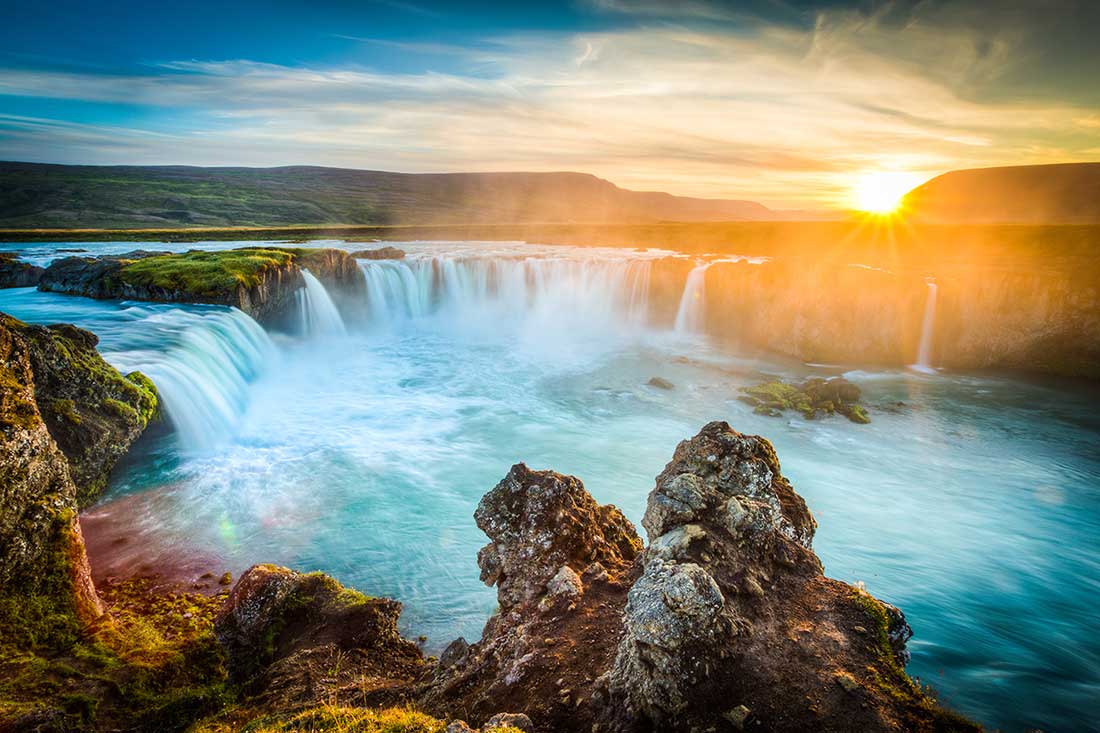 Godafoss Waterfall
 Iceland is a otherworldly, rugged, and enchanting country. Iceland is considered by many to be an absolutely beautiful destination, too. It's also popular because of the museums, wildlife, adventure travel, and national parks.
Iceland, often dubbed the "Land of Fire and Ice," is a breathtaking country that captivates every traveler who sets foot on its otherworldly terrain. With landscapes dotted with volcanoes, geysers, hot springs, and lava fields, alongside massive glaciers and fjords that defy imagination, this Nordic island is a paradise for nature enthusiasts and adventure seekers alike. Visitors are drawn here to experience the surreal beauty of the Northern Lights, soak in geothermal lagoons, embark on thrilling hikes, and explore vibrant Reykjavik. Known for its commitment to eco-friendly tourism, Iceland provides an opportunity to connect with nature in its rawest and most pristine form.
Godafoss Waterfall Below we will examine the differences and similarities between Ghana and Iceland. With this information, you can decide for yourself which place is better for your next trip.
While you'll find a number of sights and museums in both Ghana and Iceland, those in Iceland are generally more well known.
You'll find a good number of museums and monuments packed into Iceland. Reykjavik hosts some excellent museums that offer insights into Icelandic heritage and art. The National Museum of Iceland provides a detailed glimpse into the country's history from settlement to modern times. The Reykjavik Art Museum showcases contemporary Icelandic art. The Maritime Museum offers fascinating exhibits about the fishing industry and life at sea. These museums, among others in Reykjavik, provide compelling narratives and cultural education for visitors.
Ghana is a good place to visit if you're interested in museums or other recognizable sights. Museums like the National Museum of Ghana in Accra offer a rich exploration into the country's history and culture. The Cape Coast Castle and Elmina Castle also function as museums, providing in-depth insights into the history of the trans-Atlantic slave trade. These sites are more than just repositories of culture; they offer educational experiences that resonate deeply with visitors.
Generally, Ghana offers a larger array of history, arts, and cutlure for travelers than Iceland.
With a long list of famous historical and cultural attractions, Ghana brings in many visitors. Ghana offers travelers a rich tapestry of history and culture that is both deeply moving and vibrantly alive. Visitors can explore poignant historical sites such as the Cape Coast and Elmina Castles, where the transatlantic slave trade left a lasting legacy. In contrast, the nation's cultural spirit shines through its colorful festivals, traditional drumming and dance, and the warm hospitality of its people. From the regal traditions of the Ashanti Kingdom in Kumasi to the bustling arts scene in Accra, Ghana invites travelers to engage with its past while celebrating its dynamic present.
Iceland is a very nice destination to visit for history and culture, as it has some sights worth visiting. Iceland's rich history and culture are deeply entwined with its dramatic landscapes. The Saga Museum in Reykjavik and the Settlement Center in Borgarnes provide insights into Viking heritage. Explore Þingvellir National Park, a UNESCO World Heritage site, significant for its historic Althing assembly. The cultural influence of figures like Snorri Sturluson is visible in sites throughout the countryside. While the country is less dense in historical sites compared to Europe, its unique culture offers fascinating exploration opportunities.
Iceland offers more big cities to explore than Ghana.
Because of the large cities in Iceland, visitors will find many sights and attractions. Reykjavik, the capital and largest city, serves as the cultural and economic hub, offering visitors an array of activities. The city's vibrant arts scene, museums like the National Museum of Iceland, and architectural sites such as the Harpa Concert Hall are must-visit spots. However, outside of Reykjavik, the urban centers are relatively smaller, providing more localized experiences, yet they may not cater to typical "big city" expectations.
Ghana also has some big cities with many activities. Cities like Accra and Kumasi may not boast the modern attractions of larger global cities but offer their own charm. Accra, the capital, provides a mix of rich history, bustling markets, and a growing arts scene. Kumasi, known as the cultural heartland, offers insights into the Ashanti traditions. However, urban infrastructure can sometimes be challenging for visitors familiar with Western standards.
You'll find a similar number of great small towns and villages to explore in both Ghana and Iceland.
As Ghana is a destination with many small towns and villages, visitors also come to explore the sights and local activities. The small towns are a highlight for visitors seeking a more authentic and relaxed experience. Cape Coast and Elmina are known for their historical significance and charming colonial architecture. The Volta Region provides picturesque landscapes and tranquil environments. Visiting these towns offers an opportunity to engage with local culture and heritage firsthand.
Iceland is a great destination to visit small towns and villages just waiting to be explored. The picturesque small towns scattered across the countryside provide charming escapes with a sense of authenticity. Seyðisfjörður, nestled in the East Fjords, boasts colorful wooden buildings and an artsy community vibe. Vik, known for its black sand beaches and basalt columns, offers a memorable small-town experience. Visitors can also enjoy the remote tranquility of places like Borgarfjörður Eystri, renowned for its hiking trails and puffin colonies.
There are opportunities to sample the local cuisine at great restaurants in both Ghana and Iceland.
Ghana has a number of nationally recognized food spots and restaurants. The local cuisine is a delight for food enthusiasts, with flavorful staple dishes like jollof rice, waakye, and fufu being must-tries. Street food culture in places like Accra is vibrant, with options such as kelewele (spicy fried plantains) readily available. The regional diversity offers different food experiences, with seafood being prominent along the coast. Exploring local markets can be a rewarding experience for sampling fresh and exotic ingredients.
With its innovative style combined with traditional elements, Iceland makes for a great culinary experience. Icelandic cuisine offers a delightful mix of traditional and modern flavors. Seafood lovers will relish the fresh fish dishes, including cod and langoustine specialties available in restaurants and local markets. Reykjavik's dining scene is vibrant with options ranging from upscale dining to cozy cafes. Those looking to try local delicacies can indulge in Icelandic lamb and skyr, a popular dairy product. For adventurous eaters, fermented shark and sheep's head are traditional dishes that offer a taste of Icelandic heritage.
Most visitors prefer the nightlife in Iceland.
Iceland has a lively atmosphere and nightlife is popular here. Reykjavik's nightlife scene is lively and varied, with a range of bars, clubs, and venues to suit different tastes. The city's pubs often feature live music, and many spots stay open late, creating an appealing atmosphere for night owls. Live music thrives in the city, with venues hosting local and international artists. The nightlife is typically centered around the weekends, drawing both locals and visitors into the city's vibrant social scene.
Ghana has an active nightlife scene for those who seek it out. The nightlife scene can be quite lively, particularly in Accra and Kumasi. In Accra, Osu and Labone are bustling with clubs, bars, and lounges offering everything from live music to dance parties. The fusion of local and international music makes the night scenes vibrant and eclectic. For a more laid-back vibe, numerous beach bars offer a coastal nightlife experience.
Most people pick Ghana for its beaches over Iceland.
Ghana is a good option for a beach vacation. Ghana has a few nice beach areas along its southern coast. Some of the more busy beach areas are around Accra, but if you get away from the city, you'll find more quiet areas. The water is known to be rough here due to currents, however.
Iceland is a good spot to see the beach. While known more for its dramatic coastlines than traditional beach experiences, Iceland has intriguing beaches worth exploring. The black sand beaches of Vik and Reynisfjara offer striking views and unique geologic formations like basalt columns. Djúpalónssandur on the Snæfellsnes Peninsula provides a memorable setting amid rugged cliffs. However, visitors should note that the beaches are not suited for swimming due to cold temperatures and strong currents.
While Ghana and Iceland both have national parks worth visiting, overall Iceland is considered to have more destinations.
Many tourists visit Iceland specifically to see its world-class national parks. The national parks are treasured destinations, each offering unique natural wonders. Thingvellir National Park, part of the Golden Circle, is rich in history and geological significance, being the site of the world's first parliament. Vatnajökull National Park, the largest in Europe, encompasses glaciers, volcanoes, and stunning waterfalls. Snæfellsjökull National Park offers impressive hiking trails and views of the Snæfellsjökull glacier, adding to the diverse attractions for nature enthusiasts.
Ghana is a great destination for touring the national parks. Kakum National Park stands out with its canopy walkway, offering a bird's-eye view of the tropical rainforest. Mole National Park is the largest and offers excellent chances to see elephants and other wildlife. These parks provide a glimpse into the country's biodiversity. While facilities might not be world-class, the natural experiences are rich and fulfilling.
Overall, Iceland is considered to offer more wildlife viewing opportunities and experiences to visitors.
Iceland is a very popular place to visit because of its wildlife and wilderness activities. The country provides excellent opportunities for wildlife viewing. Puffin colonies can be observed in places like the Westman Islands and the cliffs of Látrabjarg during the summer months. Whale watching tours operate from Reykjavik and Husavik, offering sightings of various whale species, including humpbacks and minke whales. Iceland's rich birdlife also attracts ornithologists and birdwatchers to its cliffs and shores.
Ghana has some great wildlife viewing activities that attract visitors. The country offers wildlife experiences, particularly at Mole National Park where visitors can see elephants, antelopes, and various bird species. The coastal areas also provide opportunities for bird watching, especially during migratory seasons. Ghana's focus on conservation in certain areas helps preserve these wildlife experiences.
Iceland generally offers more adventure travel options for travelers than Ghana.
With world-famous adventure travel activities and thrilling experiences, Iceland attracts many visitors interested in a wide range of options. Adventure travelers will find no shortage of adrenaline-pumping activities. The country's rugged terrain offers ideal conditions for glacier hikes, ice climbing, and snowmobiling. The numerous volcanos provide opportunities for exploration, while river rafting is popular in East Iceland. Adventure seekers can also experience the thrill of diving between tectonic plates at Silfra in Thingvellir National Park.
Ghana has some adventurous travel experiences that often attract visitors. Adventure seekers will find plenty to do, from canopy walks at Kakum National Park to river activities in the Volta Region. The coast offers surfing opportunities, particularly around Busua Beach. For those looking to delve into local customs, cultural festivals provide an immersive adventure. While not extreme by global standards, the mix of nature and culture provides diverse adventure options.
You can find a fairly equal amount of great outdoor activities in both Ghana and Iceland.
The huge number of outdoor activities in Ghana is one of the main reasons people come to visit. Outdoor activities in Ghana are diverse and plentiful. Hiking trails like those at Afadjato, the highest mountain in Ghana, offer rewarding views. Beaches provide relaxation and adventure, while the national parks, like Kakum, invite exploration and wildlife spotting. The lush landscapes and multi-faceted terrains create perfect settings for outdoor enthusiasts to enjoy.
Iceland is famous for its exciting and adventurous outdoor activities. Outdoor activities are abundant in Iceland, making it a haven for nature lovers. Hiking trails range from the famous Laugavegur Trail to coastal paths in the Westfjords. The opportunities for exploring glaciers, lava caves, and geothermal areas are almost endless. Fishing, horseback riding, and bird watching add to the diverse range of outdoor experiences available.
Iceland is usually considered to be a better destination to explore on a road trip than Ghana.
Iceland is a very popular destination for those that love to take road trips. Iceland's Ring Road presents one of the most beautiful road trips in the world, circling the entire country and providing access to stunning landscapes. From glacial lagoons to volcanic craters, travelers can explore diverse ecosystems and small villages. The Westfjords region, although less traveled, offers dramatic fjords and remote roads for adventurous road trippers. East Fjords and the tranquil countryside add to the quintessential Icelandic road trip experience, with frequent opportunities to pause and appreciate the scenic beauty.
See also Campervan Rental Costs in Iceland.
Ghana offers some possibilities for road trips. Road tripping in Ghana offers mixed experiences due to varied road conditions but can be an adventure in itself. Regions like the Volta offer scenic drives, with opportunities to explore less touristy areas and witness local life. While not as convenient as major highways in other countries, the network does allow for exploration off the tourist trail. Challenges with infrastructure can add to the sense of adventure for those looking to immerse themselves in a complete experience.
Iceland is considered to a better choice for families.
Iceland is an extremely popular country to visit for families. Iceland offers a myriad of engaging experiences for families. The Golden Circle is a popular route featuring geysers and waterfalls that young travelers will find fascinating. In Reykjavik, families can enjoy visits to the interactive Perlan Museum or relax in the Blue Lagoon. The country's geothermal pools are also a hit with kids, providing fun, natural hot tubs. Additionally, whale watching tours departing from Reykjavik or Husavik offer unforgettable marine wildlife encounters for children and adults alike.
Ghana is a very family-friendly place to visit. Families visiting will find a range of activities catered towards all ages. The coastal area of Cape Coast offers historical sites like the Cape Coast Castle which provide educational opportunities. Families can also enjoy Kakum National Park, where canopy walks offer a thrilling experience amidst lush greenery. Accra's Legon Botanical Gardens is another family-friendly spot with playgrounds and picnic areas. Along with that, Ghana's beaches offer a mix of relaxation and cultural experiences, making them suitable for family outings.
There's generally more to do as a couple in Iceland than Ghana.
Iceland makes for a fun place to visit for a couple. Couples visiting will find plenty of romantic spots amidst the stunning natural landscapes. The secluded beaches and waterfalls on the southern coast offer intimate settings for picnics or shared moments. The charming town of Akureyri, with its picturesque fjords, provides a wonderful backdrop for romantic strolls. Enjoying the peacefulness of the geothermal Blue Lagoon spa or catching the Northern Lights dancing overhead during the winter months adds to the romantic allure of the country.
Ghana is a nice destination for couples. For couples, romantic getaways can be found in the serene beaches of the Volta Region or a stroll through the beautiful Aburi Botanical Gardens. Exploring the historical castles along the coast offers a unique experience, while the vibrant nightlife in Accra provides an opportunity for evening entertainment. The cultural heritage of places like Kumasi can also enrich a couple's experience with its art and history.
Visitors will be able to get around equally well in both Ghana and Iceland.
Many visitors use the public transit system in Ghana. Travelling around has become more convenient with a mix of transportation options available. Major cities are connected by a network of buses and coaches, while local taxis and tro-tros (shared minibuses) offer economic ways to navigate urban areas. Domestic flights connect larger cities and popular tourist destinations and make traveling across regions faster. The road conditions have been improving, making broader exploration feasible.
Is it easy to travel around Ghana?
Public transit in Iceland is fairly effecient and thorough. Public transportation around Iceland is relatively efficient, although most visitors prefer renting a car for flexibility. The Ring Road makes self-driving tours convenient for accessing different regions. In Reykjavik, the public bus system is reliable and user-friendly. Domestic flights and ferries provide additional options for reaching further destinations such as the Westfjords and East Fjords, ensuring travelers have various transportation choices.
Is it easy to travel around Iceland?
Iceland typically offers more travel comforts and amenities than Ghana, as it is generally a more modern destination with a larger tourist infrastructure.
Iceland is a very comfortable and luxurious destination with plenty of hotels, restaurants, and activities. Visitors will find excellent comfort options throughout the island, with numerous modern hotels and cozy guesthouses offering high levels of service. In Reykjavik, accommodations range from luxury hotels to stylish apartments, ensuring a comfortable stay. The country is well-equipped to cater to tourists, with reliable infrastructure, organized tour operators, and modern amenities readily available. Even in remote areas, travelers can enjoy comfortable lodgings with stunning views of glaciers and fjords.
Ghana is somewhat comfortable to travel in. While it may not have a reputation for high luxury, there are comfortable accommodations and amenities available. Accra, being a major city, offers several modern lodgings and eateries that provide international cuisine alongside local dishes. Moving around the country has been made easier with improved road networks and transport options, including flights and long-distance buses. Some areas still offer rustic charm rather than luxury, but they make up for it with genuine hospitality and local color.
Generally, Iceland is considered to be more touristy than Ghana.
Iceland is a destination which hosts plenty of visitors. The country has become a popular tourist destination, especially for its unique natural wonders like the Blue Lagoon, Golden Circle, and the Northern Lights. Reykjavik, as the capital and the most visited city, tends to have larger crowds, especially during peak travel seasons. The Ring Road, encircling the island, is a well-trodden path that sees many visitors stopping at major sites like Gullfoss waterfall and Thingvellir National Park. However, travelers can still find quieter spots by venturing off the beaten path in the Westfjords and the East Fjords.
Ghana is somewhat touristy. The country sees a moderate number of tourists, especially interested in its rich history and vibrant culture. The Cape Coast and Elmina castles are popular stopovers for heritage tourism. Sites like the Mole National Park also draw visitors, although it doesn't compare to the larger tourist crowds found in more traditional safari destinations. Cities like Accra offer a taste of urban Ghanaian life but don't experience overly large crowds.
For some great organized tour ideas, see The Best 10-Day Tours in Ghana, The Best Adventure Tours to Ghana, The Best Safaris in Ghana, The Best Family-Friendly Tours to Iceland, The Best Hiking & Trekking Tours in Iceland, The Best One Week (7-Day) Tours in Iceland, The Best 10-Day Tours in Iceland, Tours for Outdoor and Nature Lovers in Iceland, The Best Adventure Tours to Iceland, The Best Romantic Tours for Couples in Iceland, The Best Northern Lights Tours in Iceland, The Best Luxury Tours to Iceland, The Best Budget Tours to Iceland, The Best Tours for Seniors to Iceland, and The Best One-Week (7-Day) Tours from Reykjavik.
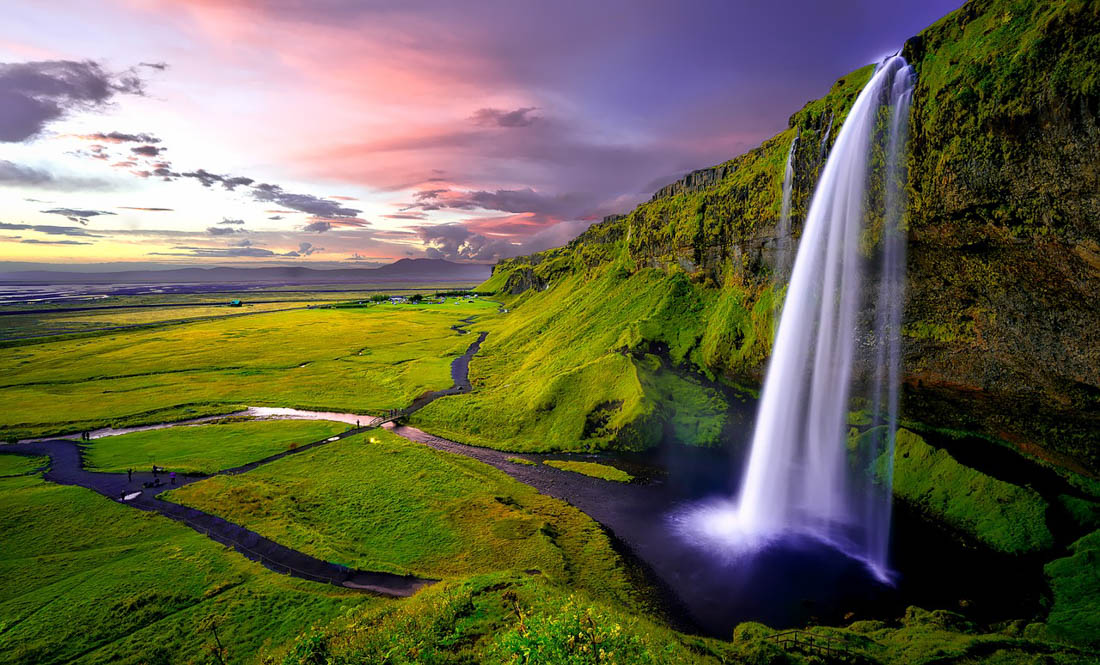 Iceland
 Both Ghana and Iceland have a number of activities to choose from. In our opinion, Iceland has more to see and do, so we recommend spending more time in Iceland than Ghana. However, 3-7 days is a good amount of time to spend in either destination.
Families should spend more time in Iceland than Ghana. Because of the many family-friendly attractions and fun things to do for kids in Iceland, it's a great place to visit with the whole family.
Couples should spend more time in Iceland than Ghana. You'll find plenty of romantic sights and fun activities in Iceland that are perfect for a weekend getaway or a longer couple's trip.
Backpackers and budget travelers should spend more time in Iceland than Ghana if your budget allows for it. With a larger number of budget-friendly sights, good nightlife, and active things to do, anyone traveling on a budget would have a good time in Iceland.
In Ghana, you'll find nightlife, food, and water sports. The length of your trip often depends on your style of travel. Since there is so much to do in the area, a weekend is probably not enough for all of it.
It's hard to know how much time to spend in Iceland. Many travelers plan to spend time at the national parks on their trip. A weekend is usually not enough time for a trip here as there is plenty to do. The length of your ideal trip is an individual decision.
Ghana is a great place to explore. It is common to spend five days here. Five days is a great amount of time to relax and see the many things that Ghana has to offer. Anyone can find something fun to do here.
Iceland is a fun place to experience. In Iceland, many people enjoy the national parks, history and culture, and skiing that this destination offers. Hiking can easily take up a good amount of your time here, too. This would be the perfect place to spend five days, as it has just the right amount of activities.
It's hard to know how much time to spend in Ghana. In Ghana, you'll find water sports, beaches, and museums. With all of its activities, you can easily fill one week here.
In Iceland, many people enjoy the history and culture, skiing, and nightlife that this enchanting destination offers. Plenty of people spend one week in the area when traveling. Hikers are also drawn to this area. Take your pick from the many activities offered here. One week is often enough time to do most activities.
It's hard to know how much time to spend in Ghana. Many people enjoy the water sports, beaches, and museums when visiting Ghana. Two weeks is more than enough time to enjoy everything. Take some day trips to nearby places to fill the extra days.
You'll find history and culture, skiing, and nightlife around the rugged destination of Iceland. Visiting national parks can easily take up a good amount of your time here, too. Take your pick from the many activities offered here. Most people find that two weeks is more than enough time to see everything.
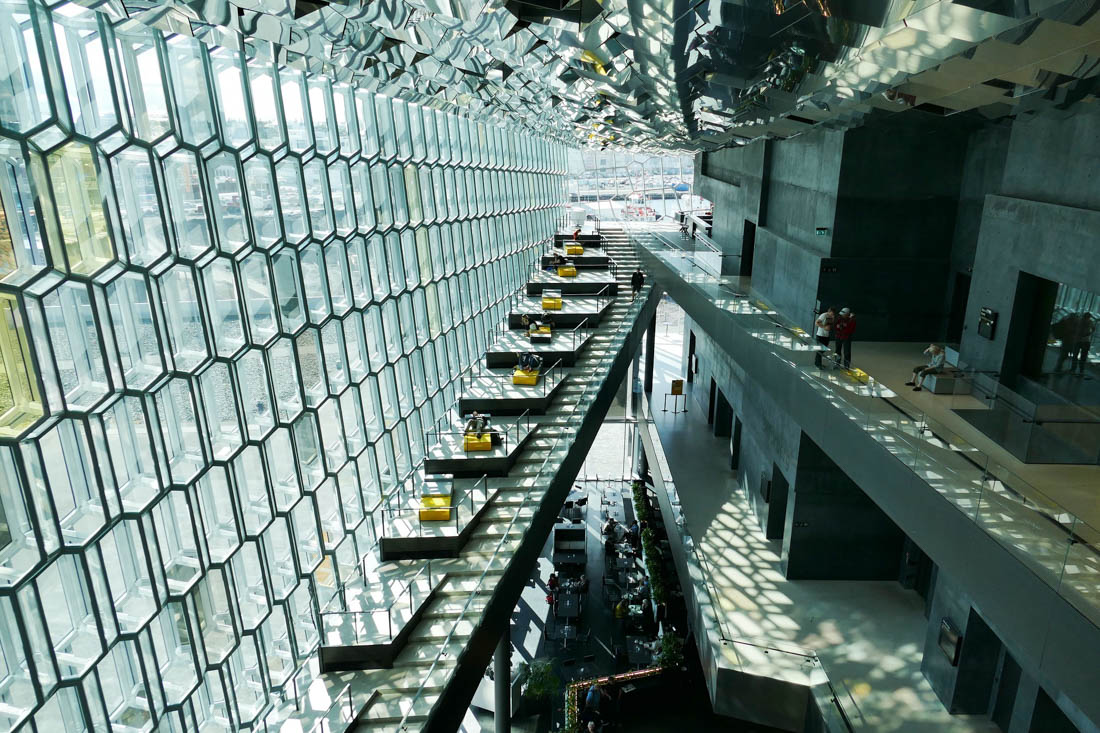 Reykjavik, Iceland
 These are the overall average travel costs for the two destinations.
The average daily cost (per person) in Ghana is $36, while the average daily cost in Iceland is $265. These costs include accommodation (assuming double occupancy, so the traveler is sharing the room), food, transportation, and entertainment. While every person is different, these costs are an average of past travelers in each country. What follows is a categorical breakdown of travel costs for Ghana and Iceland in more detail.
Looking for a hotel in Ghana or Iceland? Prices vary by location, date, season, and the level of luxury. See below for options and compare which is best for your budget and travel style.
Kayak helps you find the best prices for hotels, flights, and rental cars for destinations around the world. Compare prices for multiple destinations when planning your next trip.
Also for Ghana, here are a few examples of actual transportation services:
Also for Iceland, here are a few examples of actual transportation services:
Prices for flights to both Iceland and Ghana change regularly based on dates and travel demand. We suggest you find the best prices for your next trip on Kayak, because you can compare the cost of flights across multiple airlines for your prefered dates.
For Ghana, here are some samples of tours and activities related to meals and dining experiences:
Here are some examples of typical meal expenses from previous travelers to Iceland:
For Iceland, here are some samples of tours and activities related to meals and dining experiences:
For Ghana, here are a few prices for actual activities, tours, and tickets provided by various companies:
For Iceland, here are some examples of average entertainment and activity prices from previous travelers:
Also, here are some specific examples of entertainment, tickets, and activities for Iceland.
Here are a few samples of the prices for alcohol and nightlife in Iceland from other travelers:
Also in Iceland, these are the prices for nightlife and alcohol related activities from various tour providers:
When we compare the travel costs of actual travelers between Ghana and Iceland, we can see that Iceland is more expensive. And not only is Ghana much less expensive, but it is actually a significantly cheaper destination. Since Ghana is in Africa and Iceland is in Europe, this is one of the main reasons why the costs are so different, as different regions of the world tend to have overall different travel costs. So, traveling to Ghana would let you spend less money overall. Or, you could decide to spend more money in Ghana and be able to afford a more luxurious travel style by staying in nicer hotels, eating at more expensive restaurants, taking tours, and experiencing more activities. The same level of travel in Iceland would naturally cost you much more money, so you would probably want to keep your budget a little tighter in Iceland than you might in Ghana.
Reykjavik has a temperate climate with four distinct seasons, but Accra experiences a warm climate with fairly sunny weather most of the year.
The summer attracts plenty of travelers to both Ghana and Iceland. Warm weather and sunshine bring visitors to Ghana year-round. Also, many visitors come to Iceland in the summer for the beaches, the hiking, and the family-friendly experiences.
In July, Accra is generally much warmer than Reykjavik. Daily temperatures in Accra average around 25°C (77°F), and Reykjavik fluctuates around 11°C (52°F).
In July, Accra usually receives more rain than Reykjavik. Accra gets 86 mm (3.4 in) of rain, while Reykjavik receives 52 mm (2 in) of rain each month for the summer.
The autumn brings many poeple to Ghana as well as Iceland. Ghana attracts visitors year-round for its warm weather and sunny climate. Also, most visitors come to Iceland for the hiking trails and the natural beauty of the area during these months.
Reykjavik can be very cold during autumn. Accra is much warmer than Reykjavik in the autumn. The daily temperature in Accra averages around 26°C (79°F) in October, and Reykjavik fluctuates around 5°C (41°F).
Accra usually gets less rain in October than Reykjavik. Accra gets 49 mm (1.9 in) of rain, while Reykjavik receives 86 mm (3.4 in) of rain this time of the year.
Both Iceland and Ghana are popular destinations to visit in the winter with plenty of activities. The warm climate attracts visitors to Ghana throughout the year. Also, the winter months attract visitors to Iceland because of the skiing, the museums, the Christmas ambience, and the cuisine.
The weather in Reykjavik can be very cold. In the winter, Accra is much warmer than Reykjavik. Typically, the winter temperatures in Accra in January average around 27°C (81°F), and Reykjavik averages at about -0°C (32°F).
In January, Accra usually receives less rain than Reykjavik. Accra gets 18 mm (0.7 in) of rain, while Reykjavik receives 76 mm (3 in) of rain each month for the winter.
Both Iceland and Ghana during the spring are popular places to visit. Plenty of visitors come to Ghana because of the warm climate and sunshine that lasts throughout the year. Furthermore, the beaches and the natural beauty are the main draw to Iceland this time of year.
It's quite cold in Reykjavik in the spring. In April, Accra is generally much warmer than Reykjavik. Daily temperatures in Accra average around 28°C (82°F), and Reykjavik fluctuates around 3°C (38°F).
It rains a lot this time of the year in Accra. Accra usually gets more rain in April than Reykjavik. Accra gets 117 mm (4.6 in) of rain, while Reykjavik receives 58 mm (2.3 in) of rain this time of the year.
| Accra | Reykjavik | |||
|---|---|---|---|---|
| Temp (°C) | Rain (mm) | Temp (°C) | Rain (mm) | |
| Jan | 27°C (81°F) | 18 mm (0.7 in) | -0°C (32°F) | 76 mm (3 in) |
| Feb | 28°C (82°F) | 30 mm (1.2 in) | 1°C (33°F) | 72 mm (2.8 in) |
| Mar | 28°C (82°F) | 70 mm (2.8 in) | 1°C (34°F) | 82 mm (3.2 in) |
| Apr | 28°C (82°F) | 117 mm (4.6 in) | 3°C (38°F) | 58 mm (2.3 in) |
| May | 27°C (81°F) | 120 mm (4.7 in) | 7°C (44°F) | 44 mm (1.7 in) |
| Jun | 26°C (79°F) | 281 mm (11.1 in) | 10°C (49°F) | 50 mm (2 in) |
| Jul | 25°C (77°F) | 86 mm (3.4 in) | 11°C (52°F) | 52 mm (2 in) |
| Aug | 24°C (75°F) | 29 mm (1.1 in) | 11°C (52°F) | 62 mm (2.4 in) |
| Sep | 25°C (77°F) | 73 mm (2.9 in) | 8°C (46°F) | 67 mm (2.6 in) |
| Oct | 26°C (79°F) | 49 mm (1.9 in) | 5°C (41°F) | 86 mm (3.4 in) |
| Nov | 27°C (81°F) | 31 mm (1.2 in) | 1°C (35°F) | 73 mm (2.9 in) |
| Dec | 27°C (81°F) | 20 mm (0.8 in) | 0°C (32°F) | 79 mm (3.1 in) |
 Budget Your Trip is all about finding out how much everything costs so that you can travel cheaper and longer. Created by avid travelers Laurie and Bryan, our goal is to help you plan your next trip on the right budget. With average daily travel costs that are calculated from the budgets of real travelers, plus an analysis of hotel and tour prices, you can find out how much money you need to plan your next adventure. We also have plenty of travel advice, accommodation reviews, and activity suggestions.
Some of the links on this website are sponsored or affiliate links which help to financially support this site. By clicking the link and making a purchase, we may receive a small commission, but this does not affect the price of your purchase.