Cheap Flight, Expensive Trip: Why Airfare Doesn’t Tell the Whole Story
A cheap flight and a cheap trip are not the same thing. Find out how to maximize your overall budget by staying flexible on your flight plans.
Also check out our average daily travel costs for Europe.
A cheap flight and a cheap trip are not the same thing. Find out how to maximize your overall budget by staying flexible on your flight plans.
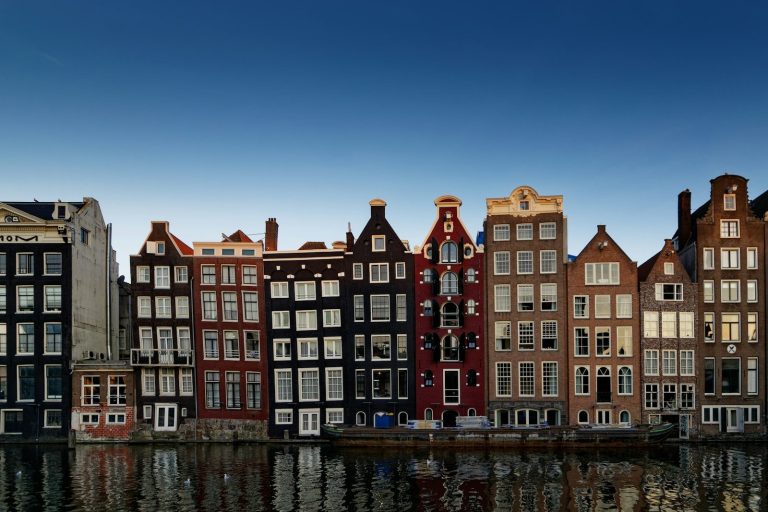
Amsterdam is one of Europe’s most rewarding cities to explore, with a mix of world-class museums, scenic canals, lively neighborhoods, historic architecture, markets, parks, and local food experiences. The city is compact enough to explore on foot, but varied enough that each neighborhood feels a little different. First-time visitors often come for the canals, art museums, and historic sights, but Amsterdam is also a great city for slow wandering, café-hopping, cycling, browsing markets, and discovering creative areas beyond the old center.
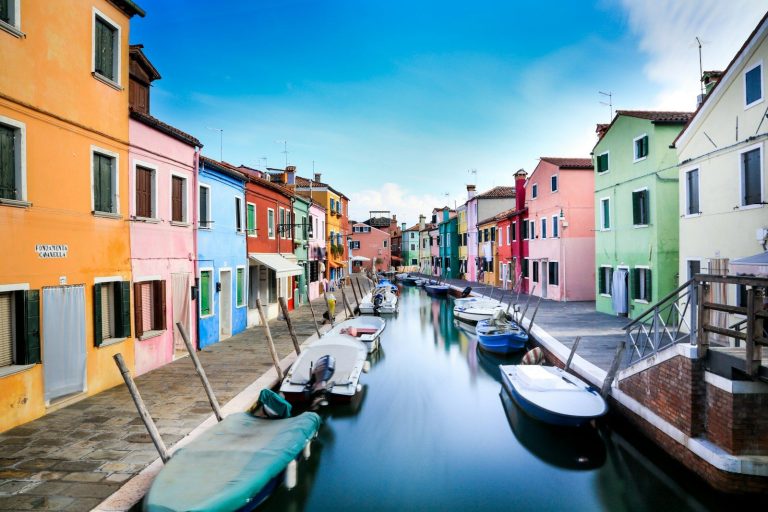
Most people arrive in Venice with a very clear picture in mind. Canals. Bridges. Gondolas. San Marco. Maybe Murano or Burano if there’s time. That version of Venice is real, of course. But it’s also only part of the story.
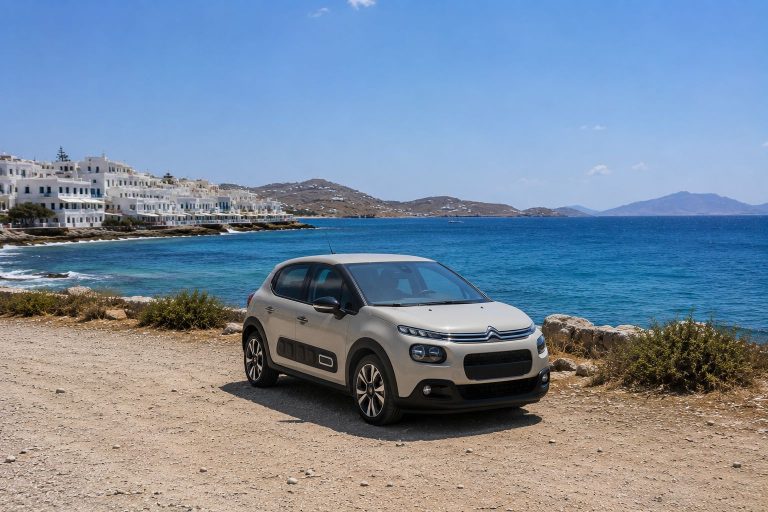
Every rental car booking comes down to the same choice. You either go with a name you recognise from the airport concourse, or you go with a company you have never heard of that has forty cars and a phone number that turns out to be a WhatsApp account. Most people pick the familiar option without thinking about it, which is fair enough. It is also, in a lot of countries, the more expensive one.
Planning transportation is an important part of managing the overall cost of a European trip. Although a rental car may initially appear reasonably priced, insurance, deposits, fuel policies, and optional extras can significantly increase the final bill. Understanding where these additional costs come from helps travelers avoid car rental hidden fees in Europe, compare providers more accurately, make informed booking decisions, and identify companies that prioritize transparent pricing from the outset.
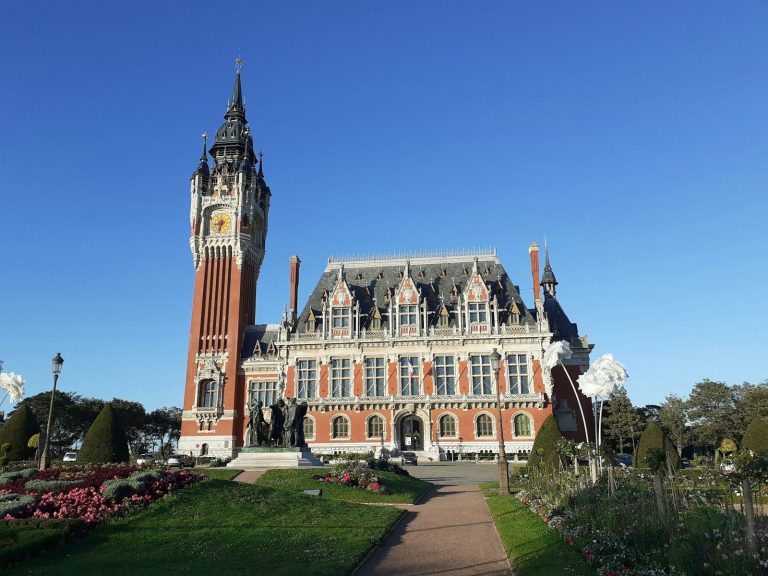
Calais offers plenty of attractions for a relaxing and enjoyable weekend break, from sea air, Flemish-style streets, lace history and long sand to easy views of the Opal Coast.
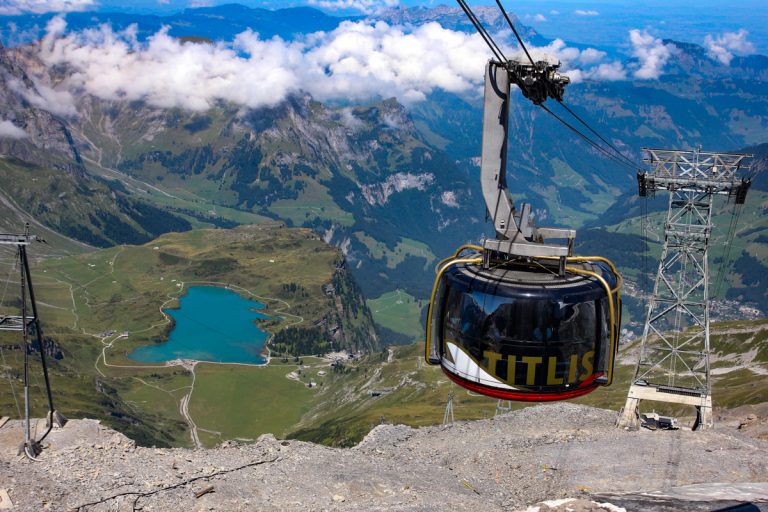
Mount Titlis is one of the easiest and most rewarding high-mountain day trips from Lucerne. In a single day, you can leave the lakeside city, ride a scenic train into the mountains, take a series of cable cars above Engelberg, and arrive at a snowy alpine world more than 3,000 meters above sea level. The trip is popular for good reason: it combines dramatic Swiss scenery with glacier experiences, panoramic viewpoints, family-friendly activities, and straightforward transportation.
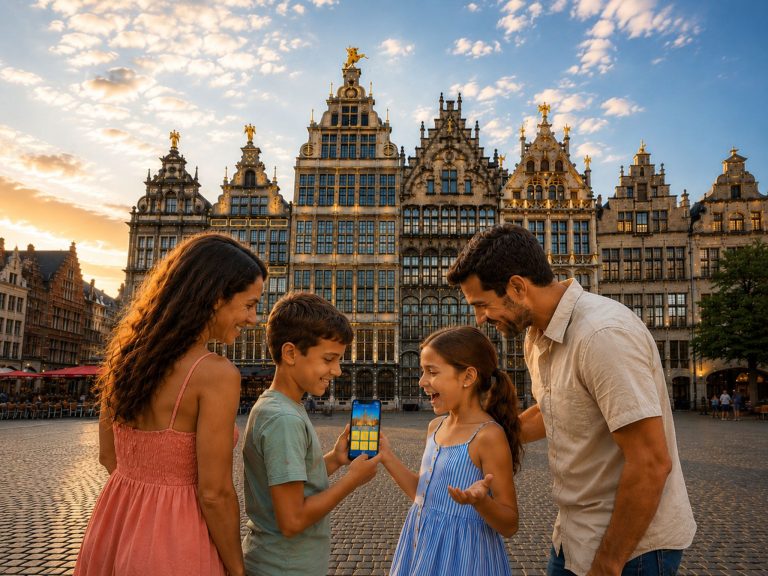
Guided walking tours are one of the biggest hidden costs of a European city break. A typical two-hour walking tour in Bruges, Prague, or Strasbourg runs €25 to €35 per person. For a family of four, that's €100 to €140, before you've bought a single museum ticket or a coffee. Do that in three cities and you've spent more on tours than on your flights. The good news is that you don't need a guide to understand a city. Over the last few years, a whole category of alternatives has matured, some free, some costing less than a beer, and most travellers still don't know they exist.
This Europe packing list covers the essentials: clothing, shoes, toiletries, electronics, documents, day bag items, seasonal advice, and a few packing tips that can save you space and stress along the way.
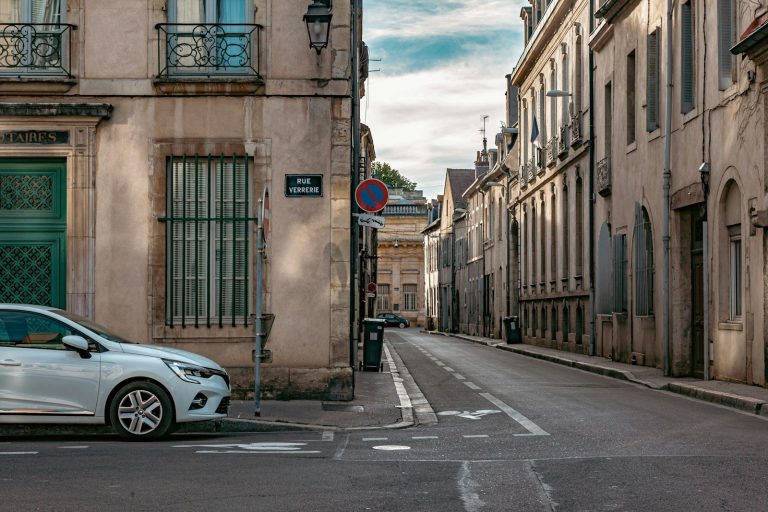
A family trip to France can easily become a checklist of famous sights. The Eiffel Tower, the Louvre, Versailles, Mont Saint-Michel, the French Riviera, and the grand boulevards of Paris are all iconic for a reason. They are beautiful, historic, and memorable. But for families traveling with teens, France becomes even more rewarding when the trip goes beyond the biggest attractions and begins to feel more connected to real French life.