
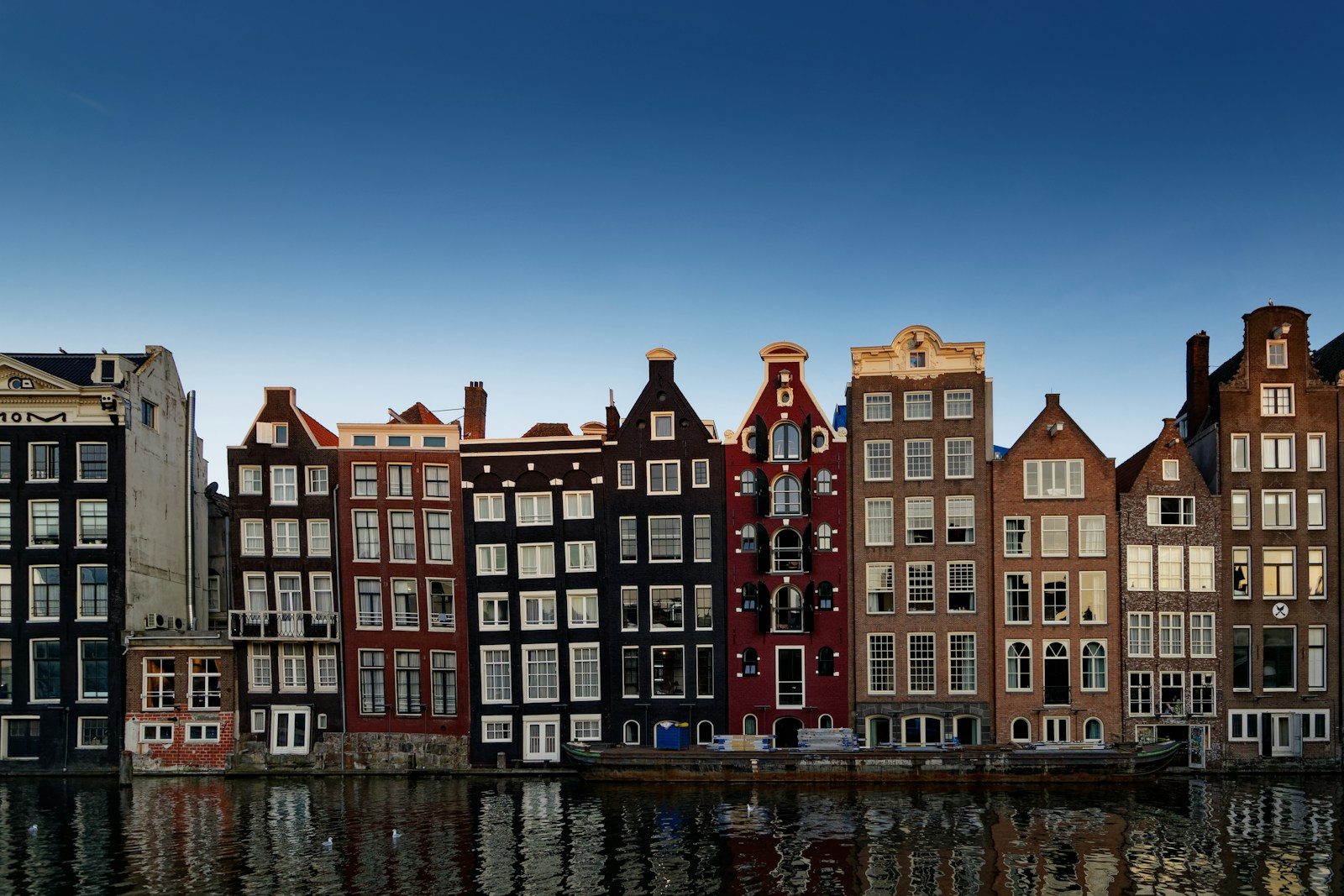
Amsterdam is one of Europe’s most rewarding cities to explore, with a mix of world-class museums, scenic canals, lively neighborhoods, historic architecture, markets, parks, and local food experiences. The city is compact enough to explore on foot, but varied enough that each neighborhood feels a little different. First-time visitors often come for the canals, art museums, and historic sights, but Amsterdam is also a great city for slow wandering, café-hopping, cycling, browsing markets, and discovering creative areas beyond the old center.
Whether you are visiting for a weekend or planning a longer stay, Amsterdam offers plenty of activities for different budgets and travel styles. You can spend your time visiting famous museums, taking a canal boat cruise, relaxing in Vondelpark, exploring local markets, or crossing the IJ River to Amsterdam Noord for a more contemporary side of the city.
Explore Amsterdam’s Best Neighborhoods
One of the best things to do in Amsterdam is simply explore its neighborhoods. The city’s historic center is beautiful, but some of the most enjoyable areas are just outside the busiest tourist streets. The Jordaan is one of the most atmospheric neighborhoods in Amsterdam, known for its narrow lanes, canals, cafés, independent shops, galleries, and traditional brown cafés. It is a great place to wander without a strict plan, especially if you want a quieter alternative to the busiest parts of the canal ring.
Near the Jordaan, the Nine Streets area is another excellent place to stroll. This compact shopping district is filled with boutiques, vintage shops, design stores, cafés, and photogenic canal views. It works well as part of a relaxed walking route through the western canal belt, especially for visitors who enjoy browsing small shops and stopping for coffee.
De Pijp offers a different side of Amsterdam. This lively neighborhood is known for restaurants, cafés, Sarphatipark, and the famous Albert Cuyp Market, which runs through the heart of the area. De Pijp is usually viewed as a creative, bohemian neighborhood, and the Albert Cuypmarkt is one of its most recognizable attractions. It is a good area for travelers who want food, markets, and a more local-feeling atmosphere away from the most crowded parts of the historic center.
Amsterdam Noord is also worth including in your plans, especially if you have already seen the central sights. You can take a free ferry from behind Amsterdam Central Station across the IJ River to reach areas such as NDSM Wharf. This former shipyard has developed into a creative cultural hotspot with street art, restaurants, event spaces, and industrial waterfront scenery.
The Red Light District, also known as De Wallen, is one of Amsterdam’s most famous areas, but it is best approached thoughtfully. Beyond its nightlife reputation, it is also one of the oldest parts of the city, with historic canals, old buildings, and the Oude Kerk nearby (with rotating art exhibits worth seeing). Visitors should be respectful in this area, avoid taking photos of workers, and remember that this is both a tourist area and a part of the living city. And if you’re traveling with children, it’s fairly easy to avoid by taking alternative streets.
Visit Amsterdam’s Best Museums and Cultural Attractions
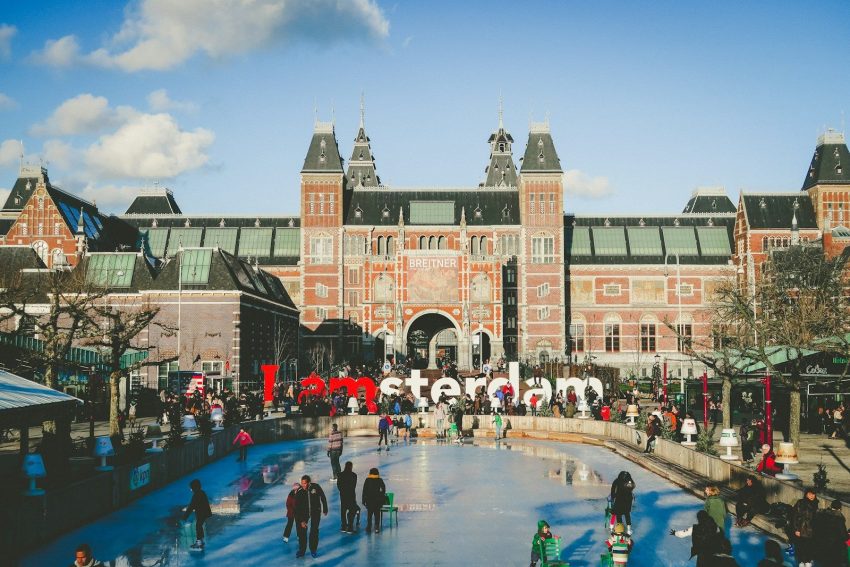
Amsterdam is one of Europe’s great museum cities, and many of its most important cultural attractions are clustered around Museumplein. The Rijksmuseum is the national museum of the Netherlands and one of the city’s essential sights. It is best known for Dutch art and history, including masterpieces from the Dutch Golden Age, and it is easy to combine with other Museumplein attractions during the same day. For visiting tips, check out our quick guide to the Rijksmuseum here.
Nearby, the Van Gogh Museum is another must-see for many visitors. It focuses on the life and work of Vincent van Gogh and is one of the most popular museums in Amsterdam. Because demand can be high, it is a good idea (and often required) to check the official ticket website in advance and book a time slot before your visit.
The Anne Frank House is one of Amsterdam’s most moving historic attractions. Located on Prinsengracht, the museum tells the story of Anne Frank, her family, and the people who hid in the Secret Annex during World War II. Tickets are only sold through its official website, and visits require an online ticket with a specific time slot, so advance planning is important, especially on weekends and during the busy summer months.
For modern and contemporary art, the Stedelijk Museum is a strong addition to a museum-focused itinerary. Located on Museumplein, it is dedicated to modern and contemporary art and design, making it a natural complement to the Rijksmuseum and Van Gogh Museum.
Visitors interested in Dutch art history may also enjoy the Rembrandt House Museum, where Rembrandt lived and worked for many years.
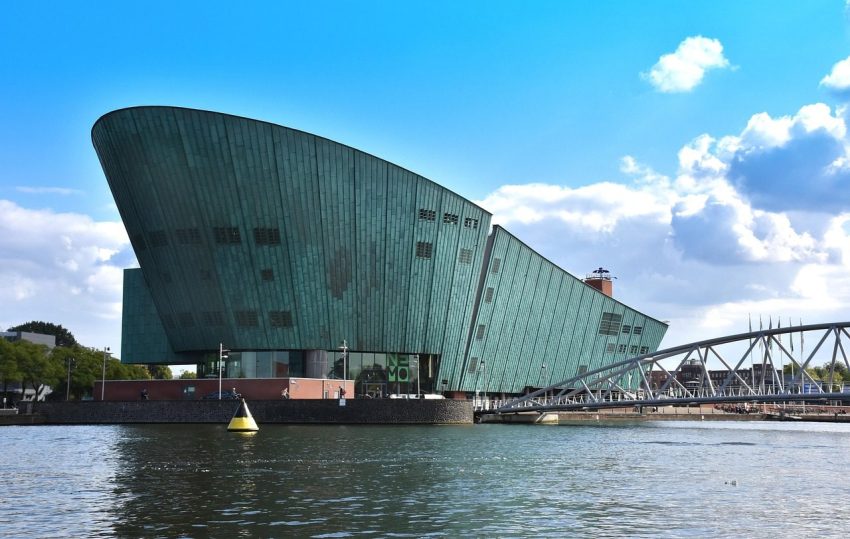
Families and curious travelers can visit NEMO Science Museum, which is housed in a striking green building near the waterfront. Here you’ll find plenty of interactive science exhibits which are great for kids, and adults, too. Near the NEMO is the fascinating National Maritime Museum (Het Scheepvaartmuseum), which showcases the history of Dutch seafaring. The museums exhibits are terrific, and you don’t want to miss the historic ship replica floating in the harbor!
For something more contemporary, head to STRAAT Museum in Amsterdam Noord. Located in a former warehouse at NDSM Wharf, STRAAT focuses on street art and graffiti and features large-scale works in an industrial setting. The museum recommends visiting by public transport because of the easy connection from Amsterdam Central Station and the free NDSM ferry.
Enjoy Amsterdam’s Outdoor Activities
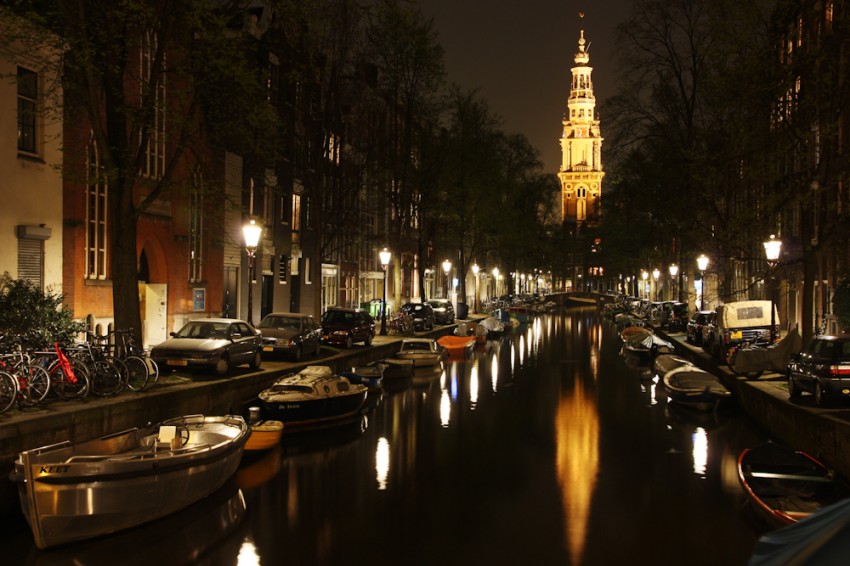
Amsterdam’s canals are one of the city’s defining features, and taking a canal boat cruise is one of the best ways to experience them. A boat trip gives you a different view of the city’s bridges, canal houses, houseboats, and historic waterways. Canal cruises range from classic sightseeing boats to open-boat tours, evening cruises, dinner cruises, and smaller group experiences. Different cruise styles available, including sightseeing tours, private boat rides with food and wine, and atmospheric nighttime cruises.
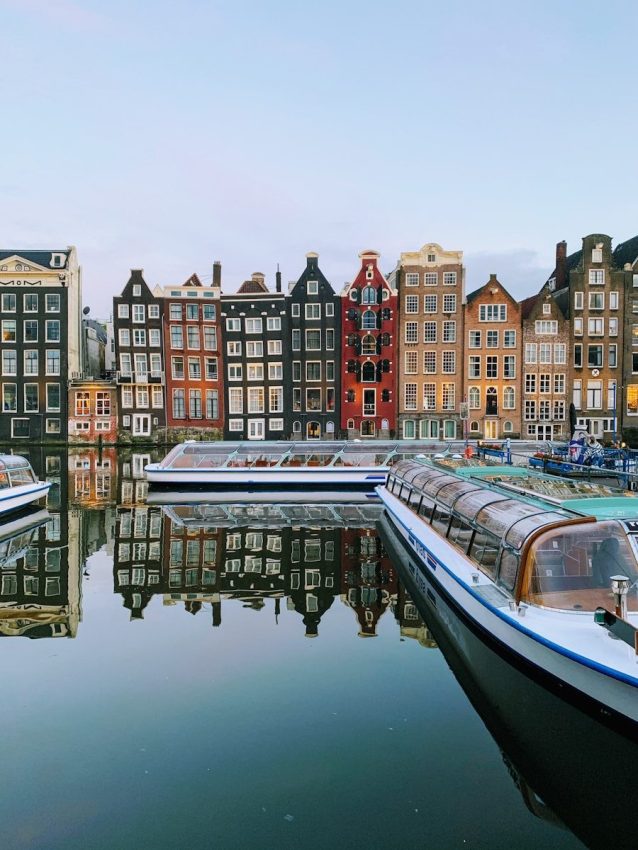
A canal cruise is especially helpful early in your trip because it gives you a sense of the city’s layout. A boat tour in Amsterdam is good for photos and sightseeing, while evening cruises offer a more romantic view of the city as lights reflect on the water. This is especially true around the holidays when the city’s buildings are lit up and holiday lights and art exhibits line the canals.
Walking or biking along the canal ring is another classic Amsterdam activity. The canal belt is one of the city’s most scenic areas, with arched bridges, narrow houses, tree-lined streets, and quiet side canals. Even if you do not take a boat tour, spending time along the canals is one of the easiest and most affordable ways to enjoy Amsterdam.
Cycling is also closely tied to everyday life in Amsterdam. Renting a bike can be a fun way to see more of the city, especially around Vondelpark, the Amstel River, or quieter residential neighborhoods. However, visitors should be honest about their comfort level. Amsterdam’s bike lanes can be busy, and local cyclists move quickly. If you are nervous about riding in the center, a guided bike tour or a quieter route may be a better option. Bike rental shops are everywhere, and you can even get one at the train station.
Vondelpark is Amsterdam’s best-known park and a great place to take a break between sightseeing stops. It has paths, lawns, ponds, cafés, and plenty of space to relax. Within Vondelpark you’ll find several cafés and restaurants, making it easy to stop for a drink or snack during a walk.
Another simple outdoor activity is walking along the Amstel River, where you can enjoy river views, bridges, houseboats, and a calmer pace than in the busiest parts of the old center. You can also take the free ferry across the IJ River to Amsterdam Noord, which is both practical transportation and a scenic budget-friendly activity. The ferry ride is quick and easy!
Try Amsterdam’s Food, Markets, and Local Experiences
Amsterdam is a great city for markets, casual food, and relaxed local experiences. Albert Cuyp Market is one of the best places to start. Located in De Pijp, it is a lively street market where visitors can find snacks, produce, flowers, clothing, and everyday goods. It is also a good place to try Dutch street food such as fresh herring (often pickled), kibbeling (small bites of fried fish), stroopwafels (a flat caramel waffle), or fries (often served with mayonnaise).
Foodhallen is another popular option, especially when the weather is rainy. This indoor food hall offers a range of vendors in a stylish converted tram depot, making it easy for groups to choose different dishes in one place. It is a good choice for lunch, dinner, or casual drinks.
Trying Dutch snacks is part of the fun of visiting Amsterdam. Popular options include stroopwafels, bitterballen, poffertjes, Dutch pancakes, herring, cheese, and fries with sauce. Amsterdam is also known for Indonesian food, especially rijsttafel, a large meal of small dishes that reflects the historic connection between the Netherlands and Indonesia. You can find plenty of Indonesian restaurants around town, as well as restaurants from many other countries.
For a more traditional local experience, visit a brown café. These cozy pubs are known for dark wood interiors, relaxed atmospheres, beer, snacks, and a neighborhood feel. They can be a nice alternative to more tourist-focused bars, especially in areas like the Jordaan.
Amsterdam also has several markets worth exploring beyond Albert Cuyp. Noordermarkt is a popular market near the Jordaan, while Waterlooplein is known for flea market finds. The Bloemenmarkt, Amsterdam’s floating flower market, is more touristy but still a quick and colorful stop in the center.
Finding Free and Cheap Things to Do in Amsterdam
Amsterdam can be expensive, but there are still plenty of free and low-cost activities. Walking the canals is one of the best free experiences in the city, especially early in the morning or around golden hour when the light is soft and the streets are quieter. The Jordaan, Nine Streets, and canal ring are all excellent areas for a self-guided walk.
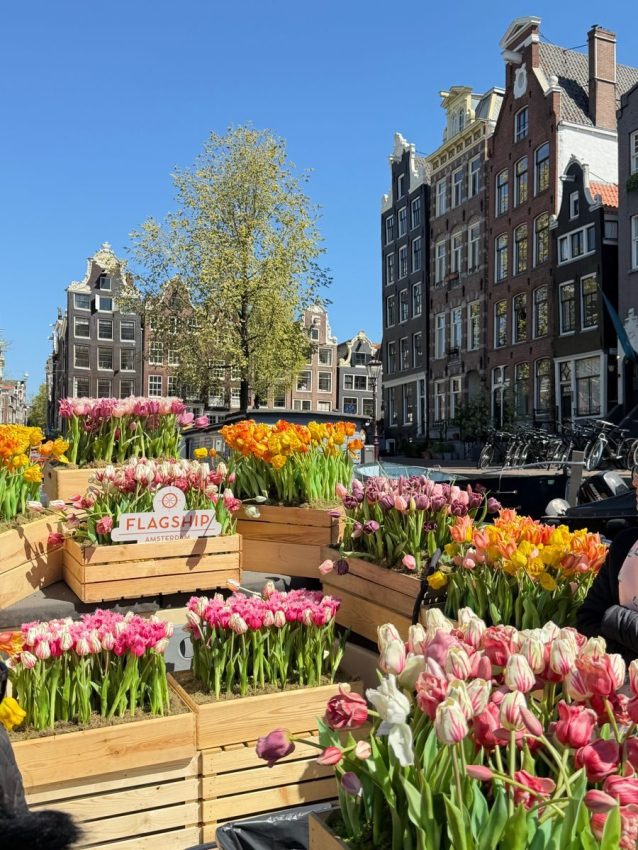
The free ferry to Amsterdam Noord is another budget-friendly highlight. It gives you views across the IJ River and connects the central station area with creative neighborhoods such as NDSM. Once there, you can walk around the waterfront, see street art, and enjoy a very different side of Amsterdam.
Vondelpark is also free to visit and works well for families, couples, and solo travelers who want a break from museums and crowded streets. You can bring a picnic, go for a walk, or simply relax on the grass when the weather is nice.
The Begijnhof courtyard is another peaceful place to visit in the historic center. It is a quiet enclosed courtyard surrounded by historic buildings, offering a calmer atmosphere just a short walk from busy shopping streets. The Rijksmuseum gardens can also be a pleasant free stop near Museumplein, especially if you are already visiting the area.
Markets can also be enjoyable even if you do not spend much. Browsing Albert Cuyp Market, Waterlooplein, Noordermarkt, or the Bloemenmarkt gives you a feel for the city’s daily life and shopping culture. For city views, consider the rooftop at NEMO Science Museum, where the rooftop square offers a scenic place to look out over Amsterdam.
Practical Tips for Planning Activities in Amsterdam
Book popular museums in advance, especially the Anne Frank House, Van Gogh Museum, and Rijksmuseum. These three museums in particular are important to plan ahead because they require an online ticket with a time slot, and tickets are only sold through their official websites.
When choosing a canal cruise, think about the type of experience you want. A standard sightseeing cruise is often the most affordable and efficient option, while smaller open-boat tours can feel more personal. Evening cruises are atmospheric, and dinner or wine-and-cheese cruises can turn the boat ride into a longer experience.
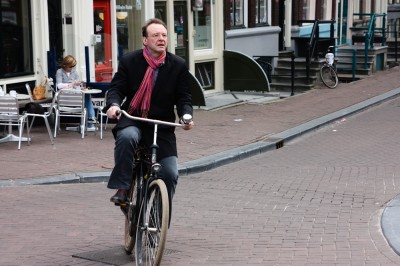
If you plan to bike, pay attention to local cycling etiquette. Stay in the bike lane, signal your turns, do not stop suddenly, and watch for trams, pedestrians, scooters, and other cyclists. If you are not confident, consider walking, using public transportation, or joining a guided bike tour instead of renting a bike on your own.
It is also smart to mix paid attractions with free activities. A day with a major museum, a canal walk, a market visit, and time in a park can be more enjoyable and less expensive than trying to pack in several ticketed attractions. Amsterdam is a city where some of the best moments come from wandering, sitting by the water, or exploring a neighborhood slowly.
Finally, plan for rain! Amsterdam’s weather can change quickly, so museums, Foodhallen, cafés, and indoor markets are useful backup options. On sunny days, prioritize canal walks, parks, bike rides, and boat trips. Take advantage of good weather when it happens! With a little flexibility, Amsterdam is enjoyable in almost any weather.
Conclusion
The best things to do in Amsterdam go far beyond a simple checklist of famous sights. The city combines major museums, scenic canals, historic neighborhoods, creative districts, local markets, parks, cafés, and memorable food experiences. First-time visitors should make time for a canal cruise, the major museums, and a few classic neighborhoods, but it is also worth exploring beyond the busiest streets to places like De Pijp, the Jordaan, and Amsterdam Noord.
Whether you are visiting Amsterdam on a budget or planning a more activity-filled trip, the city offers many ways to enjoy its history, culture, and everyday atmosphere. With a good balance of museums, outdoor activities, markets, food, and free experiences, Amsterdam can be both memorable and manageable for many different types of travelers.

Bryan has visited 61 countries, which is exactly one more country than his wife, and she won’t let him forget it! Also an avid photographer, he enjoys entrenching himself within the local culture in order to learn more about the people of a place. He is the co-founder of Budget Your Trip and loves a good adventure, an exotic meal, or a passionate conversation about global events. And he also loves to find out how much stuff costs, which is why he and his wife started Budget Your Trip.
Sign up to our email newsletter to receive sales, deals, and discounts from major travel companies!