Which country is cheaper, Iceland or Denmark?
These are the overall average travel costs for the two destinations.

Should I visit Denmark or Iceland? This is a common question asked by many travelers. By figuring out which country has activities that align with your interests along with knowing which is more affordable, you'll understand where you can get more bang for your buck. So, let's dive into the details and the data, which all comes from actual travelers.
We'll start with a quick overview, and below we will go into all of the details.
| Denmark | Iceland | |
| Museums & Attractions |  |
|
| Culture & History | |
|
| Food | |
|
| Nightlife | |
|
| Resorts | |
|
| Skiing | |
|
| Hiking | |
|
| National Parks | |
|
| Wildlife | |
|
| Outdoor Activities | |
|
| Backpackers | |
 Copenhagen
 Denmark is a progressive, picturesque, and charming country. The beauty of Denmark is also one of the main reasons why visitors come. Visitors also love the adventure travel, national parks, history and culture, and nightlife.
Denmark, often hailed as the happiest country in the world, offers travelers a charming blend of fairy-tale history and cutting-edge modernity. From the cobblestone streets of Copenhagen, where iconic landmarks like Nyhavn and the Little Mermaid statue await, to the rolling countryside dotted with Viking heritage sites, Denmark captivates with its rich cultural tapestry. Food enthusiasts will delight in the world-renowned New Nordic cuisine, with Copenhagen’s Michelin-starred restaurants setting a global standard. Beyond the cities, the island of Funen enchants with its quaint villages and Hans Christian Andersen’s legacy, while the windswept beaches of Jutland provide a serene escape for nature lovers. Denmark’s efficient transportation and bike-friendly cities make it effortless to explore, encouraging you to soak in the hygge lifestyle that locals cherish. Whether you’re cycling along scenic coastal routes or immersing yourself in cutting-edge design and art, Denmark promises an unforgettable, stylish adventure at every turn.
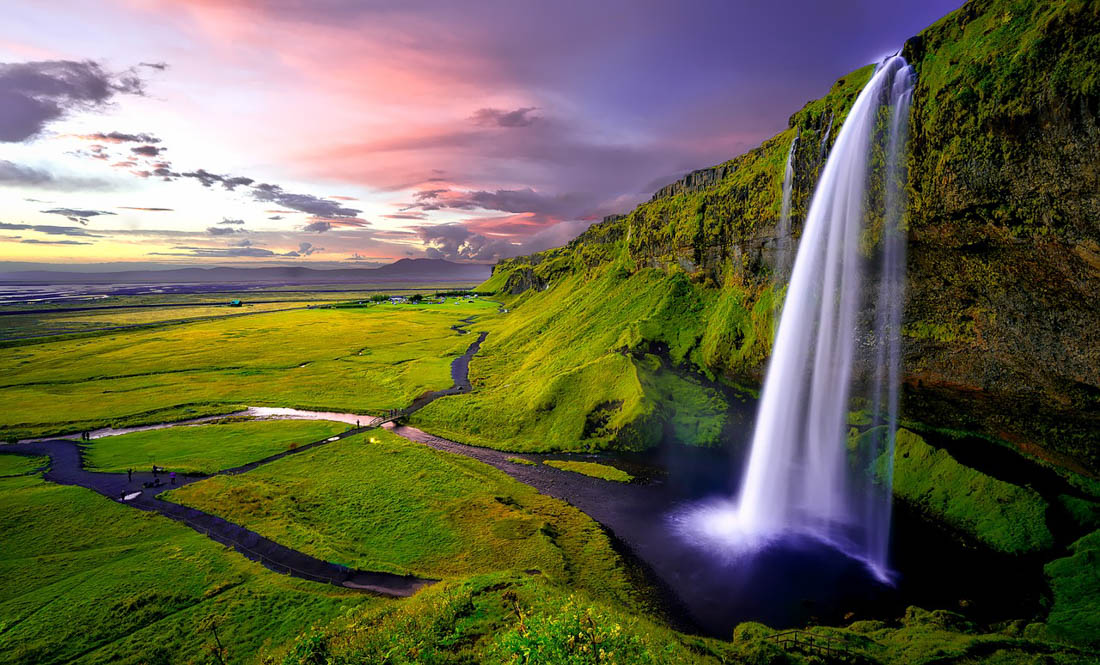 Iceland
 Iceland is a enchanting, stunning, and otherworldly country. Many visitors also come to Iceland because of it's amazing beauty. Visitors also love the adventure travel, national parks, history and culture, and skiing.
Iceland, often dubbed the "Land of Fire and Ice," is a breathtaking country that captivates every traveler who sets foot on its otherworldly terrain. With landscapes dotted with volcanoes, geysers, hot springs, and lava fields, alongside massive glaciers and fjords that defy imagination, this Nordic island is a paradise for nature enthusiasts and adventure seekers alike. Visitors are drawn here to experience the surreal beauty of the Northern Lights, soak in geothermal lagoons, embark on thrilling hikes, and explore vibrant Reykjavik. Known for its commitment to eco-friendly tourism, Iceland provides an opportunity to connect with nature in its rawest and most pristine form.
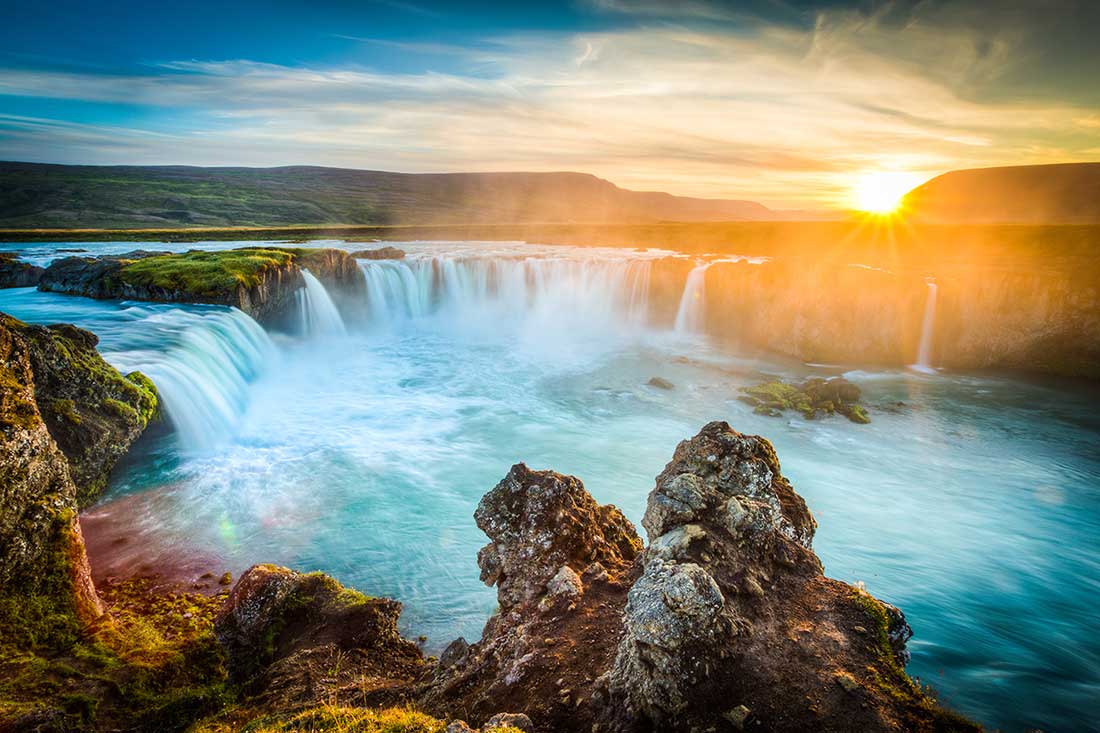 Godafoss Waterfall
 Below we will examine the differences and similarities between Denmark and Iceland. With this information, you can decide for yourself which place is better for your next trip.
Both Iceland and Denmark offer a variety of museums and places of interest, but Denmark generally has more to choose from.
The museums and tourist attractions in Denmark are world-renowned. Denmark’s vibrant museum scene offers travelers an extraordinary journey through art, history, and culture, with Copenhagen standing out as the epicenter of this rich tapestry. The National Museum of Denmark (Nationalmuseet), located in the heart of Copenhagen, is a must-visit for those eager to explore Danish history from the Viking Age to modern times, boasting vast archaeological collections and immersive exhibits. Just a stroll away, the Louisiana Museum of Modern Art, perched scenicly north of the city in Humlebæk, uniquely combines avant-garde contemporary art with stunning views of the Øresund Strait—its blend of sculpture gardens and cutting-edge exhibitions draws international art lovers year-round. Meanwhile, Kronborg Castle in Helsingør, famously immortalized by Shakespeare’s Hamlet, offers a fascinating mix of Renaissance architecture and historical artifacts, making it a living museum on the northern coast. For design aficionados, the Danish Design Museum in Copenhagen showcases Denmark’s iconic contributions to furniture and industrial design, reflecting the country’s minimalist aesthetic and functional elegance. Each of these destinations not only highlights Denmark’s cultural heritage but also provides immersive experiences that enrich any traveler’s understanding of this Nordic nation’s artistic and historical legacy.
Many visitors head to Iceland specifically to visit some of its top-rated museums and other sights. Reykjavik hosts some excellent museums that offer insights into Icelandic heritage and art. The National Museum of Iceland provides a detailed glimpse into the country's history from settlement to modern times. The Reykjavik Art Museum showcases contemporary Icelandic art. The Maritime Museum offers fascinating exhibits about the fishing industry and life at sea. These museums, among others in Reykjavik, provide compelling narratives and cultural education for visitors.
Generally, Denmark offers a larger array of history, arts, and cutlure for travelers than Iceland.
With a long list of famous historical and cultural attractions, Denmark brings in many visitors. Denmark’s rich tapestry of history and culture is a captivating journey through Viking lore, royal heritage, and cutting-edge design. The crown jewel for history enthusiasts is undoubtedly the National Museum in Copenhagen, where you can explore artifacts from the Viking Age, medieval times, and Denmark’s maritime legacy. Just a short trip away, Kronborg Castle in Helsingør—the legendary Elsinore from Shakespeare’s *Hamlet*—immerses visitors in Renaissance splendor and dramatic storytelling. For a more hands-on cultural experience, the open-air museum Den Gamle By in Aarhus lovingly reconstructs Danish urban life from the 16th century onwards, offering everything from traditional crafts demonstrations to tastings of historic cuisine. Meanwhile, the lively city of Copenhagen itself pulses with modern Scandinavian flair, blending old-world charm with world-class museums like the Louisiana Museum of Modern Art and vibrant street festivals celebrating Danish design, music, and cuisine. Whether you’re wandering the cobbled streets of Odense, birthplace of Hans Christian Andersen, or joining a Viking reenactment, Denmark’s unique fusion of past and present ensures every traveler leaves with a profound appreciation of its enduring cultural spirit.
Iceland offers multiple historical, cultural, and artistic sights and attractions for visitors. Iceland's rich history and culture are deeply entwined with its dramatic landscapes. The Saga Museum in Reykjavik and the Settlement Center in Borgarnes provide insights into Viking heritage. Explore Þingvellir National Park, a UNESCO World Heritage site, significant for its historic Althing assembly. The cultural influence of figures like Snorri Sturluson is visible in sites throughout the countryside. While the country is less dense in historical sites compared to Europe, its unique culture offers fascinating exploration opportunities.
Denmark and Iceland are similar when it comes to the great big city activities.
Denmark has some large cities, so you'll find plenty of things to do when visiting. Denmark’s largest cities—Copenhagen, Aarhus, and Odense—each offer distinct yet compelling reasons to visit, blending rich culture with vibrant urban energy. Copenhagen, the capital and Scandinavia’s cosmopolitan hub, is a magnet for travelers seeking historic charm alongside cutting-edge design. Visitors flock to the iconic Nyhavn harbor, cycle the city’s extensive bike lanes, and explore world-renowned museums like the National Gallery and the avant-garde Louisiana Museum just outside the city. Dining here is a culinary adventure, with Michelin-starred restaurants such as Noma redefining New Nordic cuisine, alongside cozy street food markets and hip cafés. Nightlife pulses in trendy districts like Vesterbro, offering everything from craft cocktail lounges to buzzing nightclubs. Theater lovers can catch performances at the Royal Danish Theatre or experimental venues like the Betty Nansen Teatret. Aarhus, Denmark’s second-largest city, is beloved for its youthful energy anchored by a large university and flourishing arts scene, including ARoS Aarhus Art Museum with its famous rainbow panorama. The city features a growing food culture emphasizing local and organic ingredients, alongside lively bars and music festivals, making it ideal for culture vultures and foodies alike. Odense, Hans Christian Andersen’s birthplace, charms visitors with fairy-tale streetscapes and family-friendly attractions. It offers intimate theaters, cozy pubs, and traditional Danish fare that illustrates the country’s culinary roots. Overall, these cities provide travelers with a dynamic urban experience—ripe for art, gastronomy, nightlife, and immersive cultural exploration—proving Denmark’s big cities are far more than just places to pass through; they are vibrant destinations in their own right.
See also 9 Things Every Traveler Should Experience in Copenhagen.
Because of the large cities in Iceland, visitors will find many sights and attractions. Reykjavik, the capital and largest city, serves as the cultural and economic hub, offering visitors an array of activities. The city's vibrant arts scene, museums like the National Museum of Iceland, and architectural sites such as the Harpa Concert Hall are must-visit spots. However, outside of Reykjavik, the urban centers are relatively smaller, providing more localized experiences, yet they may not cater to typical "big city" expectations.
Denmark is considered to have more smaller towns and villages than Iceland.
Because Denmark offers so many small towns with a variety of charming activities, it attracts plenty of visitors for a good reason. Denmark’s most visited small towns, such as Ærøskøbing, Skagen, and Ribe, encapsulate the quintessential charm and timeless appeal that travelers crave. Ærøskøbing, often dubbed “the fairy-tale town,” enchants visitors with its cobblestone streets, pastel-colored half-timbered houses, and vibrant harbor front—a perfect postcard scene that feels suspended in time. Skagen, perched where the North Sea meets the Baltic, dazzles with its unique light that inspired the famed Skagen painters, alongside windswept dunes and inviting beaches that beckon nature lovers and art aficionados alike. Meanwhile, Ribe, Denmark’s oldest town, captivates with its medieval architecture, narrow alleyways, and a soaring cathedral—all whispering stories of Viking heritage and medieval trade. These towns are not just visually charming; they offer authentic experiences like cycling along scenic coastal paths, savoring fresh seafood straight from the harbor, or exploring local craft shops and galleries. Whether you’re wandering through history, basking in tranquil seaside vistas, or indulging in Danish hygge at a cozy café, these small towns provide an intimate, richly textured encounter with Denmark’s cultural soul that larger cities simply can’t match.
As Iceland is a destination with many small towns and villages, visitors also come to explore the sights and local activities. The picturesque small towns scattered across the countryside provide charming escapes with a sense of authenticity. Seyðisfjörður, nestled in the East Fjords, boasts colorful wooden buildings and an artsy community vibe. Vik, known for its black sand beaches and basalt columns, offers a memorable small-town experience. Visitors can also enjoy the remote tranquility of places like Borgarfjörður Eystri, renowned for its hiking trails and puffin colonies.
Foodies will appreciated the dining options available in Iceland a bit more than Denmark.
Iceland has a huge number of terrific restaurants. Icelandic cuisine offers a delightful mix of traditional and modern flavors. Seafood lovers will relish the fresh fish dishes, including cod and langoustine specialties available in restaurants and local markets. Reykjavik's dining scene is vibrant with options ranging from upscale dining to cozy cafes. Those looking to try local delicacies can indulge in Icelandic lamb and skyr, a popular dairy product. For adventurous eaters, fermented shark and sheep's head are traditional dishes that offer a taste of Icelandic heritage.
There are many up and coming restaurants in the Denmark area. Denmark’s culinary landscape is a delightful blend of hearty tradition and modern innovation, reflecting its rich agrarian roots and coastal bounty. At the heart of Danish cuisine are iconic dishes like *smørrebrød*—open-faced rye bread sandwiches topped with everything from pickled herring and liver pâté to roast beef and remoulade—showcasing a harmonious balance of fresh, local ingredients. Other staples include *frikadeller* (pan-fried meatballs), *stegt flæsk* (crispy pork belly with parsley sauce), and *risalamande*, a creamy rice pudding dessert often enjoyed at Christmas. Over the past decade, Denmark, especially Copenhagen, has gained international acclaim for its new Nordic cuisine, spearheaded by world-renowned restaurants like Noma, known for elevating local, seasonal ingredients to haute cuisine status. While Danish food traditionally might have been seen as simple and rustic, today it’s celebrated globally for its inventive use of wild herbs, fermented foods, and sustainable practices, firmly putting Denmark on the gastronomic map as a destination for food lovers seeking both comforting classics and avant-garde dishes.
Copenhagen: In recent years the celebrity food scene has put this city on the map. There are many Michelin star restaurants around town including the world famous Noma. But there's also a diversity of restaurants to choose from, ranging from elegant, award-winning options to cozy local eateries. Danish food includes a lot of pastries and sandwiches. Make sure you try a rød pølse, or local hot dog from one of the many stands around town.
For nightlife, head to Iceland instead of Denmark.
The nightlife in Iceland has something for everybody. Reykjavik's nightlife scene is lively and varied, with a range of bars, clubs, and venues to suit different tastes. The city's pubs often feature live music, and many spots stay open late, creating an appealing atmosphere for night owls. Live music thrives in the city, with venues hosting local and international artists. The nightlife is typically centered around the weekends, drawing both locals and visitors into the city's vibrant social scene.
There's a variety of activities in the evening in Denmark. Denmark’s nightlife is a vibrant tapestry reflecting the country’s blend of laid-back hygge culture and cutting-edge urban cool, making it a must-experience after-dark adventure. In Copenhagen, the pulsating heart of Denmark’s party scene, you’ll find everything from chic rooftop bars with panoramic city views—like the iconic Ruby and the lively Meatpacking District, where hip clubs and late-night eateries keep the energy alive until dawn. Aarhus, Denmark’s youthful university city, offers a lively mix of bohemian pubs, intimate live music venues, and trendy cocktail bars packed with enthusiastic crowds, especially around the Latin Quarter. Elsewhere, Odense, the birthplace of Hans Christian Andersen, surprises visitors with its cozy pubs and burgeoning craft beer scene, ideal for those who prefer a more relaxed, convivial evening. Whether you’re drawn to electronic beats spun by world-class DJs, underground jazz dens, or simply savoring a cold Danish lager in a welcoming local tavern, Denmark’s nightlife caters to every mood, marrying Scandinavian sophistication with an infectious joie de vivre.
Copenhagen: The nightlife scene stays active until the early morning hours with many bars and clubs staying open until 5 or 6 in the morning. Some of the most popular areas for nightlife include Istedgade and EnghavePlads in Vesterbro, Sankt Hans Torv in Nørrebro and some areas around Frederiksberg.
See also Party Hostels in Scandanavia (Copenhagen, Stockholm).
Iceland tends to offer a wider variety of resorts than Denmark.
Iceland is known as a popular and fun resort destination. While not traditionally known for all-inclusive resorts, Iceland offers luxury accommodations that provide pampering experiences. The Retreat at Blue Lagoon offers exclusive spa services among breathtaking geothermal landscapes. In Reykjavik, boutique hotels offer high-end experiences with modern amenities. Additionally, countryside hotels and cabins present serene settings with views of glaciers or the Northern Lights for those seeking peaceful luxury.
Denmark has a few great resort options. Denmark’s resort options, though understated compared to Mediterranean or Alpine destinations, offer a uniquely charming blend of coastal serenity, cultural richness, and outdoor adventure that appeals to a wide range of travelers. Along the west coast of Jutland, places like Skagen and Blåvand beckon with their wide sandy beaches, world-class windsurfing, and the distinctive light that inspired famed Skagen painters—perfect for creatives and nature lovers alike. Meanwhile, the island of Bornholm in the Baltic Sea is a haven for cycling enthusiasts and history buffs, with its cobblestone villages, ancient round churches, and dramatic cliffsides. For those craving a combination of relaxation and urban flair, resorts near Copenhagen, such as the seaside town of Hornbæk, offer elegant beach resorts coupled with access to Danish design, gastronomy, and royal history. In contrast, the Zealand coastline boasts wellness retreats where visitors indulge in spa treatments infused with Nordic herbs while overlooking dramatic fjords. Across these resorts, the main draws center on Denmark’s trademark blend of hygge—cozy conviviality—and the outdoors, from sailing and fishing to cycling and hiking. Whether it’s the minimalist luxury of modern resorts or quaint seaside cottages, Denmark’s resort areas provide a refreshing, culturally immersive escape that highlights the country’s rich maritime heritage and commitment to sustainability.
The Christmas season is more busy in Denmark than Iceland.
Denmark is a very popular destination during Christmas.
Many visitors go to Iceland during the Christmas season. The Christmas season in Iceland is a magical time, marked by unique traditions and festive spirit. Reykjavik becomes adorned with Christmas lights, offering a warm atmosphere despite the cold weather. Christmas markets in and around Reykjavik invite visitors to explore Nordic crafts and enjoy traditional snacks like Laufabrauð. The capital's Christmas celebrations offer opportunities to learn about yuletide tales and Iceland's thirteen Jól lads. However, nights are long and the weather can be harsh, so travelers should plan accordingly.
Iceland provides a better hiking experience than Denmark.
People visit Iceland specifically for its hiking, as the natural beauty is well-known. The country's numerous hiking trails offer breathtaking views and diverse challenges, making it a hiker's paradise. The Laugavegur Trail, one of the most popular, features landscapes of geothermal areas, volcanoes, and valleys. The challenging Fimmvörðuháls between Skógar and Þórsmörk provides dramatic scenery with glaciers and mountains. For easier treks, the trails around Lake Mývatn offer volcanic landscapes and easy-to-navigate paths.
Reykjavik: The city offers easy access to some of the world's most spectacular scenery. There are many hikes that you can easily reach from town. They pass through diverse landscapes that include waterfalls, mountains, glaciers, and beaches.
Many people include a hike when visiting Denmark.
Iceland often provides a better experience visiting national parks than Denmark.
Known for its national parks, Iceland draws many visitors from around the world. The national parks are treasured destinations, each offering unique natural wonders. Thingvellir National Park, part of the Golden Circle, is rich in history and geological significance, being the site of the world's first parliament. Vatnajökull National Park, the largest in Europe, encompasses glaciers, volcanoes, and stunning waterfalls. Snæfellsjökull National Park offers impressive hiking trails and views of the Snæfellsjökull glacier, adding to the diverse attractions for nature enthusiasts.
Many visitors go to Denmark to see the national parks. Denmark’s national parks, though modest in size compared to those in larger countries, offer a surprisingly rich tapestry of natural beauty and cultural heritage that captivates both nature lovers and history enthusiasts alike. The crown jewel is Thy National Park, Denmark’s first official national park, famed for its wild, windswept dunes, heathlands, and tranquil lakes along the North Sea coast—an untamed landscape that feels remarkably close to wilderness despite Denmark’s generally gentle terrain. Rold Skov National Park enchants visitors with Denmark’s largest forest, featuring ancient trees, tranquil streams, and a network of hiking trails that combine peaceful nature immersion with glimpses of local folklore. Meanwhile, Mols Bjerge National Park stands out for its rolling hills and rare biodiversity, where limestone grasslands meet deep valleys, offering spectacular vistas and pockets of rare wildflowers and bird species. Each park is a showcase of Denmark’s unique balance between preservation and accessibility, inviting travelers to explore quiet, lesser-known corners of Scandinavian nature with a distinctly Danish charm.
Overall, Iceland is considered to offer more wildlife viewing opportunities and experiences to visitors.
Iceland offers fun and exciting wildlife experiences and wilderness activities for visitors of all ages. The country provides excellent opportunities for wildlife viewing. Puffin colonies can be observed in places like the Westman Islands and the cliffs of Látrabjarg during the summer months. Whale watching tours operate from Reykjavik and Husavik, offering sightings of various whale species, including humpbacks and minke whales. Iceland's rich birdlife also attracts ornithologists and birdwatchers to its cliffs and shores.
Denmark is a great destination for wildlife viewing and wilderness activities. Denmark, often celebrated for its charming cities and coastal beauty, also offers surprisingly rich and accessible wildlife viewing opportunities that delight nature enthusiasts. The country’s crown jewel for wildlife lovers is undoubtedly the Wadden Sea National Park, a UNESCO World Heritage site stretching along Denmark’s southwestern coast. This unique tidal wetland ecosystem serves as a crucial stopover for millions of migratory birds, including vast flocks of oystercatchers, shelducks, and the elusive spoonbill. Visiting during the migratory seasons—spring and autumn—offers spectacular birdwatching experiences against the dramatic backdrop of tidal mudflats and salt marshes. In the north, the Rold Forest, Denmark’s largest forest, is a hotspot for spotting red deer, roe deer, and the rare European polecat, all thriving amid ancient woodlands, rolling hills, and sparkling lakes. Meanwhile, Mols Bjerge National Park blends chalk cliffs, heathlands, and pastures, creating a patchwork habitat where you might encounter everything from buzzards soaring above to wild rabbits darting through the underbrush. These diverse natural enclaves, just a short journey from urban hubs, encapsulate Denmark’s ability to marry accessibility with stunning biodiversity, making it a quietly compelling destination for immersive wildlife adventures.
Overall, Iceland is considered to offer more adventure travel options and experiences to visitors.
Iceland offers a great deal of adventurous and exciting experiences. Adventure travelers will find no shortage of adrenaline-pumping activities. The country's rugged terrain offers ideal conditions for glacier hikes, ice climbing, and snowmobiling. The numerous volcanos provide opportunities for exploration, while river rafting is popular in East Iceland. Adventure seekers can also experience the thrill of diving between tectonic plates at Silfra in Thingvellir National Park.
Denmark is a pretty good destination for adventure travel with a good array of experiences. Denmark may be famed for its fairy-tale castles and hygge culture, but it also offers a surprisingly diverse range of adventure travel opportunities for the intrepid explorer. For adrenaline seekers, the rugged cliffs and sweeping coastlines of Møns Klint provide world-class rock climbing and exhilarating sea kayaking, where paddlers can glide beneath towering white chalk cliffs into hidden coves. Cyclists will find a paradise along the country’s extensive network of well-maintained bike trails, with routes through the wild heathlands of Rold Skov Forest or along the scenic coastlines of Bornholm island—each pedal stroke revealing Denmark’s serene yet invigorating landscapes. If you’re looking to get off the beaten path, canyoning and cave explorations around the chalk cliffs of Stevns Klint offer a unique blend of geology and adrenaline, while in the winter months, the dunes of Rubjerg Knude become the perfect playground for sandboarding. Whether you crave water sports, mountain biking, or nature trekking, Denmark’s compact size and varied terrain make it an accessible yet thrilling destination for adventure travelers seeking new challenges beyond the usual Nordic itinerary.
Overall, Iceland is considered to offer more outdoor activities and attractions to visitors.
With world-famous outdoor activities, Iceland attracts many visitors interested in natural scenery, exploration, and adventure. Outdoor activities are abundant in Iceland, making it a haven for nature lovers. Hiking trails range from the famous Laugavegur Trail to coastal paths in the Westfjords. The opportunities for exploring glaciers, lava caves, and geothermal areas are almost endless. Fishing, horseback riding, and bird watching add to the diverse range of outdoor experiences available.
Denmark is an extremely popular destination for those interested in outdoor activities. Denmark’s outdoor scene is a delightful playground for travelers craving a blend of nature, culture, and adventure, all wrapped in quintessential Scandinavian charm. Cycling reigns supreme here—thanks to an extensive network of well-maintained bike paths that span the country, including the iconic North Sea Cycle Route along the rugged west coast and the idyllic islands of Funen and Zealand. Peddling through Denmark’s lush beech forests, rolling farmlands, and picture-perfect villages offers an intimate way to experience its serene landscapes and charming heritage. For water enthusiasts, kayaking in the sheltered fjords of Silkeborg or sailing the Baltic Sea around Bornholm delivers both tranquillity and exhilarating coastal vistas. Hikers flock to the undulating trails of Mols Bjerge National Park or the dramatic cliffs of Møn’s Klint, where chalky white walls plunge into turquoise waters—an awe-inspiring setting that invites contemplative walks and nature photography. And for those who love a seaside escape, Denmark’s broad, sandy beaches at Skagen or along the west coast of Jutland provide perfect spots for windsurfing, kite flying, or simply basking in the long summer evenings. Whether you’re gliding along in a kayak, cycling past castles, or strolling through fragrant heathland, Denmark’s outdoor pursuits offer a refreshing, immersive way to connect with its unique Nordic landscape.
Generally Iceland is better for road trips, as it offers more possibilities.
Taking a road trip through Iceland is one of the most popular ways to see this part of the world. Iceland's Ring Road presents one of the most beautiful road trips in the world, circling the entire country and providing access to stunning landscapes. From glacial lagoons to volcanic craters, travelers can explore diverse ecosystems and small villages. The Westfjords region, although less traveled, offers dramatic fjords and remote roads for adventurous road trippers. East Fjords and the tranquil countryside add to the quintessential Icelandic road trip experience, with frequent opportunities to pause and appreciate the scenic beauty.
See also Campervan Rental Costs in Iceland.
With many possiblities for a road trip, Denmark is a great place to take on the open road. Denmark, with its compact size, picturesque countryside, and seamless blend of history and modernity, is a road tripper’s dream come true. The most popular road trip loops often start in Copenhagen, where travelers soak up the vibrant capital’s design scene and café culture before heading west to the fairy-tale castles of North Zealand, including Kronborg—Shakespeare’s Hamlet setting—and Frederiksborg Castle. From there, a scenic drive along the coast to Aarhus, Denmark’s lively second city, offers charming port towns like Ebeltoft and stunning natural areas like Mols Bjerge National Park. Further south, the island of Funen beckons with its rolling hills, half-timbered villages like Faaborg, and Hans Christian Andersen’s hometown, Odense. Adventurous travelers often include the Wadden Sea National Park in southwestern Jutland, a UNESCO World Heritage site known for its vast tidal flats and migratory birds. Road tripping in Denmark is a relaxed, effortless experience thanks to excellent highways, frequent rest stops, and plentiful cycle paths should you wish to mix driving with biking. Most travelers rent compact cars or campervans, enabling both city exploration and countryside freedom, with accommodations ranging from cozy B&Bs to historic inns and scenic camping sites. Ultimately, Denmark’s road trips offer a harmonious blend of cultural discovery, outdoor adventure, and hygge moments, all wrapped up within easy driving distances and scenic backdrops.
Kids will enjoy a visit to either Denmark or Iceland.
As it has a large number of activities for kids, Denmark is a very family-friendly destination. Denmark stands out as one of Europe’s most family-friendly destinations, effortlessly blending safety, charm, and endless kid-focused fun. Danish cities like Copenhagen and Aarhus offer a wealth of activities designed to delight children of all ages—from exploring the enchanting Tivoli Gardens, one of the world’s oldest amusement parks boasting age-appropriate rides and whimsical entertainment, to diving into the imaginative world of the National Museum’s Children’s Museum where history comes alive through interactive exhibits. Beyond urban delights, families can rent bikes to explore the fairy-tale landscapes of Zealand or visit LEGOLAND Billund, the original brick-built theme park that sparks creativity and adventure in every child. With clean, stroller-friendly streets, inclusive restaurants offering kids’ menus, and an ingrained culture of hygge that encourages cozy family moments, Denmark makes traveling with children a seamless, joyful experience.
Copenhagen: The city almost feels like it was designed with kids in mind. There are countless playgrounds, beaches, and other kid-friendly places to explore. Also make sure you stop by Tivoli Gardens, which has rides and rollercoasters that everyone can enjoy. The city also has an aquarium, zoo, and even a deer park. The Little Mermaid statue may fascinate Disney lovers, and if you want to get out on the water there are boat tours through the canals.
Iceland is one of the most popular family destinations. Iceland offers a myriad of engaging experiences for families. The Golden Circle is a popular route featuring geysers and waterfalls that young travelers will find fascinating. In Reykjavik, families can enjoy visits to the interactive Perlan Museum or relax in the Blue Lagoon. The country's geothermal pools are also a hit with kids, providing fun, natural hot tubs. Additionally, whale watching tours departing from Reykjavik or Husavik offer unforgettable marine wildlife encounters for children and adults alike.
With fun activities for couples, both Denmark and Iceland make for a great place to visit.
Denmark is a great country if you're traveling as a couple. Denmark scores high on the romance scale, making it an idyllic destination for couples and honeymooners seeking a blend of fairy-tale charm and modern sophistication. Imagine wandering hand-in-hand through Copenhagen’s enchanting Nyhavn harbor, with its colorful 17th-century townhouses reflecting in the tranquil water, or embarking on a cozy canal boat tour at sunset, where the city glows in soft pastel hues. For a more intimate escape, the island of Bornholm offers idyllic countryside cottages and quiet beaches perfect for morning walks and stargazing nights. Couples can also indulge in Denmark’s renowned New Nordic cuisine at Michelin-starred restaurants like Geranium, setting a sumptuous tone for a romantic evening. For a truly unforgettable experience, a visit to Kronborg Castle—the legendary setting of Shakespeare’s *Hamlet*—adds a dramatic and historic backdrop to any honeymoon. Whether exploring fairy-tale castles, savoring world-class dining, or cycling side-by-side through lush landscapes, Denmark’s effortless blend of cozy hygge and cosmopolitan flair turns any trip into a timeless love story.
Copenhagen: The city is filled with a positive energy that will rejuvenate any couple. You can hire a bike or hop on a boat to explore town, or simply wander through the cobblestone streets. There are many parks and gardens to explore and culture lovers will appreciate the many museums.
Iceland is a very popular place to visit for couples. Couples visiting will find plenty of romantic spots amidst the stunning natural landscapes. The secluded beaches and waterfalls on the southern coast offer intimate settings for picnics or shared moments. The charming town of Akureyri, with its picturesque fjords, provides a wonderful backdrop for romantic strolls. Enjoying the peacefulness of the geothermal Blue Lagoon spa or catching the Northern Lights dancing overhead during the winter months adds to the romantic allure of the country.
Denmark has better transportation options to get you around the region.
Denmark has an effecient and thorough public transportation system which can take you anywhere in the country. Denmark boasts an impressively efficient and well-integrated transportation network, making it a breeze for travelers to explore its charming cities and idyllic countryside. The crown jewel is undoubtedly the extensive train system operated by DSB and regional services, connecting major hubs like Copenhagen, Aarhus, Odense, and Aalborg with frequent, punctual, and comfortable rides—perfect for scenic coastal views or swift city hops. Complementing the rails, an expansive network of intercity and local buses reaches smaller towns and rural areas that trains don’t, ensuring no hidden gems go undiscovered. In Copenhagen and other urban centers, a user-friendly metro and bicycle-sharing schemes cater brilliantly to short trips, reinforcing Denmark’s reputation as one of the world’s most bike-friendly countries. For those who prefer the flexibility of driving, Denmark's compact size and well-maintained roads make self-driving an appealing option, though keep in mind strict traffic regulations and hefty fines. Domestic flights are limited, as Denmark’s compact geography typically makes flying unnecessary, but ferries play a crucial role in linking the mainland to picturesque islands like Bornholm and the Faroe Islands. Overall, travelers will find Denmark refreshingly accessible, with excellent public transport and infrastructure that invite leisurely exploration without the stress of complicated logistics.
Is it easy to travel around Denmark?
The transportation system in Iceland can get you almost everywhere very easily. Public transportation around Iceland is relatively efficient, although most visitors prefer renting a car for flexibility. The Ring Road makes self-driving tours convenient for accessing different regions. In Reykjavik, the public bus system is reliable and user-friendly. Domestic flights and ferries provide additional options for reaching further destinations such as the Westfjords and East Fjords, ensuring travelers have various transportation choices.
Is it easy to travel around Iceland?
Both Denmark and Iceland can feel quite modern and comfortable as they both have an established tourist infrastructure.
People often come to Denmark because it is such a comfortable and luxurious destination. Traveling in Denmark is wonderfully modern and comfortable, reflecting the country’s reputation for efficiency and design-savvy infrastructure. Public transportation is impressively seamless—whether hopping on the punctual regional trains that connect Copenhagen with cities like Aarhus and Odense, or navigating the extensive network of clean, frequent buses and metro lines within urban centers. Many Danes also rely on biking, so don’t be surprised if your route includes well-marked cycling paths alongside the main roads. For a typical traveler, this means getting around is rarely stressful, and the stations and vehicles themselves are clean, safe, and easy to use even without Danish language skills. When it comes to food, Denmark has moved far beyond its traditional open-faced smørrebrød sandwiches to a thriving culinary scene that marries New Nordic creativity with cozy hygge comfort—expect fresh seafood, seasonal produce, and hearty rye breads in everything from casual street food stalls to Michelin-starred restaurants. Hotels range from sleek, minimalist design properties that showcase Danish aesthetics to charming boutique stays and efficient business hotels, all typically boasting excellent amenities and attentive service. Overall, Denmark balances modern comfort with a relaxed, welcoming vibe that makes exploring the country a true pleasure rather than a rugged adventure.
Iceland is extremely comfortable for travelers as it is a modern destination with plenty of amenities. Visitors will find excellent comfort options throughout the island, with numerous modern hotels and cozy guesthouses offering high levels of service. In Reykjavik, accommodations range from luxury hotels to stylish apartments, ensuring a comfortable stay. The country is well-equipped to cater to tourists, with reliable infrastructure, organized tour operators, and modern amenities readily available. Even in remote areas, travelers can enjoy comfortable lodgings with stunning views of glaciers and fjords.
Iceland generally has a more touristy vibe than Denmark.
Plenty of tourists come to Iceland every year, as it's a popular destination. The country has become a popular tourist destination, especially for its unique natural wonders like the Blue Lagoon, Golden Circle, and the Northern Lights. Reykjavik, as the capital and the most visited city, tends to have larger crowds, especially during peak travel seasons. The Ring Road, encircling the island, is a well-trodden path that sees many visitors stopping at major sites like Gullfoss waterfall and Thingvellir National Park. However, travelers can still find quieter spots by venturing off the beaten path in the Westfjords and the East Fjords.
Denmark is fairly touristy, with a decent number of visitors coming each year. Denmark strikes a unique balance in the tourism landscape—neither overwhelmed by crowds nor entirely off-the-beaten-path. While Copenhagen’s iconic attractions like Nyhavn’s colorful harbor, the statue of The Little Mermaid, and the historic Tivoli Gardens do attract a steady stream of visitors, the crowds generally feel manageable, especially outside the peak summer months. Unlike flashier European capitals such as Paris or Rome, Denmark is not considered over-touristed; its compact size and efficient infrastructure disperse visitors comfortably, preventing that claustrophobic sense of overcrowding. Beyond the capital, many charming towns and scenic coastal areas remain delightfully under-visited, making Denmark an inviting destination for travelers seeking a mix of well-loved landmarks and authentic, low-key experiences. In short, Denmark toys with mainstream appeal without sacrificing its calm, relaxed vibe—perfect for those who want European charm without the tourist throngs.
For some great organized tour ideas, see The Best Family-Friendly Tours to Denmark, The Best Adventure Tours to Denmark, The Best Sightseeing Tours in Denmark, The Best Romantic Tours for Couples in Denmark, The Best Luxury Tours to Denmark, The Best Tours for Seniors to Denmark, The Best One-Week (7-Day) Tours from Copenhagen, The Best 10-Day Tours from Copenhagen, The Best 2-Week Tours from Copenhagen, The Best Family-Friendly Tours to Iceland, The Best Hiking & Trekking Tours in Iceland, The Best One Week (7-Day) Tours in Iceland, The Best 10-Day Tours in Iceland, Tours for Outdoor and Nature Lovers in Iceland, The Best Adventure Tours to Iceland, The Best Romantic Tours for Couples in Iceland, The Best Northern Lights Tours in Iceland, The Best Luxury Tours to Iceland, The Best Budget Tours to Iceland, The Best Tours for Seniors to Iceland, and The Best One-Week (7-Day) Tours from Reykjavik.
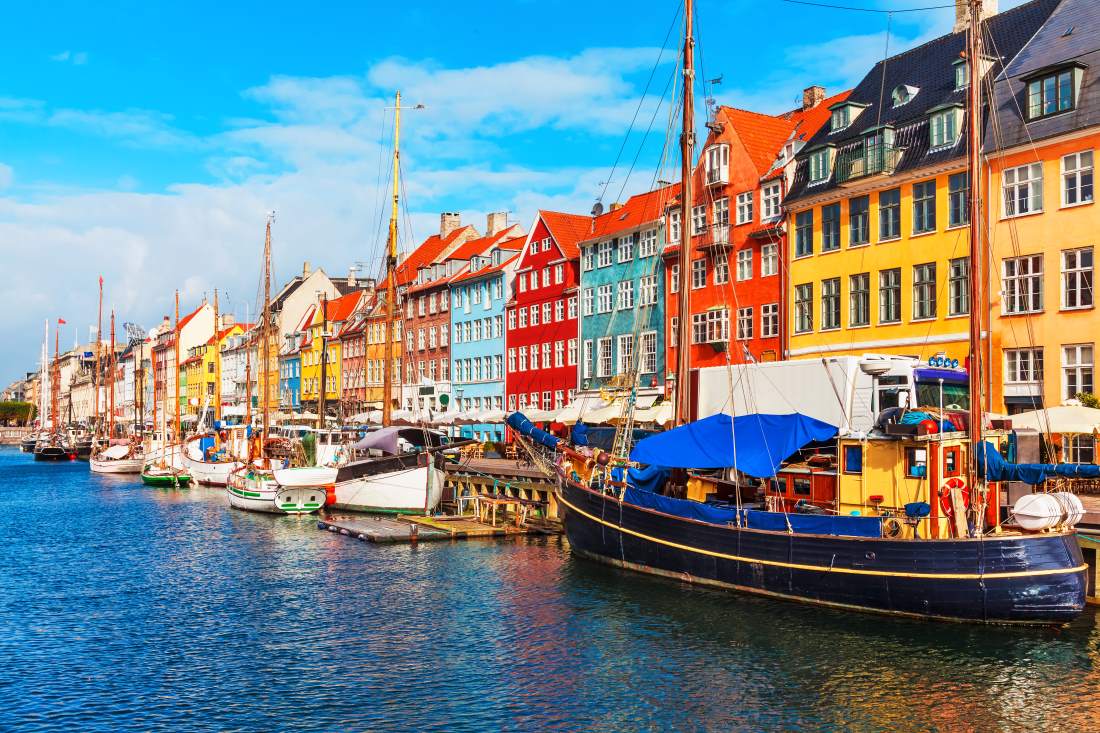 Nyhavn Harbour, Old Town Copenhagan
 Both Denmark and Iceland have a number of activities to choose from. In our opinion, Iceland has more to see and do, so we recommend spending more time in Iceland than Denmark. However, 3-7 days is a good amount of time to spend in either destination.
Families should spend more time in Iceland than Denmark. Because of the many family-friendly attractions and fun things to do for kids in Iceland, it's a great place to visit with the whole family.
Couples should spend more time in Iceland than Denmark. You'll find plenty of romantic sights and fun activities in Iceland that are perfect for a weekend getaway or a longer couple's trip.
Backpackers and budget travelers should spend more time in Iceland than Denmark if your budget allows for it. With a larger number of budget-friendly sights, good nightlife, and active things to do, anyone traveling on a budget would have a good time in Iceland.
In Denmark, you'll find history and culture, nightlife, and food. The length of your trip often depends on your style of travel. Since there is so much to do in the area, a weekend is probably not enough for all of it.
In Iceland, you'll find history and culture, skiing, and nightlife. The length of your trip often depends on your style of travel. Visiting national parks can easily take up a good amount of your time here, too. Since there is so much to do in the area, a weekend is probably not enough for all of it.
Denmark is a great place to explore. It is common to spend five days here. Five days is a great amount of time to relax and see the many things that Denmark has to offer. Anyone can find something fun to do here.
Iceland is a great place to explore. It is common to spend five days here. Hikers are also drawn to this area. Five days is a great amount of time to relax and see the many things that Iceland has to offer. Anyone can find something fun to do here.
It's hard to know how much time to spend in Denmark. In Denmark, you'll find food, hiking, and shopping. With all of its activities, you can easily fill one week here.
It's hard to know how much time to spend in Iceland. In Iceland, you'll find nightlife, food, and hiking. Many visitors also spend a good bit of time hiking. With all of its activities, you can easily fill one week here.
It's hard to know how much time to spend in Denmark. Many people enjoy the food, hiking, and shopping when visiting Denmark. Two weeks is more than enough time to enjoy everything. Take some day trips to nearby places to fill the extra days.
It's hard to know how much time to spend in Iceland. Many people enjoy the nightlife, food, and hiking when visiting Iceland. Many travelers plan to spend time at the national parks on their trip. Two weeks is more than enough time to enjoy everything. Take some day trips to nearby places to fill the extra days.
Copenhagen These are the overall average travel costs for the two destinations.
The average daily cost (per person) in Denmark is $239, while the average daily cost in Iceland is $261. These costs include accommodation (assuming double occupancy, so the traveler is sharing the room), food, transportation, and entertainment. While every person is different, these costs are an average of past travelers in each country. What follows is a categorical breakdown of travel costs for Denmark and Iceland in more detail.
Looking for a hotel in Denmark or Iceland? Prices vary by location, date, season, and the level of luxury. See below for options and compare which is best for your budget and travel style.
Kayak helps you find the best prices for hotels, flights, and rental cars for destinations around the world. Compare prices for multiple destinations when planning your next trip.
Below are a few samples from actual travelers for transportation costs in Denmark:
Also for Denmark, here are a few examples of actual transportation services:
Also for Iceland, here are a few examples of actual transportation services:
Prices for flights to both Iceland and Denmark change regularly based on dates and travel demand. We suggest you find the best prices for your next trip on Kayak, because you can compare the cost of flights across multiple airlines for your prefered dates.
Here are some examples of typical meal expenses from previous travelers to Denmark:
For Denmark, here are some samples of tours and activities related to meals and dining experiences:
Here are some examples of typical meal expenses from previous travelers to Iceland:
For Iceland, here are some samples of tours and activities related to meals and dining experiences:
For Denmark, here are some examples of average entertainment and activity prices from previous travelers:
Also, here are some specific examples of entertainment, tickets, and activities for Denmark.
For Iceland, here are some examples of average entertainment and activity prices from previous travelers:
Also, here are some specific examples of entertainment, tickets, and activities for Iceland.
Also in Denmark, these are the prices for nightlife and alcohol related activities from various tour providers:
Here are a few samples of the prices for alcohol and nightlife in Iceland from other travelers:
Also in Iceland, these are the prices for nightlife and alcohol related activities from various tour providers:
When comparing the travel costs between Denmark and Iceland, we can see that Iceland is more expensive. However, the two cities are actually relatively comparable in price, as the difference is somewhat minimal. Generally, this means that you could travel with generally the same travel style and level of luxury in each place. Since both cities are in Europe, it's no surprise that their costs are relatively close, as many destinations here have somewhat similar travel prices overall.
Iceland Both destinations experience a temperate climate with four distinct seasons. And since both cities are in the northern hemisphere, summer is in July and winter is in January.
Both Iceland and Denmark are popular destinations to visit in the summer with plenty of activities. The summer months attract visitors to Denmark because of the hiking and the family-friendly experiences. Also, the beaches, the hiking, and the family-friendly experiences are the main draw to Iceland this time of year.
Copenhagen is much warmer than Reykjavik in the summer. The daily temperature in Copenhagen averages around 17°C (63°F) in July, and Reykjavik fluctuates around 11°C (52°F).
In July, Copenhagen usually receives more rain than Reykjavik. Copenhagen gets 69 mm (2.7 in) of rain, while Reykjavik receives 52 mm (2 in) of rain each month for the summer.
Both Iceland and Denmark during the autumn are popular places to visit. The hiking trails, the shopping scene, and the natural beauty of the area are the main draw to Denmark this time of year. Also, many travelers come to Iceland for the hiking trails and the natural beauty of the area.
Be prepared for some very cold days in Reykjavik. In the autumn, Copenhagen is much warmer than Reykjavik. Typically, the autumn temperatures in Copenhagen in October average around 10°C (50°F), and Reykjavik averages at about 5°C (41°F).
Copenhagen usually gets less rain in October than Reykjavik. Copenhagen gets 59 mm (2.3 in) of rain, while Reykjavik receives 86 mm (3.4 in) of rain this time of the year.
The winter attracts plenty of travelers to both Denmark and Iceland. Many travelers come to Denmark for the museums, the Christmas ambience, the shopping scene, the theater shows, and the cuisine. Also, many visitors come to Iceland in the winter for the skiing, the museums, the Christmas ambience, and the cuisine.
Reykjavik can get quite cold in the winter. Be prepared for some very cold days in Copenhagen. In January, Copenhagen is generally much warmer than Reykjavik. Daily temperatures in Copenhagen average around 1°C (33°F), and Reykjavik fluctuates around -0°C (32°F).
In January, Copenhagen usually receives less rain than Reykjavik. Copenhagen gets 51 mm (2 in) of rain, while Reykjavik receives 76 mm (3 in) of rain each month for the winter.
The spring brings many poeple to Denmark as well as Iceland. Many visitors come to Denmark in the spring for the natural beauty. Also, most visitors come to Iceland for the beaches and the natural beauty during these months.
Reykjavik can be very cold during spring. Copenhagen is much warmer than Reykjavik in the spring. The daily temperature in Copenhagen averages around 7°C (45°F) in April, and Reykjavik fluctuates around 3°C (38°F).
Copenhagen usually gets less rain in April than Reykjavik. Copenhagen gets 42 mm (1.7 in) of rain, while Reykjavik receives 58 mm (2.3 in) of rain this time of the year.
| Copenhagen | Reykjavik | |||
|---|---|---|---|---|
| Temp (°C) | Rain (mm) | Temp (°C) | Rain (mm) | |
| Jan | 1°C (33°F) | 51 mm (2 in) | -0°C (32°F) | 76 mm (3 in) |
| Feb | 1°C (33°F) | 31 mm (1.2 in) | 1°C (33°F) | 72 mm (2.8 in) |
| Mar | 3°C (37°F) | 42 mm (1.7 in) | 1°C (34°F) | 82 mm (3.2 in) |
| Apr | 7°C (45°F) | 42 mm (1.7 in) | 3°C (38°F) | 58 mm (2.3 in) |
| May | 12°C (54°F) | 43 mm (1.7 in) | 7°C (44°F) | 44 mm (1.7 in) |
| Jun | 16°C (61°F) | 54 mm (2.1 in) | 10°C (49°F) | 50 mm (2 in) |
| Jul | 17°C (63°F) | 69 mm (2.7 in) | 11°C (52°F) | 52 mm (2 in) |
| Aug | 17°C (63°F) | 63 mm (2.5 in) | 11°C (52°F) | 62 mm (2.4 in) |
| Sep | 14°C (57°F) | 62 mm (2.4 in) | 8°C (46°F) | 67 mm (2.6 in) |
| Oct | 10°C (50°F) | 59 mm (2.3 in) | 5°C (41°F) | 86 mm (3.4 in) |
| Nov | 6°C (42°F) | 62 mm (2.4 in) | 1°C (35°F) | 73 mm (2.9 in) |
| Dec | 2°C (36°F) | 58 mm (2.3 in) | 0°C (32°F) | 79 mm (3.1 in) |
 Budget Your Trip is all about finding out how much everything costs so that you can travel cheaper and longer. Created by avid travelers Laurie and Bryan, our goal is to help you plan your next trip on the right budget. With average daily travel costs that are calculated from the budgets of real travelers, plus an analysis of hotel and tour prices, you can find out how much money you need to plan your next adventure. We also have plenty of travel advice, accommodation reviews, and activity suggestions.

Some of the links on this website are sponsored or affiliate links which help to financially support this site. By clicking the link and making a purchase, we may receive a small commission, but this does not affect the price of your purchase.