

Picking the right place to stay can totally make or break a trip. There are tons of options out there, from huge resorts to smaller boutique hotels, and all those choices can feel super overwhelming. But finding the perfect place isn’t just about having a bed for the night. It’s your home base for adventure, and it should really fit your budget, your plans, and your travel style.
The good news is, sorting through everything doesn’t have to be an overwhelming task. If you focus on what you truly need, you’ll confidently find a great hotel that makes your whole trip even better.
Prioritize Your Needs
Before you even start typing your destination into a search bar, take a minute to think about why you’re going. What makes a hotel “the best” really depends on who you are and what kind of trip you’re taking. A solo backpacker, for example, needs totally different things than a family with little kids or a couple on a romantic getaway.
So, start by listing out what you absolutely need versus what would just be nice to have. Here are some things to think about when choosing a hotel:
- Amenities: Is fast, free Wi-Fi a must-have for work? Do you need a hotel with a gym so you can keep up your fitness routine? If you’re traveling with kids, a pool might be at the top of your list. And for longer stays, having a little kitchenette in your room could save you a lot of money on eating out.
- Travel Style: Are you the kind of person who’s out exploring from morning till night, only coming back to sleep? If so, a simple, clean room might be all you need. Or do you prefer a hotel that’s an experience in itself, with a cool bar, restaurant, or spa where you can kick back and relax?
- The Group: A solo traveler might really care about safety and being in a central spot with good places to meet people. A couple might look for a king-sized bed and a room with a nice view. Families often need connecting rooms, cribs, or activities that kids will enjoy.
Thinking about these priorities first will help you filter things out right away. Instead of looking at hundreds of options, you can focus on the few that actually meet your needs, which saves you time and a lot of frustration.
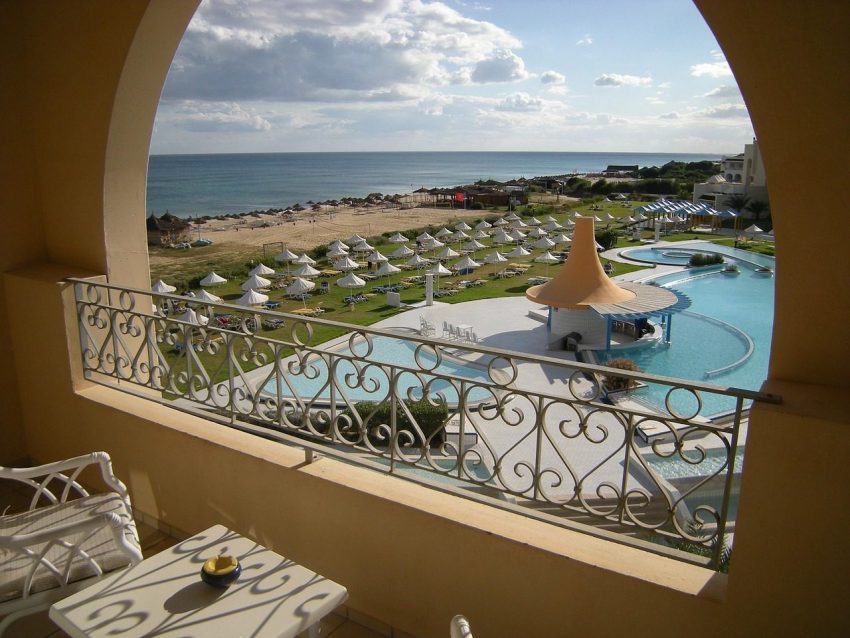
Types of Accommodation
The word “hotel” actually covers a huge range of places. Knowing about the different types of travel accommodations helps you pick lodging that matches your trip’s vibe and budget. There’s truly a perfect spot for every kind of traveler.
- Major Hotel Chains: Big names like Marriott, Hilton, and Hyatt are known for their consistency and reliability. You generally know what to expect when it comes to room size, amenities, and service quality. They’re also great if you like collecting loyalty points, which can get you free nights and upgrades.
- Boutique Hotels: These are usually smaller hotels, either independent or part of a small chain. They really focus on having a unique style, personal service, and a distinct atmosphere. Often, their design and offerings will reflect the local culture. Boutique hotels are perfect if you’re looking for a one-of-a-kind experience instead of a generic room.
- Hostels: Hostels used to be just for young backpackers, but they’ve really changed. Many now offer private rooms and bathrooms, not just the traditional dorm-style setups. They’re a fantastic budget-friendly choice and often have shared kitchens and social events, making them great for solo travelers who want to meet others.
- Vacation Rentals: Sites like Vrbo and Airbnb let you book apartments, condos, and even entire houses. This is an awesome option for families or bigger groups who need more space, extra bedrooms, and a full kitchen. It lets you live more like a local, but you might miss the convenience of hotel services, like daily housekeeping or a 24-hour front desk.
- Bed & Breakfasts (B&Bs): If you want a cozy, home-like experience, a B&B is a wonderful pick. The owner usually runs them and is famous for their charming decor, personal touches, and delicious homemade breakfasts. They’re great for romantic getaways or quieter trips.
Location Matters
Where your hotel is located is one of the most important things to consider. It directly affects your budget, your plans, and how much you enjoy your trip. What counts as the “best” location really depends on what you want to do. Staying near an airport might be perfect for a quick overnight layover, but it would be a pain if you’re exploring a city for a week.
In cities, being in a central spot can actually lower expenses. The room might cost a bit more per night, but you can often save a ton on transportation, such as taxis or ride-sharing. For example, if you’re headed to D.C. to see the monuments and museums, you’re better off using the amazing Metro system to get around, and walk around the National Mall on foot. Choosing a centrally located hotel in Downtown Washington DC, means you can walk to monuments, restaurants, and museums without having to pay for parking, or even spend hours finding a parking spot. This saves you both time and money. You get to spend more of your day enjoying the activities and less time stuck in traffic.

On the flip side, if you’re looking to relax, a hotel farther from the city center might offer more peace and more space for a lower price. Families might prefer a calmer residential area with a nearby park or a nice swimming pool. Before you book, pull up a map and mark all the attractions you really want to see. Then, check how far potential hotels are from those spots and if there’s good public transport. A hotel that looks like a great deal might not be so great if you end up spending an extra hour and $30 on travel every day.
Read Reviews Critically
Online reviews are super helpful, but you need to know how to use them smartly. Just a star rating won’t tell you the whole story. To really get a feel for a hotel, you need to read reviews with a critical eye.
First off, don’t let one amazing review or one terrible complaint sway you too much. Look for patterns. If just one person complains about a slow elevator, it might be a one-off thing. But if 20 people have mentioned it in the last month, then you know it’s a real problem. Make sure to filter reviews by date so you’re reading about the hotel’s current state, not how it was five years ago. Many hotels are upgrading their facilities (or not?), and you want to know the current conditions. Look out for noise issues, air conditioning problems, and plumbing complaints. Also, pay attention to people who say that the photos are misleading or that the hotel does not look like what the photos advertise.
Pay attention to who’s writing the review. Many sites let you filter reviews by traveler type, like “family,” “couple,” or “business.” A business traveler complaining about slow Wi-Fi might be a deal-breaker for you, while a family raving about the pool could seal the deal. Look for details that matter to your own trip. If you’re a light sleeper, search reviews for words like “noise,” “thin walls,” or “street.” After all, the location of the room in the building could make a difference.
Finally, see how the hotel management responds to feedback, especially negative comments. A thoughtful, professional reply that addresses the issue shows they care about their guests. But a defensive or non-existent response can be a red flag.
Booking Strategies for Savings
Finding a great hotel is one thing, but getting it at a great price is another challenge. With a few smart moves, you can significantly cut accommodation costs, leaving more money for fun experiences on your trip.
One of the best ways to save money on hotels is to be flexible with your travel dates. Going during the “shoulder season” (that’s the time just before or after peak season) can mean you get the same great weather with fewer crowds and lower prices. Also, hotel rates are often cheaper during the week (Sunday through Thursday) compared to weekends.
Think about booking directly with the hotel. While online travel agencies (OTAs) are awesome for comparing options, booking straight with the hotel can sometimes unlock special perks like a free room upgrade, complimentary breakfast, or a more flexible cancellation policy. It’s always worth checking the hotel’s own website before you commit.
Don’t forget about loyalty programs! If you tend to stay with the same hotel chain, signing up for their free program is a no-brainer. You’ll earn points on every stay that you can use for free nights, and members often get access to exclusive rates and benefits.
And finally, keep an eye out for package deals that combine your flight and hotel. These can sometimes offer big savings compared to booking each part separately. Other common deals include hotels with rental cars, or hotels at the beginning or end of cruises or tour packages.
With a little bit of research and a clear idea of what you’re looking for, you can absolutely find the perfect home base for your next trip. The right hotel can make your trip feel smoother, more comfortable, and far more enjoyable from start to finish.


Bryan has visited 61 countries, which is exactly one more country than his wife, and she won’t let him forget it! Also an avid photographer, he enjoys entrenching himself within the local culture in order to learn more about the people of a place. He is the co-founder of Budget Your Trip and loves a good adventure, an exotic meal, or a passionate conversation about global events. And he also loves to find out how much stuff costs, which is why he and his wife started Budget Your Trip.
Sign up to our email newsletter to receive sales, deals, and discounts from major travel companies!