Canada is huge. Really huge. It is the kind of country where you can spend one trip wandering through French-speaking old towns, another trip hiking beside turquoise lakes, and another eating your way through big, multicultural cities. There are mountains, glaciers, forests, beaches, islands, waterfalls, wildlife, vineyards, ski resorts, and some of the friendliest cities in North America.
For first-time visitors, the hardest part is usually deciding where to go. Canada is not a country where you can “see everything” in one week unless your idea of a vacation is sitting in airports. A better plan is to pick one region and enjoy it properly. Western Canada is ideal for mountains, wildlife, road trips, Vancouver, Vancouver Island, Whistler, and the Canadian Rockies. Eastern Canada is better for cities, history, French-Canadian culture, Niagara Falls, and classic routes through Toronto, Ottawa, Montreal, and Quebec City.
Outside of citizens of the U.S., many nationalities must apply for a Canada Visitor visa to legally visit the country. Help from immigration lawyers and advisors, such as the team at Immigration Advice Service, can boost your chances of a successful application, especially if you’re planning an epic trip to see the best sights.
For planning a trip to Canada, whether it’s for an adventure in nature or a city-hopping cultural trip, these are some of the best places to visit in Canada. And you’ll also find some practical tips to help you plan a trip that actually makes sense for your itinerary and budget.
Niagara Falls
Niagara Falls is one of Canada’s most famous sights, and yes, it is touristy. There are hotels, casinos, souvenir shops, restaurants, crowds, and plenty of bright lights at night. But once you are standing beside the falls and feeling the mist in the air, it is easy to understand why so many people come here.
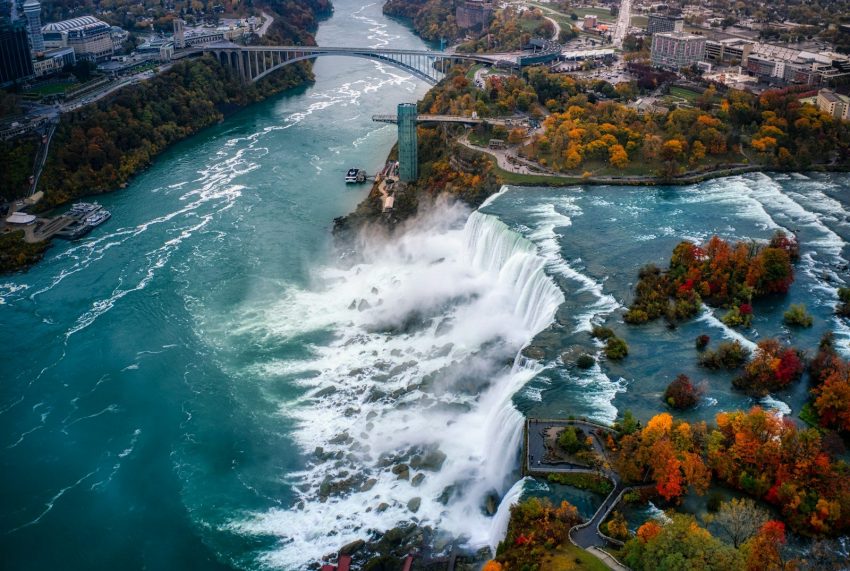
The falls are actually made up of three waterfalls: Horseshoe Falls, American Falls, and Bridal Veil Falls. Horseshoe Falls, on the Canadian side, is the most dramatic and the one most people picture when they think of Niagara. The best way to experience it is to get close. A boat tour takes you right into the mist, while the Journey Behind the Falls experience lets you walk through tunnels and viewing areas near the base of Horseshoe Falls.
Niagara Falls is also very easy to add to a Canada itinerary. It is about a 90-minute to two-hour drive from Toronto, depending on traffic, so many travelers visit as a day trip. If you have more time, staying overnight can be worthwhile. After all, most visitors say that the Canadian side of the falls are better than the U.S. side! Staying later is highly recommended, because the falls are illuminated after dark, and the atmosphere feels different once the day-trippers have left.
For a more relaxed visit, consider combining Niagara Falls with Niagara-on-the-Lake, a charming town known for wineries, historic streets, boutique hotels, and a much quieter pace. This is a great option if you want the big waterfall experience without spending your whole trip in the busiest part of town.
Good for: first-time visitors, families, couples, quick trips from Toronto
Best time to visit: May to October for the warmest weather; winter for fewer crowds and icy scenery
Planning tip: Book a hotel with a falls view only if the view really matters to you. Otherwise, you can save money by staying a little farther away. (See hotels here.)
The Canadian Rockies
If you are dreaming of Canada’s postcard scenery, this is probably what you are picturing. The Canadian Rockies are filled with jagged peaks, blue-green lakes, glaciers, forests, waterfalls, and wildlife. This is one of the most spectacular mountain regions in the world, and it is especially popular with road trippers, hikers, photographers, and nature lovers.
The main national parks in the Canadian Rockies include Banff, Jasper, Kootenay, and Yoho, while Glacier National Park is farther west in British Columbia and is also a major mountain destination. Parks Canada manages these national parks, and each one has its own character and reasons to visit.
Banff National Park
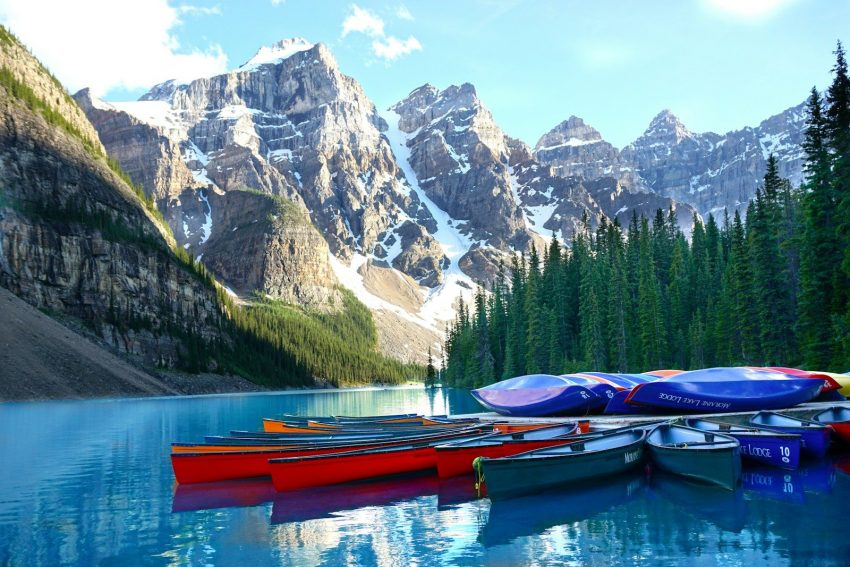
Banff is the most famous and most visited park in the Canadian Rockies. It is home to Lake Louise, Moraine Lake, the town of Banff, scenic drives, hot springs, hiking trails, and plenty of wildlife. If you only have a few days in the Rockies, Banff is usually the easiest place to start because it has the most visitor infrastructure.
Lake Louise and Moraine Lake are the big-name sights, and they are absolutely worth seeing. The water can look almost unreal on a sunny day, shifting between turquoise, blue, and green depending on the light. Because these places are so popular, you will need to plan ahead, especially in summer. Shuttle systems, parking restrictions, and timed access rules can change, so check the latest details before you go.
Jasper National Park
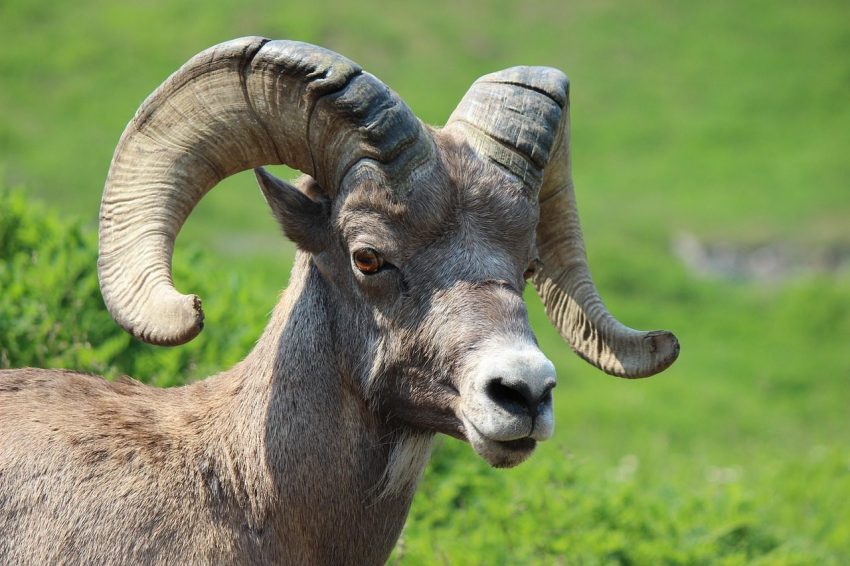
Jasper is larger, wilder, and usually less crowded than Banff. It is a great choice if you want more space, better chances of seeing wildlife, and a quieter mountain-town atmosphere. Highlights include Maligne Lake, Maligne Canyon, the Icefields Parkway, Athabasca Falls, and the Columbia Icefield area.
Jasper is also known for stargazing. It is one of the largest dark sky preserves in the world, so if the weather is clear, make time to go outside at night. You do not need to be an astronomy expert to enjoy it. Just step away from the lights and look up.
Yoho, Kootenay, and Glacier
Yoho National Park is smaller but incredibly scenic. It is home to Emerald Lake, Takakkaw Falls, and the Burgess Shale fossil beds. It is a good choice if you want dramatic scenery without spending all your time in the busiest parts of Banff.
Kootenay National Park offers a different feel, with hot springs, colorful mineral pools, deep canyons, and scenic drives. It is especially useful if you want to loop through the Rockies instead of driving the same route in and out.
Glacier National Park in British Columbia is rugged, steep, and dramatic. It is known for mountaineering, alpine scenery, and serious hiking. It is not the same as Glacier National Park in Montana, so make sure you are looking at the Canadian one when planning.
Good for: hiking, road trips, photography, wildlife, outdoor adventure
Best time to visit: June to September for hiking; December to March for skiing and winter scenery
Planning tip: Do not underestimate driving distances. The Icefields Parkway between Banff and Jasper is one of Canada’s most beautiful drives, but you will want a full day for it if you plan to stop often.
Taking the Train Through the Rockies
One of the most relaxing ways to experience Western Canada is by train. Instead of focusing on the road, you can sit back and watch mountains, rivers, forests, and valleys roll past your window. Train journeys through the Rockies are not usually the cheapest way to travel, but they can be a memorable splurge, especially if you are celebrating a special trip.
A train trip works especially well for travellers who do not want to drive in the mountains or who want to turn the journey itself into part of the vacation. You will not have the same flexibility as a road trip, but you will get a slower, more scenic experience.
If your goal is to hike heavily and visit lots of small viewpoints, rent a car. If your goal is to relax and enjoy the scenery without worrying about logistics, consider the train.
Quebec City
Quebec City feels very different from most other cities in North America. It has cobblestone streets, stone buildings, fortified walls, cozy restaurants, old churches, and a strong French-speaking identity. The historic district of Old Quebec is a UNESCO World Heritage Site, and the city was founded in 1608, making it one of the oldest European-founded cities on the continent.
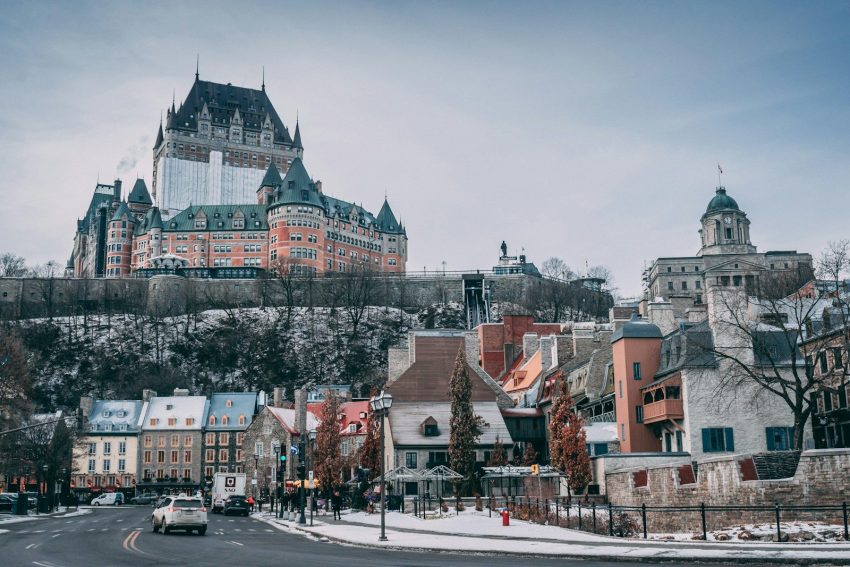
The best way to enjoy Quebec City is slowly. Wander through Old Quebec, walk along the city walls, visit the area around Château Frontenac, browse small shops, and stop often for coffee, pastries, or a long lunch. Lower Town, especially around Place Royale and Petit-Champlain, is one of the prettiest areas.
Quebec City is also a great food destination. You will find French-inspired restaurants, classic bistros, bakeries, maple treats, cheese, wine, and plenty of cozy spots for cold-weather meals. Try poutine at least once, even if it looks like a messy plate of fries, gravy, and cheese curds. It is one of Canada’s classic comfort foods.
In winter, Quebec City becomes especially atmospheric. Snow, lights, and old stone streets give it a storybook feel. The city is cold, of course, but if you dress properly, it can be one of the most magical times to visit.
Good for: history, food, couples, winter trips, European-style atmosphere
Best time to visit: June to October for comfortable sightseeing; winter for snow and atmosphere
Planning tip: You do not need a car in Old Quebec. Stay central and explore on foot.
Montreal
Montreal is bigger, louder, more creative, and more energetic than Quebec City. It still has plenty of French-Canadian character, but it also feels like a modern, multicultural city with great nightlife, music, food, neighborhoods, and festivals.
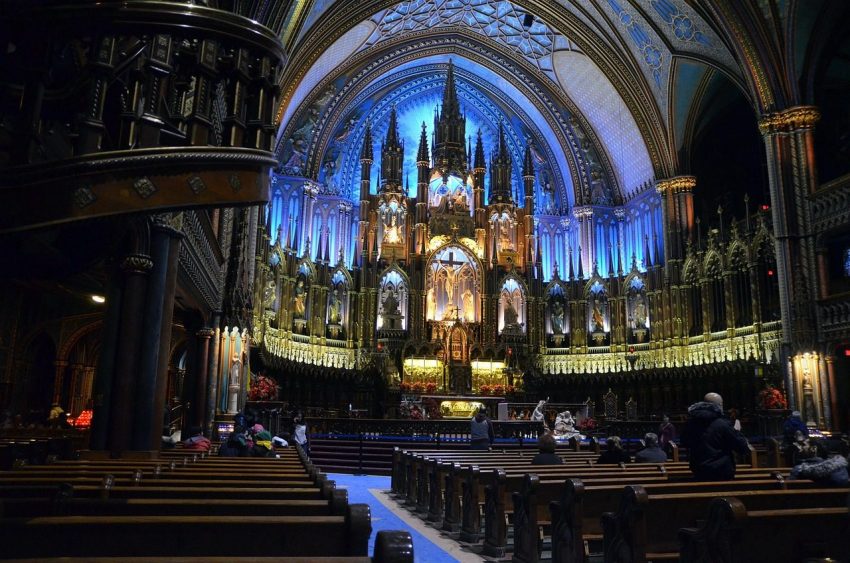
Old Montreal is the classic place to start. You can visit Notre-Dame Basilica, walk around the Old Port, explore historic streets, and stop at cafes and restaurants along the way. But Montreal gets more interesting when you branch out into its neighborhoods. Plateau-Mont-Royal is colorful and creative, Mile End is famous for bagels, cafes, and indie culture, and downtown has museums, shopping, and easy transit connections.
Montreal is also one of Canada’s best cities for festivals. The Montreal International Jazz Festival is one of the city’s major summer events, and the 2026 edition is scheduled for June 25 to July 4, with outdoor concerts that are free and open to the public.
Food is another major reason to visit. Try Montreal-style bagels, smoked meat sandwiches, poutine, Portuguese chicken, and the city’s wide range of French, Middle Eastern, Asian, Caribbean, and contemporary restaurants. Montreal is a city where you can plan your day around meals and not regret it.
Good for: food, nightlife, festivals, culture, city breaks
Best time to visit: June to September for festivals; fall for cooler weather and fewer crowds
Planning tip: Montreal has a good metro system, so you can easily visit without renting a car.
Vancouver
Vancouver is one of Canada’s most beautifully located cities. It sits between the Pacific Ocean and the mountains, which means you can spend the morning walking along the seawall, the afternoon at the beach, and the evening looking up at snowcapped peaks.
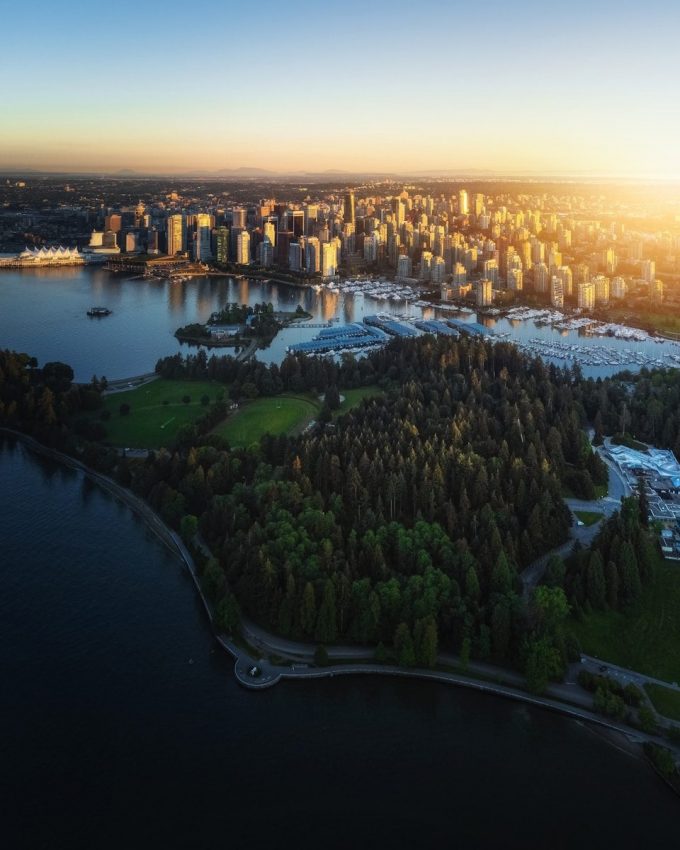
Stanley Park is the city’s signature outdoor space. The seawall loop is perfect for walking or cycling, and the views of the skyline, water, forests, and mountains are fantastic. Granville Island is another must-visit, especially for food lovers. The public market is packed with produce, baked goods, snacks, seafood, and casual places to eat.
Vancouver’s neighborhoods are also part of the appeal. Gastown has historic brick buildings and restaurants, Kitsilano has beaches and a relaxed local feel, and Commercial Drive is known for independent shops, cafes, and international food. The city is also famously used as a filming location for movies and TV shows, which is why it is sometimes nicknamed “Hollywood North.”
One of Vancouver’s biggest advantages is how close it is to nature. You can visit beaches, forests, suspension bridges, mountain viewpoints, and ski areas without going far from the city. In summer, hiking and kayaking are popular. In winter, nearby mountains such as Grouse, Cypress, and Seymour offer skiing and snowboarding close to town.
Good for: city-and-nature trips, food, families, outdoor activities
Best time to visit: May to October for mild weather; winter for nearby skiing
Planning tip: Vancouver can be expensive, especially for hotels. Book early if visiting in summer.
Vancouver Island
Vancouver Island is a short flight or ferry ride from Vancouver, but it feels slower, wilder, and more relaxed. It is the largest island on North America’s Pacific coast and a great place to experience coastal scenery, wildlife, small towns, Indigenous culture, and outdoor adventures.
Victoria, the capital of British Columbia, is the easiest place to start. It has a pretty harbor, historic buildings, gardens, museums, afternoon tea, and a walkable downtown. But the island gets more rugged and dramatic as you head farther out.
Tofino and Ucluelet, on the west coast of the island, are famous for beaches, surfing, storm watching, rainforest walks, and whale watching. This area is remote, beautiful, and popular with travellers who want nature without giving up good food and cozy lodging.
Vancouver Island is also home to rich Indigenous cultures, including Coast Salish, Nuu-chah-nulth, and Kwakwaka’wakw communities. Visitors can learn more through cultural centers, galleries, guided experiences, art, and local events. As always, choose respectful, community-supported experiences when learning about Indigenous culture.
Good for: whale watching, beaches, road trips, nature, slower travel
Best time to visit: May to October; winter for storm watching on the west coast
Planning tip: The island is bigger than many visitors expect. Driving from Victoria to Tofino takes several hours, so do not plan it as a quick side trip.
Manitoulin Island
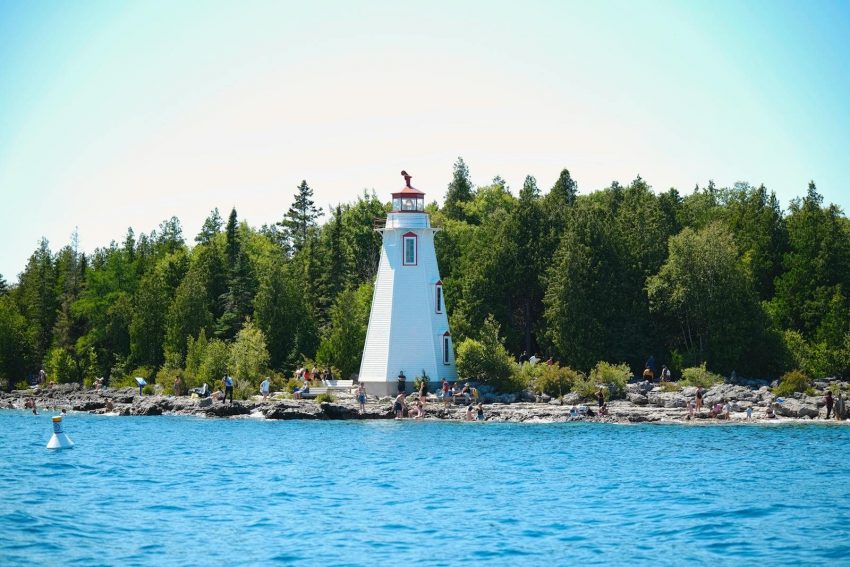
Manitoulin Island is one of Canada’s most unique destinations. Located in Lake Huron in Ontario, it is the world’s largest freshwater island. It is a peaceful place of lakes, forests, cliffs, small communities, beaches, and quiet roads.
This is not a flashy destination. That is part of the appeal. Manitoulin is best for travellers who want a slower, more meaningful experience. You can hike, swim, kayak, visit small towns, enjoy lake views, and learn about the island’s Indigenous history and living cultures.
First Nations culture remains central to Manitoulin Island. The island is home to several First Nations communities, and visitors can find opportunities to experience traditional food, music, drumming, dancing, storytelling, art, and cultural events. These experiences can add a much deeper layer to a Canada trip, especially for travellers who want to understand the country beyond its cities and landscapes.
One of the island’s most popular hikes is the Cup and Saucer Trail, which offers wide views over cliffs and forest. Bridal Veil Falls is another favorite stop, especially in warmer months.
Good for: quiet nature, culture, road trips, lakeside stays
Best time to visit: June to September
Planning tip: You will want a car here. Public transportation is limited, and the best parts of the island are spread out.
Whistler
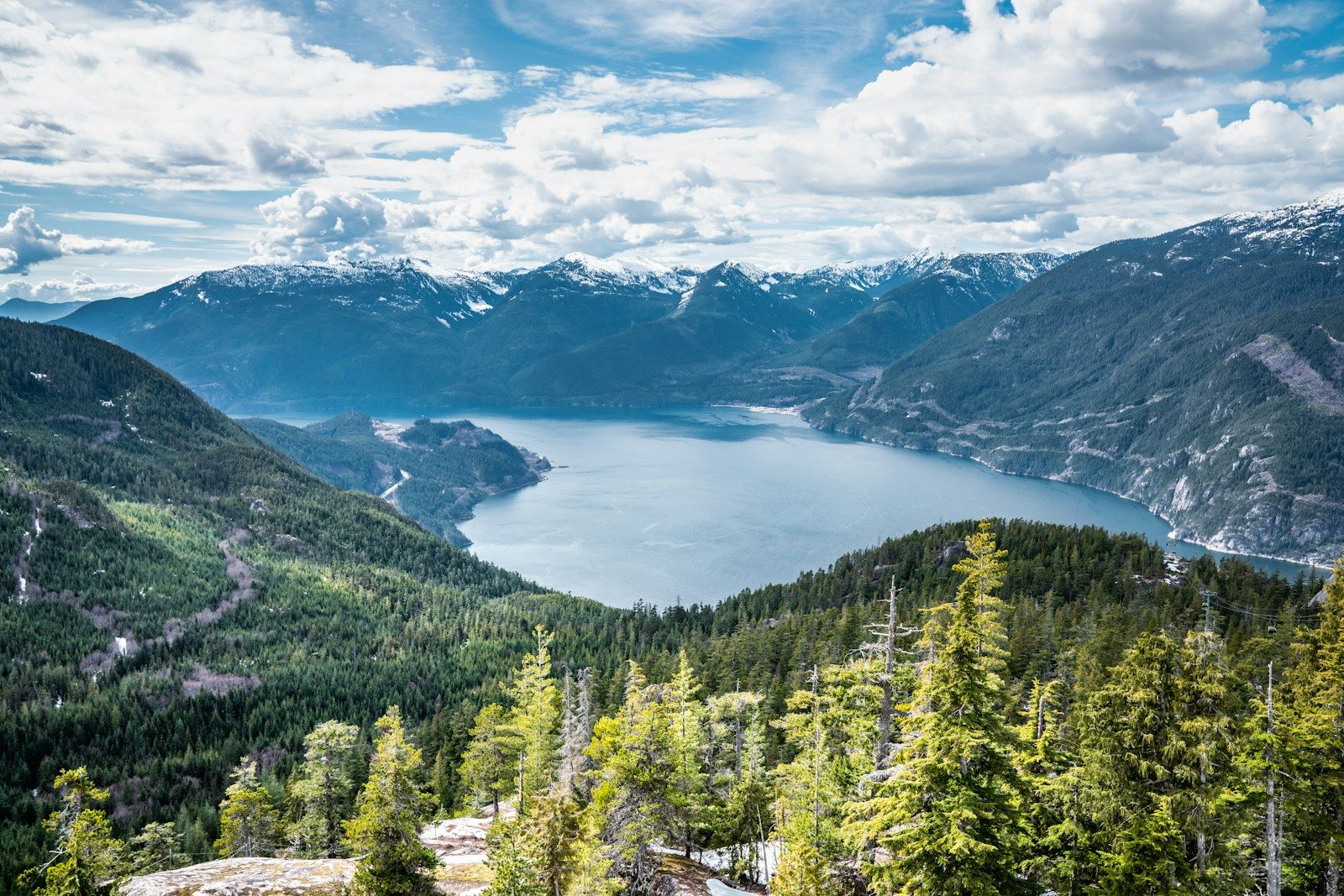
Whistler is Canada’s classic mountain resort town. It is about a 90-minute to two-hour drive from Vancouver along the Sea to Sky Highway, one of the most scenic drives in British Columbia. The route itself is part of the experience, with ocean views, mountains, waterfalls, and viewpoints along the way.
In winter, Whistler is best known for skiing and snowboarding. Whistler Blackcomb is one of the largest ski resorts in North America, with a huge variety of runs, bowls, lifts, and terrain. It works for beginners, experts, families, and serious skiers who want to spend several days on the mountain.
In summer, Whistler turns into a hub for mountain biking, hiking, ziplining, lake swimming, and alpine sightseeing. Whistler Mountain Bike Park is one of the most famous bike parks in the world, with trails for different ability levels, rentals, lessons, and lift access. Even if you are not biking, it can be fun to watch riders come down the mountain from the village.
Whistler Village is walkable and easy to enjoy without much planning. There are restaurants, shops, bars, hotels, cafes, and plenty of places to sit outside. It is polished and resort-like, so it is not the cheapest place in Canada, but it is very convenient.
Good for: skiing, mountain biking, outdoor adventure, resort stays
Best time to visit: December to March for skiing; June to September for biking and hiking
Planning tip: If you are on a budget, consider visiting outside peak ski season or staying in nearby Squamish or Pemberton.
Toronto
Toronto was not in the original article, but it deserves a place in any Canada travel guide. It is Canada’s largest city and one of the most multicultural cities in the world. For travellers, that means great food, museums, neighborhoods, sports, shopping, and easy access to Niagara Falls.
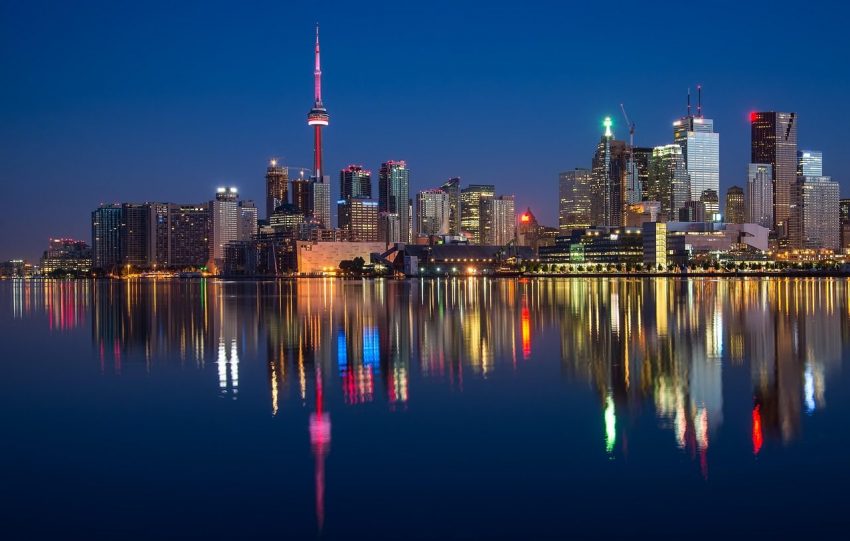
The CN Tower is the city’s most famous landmark, but Toronto is more interesting at street level. Explore Kensington Market, Chinatown, Queen West, the Distillery District, Yorkville, and the waterfront. Food is a major highlight here. You can eat your way through Chinese dumplings, Jamaican patties, Korean barbecue, Italian pasta, Indian curries, Middle Eastern bakeries, and high-end tasting menus without leaving the city.
Toronto also works well as a practical starting point. It has a major international airport, strong domestic flight connections, and train links to Ottawa, Montreal, and Quebec City. If you are planning an eastern Canada itinerary, Toronto is often the easiest place to begin.
Good for: food, museums, city life, first-time Canada trips
Best time to visit: May to October
Planning tip: Toronto is spread out. Pick a hotel near the neighborhoods you want to explore or near a subway line.
Ottawa
Ottawa, Canada’s capital, is sometimes overlooked by visitors, but it fits nicely into an eastern Canada itinerary. It is smaller and calmer than Toronto or Montreal, but it has excellent museums, attractive historic buildings, bike paths, parks, and a scenic location along the Ottawa River.
Parliament Hill is the symbolic heart of the city, and the area around the Rideau Canal is great for walking. In winter, when conditions allow, parts of the canal become a famous outdoor skating route. Museums are a major reason to visit Ottawa, especially the Canadian Museum of History, the National Gallery of Canada, and the Canadian War Museum.
Ottawa is also useful because it sits between Toronto and Montreal. If you are travelling by train or car, it can be an easy stop for one or two nights.
Good for: museums, history, families, calm city breaks
Best time to visit: May to October; winter for skating and snowy scenery
Planning tip: Two nights is enough for most first-time visitors unless you are a museum lover.
How to Plan a Canada Itinerary
Because Canada is so large, your itinerary matters. A common mistake is trying to combine Vancouver, Banff, Toronto, Montreal, Quebec City, and Niagara Falls into one short trip. Technically, you can do it, but you will lose a lot of time flying or driving between regions.
For a first trip, choose one of these routes, or perhaps check out an organized tour to make the planning process easier.
7 to 10 Days in Western Canada
Start in Vancouver, spend a few days exploring the city, then visit Whistler or Vancouver Island. If you have more time, fly to Calgary and continue to Banff and Jasper. This route is best for mountains, wildlife, coastal scenery, and outdoor adventures.
7 to 10 Days in Eastern Canada
Start in Toronto, visit Niagara Falls, then travel by train or car to Ottawa, Montreal, and Quebec City. This route is best for cities, history, food, culture, and easier transportation.
10 to 14 Days in the Canadian Rockies
Fly into Calgary, visit Banff, Lake Louise, the Icefields Parkway, Jasper, Yoho, and possibly Kootenay. This is one of the best options if your main goal is scenery and hiking.
2 Weeks or More Across Canada
With two weeks or more, you can combine eastern and western Canada, but flights will probably be necessary. A good plan would be Vancouver and the Rockies, followed by Toronto, Niagara Falls, Montreal, and Quebec City. It will still be a busy trip, but it is more realistic with at least two weeks.
Applying for a Canada Visitor Visa or eTA
Before booking your trip, check what travel document you need to enter Canada. Depending on your nationality and how you are arriving, you may need a visitor visa, an electronic travel authorization, or only a valid passport. The Government of Canada says travellers should check whether they need a visa or eTA before they travel or transit through Canada.
A Canada visitor visa, also called a temporary resident visa, is generally used for short visits such as tourism, visiting family or friends, attending business meetings, or certain other temporary purposes. The official visitor visa fee starts from CAD $100.
If required for your situation and nationality, make sure you can legally visit Canada by successfully applying for a Visitor visa. This is a non-immigrant visa that allows you to visit the nation legally for the following purposes:
- Vacationing and tourism.
- Visiting your Canada-based family members and friends.
- Attending business meetings or negotiating a business contract.
- Getting medical treatment.
- Participating in short-term training.
Please note that you will not be able to work or study while you are holding this visa. If you intend on short-term and non-work or study travel to Canada, you can apply for the visa through the following steps:
- Confirm you are eligible and gather your supporting documentation. Exact documentation needed will vary depending on your nationality and personal circumstances.
- Complete the online application form.
- Submit your documentation and pay your application processing and biometric fees.
You can expect visa processing to take eight to 40 days, depending on the complexity of your case and the state of the backlog in the Canadian bureaucracy. Processing will not begin until you have paid your fees. It may also be extended if you are asked to attend an interview. The standard eligibility period will be six months.
Further Travel Research
Canada is one of those destinations that rewards planning. Not because it is difficult, but because it is so big and varied. A rushed trip can feel like a blur of flights and long drives. A well-planned trip, on the other hand, can give you mountain lakes, old-world streets, whale watching, food markets, waterfalls, ski slopes, Indigenous culture, and some of the most beautiful landscapes in North America.
For a first visit, keep it simple. Choose western Canada for dramatic nature and outdoor adventure. Choose eastern Canada for cities, history, food, and easier travel between major stops. Add Niagara Falls if you are near Toronto, Quebec City if you want charm and history, Banff or Jasper if you want unforgettable mountain scenery, and Vancouver Island if you want to slow down by the coast.
Canada is not just one trip. It is the kind of place you come back to again and again, each time seeing a completely different side of the country.

Bryan has visited 61 countries, which is exactly one more country than his wife, and she won’t let him forget it! Also an avid photographer, he enjoys entrenching himself within the local culture in order to learn more about the people of a place. He is the co-founder of Budget Your Trip and loves a good adventure, an exotic meal, or a passionate conversation about global events. And he also loves to find out how much stuff costs, which is why he and his wife started Budget Your Trip.
Sign up to our email newsletter to receive sales, deals, and discounts from major travel companies!