There is something undeniably enchanting about the sun-drenched hills, rustic hamlets, and winding cobblestone streets of Southern France. For centuries, travelers, artists, and dreamers have found inspiration in the vibrant landscapes and storied pasts of its small towns. Unlike the urban bustle of Paris or the glitz of cities on the French Riviera like Nice or Saint Tropez, these communities live at their own unhurried pace, offering a glimpse into a lifestyle where the French art de vivre takes center stage.
Many adventurous travelers are increasingly seeking these lesser-known gems, longing for authentic encounters and escape from the well-trodden tourist circuits. In the south, you’ll find lush vineyards rolling into lavender fields, hilltop villages seemingly suspended in time, and locals who still take the afternoon off to sip rosé at a café with friends. Whether you’re hungry for culture, nature, local cuisine, or architectural marvels, Southern France’s petite towns guarantee rich rewards for the curious.
We recently took a family road trip through southern France, and it was one of our best trips ever! That may sound like a cheesy exaggeration coming from a father who planned a fun family trip (and yes, that’s what it actually is), but the truth is that our trip had a diverse range of sights and activities to keep everyone engaged. If you’re thinking of a European adventure, this is a great region to explore for an entire family.
Defining a “small town” here can be a little loose, as some towns and regions have more people or are spread out over larger areas. Ultimately, we’re looking at communities where local markets and family-run bistros set the rhythm of daily life, and where you can walk from one end of a town to the other in under an hour. These are towns (or rural areas) where history whispers from every stone, and where the warmth of a genuine welcome still means something special.
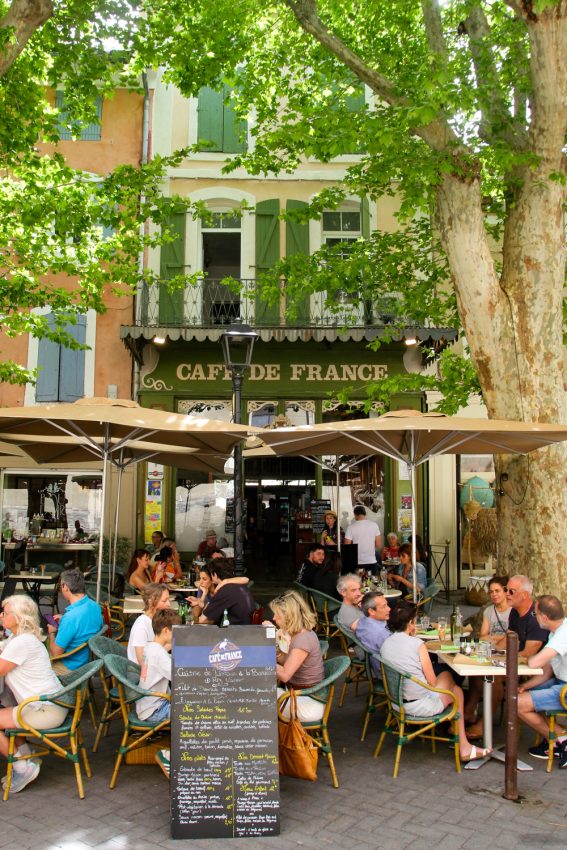
Why Visit the Small Towns in Southern France?
If you’ve ever dreamed of experiencing real French culture, far from the crowds of the Côte d’Azur or Avignon’s festival rush, this is where you should set your sights. Small towns are the heart of Southern France’s charm for good reason.
Here, authenticity reigns supreme. Local bakeries, generations-old cheese shops, family-run vineyards are not set-pieces for tourists, but vital centers of community life. In contrast to major cities, crowds are sparse. Instead of jostling for a selfie at a famous landmark, you’ll find yourself unwinding in quiet squares or chatting with artisans at the Saturday market.
Food and wine lovers will be in heaven. Each village boasts unique recipes and specialties tied to the land and tradition, from truffle-laden omelets in Périgord to bouillabaisse on the Mediterranean coast. You’ll also discover local wines you’re unlikely to find outside France. Tasting them next to the vines where they were born is an experience in itself.
The south’s small towns are also steeped in thousands of years of history. Think of medieval ramparts, Roman ruins, ancient abbeys, and pastel-hued houses whose shutters have seen centuries pass. Each community is shaped by unique traditions and annual festivals, honoring saints, celebrating harvests, or simply turning a summer night into magic.
What sets these places apart for many travelers is the deep connection to nature. Many towns are nestled against dramatic mountain backdrops, overlook bright turquoise coves, or perch atop verdant valleys. No matter your passion, such as hiking, cycling, canoeing, or simply savoring the view, you’ll find plenty to feed your adventurous spirit.
Frequently Asked Questions for Planning Your Trip
How do you actually get to these charming small towns? France’s high-speed TGV trains (book trains here), robust regional rail networks, and highways put most towns within reach, but the final stretch sometimes requires a regional train or car rental (compare car rental prices here). For out-of-the-way gems, especially in Provence or Dordogne, a car can make all the difference for exploring at your own pace. For planning train journeys, SNCF Connect is the go-to source for current routes and fares.
Timing is everything. The best months for visiting are May through early July and September into October, when crowds thin but the weather remains glorious. High summer brings bigger crowds and higher prices, but plenty of festivals and lively markets; winter often means closures in very rural places, but can be magical if you crave peace. Also, the weather in southern France in the winter can often be colder than expected, even though this is considered to be the “warm” part of Europe.
Will language be a barrier? In tourist-friendly spots, expect a smattering of English, especially at hotels or attractions. Still, a few French pleasantries such as bonjour (hello), merci (thanks), and s’il vous plaît (please), go a long way. More remote villages may have fewer English speakers, adding to the sense of adventure but also encouraging you to brush up with a phrasebook or translation app. But generally, don’t worry, most people in the tourism industry speak plenty of English. (If you want to learn French, or any language, you can always get a language learning app such as TalkPal.)
Southern France’s small towns are wonderfully family-friendly, offering plenty of outdoor space, safe environments, and activities from castle climbs to river kayaking. Solo travelers will find a strong sense of safety and ample opportunities to meet locals, especially in cafés and markets. We felt extremely safe having our 11-year-old explore on her own for a few minutes in places where you can’t get lost.
A common concern is public transport: while larger towns are well-connected, rural villages can see infrequent bus or train services, especially on Sundays. It pays to check schedules before your trip. For up-to-date transit advice, Google Maps, local/regional bus apps, or Moovit are all helpful trip-planning tools.
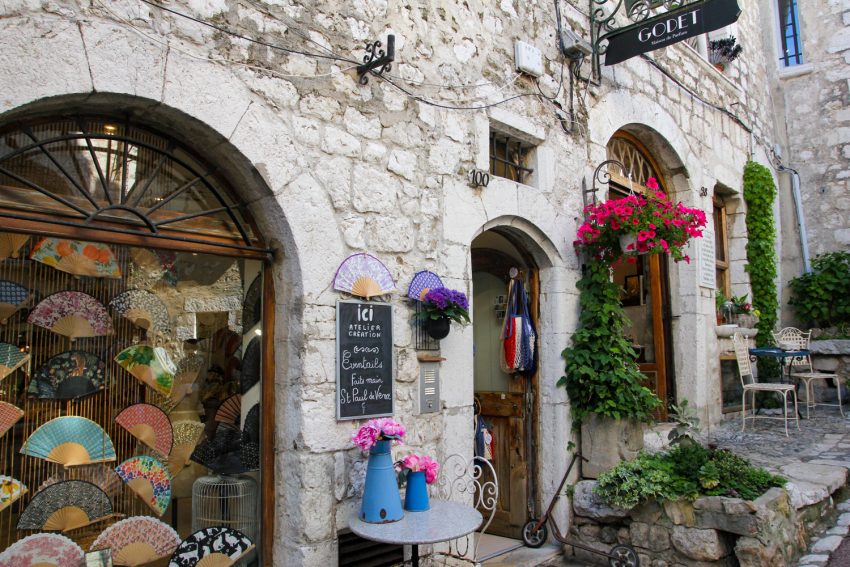
Pros and Cons of Visiting Small Towns
The pros vastly outweigh the cons for most visitors. Expect experiences that feel genuinely personal like being greeted by name each morning at the boulangerie, or chatting with a winemaker about their family history over a shared glass.
Your money will stretch further, too: according to our calculations for typical spending in the region, average daily costs for travelers in the French countryside are typically 25-40% lower than in big cities, with affordable guesthouses and mouthwatering prix-fixe menus the norm.
You’ll enjoy a relaxed pace: stroll without a map, stop for a spontaneous picnic, photograph hilltop vistas straight out of a fairytale. The settings, from ochre cliffs in Roussillon to seaside alleys in Collioure, have inspired generations of artists, and will surely inspire your camera roll, too.
That said, there are trade-offs. Public transport can be limited, particularly outside of summer. Planning ahead is essential if you’re taking trains and buses, so a rental car may be indispensable, especially if you want to keep things flexible. Also in smaller towns, don’t expect a busy nightlife or the endless amenities of large cities. While warm hospitality is the norm, many shops and restaurants are not open too late. But for many travelers, these “cons” are simply invitations to slow down and embrace local rhythms.
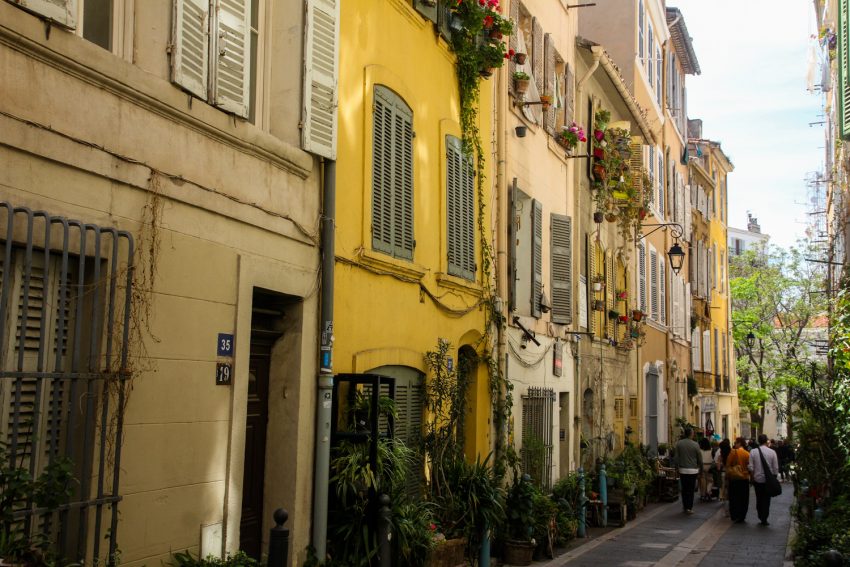
How We Chose the Best Small Towns
Every traveler’s wish list is a bit different, but the following criteria guided our search for Southern France’s top small towns, along with the planning of our own trip:
- Historical significance: places with ancient roots, iconic architecture, and storied pasts that offer charm and immersion.
- Cultural richness: towns alive with festivals, artisans, and living traditions.
- Scenic beauty: dramatic sites, stunning views, or unique geographic features.
- Standout local cuisine: the chance to taste dishes and wines found nowhere else.
- Accessibility and comfort: places welcoming to travelers without feeling crowded.
- Warmth of welcome: communities where visitors feel included, not just tolerated.
The Best Small Towns in Southern France
With that said, let’s explore the most captivating small towns in Southern France by region.
Provence
Few regions evoke the romance of the south like Provence, with its lavender fields and mellow golden light. Gordes, perched above the Luberon valley, is a vision in sun-bleached stone, especially at sunset. Its twisting alleyways reveal views over olive groves and monastery gardens, and its Tuesday market is a highlight for any foodie.
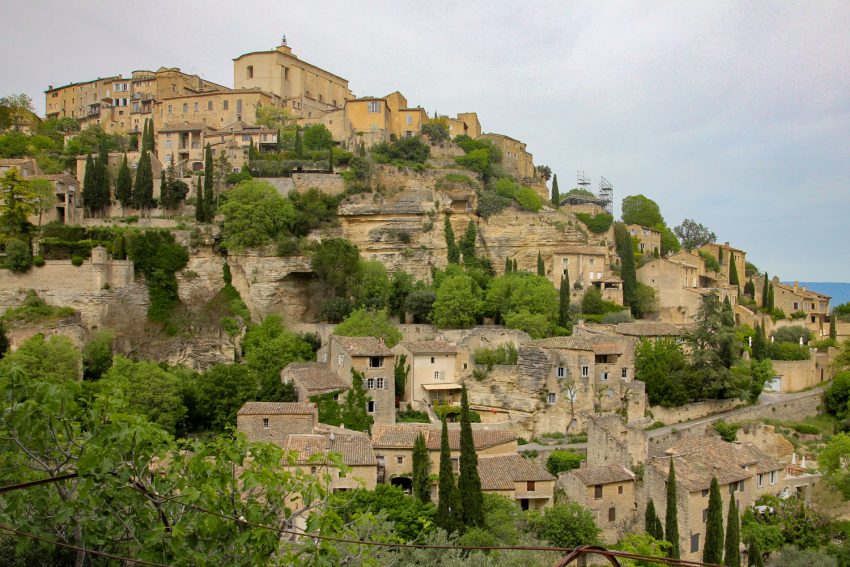
Roussillon is utterly unique for its vivid ochre cliffs that positively glow at golden hour. The village’s ochre-hued homes, winding lanes, and artisan shops form a palette that inspired countless artists, from Matisse to lesser-known contemporaries. A loop walk along the Sentier des Ocres is a must.
Saint-Rémy-de-Provence, with its plane-tree-lined boulevards and lively town squares, is both chic and charming. It offers Roman ruins at Glanum, bustling markets, and excellent access to the wild Alpilles countryside beloved by Van Gogh. Don’t miss the hidden bistros or the colorful Wednesday market.
Occitanie
Collioure is a maritime jewel on the Vermillion coast, famed for its fauvist light, Catalan fishing boats, and lively harbor overlooked by a medieval château. Taste anchovies in local tapas bars and wander the seafront that inspired Matisse and Derain.
Saint-Cirq-Lapopie is caught between earth and sky above the Lot River, often voted among France’s most beautiful villages. The honey-colored stone and dramatic panoramas are unforgettable, and the absence of cars in the historic core makes for magical evenings.
Cordes-sur-Ciel (literally “on the sky”) is aptly named: shrouded by morning mist, this hilltop bastide seems to float above rolling fields. The climb to its fortified heart is richly rewarded with jaw-dropping views, secret courtyards, and gothic mansions.
Nouvelle-Aquitaine
Domme, a medieval stronghold above the Dordogne River, is celebrated for panoramic terraces and honeyed architecture. The town’s caves offer welcome coolness and a trip through centuries of local history.
La Roque-Gageac nestles improbably between sheer cliffs and the riverbank. It’s heaven for canoeists and photographers—visit early or late in the day when the crowds disperse and golden light paints the town.
Saint-Émilion, just east of Bordeaux, seduces with cobblestone alleys, underground churches, and world-class wine. Numerous family-run châteaux welcome tastings, and the town is a delight to explore on foot or by bike.
Languedoc
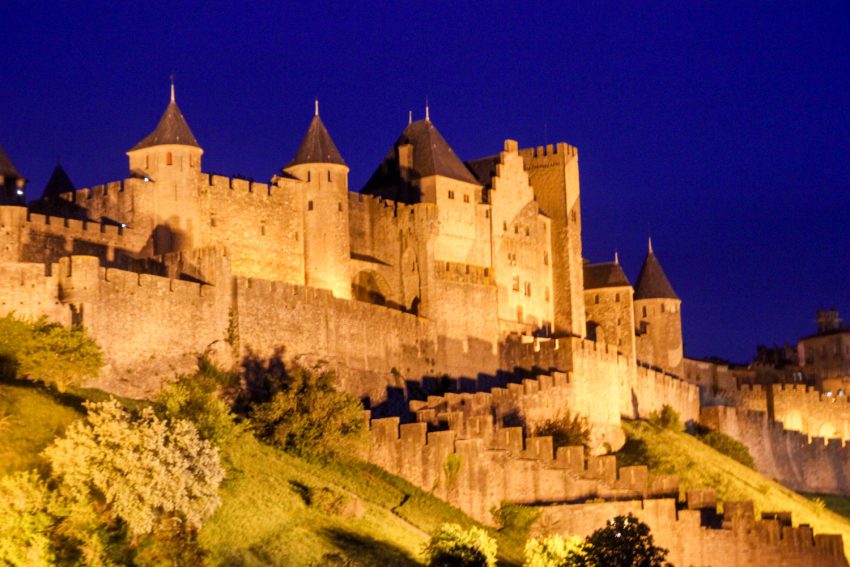
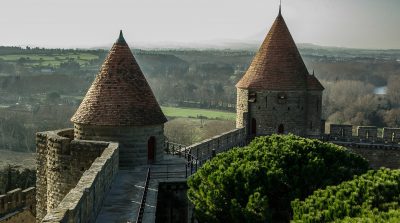
Carcassonne is admittedly more touristy than many other small towns, but it’s worth a visit. Here you’ll find a huge castle that is also a town, full of shops and restaurants. Outside the castle is more to explore, including hiking trails with epic castle views, and the nearby cathedral in the heart of the “new” town. If you’re headed from the western coast to the southern regions, it’s an easy stopover.
French Riviera (Côte d’Azur)
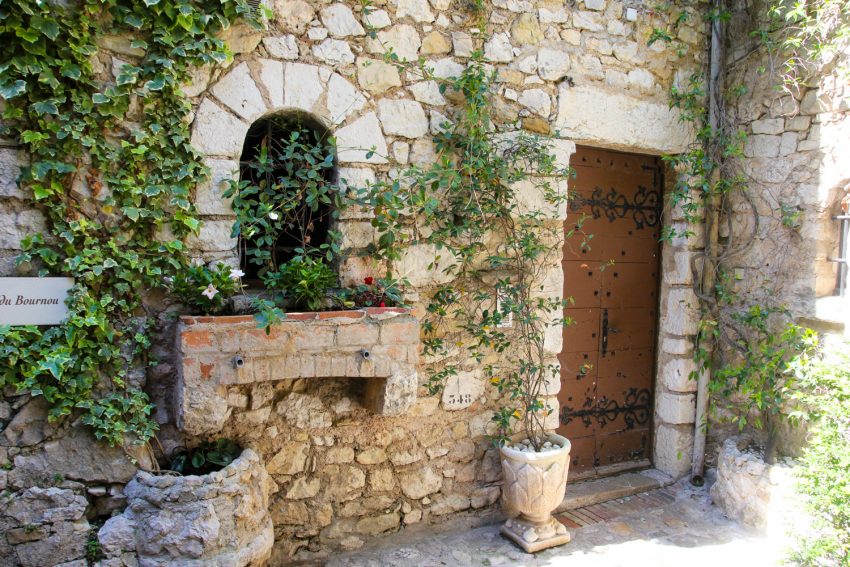
Èze sits dramatically above the Mediterranean, its narrow lanes leading to a hilltop exotic garden with some of the best views on the Riviera. The scent of jasmine and bougainvillea lingers in the air, and perfumeries offer free tours and samples. It’s an easy day trip from Nice by bus, or you can take the train and hike up the big hill if you’re looking for some exercise. Or drive yourself and make it part of a longer day trip when combined with other nearby towns. Try to have lunch at the Eagle’s Nest restaurant (Le Nid d’Aigle). We had a cozy and delicious lunch surrounded by historic stone walls and walkways. It’s not far from the gardens, which are also a must-see.
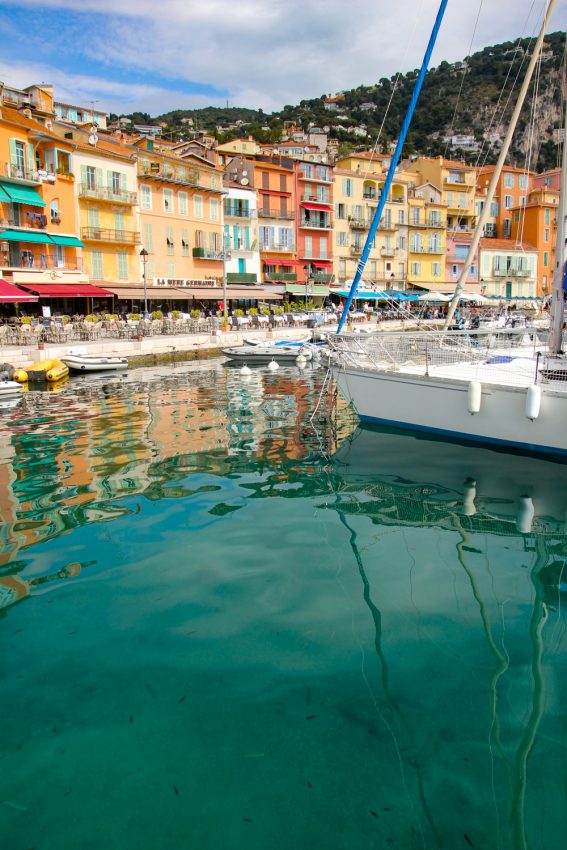
Villefranche-sur-Mer, known for its pastel quays, deep-blue harbor, and low-key elegance, is an easy train ride from Nice. It’s less frenetic than its neighbor and a perfect base for sea swims or day trips. You’ll find a number of delicious restaurants, as well as the famous covered street which kids will love.
Mougins, tucked in the hills behind Cannes, is a paradise for gourmets and art lovers. Picasso spent his final years here; you can savor his legacy in the Musée d’Art Classique and in the town’s culinary creativity.
Hidden Gems and Off-the-Beaten-Path
Don’t miss enchanting smaller spots like Auvillar in Tarn-et-Garonne, a riverside medieval village virtually free of tourists, or Le Somail, an idyllic canal hamlet for cycling and slow travel. Such lesser-known places deliver intimate encounters, lower prices, and plenty of surprises.
What to Do in Southern France’s Small Towns
The joys of these towns are in the simple everyday pleasures. Local markets brim with fresh cheeses, olives, lavender, and hand-made goods. Plan to visit on market days, usually held once or twice weekly. Walking tours, official or self-guided, bring centuries of history to life. Devote some time to food and wine tastings; many vineyards and local producers offer affordable visits and generous samples. Food tours and cooking classes are also on offer, so don’t miss those either! (You can find plenty on Viator or GetYourGuide.)
Outdoor activities abound: hike among vineyards or limestone gorges, cycle scenic lanes, or rent a canoe to drift past châteaux. Each region hosts festivals, from music and harvest celebrations to heritage days—ask at the tourist office for local listings. Plenty of towns have easy walking paths out into the countryside where you’ll find the beauty of local farms, vineyards, or orchards, along with nice hilltop views and rustic houses.
Practical Travel Tips
Getting around requires some advanced planning if you want to take public transit. Trains and regional buses reach most larger towns, but a rental car unlocks real freedom for off-the-path excursions. On our trip, we rented a car and it was a huge game-changer for our trip. While it’s cheaper to do it by public transit, you’ll find yourself missing out on several towns without a car. Also, you can visit multiple towns in one day with your own car, but on a bus you really can’t. Also, with rental cars, keep in mind that manual transmissions are more common and petrol prices and toll roads in France can be high, but you can offset costs with compact models or by sharing.
Accommodation options are generous, with guesthouses (chambres d’hôtes), boutique hotels, and self-catering rentals offering excellent value. According to our own data on hotel prices in France, expect to pay between €70–120 per night for mid-range stays, with breakfast often included. For example, in the larger city of Toulon, which makes a nice base for exploring nearby towns, you can find prices from 100-200 Euros, but it’s much cheaper if you stay outside of the city in the nearby towns.
Brush up on a few essential French phrases and don’t hesitate to use them; politeness matters and locals will appreciate your effort. Culture here often means slower meals, frequent greetings, and respect for local siestas or early closures, especially outside summer and in rural towns.
Pack light but prepared. This includes layers for temperamental weather in the off-season, good walking shoes, and a reusable tote for market finds. If you visit in the shoulder season, bring a light jacket and umbrella; summers require sun hats and plenty of water.
Sample Itineraries and Suggested Routes
Our trip was for two weeks, and we started in Bordeaux and drove east along the southern coastal towns to Nice. Then we drove back to Bordeaux, but this time a little further north passing through some of the inland areas of Verdon and Luberon. However, there are a million different ways to do it, and it all depends on your schedule and personal interests.
For a one-week adventure, consider starting in Avignon, then circling through the magical Luberon (Gordes, Roussillon, Saint-Rémy), dipping into the Dordogne (La Roque-Gageac, Domme), before finishing with wine and medieval walks in Saint-Émilion. Rent a car for maximum flexibility, or focus on one region and use local trains and buses.
Themed journeys abound. Oenophiles can immerse themselves in Saint-Émilion and the vineyards of the Gironde; history lovers will relish the Cathar castles and bastides of Occitanie. Art aficionados can trace Van Gogh in Provence or Picasso in Mougins.
If you’re short on time or touring by train, memorable day trips from larger cities like Toulouse, Bordeaux, Marseille, or Nice allow you to savor small-town flavor without changing hotels.
Getting to Southern France
If you’re arriving in France by air, you’ll most likely have a flight into Paris. Don’t worry, it’s easy to get to the southern regions from Paris by high-speed train. Paris to Bordeaux by train (direct) is 2 hours, and not very expensive. You can also find high-speed trains to Avignon, Marseille, and Nice, all of which are 4-5 hours or less depending on the specific routes that you purchase.
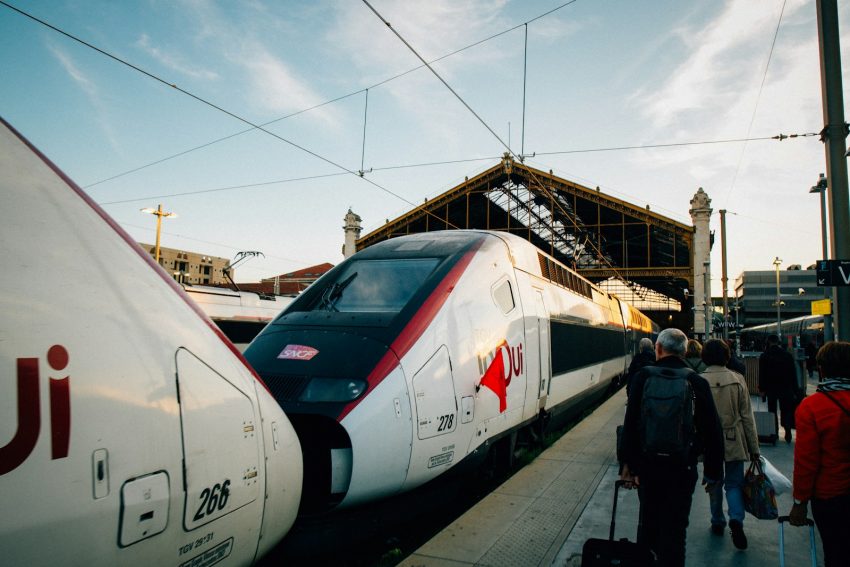
Another option is to fly into Barcelona, and then head northeast along the coast. More high-speed trains connect Barcelona to destinations in southern France.
Lyon and Geneva are also well connected by train to areas in southern France, as are destinations in northern Italy such as Milan and Turino.
So, you really have no excuse! Start planning!
Organized Tours
If you don’t want to plan everything yourself, don’t worry, plenty of organized tours are also available. Check some of the options here from Marseille to see what appeals to you. Or see our partner’s offerings at TourRadar for some great discounted tour options.
Southern France’s small towns are more than just picturesque, they’re the beating heart of this storied region, inviting you to slow down, indulge your senses, and connect with centuries of culture and genuine hospitality. Whether you’re a solo adventurer, traveling family, or couple on a romantic escape, these communities promise memories and value far beyond the tourist hotspots.
Venture beyond the guidebook, pack your curiosity, and say yes to tiny adventures along sun-washed lanes. Now’s the time to plan your Southern France small town journey, the magic, and savings, are waiting. For more inspiration and detailed travel planning, check out our France budget planning pages, explore Omio for train tickets, and browse official regional tourism boards for the latest festivals and events.
Bon voyage!

Bryan has visited 61 countries, which is exactly one more country than his wife, and she won’t let him forget it! Also an avid photographer, he enjoys entrenching himself within the local culture in order to learn more about the people of a place. He is the co-founder of Budget Your Trip and loves a good adventure, an exotic meal, or a passionate conversation about global events. And he also loves to find out how much stuff costs, which is why he and his wife started Budget Your Trip.
Sign up to our email newsletter to receive sales, deals, and discounts from major travel companies!