Dubai is one of those destinations that can feel both thrilling and slightly intimidating before you arrive. The city is famous for record-breaking skyscrapers, luxury hotels, artificial islands, huge shopping malls, beach clubs, desert safaris, and restaurants from almost every corner of the world. But for a first-time visitor, the biggest challenge is not finding things to do. It is figuring out how to fit everything together.
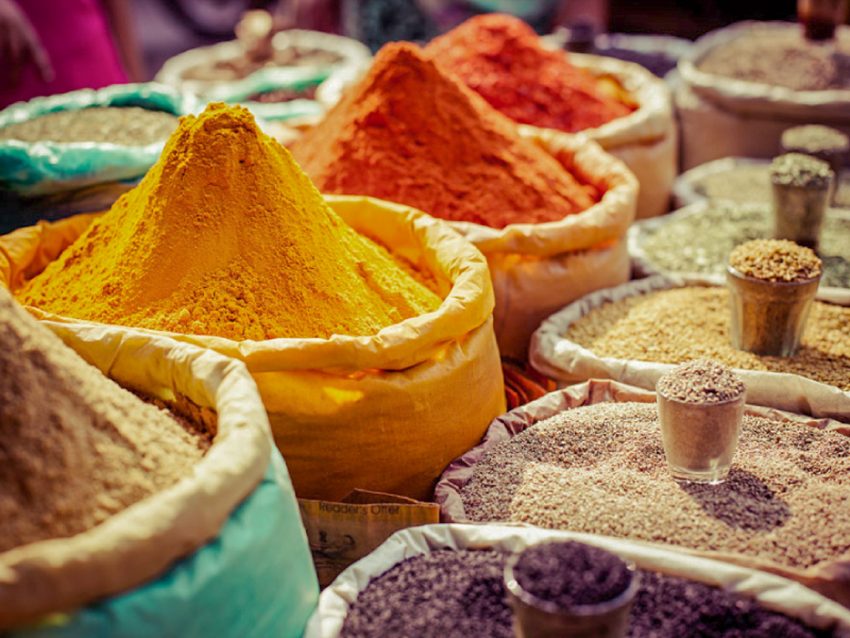
Dubai is not a compact walking city where all of the main attractions sit within a few blocks of each other. It is spread along the coast and across the desert, with different neighborhoods offering very different versions of the city. One day you might be standing at the base of the Burj Khalifa, the tallest building in the world. The next morning, you could be crossing Dubai Creek in a wooden abra, wandering through spice and gold souks, and eating Emirati breakfast in a heritage courtyard. By evening, you could be watching the sunset from a desert camp or walking beside the yachts in Dubai Marina.
That contrast is what makes Dubai such an interesting first trip. It is futuristic, but it is not only futuristic. It is luxurious, but it is not only for luxury travelers. It is modern and highly organized, but it still has old trading districts, local restaurants, traditional markets, mosques, beaches, and neighborhoods where daily life feels far removed from the glossy postcard version of the city.
For most first-time visitors, three or four days is enough to see the highlights if you plan carefully. You will not see everything, but you can experience the major sides of Dubai: Downtown Dubai, Old Dubai, the beach or marina, and the desert. With five to seven days, you can slow down, add a waterpark or theme park, take a day trip to Abu Dhabi, enjoy more restaurants, or spend more time relaxing at your hotel.
This guide covers the basics you need before your first trip, including where to stay, how to get around, what to do, where to eat, and the important cultural and practical tips that will make your visit smoother.
Before You Go: Visas, Weather, and Trip Planning
Before booking your trip, check whether you need a visa to enter the United Arab Emirates. Many travelers can receive a visa on arrival or enter without arranging a tourist visa in advance, while others need to apply before traveling. Requirements depend on your passport, nationality, and trip length, so it is always best to check official UAE government or airline guidance before you book. In fact, many tour operators can arrange the visa for you as part of their package, such as with one of these UAE Tour Packages.
You should also make sure your passport is valid for the required period. Many international travelers are expected to have at least six months of passport validity remaining, though rules can vary by nationality and travel situation. If your passport is close to expiring, sort this out early rather than assuming it will be fine at check-in.
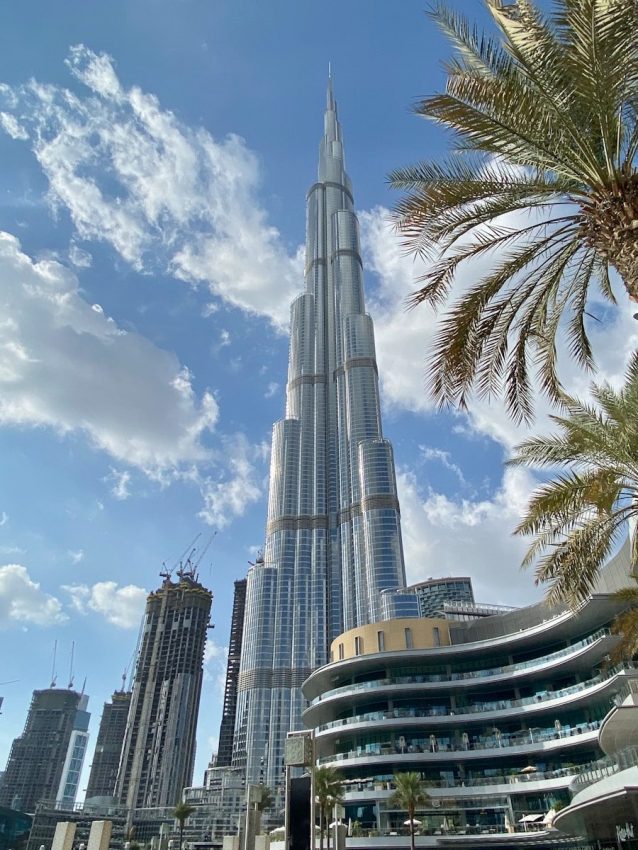
The best time to visit Dubai is generally from November to March (winter months), when the weather is still warm, sunny, and much more comfortable for outdoor sightseeing. This is the best season for beaches, desert safaris, outdoor dining, walking around Old Dubai, and spending time on terraces or waterfront promenades. December, January, and February are especially popular, so expect higher hotel prices and more crowds around major attractions. In the hotter summer months, the temperatures can climb to uncomfortable levels of heat, so it’s best to think of the UAE as a destination that is perfect for escaping the winter.
April and October can be good shoulder-season months, though the weather is warmer. From May through September, Dubai can be extremely hot. This does not mean you cannot visit, but you will need to plan differently. Focus on indoor attractions, malls, hotel pools, museums, spas, aquariums, and evening activities. The upside is that hotel prices can sometimes be lower in summer.
If you are visiting during Ramadan, be respectful of local customs. Dubai remains open to tourists, but restaurant hours, entertainment schedules, and the rhythm of daily life may differ. It is a meaningful time to visit if you are culturally curious, but it is worth checking current guidance before you go.
Dubai can be expensive, especially if you stay in luxury hotels, take taxis everywhere, book several major attractions, eat in high-end restaurants, and drink alcohol regularly. But it can also be surprisingly flexible. You can save money by using the metro, staying in Deira, Bur Dubai, Al Barsha, or another area near public transit, eating at casual local restaurants, and mixing paid attractions with free or low-cost experiences like beaches, souks, Dubai Creek, Al Fahidi Historical Neighbourhood, and waterfront walks.
Arriving in Dubai
Most international visitors arrive at Dubai International Airport, usually known as DXB. It is one of the world’s busiest airports and is well connected to the city. If you are flying Emirates, there is a good chance you will arrive at Terminal 3. Other international airlines commonly use Terminal 1, while Terminal 2 handles a number of regional and budget flights.
Getting from the airport to your hotel is usually straightforward. The Dubai Metro Red Line connects directly with Terminals 1 and 3, which can be very convenient if your hotel is close to a metro station. This is often the cheapest and easiest option for solo travelers, light packers, and anyone arriving during normal metro operating hours.
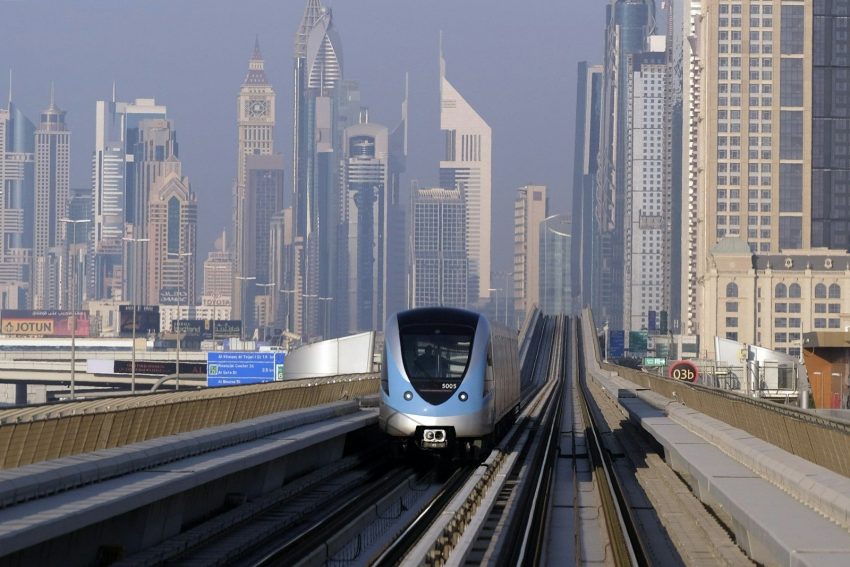
A taxi or a hired airport transfer service is the easiest choice if you have lots of luggage, arrive late, are traveling with children, or are staying somewhere not close to a metro station. Taxis are widely available at the airport and are regulated. Ride-hailing apps are also common in Dubai, especially Careem. Many hotels can arrange private transfers, which may be useful for resort stays on Palm Jumeirah or if you simply want a smooth arrival after a long flight.
The local currency is the UAE dirham (currently $1 is about 3.65 AED, and €1 is about 4.25 AED). Credit cards are widely accepted in hotels, restaurants, malls, attractions, and many taxis, but it is still useful to have some cash for small purchases, souks, tips, and abra rides across Dubai Creek. You can exchange money at the airport, withdraw from ATMs, or use exchange offices in the city. Make sure you check the exchange rates with your own bank or credit card companies. Sometimes it’s best to use a credit card, while other times it’s best to withdraw cash from an ATM. Know before you go to save the most.
For connectivity, consider an eSIM, airport SIM card, or international roaming plan. Dubai is a city where navigation matters because distances can be deceptive. Having mobile data makes it much easier to check metro routes, order rides, find restaurant reservations, and avoid wasting time in the wrong part of town.
Where to Stay in Dubai
Choosing where to stay in Dubai is one of the most important decisions you will make. The city is spread out, and the “best” neighborhood depends on your travel style, budget, and itinerary. We have a full guide to hotel prices in Dubai here, and family-friendly hotels here.
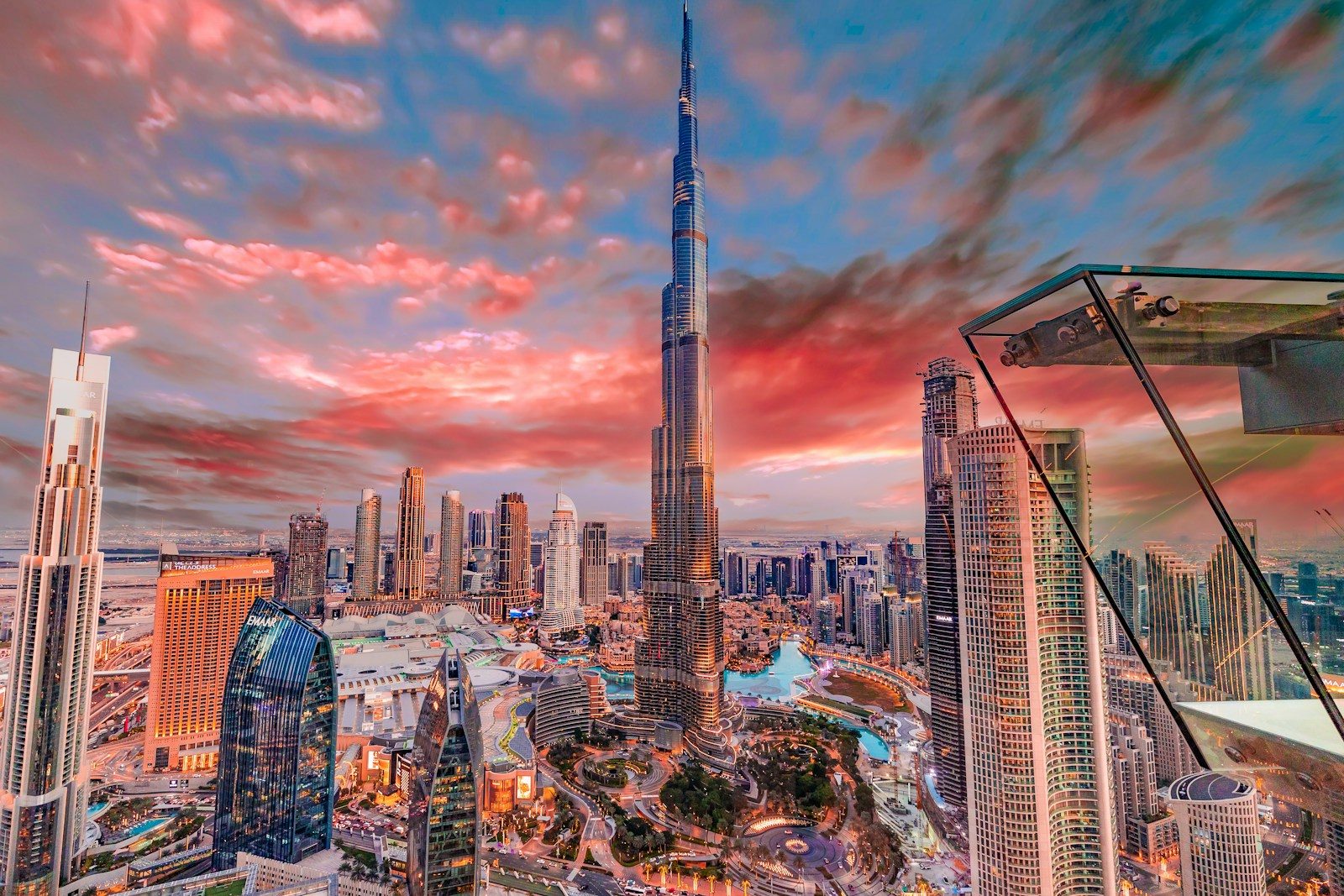
Downtown Dubai is the easiest choice for many first-time visitors. This is where you will find the Burj Khalifa, Dubai Mall, Dubai Fountain, Souk Al Bahar, and many high-rise hotels. If you only have a short trip and want to be close to the most famous attractions, Downtown is convenient. The downside is that hotels can be expensive, restaurants often target tourists, and the area can feel polished rather than local.
Dubai Marina and JBR are good choices if you want a lively beach-and-nightlife atmosphere. This area has waterfront promenades, high-rise hotels, restaurants, beach access, shopping, boat trips, and plenty of evening activity. It is popular with couples, younger travelers, and visitors who want a resort-style city break. The trade-off is distance: Marina and JBR are farther from Old Dubai and the airport than Downtown.
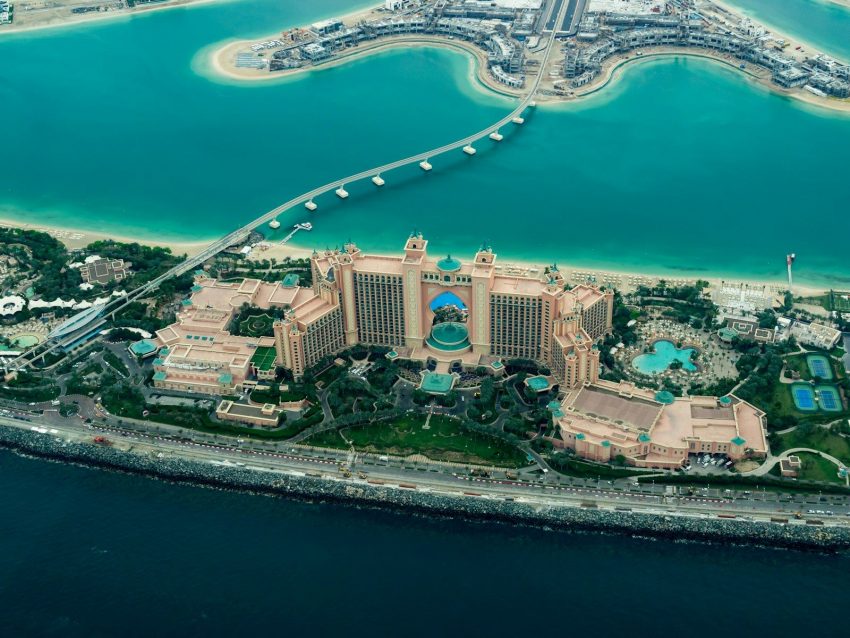
Palm Jumeirah is best for travelers who want a luxury resort experience. This is where you will find some of Dubai’s most famous beach hotels, including Atlantis The Palm and several high-end resorts. It is a good option for families, honeymooners, and travelers who plan to spend a lot of time at the hotel pool or beach. However, you will probably rely heavily on taxis, and it is not the most convenient base for exploring the whole city.
Jumeirah and Umm Suqeim are good areas for beaches, views of the Burj Al Arab, family-friendly hotels, and a more relaxed coastal atmosphere. They work well if beach time is a priority but you still want access to the city’s main attractions by taxi.
Old Dubai, Bur Dubai, and Deira are better for travelers who care about culture, food, and value. This is where you will find Dubai Creek, souks, older markets, casual restaurants, and a more traditional side of the city. Hotels here are often cheaper than in Downtown or the Marina. The area is less glamorous, but it can be more interesting if you want to experience Dubai beyond the luxury image.
Business Bay is a useful compromise. It sits near Downtown Dubai and has modern hotels, restaurants, and canal views, often with slightly better value than the most central Burj Khalifa-area hotels. For many first-time visitors, staying near Downtown, Business Bay, or a metro station gives the best balance between convenience and flexibility.
Getting Around Dubai
Dubai has good public transportation, but you will probably use a mix of metro, taxis, ride-hailing, buses, and walking. The Dubai Metro is clean, modern, and useful for many major areas. The Red Line connects the airport with parts of the city including Downtown Dubai, Business Bay, Mall of the Emirates, Dubai Marina, and Jebel Ali. The Green Line is useful for parts of Old Dubai.
To use public transit, you will need a Nol card or ticket. A Nol card can be used across several transport services, including the metro, tram, buses, ferries, taxis, parking, and some attractions. You can buy or top up Nol cards at metro stations and other official sales points. For most visitors, the metro is the best way to save money on longer trips across the city.
That said, taxis are still very useful. Dubai is not always pedestrian-friendly between neighborhoods, and many attractions are far from each other. During the hotter months, even a 15-minute walk can feel like a heroic expedition. Use the metro when it is convenient, and use taxis when an attraction is far from a station or when the heat makes walking uncomfortable.
Buses and trams can be useful in specific areas. The tram serves Dubai Marina, JBR, and connections toward Palm Jumeirah. Buses cover a wide network, but visitors often find the metro and taxis easier for a short trip. Walking is best within specific districts, such as Downtown around Dubai Mall and Burj Khalifa, Dubai Marina and JBR, Old Dubai around the Creek and souks, and Al Fahidi Historical Neighbourhood.
Build extra time into your itinerary. Dubai traffic can be heavy, especially during rush hour, around major malls, and near popular beach or nightlife areas. On a first trip, it is better to plan one or two major areas per day rather than trying to zigzag all over the city.
A 3- or 4-Day Dubai Itinerary for First-Time Visitors
For your first day, start with modern Dubai. Visit the Burj Khalifa, Dubai Mall, and Dubai Fountain. If you want to go up the Burj Khalifa, book tickets in advance, especially if you want a sunset time slot. Dubai Mall is more than a shopping center; it has restaurants, entertainment, an aquarium, and indoor attractions. End the day by watching the Dubai Fountain and having dinner in Downtown Dubai or nearby Business Bay.
If you’re interested in having everything planned out for you, consider one of the many Dubai Packages that are available. These organized tours take you to the best places in the city, organize you accommodations, provide transportation, and help with any other logistics, too. It’s a great way to make your trip easy and stress free.
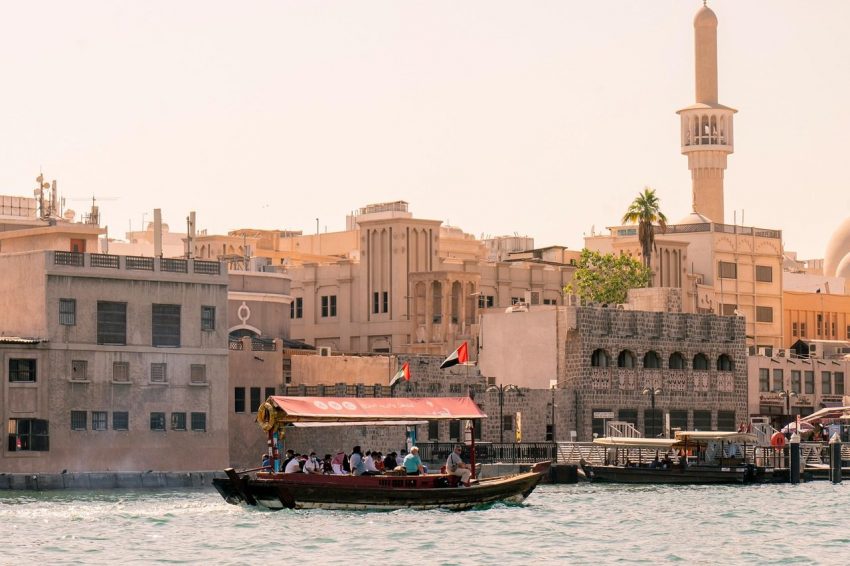
On your second day, switch completely and explore Old Dubai. Begin in Al Fahidi Historical Neighbourhood, where narrow lanes, traditional-style buildings, wind towers, museums, galleries, and cafés give you a sense of what Dubai looked like before the skyline era. From there, head toward Dubai Creek and take an abra across the water. It is one of the simplest and most memorable experiences in the city. On the Deira side, wander through the Gold Souk and Spice Souk, then return toward Al Seef or Bur Dubai for dinner.
Your third day can focus on the coast. Spend the morning at Jumeirah Beach, Kite Beach, or JBR Beach. If you are interested in Palm Jumeirah, visit The View at The Palm, book a beach club, explore Atlantis, or spend the day at Aquaventure Waterpark. In the evening, walk through Dubai Marina or JBR, where the restaurants, lights, and waterfront promenade make the area feel lively after dark.
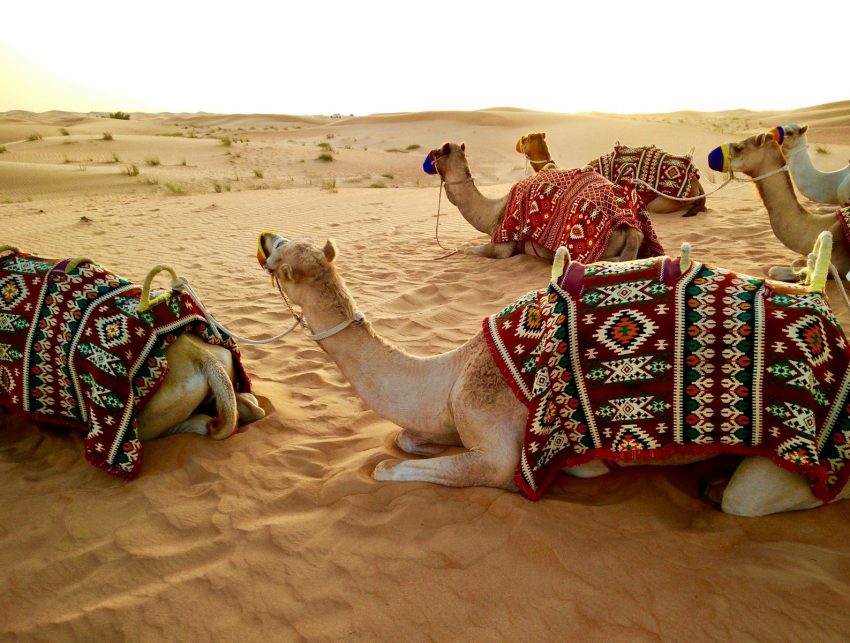
For a fourth day, choose based on your travel style. If you want the classic Dubai adventure, book a desert safari. Most include hotel pickup, dune bashing or desert driving, sunset photos, camel rides, dinner, and entertainment. If you prefer indoor attractions, visit the Museum of the Future, Dubai Frame, or one of the city’s major malls. Families might choose Aquaventure, IMG Worlds of Adventure, or Dubai Parks and Resorts. Food-focused travelers could build the day around a long lunch, a market visit, and a special dinner.
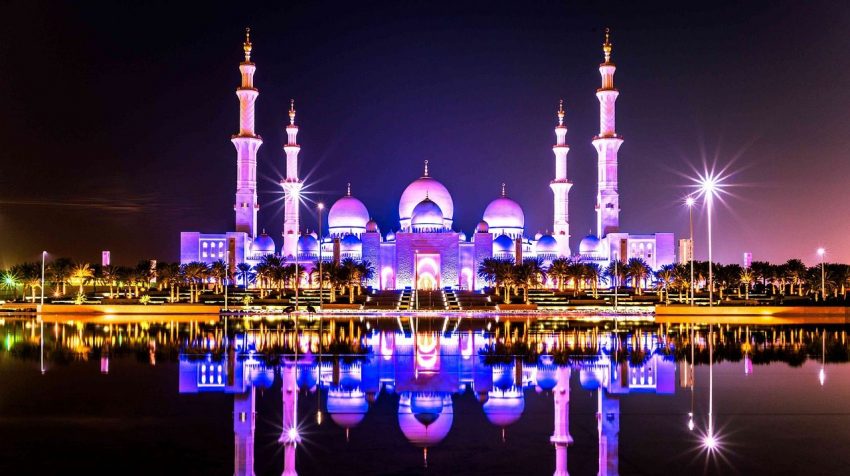
If you have extra time, consider a day trip to Abu Dhabi to see the Sheikh Zayed Grand Mosque and Louvre Abu Dhabi, book a yacht cruise, visit Alserkal Avenue for galleries and creative spaces, or go to Global Village if it is operating during your trip.
Best Things to Do in Dubai
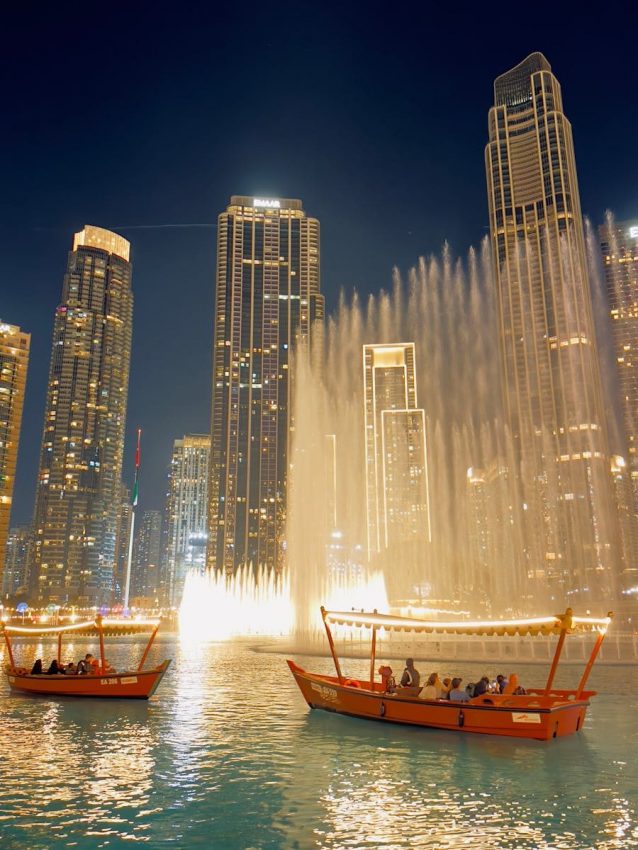
The Burj Khalifa is the city’s most famous landmark and the obvious place to begin. Even if you do not go to the observation deck, seeing it from Downtown Dubai is part of the first-time experience. Nearby, Dubai Mall and the Dubai Fountain can easily fill several hours. The fountain is especially atmospheric at night, when crowds gather around Burj Lake and the whole area feels like Dubai showing off, which, to be fair, it does very well.
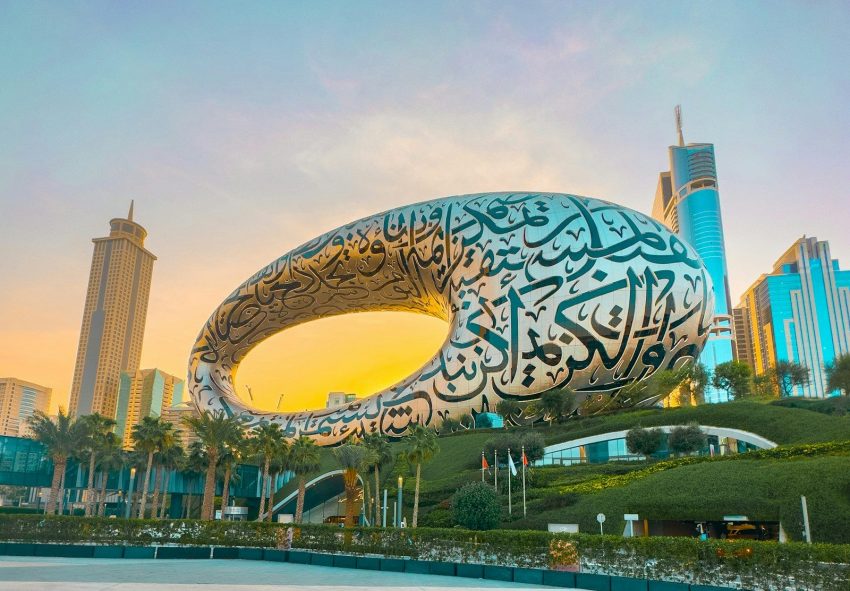
The Museum of the Future is another signature modern attraction. Its architecture alone makes it worth seeing from the outside, but visitors interested in technology, design, future cities, space, health, and innovation may want to book a ticket. Dubai Frame is also popular because it literally frames the contrast between old and new Dubai, with views toward the historic districts on one side and the modern skyline on the other.
Old Dubai is essential if you want more than malls and towers. Al Fahidi Historical Neighbourhood, Dubai Creek, the abra crossing, the Gold Souk, the Spice Souk, and Al Seef show the city’s trading roots and cultural heritage. This part of Dubai is also more budget-friendly, with cheaper food, casual shopping, and a less polished but more textured atmosphere.
The desert is another must for many first-timers. A desert safari is touristy, yes, but it is popular for a reason. Many options include both 4×4 and camel riding experiences along with a meal. The dunes give you a completely different setting from the city, and sunset in the desert can be beautiful. If you want a more refined version, look for conservation-focused or luxury desert operators. If you want a budget-friendly version, compare inclusions carefully, because not all safaris are the same.
For beach time, Dubai has several options. JBR Beach is lively and urban, with restaurants and hotels nearby. Kite Beach is good for a more active feel, with views toward the Burj Al Arab, food trucks, and a local weekend atmosphere. Palm Jumeirah is better for resort beaches and waterparks. If your hotel has a good pool or beach club, you may want to leave unscheduled time simply to enjoy it.
Where to Eat in Dubai
Dubai’s food scene is one of the best reasons to visit. The city is incredibly international, with restaurants reflecting Emirati, Lebanese, Iranian, Indian, Pakistani, Filipino, Japanese, British, French, Italian, and many other cuisines. You can spend a fortune on fine dining, but you can also eat extremely well in casual local restaurants.
Start with Emirati food if you want to understand the local culture. Look for dishes such as machboos, a spiced rice dish often served with meat or fish; harees, a wheat and meat dish with a soft texture; luqaimat, sweet fried dumplings usually served with date syrup; regag bread; grilled meats; dates; and Arabic coffee. Arabian Tea House and Al Khayma Heritage Restaurant are popular choices for visitors who want traditional-style settings and approachable Emirati dishes.
Dubai is also fantastic for South Asian food. Indian, Pakistani, Sri Lankan, and other restaurants are a huge part of the city’s dining landscape. Casual restaurants in Bur Dubai, Deira, Karama, and Satwa can offer some of the best value meals in the city. Ravi Restaurant is one of the famous names for budget-friendly Pakistani food, while many smaller spots serve excellent biryani, kebabs, curries, dosas, parathas, and chai.
For food-focused travelers, Dubai now has a serious fine-dining reputation. The Michelin Guide lists restaurants across the city, including luxury tasting menus, chef-led dining rooms, and more casual Bib Gourmand-style choices. Restaurants such as Orfali Bros Bistro, Trèsind Studio, 11 Woodfire, and others have helped raise Dubai’s profile as a destination for serious dining.
If you want variety without committing to one formal restaurant, Time Out Market Dubai is a useful option, especially for groups. For atmosphere, consider dinner near Dubai Fountain, Dubai Marina, JBR, Madinat Jumeirah, or a rooftop with skyline views. Just remember that the most scenic restaurants are often expensive and may require advance reservations.
Alcohol is available in licensed venues, commonly hotels, restaurants, bars, clubs, and beach clubs. It is not usually part of everyday public dining in the same way it might be in some European cities, and public drunkenness is not acceptable. If you plan to drink, budget for it carefully because alcohol can add a lot to your trip costs.
Important Dubai Travel Tips
Dubai is modern and tourist-friendly, but it is still important to respect local customs. Dress codes are generally relaxed in tourist areas, hotels, beaches, and resorts, but modest clothing is recommended in malls, mosques, souks, government buildings, and traditional neighborhoods. Swimwear is fine at beaches and pools, but not for walking around malls, restaurants, or city streets.
Public behavior matters. Avoid loud drunken behavior, offensive gestures, aggressive arguments, and disrespectful conduct in religious or traditional spaces. Public displays of affection should be modest. Dubai is welcoming to visitors, but the laws and cultural expectations are different from many Western destinations.
Be careful with photography. Do not photograph people, especially women and families, without permission. Avoid taking photos of government buildings, security areas, airports, and anything that seems sensitive. When in doubt, skip the photo.
Weather is another major factor. In winter, Dubai can be wonderfully comfortable. In summer, the heat can shape your entire trip. Carry water, wear sunscreen, use sunglasses, and plan outdoor activities for early morning or evening. Also bring a light layer for malls, museums, and restaurants because indoor air conditioning can be very strong.
Dubai is generally considered a very safe city for tourists, with low levels of street crime compared with many major cities. Still, use normal travel sense. Watch your belongings, use licensed transportation, check official travel advice before departure, and buy travel insurance that covers medical care, cancellations, and any activities you plan to do.
Budgeting for Dubai
Dubai can be as expensive as you allow it to be. Luxury hotels, beach clubs, cocktail bars, taxis, observation decks, brunches, and theme parks can add up quickly. But there are many ways to keep costs under control, and it doesn’t have to be super expensive. See typical travel costs here.
The easiest way to save is to choose your hotel carefully. Staying in Downtown Dubai or Palm Jumeirah is convenient or luxurious, but usually expensive. Staying in Deira, Bur Dubai, Al Barsha, or near a metro station can reduce your hotel and transportation costs. If you plan to spend most of your time sightseeing, you may not need a resort-style hotel.
Use the metro when it makes sense. A Nol card and a bit of planning can save a lot compared with taking taxis everywhere. Eat some meals at casual restaurants, bakeries, food courts, and local South Asian spots. Mix expensive attractions with free experiences like beaches, Al Fahidi, Dubai Creek, the souks, fountain views, Marina walks, and public areas around major landmarks.
Paid attractions are often the biggest variable. Burj Khalifa tickets, Museum of the Future, Dubai Frame, desert safaris, waterparks, yacht trips, and theme parks can all be worth it, but you do not need to do everything. Choose the experiences that match your travel style rather than treating Dubai like a checklist.
For a first trip, it is smart to divide your budget into hotels, food, transportation, attractions, tours, shopping, and nightlife. Dubai is a place where small upgrades can get expensive fast, so deciding your priorities in advance will help you spend where it matters.
Common Mistakes to Avoid
The biggest mistake first-time visitors make is underestimating distances. Dubai looks simple on a map, but attractions can be far apart, traffic can be slow, and walking between neighborhoods is often unrealistic. Plan your days by area rather than bouncing from the Marina to Old Dubai to Downtown and back again. Plan which type of transportation to use for each area, too.
Another mistake is skipping Old Dubai. The Burj Khalifa, Dubai Mall, and Palm Jumeirah are impressive, but they do not tell the whole story. Dubai Creek, Al Fahidi, the souks, and traditional restaurants add context and character to your trip.
Do not overbook your itinerary. Dubai rewards planning, but it also rewards downtime. Leave space for pool time, beach time, long dinners, sunset views, or simply recovering from the heat. If you book every hour, the city can feel exhausting.
Avoid visiting outdoor attractions in the middle of the day during hot months. Save beaches, souks, walking routes, and desert activities for cooler hours. In summer, build your days around indoor attractions and evening outings.
Finally, do not assume Dubai is only for luxury travelers. Yes, it can be very glamorous. But some of the best experiences are simple: taking an abra across the Creek, eating a cheap but excellent curry, watching the fountain for free, walking through the old lanes of Al Fahidi, or seeing the skyline glow at sunset.
Final Thoughts: Is Dubai Worth Visiting?
Dubai is absolutely worth visiting if you are curious about modern cities, global food, beach resorts, desert landscapes, shopping, architecture, and easy travel logistics. It is especially good for travelers who like variety. In one short trip, you can combine skyscrapers, souks, beaches, malls, museums, waterparks, fine dining, and desert scenery.
It may not be the perfect destination if you want a compact walking city, quiet old streets everywhere, or a low-key backpacker atmosphere. Dubai is bold, spread out, organized, ambitious, and often extravagant. But if you understand what kind of city it is, and plan accordingly, it can be a fascinating and very enjoyable first trip.
The best Dubai itinerary balances the famous with the local, the shiny with the historic, and the expensive with the affordable. See the Burj Khalifa, but also cross the Creek. Visit the mall, but also explore the souks. Book a special dinner, but also try casual local food. Spend time at the beach, but leave an evening for the desert.
That balance is where Dubai becomes most interesting. It is not just a stopover city or a luxury playground. For first-time visitors who plan well, Dubai is a destination full of contrasts, convenience, spectacle, culture, and memorable experiences.

Bryan has visited 61 countries, which is exactly one more country than his wife, and she won’t let him forget it! Also an avid photographer, he enjoys entrenching himself within the local culture in order to learn more about the people of a place. He is the co-founder of Budget Your Trip and loves a good adventure, an exotic meal, or a passionate conversation about global events. And he also loves to find out how much stuff costs, which is why he and his wife started Budget Your Trip.
Sign up to our email newsletter to receive sales, deals, and discounts from major travel companies!