Which country is cheaper, Sweden or Iceland?
These are the overall average travel costs for the two destinations.

Should I visit Iceland or Sweden? This is a common question asked by many travelers. By figuring out which country has activities that align with your interests along with knowing which is more affordable, you'll understand where you can get more bang for your buck. So, let's dive into the details and the data, which all comes from actual travelers.
We'll start with a quick overview, and below we will go into all of the details.
| Iceland | Sweden | |
| Museums & Attractions |  |
|
| Culture & History | |
|
| Food | |
|
| Nightlife | |
|
| Resorts | |
|
| Skiing | |
|
| National Parks | |
|
| Wildlife | |
|
| Families | |
|
| Backpackers | |
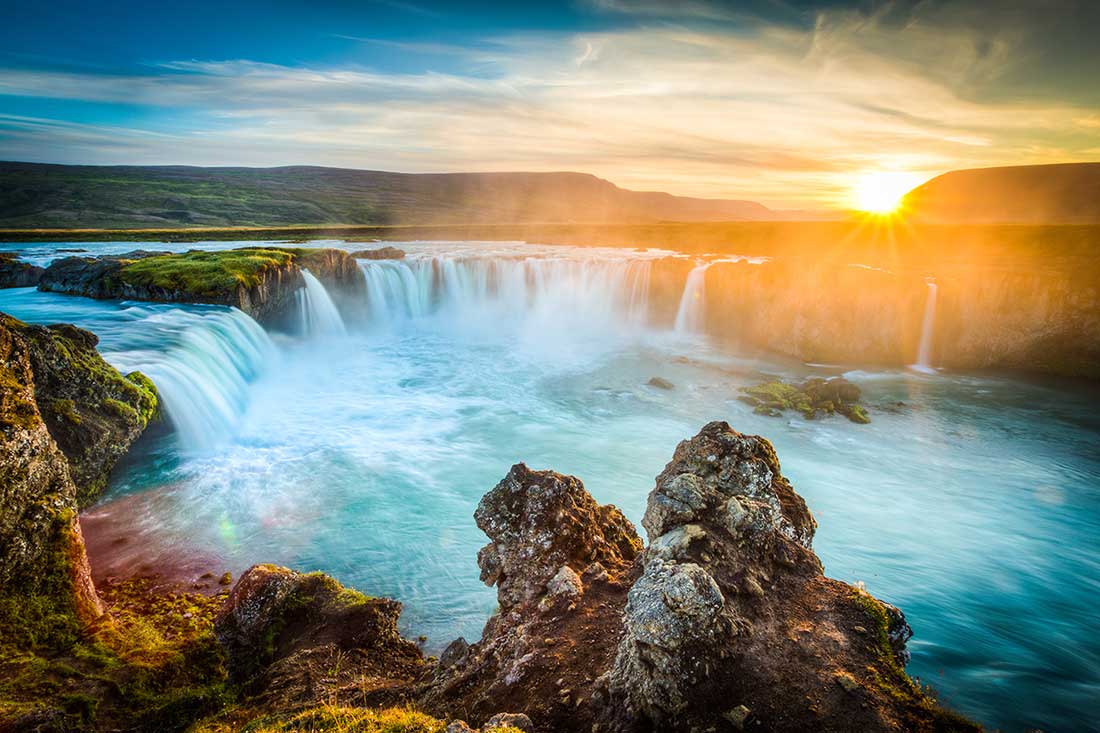 Godafoss Waterfall
 Iceland is a rugged, enchanting, and stunning country. The famous beauty of Iceland is one of the main draws. It's also known for wildlife, adventure travel, national parks, and history and culture.
Iceland, often dubbed the "Land of Fire and Ice," is a breathtaking country that captivates every traveler who sets foot on its otherworldly terrain. With landscapes dotted with volcanoes, geysers, hot springs, and lava fields, alongside massive glaciers and fjords that defy imagination, this Nordic island is a paradise for nature enthusiasts and adventure seekers alike. Visitors are drawn here to experience the surreal beauty of the Northern Lights, soak in geothermal lagoons, embark on thrilling hikes, and explore vibrant Reykjavik. Known for its commitment to eco-friendly tourism, Iceland provides an opportunity to connect with nature in its rawest and most pristine form.
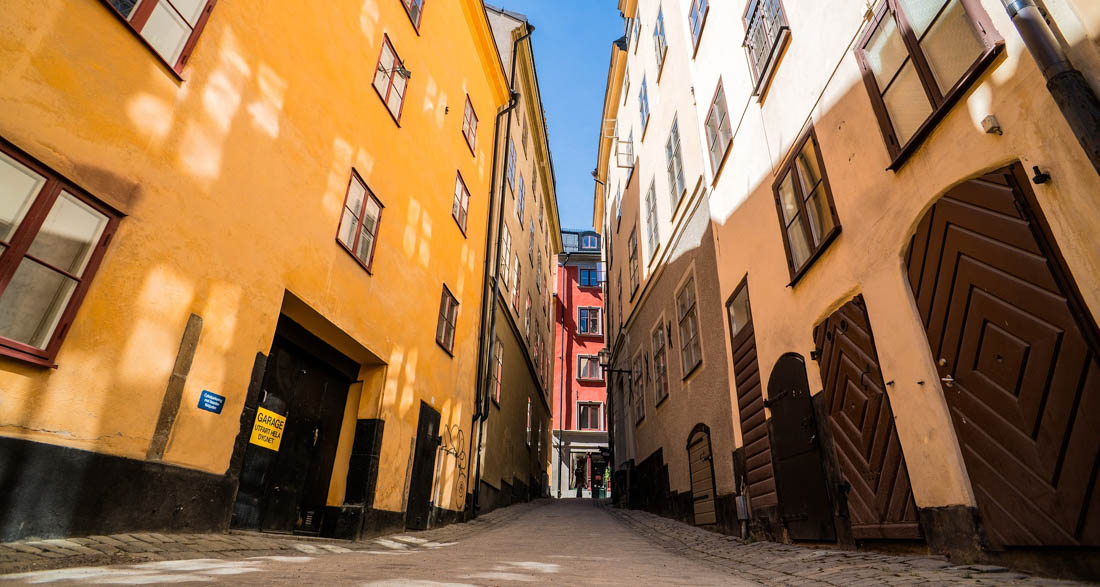 Stockholm, Sweden
 Sweden is a innovative, welcoming, and scenic country. Many visitors also come to Sweden because of it's amazing beauty. Visitors also love the museums, wildlife, adventure travel, and national parks.
Sweden is a captivating blend of pristine natural beauty and cutting-edge urban sophistication, making it a top destination for travelers seeking both adventure and culture. From the shimmering archipelagos of Stockholm to the mysterious Northern Lights dancing over Lapland’s snow-covered wilderness, the country offers unforgettable experiences year-round. Culinary enthusiasts will delight in Sweden’s vibrant food scene, where traditional flavors like pickled herring meet innovative Nordic cuisine served in world-class restaurants. History buffs can explore medieval castles, Viking heritage sites, and charming cobblestone streets that whisper stories of the past. Outdoor lovers have endless opportunities for hiking, kayaking, and winter sports, all set against stunning landscapes of dense forests, serene lakes, and rugged coastlines. With its warm hospitality and commitment to sustainability, Sweden invites travelers to discover a destination that’s both timeless and refreshingly modern.
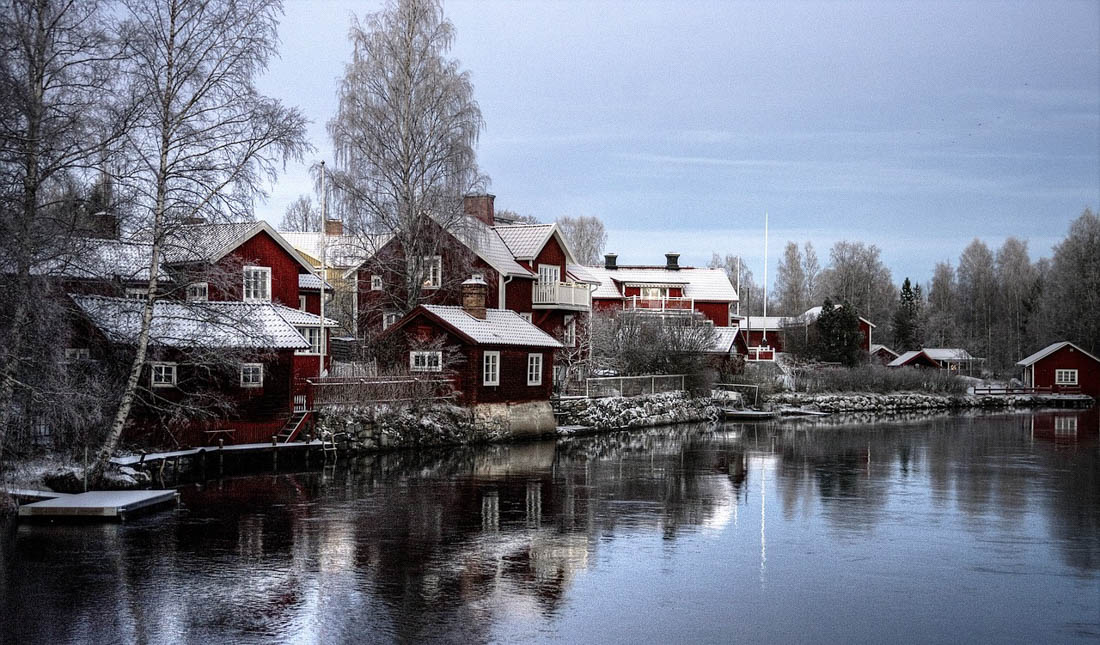 Sundborn, Sweden
 Below we will examine the differences and similarities between Iceland and Sweden. With this information, you can decide for yourself which place is better for your next trip.
Interesting museums and landmarks can be found in both Sweden and Iceland, but many consider Iceland to be a step above.
Visitors can fill many days exploring the museums and attractions around Iceland. Reykjavik hosts some excellent museums that offer insights into Icelandic heritage and art. The National Museum of Iceland provides a detailed glimpse into the country's history from settlement to modern times. The Reykjavik Art Museum showcases contemporary Icelandic art. The Maritime Museum offers fascinating exhibits about the fishing industry and life at sea. These museums, among others in Reykjavik, provide compelling narratives and cultural education for visitors.
If you're looking for an educational opportunity, there are a decent number of museums and historical sights around Sweden. Sweden is a treasure trove for museum lovers, with its vibrant cultural hubs offering some of the most captivating institutions in Scandinavia. Stockholm, the nation’s capital, is undoubtedly the epicenter, boasting iconic museums like the Vasa Museum, home to the remarkably preserved 17th-century warship Vasa that sank on its maiden voyage—an unparalleled maritime time capsule. Just nearby, the Fotografiska showcases cutting-edge contemporary photography in a beautifully renovated industrial building, blending art with panoramic city views. For a deep dive into Swedish history and traditions, the Nordic Museum on Djurgården island presents a rich tapestry of folk culture, fashion, and societal evolution. Venturing beyond Stockholm, Gothenburg’s Universeum combines natural science with interactive exhibits perfect for families, while Malmö’s Moderna Museet Malmö offers a dynamic collection of modern and contemporary art. Each museum not only celebrates its unique facet of Swedish heritage or creativity but also invites travelers to explore the country’s past and present through immersive and thoughtfully curated experiences.
Generally, Sweden offers a larger array of history, arts, and cutlure for travelers than Iceland.
Sweden is an extremely popular destination for those that want to visit historical and cultural sights and attractions, as it offers plenty. Sweden’s rich tapestry of history and culture unfolds beautifully across its vibrant cities and idyllic countryside, offering travelers a compelling journey through time. At the heart of this exploration is Stockholm’s Gamla Stan, the city’s medieval old town, where cobblestone streets wind past royal palaces, centuries-old churches, and quaint cafés, immersing visitors in Sweden’s regal past. Just a ferry ride away, the Vasa Museum stands as a magnificent testament to 17th-century naval ambition, showcasing the remarkably preserved warship Vasa, sunk on its maiden voyage and salvaged over 300 years later. For a deeper dive into Viking heritage, the city of Uppsala offers ancient burial mounds, rune stones, and the Gustavianum museum with its intriguing artifacts. Beyond the cities, cultural activities abound—from midsummer festivals celebrating age-old traditions with folk dancing and flower crowns, to the Nobel Museum in Stockholm honoring groundbreaking achievements in science and literature. Sweden’s seamless blend of historic preservation and vibrant cultural practices ensures that every traveler can experience a living history, whether by strolling through royal corridors, attending Sami reindeer herding demonstrations in Lapland, or savoring traditional Swedish fika while reflecting on centuries of Nordic heritage.
Iceland offers multiple historical, cultural, and artistic sights and attractions for visitors. Iceland's rich history and culture are deeply entwined with its dramatic landscapes. The Saga Museum in Reykjavik and the Settlement Center in Borgarnes provide insights into Viking heritage. Explore Þingvellir National Park, a UNESCO World Heritage site, significant for its historic Althing assembly. The cultural influence of figures like Snorri Sturluson is visible in sites throughout the countryside. While the country is less dense in historical sites compared to Europe, its unique culture offers fascinating exploration opportunities.
Iceland and Sweden are similar when it comes to the great big city activities.
Iceland has some large cities, so you'll find plenty of things to do when visiting. Reykjavik, the capital and largest city, serves as the cultural and economic hub, offering visitors an array of activities. The city's vibrant arts scene, museums like the National Museum of Iceland, and architectural sites such as the Harpa Concert Hall are must-visit spots. However, outside of Reykjavik, the urban centers are relatively smaller, providing more localized experiences, yet they may not cater to typical "big city" expectations.
Because of the large cities in Sweden, visitors will find many sights and attractions. Sweden’s largest cities—Stockholm, Gothenburg, and Malmö—each offer a distinct urban charm that makes them compelling travel destinations for a wide range of visitors. Stockholm, the capital and largest city, is a vibrant cultural hub spread across 14 islands, renowned for its stunning waterfront views, historic Gamla Stan (Old Town), and world-class museums like the Vasa Museum and Moderna Museet. Travelers flock here for the perfect blend of cosmopolitan sophistication and Swedish design sensibility. Dining in Stockholm is an adventure in itself, from innovative Nordic cuisine at Michelin-starred restaurants to cozy street food markets, while the nightlife pulses with stylish cocktail bars and lively clubs, especially in neighborhoods like Södermalm. Gothenburg, Sweden’s second-largest city on the west coast, appeals to those who appreciate a laid-back yet spirited vibe—its picturesque canals, bustling fish markets, and the Liseberg amusement park are must-visits. The city’s thriving theater and live music scenes, including the Göteborg Film Festival, showcase its creative energy. Food lovers revel in fresh seafood, local breweries, and a café culture that invites lingering conversations. Malmö, smaller but dynamic, is a melting pot of cultures linked to Copenhagen by the iconic Øresund Bridge. It’s a hotspot for innovative urban design and sustainability, with a growing arts scene and energetic nightlife that caters to a young, international crowd. Whether savoring global flavors at eclectic restaurants or exploring contemporary galleries and theaters, Malmö offers a refreshing counterpoint to the more traditional Scandinavian experience. Together, these cities highlight Sweden’s urban diversity, making them ideal for travelers seeking a mix of history, culture, gastronomy, and vibrant city life.
Sweden is considered to have more smaller towns and villages than Iceland.
Because Sweden offers so many small towns with a variety of charming activities, it attracts plenty of visitors for a good reason. Sweden’s most visited small towns offer enchanting escapes that perfectly capture the country’s quintessential charm, blending timeless history with breathtaking natural beauty. Towns like Mariefred, with its picture-perfect cobblestone streets and the majestic Gripsholm Castle overlooking Lake Mälaren, invite travelers to step back into a fairy tale. Meanwhile, Ystad enchants visitors with its half-timbered houses and quaint narrow alleys, famously featured in Scandinavian crime novels, while its proximity to sandy beaches lets visitors savor both culture and coast. In the north, Jukkasjärvi draws crowds eager to experience the surreal Icehotel and the wondrous Northern Lights, framed by pristine Arctic wilderness. These towns are beloved for their intimate scale, cozy cafés, artisan shops, and locals’ warmth, offering an authentic slice of Swedish life. Popular activities vary from leisurely bike rides along waterfront promenades, ice fishing, and guided castle tours, to tranquil hikes through lush forests or across rolling countryside. For travelers craving charm wrapped in scenic tranquility alongside rich cultural heritage, Sweden’s small towns deliver unforgettable, postcard-perfect experiences.
As Iceland is a destination with many small towns and villages, visitors also come to explore the sights and local activities. The picturesque small towns scattered across the countryside provide charming escapes with a sense of authenticity. Seyðisfjörður, nestled in the East Fjords, boasts colorful wooden buildings and an artsy community vibe. Vik, known for its black sand beaches and basalt columns, offers a memorable small-town experience. Visitors can also enjoy the remote tranquility of places like Borgarfjörður Eystri, renowned for its hiking trails and puffin colonies.
Iceland has a longer list of notable local restaurants than Sweden.
With its innovative style combined with traditional elements, Iceland makes for a great culinary experience. Icelandic cuisine offers a delightful mix of traditional and modern flavors. Seafood lovers will relish the fresh fish dishes, including cod and langoustine specialties available in restaurants and local markets. Reykjavik's dining scene is vibrant with options ranging from upscale dining to cozy cafes. Those looking to try local delicacies can indulge in Icelandic lamb and skyr, a popular dairy product. For adventurous eaters, fermented shark and sheep's head are traditional dishes that offer a taste of Icelandic heritage.
There are many up and coming restaurants in the Sweden area. Swedish cuisine, deeply rooted in the country’s natural landscape and seasons, offers a delightful blend of hearty, comforting flavors and clean, fresh ingredients. Traditional dishes like meatballs (köttbullar) served with creamy mashed potatoes, lingonberry jam, and pickled cucumbers have become iconic symbols of Sweden’s culinary identity. The cuisine also celebrates the bounty of the sea with delicacies such as gravlax (cured salmon) and herring prepared in a variety of tangy marinades, reflecting the importance of preservation techniques developed over centuries. Besides these staples, the Swedish smörgåsbord—a lavish buffet featuring an array of cold and hot dishes—is an experience not to miss, showcasing everything from crisp rye breads and cheeses to rich stews and seasonal vegetables. While not as globally renowned as French or Italian gastronomy, Swedish food has steadily gained international appreciation, particularly for its emphasis on simplicity, quality ingredients, and sustainability. Its balanced flavors and unique traditions, like the beloved fika coffee break paired with cinnamon buns (kanelbullar), make Swedish cuisine increasingly celebrated among food enthusiasts worldwide, proving that good things do indeed come from the land of the midnight sun.
Party-goers will usually choose Iceland over Sweden.
The people in Iceland know how to have a good time. Reykjavik's nightlife scene is lively and varied, with a range of bars, clubs, and venues to suit different tastes. The city's pubs often feature live music, and many spots stay open late, creating an appealing atmosphere for night owls. Live music thrives in the city, with venues hosting local and international artists. The nightlife is typically centered around the weekends, drawing both locals and visitors into the city's vibrant social scene.
There's a variety of activities in the evening in Sweden. Sweden’s nightlife pulses with a vibrant mix of chic clubs, cozy pubs, and innovative music venues, making it a top destination for night owls and party enthusiasts alike. In Stockholm, the city’s capital and cultural hub, you’ll find everything from exclusive rooftop bars in Södermalm with panoramic views of the archipelago to underground techno clubs in the hipster district of Hornstull. Gothenburg, Sweden’s second-largest city, boasts a lively live music scene and craft beer pubs that attract a young, energetic crowd, especially around the trendy neighborhoods of Magasinsgatan and Linné. Meanwhile, Malmö’s nightlife blends Scandinavian cool with multicultural flair, offering a diverse range of cocktail lounges, late-night cafés, and dance clubs that keep the energy alive well into the early hours. Whether you’re into electronic dance music, indie rock, or just savoring a relaxed evening with a locally brewed IPA, Sweden’s nightlife scenes promise an unforgettable and distinctly Nordic experience.
With generally more resort options, Iceland attracts a high number of vacationers.
There are plenty of resorts in Iceland to choose from. While not traditionally known for all-inclusive resorts, Iceland offers luxury accommodations that provide pampering experiences. The Retreat at Blue Lagoon offers exclusive spa services among breathtaking geothermal landscapes. In Reykjavik, boutique hotels offer high-end experiences with modern amenities. Additionally, countryside hotels and cabins present serene settings with views of glaciers or the Northern Lights for those seeking peaceful luxury.
Sweden has a few great resort options. Sweden’s resort landscape is a captivating blend of pristine nature, vibrant culture, and year-round adventure, making it a top choice for discerning travelers. In the north, the iconic resorts of Åre and Sälen stand out as winter playgrounds renowned for their world-class skiing, snowboarding, and expansive cross-country trails amid stunning Arctic wilderness. Åre, often dubbed the “Alps of Scandinavia,” also boasts a lively après-ski scene and gourmet dining, while Sälen attracts families with its gentle slopes and extensive snow parks. Moving south, the island resorts of Gotland and Österlen offer a completely different charm: sun-drenched shores, medieval villages, and cycling routes weaving through idyllic countryside dotted with apple orchards and quaint fishing harbors. These areas are favored in summer for beachcombing, sailing, and cultural festivals. Along the Swedish west coast, resorts like Marstrand and Strömstad combine maritime heritage with opportunities for yachting, kayaking, and delicious seafood experiences. Whether visitors seek adrenaline-fueled mountain adventures, tranquil seaside escapes, or a rich tapestry of history and gastronomy, Sweden’s resorts deliver a uniquely Scandinavian blend of natural beauty and authentic local flavor.
For a relaxing beach holiday, both Iceland and Sweden are great choices.
You can check out the beach in Iceland. While known more for its dramatic coastlines than traditional beach experiences, Iceland has intriguing beaches worth exploring. The black sand beaches of Vik and Reynisfjara offer striking views and unique geologic formations like basalt columns. Djúpalónssandur on the Snæfellsnes Peninsula provides a memorable setting amid rugged cliffs. However, visitors should note that the beaches are not suited for swimming due to cold temperatures and strong currents.
The beach in Sweden is worth checking out. Sweden’s coastline, dotted with shimmering archipelagos and pristine shores, offers some surprisingly stunning beach escapes that rival those of more traditionally sun-soaked destinations. Among the most celebrated is **Tylösand Beach** near Halmstad on the west coast—famed for its long stretches of fine, golden sand, vibrant beach clubs, and a lively atmosphere perfect for sunbathers and surfers alike. For a more tranquil and uniquely Scandinavian experience, **Skanör-Falsterbo** at the southern tip of Sweden enchants visitors with its soft dunes, charming seaside villages, and opportunities to spot migratory birds in the summer months. Venturing to the east coast, **Tofta Beach** on Gotland stands out with its warm Baltic waters and dramatic cliff-backed coastline, offering a mix of relaxation and adventure, from paddleboarding to beach volleyball. Lastly, for a true hidden gem, **Sudersand on Fårö** seduces with its powdery white sand and crystal-clear waters, framed by rugged limestone formations—a perfect spot for those seeking serene natural beauty far from the tourist crowds. Each of these beaches encapsulates the diversity and understated charm of Sweden’s seaside, proving that this Nordic gem has plenty more to offer than just beautiful fjords and forests.
The Christmas season is more busy in Sweden than Iceland.
Sweden is a very popular destination during Christmas.
Many visitors go to Iceland during the Christmas season. The Christmas season in Iceland is a magical time, marked by unique traditions and festive spirit. Reykjavik becomes adorned with Christmas lights, offering a warm atmosphere despite the cold weather. Christmas markets in and around Reykjavik invite visitors to explore Nordic crafts and enjoy traditional snacks like Laufabrauð. The capital's Christmas celebrations offer opportunities to learn about yuletide tales and Iceland's thirteen Jól lads. However, nights are long and the weather can be harsh, so travelers should plan accordingly.
Even though Sweden and Iceland provide opportunities for snow skiing, most people consider Sweden to be more popular.
Visitors travel far to experience snow skiing in Sweden. Sweden offers an exceptional winter playground for skiing and snowboarding enthusiasts, blending reliable snow conditions with a uniquely Scandinavian charm. The crown jewel is Åre, Scandinavia’s largest and most dynamic ski resort, boasting over 100 slopes that cater to everyone from beginners to expert freeriders, alongside a vibrant après-ski scene and sleek mountain lodges. For a more family-friendly yet equally exhilarating experience, Sälen stands out with its well-groomed pistes, extensive snow parks, and excellent amenities, making it Sweden’s most popular ski destination. Up north, Riksgränsen offers a rare treat—late-season skiing well into June under the midnight sun, perfect for adventurous boarders seeking powder on glacier terrain far above the Arctic Circle. Meanwhile, smaller gems like Vemdalen and Idre Fjäll charm visitors with their cozy villages, serene forests, and diverse terrain parks that cater to freestyle aficionados. Together, these resorts showcase Sweden’s versatility, from adrenaline-fueled descents to tranquil cross-country trails winding through pristine winter landscapes.
Head to Iceland for some great skiing and other winter activities. Skiing opportunities exist, though they may not compare to more prominent ski destinations. Bláfjöll, near Reykjavik, offers convenient skiing with several slopes for various skill levels. Akureyri is another hub for winter sports, with options for skiing and snowboarding. Visitors can also explore heli-skiing on the Troll Peninsula, which offers more remote and adventurous ski experiences.
If you're looking to go hiking, Iceland and Sweden both have great trails.
People visit Iceland specifically for its hiking, as the natural beauty is well-known. The country's numerous hiking trails offer breathtaking views and diverse challenges, making it a hiker's paradise. The Laugavegur Trail, one of the most popular, features landscapes of geothermal areas, volcanoes, and valleys. The challenging Fimmvörðuháls between Skógar and Þórsmörk provides dramatic scenery with glaciers and mountains. For easier treks, the trails around Lake Mývatn offer volcanic landscapes and easy-to-navigate paths.
Reykjavik: The city offers easy access to some of the world's most spectacular scenery. There are many hikes that you can easily reach from town. They pass through diverse landscapes that include waterfalls, mountains, glaciers, and beaches.
Many people visit Sweden specifically for its hiking. Sweden is a treasure trove for hiking enthusiasts, boasting a diverse range of landscapes that cater to every kind of adventurer. The crown jewel is undoubtedly **Sarek National Park** in Lapland, often called Europe’s last wilderness—here, rugged, glacier-clad peaks and turbulent rivers create a raw, untamed backdrop that challenges even seasoned hikers seeking solitude and pristine nature. For a more accessible but equally breathtaking experience, the **Kungsleden Trail** (The King’s Trail) stretches over 440 kilometers from Abisko to Hemavan, weaving through verdant birch forests, alpine meadows, and crystal-clear mountain lakes; its well-maintained huts and marked paths make it Sweden’s most iconic long-distance trek. Down south, **Skåne’s Söderåsen National Park** offers a contrasting charm with its deep beech forests, dramatic ravines, and lush moss-covered cliffs, ideal for day hikers craving tranquillity close to civilization. Each region reflects a different facet of Sweden’s vast natural beauty—whether it’s the arctic grandeur of the north or the gentle, green landscapes in the south—making Sweden a truly multifaceted hiking paradise.
Iceland is generally considered to have more national park destinations than Sweden.
Iceland has many famous and beautiful national parks that are very popular with tourists. The national parks are treasured destinations, each offering unique natural wonders. Thingvellir National Park, part of the Golden Circle, is rich in history and geological significance, being the site of the world's first parliament. Vatnajökull National Park, the largest in Europe, encompasses glaciers, volcanoes, and stunning waterfalls. Snæfellsjökull National Park offers impressive hiking trails and views of the Snæfellsjökull glacier, adding to the diverse attractions for nature enthusiasts.
Many visitors go to Sweden to see the national parks. Sweden’s national parks offer a captivating blend of pristine wilderness, rich biodiversity, and unique cultural landscapes, making them a must-visit for nature lovers and adventure seekers alike. Among the 30 parks scattered across the country, **Abisko National Park** in the far north stands out for its stunning Arctic scenery and world-famous Northern Lights viewing opportunities, set against the backdrop of the dramatic Lapland mountains. Further south, **Sarek National Park** offers an untamed, rugged expanse of alpine peaks and deep valleys—often called Europe’s last true wilderness—ideal for experienced hikers seeking solitude and pristine nature far from modern life. For those enchanted by lush forests and serene lakes, **Tyresta National Park**, located just outside Stockholm, showcases ancient pine forests and crystal-clear waters perfect for day hikes and wildlife spotting. And on the Baltic coast, **Stenshuvud National Park** captivates with rolling hills, sandy beaches, and diverse flora, making it a haven for botanists and beach lovers alike. Each park highlights a different facet of Sweden’s vast natural heritage, reflecting the country’s commitment to conservation and outdoor exploration.
While Sweden and Iceland both have plenty of wilderness activities, overall Iceland is considered to be better for travelers seeking wildlife.
The wildlife experiences of Iceland attract many visitors. The country provides excellent opportunities for wildlife viewing. Puffin colonies can be observed in places like the Westman Islands and the cliffs of Látrabjarg during the summer months. Whale watching tours operate from Reykjavik and Husavik, offering sightings of various whale species, including humpbacks and minke whales. Iceland's rich birdlife also attracts ornithologists and birdwatchers to its cliffs and shores.
Sweden is a great destination for wildlife viewing and wilderness activities. Sweden offers some of the most spectacular wildlife viewing opportunities in Europe, set against a backdrop of pristine forests, rugged archipelagos, and vast wetlands. One of the crown jewels is the expansive wilderness of **Sarek National Park** in Swedish Lapland, often called “Europe’s last true wilderness,” where intrepid travelers can glimpse elusive species like the rare wolverine, Eurasian lynx, and majestic reindeer roaming free amidst soaring mountain peaks and ancient valleys. Further south, **Tiveden National Park** enchants visitors with its deep, dark forests and rocky terrain, perfect for spotting moose—the iconic symbol of Swedish wildlife—as well as red foxes and a chorus of diverse birdlife including the majestic osprey. Along Sweden’s intricate coastline, the **Kosterhavet Marine National Park** offers a unique opportunity to observe seals lounging on rocky islets and a wealth of marine creatures beneath the crystal-clear waters, making it a hotspot for nature lovers and snorkelers alike. Whether trekking through northern Lapland’s silent forests or exploring the rich biodiversity of the southern archipelagos, Sweden presents a truly immersive and unforgettable wildlife experience that seamlessly blends solitude with extraordinary natural beauty.
If adventure travel is what you're looking for, both Iceland and Sweden have great options.
Iceland offers a great deal of adventurous and exciting experiences. Adventure travelers will find no shortage of adrenaline-pumping activities. The country's rugged terrain offers ideal conditions for glacier hikes, ice climbing, and snowmobiling. The numerous volcanos provide opportunities for exploration, while river rafting is popular in East Iceland. Adventure seekers can also experience the thrill of diving between tectonic plates at Silfra in Thingvellir National Park.
Sweden is famous for its exciting and adventurous travel experiences as it offers plenty of options. Sweden is a true adventure playground for outdoor enthusiasts, seamlessly blending rugged wilderness with world-class facilities. For adrenaline seekers, the Swedish Lapland offers unparalleled opportunities for dog sledding and snowmobiling through vast, pristine Arctic landscapes beneath the shimmering Northern Lights—a surreal experience around Kiruna or Abisko. In summer, the expansive archipelagos of Stockholm and Gothenburg invite travelers to kayak through calm, island-dotted waters, while Sweden’s countless lakes and rivers—from Dalsland to Jämtland—are hot spots for exhilarating white-water rafting and canoeing. For those craving vertical thrills, the dramatic cliffs and crags of Bohuslän on the west coast provide excellent rock climbing and via ferrata routes amid stunning granite scenery. Whether it’s hiking the wild trails of Sarek National Park or kite-surfing along the Baltic Sea’s windswept shores near Gotland, Sweden offers a diverse palette of adventure travel options that combine natural beauty with authentic, heart-pumping action.
While Sweden and Iceland both have beautiful mountain areas, overall Iceland is considered to be better for visitors.
With world-famous mountain scenery, Iceland attracts many visitors interested in both mountain scenery and outdoor activities. Iceland's mountainous landscapes are a testament to the country's volcanic origins. The towering peaks and stunning vistas make it a must-visit destination for mountain enthusiasts. Hvannadalshnúkur, the country's highest peak, offers challenging climbs alongside breathtaking views. The Hornstrandir Nature Reserve presents untouched, rugged mountain cliffs for the adventurous. Smaller mountain ranges like the Snæfellsnes Peninsula provide equally mesmerizing sights, perfect for leisurely exploration and photography.
Sweden is an extremely popular destination for those interested in visiting the mountains. Sweden’s mountain regions, predominantly nestled in the northern province of Lapland and the southwestern stretches of Jämtland and Härjedalen, offer some of Scandinavia’s most captivating landscapes and outdoor experiences. The iconic Scandinavian Mountains, or “Fjällen,” attract adventurers year-round, with Åre standing out as the country’s premier ski resort, renowned for its well-groomed slopes, vibrant après-ski culture, and modern amenities. Further north, the Kungsleden trail in Lapland beckons hikers with its pristine wilderness, dramatic plateaus, and the chance to witness the ethereal Northern Lights in winter or the midnight sun in summer. Visitors to these mountain areas revel in activities ranging from alpine skiing, snowboarding, and snowmobiling during the long winters, to hiking, mountain biking, and fishing in the brief but exhilarating summer months. What makes Sweden’s mountains truly special is their unique combination of raw, untouched nature, indigenous Sámi culture, and accessibility—offering both solitude and excitement against a backdrop of jaw-dropping vistas and crystal-clear air. Whether seeking challenging mountain terrain or serene natural beauty, Sweden’s mountain regions provide an unforgettable, multifaceted adventure.
Both Iceland and Sweden have some great outdoor areas to explore.
With world-famous outdoor activities, Iceland attracts many visitors interested in natural scenery, exploration, and adventure. Outdoor activities are abundant in Iceland, making it a haven for nature lovers. Hiking trails range from the famous Laugavegur Trail to coastal paths in the Westfjords. The opportunities for exploring glaciers, lava caves, and geothermal areas are almost endless. Fishing, horseback riding, and bird watching add to the diverse range of outdoor experiences available.
The huge number of outdoor activities in Sweden is one of the main reasons people come to visit. Sweden is an outdoor enthusiast’s paradise, where the vast, unspoiled wilderness beckons travelers to explore its diverse landscapes year-round. Hiking is a quintessential activity here, with the iconic Kungsleden Trail in Lapland offering breathtaking views of rugged mountains, shimmering lakes, and the ethereal Northern Lights in winter. For those seeking a waterborne adventure, the archipelagos of Stockholm and Gothenburg provide idyllic paddleboarding, kayaking, and sailing opportunities amid thousands of rocky islands and tranquil bays. In winter, Sweden transforms into a snowy playground, with world-class cross-country skiing and snowshoeing through the silent, snow-dusted forests of Dalarna or Jämtland. Wildlife safaris and fishing trips are also popular, allowing travelers to spot majestic moose, reindeer, and even majestic eagles in their natural habitats. Whether trekking in pristine national parks, gliding across frozen lakes, or cruising among remote islands, Sweden’s outdoor activities promise immersive experiences that blend exhilarating adventure with serene connection to nature.
Overall Iceland is considered to be better for road trips, as it has more opportunities.
Iceland is often synonomous with road trips because of the open roads, beautiful landscapes, and room to explore. Iceland's Ring Road presents one of the most beautiful road trips in the world, circling the entire country and providing access to stunning landscapes. From glacial lagoons to volcanic craters, travelers can explore diverse ecosystems and small villages. The Westfjords region, although less traveled, offers dramatic fjords and remote roads for adventurous road trippers. East Fjords and the tranquil countryside add to the quintessential Icelandic road trip experience, with frequent opportunities to pause and appreciate the scenic beauty.
See also Campervan Rental Costs in Iceland.
Taking a road trip through Sweden is very good way to see the countryside and smaller destinations. Sweden’s diverse landscapes and well-maintained roads make it a dream destination for road trip enthusiasts seeking everything from vibrant urban culture to untouched natural beauty. Among the most popular routes is the classic Stockholm to Gothenburg drive along the E4 and E6 highways, where travelers can explore Sweden’s two largest cities, stop at picturesque coastal towns like Marstrand, and delve into rich Viking history at Birka. Another favored route is the exhilarating journey up the “Scenic Route” along the country’s eastern coastline, passing through quaint Baltic fishing villages, sandy beaches, and the UNESCO-listed High Coast with its dramatic cliffs and forests. For those craving wilderness, the northern stretch toward Abisko National Park offers a chance to experience the magical Northern Lights and sprawling boreal forests. Road tripping in Sweden is characterized by its ease thanks to modern infrastructure, frequent rest stops, and cozy “rastplats” picnic areas, making self-driving accessible even in remote regions. Many travelers opt for RV rentals or campervans, blending mobility with the freedom to camp under the midnight sun, while others use electric or hybrid cars, embracing Sweden’s green transport ethos. Whether cruising along the archipelago roads or winding through vast countryside, a Swedish road trip promises a unique blend of serene landscapes, vibrant culture, and unhurried discovery.
Families may find more to do in Iceland than Sweden.
With a huge array of activities for kids, Iceland is very family-friendly. Iceland offers a myriad of engaging experiences for families. The Golden Circle is a popular route featuring geysers and waterfalls that young travelers will find fascinating. In Reykjavik, families can enjoy visits to the interactive Perlan Museum or relax in the Blue Lagoon. The country's geothermal pools are also a hit with kids, providing fun, natural hot tubs. Additionally, whale watching tours departing from Reykjavik or Husavik offer unforgettable marine wildlife encounters for children and adults alike.
Sweden is known to be a very family-friendly place to visit. Sweden stands out as an exceptionally family-friendly destination, seamlessly blending natural beauty with engaging, child-focused activities that captivate all ages. From the fairy-tale charm of Junibacken in Stockholm—an interactive museum dedicated to the beloved character Pippi Longstocking—to the awe-inspiring Universeum in Gothenburg, where kids can dive into hands-on science exhibits and encounter sharks and rainforest animals, the options are plentiful. Families can explore vast outdoor playgrounds like the sprawling Vasaparken or take a ferry to the enchanting island of Vaxholm in the Stockholm archipelago for hiking, biking, and picnics by the sea. Moreover, Sweden’s commitment to safety, clean public spaces, and accessible public transport makes it easy for parents to relax knowing their children are both entertained and secure. Whether building snowmen in Lapland or cycling through charming cobbled streets, Sweden offers an ideal mix of adventure, education, and cultural discovery tailored perfectly for families.
Stockholm: As cities go, this is among the most child-friendly in Europe. There are many unique activities like Junibacken, which is a Pippi Longstocking themed kid's museum. There's also Tom Tits Experiment, which is a hands on science and technology museum, the swimming pools at Eriksdalsbadet, and the amusement park Gröna Lund.
With fun activities for couples, both Iceland and Sweden make for a great place to visit.
Iceland is a great country if you're traveling as a couple. Couples visiting will find plenty of romantic spots amidst the stunning natural landscapes. The secluded beaches and waterfalls on the southern coast offer intimate settings for picnics or shared moments. The charming town of Akureyri, with its picturesque fjords, provides a wonderful backdrop for romantic strolls. Enjoying the peacefulness of the geothermal Blue Lagoon spa or catching the Northern Lights dancing overhead during the winter months adds to the romantic allure of the country.
Sweden is a very popular place to visit for couples. Sweden captivates couples with its enchanting blend of natural beauty, cozy charm, and understated elegance, making it a sublime romantic destination for honeymoons and intimate getaways. Picture wandering hand-in-hand through Stockholm’s cobblestone Gamla Stan, where fairy-tale architecture and candle-lit cafés create an irresistibly intimate ambiance. For those seeking tranquility, the archipelago’s idyllic islands—like Sandhamn or Utö—offer secluded beaches and quaint seaside cottages perfect for cozy mornings and sunset picnics. In winter, the magical Northern Lights dance above the glass-roofed igloos in Swedish Lapland, where couples can snuggle beneath the stars or embark on a husky sledding adventure, creating unforgettable shared moments. Culinary lovers will delight in exclusive dining experiences featuring Sweden’s fresh, locally sourced fare, from reindeer delicacies to delicate cloudberries, often enjoyed in atmospheric countryside lodges. Whether exploring lush summer meadows or snowy winter wonderlands, Sweden’s combination of pristine nature, historic charm, and warm hospitality crafts an irresistibly romantic backdrop for couples to create lifelong memories.
Stockholm: The city is filled with romance, from wandering around Gamla Stan to taking a dinner cruise or exploring a rose garden. During the winter months, the Christmas markets and festive atmosphere bring the city to life.
Sweden has better transportation options to get you around the region.
Sweden has an effecient and thorough public transportation system which can take you anywhere in the country. Sweden offers a remarkably efficient and traveler-friendly transportation network that makes exploring this Nordic gem both convenient and enjoyable. For long-distance travel, the country boasts an extensive and punctual rail system operated by SJ (Swedish Rail), connecting major cities like Stockholm, Gothenburg, and Malmö with modern high-speed trains that glide through picturesque landscapes. Regional and commuter trains efficiently serve suburban and smaller towns, while an extensive network of long-distance and local buses fills in gaps where trains don’t reach, especially in the more rural and northern areas. Within cities, public transit shines with reliable metro systems—Stockholm’s Tunnelbana is particularly famous for its artistic stations—trams, buses, and ferries that make urban exploration seamless. For travelers seeking flexibility, Sweden’s well-maintained highways invite road trips by rental car, offering the freedom to chase the northern lights or meander along the scenic west coast. Domestic flights are also plentiful, especially for journeys to and from remote destinations like Kiruna or the Arctic archipelago, saving you hours on travel. While Sweden’s transportation is generally robust, it’s wise to plan ahead if venturing into sparsely populated Lapland or the archipelagos, as public transit can be infrequent there. Overall, Sweden's transportation options strike a perfect balance between modern efficiency and access to remote natural wonders.
Is it easy to travel around Sweden?
The transportation system in Iceland can get you almost everywhere very easily. Public transportation around Iceland is relatively efficient, although most visitors prefer renting a car for flexibility. The Ring Road makes self-driving tours convenient for accessing different regions. In Reykjavik, the public bus system is reliable and user-friendly. Domestic flights and ferries provide additional options for reaching further destinations such as the Westfjords and East Fjords, ensuring travelers have various transportation choices.
Is it easy to travel around Iceland?
Both Iceland and Sweden can feel quite modern and comfortable as they both have an established tourist infrastructure.
People often come to Iceland because it is such a comfortable and luxurious destination. Visitors will find excellent comfort options throughout the island, with numerous modern hotels and cozy guesthouses offering high levels of service. In Reykjavik, accommodations range from luxury hotels to stylish apartments, ensuring a comfortable stay. The country is well-equipped to cater to tourists, with reliable infrastructure, organized tour operators, and modern amenities readily available. Even in remote areas, travelers can enjoy comfortable lodgings with stunning views of glaciers and fjords.
Sweden is extremely comfortable for travelers as it is a modern destination with plenty of amenities. Traveling in Sweden is decidedly modern and comfortable, reflecting the country’s reputation for efficiency and design, though with a refreshingly unpretentious vibe that keeps it from feeling overly polished or touristy. Public transit is a standout feature: Sweden boasts an extensive and punctual network of trains, buses, and even ferries that connect bustling cities like Stockholm, Gothenburg, and Malmö with picturesque towns and vast wilderness areas. The train system, operated mainly by SJ, is clean, reliable, and often equipped with Wi-Fi—making long-distance travel not only easy but genuinely pleasant. In urban centers, trams and metro lines glide smoothly through neighborhoods, offering a seamless way to explore local life. Food in Sweden typifies the modern Nordic culinary scene—fresh, seasonal, and increasingly innovative—with classic dishes like smörgåsbord, pickled herring, and meatballs available alongside vegan and international options in trendy cafés and restaurants. Hotels range from sleek, minimalist design lodgings in the cities—often featuring sustainability as a priority—to cozy countryside inns where rustic comfort meets modern amenities. Overall, traveling around Sweden feels like a blend of Scandinavian style and practicality, making the journey both effortless and authentically charming for the typical traveler.
Iceland usually has many more tourists than Sweden.
Iceland sees a large number of visitors. The country has become a popular tourist destination, especially for its unique natural wonders like the Blue Lagoon, Golden Circle, and the Northern Lights. Reykjavik, as the capital and the most visited city, tends to have larger crowds, especially during peak travel seasons. The Ring Road, encircling the island, is a well-trodden path that sees many visitors stopping at major sites like Gullfoss waterfall and Thingvellir National Park. However, travelers can still find quieter spots by venturing off the beaten path in the Westfjords and the East Fjords.
Sweden is fairly touristy, with a decent number of visitors coming each year. Sweden occupies a delightful middle ground in the world of tourism—far from the frenetic crowds of hotspots like Paris or Rome, yet no longer an off-the-beaten-path secret tucked away in Scandinavia. Major cities such as Stockholm, Gothenburg, and Malmö attract a steady stream of international visitors, especially in the summer, when the archipelagos and historic sites like the Vasa Museum or the Royal Palace buzz with activity. However, even at these popular landmarks, you’re unlikely to feel overwhelmed by crowds; Sweden’s emphasis on spaciousness and nature means that visitors naturally disperse across vast landscapes and less-traveled regions. Outside the urban hubs, much of Sweden remains wonderfully under-visited, from the rugged beauty of Lapland to the fairy-tale coastal villages of the West Coast. So while Sweden is no longer a hidden gem, it’s certainly not over-touristed, offering travelers a refreshing blend of accessible culture and serene wilderness that still feels exclusive and authentic.
For some great organized tour ideas, see The Best Family-Friendly Tours to Iceland, The Best Hiking & Trekking Tours in Iceland, The Best One Week (7-Day) Tours in Iceland, The Best 10-Day Tours in Iceland, Tours for Outdoor and Nature Lovers in Iceland, The Best Adventure Tours to Iceland, The Best Romantic Tours for Couples in Iceland, The Best Northern Lights Tours in Iceland, The Best Luxury Tours to Iceland, The Best Budget Tours to Iceland, The Best Tours for Seniors to Iceland, The Best One-Week (7-Day) Tours from Reykjavik, The Best Family-Friendly Tours to Sweden, The Best Wildlife Tours to Sweden, The Best 10-Day Tours in Sweden, The Best One Week (7-Day) Tours in Sweden, Tours for Outdoor and Nature Lovers in Sweden, The Best Coach Bus Tours in Sweden, The Best Adventure Tours to Sweden, The Best Camping Tours in Sweden, The Best Polar Tours & Cruises in Sweden, The Best Luxury Tours to Sweden, The Best Budget Tours to Sweden, The Best Tours for Seniors to Sweden, The Best One-Week (7-Day) Tours from Stockholm, The Best 10-Day Tours from Stockholm, and The Best 2-Week Tours from Stockholm.
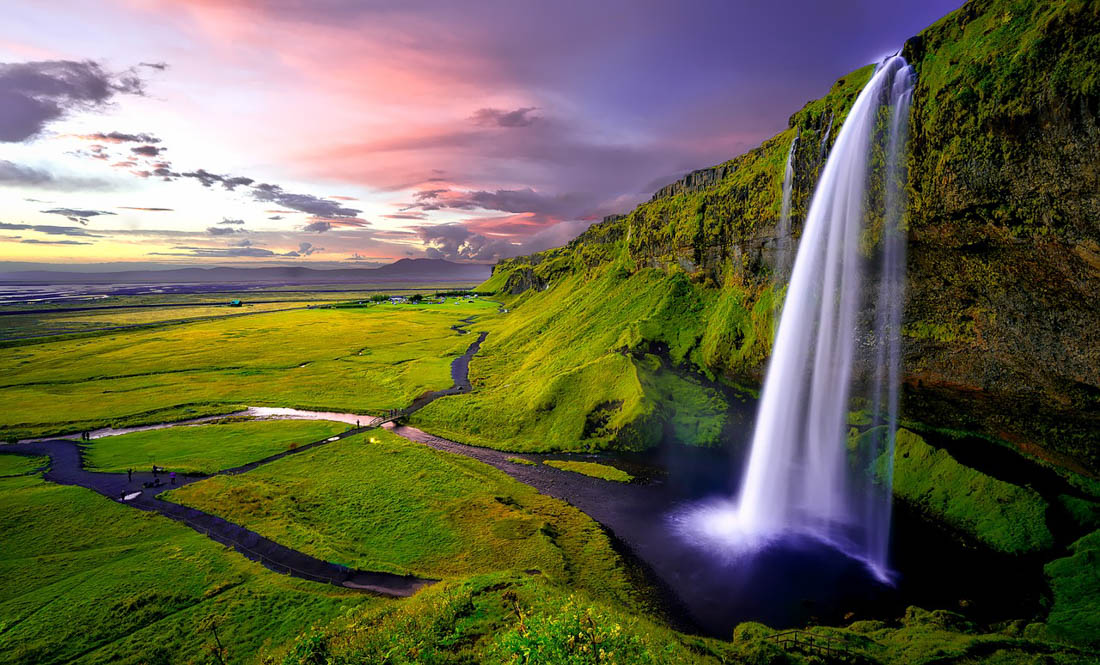 Iceland
 Both Iceland and Sweden have a number of activities to choose from. You can spend a similar amount of time exploring either. In general, 3-7 days is a good amount of time for Iceland, and 5-7 days is enough time in Sweden.
Families should spend more time in Iceland than Sweden. Because of the many family-friendly attractions and fun things to do for kids in Iceland, it's a great place to visit with the whole family.
Backpackers and budget travelers should spend more time in Sweden than Iceland if your budget allows for it. With a larger number of budget-friendly sights, good nightlife, and active things to do, anyone traveling on a budget would have a good time in Sweden.
Iceland is a great place to explore. With so much to do, a weekend is probably not enough time to see everything. Your budget might influence how long you stay.
In Sweden, you'll find adventure travel, national parks, and history and culture. The length of your trip often depends on your style of travel. Adventure travel is very popular here, too. Since there is so much to do in the area, a weekend is probably not enough for all of it.
It's hard to know how much time to spend in Iceland. For many, it makes a great getaway for five days. Many travelers plan to spend time at the national parks on their trip. With all of its activities, you can easily fill five days here. It has many unique tourist attractions and fascinating things to do.
Sweden is a great place to explore. It is common to spend five days here. Hikers are also drawn to this area. Five days is a great amount of time to relax and see the many things that Sweden has to offer. Anyone can find something fun to do here.
Many travelers enjoy the skiing, nightlife, and food when visiting the otherworldly destination of Iceland. This country offers a variety of activities to choose from. Make sure you spend some time in the national parks, too. If you have one week, this is a great place to go. This would be the perfect place to spend one week, as it has just the right amount of activities.
It's hard to know how much time to spend in Sweden. In Sweden, you'll find history and culture, skiing, and nightlife. Many visitors also spend a good bit of time hiking. With all of its activities, you can easily fill one week here.
Travelers enjoy the skiing, nightlife, and food when visiting the stunning destination of Iceland. This country offers a variety of activities to choose from. Many travelers plan to spend time hiking while in the area. Two weeks may feel like too much time unless you plan to do a lot of relaxing.
It's hard to know how much time to spend in Sweden. Many people enjoy the history and culture, skiing, and nightlife when visiting Sweden. Adventure travel is very popular here, too. Two weeks is more than enough time to enjoy everything. Take some day trips to nearby places to fill the extra days.
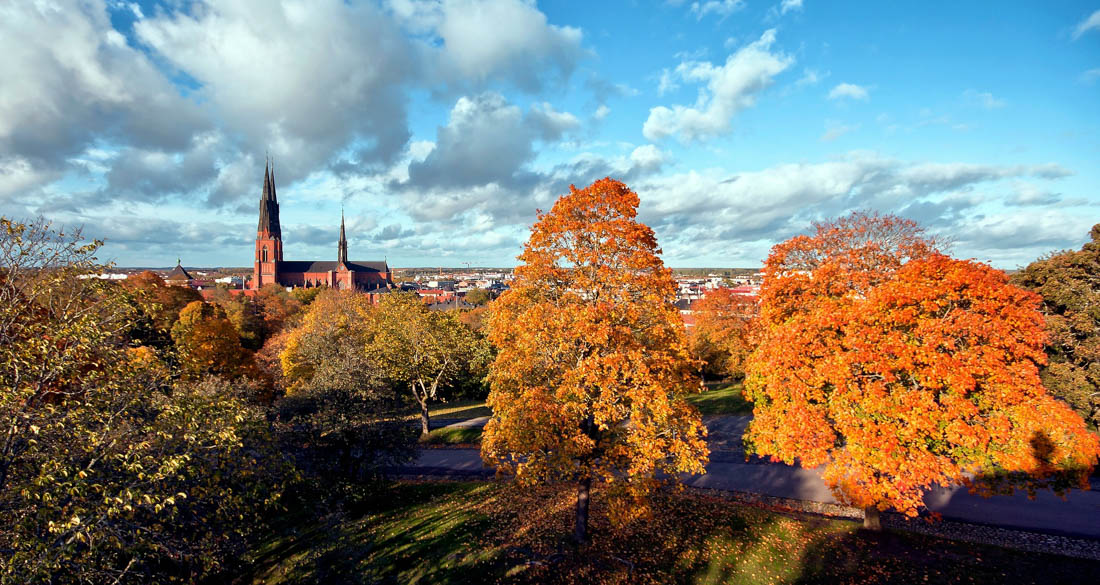 Uppsala, Sweden
 These are the overall average travel costs for the two destinations.
The average daily cost (per person) in Iceland is $261, while the average daily cost in Sweden is $172. These costs include accommodation (assuming double occupancy, so the traveler is sharing the room), food, transportation, and entertainment. While every person is different, these costs are an average of past travelers in each country. What follows is a categorical breakdown of travel costs for Iceland and Sweden in more detail.
Looking for a hotel in Iceland or Sweden? Prices vary by location, date, season, and the level of luxury. See below for options and compare which is best for your budget and travel style.
Kayak helps you find the best prices for hotels, flights, and rental cars for destinations around the world. Compare prices for multiple destinations when planning your next trip.
Also for Iceland, here are a few examples of actual transportation services:
Some typical examples of transportation costs in Sweden are as follows:
Some specific examples of transportation prices in Sweden:
Prices for flights to both Sweden and Iceland change regularly based on dates and travel demand. We suggest you find the best prices for your next trip on Kayak, because you can compare the cost of flights across multiple airlines for your prefered dates.
Here are some examples of typical meal expenses from previous travelers to Iceland:
For Iceland, here are some samples of tours and activities related to meals and dining experiences:
Below are a few samples from actual travelers for food and meal costs in Sweden:
Also, here are some specific examples of food and dining related activities in Sweden.
For Iceland, here are some examples of average entertainment and activity prices from previous travelers:
Also, here are some specific examples of entertainment, tickets, and activities for Iceland.
Here are a few actual costs in Sweden for available activities, ticket prices, and tours:
Here are a few samples of the prices for alcohol and nightlife in Iceland from other travelers:
Also in Iceland, these are the prices for nightlife and alcohol related activities from various tour providers:
Some specific costs for nightlife related activities in Sweden:
When we compare the travel costs of actual travelers between Iceland and Sweden, we can see that Iceland is more expensive. And not only is Sweden much less expensive, but it is actually a significantly cheaper destination. So, traveling to Sweden would let you spend less money overall. Or, you could decide to spend more money in Sweden and be able to afford a more luxurious travel style by staying in nicer hotels, eating at more expensive restaurants, taking tours, and experiencing more activities. The same level of travel in Iceland would naturally cost you much more money, so you would probably want to keep your budget a little tighter in Iceland than you might in Sweden.
Godafoss Waterfall Both places have a temperate climate with four distinct seasons. As both cities are in the northern hemisphere, summer is in July and winter is in January.
Both Sweden and Iceland during the summer are popular places to visit. The beaches, the hiking, and the family-friendly experiences are the main draw to Iceland this time of year. Also, many travelers come to Sweden for the beaches, the hiking, and the family-friendly experiences.
In the summer, Reykjavik is much colder than Stockholm. Typically, the summer temperatures in Reykjavik in July average around 11°C (52°F), and Stockholm averages at about 18°C (64°F).
In Stockholm, it's very sunny this time of the year. In the summer, Reykjavik often gets less sunshine than Stockholm. Reykjavik gets 171 hours of sunny skies this time of year, while Stockholm receives 260 hours of full sun.
Reykjavik usually gets less rain in July than Stockholm. Reykjavik gets 52 mm (2 in) of rain, while Stockholm receives 71 mm (2.8 in) of rain this time of the year.
The autumn attracts plenty of travelers to both Iceland and Sweden. Many travelers come to Iceland for the hiking trails and the natural beauty of the area. Also, many visitors come to Sweden in the autumn for the hiking trails, the shopping scene, and the natural beauty of the area.
Be prepared for some very cold days in Reykjavik. In October, Reykjavik is generally much colder than Stockholm. Daily temperatures in Reykjavik average around 5°C (41°F), and Stockholm fluctuates around 8°C (46°F).
Reykjavik usually receives less sunshine than Stockholm during autumn. Reykjavik gets 83 hours of sunny skies, while Stockholm receives 99 hours of full sun in the autumn.
In October, Reykjavik usually receives more rain than Stockholm. Reykjavik gets 86 mm (3.4 in) of rain, while Stockholm receives 50 mm (2 in) of rain each month for the autumn.
The winter brings many poeple to Iceland as well as Sweden. Many visitors come to Iceland in the winter for the skiing, the museums, the Christmas ambience, and the cuisine. Also, most visitors come to Sweden for the skiing, the museums, the Christmas ambience, the shopping scene, and the cuisine during these months.
Stockholm can be very cold during winter. Reykjavik can get quite cold in the winter. Reykjavik is much warmer than Stockholm in the winter. The daily temperature in Reykjavik averages around -0°C (32°F) in January, and Stockholm fluctuates around -3°C (27°F).
In the winter, Reykjavik often gets less sunshine than Stockholm. Reykjavik gets 27 hours of sunny skies this time of year, while Stockholm receives 40 hours of full sun.
Reykjavik usually gets more rain in January than Stockholm. Reykjavik gets 76 mm (3 in) of rain, while Stockholm receives 36 mm (1.4 in) of rain this time of the year.
Both Sweden and Iceland are popular destinations to visit in the spring with plenty of activities. Most visitors come to Iceland for the beaches and the natural beauty during these months. Also, the spring months attract visitors to Sweden because of the beaches and the natural beauty.
Reykjavik can be very cold during spring. In the spring, Reykjavik is much colder than Stockholm. Typically, the spring temperatures in Reykjavik in April average around 3°C (38°F), and Stockholm averages at about 5°C (41°F).
Reykjavik usually receives less sunshine than Stockholm during spring. Reykjavik gets 140 hours of sunny skies, while Stockholm receives 185 hours of full sun in the spring.
In April, Reykjavik usually receives more rain than Stockholm. Reykjavik gets 58 mm (2.3 in) of rain, while Stockholm receives 31 mm (1.2 in) of rain each month for the spring.
| Reykjavik | Stockholm | |||
|---|---|---|---|---|
| Temp (°C) | Rain (mm) | Temp (°C) | Rain (mm) | |
| Jan | -0°C (32°F) | 76 mm (3 in) | -3°C (27°F) | 36 mm (1.4 in) |
| Feb | 1°C (33°F) | 72 mm (2.8 in) | -3°C (27°F) | 26 mm (1 in) |
| Mar | 1°C (34°F) | 82 mm (3.2 in) | 0°C (33°F) | 26 mm (1 in) |
| Apr | 3°C (38°F) | 58 mm (2.3 in) | 5°C (41°F) | 31 mm (1.2 in) |
| May | 7°C (44°F) | 44 mm (1.7 in) | 11°C (52°F) | 31 mm (1.2 in) |
| Jun | 10°C (49°F) | 50 mm (2 in) | 16°C (61°F) | 46 mm (1.8 in) |
| Jul | 11°C (52°F) | 52 mm (2 in) | 18°C (64°F) | 71 mm (2.8 in) |
| Aug | 11°C (52°F) | 62 mm (2.4 in) | 17°C (62°F) | 65 mm (2.5 in) |
| Sep | 8°C (46°F) | 67 mm (2.6 in) | 12°C (54°F) | 52 mm (2.1 in) |
| Oct | 5°C (41°F) | 86 mm (3.4 in) | 8°C (46°F) | 50 mm (2 in) |
| Nov | 1°C (35°F) | 73 mm (2.9 in) | 3°C (37°F) | 53 mm (2.1 in) |
| Dec | 0°C (32°F) | 79 mm (3.1 in) | -1°C (31°F) | 45 mm (1.8 in) |
 Budget Your Trip is all about finding out how much everything costs so that you can travel cheaper and longer. Created by avid travelers Laurie and Bryan, our goal is to help you plan your next trip on the right budget. With average daily travel costs that are calculated from the budgets of real travelers, plus an analysis of hotel and tour prices, you can find out how much money you need to plan your next adventure. We also have plenty of travel advice, accommodation reviews, and activity suggestions.
Some of the links on this website are sponsored or affiliate links which help to financially support this site. By clicking the link and making a purchase, we may receive a small commission, but this does not affect the price of your purchase.