

Let’s be honest: most trips don’t get canceled because people “don’t want to go.” They get canceled because the money part feels murky.
Maybe you could pay for the flights today… but then what happens if your car needs repairs next month? Or you’re traveling with kids and the “cheap trip” somehow turns into “why did we spend $48 on snacks?”
This guide breaks down the most common (and realistic) ways people pay for travel, from the safest options to the riskiest, plus how to pick the method that fits your life instead of blowing up your budget.
Step 1: Know your financial starting point (before you pick a payment method)
Before you decide how to pay, get clear on what you’re working with. Travelers usually run into one of these challenges:
- Cash-flow problem: “I can afford it overall, but not all at once.”
- Timing problem: “This trip has a deadline (wedding / school holiday / event).”
- Debt problem: “I’m already carrying balances, adding more feels dangerous.”
- Uncertainty problem: “My income varies month-to-month.”
- Family-cost problem: “I’m not paying for one person, I’m paying for four.”
- Anxiety problem: “I’m not even sure what the trip will actually cost.”
Quick self-check questions
- Do I have an emergency fund I won’t touch for this trip?
- If I paid today, would I still cover bills for the next 1–2 months?
- Am I already paying high interest on debt?
- Is this trip flexible (dates/destination can change) or fixed?
- Is this a routine vacation… or a once-in-a-lifetime event?
If you’re thinking, “I don’t know the answers,” that’s normal. But it’s also a sign you’ll do best with the simplest, lowest-risk funding option.

Paying with savings (the most stable option)
If travel had a “default setting,” this is it: save first, then pay. Prioritizing your daily life, spending habits, and overall savings strategy can make a big difference.
Down below, we’ll talk about saving for travel, earning more money ahead of time, and so forth, and also we break it down here for how to prioritize.
How to make saving actually work (without being miserable)
- Create a separate “Travel Fund” account (even a basic savings account works).
- Automate transfers (weekly or monthly).
- Use a sinking fund mindset: you’re not “spending,” you’re pre-paying your future fun.
Why people love it
- No interest.
- No monthly payments afterward.
- More freedom on the trip (you’re not mentally calculating debt while ordering gelato).
The downside
- It takes time.
- If travel is time-sensitive, saving might not match your timeline.
Best for: planned trips, family travel, big international trips, anyone who wants minimal financial stress.
Using credit cards strategically (if you use it the right way)
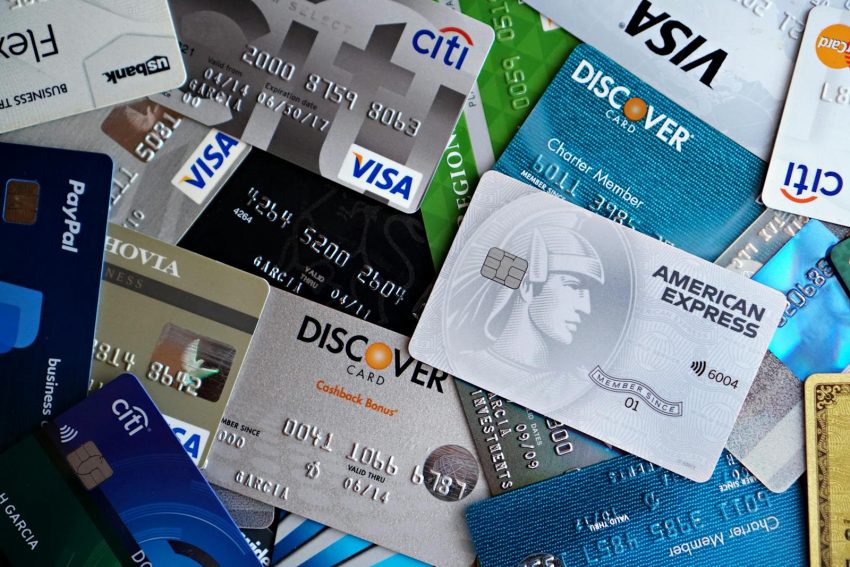
Credit cards can be a fantastic travel tool or a financial trap. The difference is whether you’re paying the balance in full.
The “smart” way: pay in full each month
When you pay in full, credit cards can give you:
- points or cashback
- fraud protection
- easier dispute options if something goes wrong
- sometimes built-in travel protections, such as insurance for lost luggage or cancelled flights (varies by card)
The FTC and major financial advisors often state that paying by credit card can give you more protection than cash or debit and may allow you to dispute charges if you don’t get what you paid for.
The risky way: carrying a balance
Once you carry a balance, travel gets expensive fast, because many credit cards charge very high interest rates. (And high interest turns a “$2,000 trip” into “$2,700 and regret.”)
If you might carry a balance, treat the credit card as a temporary bridge, not a long-term plan.
Best for: people who can pay in full, reward optimizers, travelers who want purchase protections.
Travel financing, installment plans & vacation loans
This is for the “I don’t have it all saved today, but I want a plan” crowd.
Financing can work… but only if it’s intentional, transparent, and paired with honest math. Let’s break down the main versions.
A) Travel packages and tour company installment plans
Some airlines, tour operators, and booking platforms offer “pay over time” plans. This usually applies to all-inclusive vacation packages, organized tours, ocean cruises, and any trip where you pay for everything up front. The company that sells the trip package will often include an option for a payment plan as well as other “extras” such as travel insurance.
Upside:
- Spreads out the cost.
- Can match your trip timeline (especially if you book months ahead).
Watch-outs:
- Fees or interest may apply.
- Refund/cancellation rules can be stricter, read the terms before you click purchase.
Best for: trips booked well in advance where you can comfortably pay installments before departure.
B) Buy Now, Pay Later (BNPL)
“Four easy payments” sounds harmless, and sometimes it is. But the danger isn’t usually one plan. It’s stacking several at once without realizing how quickly they add up.
Because the payments are small, it’s easy to think, “Oh, that’s only $75 every two weeks.” But if you do that for flights, then a hotel, then a theme park ticket, suddenly you’re juggling three or four separate payment schedules at the same time.
Financial regulators have pointed out that many people who use these plans already carry credit card balances, which can make it easier to overextend yourself without noticing it. And unlike traditional credit cards, some BNPL plans don’t always offer the same dispute protections or clear fee structures which means late fees or penalties can catch people off guard.
When it works well:
If you already have the money set aside and you’re simply spacing out payments intentionally.
When it becomes risky:
If you’re using it because you don’t currently have the money, and hoping your future self will “figure it out.”
The key question isn’t whether the payment is small. It’s whether the total cost fits comfortably in your budget.
Best for: smaller purchases you can comfortably cover on schedule.
Not great for: “I’ll figure it out later” travel spending.
C) Vacation loans (personal loans used for travel)
A “vacation loan” is usually just an unsecured personal installment loan that you use to pay for travel expenses upfront and repay over time.
How vacation loans work (in plain language)
- You borrow a fixed amount (e.g., $5,000).
- You repay it over a set term (often 2–5 years).
- You’ll pay interest, and possibly fees.
Vacation loans may have fixed or adjustable rates. So, it’s important to understand fees and compare offers. Interest rates vary depending on the company you use and your own personal credit rating. If you have good credit, you can find options with low interest and attractive terms.
Why people consider them
- Fixed monthly payment can be easier to plan around than revolving credit card debt.
- If your credit is good, the interest rate may be lower than carrying a credit card balance.
The trade-offs
- You’re committing future income to past travel.
- It can normalize financing vacations, which becomes expensive long-term.
- If your income changes, the payment still shows up every month.
Who a vacation loan can make sense for
- One-time milestone travel (honeymoon, major anniversary, family reunion)
- Travelers consolidating existing high-interest travel debt into a lower-rate fixed payment (depending on terms)
When it’s usually a bad idea
- You already have high-interest debt
- You don’t have an emergency fund
- You’re financing routine trips every year
- Your income is unstable
Rule of thumb: if the loan is the only way you can afford the trip now AND in the future, you probably can’t afford the trip yet, unless it’s an exception-level situation such as a honeymoon.
A quick comparison framework
Here’s how these options tend to stack up:
| Method | Typical cost | Risk level | Best use case |
| Savings | Lowest (no interest) | Low | Planned trips, families |
| Credit card (paid in full) | Low (no interest) | Low | Rewards + protections |
| Credit card (carrying balance) | High | High | Emergency-only, short-term |
| Installment plans | Low–medium | Medium-high | Booking ahead |
| Vacation loan | Medium | Medium | Milestone trip, stable income |

Earn the trip before you go (the “I don’t have it yet” plan)
If the issue isn’t payment method but total money, the fastest way forward is usually a short-term income push with a deadline. In other words, you need to make more money in a hurry (but also in a non-risky way).
The “trip deadline” trick
Pick a date. Do the math backwards and force yourself to take specific action around saving a set amount of money. For example, a $2,400 trip in 6 months = $400/month. That’s clearer (and less scary) than a vague commitment to “we need to save for a trip.”
Quick ways people fund travel
- Freelance projects (writing, design, admin, web tasks)
- Selling unused items (the closet goldmine)
- Short-term gig work
- Overtime, seasonal work, or a short-term second job
Working While Traveling
It’s also possible to work while you travel. For some, this means keeping your existing job and working remotely, but for many, it means finding temporary work along the way in the countries that you’re visiting. Websites like WorkAway and WorldPackers help budget travelers find short-term gigs in countries around the world, either in exchange for free accommodation or actual financial payment.
Some good options may include:
- House sitting / pet sitting
- Temporary seasonal jobs in tourist areas (hostels, tour companies, seasonal restaurants)
- Remote contract work if you can travel and “work from home” (but not from your own home)
Use windfalls (without accidentally wasting them)
Windfalls are things like:
- tax refunds
- bonuses
- gifts
- business payouts
- inheritance
They’re powerful because they can fund travel quickly, but they can also disappear quickly. Make sure you prioritize the actual spending of these windfalls, because you might want to keep the money for something else later.
Or, you can break up the money to spend some on travel and save the rest for the future, or pay off debts with some of it. A balanced approach many travelers use:
- 50% travel fund
- 50% savings / debt payoff
That way the trip feels great and your future self doesn’t resent your past self. Of course, this depends on the type of trip you take and the amount of money you have.
Share the cost (the underrated method)
Some trips are expensive simply because one person is carrying everything.
Ways to split travel costs:
- share lodging with friends or family
- use shared expense tracking (split-wise style)
- alternate or split who pays for meals/transport
- do multi-generational travel where different households cover different components (e.g., grandparents cover lodging, parents cover flights)
This is especially useful for families because the “per-person cost” is rarely the true pain point. The pain point is the lump sum.
Reduce the overall cost of the trip
Sometimes the smartest “payment strategy” is simply: make the trip cheaper.
This is what Budget Your Trip is all about! Our goal here is to find out how much everything costs so that you can make better plans. We also provide tons of tips to help you save while traveling… both in general and for specific destinations. We have plenty of articles around saving while traveling, but here are a few easy high-impact ways to lower trip costs:
- travel in the shoulder season or off-season
- choose a cheaper destination that still feels exciting
- swap hotel nights for hostels, apartments, or family rooms
- take fewer “big ticket” days (theme parks, pricey excursions) and add free days (national parks, beaches, hikes)
- consider slow travel: fewer moves often means lower daily costs
- focus on a smaller geographic area so keep transportation costs lower
If you cut the cost of the trip by 20–30%, you may not need financing at all.
Should you ever go into debt for travel?
Sometimes, yes. Often, no.
Situations where debt might be justified
- visiting family in an emergency
- once-in-a-lifetime, time-sensitive milestone (rare, such as a honeymoon or major anniversary)
- a major event you truly can’t replicate later
Situations where it’s usually not worth it
- routine annual vacations
- “I need a break” travel
- travel that creates ongoing stress after you return
A helpful gut-check:
- Will I regret missing the trip more than I’ll regret the debt?
- If I lose income for 2–3 months, can I still make payments?
If the answer is no to these questions, debt turns your vacation into a financial hangover.

How far in advance should you start saving?
Well, that depends on how much money you need for the trip, as well as how much you can save in a month.
A simple guideline:
- 3 months: short, low-cost trips (weekend or nearby)
- 6 months: typical international vacation
- 12+ months: big family trips, peak-season travel, multi-country itineraries
The earlier you start, the more power you get: better flight deals, better lodging options, and less temptation to finance.
Common money mistakes travelers make (so you don’t)
While many travelers are wary of common travel scams, it’s actually the perfectly legal non-scammy things that end up costing us more money when we’re not aware of them. This includes:
- Underestimating “small daily stuff” (food, coffee, transit, tips)
- Ignoring currency conversion fees and bank fees if traveling abroad
- Booking non-refundable deals before confirming specific itineraries and plans
- Paying with methods that are harder to dispute if something goes wrong
Final thoughts: pick the method that makes travel better, not stressful
The best way to pay for travel is the one that:
- fits your budget
- protects your finances
- lets you enjoy the trip and enjoy coming home
Now you’ve seen all of the possible options. If you want the cleanest, least stressful approach, then save money, use a credit card for protections, and pay it off immediately. If you’re considering financing, then make it a conscious decision, do the math, and keep it for truly meaningful trips, not routine escapes. Either way, there’s an entire world out there, and exploring it is always recommended!
Whether you book an organized tour or want to do it all on your own, I’ve been to 62 countries and I’m happy to offer advice. So, just shoot us a message if you have questions.
You can also subscribe to our newsletter for tips, advice, and plenty of sales and deals from major travel companies.

Bryan has visited 62 countries, which is exactly one more country than his wife, and she won’t let him forget it! Also an avid photographer, he enjoys entrenching himself within the local culture in order to learn more about the people of a place. He is the co-founder of Budget Your Trip and loves a good adventure, an exotic meal, or a passionate conversation about global events. And he also loves to find out how much stuff costs, which is why he and his wife started Budget Your Trip.
Sign up to our email newsletter to receive sales, deals, and discounts from major travel companies!