
Cruises are often associated with convenience, but some routes offer far more than scenery and onboard entertainment. The right itinerary can move through centuries of history, living traditions, and layered identities that still shape daily life along the water’s edge.
Cultural cruises can also be surprisingly efficient. Transportation, accommodation, and access to multiple cities are bundled together, which makes budgeting easier and limits unexpected transit costs. What matters most is choosing destinations where stepping ashore means stepping into real heritage, to places where architecture, rituals, music, and belief systems remain central to the community.
Alpine Traditions and Historic Cities of Switzerland
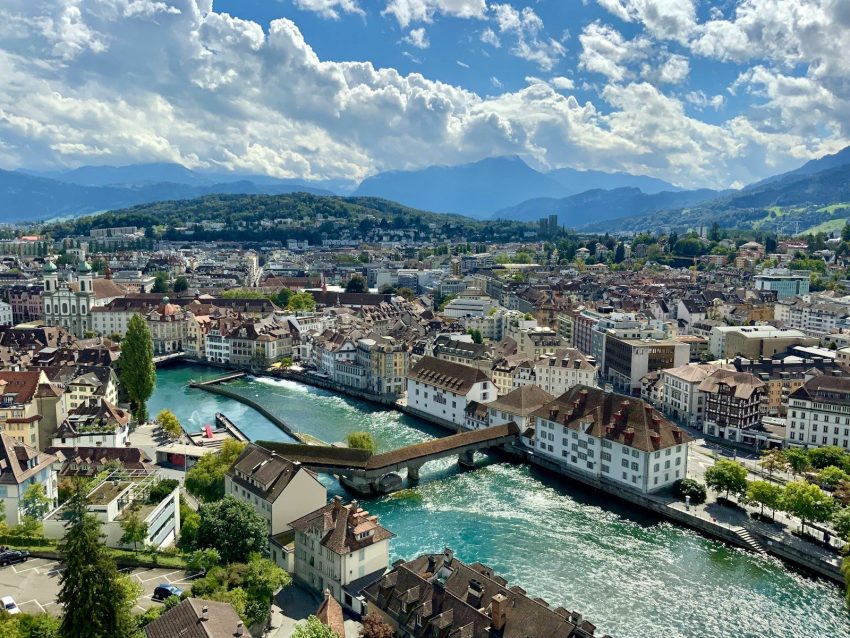
Switzerland isn’t the first country that comes to mind for cruises, but lake and river routes here offer a close look at regional culture. On Lake Lucerne, historic paddle steamers still operate against a backdrop of steep alpine slopes. The approach to Lucerne reveals the Chapel Bridge crossing the Reuss River and painted interior panels that date back to the 17th century. Walking through the old town means cobbled streets, frescoed facades, and guild halls that reflect the city’s medieval trade history.
Further north, Zurich’s old town sits along the Limmat River, where Roman ruins lie beneath modern storefronts. Travelers can step into Grossmünster, linked to the Protestant Reformation, and see how religion shaped the country’s political structure. Smaller towns along Swiss lakes reveal regional customs that differ by canton, from traditional alphorn music to seasonal cattle drives descending from high pastures.
For those looking to manage costs, it makes sense to find Switzerland tour packages that bundle key elements together. Many options combine lake cruises with rail passes or broader itineraries. While Switzerland is rarely described as budget-friendly, integrating transport and accommodation into a cruise-based format can make daily expenses far more manageable.
Medieval Architecture and Hanseatic History in Tallinn
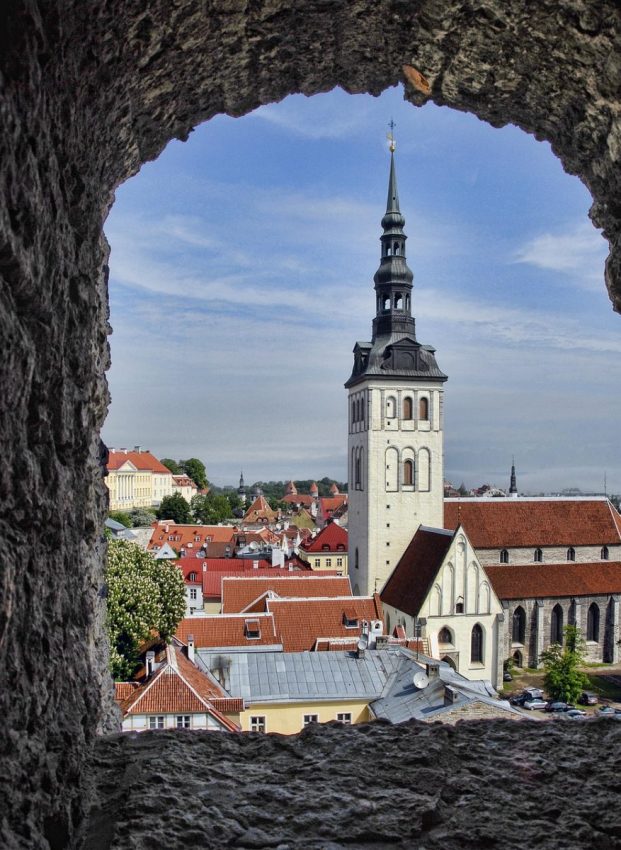
Tallinn feels compact on arrival by ship, making it possible to cover a remarkable amount on foot during a short port call. Entering the Old Town through Viru Gate immediately places you within one of Northern Europe’s best-preserved medieval centres. The cobbled streets lead directly to Raekoja Plats (Town Hall Square), where the Gothic Town Hall, dating to the 13th century, stands as a reminder of Tallinn’s trading wealth. From the square, you can trace sections of the original city wall and climb towers such as Kiek in de Kök, which once formed part of the defensive network protecting the merchant city.
Tallinn’s prominence during the Hanseatic League is visible in its merchants’ houses and guild buildings, particularly along Pikk Street. A steady walk uphill brings you to Toompea Hill, home to the onion-domed Alexander Nevsky Cathedral and the pink Baroque façade of the Estonian Parliament within Toompea Castle. The contrast between medieval fortifications, imperial Russian architecture, and modern state institutions illustrates Estonia’s complex political shifts over centuries.
For a deeper understanding of that history, the KGB Prison Cells and the Vabamu Museum of Occupations and Freedom examine Soviet and Nazi periods in detail, while the nearby Seaplane Harbour (Lennusadam) focuses on Estonia’s maritime heritage. Baltic cruise itineraries frequently pair Tallinn with Helsinki or Stockholm, allowing travellers to explore several capitals in one journey.
Spiritual Heritage Along the Sacred Ganges River
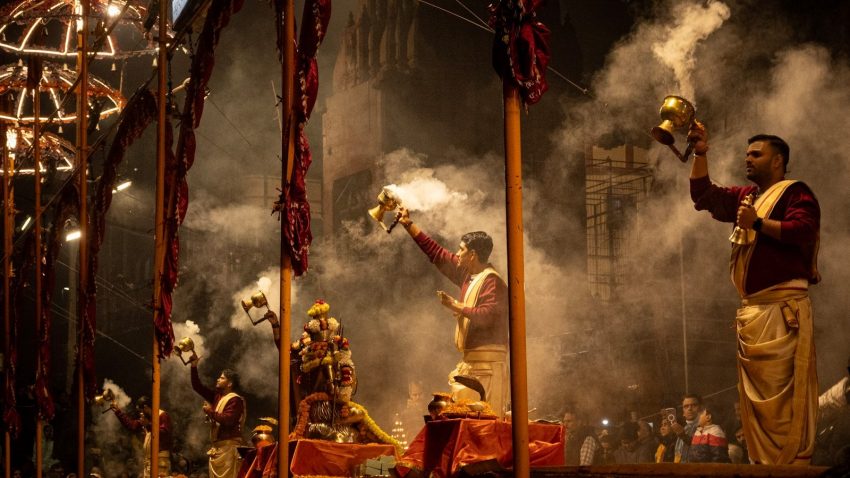
Cruising the Ganges through central India is shaped more by cultural and spiritual context than by onboard comfort. The river holds profound significance in Hinduism, and daily rituals continue to take place along its banks, much as they have for centuries. In Varanasi, stone ghats descend directly into the water. Pilgrims gather at dawn for prayers, and in the evening, the Ganga Aarti ceremony fills the riverfront with firelight and chanting. Observing from a small vessel allows for quiet admiration, offering perspective while respecting the integrity of the ceremony.
Further downstream, villages along the river reveal agricultural life that depends on seasonal flooding. Stops in places like Murshidabad or Kolkata introduce layers of Mughal and British colonial history. In Kolkata, remnants of 19th-century architecture reflect its former role as the capital of British India.
The most amazing Indian river cruises include guided excursions led by knowledgeable local experts, who explain religious symbolism, caste dynamics, and ritual practices in ways rarely accessible to outsiders. River cruises on the Ganges tend to be smaller and more intimate than large ocean voyages.
Imperial Splendour and Classical Music on the Danube
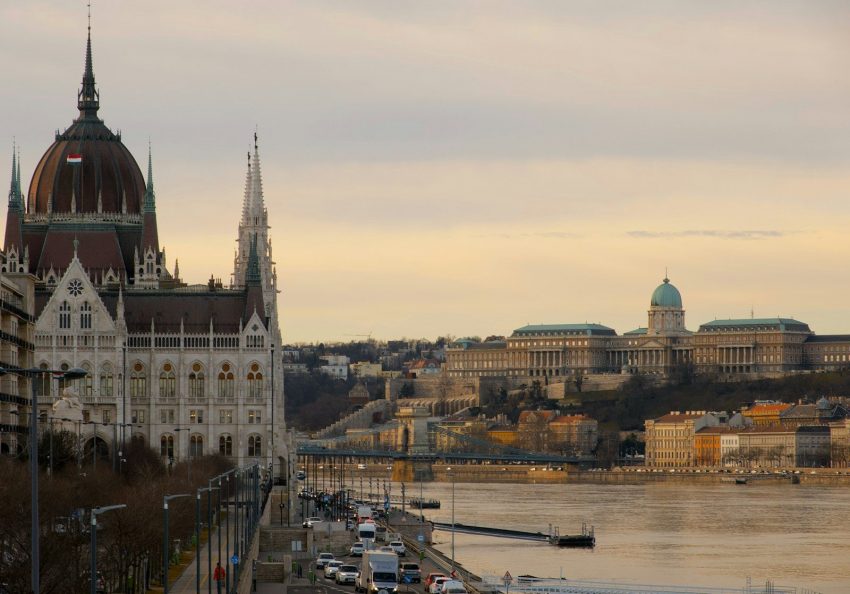
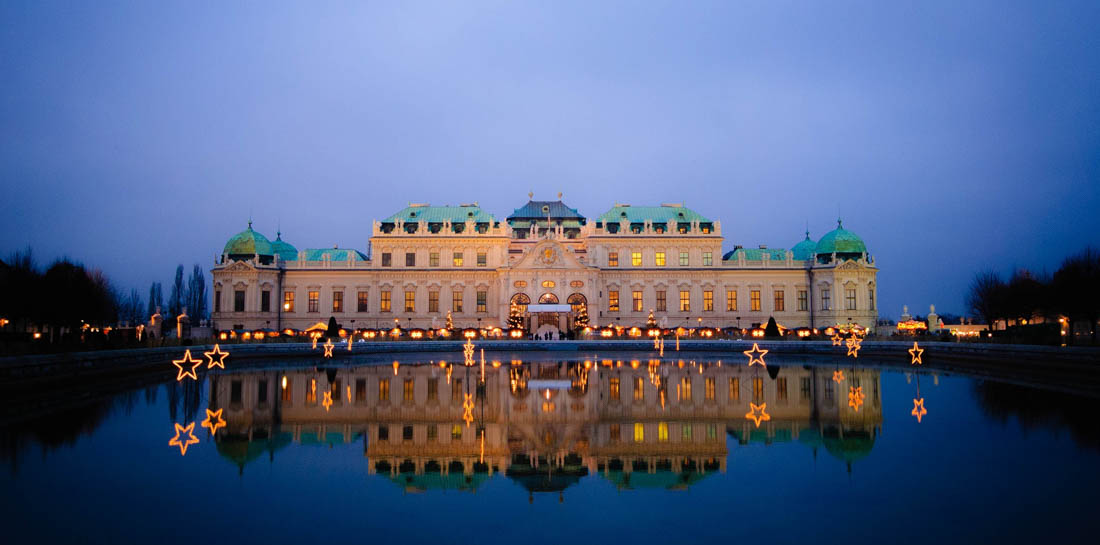
The Danube cuts through Central Europe, linking capitals that shaped European politics and culture. In Budapest, the Parliament building rises directly above the riverbank, its Gothic Revival facade visible from most cruise decks. Thermal baths, originally developed during Ottoman rule, remain part of daily life. Walking across the Chain Bridge connects Buda’s hills with Pest’s grand boulevards.
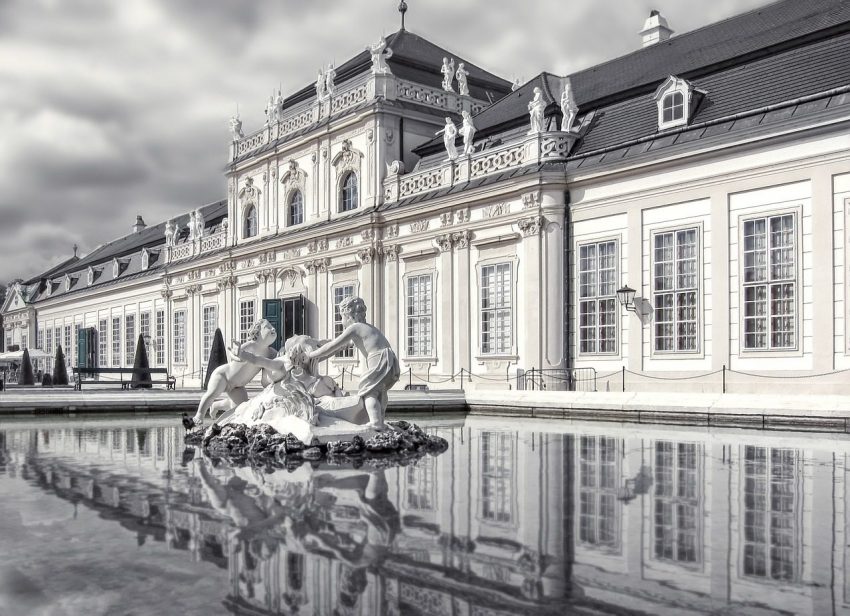
Vienna offers a different kind of legacy. The Hofburg Palace complex spans centuries of Habsburg rule, and the Vienna State Opera continues the city’s classical music tradition. Concert halls and churches connected to composers such as Mozart and Strauss are woven into the urban fabric. And the best part? Just hop in for a quick visit with a skip-the-line ticket when your cruise stops for the day.
Smaller stops like Melk introduce the baroque abbey perched above the river, while Bratislava’s compact old town reflects both Austro-Hungarian and Slovak influences. Danube cruises vary in price, but they often cover multiple UNESCO-listed sites within a single week.
Ancient Civilizations and Temples of the Nile River
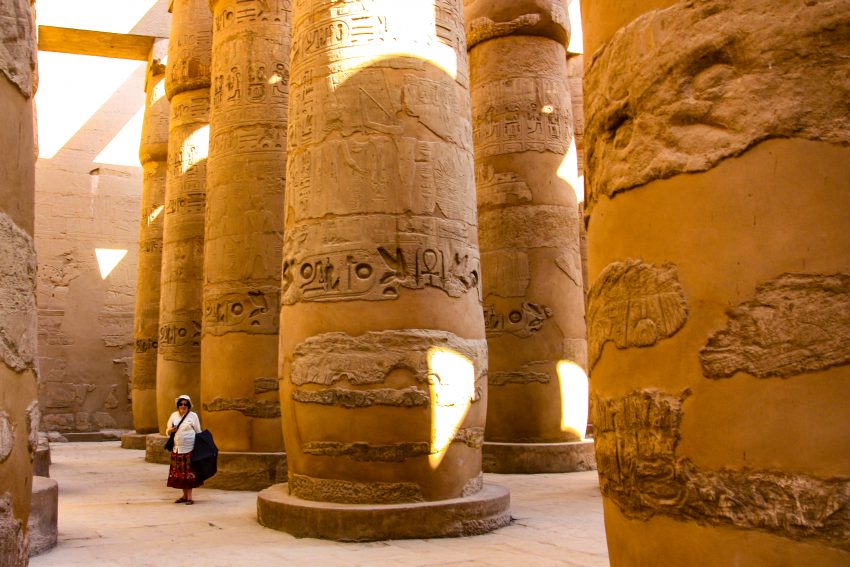
The Nile is one of the few rivers where cruising feels inseparable from archaeology. Most itineraries run between Luxor and Aswan, covering sites that span thousands of years. In Luxor, the Karnak Temple complex stretches across a vast area, with columns carved in relief that still show traces of pigment. Nearby, Luxor Temple sits directly within the modern city, demonstrating how ancient and contemporary life overlap.
Sailing south leads to the Valley of the Kings, where tomb chambers contain detailed wall paintings. In Aswan, Philae Temple stands on an island, relocated to protect it from flooding after the construction of the High Dam. Guides often explain the engineering efforts behind preserving these monuments, providing technical depth to the visit. Along the way, ride camels, spend an afternoon in a felucca, taste delicious food, and admire the sunset over the Sahara.
Nile cruises are typically three to four nights long, making them manageable even for those on tighter schedules. Entrance fees to major sites are usually separate from the cruise fare, so it’s important to factor those into a daily budget.
Which one would you choose for your next cultural deep dive?
Each of these cruise routes connects more than cities; they connect living traditions and historical systems that still influence daily life. From Swiss lake towns shaped by medieval guilds to temples along the Nile that predate modern borders, the experience depends on stepping off the ship and paying attention.
For travelers tracking expenses, cultural cruises can offer solid value when transportation, lodging, and multi-city access are bundled together. The key is understanding what’s included and what isn’t, especially entrance fees and guided tours.

Bryan has visited 61 countries, which is exactly one more country than his wife, and she won’t let him forget it! Also an avid photographer, he enjoys entrenching himself within the local culture in order to learn more about the people of a place. He is the co-founder of Budget Your Trip and loves a good adventure, an exotic meal, or a passionate conversation about global events. And he also loves to find out how much stuff costs, which is why he and his wife started Budget Your Trip.
Sign up to our email newsletter to receive sales, deals, and discounts from major travel companies!

I loved how the post highlighted Switzerland’s cultural depth beyond the typical Alpine scenery, especially the detail about the Chapel Bridge and how Lake Lucerne offers a tangible connection to centuries of history. It really reinforces how cultural cruises can provide a richer, more immersive experience than just sightseeing from a distance. The mention of Zurich’s Roman ruins and the Grossmünster added a nice layer to the narrative about how religion and politics shaped the region’s identity.