Planning a trip across southern Europe can feel overwhelming at first, mainly because every region offers something slightly different. Some places are shaped by history, while others revolve around the coastline or outdoor experiences. The good news is that it’s relatively easy to combine a few of these into one trip once you understand how each destination is set up. This guide focuses on places that offer variety and practicality, from Greek islands and Spanish cities to coastal cycling routes and beyond.
Island Hopping and Ancient Ruins in Greece
Most trips through Greece start in Athens, and it’s worth giving it at least a full day before heading to the islands. Walking from Monastiraki Square through the Ancient Agora and up toward the Acropolis links together some of the city’s most important historic sites. From there, Plaka and Anafiotika sit just below, with narrow streets that feel more like a village than a capital.
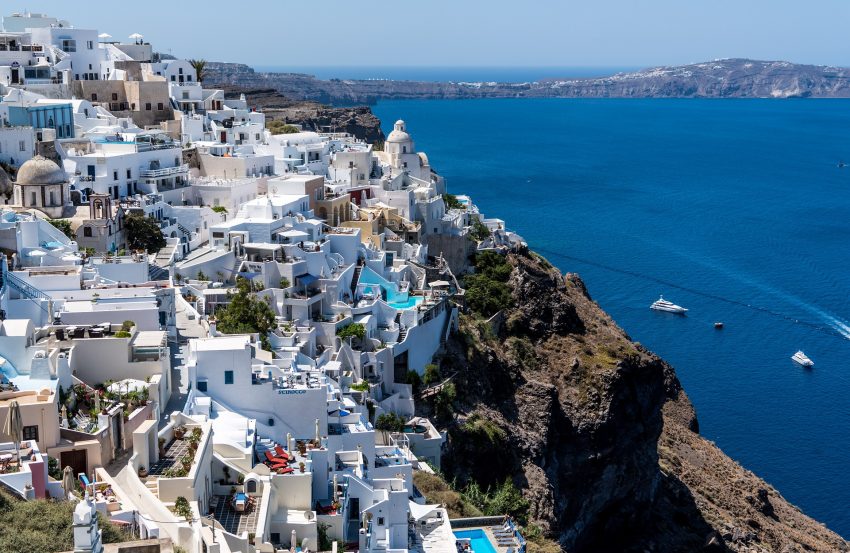
Island hopping usually starts from Piraeus Port, with ferries heading out toward the Cyclades. Routes linking Santorini, Naxos, and Paros are among the most popular, and each island has a distinct character. Naxos stands out for its mix of beaches and inland villages, such as Halki and Filoti, while Santorini is more focused on caldera views, particularly between Fira and Oia.
Booking unforgettable luxury Greek villa holidays is well worth considering, especially on islands where accommodation plays a central role in the overall experience. Having a base outside the busiest towns, whether near a beach on Paros or in a quieter part of Naxos, gives more flexibility to explore archaeological sites, local roads, and smaller coastal areas without constantly relocating.
Coastal Relaxation and Art Culture in Barcelona, Spain
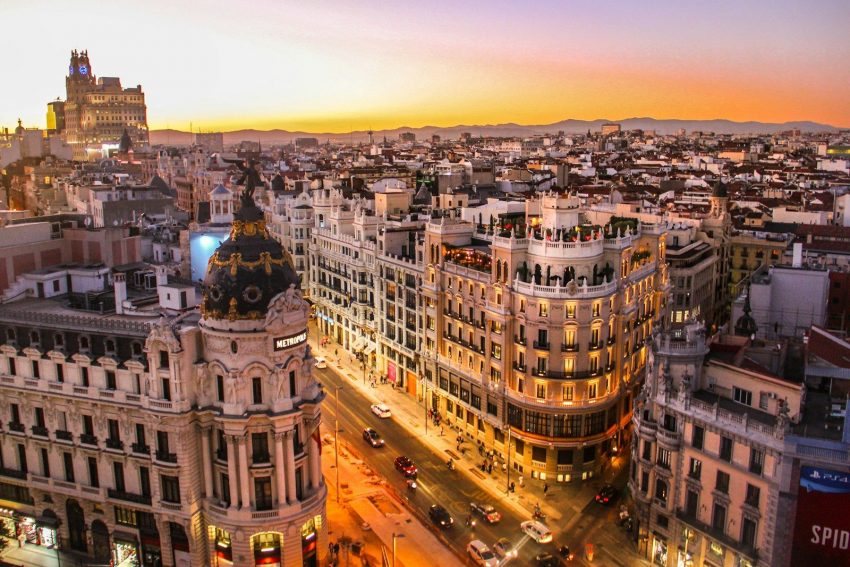
Barcelona is easier to explore when you break it into sections. The Gothic Quarter and El Born sit side by side, so it makes sense to visit them together. Start near Plaça Reial and move toward Carrer del Bisbe, then cross into El Born via Via Laietana to keep the route straightforward and avoid doubling back.
From there, continue toward Parc de la Ciutadella, then follow an easy path down to the waterfront. Barceloneta Beach is the closest stretch of sand, though it’s usually busy. For a quieter walk, head north along the promenade toward Bogatell, which has a slightly more local feel.
Art is woven throughout the city, not concentrated in one area. Walking up Passeig de Gràcia toward Gràcia connects several key landmarks, including La Pedrera and Casa Batlló, before easing into a more residential part of the city. Gràcia’s squares, such as Plaça del Sol, have a lively atmosphere, especially in the evenings when people gather outside.
Scenic Cycling Routes and Coastal Trails in Portugal
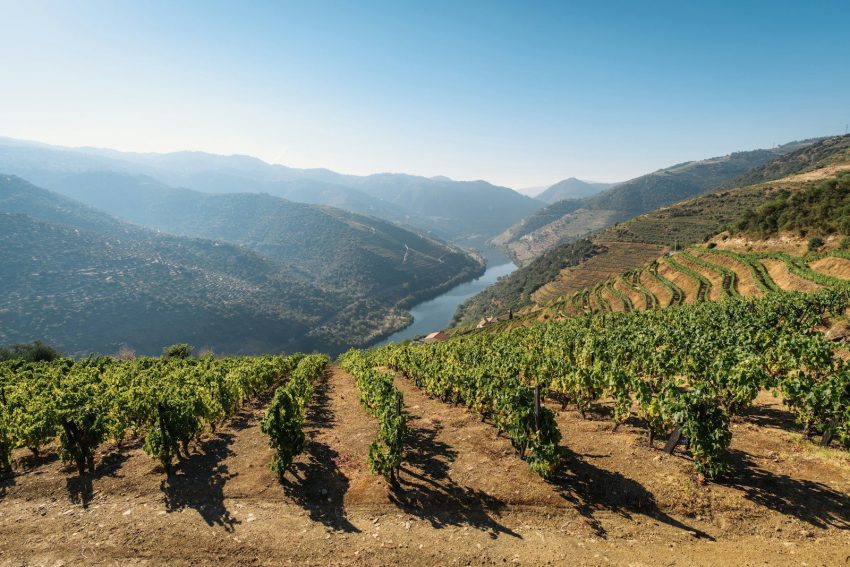
Portugal’s coastline is one of the best places in Europe for cycling, but the experience varies depending on where you start. The Algarve is the most popular region, and routes between Lagos and Sagres are a good introduction. The ride past Ponta da Piedade follows cliff edges and overlooks small coves, with stops along the way that don’t require detours.
Further north, the area around Comporta and the Alentejo coast offers longer, flatter routes. Roads are quieter here, and cycling between small villages is smoother, with fewer interruptions. It’s not unusual to pass stretches of rice fields before reaching the coast again.
The most amazing cycling holidays in Portugal often follow well-planned routes that combine these regions, linking coastal paths with inland stretches, highlighting just how varied the landscape can be. Having a mapped route helps, especially in areas where signage isn’t always consistent, allowing riders to focus more on the terrain than on navigation.
Exploring the Sun-Drenched Islands of Hvar, Croatia

Hvar Town is usually the starting point for exploring the island, with the harbor serving as a clear reference point for getting around. From the port, it’s a short walk through the main square to St. Stephen’s Cathedral, after which the streets begin to narrow as they climb toward the Spanish Fortress.
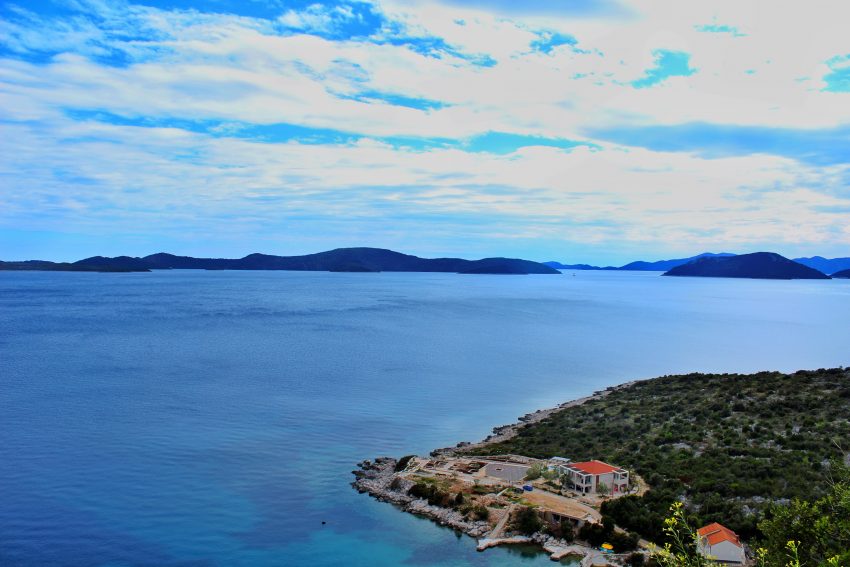
The coastline around Hvar is best explored by boat. Short trips from the harbor reach the Pakleni Islands, where small beaches and coves are spread across several islets. Jerolim and Marinkovac are among the easier stops, with walking paths that connect different swimming spots.
On the main island, heading inland toward Stari Grad offers a clear contrast to Hvar Town. The journey, whether by car or bus, takes around 30 minutes, with the landscape shifting into vineyards and olive groves along the way. Stari Grad itself feels quieter, with a waterfront better suited to small boats than large ferries. It’s a good place to spend part of the day before returning to the livelier side of the island.
Discovering the Golden Beaches of the French Riviera
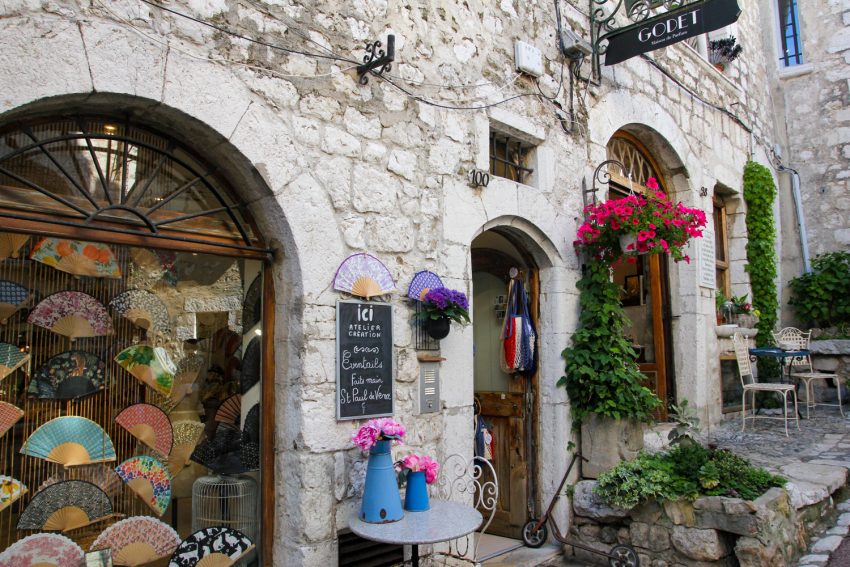
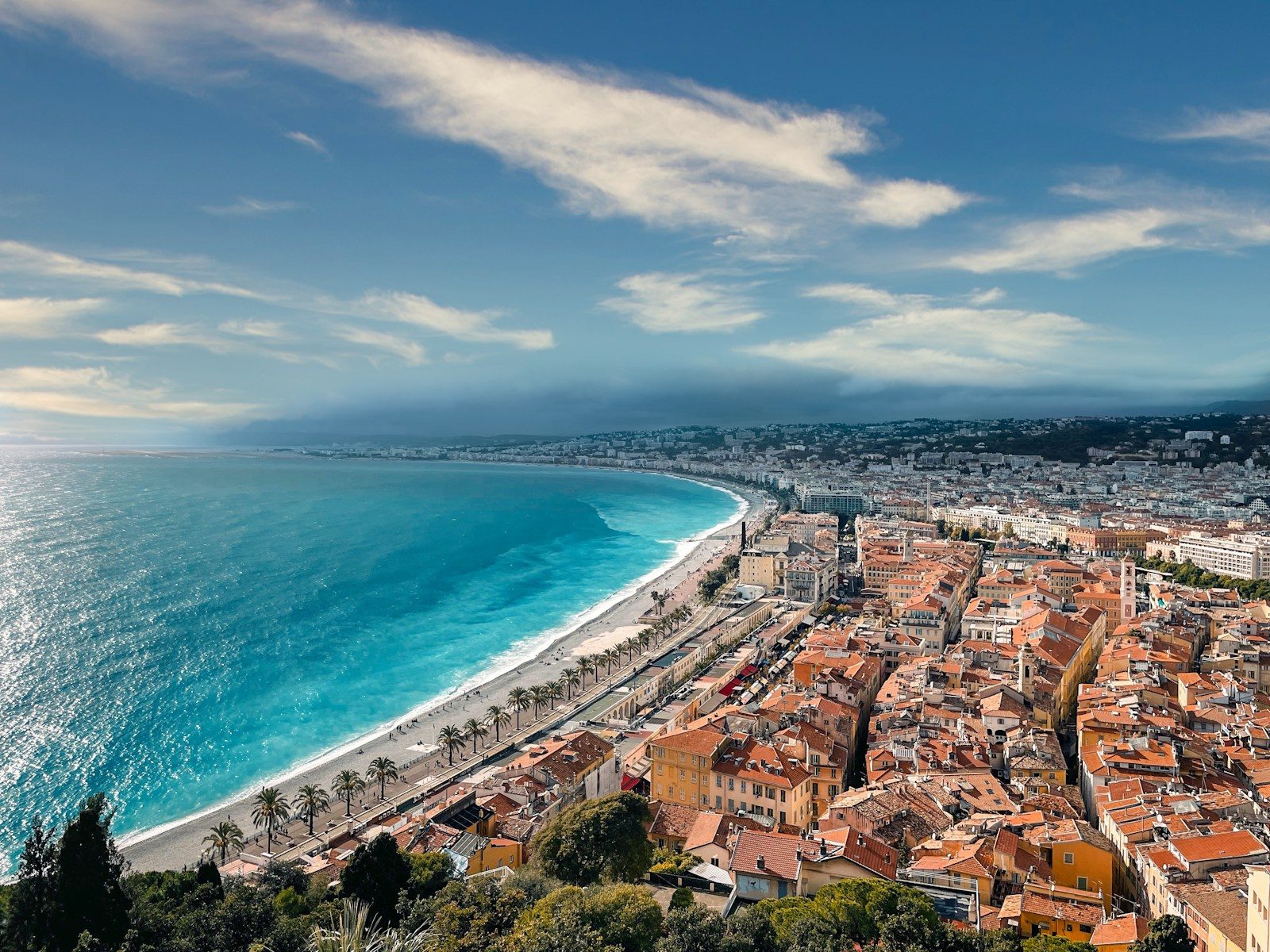
The French Riviera stretches further than it appears on a map, so it helps to focus on one section at a time. Nice is often the most practical base, with the Promenade des Anglais running along the coastline and Old Town (Vieux Nice) just behind it. Mornings often begin with a walk through Cours Saleya market, where you can witness the city at its most active before it fills up later in the day.
From Nice, trains run frequently along the coast. Heading east, Villefranche-sur-Mer is one stop away, with a sheltered bay and a smaller old town that’s easy to explore in a couple of hours. Further along, Monaco is compact enough to cover on foot, especially around the port and the old quarter.
To the west, Antibes and Cannes are both accessible on the same rail line. Antibes has a more contained old town and a coastal path that runs along the edge of Cap d’Antibes, while Cannes spreads out more, with longer beaches and wider streets. Moving between these places by train keeps things simple, as driving and parking can be difficult along this stretch of coast.
Where will you find your sunshine?
Each destination above offers a different kind of experience. In Greece, it’s about moving between islands while fitting in sites like the Acropolis or Delos along the way. Barcelona combines time in the Gothic Quarter with stretches along the waterfront. Portugal lends itself to longer days outdoors, especially along the Algarve coast or further north near Comporta. Hvar is more compact, with most activity centered around the harbor and nearby islands, while the French Riviera is best explored by train, to places like Nice, Villefranche-sur-Mer, and Antibes.
So, which sunny destination should you visit? It ultimately comes down to how you prefer to travel, whether that’s covering more ground or settling into one base and exploring from there.
Let us know where you’re headed next. Happy Travels!

Bryan has visited 62 countries, which is exactly one more country than his wife, and she won’t let him forget it! Also an avid photographer, he enjoys entrenching himself within the local culture in order to learn more about the people of a place. He is the co-founder of Budget Your Trip and loves a good adventure, an exotic meal, or a passionate conversation about global events. And he also loves to find out how much stuff costs, which is why he and his wife started Budget Your Trip.
Sign up to our email newsletter to receive sales, deals, and discounts from major travel companies!