Luxury travel doesn’t have to mean abandoning your budget. The real consideration isn’t whether a destination is high-end, but whether the experience genuinely justifies the cost. An overwater villa, a private desert camp, or a chalet beneath snow-covered peaks may feel indulgent, but the real value comes from understanding where to stay, how to move around, and which areas are worth paying extra for.
From Caribbean beaches to Arctic waters, different climates deliver distinct interpretations of luxury. Understanding the terrain, neighbourhoods, and practical logistics is what separates overspending from travelling well.
Luxury Beachfront Villas in Turks and Caicos
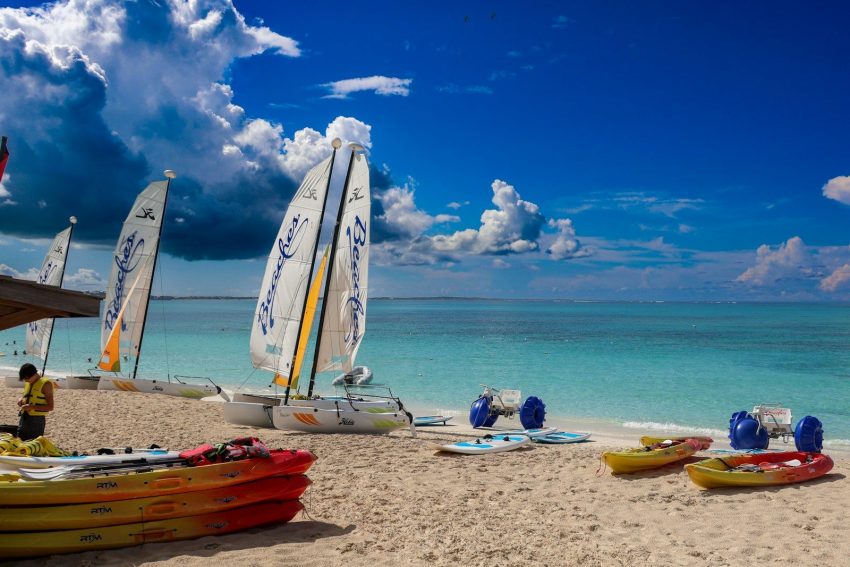
Providenciales, known locally as Provo, is the third-largest island in Turks and Caicos and home to Grace Bay, where many of the destination’s high-end stays are concentrated. The area between Leeward Highway and the Grace Bay Road roundabout is where you’ll find some of the best villas in Turks and Caicos, often set discreetly behind low gates with direct access to the sand.
Early mornings along Grace Bay Beach are often quiet, especially east of the Regent Village area. By midday, the central beach access points get busier, particularly near the public entrances close to Salt Mills Plaza. Walking a few minutes farther toward Leeward Beach usually means fewer people and clearer water for snorkeling.
Many travellers choose to base themselves near Grace Bay for convenience, but renting a car is well worth it if you want the flexibility to explore Chalk Sound National Park and Taylor Bay on the island’s south side. The drive along Chalk Sound Drive takes around 20 minutes, and the shallow turquoise waters there offer a striking contrast to the open Atlantic.
Villa stays often come with fully equipped kitchens, making it easy to prepare a few meals at home and balance overall travel costs. For groceries, most visitors head to the larger supermarkets along Leeward Highway, where prices are fairly reasonable. The island may be compact, but distances can feel longer in the heat, so having your own transport is often the more practical choice.
High-End Desert Resorts in Dubai

Luxury in Dubai shifts between the city and the desert. In the urban core, Downtown Dubai around Sheikh Mohammed bin Rashid Boulevard is dense and walkable, especially near the Burj Khalifa and the Dubai Mall. Visitors who want space often head toward City Walk or Jumeirah for a calmer atmosphere.
Traffic along Sheikh Zayed Road can build up quickly during peak hours, so taxis are often easier than driving yourself between districts. Alternatively, the Dubai Metro is a reliable option, with stations conveniently positioned along Sheikh Zayed Road.
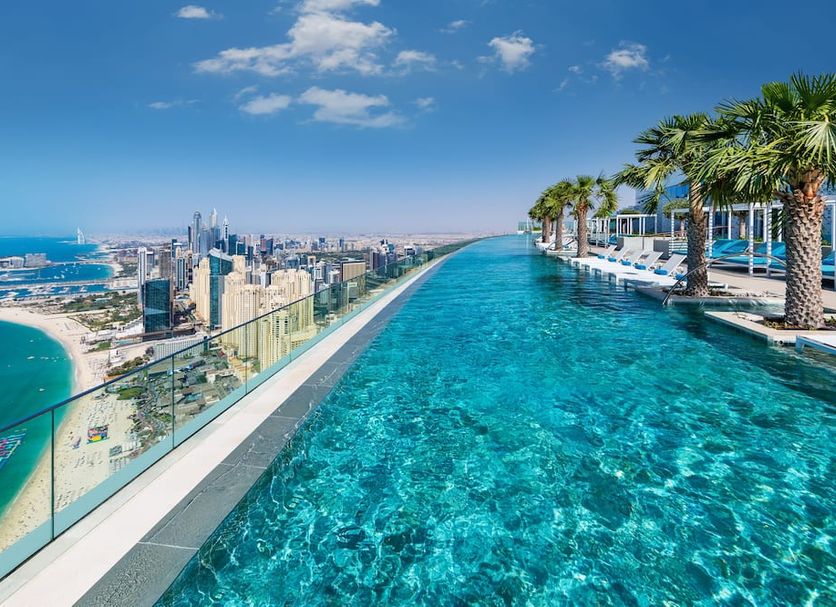
Desert resorts are typically located around 45 minutes from the city centre, often along Al Ain Road or further within the Dubai Desert Conservation Reserve. Beyond the final stretch of highway, sand dunes extend behind private villas, and the landscape shifts quickly once the skyline fades from view. Evenings tend to revolve around guided drives along the dunes or falconry demonstrations, though mornings are cooler and better for walking.
The atmosphere shifts noticeably in Deira, particularly around the Gold Souk and Spice Souk near Al Ras. Here, the experience feels entirely different: narrow alleys, active bargaining, and steady foot traffic define the streetscape. Many travellers choose to explore both the historic and modern sides of the city in a single stay, but moving between them requires some planning, as distances are longer than they look on a map.
Polar Luxury and Expedition Cruises in Svalbard
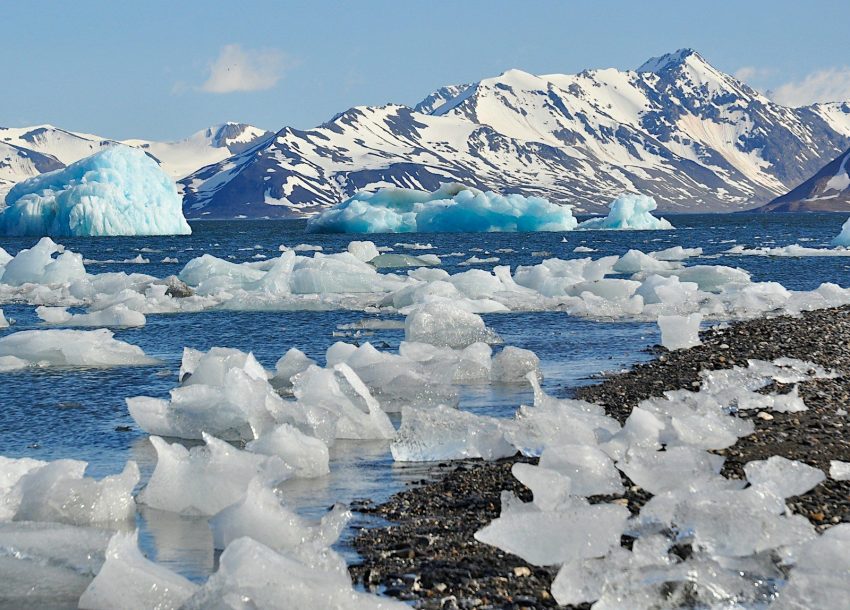
Reaching Svalbard requires commitment. Most journeys begin in Longyearbyen, where colorful wooden houses sit at the base of steep, angular mountains. Along the main street near the Lompensenteret area, you’ll find outfitters and a handful of essential shops catering to Arctic conditions.
Beyond the town limits, there are no roads linking settlements. As such, small ship cruises to Svalbard are great because they can navigate narrow fjords such as Liefdefjorden and approach glaciers like Monacobreen without the constraints that limit larger vessels.
The weather here can change in an instant, even in summer. Fog can roll in across Isfjorden without warning. Expedition leaders adjust routes based on ice conditions, which means flexibility is part of the experience. Onshore landings usually happen by zodiac, and the tundra underfoot can be uneven and wet. Around Ny-Ålesund, one of the northernmost settlements in the world, visitors can walk near historic Arctic research stations and old mining remnants.
Visitors must adhere to strict rules on polar bear safety, and armed guides often accompany every landing. It’s not a typical cruise, and that’s precisely what makes it worth the splurge. Costs are high, but they account for the logistics and expertise required to navigate this remote Arctic setting.
Exclusive Alpine Chalets in the French Alps
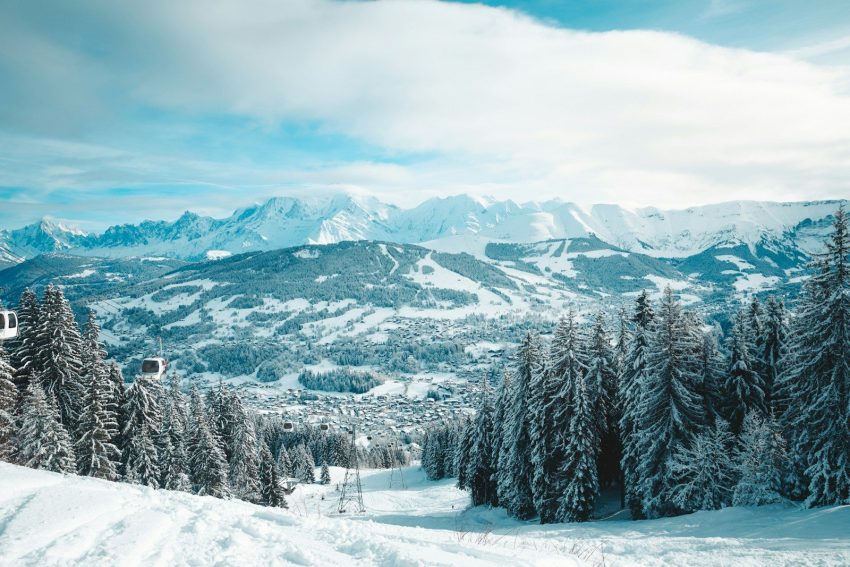
In the French Alps, luxury chalets cluster around well-known ski domains like Courchevel 1850, Val d’Isère, and Megève. Courchevel 1850 sits high above the valley, and the roads winding up from Moûtiers can feel narrow in winter.
Once there, most movement happens by ski lift or on foot. La Croisette is the central hub, and during peak season, lift lines form quickly after 9 a.m. Staying closer to the outer pistes is ideal if you want easier access to quieter lifts and prefer to avoid the main crowds.
Val d’Isère connects directly to Tignes through the Espace Killy ski area, so it’s easy to move between slopes. The Solaise and Bellevarde sectors offer very different terrain, and many chalets provide private drivers to shuttle guests to lift stations. In Megève, the atmosphere feels more traditional, especially around Place de l’Église.
Cobblestone streets and small boutiques create a village feel, but traffic can build on Route Nationale 90 during weekends. Off the slopes, visitors explore the local markets in Albertville or drive toward Annecy for a change of scenery. Chalet stays often include private chefs, which reduces the need to compete for reservations, especially during busy periods.
Opulent Rainforest Retreats in Costa Rica
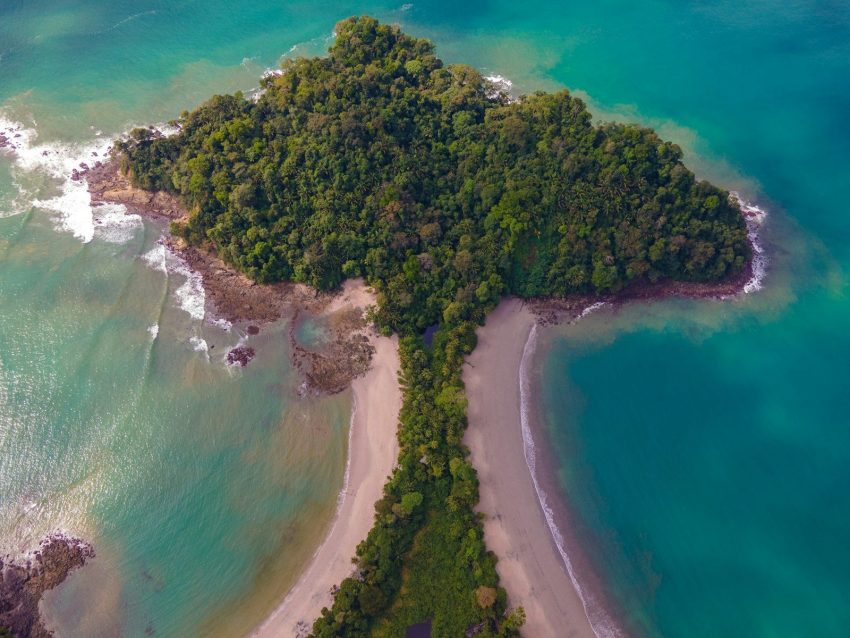
On Costa Rica’s Pacific coast, high-end rainforest lodges stretch along the Papagayo Peninsula and near Manuel Antonio. In Papagayo, winding roads lead to clifftop villas overlooking Culebra Bay. The terrain is steep, so golf carts or hotel shuttles handle most internal transport. Outside the resort gates, Liberia is about an hour away, and the roads can feel rough in sections during the rainy season.
Some travelers who initially come for the beaches choose to split their stay with time inland, near Arenal Volcano in the rainforest. The drive from the coast to La Fortuna takes several hours, winding through small towns such as Cañas and Tilarán along the way.
Around Manuel Antonio National Park, mornings get busy fast. The entrance queue can stretch down the road by mid-morning, so it is best to come early. Trails inside the park wind through dense forest, with viewpoints over Playa Espadilla Sur. Monkeys often gather near the beach access points, especially where visitors linger with bags.
In La Fortuna, the various hot springs north of town attract steady crowds, particularly along Route 142. Some luxury lodges sit farther out, surrounded by primary forest where the only sound at night is rain on the roof. Moving between regions requires patience, but distances are manageable with a rental car.
Which climate will you choose for your next luxury escape?
Each of these destinations presents a distinct interpretation of extravagant travel, shaped largely by climate and geography. Luxury travel works best when the setting aligns with personal priorities, whether that means warm water, snow, sand, or tundra.
A villa in Turks and Caicos centers on clear water and direct access to Grace Bay, while Dubai contrasts skyscrapers with desert stillness. Svalbard requires flexibility and respect for Arctic conditions. The French Alps demand attention to lift access and winter road closures. Costa Rica calls for careful planning when navigating winding roads between rainforest and coast.

Bryan has visited 62 countries, which is exactly one more country than his wife, and she won’t let him forget it! Also an avid photographer, he enjoys entrenching himself within the local culture in order to learn more about the people of a place. He is the co-founder of Budget Your Trip and loves a good adventure, an exotic meal, or a passionate conversation about global events. And he also loves to find out how much stuff costs, which is why he and his wife started Budget Your Trip.
Sign up to our email newsletter to receive sales, deals, and discounts from major travel companies!