
Most people arrive in Venice with a very clear picture in mind. Canals. Bridges. Gondolas. San Marco. Maybe Murano or Burano if there’s time. That version of Venice is real, of course. But it’s also only part of the story.
Once you move away from the historic center, the city starts to feel different. The lagoon opens up, and Venice suddenly feels much larger. You begin to see small islands, fishing boats, vegetable gardens, monasteries, and quiet waterfronts that have their own rhythm. Murano and Burano are the obvious first stops, and they deserve their popularity. But if you have an extra day, or simply want to understand Venice beyond the postcard image, the wider lagoon is worth your attention.
Start With the Islands Everyone Knows
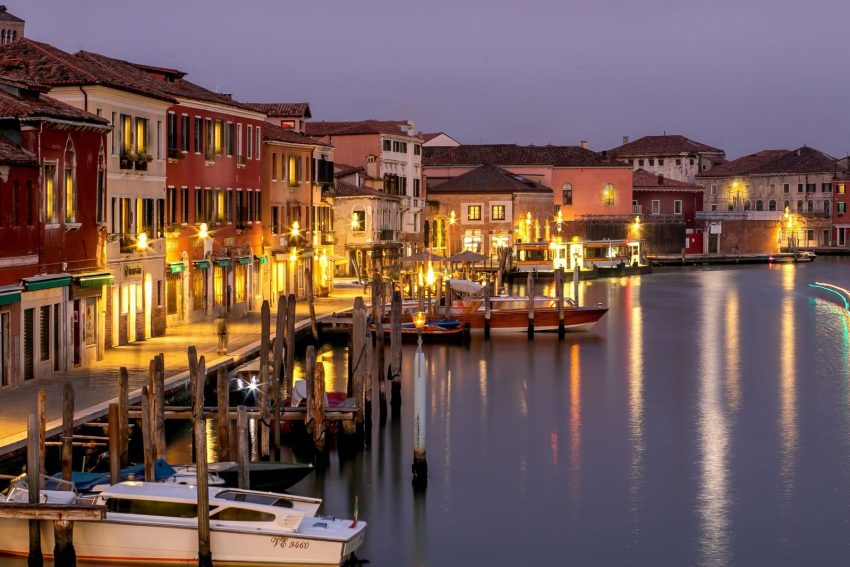
Murano is often where people begin. Glassmaking has shaped the island for centuries, and that tradition is still very much part of daily life there. You’ll find workshops, furnaces, showrooms, and plenty of shops selling glass in every form imaginable.
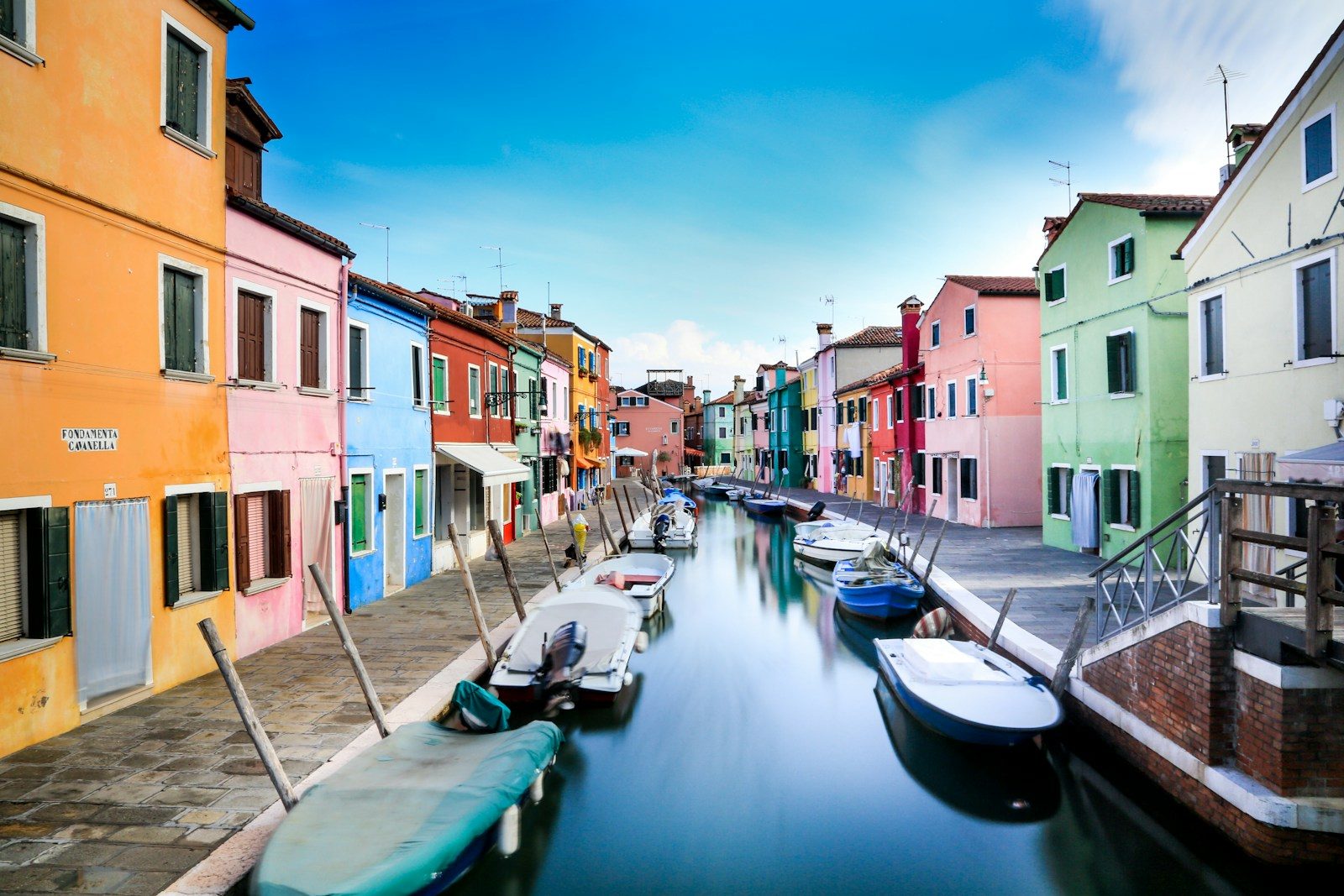
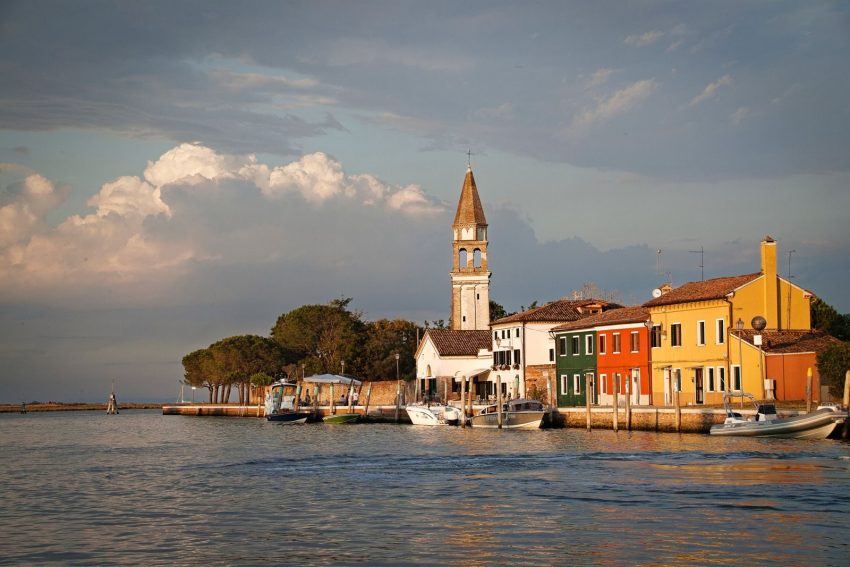
Burano feels completely different. The brightly painted houses make the first impression, but the island becomes more interesting once you wander away from the busiest lanes. There are quiet canals, small boats, local homes, and a sense of everyday life that gets lost if you only stop for a quick photo.
Torcello is quieter still. There is less to “do” in the usual sense, and that is exactly what makes it appealing. The churches are historic, the landscape is open, and the island feels surprisingly peaceful compared with central Venice.
All three work well as a day trip from Venice, but trying to fit them all into one day can leave you watching the clock more than the scenery. Boat rides take time, and connections do not always fall neatly into place. If one island interests you more than the others, stay longer. Venice has a habit of being more rewarding when you stop trying to see everything.
Go Beyond the Familiar Route
Sant’Erasmo is one of the clearest examples of how much the lagoon can surprise you. Instead of narrow streets and grand facades, there are fields, gardens, vineyards, and open stretches of land. The island has long been associated with agriculture, and for centuries it supplied produce to Venice. There are not many headline attractions here. You come for the atmosphere. That may mean cycling along quiet roads, looking across farmland toward the water, or simply enjoying the fact that this still counts as Venice, even though it feels almost rural.
San Francesco del Deserto has a completely different mood. The small island is home to a Franciscan monastery, surrounded by gardens and water. It feels calm and secluded, and visiting it is less about sightseeing than stepping into a place that has a strong sense of stillness.
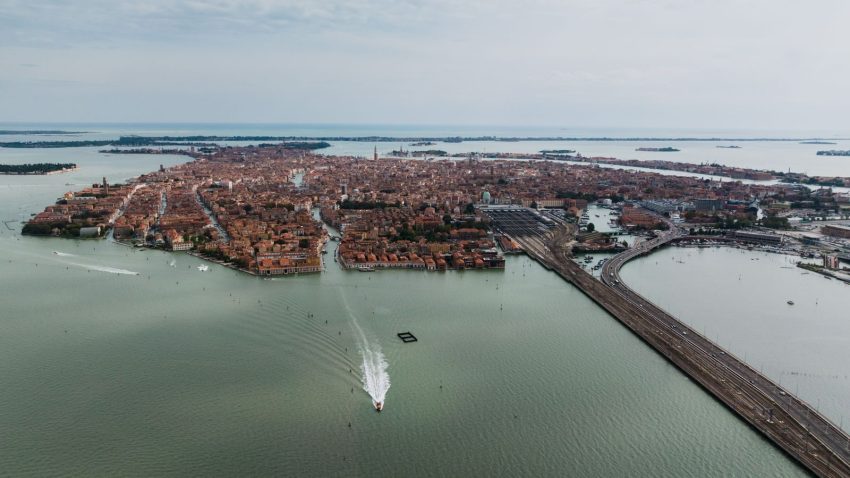
Closer to the center, San Giorgio Maggiore and Giudecca are easier to reach. San Giorgio is especially good for views. From the island, Venice feels close enough to touch, but far enough away to take in as a whole. Giudecca has more of a residential feel. There are hotels, churches, restaurants, and busy stretches along the waterfront, but there are also corners that feel far removed from the tourist rush. If you do not have a full day, these are good places to start.
Head South for a Different Side of Lagoon Life
Most visitors head north from Venice. However, the southern lagoon gets much less attention. With much less of a tourist influx, this makes Pellestrina feel like a genuine change of scene. The island is long and narrow, with small settlements, fishing boats, painted houses, and water never far away. It is not a place built around major attractions, and that is part of the charm. Fishing is still part of everyday life here, and the island feels more like somewhere people live than somewhere designed to impress visitors. You’ll notice laundry hanging outside homes, boats pulled up along the water, and people going about their day without much concern for sightseeing schedules. Getting there takes more time than a trip to Murano, so Pellestrina makes the most sense if you are happy to let the journey take up part of the day.
Chioggia is livelier and easier to explore on foot. It has canals, markets, fishing boats, churches, and a busy town center. Some people compare it to Venice, but that comparison only goes so far. This area has its own character. The fishing industry is still visible in a way that feels immediate. Boats come in, markets stay busy, and the waterfront has a practical purpose beyond being picturesque. The trip south is memorable in its own right. As Venice recedes, the lagoon starts to feel bigger, quieter, and less familiar.
When a Guided Lagoon Experience Makes Sense
Some islands are simple to visit independently. Murano, Burano, San Giorgio Maggiore, and Giudecca all have regular public transport connections, and if you are comfortable using the vaporetto system, you can easily build your own day. Many visitors simply buy a ticket on the “water bus” and off they go, because it’s easy, inexpensive, and efficient.
Other places take more effort. Smaller islands may have limited access, and some are more meaningful when you understand what you are looking at. A field on Sant’Erasmo becomes more interesting when you know how the island once helped feed Venice. A fishing village feels different when you understand how closely life there still depends on the lagoon, and the local people who work hard to provide for the economy of the village.
It takes a little more planning to tour Venice’s hidden lagoon islands, especially when smaller communities and less frequent transport are part of the day. That does not mean a guide is necessary for every trip. If you enjoy moving at your own pace, independent travel is ideal. But if you are visiting lesser-known places, meeting local producers, or trying to understand how these islands connect to Venice historically, local knowledge can add a lot.
Pick Islands That Match the Kind of Day You Want
There is no single best lagoon itinerary, because it depends on what you enjoy. If you care about crafts and art, Murano is the obvious choice with its glass-blowing history. If you like color, photography, and lively streets, Burano is hard to beat because it offers all of those things in a postcard-like setting. Sant’Erasmo suits people who like open space, food, farming, and a slower pace. San Giorgio Maggiore is a strong choice if you want architecture and one of the best views back toward Venice. Pellestrina and Chioggia make more sense for travelers who are curious about fishing communities and everyday life away from the main tourist routes.
Time matters too. With half a day, stay close to Venice. Spending most of your visit in transit is rarely worth it. With a full day, you can go farther. Even then, keep the plan simple. One good island day usually feels better than four rushed stops. You’ll have a more authentic experience, as you can dig deeper into a place, enjoy the local vibe with a meal or a coffee at a cafe, see more shops, and enjoy some of the local life as you get away from the touristy sections.
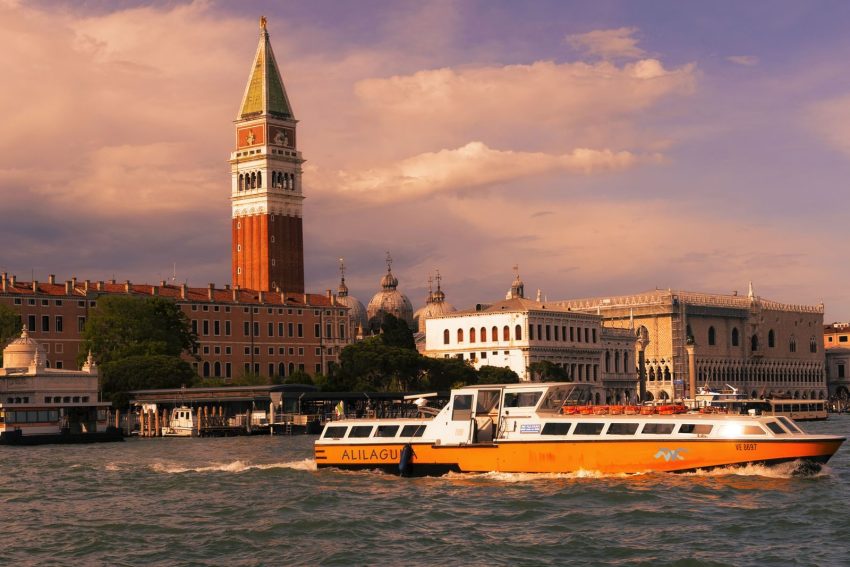
Why the Lagoon Changes the Way You See Venice
Venice has always depended on the water around it. The historic center gets most of the attention, but the city grew as part of a much larger lagoon system. Different islands took on different roles over time. Some became known for glassmaking. Others for farming, fishing, religion, trade, or defense. That wider history is part of what makes Venice and its Lagoon such an unusual cultural landscape.
You understand this more clearly from the water. One minute you are surrounded by crowded streets and busy vaporetto stops. A short time later, there is nothing but open lagoon, a low island in the distance, a bell tower, a fishing boat, or a strip of farmland. The shift is almost immediate, because Venice starts to feel less like one compact city and more like a collection of places tied together by water. That perspective is easy to miss if you never leave the center.
Do Less and Enjoy the Day More
It is tempting to look at a map and think you can fit Murano, Burano, Torcello, Sant’Erasmo, and somewhere else into one big day. You probably can, but the important question is whether you will enjoy it. Boat rides take time. So does waiting for connections. And once you arrive somewhere you really like, the last thing you want is to leave because your schedule says you should.
A better plan is to choose one part of the lagoon and stay with it. Head north if you are interested in glass, colorful villages, old churches, and agricultural landscapes. Go south if fishing communities and a more local, authentic atmosphere appeal to you.
Then leave a little room for the day to change. Maybe lunch takes longer than expected. Maybe you find a quiet waterfront and stay there for an hour. Maybe the island you thought would be a quick stop turns out to be your favorite. Those are usually the moments people remember.
See Venice From the Water Outward
The historic center deserves its reputation. There is a reason people travel across the world to see its churches, palaces, canals, museums, and streets. But the lagoon adds something different, because it shows you where people farmed, fished, prayed, worked, and built communities outside the center. It gives you a better sense of how Venice fits into the landscape around it. You do not need to visit every island to feel that shift. Choose one or two places that genuinely interest you. Give yourself time. Let the day breathe a little. When you return to Venice by boat, the skyline will be the same, but it may not look quite the same to you.

Bryan has visited 62 countries, which is exactly one more country than his wife, and she won’t let him forget it! Also an avid photographer, he enjoys entrenching himself within the local culture in order to learn more about the people of a place. He is the co-founder of Budget Your Trip and loves a good adventure, an exotic meal, or a passionate conversation about global events. And he also loves to find out how much stuff costs, which is why he and his wife started Budget Your Trip.
Sign up to our email newsletter to receive sales, deals, and discounts from major travel companies!