
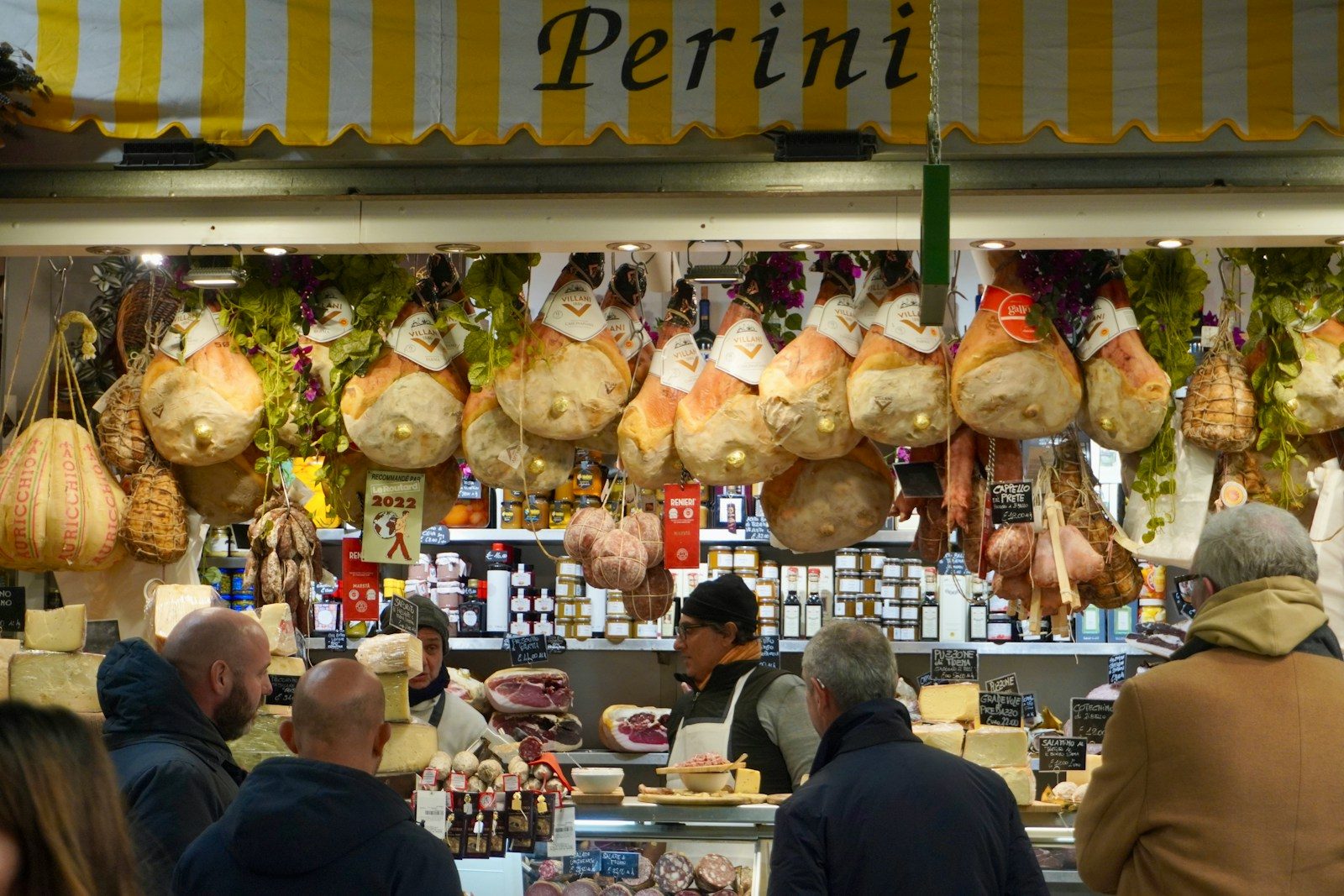
Food-focused travel doesn’t have to mean blowing the budget on tasting menus every night. In many cities, the real value lies in knowing where to go, when to go, and which neighborhoods reward a bit of walking.
Premium destinations for food enthusiasts are often places where high-end experiences sit comfortably alongside markets, street vendors, and family-run kitchens. That balance is what makes them worth the journey.
The following five cities deliver serious culinary depth, from seafood markets and vineyard estates to spice bazaars and late-night alleyways. Each one offers ways to spend smart while still eating exceptionally well.
Street Food Culture and Izakaya Dining in Tokyo
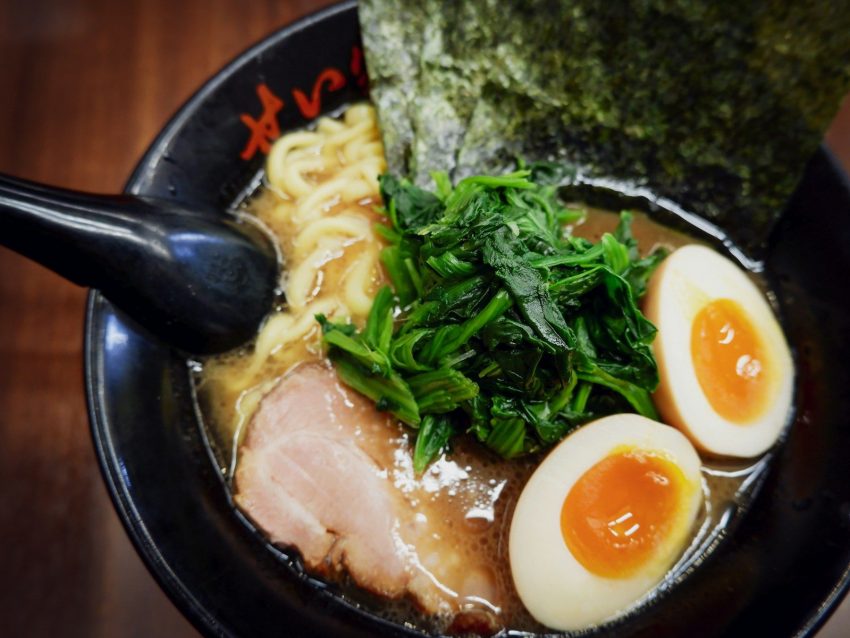
In Tokyo, premium food experiences don’t always come with white tablecloths. They’re often found standing under a railway track in Shinjuku’s Omoide Yokocho or squeezed into a narrow alley in Shibuya’s Nonbei Yokocho. These areas are busy, smoky, and loud, especially after 7 p.m., but they remain an essential part of the city’s identity.
For something more manageable, many visitors start at the Tsukiji Outer Market in the morning. The wholesale auction moved to Toyosu, but Tsukiji’s lanes are still packed with seafood vendors and snack counters. Going before 9 a.m. avoids tour group congestion and the longest lines.
Asakusa offers something distinct. Walking from Kaminarimon Gate along Nakamise Street toward Senso-ji Temple, you’ll pass stalls selling traditional sweets and grilled snacks. It’s touristy, yes, but it’s also genuinely local in its offerings.
In the evening, hopping between small izakayas near Ueno Station gives a sense of how Tokyoites actually eat after work. Those planning to try bespoke holidays to Japan may want to include a guided food walk through these neighborhoods, though it’s equally feasible to explore independently using the JR Yamanote Line to travel between Shinjuku, Ueno, and Shibuya.
Spice Markets and Traditional Mezze in Istanbul
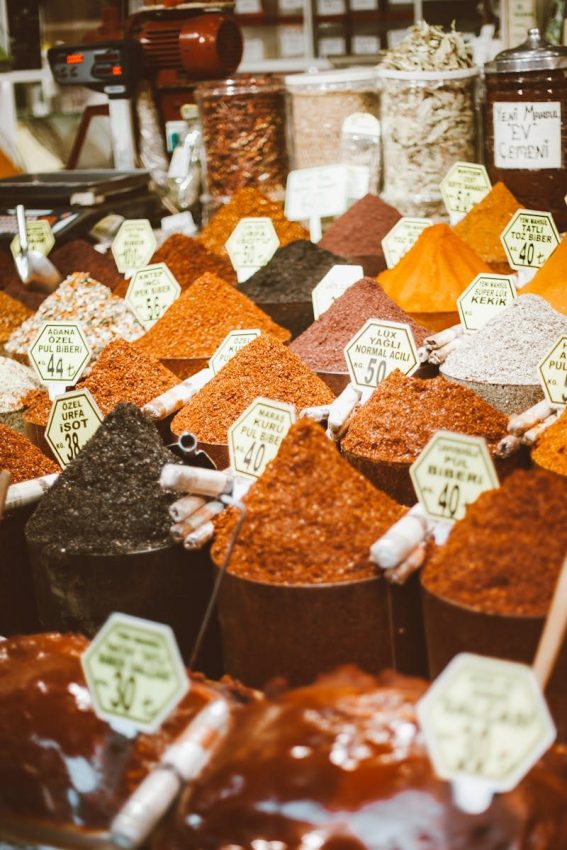
Istanbul is one of those cities shaped around food. The Spice Bazaar in Eminönü is an obvious starting point, with mounds of saffron, dried peppers, and tea stacked beneath its arched ceilings. It fills quickly by late morning, especially when cruise ships are in port, so arriving early makes browsing far easier.
From there, many cross the Galata Bridge on foot toward Karaköy, where bakeries and small kitchens spill onto side streets. The walk itself is part of the experience, with fishermen lining the railings and ferries cutting across the Bosphorus below.
On the Asian side, Kadıköy Market gives a more local feel. It’s less about souvenir spices and more about everyday ingredients: olives, cheeses, fresh herbs, and trays of prepared mezze. Ferries from Eminönü or Karaköy take about 20 minutes and provide one of the best views of the city skyline.
In Balat, narrow streets lead to traditional bakeries and simple dining rooms serving home-style dishes. The flavors change slightly with each district, reflecting the city’s layered history.
Authentic Culinary Tours and Tuscan Flavors in Florence

In Florence, food and architecture compete for attention. Mercato Centrale near San Lorenzo is where many visitors start, wandering between produce stalls on the ground floor and prepared food counters upstairs. It’s busiest around lunchtime, when locals and visitors crowd the tables.
A short walk across the Arno River into the Oltrarno leads to quieter streets lined with traditional workshops. Around Piazza Santo Spirito, local markets pop up on certain mornings, selling seasonal veggies and regional cheeses.
Heading out of the city brings a different side of Tuscan cuisine into focus. Some of the most incredible Italy tours include organized day trips into Chianti’s vineyards, often combining winery visits with stops in small towns such as Greve and Castellina.
Public buses run from Florence’s central station into the countryside, though schedules can be limited on weekends. Sampling olive oils and wines directly from producers helps explain why Tuscan food is so ingredient-driven. Back in Florence, walking from the Duomo toward Via dei Neri leads to a cluster of traditional food shops where queues form quickly at midday.
Private Vineyard Estates and Gourmet Experiences in Bordeaux
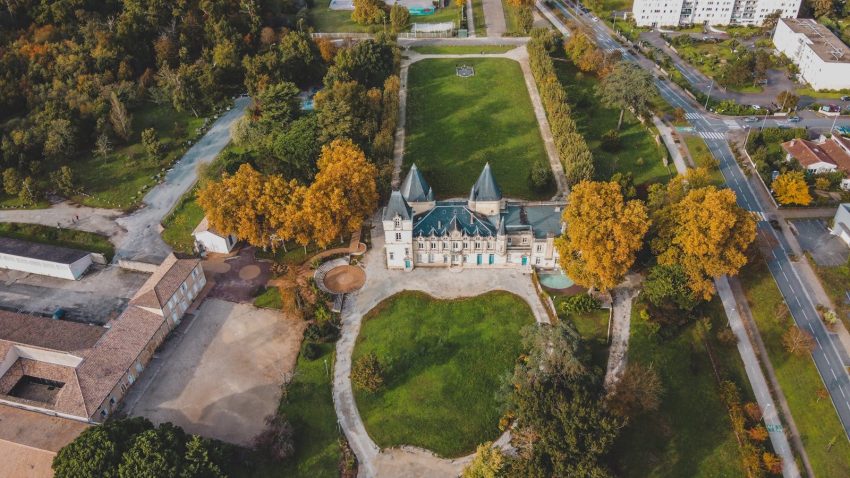
Bordeaux revolves around wine, but the city itself deserves attention before heading into the vineyards. The historic center around Place de la Bourse and the Miroir d’Eau fills up in the late afternoon, especially during summer.
Walking north toward the Chartrons district reveals antique shops and smaller wine merchants. La Cité du Vin, set along the Garonne River, provides an overview of global wine regions and frequently hosts tastings that feel more laid-back than private château visits.
Outside the city, the Médoc and Saint-Émilion regions are where premium experiences unfold. Renting a car makes it easier to visit multiple estates in a day, though guided tours operate from central Bordeaux as well. Roads between vineyards are narrow and quiet, lined with stone walls and neat rows of vines. Appointments are usually required, and some estates limit group sizes, which keeps tastings intimate.
Saint-Émilion’s steep cobbled streets can be challenging to navigate in summer heat, but climbing toward the monolithic church rewards visitors with wide views over surrounding vineyards.
Coastal Seafood and Fine Dining in San Sebastián
San Sebastián, known locally as Donostia, is compact enough to explore on foot, which helps when hopping between food spots. The Old Town near Plaza de la Constitución is where most visitors begin. By early evening, narrow streets fill with people moving between counters for pintxos.
Lines form quickly, especially on weekends, and it’s common to see groups spilling onto the pavement. Walking just a few blocks away from the busiest corners often reveals local dining spots with shorter waits and a more relaxed atmosphere.
At the same time, the city has one of the highest concentrations of Michelin-starred restaurants per capita in Europe, which has shaped its global reputation. Reservations at the top-tier dining rooms often need to be made weeks in advance, especially during summer and food festivals.
La Bretxa Market sits just outside the Old Town and gives a clearer picture of local seafood. Fishmongers display hake, anchovies, and shellfish caught in the Bay of Biscay that morning. From there, a stroll along La Concha Beach toward the Miramar Palace offers a break from the crowds. Fine dining may have placed San Sebastián on the global map, but much of the appeal still lies in simple seafood enjoyed within sight of the water.
Which luxury flavor will you taste first?
Each destination above delivers something distinct. Tokyo offers precision and variety across compact neighborhoods connected by efficient trains. Istanbul blends markets and ferry rides into a constantly shifting culinary landscape. Florence ties rural vineyards to Renaissance streets, while Bordeaux anchors its gastronomy in vineyard estates and riverfront architecture. San Sebastián keeps things focused and coastal, where seafood defines the rhythm of daily life.
These places show that premium doesn’t have to mean extravagant at every turn. Mixing market visits with selective splurges, walking between districts instead of relying on taxis, and paying attention to local patterns all help stretch a budget while still eating exceptionally well. The flavors may differ, but the principle remains consistent: know where to look, and the experience becomes far more rewarding.

Bryan has visited 62 countries, which is exactly one more country than his wife, and she won’t let him forget it! Also an avid photographer, he enjoys entrenching himself within the local culture in order to learn more about the people of a place. He is the co-founder of Budget Your Trip and loves a good adventure, an exotic meal, or a passionate conversation about global events. And he also loves to find out how much stuff costs, which is why he and his wife started Budget Your Trip.
Sign up to our email newsletter to receive sales, deals, and discounts from major travel companies!