

Planning a trip to the UAE on a budget is possible despite the overall higher prices of the region. Visiting Dubai and Abu Dhabi can be a travelers dream because the area combines high tech cities with traditional old-world cultural attractions and outdoor activities. Also, you can’t miss the beaches, desert safaris, amazing food, and year-round warm weather. But despite high prices in some areas, you can find affordable hostels, cheap street food, low cost transportation, and plenty of free activities to help keep your budget lower.
When you arrive, taking a cab from Dubai to Abu Dhabi can cost around AED 400 ($107 U.S. Dollars). But if you share a rental car with friends, it gets a lot cheaper per person. Just keep in mind the daily rental rate isn’t the whole cost because you’ll still need to pay for gas, road tolls, and parking along the way.
Start with the basics: where you’re headed, how many people are riding along, and whether you’ll pull over a few times on the way. All prices below are October 2026 rates, shown in UAE dirhams (AED) with converted US dollar amounts next to them.

When a Rental Car Pays for Itself
Let’s say four of your friends want to spend more time on mountain views and roadside stops. A cheap car rental in Dubai usually costs around AED 90 to 150 a day ($25-$40) to rent, but the daily rate isn’t the whole story. After adding gas, road tolls, and parking, your real daily cost is closer to AED 177–250 ($50–$70). Split that between four friends, and it’s only about AED 45-65 ($12–$17) each. The bus costs less per person, but sharing a car lets you stop wherever you like along the way. Want to stop for a photo, take a short hike, or grab coffee somewhere along the way? Having your own car makes those little detours much easier.
Taxi, Bus, or Car: One Route, Three Price Tags
The 150 km drive between Dubai and Abu Dhabi is the ultimate transport budget test. Flagging a curbside cab will set you back nearly AED 390 ($106), while the intercity bus starts at AED 25 ($7) before local transfers. Etihad Rail is the more comfortable of the public transit options, and is priced at around AED 60 ($16) all-in with connections. Driving sits in the middle at AED 72–85 ($20–$23) for gas and tolls, before you even factor in parking or car rental prices.
When the Bus Beats the Car
Travelers on their own, or in pairs, who plan to stay in one city can often skip the car rental. Dubai’s metro, trams, and buses reach most of the popular sights, and an intercity bus ticket runs about AED 25 to 30 ($7 to $8). Parking adds up quicker than you’d think, too. Abu Dhabi charges AED 2 an hour or AED 15 for a full day in most paid areas. Many travelers get around the city on public transport and save the rental for the days they head out of town.
The Fine Print That Moves the Price
The daily rate is only part of the bill, so read through these October 2026 extras before you commit.
- Deposits: Many rental companies hold around AED 1,000 ($270) on your card. Check when they’ll release it. They should, but always ask!
- Tolls: Salik tolls in Dubai cost AED 4 during off-peak hours and AED 6 during peak hours, including VAT. The more toll gates you pass, the more you’ll pay.
- Extra fees: Some companies charge an admin fee each time you pass through a toll gate.
- Insurance: Extra coverage can cost AED 35-100 a day, depending on the car and policy.
- Mileage: Many rentals include about 250 km a day. Drive farther, and you may pay extra for each additional kilometer. Enquire about rates, as getting more milage can often increase the daily rate. There’s an optimum price that you could calculate if you knew how far you would drive each day, but most travelers don’t actually know ahead of time.
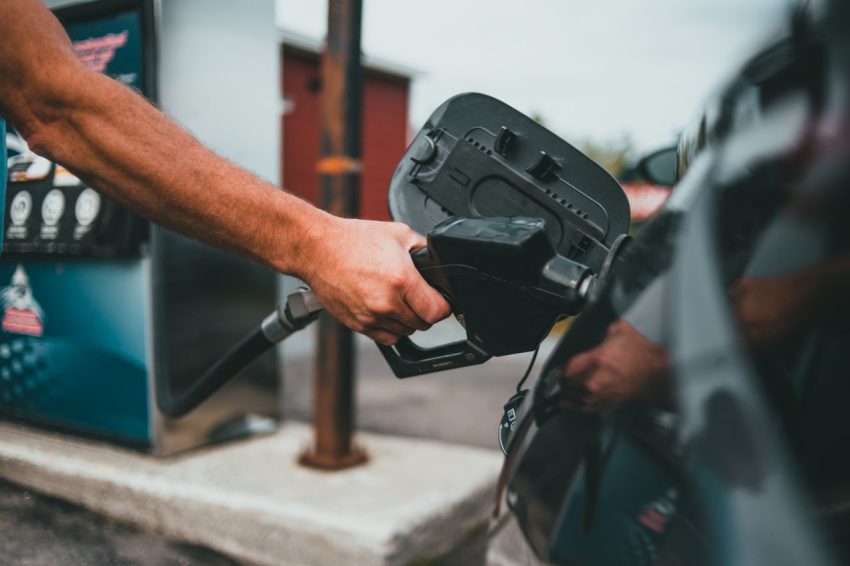
- Fuel: Special 95 petrol costs AED 4.28 per liter, or roughly $4.40 per US gallon.
A Rough Rule of Thumb for Deciding
The size of your group will determine the overall price, which can make or break your decision. For solo trips, buses and trains easily win on cost. But if you split a rental three or four ways on a longer trip, then driving often beats public transit costs per person. (Plus you get flexibility.) The real deciding factor is your stops. If you’re visiting several places outside the city, renting a car can be worth it.
For one stop, a bus or train may be cheaper. Look at the mileage limit before you book, so extra kilometers don’t catch you off guard at the end of the trip. Head out toward Al Ain or the east coast, and you’ll cross 250 km before you know it. If the cost is about the same, a car might be the better choice. After a long day out, it’s nice to head back when you’re ready instead of waiting around for the next bus. Time is part of the travel equation, too!
The Bottom Line
No single option is best for everyone. Solo travelers can save with a bus ticket, while families or friends heading for beaches, mountains, and desert roads may find it cheaper to rent a car, and they get more freedom along with it. Plenty of budget travelers split the difference, taking buses around town and renting only for the longer trips. Before booking, add up each day’s costs and compare the totals side by side. Rates move up and down through the year based on demand and the season, so take another look at the prices right before you start your trip.

Bryan has visited 62 countries, which is exactly one more country than his wife, and she won’t let him forget it! Also an avid photographer, he enjoys entrenching himself within the local culture in order to learn more about the people of a place. He is the co-founder of Budget Your Trip and loves a good adventure, an exotic meal, or a passionate conversation about global events. And he also loves to find out how much stuff costs, which is why he and his wife started Budget Your Trip.
Sign up to our email newsletter to receive sales, deals, and discounts from major travel companies!