Which country is cheaper, Lithuania or Croatia?
These are the overall average travel costs for the two destinations.

Should I visit Croatia or Lithuania? This is a common question asked by many travelers. By figuring out which country has activities that align with your interests along with knowing which is more affordable, you'll understand where you can get more bang for your buck. So, let's dive into the details and the data, which all comes from actual travelers.
We'll start with a quick overview, and below we will go into all of the details.
| Croatia | Lithuania | |
| Museums & Attractions |  |
|
| Nightlife | |
|
| Resorts | |
|
| Scuba Diving & Snorkeling | |
|
| Beaches | |
|
| Outdoor Activities | |
|
| Families | |
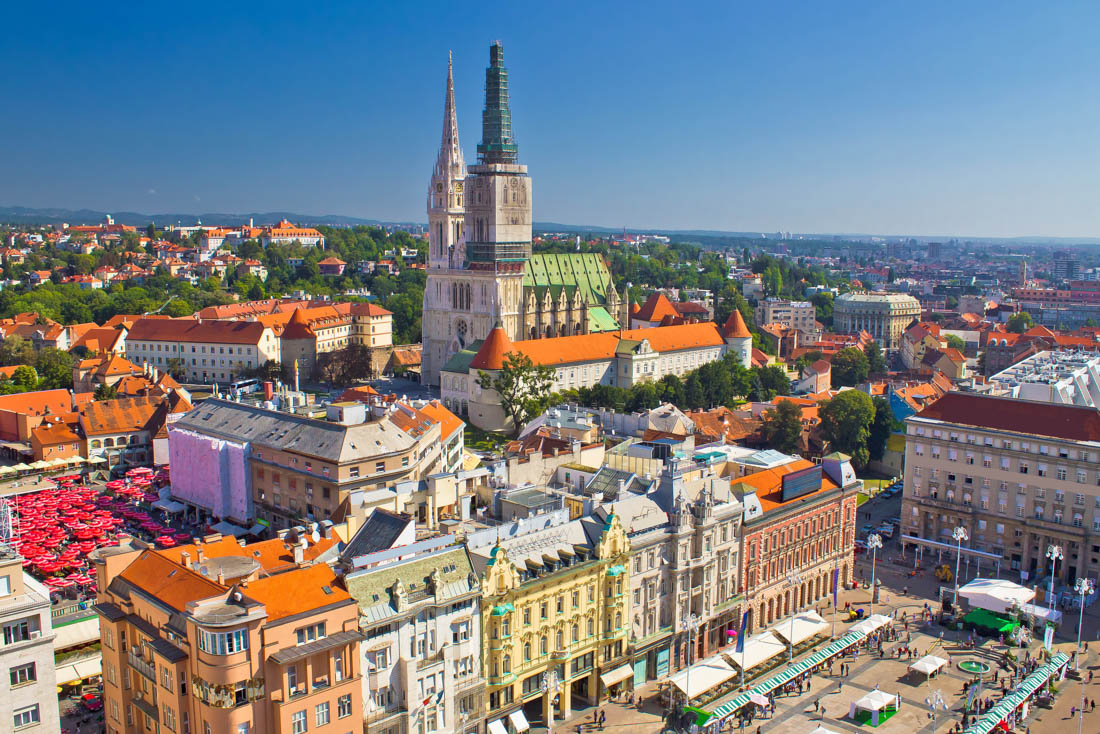 Zagreb, Croatia
 Croatia is a gorgeous, mountainous, and historic country. Croatia is considered by many to be an absolutely beautiful destination, too. Other reasons to visit include national parks, history and culture, nightlife, and food.
This coastal and island nation has become very popular with visitors because it offers such a wide array of attractions. The gorgeous beaches with clear, blue waters are just the start, as Croatia also offers historic cities and towns surrounded by walls with old cathedrals and amazing seafood restaurants. Ancient Roman ruins are mixed in with medieval fortresses, along with outdoor activities such as hiking trails, lakes, boating, snorkeling, and more. The weather is usually warm, and the people are also very friendly. If you visit yourself, you'll see why Croatia has become so popular in recent decades.
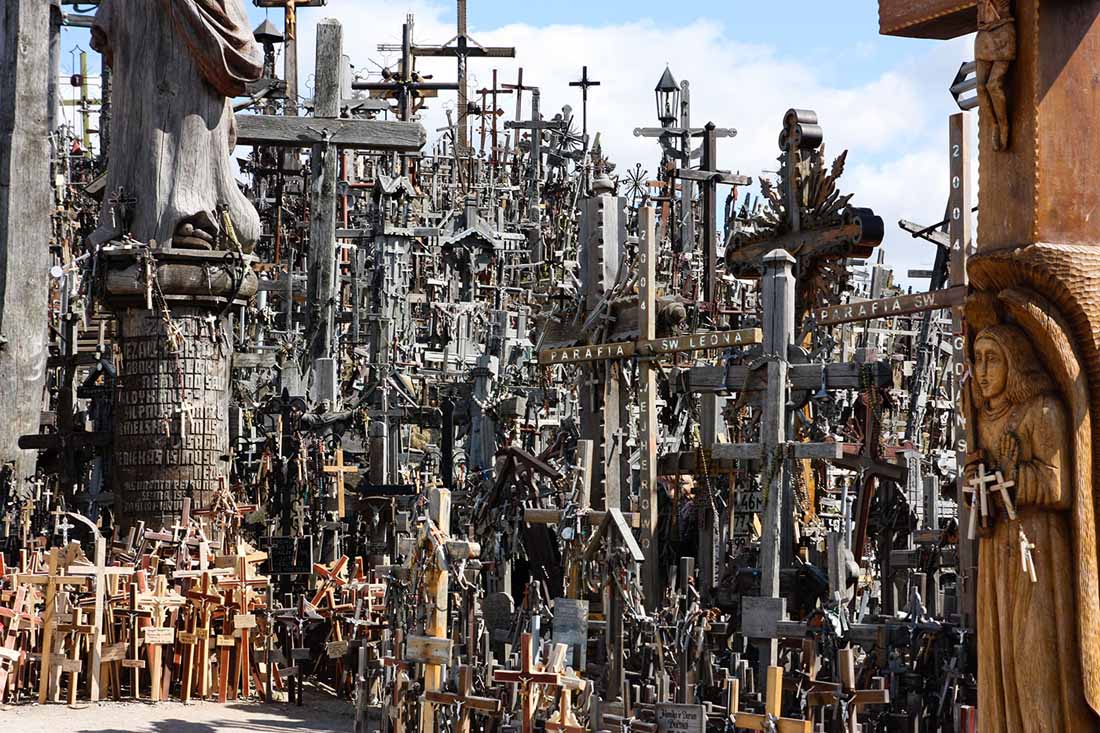 The Hill of Crosses, Siauliai
 Lithuania is a welcoming, charming, and historical country. Many visitors also come to Lithuania because of it's amazing beauty. Visitors also love the national parks, history and culture, nightlife, and food.
Lithuania is a country that brilliantly marries its rich history with a vibrant modern culture, making it an increasingly popular destination for travelers seeking something off the beaten path. Nestled in the Baltics, Lithuania boasts a variety of beautiful landscapes, from its sandy coastline on the Baltic Sea to its verdant forests and stunning lakes. Vilnius, the capital city, offers a captivating mix of Gothic, Renaissance, and Baroque architecture, while its small towns and countryside promise charming adventures. Visitors come to Lithuania for its engaging history, delicious cuisine, and the warmth of its people. Its relatively undiscovered nature compared to other European destinations provides a sense of exploration and discovery.
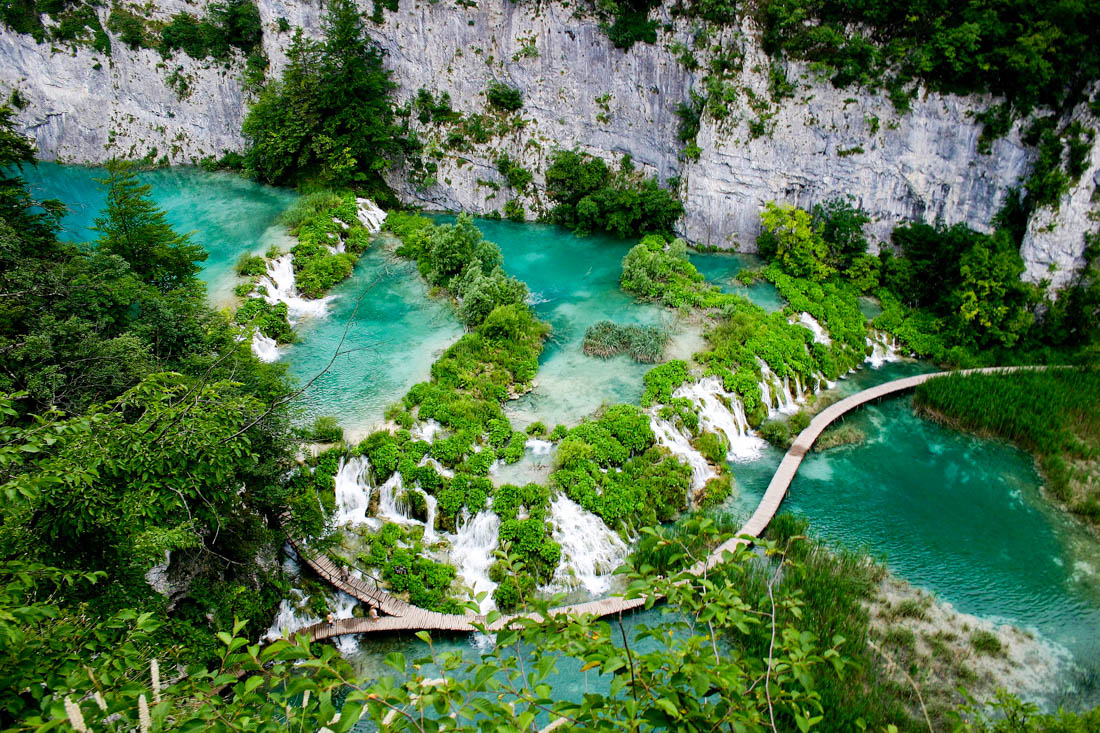 Plitvice National Park, Croatia
 Below we will examine the differences and similarities between Croatia and Lithuania. With this information, you can decide for yourself which place is better for your next trip.
Both Croatia and Lithuania offer a variety of museums and places of interest, but Lithuania generally has more to choose from.
Lithuania offers many unique museums, sights, and landmarks that will make for a memorable trip. A variety of museums in Lithuania draw visitors with their unique exhibits and collections. Vilnius hosts the Lithuanian National Museum and the Museum of Genocide Victims, offering profound insights into its turbulent past. Kaunas boasts the M.K. Čiurlionis National Art Museum, housing an impressive collection of works by the renowned Lithuanian artist. The cosier small-town museums, such as the Lithuanian Sea Museum in Klaipeda, reveal local traditions and histories. These institutions provide an enriching cultural experience for museum lovers.
If you're looking for an educational opportunity, there are a decent number of museums and historical sights around Croatia. A variety of museums can be explored in the major cities, such as in Zagreb where you'll find the Archeology Museum, the Zoo, and several large art museums. The technical museum is quite interesting itself, as is the museum of Torture. In Zadar, you'll find a glass museum focused on ancient glass works. Also, check out the Museum of Illusions while in town, too. In Dubrovnik, you can visit the Museum of the Croatian War of Independence, which is dedicated to the war in the 1990's. It sits at the top of Mount Srd and reached by cable car. The views from the top are worth the trip itself. Several other historic museums are found around Dubrovnik, focusing on the old fortifications of the city and its walls. And throughout the countryside, many of the historic castles and estates have been turned into museums. Trakošćan Castle is just one of many beautiful sites to visit for a glimpse into Croatian history.
You'll find great culture, arts, and history when visiting both Croatia and Lithuania.
Croatia is an extremely popular destination for those that want to visit historical and cultural sights and attractions, as it offers plenty. The history of this country is on display everywhere, as many of the cities and towns have historical architecture dating back to medieval times. The old town of Dubrovnik is a UNESCO World Heritage site itself, as the beautiful walled city sits on the coast like a castle, protecting the old buildings, cathedrals, and harbor inside. Plenty of other historic sites are on display from Roman ruins to cultural Renaissance-era artwork and churches. The restored Pula Arena is a Roman amphitheater from the 1st century, and you can admire it during a concert, too. The Walls of Ston date back to the 14th century and are referred to as the Great Wall of Croatia because of their extensive length and beauty. The Roman Forum in Zadar has ruins and architecture that date back to the 1st century also, among other buildings from various historic periods. The Diocletian's Palace in Split, from the 4th century, provides a historical maze of old streets lined with temples, shops, and more. In general, the close proximity of Croatia to ancient Greece, ancient Rome, as well as plenty of medieval history means that visitors who are interested in history will have plenty to see and do during their visit. Trogir, Korcula, Zadar, Hvar, and many other towns showcase even more of the beautiful history and culture of Croatia, too.
Lithuania has many famous historic and cultural sights and attractions worth visiting, and is one of the main reasons why poeple come here. Rich in history and culture, Lithuania's diverse settings provide travelers with a journey through time. Vilnius, with its UNESCO-listed Old Town, is filled with churches and historical buildings. Trakai Island Castle presents a captivating insight into the country's medieval past. The Hill of Crosses near Šiauliai is a symbol of Lithuanian resilience and spirituality. Kaunas, with its interwar architecture, offers another glimpse into Lithuania's historical narrative. The historical and cultural sites are well-preserved, inviting history lovers to explore their fascinating stories.
Lithuania is considered to have more larger cities than Croatia.
Lithuania has some large cities, so you'll find plenty of things to do when visiting. Vilnius, with its UNESCO-listed Old Town, offers an eclectic mix of Gothic and baroque architecture, attracting history enthusiasts and art lovers alike. Kaunas, known for its interwar architecture and vibrant cultural scene, gives visitors a taste of both rich heritage and modern living. Both cities have a range of museums, cafes, and parks, providing a pleasant urban experience. Despite being smaller than some European capitals, these cities balance cultural richness with warm hospitality, making them delightful urban destinations.
With a variety of activities, Croatia has some large cities to explore. While the largest cities are full of beautiful historical architecture and terrific cultural experiences, they are also not so large. Near the cities on the coast, you'll find beaches, historic ruins, easy access to rural areas, and gorgeous clear waters. Also, the cities in the interior are close to national parks, hiking trails, wineries, and more historic sites. These cities all lack large skyscrapers and the busy hustle of larger European cities, though, as the overall population of the country is around 4 million people.
Croatia generally has a wider variety of smaller towns and villages than Lithuania.
Croatia also offers a huge number of beautiful small towns with plenty of sights and activities. The coastline and many islands are dotted with beautiful small towns, many of which have historical architecture, nearby Roman ruins, and waterfront and beaches with clear, blue water that's perfect for swimming or snorkeling. These small towns also have cafes, restaurants, guest houses, shops, and historic churches, too. Some of the most scenic small towns in Croatia include Skradin, Purisca, Primosten, Rovinj, Trogir, and Hvar. Other medium-sized towns also dot the coastline and have a small-town feel. Dubrovnik, for example, has a beautiful, historic walled city center with a small town feel, even though the city itself spreads much further along the coast and into the hills above. No matter where you visit, you'll love exploring these amazing small towns, as they are one of the highlights of a trip to Croatia.
With fun activities and sights in the variety of small towns, Lithuania is a country worth visiting. Lithuanian small towns such as Druskininkai provide scenic beauty and relaxation-focused retreats with their renowned spas and wellness centers. Trakai is a charming town known for its medieval castle on an island, providing a picturesque setting for photography and exploration. Anykščiai offers outdoor adventures, including a unique treetop walking path through the forests. These small towns offer local cultural experiences away from the more bustling urban life.
Both Croatia and Lithuania offer great local cuisine and restaurants.
Croatia has a huge number of terrific restaurants. Seafood is the obvious choice, as most of this country lies along the Adriatic Sea. The lengthy coastline of the mainland and the many islands is dotted with historic fishing villages and towns that pull in fresh fish and other seafood delights every day. You can have quick and affordable dishes at small street side cafes, quick-service restaurants, taverns, and also street vendors. Or, you can dine in style at delicious fine-dining restaurants in the city centers. Some of the best Croatian dishes to try include cuttlefish (squid), mussels and oysters in various recipes, and larger white fish species. Local wines are also very popular, as the countryside is dotted with vineyards. The same is true for olive oil, so make sure you try the delicious local varieties. Truffles are also popular, as the countryside offers a mix of species that locals enjoy. And don't miss the famous meat dishes. Ham and ox should be tried as Peka, Istrian dried ham, or Boškarin, which is ox served in different forms such as with pasta, thin sliced, or as a steak.
Dubrovnik: Restaurants are usually locally-sourced with fresh produce and seafood. Traditional local dishes include black risotto (made with squid ink), pašticada (a beef dish), and various pasta dishes.
Trogir: For such a small place there's a surprising number of amazing restaurants. You won't find touristy restaurants here. Instead, locals and tourists intermingle, enjoying the same amazing dishes. There's also a number of fine dining restaurants that are affordable and high quality.
Dining out in Lithuania is an experience not to be missed. Lithuanian cuisine is a delightful exploration of hearty and comforting flavors. In Vilnius, you can enjoy traditional dishes such as cepelinai, a potato dumpling, or šaltibarščiai, a refreshing cold beet soup, at numerous restaurants and cafes. The country's market halls and rural eateries offer travelers a chance to savor fresh, local produce. Kaunas is another food destination, mixing traditional foods with innovative culinary ventures. Don't miss the chance to try kibinai, a pastry brought by the Karaim community, particularly in Trakai.
The nightlife vibe is much better in Croatia than Lithuania.
Croatia has a large number of nightlife venues. This country has become a party destination, attracting plenty of younger travelers. The nightlife and party scene here is not just focused on the typical bars and nightclubs of the major cities, but also on epic beach parties, huge music festivals, and huge dance clubs. On Pag Island, north of Zadar, you can visit during one of the popular festivals such as Electro Beach, Hideout, and Croatia Rocks which are held at Zrce beach. The nearby Noa Beach Club brings in crowds whenever there's not a festival happening, too. Hvar, Zagreb, and Dubrovnik have plenty of bars, clubs, and events that bring in crowds, too. Some of the best are Boogaloo in Zagreb, Banje Beach Club in Dubrovnik, and Carpe Diem on Stipanska island outside of Hvar. Many of these and other beach clubs can be found all over the coastline, and they swell with visitors at spring break and summer vacation travel periods. Another fun option for many visitors is to head out on a party boat. These can be booked in almost any coastal city, and they take groups around nearby islands for swimming, snorkeling, and partying on the water. If you're looking for something a little more relaxed than a huge dance party, Croatia also offers a variety of theaters, fine-dining, cultural shows, casual pubs, and other relaxing nightlife options.
Split: It has some of the best nightlife on mainland Croatia. Backpackers and students flock to this city for its parties and nightclubs. There's a great live music scene as well as DJs who keep the party going well into the early morning.
Hvar: The island has a reputation as a party island, and it's well earned. Most of the activity is found in Hvar Town, particularly between the months of June and September. Young people flock to the island for the all night parties and wild beach bars and clubs.
See also Party Hostels in Hvar Island and Split, Croatia.
There's a variety of activities in the evening in Lithuania. Vilnius and Kaunas provide lively nightlife scenes that cater to a broad range of preferences and experiences. The vibrant Old Town areas in both cities house an array of buzzing bars, nightclubs, and live music venues. Traditional Lithuanian beer houses offer unique local brews alongside international choices. The nightlife is welcoming and varied, although not as intense as in larger European capitals, ensuring a pleasant time for those seeking entertainment after dark.
Croatia is considered to be a more popular beach destination than Lithuania.
You'll have a great beach vacation in Croatia. With over 1,200 islands and a huge length of beautiful coastline, it's no surprise that this country has plenty of beaches. The beaches in Croatia are stunning and beautiful. While they can be a bit rocky and pebbly compared to other European countries' beaches, they more than make up for it with clear, blue water that is perfect for swimming, snorkeling, and admiring the scenery. Many beach areas and harbors have colorful fishing boats that seem to float in the air because the water is so clean and clear. And in most of the Croatian coast, the mountains and rocky shoreline adds to the dramatic beauty. If you're visiting the beaches here, you'll find activities such as boat rides, kite surfing, wind surfing, kayaking, scuba diving, fishing, and more. Some of the best and most scenic beaches are found in Hvar, Korcula, Dubrovnik, around Zadar, Brac, and Novalja.
Many people head to Lithuania to enjoy the beach. Lithuania's Baltic coast offers serene beaches perfect for a relaxing getaway. The Curonian Spit is renowned for its expansive sandy beaches and unique dune landscapes. Palanga is a popular seaside resort town, offering a vibrant atmosphere with its boardwalk and lively beach activities during the summer. Klaipeda beaches provide a quieter alternative, ideal for those seeking a peaceful day by the sea. The clean sands and calming Baltic waves invite leisurely walks and sunbathing.
The Christmas season is more busy in Lithuania than Croatia.
Christmas holiday activities are popular when visiting Lithuania. During the festive season, Lithuania lights up with traditional celebrations and decorations. Vilnius, in particular, radiates Christmas spirit, with its central Cathedral Square featuring an impressive Christmas tree. Seasonal markets throughout the country offer handmade crafts, local treats, and seasonal beverages, adding to the festive vibe. The snowy environment transforms the cities into a winter wonderland, perfect for wandering and taking in the festive sights and sounds.
Many enjoy the Christmas activities while in Croatia. Many of the cities and quaint towns throughout the country decorate with lights, trees, and holiday decor that turns these towns into magical Christmas wonderlands. The combination of the historic architecture with the lights is dazzling. Also, many towns set up festive Christmas markets that are filled with delicious foods as well as arts and crafts for sale. Zagreb and Zadar host large ice skating rinks, and many cities also put on festivals with concerts, theater shows, and small amusement parks with rides for kids. The town of Čazma, near Zagreb, hosts SalajLand. Here you'll find millions of Christmas lights along paths with holiday themed decorations and light shows that creates a terrific magical atmosphere for the whole family.
If you're looking to go hiking, Croatia and Lithuania both have great trails.
Croatia is a good destination for hiking. The rugged terrain of the coastline and the interior means that hikers will find a variety of trails here. National parks such as Plitvice and Krka offer some gorgeous trails around lakes, waterfalls, and through the forest. Other high mountain trails can be found in more national parks, too. If you're looking for a challenge, check out the Velebit Hiking Trail which is a multi-day journey through epic mountains where you stay in huts. Or, adventourous hikers can head up Vosac Peak. If you're near Dubrovnik and are looking for some amazing views, head up Mount Srd. Also, if you're up for the full Croatian hiking experience, the Via Dinarica is a set of trails that runs the entire coastline from the northern border with Slovenia to the southern border with Albania. Offering epic views and some challenging hills, the route spans over 1,200km. But don't worry, you can just do a small section of it if you like.
Many people include a hike when visiting Lithuania. Diverse hiking trails traverse the pristine landscapes of the Curonian Spit and Aukštaitija National Park. The Treetop Walking Path in Anykščiai offers an elevated experience through the forest canopy. The Žemaitija National Park provides a network of scenic trails around Lake Plateliai. With well-marked routes, hikers of all levels can enjoy Lithuania's picturesque natural settings. The mix of dune, forest, and lakeside hikes adds variety for outdoor enthusiasts.
If you're interested in visiting great national parks, Croatia and Lithuania both offer plenty of spots.
Visiting the national parks is a popular activity when in Croatia. The 8 national parks found here offer a wide array of landscapes from coastal regions to mountains to rivers and lakes. The most famous national park in Croatia is perhaps Plitvice Lakes, where visitors can walk through gorgeous landscapes made of up clear lakes, waterfalls, and forests that all feel magical. Krka River also has similar beautiful landscapes with waterfalls and rocky pools full of green and blue clear water, lined with small villages, hiking paths, and rolling hills. You can also see a 14th-century medieval fortress and a monastery, too. Mljet national park, located on an island, offers gorgeous coastlines, interior lakes, and forested hills waiting to be explored. Risnjak national park offers visitors a more typical mountain vibe with beautiful valleys, hiking trails, and wildlife such as wolves, deer, and lynx, among others. Fishing is popular here on the lakes and rivers, especially fly fishing. And if sailing and snorkeling is on your bucket list, make sure to visit the many islands of Kornati Islands National Park, which are unique and mostly untouched. The abundant marine and coastal life will leave you breathless.
Many visitors go to Lithuania to see the national parks. Lithuania is home to several national parks ideal for exploring the natural environment. Aukštaitija National Park, with its clean lakes and virgin forests, offers visitors the perfect escape into nature with plenty of trails for hiking. Žemaitija National Park, centered around Lake Plateliai, is known for its scenic beauty and opportunities for cycling, fishing, and kayaking. These parks provide diversity in terms of landscapes and activities, making them valuable stops for nature enthusiasts.
Both Croatia and Lithuania have great wildlife and wilderness areas to explore.
The wildlife and wilderness activities of Croatia are worth exploring. For a country with such a long history and culture, visitors here can find a surprising amount of beautiful wildlife and natural landscapes. Bears, deer, foxes, lynx, and a variety of other smaller species can be found around much of the country, especially in the northern mountainous areas. Many of the national parks offer a diverse set of animals and plants. And with the huge length of coastline and fairly shallow waters, it's also possible to get up close with the abundant marine life in the beautiful and clear waters of the Adriatic.
Lithuania is a great destination for wildlife viewing and wilderness activities. Wildlife enthusiasts can explore diverse ecosystems in the country, including wetlands, forests, and coastal areas. Bird watching is particularly popular, with places like the Curonian Spit offering views of numerous migratory species. Žemaitija National Park is also known for its rich biodiversity, hosting a variety of bird species and mammals, such as deer and foxes. While Lithuania might not be a wildlife safari destination, its pristine environments make it ideal for appreciating Central European fauna.
While Lithuania and Croatia both offer adventure travel experiences, overall Croatia is considered to have more options for visitors.
Croatia is a very popular place for adventure travel because of its abundant wildlife. Along the coast, you'll be able to participate in amazing activities such as sailing, snorkeling, scuba diving, kayaking, paddle boarding, and more. And in the mountains, you'll find hiking, mountain biking, canoeing, horseback riding, paragliding, bungee jumping, whitewater rafting, snow skiing, caving, ropes courses, and rock climbing. Some of the best areas for all of these activities include the national parks, as well as just outside of some of the major cities such as Zagreb and Zadar. And all along the coastline, you'll find a huge number of amazing watersports activities.
Lithuania is a pretty good destination for adventure travel with a good array of experiences. For adventure seekers, Lithuania serves up a variety of activities, from exploring the dune slopes of the Curonian Spit to cycling through the scenic trails of Aukštaitija National Park. Kayaking on the Neris or Minija Rivers offers a chance to experience the country's waterways. Paragliding above Lithuania’s beautiful landscapes provides a thrilling aerial adventure. While not considered an extreme adventure destination, the nature-focused activities available offer plenty of excitement.
Overall, Croatia is considered to offer more outdoor activities and attractions to visitors.
Croatia is a popular place to visit because of its outdoor activities. Popular outdoor activities here include horseback riding, mountain biking, hiking, kayaking, whitewater rafting, and watersports such as snorkeling, diving, and boating. The landscape of Croatia is diverse, and offers a bit of everything. From the mountains to the coastline, it's possible to travel around to experience watersports, coastal scenery at the beach, and mountain activities within just a few days of each other. Some of the best areas to see the outdoors are at Plitvice Lakes national parks, Krka River, Korcula island, around Hvar, and the Vis archipelago, among others.
Lithuania is a great destination for participating in outdoor activities. Outdoor enthusiasts can engage in a mix of activities, from cycling the numerous well-marked trails to kayaking on its many rivers. Fishing is a popular pastime in the country's plentiful lakes. Aukštaitija National Park and the Curonian Spit present ample hiking opportunities, with trails leading through captivating dune and forest landscapes. Safer and calmer outdoor experiences cater to a broad audience wanting to connect with nature.
Overall Croatia is considered to be better for road trips, as it has more opportunities.
Croatia is an extremely popular destination for those that want to take a road trip. The long coastline, multitudes of quaint and beautiful small towns, and rugged mountains make this country a perfect place for a road trip. The roads are in great condition, and you'll find scenic viewpoints, castles, coastal fishing towns, secret beaches, and mountain views all along the way. Start in the north in Zagreb or in the sound in Dubrovnik and work your way up or down the coast and mountain ranges for plenty of epic adventures along the way.
See also The Croatian Coast: A Split to Dubrovnik Road Trip.
With many possiblities for a road trip, Lithuania is a great place to take on the open road. A road trip through Lithuania offers the opportunity to explore diverse landscapes and rich cultural sites at one's own pace. The roads are generally well-maintained and provide scenic routes through countryside and coast. Routes can include cultural destinations like Vilnius, Kaunas, and Trakai, as well as natural wonders such as the Curonian Spit and Aukštaitija National Park. Along the way, travelers can enjoy discovering small towns and local restaurants. The relatively short distances between major attractions make for a relaxed and enjoyable driving adventure.
There's generally more to do with your family in Lithuania than Croatia.
As it has a large number of activities for kids, Lithuania is a very family-friendly destination. Families will find a welcoming atmosphere with various activities suitable for children of all ages. The Lithuanian Sea Museum in Klaipeda and the Vilnius TV Tower, with its panoramic views, are popular attractions. Trakai, with its medieval castle surrounded by picturesque lakes, makes a great family day trip destination. Kaunas offers interactive museums and playgrounds like the Confluence Park. In the summer, families can relax on the beaches of the Curonian Spit or enjoy the natural beauty of Anykščiai Regional Park with its famous treetop walking path.
Croatia is known to be a very family-friendly place to visit. The combination of beaches, beautiful small towns, historical sites, and natural scenery makes for a terrific combination that kids and adults will love. You'll find multiple destinations that offer both beaches and history, so after a terrific morning in the sand and water, you can explore the beauty of the ancient city walls, old cathedrals, and historic ruins. Dubrovnik is one such place with terrific activities for the whole family. Not only are there some nearby beaches and the amazing historic city center, but you'll also find some nearby hiking trails and a gondola to the top of the mountain with stunning views over the nearby landscape. Hvar, Split, Zagreb, Korcula, and Zadar also have similar attractions where historic towns are surrounded by beautiful hills, stunning beach areas, and historic sites. And if you seek nature, Plitvice Lakes national park combines gorgeous views with fun hiking trails that kids will love exploring.
See also Croatia Travel Tips.
With fun activities for couples, both Croatia and Lithuania make for a great place to visit.
Croatia is a great country if you're traveling as a couple. The small towns with their quaint historic vibe, beautiful islands with stunning beaches and clear blue waters, and classical historic cities provide the perfect combination for a romantic honeymoon or couple's getaway. Add to this all of the terrific seafood restaurants, local music and culture, and sunset cruises, and you have a recipe for the best romantic trip you can find. Rab Island is referred to as the island of love, because it has a small walled city lined with artists and shops. But it's not the only one, as Korcula, Dubrovnik, Hvar, and others also offer the choice of exploring historic sites, snorkeling in blue waters, hiking in the nearby hills, or all of them on the same day! Zagreb, Dubrovnik, and other larger cities have historic cathedrals, theaters with cultural and musical productions, delicious restaurants, fresh markets, and other romantic activities that couples will love.
Split: It's not uncommon for couples to choose Split as their honeymoon destination. The old town is filled with character and charm. There are also parks where you can enjoy a picnic and beaches where you can soak up the fun of the Adriatic Sea. Cafes serving local cuisine spill into the streets and the old world charm offers a romantic ambiance that can only be found in Croatia.
Dubrovnik: With its beautiful old town, nice beaches, and laid back atmosphere, this makes the perfect couple's getaway destination. Pop in a local restaurant and try the seafood before exploring the charming squares and historic buildings.
See also Hostels for Solo Travellers, Couples, & Groups in Plitvice Lakes National Park, Hostels in Dubrovnik for Solo Travellers, Couples, & Groups, and Hostels in Zadar, Croatia for Solo Travellers, Couples, and Groups.
Lithuania is a very popular place to visit for couples. Couples can enjoy romantic strolls through the charming old towns of Vilnius and Kaunas, filled with cozy cafes and picturesque streets. A visit to the spa resorts in Druskininkai offers a relaxing retreat. The historic Trakai Island Castle provides a scenic backdrop for a romantic day excursion. Nature-loving couples might enjoy a peaceful boat ride on Lake Galvė. Additionally, the Neringa Peninsula's unspoiled dunes present a serene escape for those looking to reconnect with nature together.
See also Hostels in Vilnius, Lithuania for Solo Travellers, Couples, and Groups.
For backpackers, both Croatia and Lithuania are great places to visit.
Many backpackers visit Croatia. The overall affordable prices combined with the wide array of fun activities has led this country to become very popular with budget-oriented travelers and younger backpackers. While the most famous and popular city for tourists is Dubrovnik, its prices are still not as expensive as in other European cities. Add to this the other beautiful towns along the gorgeous coastline that offer more affordable prices, and you'll be able to explore this dynamic country on a reasonable budget. Hvar, Zagreb, Korcula, Zadar, Split, Vis, and Rovinj are just some of the many terrific places that can be visited in an affordable manner. Hostels and low-cost guest houses are prevalent, the beaches are free, hiking is easily accessible, food can be found at lower prices, and museums are usually not too expensive, either.
Split: There's no shortage of hostels in town. This is a not-to-be-missed backpacker destination in Croatia and the social scene, beaches, water activities, and history all make Split a highlight for many backpackers.
Dubrovnik: It's not hard to find a room in a local's home near old town at an affordable price. The food is delicious and affordable as well, and you'll find plenty of other backpackers in town to hang out with.
See also Hostels in Split, Croatia for Backpackers and Budget Travellers, Hostels in Zagreb, and Hostels for Solo Travellers, Couples, & Groups in Plitvice Lakes National Park.
Lithuania is a very popular country for backpackers and budget travelers. Backpackers will appreciate Lithuania's affordability and array of hostels catering to budget travelers. Vilnius offers vibrant youth culture and friendly accommodations in its lively Old Town. Kaunas and Klaipeda serve as great stopovers on a backpacker's route, offering engaging histories and affordable dining options. Public transportation is efficient and reasonably priced, allowing easy exploration across the country. The locals' warmth and willingness to share their culture make this an inviting stop for solo and budget travelers alike.
See also Hostels in Vilnius, Lithuania for Solo Travellers, Couples, and Groups.
Lithuania has better transportation options to get you around the region.
Lithuania has some very good public transit options. With a well-developed transport system, Lithuania offers easy navigation, thanks to reliable train and bus services connecting major cities with smaller towns. Vilnius and Kaunas airports offer international connections, while well-maintained roads allow comfortable travel by car. The public transport within cities is efficient, with buses and trolleybuses providing widespread service. Travelers find the system user-friendly, even if they are not familiar with the local language. National car rental services also simplify road travel for those wishing to explore more remote areas.
Is it easy to travel around Lithuania?
Croatia has a few public transit options. Trains connect the major cities in the northern half of the country quickly and efficiently, but only travel as far south as Split. This leaves Dubrovnik and other southern regions without train service, but they are connected by a terrific bus system. The rail lines provide a smooth and efficient way of traveling between the major cities and to nearby countries, and high-speed trains and night trains are also available on some of the routes. Buses fill the gaps of where the trains don't go, and it's possible to take a bus to Dubrovnik from Split and other destinations. Also, the roads are great, and if you want to see more of the countryside or national parks, hiring a rental car could be worth the money for a terrific road trip. Furthermore, with so many islands, Croatia has a huge network of ferry boats to transport people and vehicles. Many of these are high-speed catamarans, too. The major cities, including Dubrovnik, have airports with connections to the rest of Europe. Also, many travelers arrive on cruise ships.
Is it easy to travel around Croatia?
Both Croatia and Lithuania can feel quite modern and comfortable as they both have an established tourist infrastructure.
People often come to Croatia because it is such a comfortable and luxurious destination. Even though it's in Eastern Europe, you'll still find modern standards of comfort here as you would expect in any other European or western country. Hotels at all prices ranges have modern amenities, clean facilities, and helpful service. Tour companies offering a variety of services can be found everywhere, the public transportation is clean and safe, and food quality is extremely high.
Lithuania is extremely comfortable for travelers as it is a modern destination with plenty of amenities. Travelers looking for comfort are in good hands with Lithuania’s well-established hospitality sector, showcasing numerous modern hotels and guesthouses across the country. Vilnius, in particular, offers a plethora of luxury hotels with superior amenities and services. The spa town of Druskininkai is renowned for its wellness and relaxation services, providing a luxurious retreat. Excellent public transportation networks make travel seamless between cities and towns. Pleasant cafes and restaurants serve high-quality local and international cuisine, ensuring a comfortable dining experience.
Both Croatia and Lithuania host many visitors every year.
Croatia has a reasonable number of visitors. The most popular places to visit are Dubrovnik, Plitvice Lakes, and some of the other beautiful cities such as Hvar, Split, Zagreb, and the island of Korcula. While Dubrovnik hosts the most tourists, many of which arrive on cruise ships for the day, the crowds are still not too bad compared to other European cities. The evenings see less crowds, so you can experience the city lights and restaurants in style without any hassle most of the time. The other destinations also don't see too many tourists, meaning that you can relax and enjoy your time exploring Croatia without having to wait in long lines or deal with crowds that are unmanageable.
Lithuania is fairly touristy, with a decent number of visitors coming each year. Lithuania presents a balanced mix of tourist hotspots and more tranquil areas. While Vilnius and Trakai receive a fair share of visitors, they manage to maintain an authentic charm. Klaipeda, with its coastal—yet slightly off-the-beaten-path—appeal, offers visitors a more laid-back experience. The less-crowded surroundings allow for more personal interactions with locals. Most regions offer enough space for exploration without overwhelming tourist crowds, ideal for those who enjoy a more genuine travel experience.
For some great organized tour ideas, see The Best Family-Friendly Tours to Croatia, The Best Hiking & Trekking Tours in Croatia, The Best Historical Tours in Croatia, The Best 10-Day Tours in Croatia, The Best One Week (7-Day) Tours in Croatia, The Best 2-Week Tours in Croatia, Tours for Outdoor and Nature Lovers in Croatia, The Best Bicycle Tours in Croatia, The Best Adventure Tours to Croatia, The Best Cruise Tours and Packages in Croatia, The Best Sightseeing Tours in Croatia, The Best Romantic Tours for Couples in Croatia, The Best Honeymoon Tours in Croatia, The Best Walking Tours in Croatia, The Best Luxury Tours to Croatia, The Best Budget Tours to Croatia, The Best Tours for Seniors to Croatia, The Best G Adventures Tours to Croatia, The Best 3-Day Tours from Split, The Best 3-Day Tours from Dubrovnik, The Best One-Week (7-Day) Tours from Split, The Best One-Week (7-Day) Tours from Dubrovnik, The Best 2-Week Tours from Dubrovnik, The Best 2-Week Tours from Split, The Best Family-Friendly Tours to Lithuania, The Best Bicycle Tours in Lithuania, The Best Adventure Tours to Lithuania, The Best Sightseeing Tours in Lithuania, The Best Budget Tours to Lithuania, The Best Tours for Seniors to Lithuania, and The Best One-Week (7-Day) Tours from Vilnius.
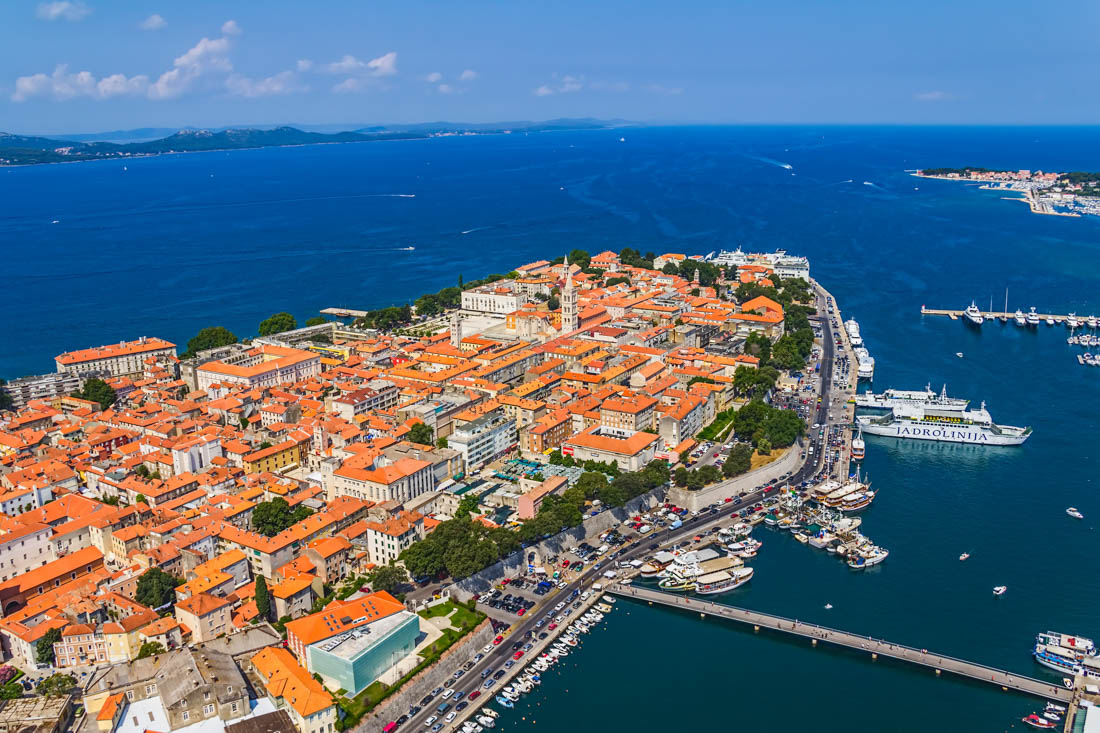 Zadar, Croatia
 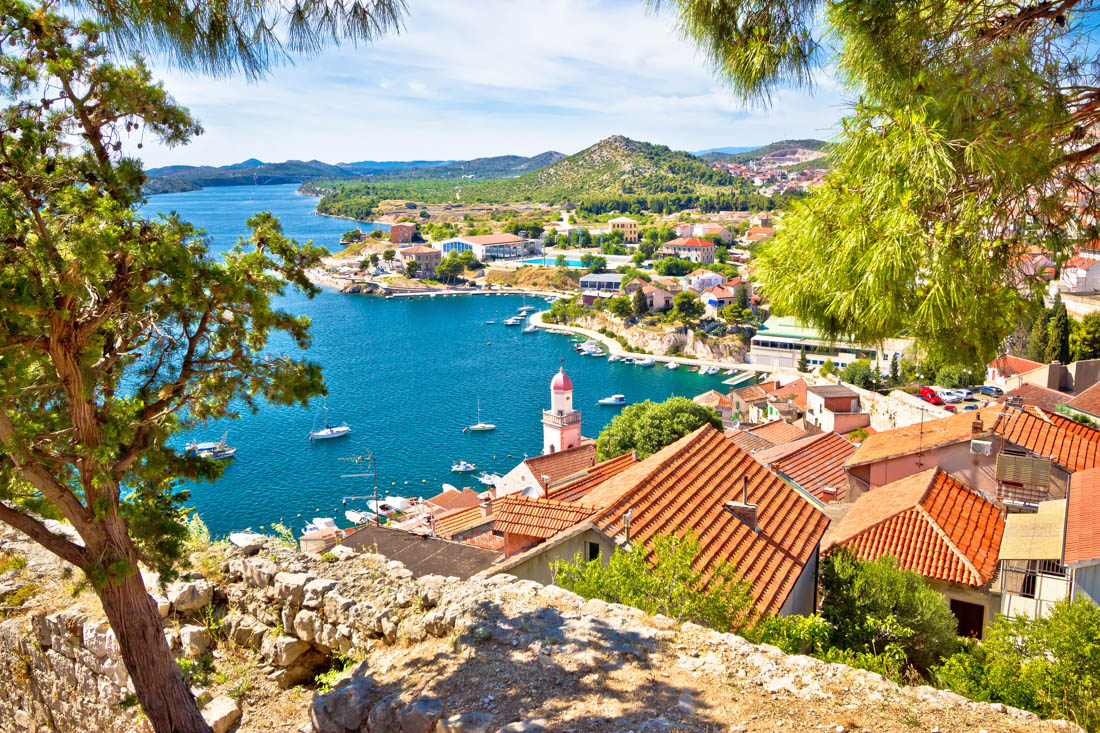 Sibenik, Croatia
 These are the overall average travel costs for the two destinations.
The average daily cost (per person) in Croatia is €148, while the average daily cost in Lithuania is €114. These costs include accommodation (assuming double occupancy, so the traveler is sharing the room), food, transportation, and entertainment. While every person is different, these costs are an average of past travelers in each country. What follows is a categorical breakdown of travel costs for Croatia and Lithuania in more detail.
Looking for a hotel in Croatia or Lithuania? Prices vary by location, date, season, and the level of luxury. See below for options and compare which is best for your budget and travel style.
Kayak helps you find the best prices for hotels, flights, and rental cars for destinations around the world. Compare prices for multiple destinations when planning your next trip.
Below are a few samples from actual travelers for transportation costs in Croatia:
Also for Croatia, here are a few examples of actual transportation services:
Some typical examples of transportation costs in Lithuania are as follows:
Also for Lithuania, here are a few examples of actual transportation services:
Prices for flights to both Lithuania and Croatia change regularly based on dates and travel demand. We suggest you find the best prices for your next trip on Kayak, because you can compare the cost of flights across multiple airlines for your prefered dates.
Here are some examples of typical meal expenses from previous travelers to Croatia:
For Croatia, here are some samples of tours and activities related to meals and dining experiences:
For Lithuania, here are some examples of average food and meal prices for travelers:
For Lithuania, here are some samples of tours and activities related to meals and dining experiences:
For Croatia, here are some examples of average entertainment and activity prices from previous travelers:
Also, here are some specific examples of entertainment, tickets, and activities for Croatia.
Below are a few sample prices from actual travelers for Lithuania's activities, tours, and tickets:
For Lithuania, here are a few prices for actual activities, tours, and tickets provided by various companies:
Also in Croatia, these are the prices for nightlife and alcohol related activities from various tour providers:
Some typical examples of the costs for nightlife and alcohol in Lithuania are as follows:
Some specific costs for nightlife related activities in Lithuania:
When we compare the travel costs of actual travelers between Croatia and Lithuania, we can see that Croatia is more expensive. And not only is Lithuania much less expensive, but it is actually a significantly cheaper destination. So, traveling to Lithuania would let you spend less money overall. Or, you could decide to spend more money in Lithuania and be able to afford a more luxurious travel style by staying in nicer hotels, eating at more expensive restaurants, taking tours, and experiencing more activities. The same level of travel in Croatia would naturally cost you much more money, so you would probably want to keep your budget a little tighter in Croatia than you might in Lithuania.
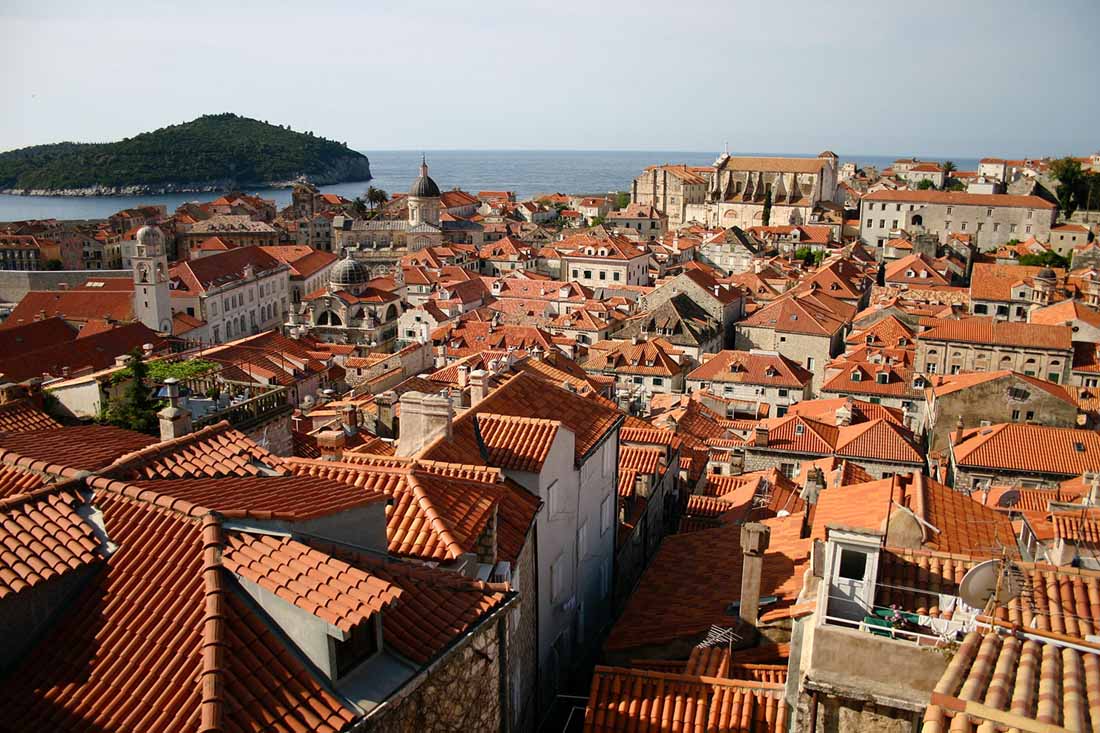 Dubrovnik
 Both destinations experience a temperate climate with four distinct seasons. And since both cities are in the northern hemisphere, summer is in July and winter is in January.
The Mediterranean climate on the Adriatic coastal areas of Croatia is hot and dry in the summer, but wet and colder in the winter. The warmer months are fantastic for travelers, beach-goers, and hikers, which is one of the many reasons why the Croatian coast is a popular destination. Winter months see lots of rain with temperatures that are cold, but not freezing. In the northern regions away from the coast, the summers are not as hot and a bit more rainy, and the winters are much colder as they experience freezing temperatures and snow.
The summer attracts plenty of travelers to both Croatia and Lithuania. Many travelers come to Croatia for the beaches, snorkeling, the hiking, and the family-friendly experiences. Also, many visitors come to Lithuania in the summer for the beaches, the hiking, and the family-friendly experiences.
In July, Dubrovnik is generally a little warmer than Vilnius. Daily temperatures in Dubrovnik average around 25°C (77°F), and Vilnius fluctuates around 18°C (65°F).
In July, Dubrovnik usually receives less rain than Vilnius. Dubrovnik gets 26 mm (1 in) of rain, while Vilnius receives 78 mm (3.1 in) of rain each month for the summer.
The autumn brings many poeple to Croatia as well as Lithuania. Many visitors come to Croatia in the autumn for the hiking trails, the shopping scene, and the natural beauty of the area. Also, most visitors come to Lithuania for the hiking trails and the natural beauty of the area during these months.
Dubrovnik is much warmer than Vilnius in the autumn. The daily temperature in Dubrovnik averages around 18°C (64°F) in October, and Vilnius fluctuates around 8°C (46°F).
Dubrovnik receives a lot of rain in the autumn. Dubrovnik usually gets more rain in October than Vilnius. Dubrovnik gets 162 mm (6.4 in) of rain, while Vilnius receives 53 mm (2.1 in) of rain this time of the year.
Both Lithuania and Croatia are popular destinations to visit in the winter with plenty of activities. Most visitors come to Croatia for the skiing, the museums, the Christmas ambience, the shopping scene, and the cuisine during these months. Also, the winter months attract visitors to Lithuania because of the museums, the Christmas ambience, and the cuisine.
The weather in Vilnius can be very cold. In the winter, Dubrovnik is much warmer than Vilnius. Typically, the winter temperatures in Dubrovnik in January average around 9°C (48°F), and Vilnius averages at about -5°C (23°F).
It's quite rainy in Dubrovnik. In January, Dubrovnik usually receives more rain than Vilnius. Dubrovnik gets 139 mm (5.5 in) of rain, while Vilnius receives 41 mm (1.6 in) of rain each month for the winter.
Both Lithuania and Croatia during the spring are popular places to visit. The spring months attract visitors to Croatia because of the beaches and the natural beauty. Furthermore, the beaches and the natural beauty are the main draw to Lithuania this time of year.
In April, Dubrovnik is generally much warmer than Vilnius. Daily temperatures in Dubrovnik average around 14°C (57°F), and Vilnius fluctuates around 7°C (45°F).
It rains a lot this time of the year in Dubrovnik. Dubrovnik usually gets more rain in April than Vilnius. Dubrovnik gets 104 mm (4.1 in) of rain, while Vilnius receives 46 mm (1.8 in) of rain this time of the year.
| Dubrovnik | Vilnius | |||
|---|---|---|---|---|
| Temp (°C) | Rain (mm) | Temp (°C) | Rain (mm) | |
| Jan | 9°C (48°F) | 139 mm (5.5 in) | -5°C (23°F) | 41 mm (1.6 in) |
| Feb | 10°C (50°F) | 125 mm (4.9 in) | -4°C (26°F) | 38 mm (1.5 in) |
| Mar | 11°C (52°F) | 104 mm (4.1 in) | 1°C (33°F) | 39 mm (1.5 in) |
| Apr | 14°C (57°F) | 104 mm (4.1 in) | 7°C (45°F) | 46 mm (1.8 in) |
| May | 18°C (64°F) | 75 mm (3 in) | 14°C (57°F) | 62 mm (2.4 in) |
| Jun | 22°C (72°F) | 48 mm (1.9 in) | 17°C (63°F) | 77 mm (3 in) |
| Jul | 25°C (77°F) | 26 mm (1 in) | 18°C (65°F) | 78 mm (3.1 in) |
| Aug | 25°C (77°F) | 38 mm (1.5 in) | 18°C (64°F) | 72 mm (2.8 in) |
| Sep | 22°C (72°F) | 101 mm (4 in) | 13°C (56°F) | 65 mm (2.6 in) |
| Oct | 18°C (64°F) | 162 mm (6.4 in) | 8°C (46°F) | 53 mm (2.1 in) |
| Nov | 14°C (57°F) | 198 mm (7.8 in) | 2°C (36°F) | 57 mm (2.2 in) |
| Dec | 11°C (52°F) | 178 mm (7 in) | -2°C (29°F) | 55 mm (2.2 in) |
 Budget Your Trip is all about finding out how much everything costs so that you can travel cheaper and longer. Created by avid travelers Laurie and Bryan, our goal is to help you plan your next trip on the right budget. With average daily travel costs that are calculated from the budgets of real travelers, plus an analysis of hotel and tour prices, you can find out how much money you need to plan your next adventure. We also have plenty of travel advice, accommodation reviews, and activity suggestions.
Some of the links on this website are sponsored or affiliate links which help to financially support this site. By clicking the link and making a purchase, we may receive a small commission, but this does not affect the price of your purchase.