Packing for Europe can feel surprisingly tricky. One day you might be walking through a historic city center, the next you might be catching a train, climbing hotel stairs, visiting a cathedral, heading to the beach, or squeezing your bag into the overhead rack on a budget airline.
The good news is that you do not need to pack everything. In fact, packing lighter usually makes a trip to Europe much easier. Smaller luggage is easier to carry through train stations, old city streets, metro systems, and hotels without elevators. A smart packing list can also help you avoid baggage fees, keep your suitcase organized, and make it easier to move between destinations.
This Europe packing list covers the essentials: clothing, shoes, toiletries, electronics, documents, day bag items, seasonal advice, and a few packing tips that can save you space and stress along the way.
Quick Europe Packing Checklist
Here is a quick version of what to pack for Europe:
- Passport
- Visa or travel authorization details, if needed
- Travel insurance information
- Flight, train, hotel, and rental car confirmations
- Credit card, debit card, and a small amount of cash
- Phone and charger
- European plug adapter
- Power bank
- Comfortable walking shoes
- Weather-appropriate clothing
- Light jacket, sweater, or layer
- Toiletries in travel-size containers
- Prescription medications
- Small first-aid kit
- Day bag or crossbody bag
- Reusable water bottle
- Sunglasses
- Packing cubes
- Laundry bag
- Copies of important documents
You can adjust this list depending on the season, your destination, and the length of your trip.
Choosing the Right Luggage for Europe
Before deciding what to pack, think carefully about what kind of luggage you want to bring. Europe is not always the easiest place for large suitcases. Many older hotels and apartment rentals have narrow staircases, small elevators, uneven sidewalks, and limited storage space.
If you are visiting one city and staying in the same hotel for the whole trip, a rolling suitcase can work well. But if you are moving between several cities, taking trains, or flying on budget airlines, a smaller carry-on suitcase or travel backpack may be much easier.
Carry-On Suitcase
A carry-on suitcase is a good choice for shorter trips, city breaks, and travelers who like having structured luggage. It is easy to roll through airports and train stations, and it helps keep your clothes flatter than a backpack.
The downside is that wheels are not always convenient on cobblestone streets, stairs, or metro systems. If your hotel is in an old city center, you may end up carrying your suitcase more than expected.
Travel Backpack
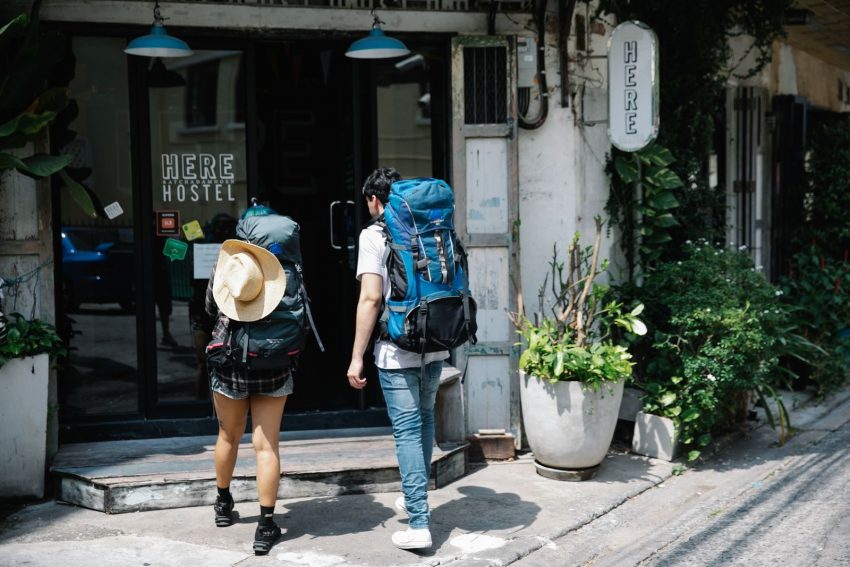
A travel backpack is useful if you are visiting multiple cities, staying in hostels, using public transportation, or walking longer distances with your luggage. It is easier to carry up stairs and across uneven streets.
The downside is that backpacks can get heavy quickly. If you choose a backpack, look for one with a comfortable hip belt, padded straps, and a suitcase-style opening so you do not have to dig through everything from the top.
Checked Suitcase
A checked suitcase can make sense for longer trips, winter travel, cruises, family trips, or travelers who need extra space. Just remember that large bags can be inconvenient in Europe, especially if you plan to use trains or public transportation.
Expert Tip: For most travelers, the best luggage for Europe is the smallest bag that comfortably fits what you truly need. If you will be “city hopping,” then bring a small rolling suitcase or a backpack, and leave the large suitcase at home.
Use Packing Cubes to Save Space and Stay Organized
Packing cubes are one of the easiest ways to keep your luggage organized on a trip to Europe. They are especially helpful if you are visiting several cities and repacking your bag every few days. Instead of digging through your suitcase every morning, you can separate your clothes into categories. For example, you might use one packing cube for shirts, one for pants or bottoms, one for underwear and socks, and one for sleepwear or swimwear. You can also use a separate cube or laundry bag for dirty clothes.
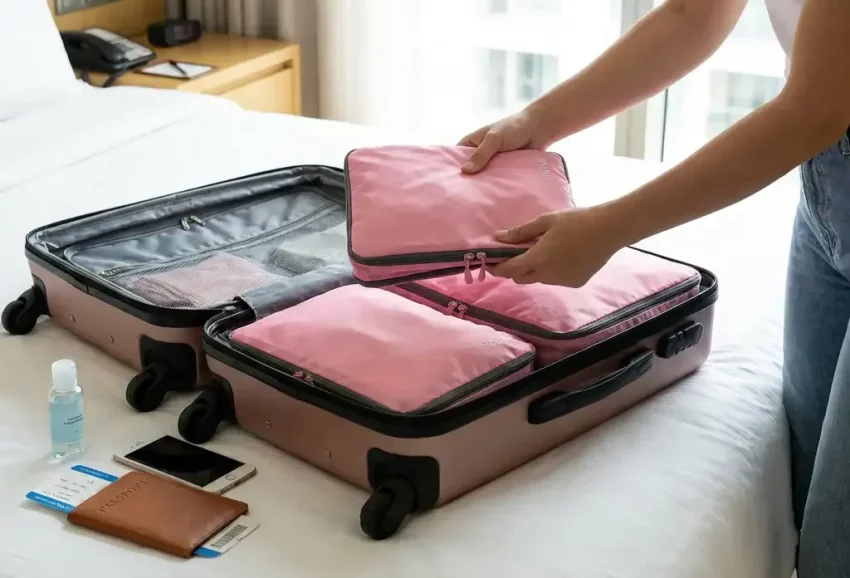
Packing cubes are useful for several reasons:
- They help compress clothing and save space.
- They keep your suitcase from becoming messy.
- They make it easier to find specific items.
- They help separate clean and dirty clothes.
- They make packing and unpacking faster.
- They are great for small hotel rooms where you may not fully unpack.
For a trip to Europe, packing cubes, such as those from BAGAIL, are especially helpful because many trips involve frequent movement. You may fly into Paris, take a train to Amsterdam, continue to Germany, and then head south to Italy or Spain. When you are changing hotels or apartments often, staying organized matters. For example, use the smaller sized cubes for underwear and socks, and the larger sizes for shirts and pants. Or, keep clean clothes in one and put your dirty clothes in another.
Clothing to Pack for Europe
The best clothing for Europe is comfortable, versatile, and easy to mix and match. You do not need a completely different outfit for every day. Instead, pack a few pieces that work together in different combinations.
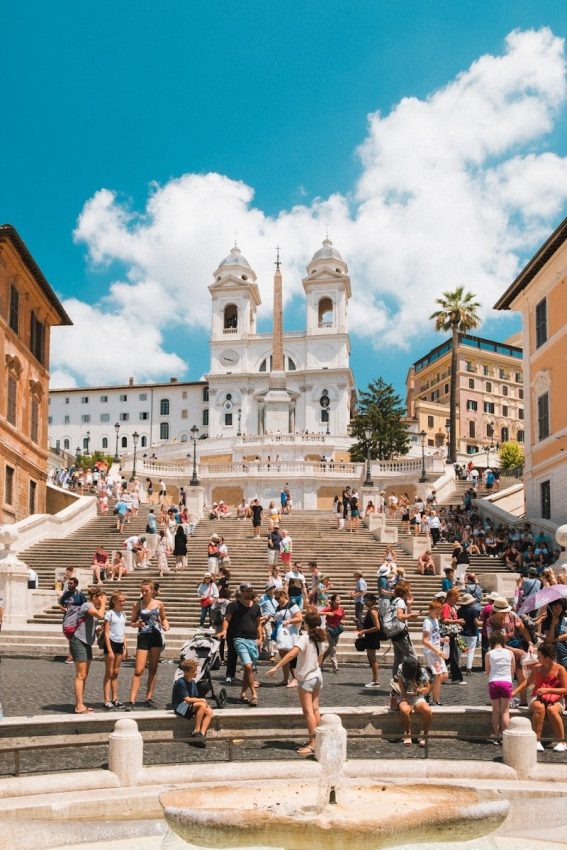
For most trips, you can pack fewer clothes than you think, especially if you plan to do laundry.
A basic Europe clothing list might include:
- 4 to 6 shirts or tops
- 2 to 3 pairs of pants, jeans, skirts, or shorts
- 1 nicer outfit for evenings, restaurants, or shows
- 1 sweater, cardigan, fleece, or light layer
- 1 jacket appropriate for the season
- Underwear
- Socks
- Sleepwear
- Swimwear, if needed
- Scarf, shawl, or light cover-up
Try to choose clothing that can be worn more than once. Neutral colors are usually easier to mix and match, but you do not have to dress in all black or beige. The goal is simply to make sure most of your tops work with most of your bottoms.
Also think about your actual itinerary. A trip to London, Paris, and Amsterdam in spring will require different clothing than a summer trip through Greece, Spain, and southern Italy. A Christmas market trip through Germany and Austria will require even warmer layers.
What to Wear in Europe
Europe is diverse, so there is no single way to dress. In general, most travelers will be comfortable with casual but neat clothing. You do not need to be overly formal, but you may want to avoid looking like you are dressed only for the gym or the beach unless you are actually doing those things.
For city sightseeing, comfortable pants, jeans, skirts, dresses, sweaters, and casual tops all work well. For restaurants, museums, churches, and evening walks, it is helpful to have at least one slightly nicer outfit.
In many European churches and religious sites, modest clothing is appreciated or required. If you are visiting cathedrals, basilicas, mosques, monasteries, or other religious landmarks, bring a scarf or light layer that can cover your shoulders if needed.
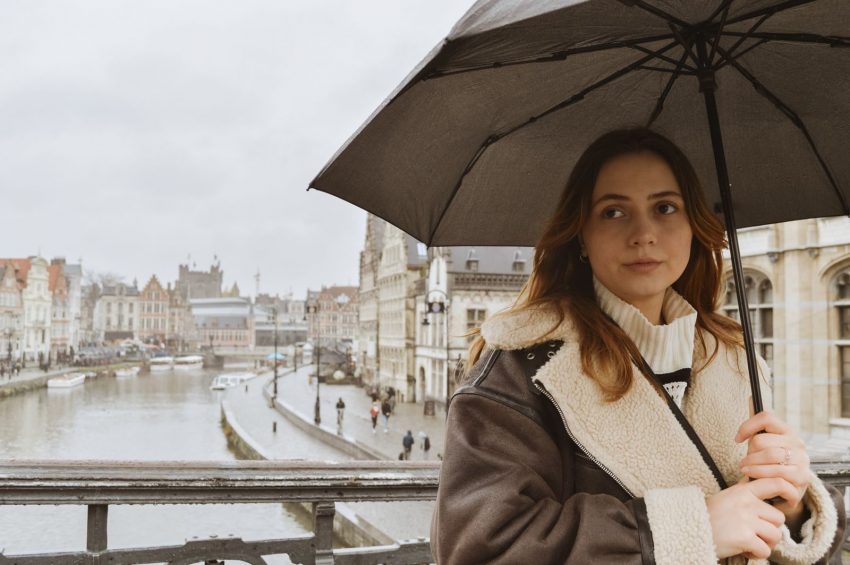
Expert Tip: In northern European countries, summer weather can be unpredictable. It could be cool and rainy at times. So, bring pants and a warmer shirt even if you’re traveling in summer, just in case.
Shoes to Pack for Europe
Shoes are one of the most important things to get right. Many European trips involve a lot of walking. Even if you do not plan to hike, you may spend hours each day walking through museums, old towns, train stations, markets, parks, and neighborhoods.
The most important rule is simple: do not bring brand-new shoes. Break them in before your trip.
For most Europe trips, consider packing:
- 1 pair of comfortable walking shoes or sneakers
- 1 pair of sandals, flats, or dressier shoes, depending on the season
- Waterproof shoes or boots for winter or rainy destinations
You probably do not need more than two pairs of shoes unless your itinerary requires something specific, such as hiking boots, beach sandals, or formal shoes.
Comfort matters more than style, but you can still choose shoes that look nice with several outfits. A clean pair of sneakers, comfortable walking shoes, or supportive flats will usually be far more useful than uncomfortable dress shoes.
If you are visiting cities with cobblestone streets, avoid flimsy shoes with thin soles. After a few hours of walking, you will feel every stone.
Toiletries and Personal Care Items
You can buy most toiletries in Europe, so there is no need to overpack. Pharmacies, supermarkets, and convenience stores are easy to find in most cities and towns.
A basic toiletries list includes:
- Toothbrush
- Toothpaste
- Deodorant
- Shampoo
- Conditioner
- Body wash or soap
- Face wash
- Moisturizer
- Sunscreen
- Razor
- Hairbrush or comb
- Makeup, if used
- Lip balm
- Feminine hygiene products
- Contact lenses or glasses
- Travel laundry detergent
- Small pack of tissues
If you are traveling carry-on only, keep your liquids in small containers. A safe rule is to use containers of 100 ml or less and place them in a clear resealable liquids bag. Some airports are changing their security technology, but rules can still vary, so it is best to check your departure and return airports before you fly.
You may also want to bring solid toiletries, such as shampoo bars, conditioner bars, or solid deodorant. These can save space in your liquids bag and reduce the chance of spills.
Expert Tip: Don’t pack a lot of toiletries! Europe has shops everywhere, and you can just buy what you need during your trip instead of carrying the extra weight with you.
Electronics and Travel Tech
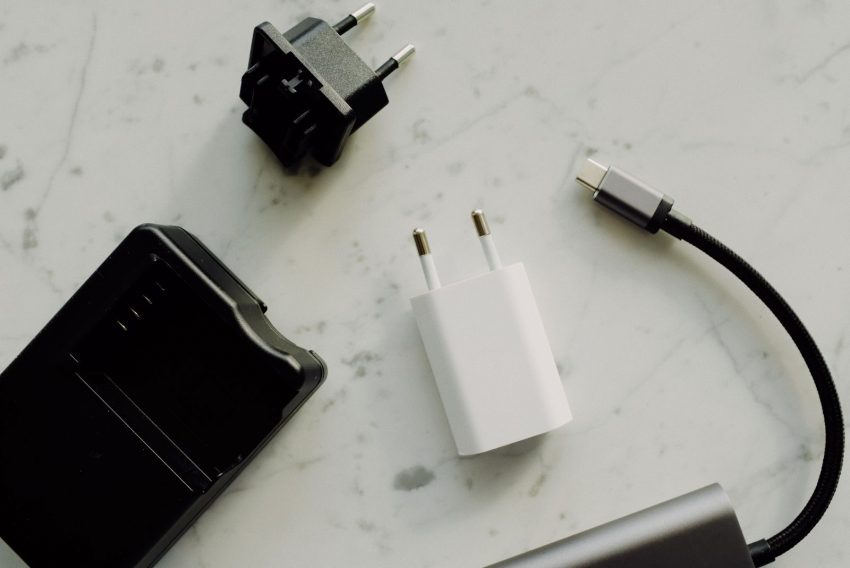
Most travelers do not need many electronics for Europe. A phone, charger, adapter, and power bank are usually enough.
Useful electronics include:
- Phone
- Phone charger
- European plug adapter
- Power bank
- Headphones or earbuds
- Camera, if needed
- E-reader or tablet
- Laptop, only if necessary
- Charging cables
- Luggage tracker, such as an AirTag or similar device
A plug adapter is essential if your devices use a different plug type. Much of mainland Europe uses Type C plugs, while the UK and Ireland use Type G plugs. If you are visiting several countries, a universal travel adapter is usually the easiest option.
Check your device voltage before bringing items like hair dryers, curling irons, or electric razors. Many modern electronics are dual voltage, but not all beauty tools are. In many cases, it is easier to use the hotel hair dryer or buy an inexpensive local item if needed.
A power bank is very useful for long sightseeing days. You may use your phone for maps, train tickets, translation apps, photos, restaurant searches, and digital payments, so the battery can drain quickly.
Important Documents and Money
Keep your most important documents organized and easy to access. You should also have digital copies stored securely online in case anything gets lost.
Bring:
- Passport
- Visa or travel authorization details, if required
- Travel insurance policy information
- Flight confirmations
- Hotel or apartment confirmations
- Train tickets
- Rental car documents, if needed
- Driver’s license
- International driving permit, if required
- Credit card
- Debit card
- Backup card
- Small amount of cash
- Emergency contact information
Most travelers can use credit cards throughout Europe, especially in cities, hotels, restaurants, and major attractions. Still, it is smart to carry a small amount of cash for markets, small shops, public bathrooms, tips, local buses, or places that do not accept cards.
Do not keep all of your cards and cash in one place. Store a backup card separately from your wallet in case your main card is lost or stolen.
If you are traveling to Europe from a visa-exempt country, keep an eye on ETIAS, the European travel authorization system scheduled to begin in the last quarter of 2026. Once it starts, many travelers who previously did not need a visa will need to apply for authorization before visiting certain European countries.
Expert Tip: International driver’s licenses, or international driving permits, are usually not needed in Europe, especially if you are from a country with modern permitting systems. This includes the U.S., Canada, Australia, and most other developed countries. So, don’t waste your money on an International Driver’s License, because major rental car companies will accept your home country’s licence.
Health, Safety, and Comfort Items
A small health and comfort kit can make your trip much easier. You do not need a full medicine cabinet, but a few basics are useful.
Consider packing:
- Prescription medications
- Pain reliever
- Allergy medicine
- Motion sickness tablets
- Bandages
- Blister pads
- Hand sanitizer
- Tissues
- Rehydration packets
- Small first-aid kit
- Earplugs
- Sleep mask
- Travel pillow for long flights or trains
If you take prescription medication, keep it in your carry-on bag rather than checked luggage. Bring enough for your full trip, plus a few extra days in case of delays.
Blister pads are especially useful in Europe. Even comfortable shoes can cause problems after several long walking days.
Day Bag Essentials for Sightseeing
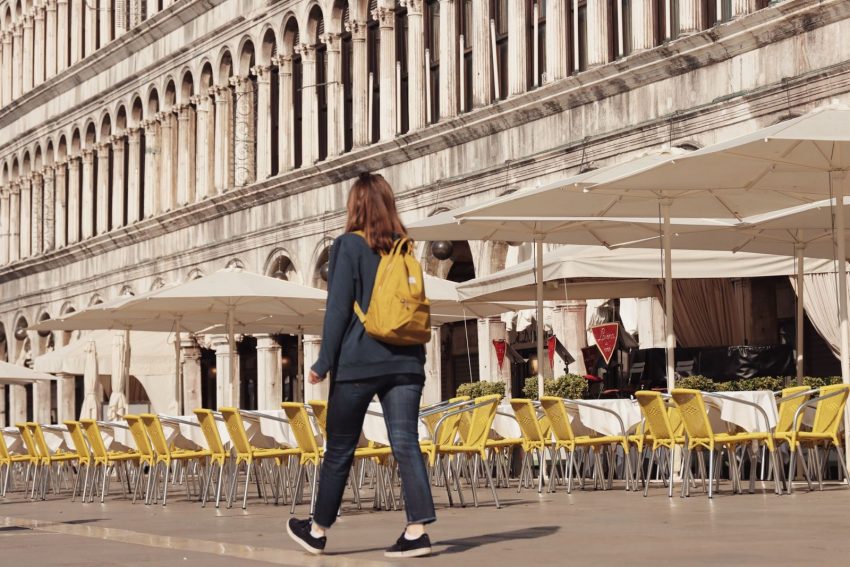
Your day bag is almost as important as your main luggage. This is the bag you will carry while sightseeing, taking day trips, visiting museums, or exploring a city.
A good day bag might include:
- Phone
- Wallet
- Water bottle
- Sunglasses
- Sunscreen
- Portable charger
- Light jacket or sweater
- Umbrella or rain jacket
- Snacks
- Copies of important documents
- Camera
- Small pack of tissues
- Hand sanitizer
- Reusable shopping bag
A small backpack, crossbody bag, or anti-theft bag can all work well. In crowded areas, keep your bag zipped and close to your body. Busy train stations, markets, public transportation, and major tourist sights are places where you should be extra aware of your belongings.
In most cases, you do not need to carry your passport with you every day unless local rules or specific activities require it. A copy of your passport may be enough for casual sightseeing, while the original can stay locked in your hotel safe or secure accommodation.
Seasonal Packing Tips for Europe
Europe’s weather changes a lot by region and season. Northern Europe, the Mediterranean, mountain areas, and central European cities can all feel very different at the same time of year.
Packing for Europe in Spring
Spring can be beautiful, but the weather is often unpredictable. You may have warm sunny days, chilly mornings, and rain.
Pack:
- Light layers
- Sweater or cardigan
- Rain jacket or compact umbrella
- Comfortable walking shoes
- Jeans or pants
- A few short-sleeve and long-sleeve tops
Spring is a good time to pack clothing that can be layered. A lightweight jacket and sweater will usually be more useful than one heavy coat.
Packing for Europe in Summer

Summer in Europe can be hot, especially in southern destinations like Italy, Spain, Greece, Portugal, Croatia, and southern France.
Pack:
- Lightweight tops
- Shorts, skirts, dresses, or breathable pants
- Comfortable sandals
- Walking shoes
- Swimwear
- Hat
- Sunglasses
- Sunscreen
- Light scarf or cover-up
- Reusable water bottle
Even in summer, you may want a light sweater or jacket for evenings, air-conditioned trains, mountain areas, or northern destinations.
If you are visiting churches or religious sites, bring clothing that covers your shoulders and is not too revealing. A scarf or shawl can be very useful.
In the summer months, southern Europe can be extremely hot. however, in northern European countries, expect inconsistent weather that can change frequently in the summer. Sometimes it can be warm and then a few days of cold rain can blow through. This includes the UK, Ireland, Netherlands, Belgium, Denmark, Norway, and Scandinavian countries. Planning for a bit of everything can lead to a more enjoyable trip.
Packing for Europe in Fall
Fall can be one of the best times to visit Europe, but temperatures vary. Early fall may still feel like summer in southern Europe, while late fall can be cold and rainy in the north.
Pack:
- Layers
- Sweater or fleece
- Light to medium jacket
- Comfortable closed-toe shoes
- Rain jacket or umbrella
- Jeans or pants
- Scarf
Packing for Europe in Winter
Winter packing depends heavily on your destination. A winter trip to Spain or Portugal is very different from a trip to Germany, Austria, Switzerland, Scandinavia, or the Alps.
Pack:
- Warm coat
- Sweaters
- Thermal base layers
- Hat
- Gloves
- Scarf
- Warm socks
- Waterproof shoes or boots
- Comfortable pants
- Compact umbrella
Winter clothing can take up a lot of space, so focus on layers. Thermal base layers, a warm sweater, and a good coat are often better than packing several bulky items.
Wear your heaviest coat and shoes on the plane to save luggage space.
Packing for Different Types of Europe Trips
The best packing list also depends on the kind of trip you are taking.
Packing for a 1-Week Europe Trip
For one week in Europe, you can usually pack carry-on only. Bring enough clothing for about five to seven days, or plan to re-wear a few items.
A simple one-week packing list might include:
- 5 tops
- 2 bottoms
- 1 nicer outfit
- 1 sweater or light layer
- 1 jacket
- 7 pairs of underwear
- 5 to 7 pairs of socks
- 1 to 2 pairs of shoes
- Toiletries
- Electronics
- Travel documents
- Day bag
- Packing cubes
Packing for 2 Weeks in Europe
For two weeks in Europe, do not simply double your packing list. Instead, pack for about one week and plan to do laundry.
A two-week packing list might include:
- 6 to 7 tops
- 3 bottoms
- 1 to 2 nicer outfits
- 1 to 2 sweaters or layers
- 1 jacket
- 7 to 10 pairs of underwear
- 5 to 7 pairs of socks
- 1 to 2 pairs of shoes
- Laundry detergent sheets
- Packing cubes
- Toiletries
- Electronics
- Day bag
Many hotels, apartments, hostels, and laundromats make it possible to wash clothes during your trip. Doing laundry once can save a lot of luggage space. Laundry services are also available for an extra fee, but it can be worth it to save time.
Packing for a Europe Backpacking Trip
If you are backpacking through Europe, keep your packing list as light as possible. You may carry your bag through train stations, hostels, metro systems, and long walks between accommodations.
Focus on:
- Lightweight clothing
- Quick-dry fabrics
- Comfortable shoes
- Minimal toiletries
- Small towel, if staying in hostels
- Padlock
- Packing cubes
- Laundry bag
- Power bank
- Universal adapter
Avoid bringing anything you would be annoyed to carry for 20 minutes.

Packing for a Mediterranean Summer Trip
For destinations like Greece, Italy, Spain, Croatia, Malta, or southern France, focus on lightweight clothing and sun protection.
Pack:
- Breathable tops
- Shorts, skirts, or dresses
- Swimwear
- Sandals
- Walking shoes
- Hat
- Sunglasses
- Sunscreen
- Light scarf or cover-up
- Beach bag or packable tote
Even on a beach-focused trip, bring one comfortable outfit for sightseeing and one slightly nicer outfit for dinner.
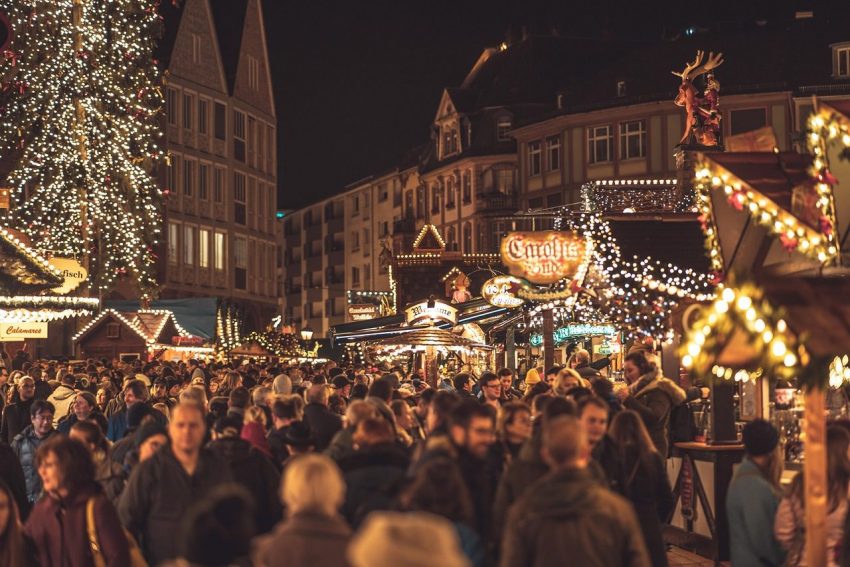
Packing for a Winter Christmas Market Trip
For Christmas markets in Germany, Austria, France, Belgium, the Czech Republic, or nearby countries, warmth matters more than variety.
Pack:
- Warm coat
- Hat, gloves, and scarf
- Thermal base layers
- Sweaters
- Warm socks
- Waterproof shoes or boots
- Crossbody bag
- Portable charger
You will likely spend a lot of time standing and walking outside, often in cold weather. Warm shoes and socks are especially important.
Expert Tip: Most people in Europe dress casually, especially in winter. Everyone is wearing layers, winter coats, jeans, and sneakers or comfortable waterproof shoes. Don’t feel the need to dress nice, just relax and bring clothes for the weather.
What Not to Pack for Europe
Overpacking is one of the most common Europe travel mistakes. You probably do not need as much as you think.
Avoid packing:
- Too many shoes
- Full-size toiletries
- Heavy guidebooks
- Large towels
- Expensive jewelry
- Too many electronics
- Clothes you will only wear once
- A separate outfit for every day
- Bulky luggage
- “Just in case” items for unlikely situations
Remember that Europe has shops, pharmacies, supermarkets, and clothing stores. If you forget something small, you can usually buy it during your trip. (And it might even be cheaper than if you bought it at home.)
Tips for Packing Light for Europe
Packing light does not mean packing poorly. It means packing intentionally.
Here are a few simple rules:
Choose clothes that mix and match. Pack tops and bottoms that can be combined in several ways.
Plan to do laundry. For trips longer than one week, doing laundry once can save a lot of space.
Wear bulky items on the plane. Wear your heaviest shoes, jacket, or sweater while traveling.
Use packing cubes. They help compress clothing and keep your bag organized.
Limit shoes. Shoes take up a lot of space. Most travelers only need one or two pairs.
Pack for your real itinerary. Do not pack for every possible activity. Pack for what you are actually likely to do.
Leave space for souvenirs. If you plan to shop, leave some room in your bag or bring a packable tote.
Pack Less and Enjoy Europe More
The best Europe packing list is not the longest one. It is the one that helps you travel comfortably without carrying too much.
For most trips, focus on comfortable walking shoes, versatile clothing, useful layers, travel-size toiletries, essential electronics, important documents, and a good day bag. Add packing cubes to keep everything organized, especially if you are visiting several cities or trying to travel with carry-on luggage only.
Europe is easier to enjoy when you are not dragging around a heavy suitcase, searching through a messy bag, or worrying about what you forgot. Pack smart, leave a little extra space, and remember that the goal is not to be prepared for every possible situation.
The goal is to have what you need, stay comfortable, and enjoy the trip.

Bryan has visited 61 countries, which is exactly one more country than his wife, and she won’t let him forget it! Also an avid photographer, he enjoys entrenching himself within the local culture in order to learn more about the people of a place. He is the co-founder of Budget Your Trip and loves a good adventure, an exotic meal, or a passionate conversation about global events. And he also loves to find out how much stuff costs, which is why he and his wife started Budget Your Trip.
Sign up to our email newsletter to receive sales, deals, and discounts from major travel companies!