Cruise prices can shift dramatically depending on where you’re headed, which port you sail from, the time of year, your cabin choice and what’s actually included in the fare. Some routes will cost considerably more than others, but plenty of destinations suit travellers who want to see several places in one go without the faff of booking separate hotels, transfers and trains between each stop. If you’re thinking further ahead, browsing 2027 cruise holidays is a decent way to get a feel for which regions, routes and travel windows might realistically fit your budget.
Getting a genuinely affordable cruise isn’t simply a matter of grabbing the lowest headline price. A fare that looks like a bargain can quietly balloon once you factor in flights, drinks packages, excursions, gratuities, Wi-Fi, port transfers and travel insurance. Equally, a slightly pricier fare might stretch further if it departs from a convenient port, covers more meals or cuts out transport costs you’d otherwise pay separately. What counts as cheapest really depends on where you’re travelling from, how flexible you can be with dates and how freely you plan to spend once ashore.
The Mediterranean
For European travellers, the Mediterranean is often one of the most accessible cruise regions going. There are routes and departure ports to suit almost any itinerary length, with ships calling at Spain, Italy, France, Greece, Croatia, Malta and Turkey. Competition is fierce and a huge number of ships operate there, which tends to create real variety in pricing. Travelling in spring or autumn rather than the height of summer can bring costs down while still offering pleasant weather across most of the region.
Flights can throw the budget off, though. A cruise departing from Barcelona, Rome or Athens might carry a very reasonable fare, but you need to tally up return flights, airport transfers, baggage fees and any overnight stay before you sail. Port spending varies too, some cities are easy to wander on foot or hop between by public transport, while others will nudge you towards paid transfers or organised tours.

The Canary Islands
The Canary Islands are a practical choice if you want warm weather without committing to a long-haul flight. Most itineraries take in Tenerife, Gran Canaria, Lanzarote or Fuerteventura, sometimes with Madeira, Morocco or mainland Spain included. The shorter flight time from the UK compared with heading to the Caribbean can make a meaningful difference to what you actually spend overall.
Many of the ports are also genuinely manageable without splashing out on excursions. Depending on where you dock, it’s often possible to reach beaches, local markets, viewpoints and decent restaurants entirely independently. That kind of flexibility keeps daily spending far more predictable. Prices climb during school holidays and the winter sun period, so sailing outside those windows opens up more options. It’s also worth checking whether your cruise starts in the islands or departs from mainland Europe, as that affects flight and hotel costs considerably.
Northern Europe
Northern Europe doesn’t immediately suggest budget cruising, but it can be surprisingly cost-effective in the right circumstances, particularly for anyone who can reach a departure port without flying. Routes might take in the Netherlands, Belgium, Germany, Norway, Denmark, Sweden or the Baltic states. For UK travellers, no-fly cruises from British ports remove the need for flights, airport hotels and hold luggage fees entirely, making the total cost far easier to calculate upfront.
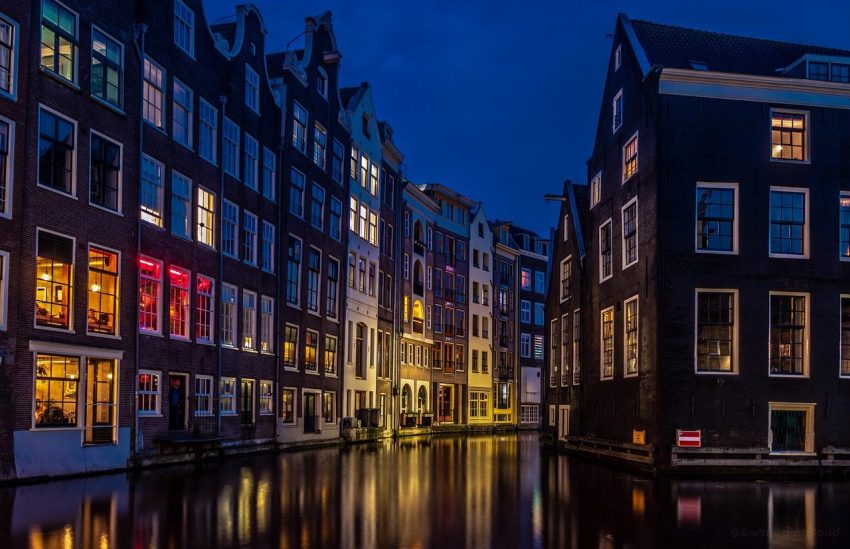
Once ashore, especially in Scandinavia, things can get expensive quickly. Food, drinks and paid activities often cost significantly more than in the Mediterranean. Looking for itineraries with walkable ports, free attractions and reliable public transport helps considerably. A day in Amsterdam or Copenhagen needn’t be costly if you plan around walking routes, local markets and the tram rather than a string of ticketed tours.
The route of the cruise is often what determines that overall cost. Cruises through and into Norway’s fjords are quite expensive, while cruises that dock at major cities along the coast of Norway are often significantly less expensive. This is true for many of the routes around northern Europe: the ports of call affect the overall costs. So, paying attention to the routes, ports, and destinations can make a huge difference in your budget.

Short cruises from local ports
Short cruises are one of the more approachable ways to try cruising without spending a fortune. Typically running two to five nights, these itineraries often visit nearby ports from the origin. For example, a cruise leaving from England will visit nearby ports in France, Belgium, the Netherlands or the Channel Islands. Cruises leaving from the southern cities of the U.S. will visit the Bahamas and Jamaica, and sometimes even other ports in Florida. Fewer nights and less distance travelled generally mean a lower total fare, and you’ll naturally spend less on drinks and onboard extras simply by being away for less time. If the departure port is close to home, you’ve already saved on transport before you’ve even packed.
The caveat is that cost per night isn’t always particularly low. Short breaks are popular around weekends and holidays, which can push prices up. They’re still worth considering, but compare them against longer itineraries rather than assuming they’re automatically the better deal, especially on a per-day cost basis.
Repositioning cruises
Repositioning cruises happen when ships relocate between regions at the change of season, moving from the Mediterranean to the Caribbean, for example, or from Northern Europe down to warmer waters. Per-night fares can be notably lower on these sailings, partly because they involve more sea days and less conventional routing. If your schedule is flexible, they can be genuinely interesting and unusually good value, particularly for anyone happy to treat time at sea as part of the experience.
The costs need careful thought, though. Most repositioning cruises start and finish in different places, so one-way flights are usually unavoidable. Insurance for longer trips tends to cost more, and additional hotel nights at either end often need budgeting for. The low headline fare is real, but it’s only part of the picture.
The Caribbean
The Caribbean carries a reputation for being expensive, but it can still represent decent value when approached carefully. The sheer volume of ships and itineraries operating from ports such as Miami, Barbados and San Juan means pricing varies widely by date, route and ship. (The winter months tend to be the most expensive in this region.) For European travellers, the biggest hurdle is almost always the flight, long-haul airfare and associated costs add up quickly. Once there, though, a cruise is a convenient way to visit several islands without cobbling together ferries and internal flights independently. What you spend ashore varies enormously by island and country, and careful choices around beaches, transport and eating locally can keep daily costs far more manageable.
Choosing the right destination
There’s no single cheapest destination that works for everyone. A traveller sailing from Southampton might find a no-fly Northern Europe cruise beats a fly-cruise to Greece on total cost, while someone based near a Mediterranean port could easily find the opposite. And U.S. travelers have their own airfare advantages and disadvantages depending on their destination, too. The only reliable approach is to cost everything, transport to the port, pre- or post-cruise accommodation, onboard extras, excursions, insurance and currency costs. Think about how easy each port is to explore without paying for tours. Flexibility with dates, shoulder seasons and less obvious itineraries can all bring costs down meaningfully. The numbers just need to be clear before you commit.

Bryan has visited 61 countries, which is exactly one more country than his wife, and she won’t let him forget it! Also an avid photographer, he enjoys entrenching himself within the local culture in order to learn more about the people of a place. He is the co-founder of Budget Your Trip and loves a good adventure, an exotic meal, or a passionate conversation about global events. And he also loves to find out how much stuff costs, which is why he and his wife started Budget Your Trip.
Sign up to our email newsletter to receive sales, deals, and discounts from major travel companies!