A family trip to France can easily become a checklist of famous sights. The Eiffel Tower, the Louvre, Versailles, Mont Saint-Michel, the French Riviera, and the grand boulevards of Paris are all iconic for a reason. They are beautiful, historic, and memorable. But for families traveling with teens, France becomes even more rewarding when the trip goes beyond the biggest attractions and begins to feel more connected to real French life.
Teenagers are often ready for a deeper kind of travel. They can appreciate history, food, language, art, architecture, and regional identity in ways younger children may not. They can compare cultures, notice differences in daily routines, ask questions about the past, and understand that a country is not just a collection of monuments. France is especially good for this kind of trip because every region has its own personality. Paris is only one version of France. Provence, Brittany, Normandy, Alsace, the Dordogne, Burgundy, the Loire Valley, the Basque Country, and the French Riviera all offer different food traditions, landscapes, accents, architecture, and cultural rhythms.
Some of the best travel memories for teens happen when they are invited to participate rather than simply observe. They might order lunch in French at a café, browse a Provençal market in Antibes or Aix-en-Provence, compare half-timbered villages in Alsace, learn about medieval history in Sarlat or Bayeux, take a cooking class in Brittany, visit an art museum in Antibes, or walk the coastline around Cap d’Antibes. These experiences give teens a more personal relationship with the destination. They are not just being shown France; they are learning how to engage with it.
This kind of trip is not about skipping the famous places entirely. The Louvre, the Eiffel Tower, Versailles, and the major landmarks can absolutely be part of a family trip. The key is balance. A meaningful family trip to France should include both the major highlights and the slower cultural experiences that help teens understand the country more fully. A château is more interesting when paired with a village market. A museum becomes more memorable when connected to the landscape or artist who inspired it. A city feels more alive when teens can speak a few words of the language, try the local food, and understand how people live there today.
A culturally focused family trip to France encourages families to slow down, choose fewer bases, and experience the country through food, language, small towns, markets, museums, festivals, and hands-on activities. It gives teens room to be curious and independent while still traveling as a family. It can also make the trip feel less rushed and more rewarding for parents, because the experience becomes less about managing logistics and more about discovering a place together.
Here are some of the best ways to plan a family trip to France that goes beyond Paris and the big attractions.
Why Choose a More Cultural Family Trip to France?
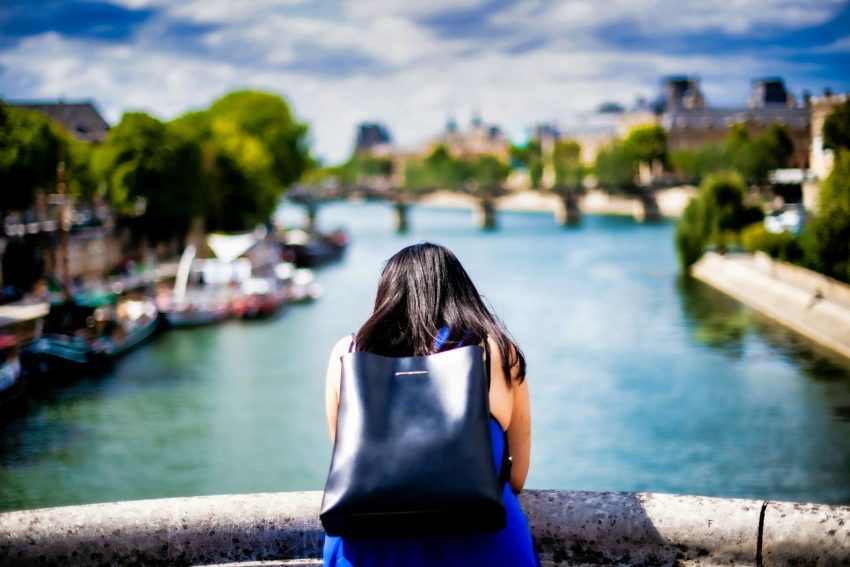
France is one of the world’s most popular travel destinations, but many first-time visitors experience it in a very compressed way. They spend a few days in Paris, visit the major monuments, maybe take a side trip to Versailles, then rush south to the Riviera or west to Mont Saint-Michel. That kind of trip can be exciting, but it can also feel crowded, expensive, and exhausting. For families with teens, it may leave very little time for meaningful cultural connection.
A more cultural trip takes a different approach. Instead of asking, “How many famous places can we fit in?” it asks, “How can our family understand what life feels like here?” This shift changes the entire experience. A market visit becomes just as valuable as a museum. A small-town stay becomes part of the education. A cooking class, local festival, language lesson, or regional food experience becomes a way to see France as a living culture rather than a set of postcard images.
Teens are especially well suited to this kind of travel because they can engage with ideas. They may be interested in how Roman history shaped Provence, why Normandy is so closely connected to World War II, how Alsace reflects both French and German influences, or why Antibes has long attracted artists, writers, and travelers to the Mediterranean coast. They can also understand that French culture is not one single thing. The language, food, architecture, and traditions change as you move from Brittany to Burgundy, from the Dordogne to the Basque Country, or from Paris to Provence.
A cultural trip also helps teens become more thoughtful travelers. They learn how to behave in a bakery, how to greet shopkeepers, how to read a train schedule, how to compare regional foods, and how to navigate places that may not be built entirely around tourists. These are practical skills, but they are also cultural lessons. Travel becomes a way to build confidence, independence, and curiosity.
For parents, the benefit is not just educational. It is also practical. Slower, more immersive travel often reduces stress. Instead of moving hotels every night, you can stay longer in one region and build a rhythm. Teens can have some independence in a walkable town, families can return to favorite cafés or markets, and everyone has time to rest between bigger activities.
The goal is not to avoid famous sights. The goal is to make space for deeper experiences alongside them. A teen may appreciate Versailles more after visiting a smaller château in the Loire Valley. The Louvre may feel more meaningful after exploring art in Antibes, Arles, or Provence. Paris can be more exciting when it is not expected to represent all of France. The more teens see of regional France, the more they understand how varied and layered the country really is.
Choose Fewer Places and Stay Longer
One of the best ways to create a richer family trip to France is to choose fewer places and stay longer in each one. This is especially important with teens. Older kids can handle more complicated travel days than young children, but that does not mean they want to spend the whole trip packing bags, sitting in trains, and checking in and out of hotels. Constant movement can make France feel like a blur.
Staying longer in one region allows the place to become familiar. Your family starts to learn the layout of the town. You find the bakery you like, the café with good coffee, the market square, the supermarket, the train station, the best place for ice cream, and the walk you enjoy after dinner. Teens can begin to recognize patterns: when shops close, how meals are paced, how people greet each other, how public squares are used, and how different French towns feel from one another.
This kind of familiarity is part of cultural immersion. Culture is not only found in museums and monuments. It is found in repetition and routine. Buying bread in the morning, returning to the same market, walking through a town at different times of day, and noticing how local life changes from weekday to weekend all help teens understand France more deeply.
A regional base can also make the trip more enjoyable. In the Dordogne, a town like Sarlat-la-Canéda offers medieval streets, food markets, nearby castles, and access to prehistoric sites. In the Loire Valley, Amboise or Saumur can work well for châteaux, river walks, cycling, and history. In Normandy, Bayeux offers a manageable base with medieval character, the famous tapestry, and access to D-Day sites. In Alsace, Colmar, Eguisheim, Riquewihr, or Kaysersberg introduce teens to colorful half-timbered architecture, regional food, vineyards, and a culture shaped by its position near Germany.
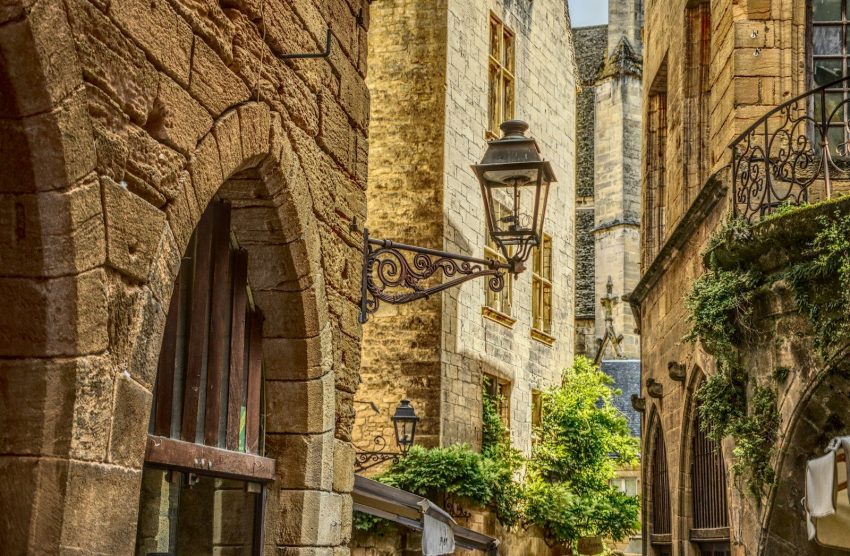
In Provence, towns such as Arles, Saint-Rémy-de-Provence, L’Isle-sur-la-Sorgue, Uzès, and Roussillon offer markets, Roman sites, art history, local crafts, and landscapes that feel very different from Paris. On the French Riviera, Antibes is a useful example of a destination that combines coastal beauty with cultural depth. It has an old town, a Provençal market, the Picasso Museum, historic ramparts, Port Vauban, and access to coastal walks around Cap d’Antibes. For families with teens, this mix can be ideal: culture, language, beaches, cafés, art, and independence all in one area.
Staying longer also gives teens a chance to develop ownership of the trip. Instead of being pulled from one famous attraction to another, they can help choose how to spend time in a place they are beginning to understand. One teen might want to explore a market or photograph old streets. Another might prefer a coastal walk, museum, cycling route, or food experience. When the destination becomes familiar, teens can participate in planning rather than simply following.
This approach can also help with costs. Apartment rentals, gîtes, guesthouses, or family-friendly hotels outside the most expensive areas may offer better value than constantly changing accommodations. Having access to a kitchen lets families shop at markets and prepare simple meals, which can save money and create more cultural experiences at the same time.
The main idea is simple: France rewards depth. A week in one region can be more meaningful than a rushed trip through five. Teens are old enough to notice this. They may remember the feeling of living in a place, even briefly, more than the number of attractions they checked off.
Make Food a Cultural Activity
Food is one of the best ways for teens to engage with French culture. It is immediate, sensory, social, and regional. It also gives teens a way to understand that France is not one uniform destination. What you eat in Brittany is different from what you eat in Provence, Normandy, Alsace, Burgundy, the Dordogne, or the Basque Country.
Start with the basics: the bakery, the market, the café, and the regional specialty. A morning visit to a boulangerie can become a daily ritual. Teens can learn how to order a baguette, croissant, pain au chocolat, brioche, or sandwich. They can compare bakeries, notice prices, try different pastries, and begin to understand how important bread is in everyday French life.
Markets are even better. A French market gives teens a vivid introduction to local food culture. In places like Sarlat, Aix-en-Provence, Arles, Antibes, Annecy, Bayeux, or Colmar, markets are not just shopping opportunities; they are social and cultural spaces. Teens can see how people buy produce, cheese, seafood, olives, flowers, spices, honey, and prepared foods. They can practice reading signs, comparing prices, and asking basic questions in French.
A market picnic is one of the easiest and most enjoyable family meals in France. Buy bread, fruit, cheese, olives, pastries, charcuterie, or regional snacks, then eat in a park, by a river, on a beach, or near a historic square. This gives teens a degree of choice and independence. It also helps them understand food as part of daily life rather than just something ordered from a restaurant menu.
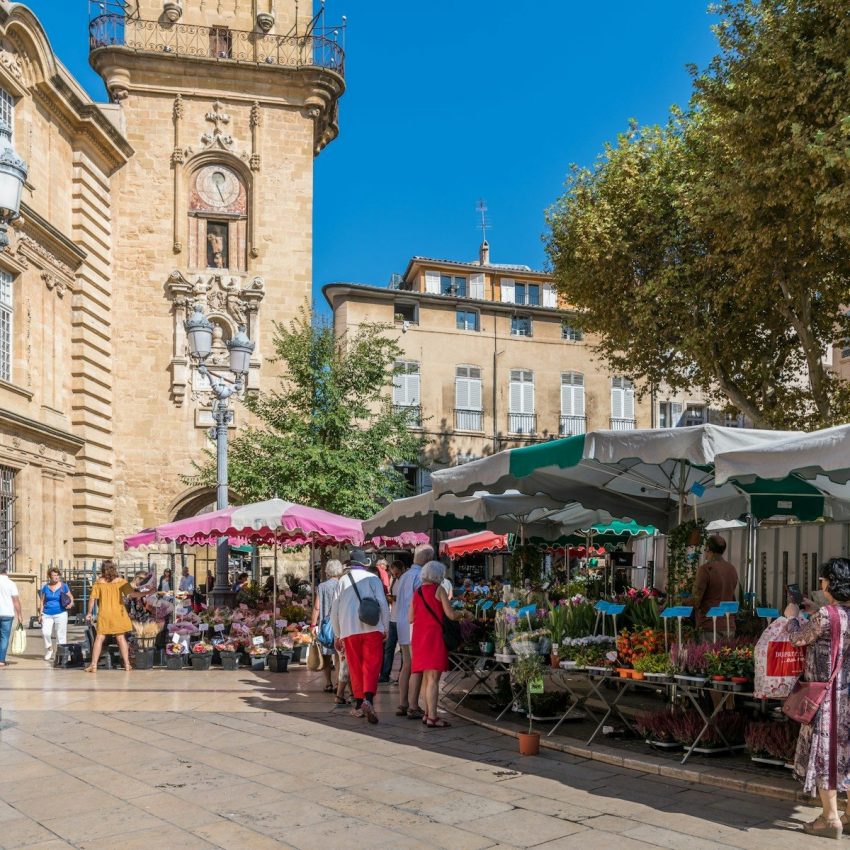
Regional food makes the experience more educational. In Brittany, teens might try crêpes, galettes, salted butter caramel, seafood, and cider culture. In Normandy, they can learn about apples, cream, Camembert, Livarot, and coastal cooking. In Alsace, tarte flambée, pretzels, kougelhopf, sausages, and Christmas market foods reflect the region’s borderland identity. In Provence, markets are filled with olives, herbs, tomatoes, tapenade, lavender honey, and olive oil. In the Dordogne, walnuts, strawberries, duck dishes, and market foods shape the region’s culinary personality. In Burgundy, towns like Beaune and Dijon connect food with wine culture, mustard, markets, and historic trade routes.
For teens, food can also become a lens for history and geography. Why is seafood so important in Brittany, Normandy, and the Atlantic coast? Why does Alsatian food feel different from Provençal food? Why do Mediterranean regions use more olive oil and herbs? Why are cheese traditions so closely tied to rural landscapes? These questions help turn meals into cultural learning.
Hands-on food experiences are especially effective. A cooking class, pastry workshop, chocolate class, crêpe-making lesson, cheese tasting, or market tour can work well for teens because they are old enough to understand technique and context. They can learn how ingredients are chosen, how recipes vary by region, and how food traditions are passed down.
Restaurants can also be educational, especially if teens are involved in choosing them. A casual crêperie in Brittany, a seafood restaurant in La Rochelle or Saint-Malo, a Provençal bistro in Saint-Rémy, a Basque restaurant in Bayonne or Saint-Jean-de-Luz, or a traditional Alsatian winstub near Colmar can all teach something about place. Encourage teens to read menus, identify unfamiliar dishes, and choose at least one regional specialty during the trip.
The goal is not to pressure teens into loving every new food. The goal is to help them notice, compare, and try. Even a hesitant eater can learn from a market, a bakery, or a cooking class. Food makes culture tangible, and in France, it is one of the most accessible ways for families to experience regional identity.
Learn a Little French Together
Language can transform a family trip to France, especially for teens. Younger children may enjoy learning a few words, but teens can go further. They can understand the social importance of greetings, read signs and menus, practice real interactions, and appreciate how language shapes culture. Even a small amount of French can make the trip feel more connected and respectful.
Start with practical language before the trip. Teens should know basic greetings and polite phrases such as “bonjour,” “bonsoir,” “merci,” “s’il vous plaît,” “au revoir,” and “je voudrais.” These may seem simple, but they matter. In France, saying “bonjour” when entering a shop, bakery, café, or small business is an important part of everyday etiquette. It is not just a translation of “hello”; it is a social signal that acknowledges the person you are speaking to.
Teens can also learn useful travel phrases: how to order food, ask for the bill, buy train tickets, ask where something is, or say they do not speak much French. This gives them more confidence and independence. A teen who can order a pastry, ask for water, buy a ticket, or greet a shopkeeper begins to feel less like a tourist being managed by parents and more like a traveler participating in the experience.
Language missions work well for teens. Give them small, real-world challenges: order breakfast in French, ask for directions, read a menu without translating every word, buy fruit at a market, identify regional food terms, or use French when checking into an activity. These tasks are practical, low-pressure, and rewarding.
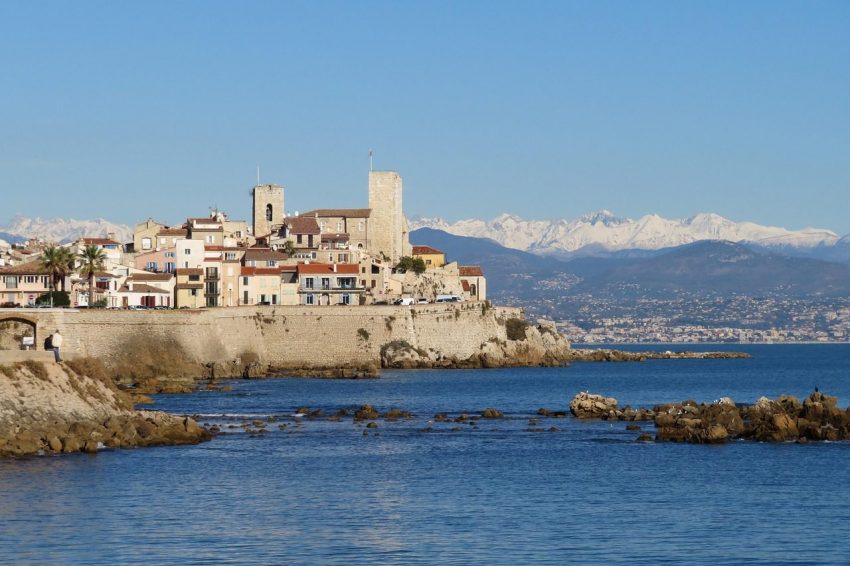
The region around Antibes can be especially appealing for families who want to connect language learning with travel. Antibes and Juan-les-Pins combine a Mediterranean setting with culture, beaches, markets, art, and access to the wider Côte d’Azur. Teens can explore Antibes Old Town, visit the Picasso Museum, walk the ramparts, browse the Marché Provençal, see the yachts at Port Vauban, or follow parts of the Cap d’Antibes coastal path. These activities create a natural environment for language learning because French is not separated from the trip; it is part of daily experience.
Families who want to learn French in France could also consider visiting or enrolling in a French foreign language school in the Antibes area. A short French course, teen language camp, or even a school visit can give language learning a real purpose. Instead of studying French only in a classroom back home, teens can connect the language to cafés, beaches, markets, museums, trains, and conversations. For students who are already learning French, this can be especially motivating. They see that the language is not just an academic subject; it is a tool for participating in another culture.
A French language school can also add a social dimension. Teens may meet students from other countries, practice speaking with people their own age, and gain confidence in a setting designed for learners. This can be particularly valuable for older teens who want a more independent experience at one of the French language schools in France while still traveling with family. Antibes is well suited to this because the surrounding area offers both cultural activities and the relaxed appeal of the Riviera.
Language learning does not need to dominate the trip. Even if your family only learns a few phrases, the effort matters. It shows respect and often leads to warmer interactions. It also teaches teens an important travel lesson: communication is not about perfection. It is about curiosity, humility, and willingness to try.
Menus, street signs, museum labels, train boards, shop windows, and market stalls all become learning tools. In Alsace, teens may notice Germanic influences in place names and food. In the Basque Country, they may see Basque language alongside French. In Brittany, they may encounter Breton identity and Celtic influences. These moments show teens that language in France is more complex and regional than they may have expected.
Learning French, even at a basic level, helps teens move from observing culture to participating in it. That shift can make the entire trip more meaningful.
Stay in Small Towns, Not Just Big Cities
Paris, Lyon, Marseille, Nice, Bordeaux, and Strasbourg are all fascinating cities, but families who only stay in major urban centers may miss one of France’s greatest strengths: its small towns. For teens, small towns can be especially effective because they are easier to understand, easier to navigate, and often rich in visible culture.
A small town gives teens a sense of place. They can quickly learn where things are: the main square, bakery, market, church, café, museum, river, train station, or beach. This makes them feel more independent. In a large city, teens may rely heavily on parents for navigation and decision-making. In a walkable town, they can participate more actively.
Sarlat-la-Canéda in the Dordogne is a strong example. Its medieval streets, stone buildings, and famous market make it a natural place to talk about history, food, and regional identity. Nearby villages such as Domme and Beynac-et-Cazenac add hilltop views, river scenery, castles, and a strong sense of old France. Teens interested in photography, history, or architecture often respond well to places like this because the past is visible everywhere.
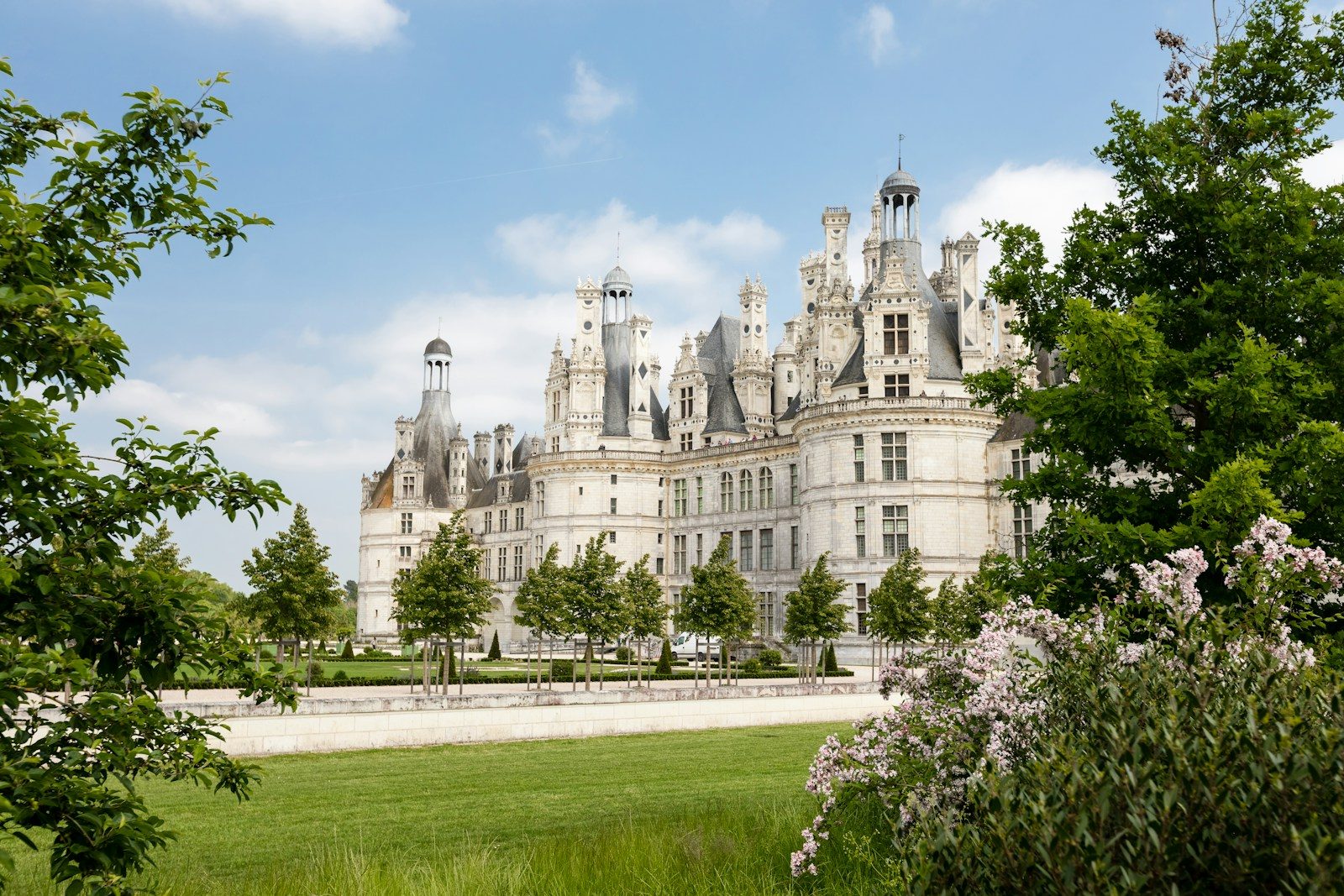
In the Loire Valley, Amboise offers a manageable base with château culture, river walks, and links to Leonardo da Vinci at Clos Lucé. Saumur adds a different Loire experience, with its château, equestrian traditions, river setting, and caves. These towns can make history feel less abstract because teens can see how castles, rivers, gardens, and town life fit together.
Bayeux in Normandy is another excellent cultural base. It has a cathedral, an old town, the Bayeux Tapestry, and access to D-Day history. For teens, Normandy can be particularly powerful because its history is recent enough to feel emotionally immediate. Visiting D-Day sites, then returning to a walkable town with markets, cafés, and local life, creates a balance between serious history and everyday culture.
Alsace offers a completely different small-town experience. Colmar is larger and more visited, but still highly walkable, while villages such as Eguisheim, Riquewihr, and Kaysersberg give teens a strong visual sense of regional identity. Half-timbered houses, vineyards, Christmas traditions, Alsatian food, and Germanic influences make this region useful for conversations about borders, history, and cultural blending.
On the Mediterranean, Antibes provides a different model. It is not a tiny village, but its old town has the walkability and cultural texture that works well for families with teens. The ramparts, market, Picasso Museum, old streets, port, beaches, and nearby Cap d’Antibes coastline create a layered Riviera experience. It shows that the French Riviera is not only luxury hotels and beach clubs; it also has history, art, local markets, and everyday Mediterranean life.
Small towns also encourage slower habits. Families can walk instead of constantly driving or taking public transport. They can return to the same café, explore side streets, shop at a market, and experience the town at different times of day. Teens may notice how quiet some towns are in the afternoon, how lively they become on market morning, or how people gather in squares in the evening.
Another advantage is cost. Small-town stays can be more affordable than major cities or resort areas, especially if families rent an apartment or gîte. They also make it easier to shop locally and eat some meals casually. This supports both budget travel and cultural immersion.
The best small-town destination is not always the most famous one. It is the one where your family can settle in, explore safely, and connect with the region’s food, history, and daily life.
Visit Markets Like a Local
Markets are one of the best cultural experiences in France for families with teens. They are social, sensory, practical, and deeply regional. They also give teens a chance to observe real daily life without needing a formal tour or long explanation.
A French market is more than a place to buy food. It is a public gathering space. Vendors talk with regular customers. People compare produce, buy cheese, choose flowers, pick up prepared meals, and meet friends. In many towns, market day changes the entire atmosphere. A quiet square becomes busy, colorful, and full of movement.
For teens, markets can be approached as cultural fieldwork. Ask them to notice what is sold, how people shop, what foods are local, how prices are displayed, and how customers interact with vendors. This is a more mature version of a family scavenger hunt. Teens can compare a Provençal market in Antibes, Arles, Saint-Rémy, or Aix-en-Provence with a market in Bayeux, Colmar, Sarlat, Annecy, or La Rochelle. Each one reflects the region around it.
In Provence and the Riviera, markets may feature olives, herbs, tomatoes, tapenade, lavender products, socca, flowers, and Mediterranean produce. In Normandy, apples, cheese, cream, seafood, and cider-related products are more common. In Alsace, markets may include pretzels, sausages, baked goods, seasonal decorations, and local wines. In the Dordogne, walnuts, strawberries, duck products, cheeses, and rich countryside foods are part of the market identity. Along the Atlantic coast, seafood and salt-air traditions shape what appears on the stalls.
Markets also offer natural language practice. Teens can greet vendors, ask for quantities, read labels, compare prices, and order food. This is often less intimidating than a formal conversation because the interaction has a clear purpose. They can point, smile, say “bonjour,” use numbers, and build confidence gradually.
A market picnic is one of the best ways to turn shopping into a family meal. Give teens a budget and ask them to help create lunch: bread, cheese, fruit, olives, pastries, and something local. Then eat in a park, along a river, by the sea, or near a historic site. This type of meal is affordable, flexible, and culturally rich.
Markets can also lead to discussions about sustainability, agriculture, seasonality, and regional economies. Teens may notice that some produce is seasonal, that many products are local, or that food shopping in France can feel more personal than buying everything from a large supermarket. These observations help them understand culture through everyday systems.
Before visiting a market, check the schedule. Many town markets happen once or twice a week, usually in the morning. By early afternoon, stalls may be closing. Planning around market day can make a destination much more rewarding. If your family is staying in a town like Sarlat, Antibes, Arles, Bayeux, or Colmar, market day may be one of the best cultural experiences of the entire stay.
Choose Hands-On Cultural Activities
Hands-on activities are one of the most effective ways to make France meaningful for teens. Older kids and teenagers often want more than passive sightseeing. They may enjoy museums and monuments, but they also want experiences that feel active, social, creative, or connected to real life.
Cooking classes are a strong choice. Teens can learn how to make crêpes in Brittany, pastries in Paris or Lyon, Provençal dishes in the south, or regional recipes based on market ingredients. A cooking class teaches technique, vocabulary, ingredients, and cultural context. It also gives teens a clear result: they made something and then ate it.
Food-related workshops can be just as engaging. A chocolate workshop, cheese tasting, bakery visit, olive oil tasting, or market tour can help teens understand how regional food is produced and valued. In Normandy, cheese farms and apple-based products connect food with rural culture. In Provence, olive oil, herbs, and market vegetables tell a Mediterranean story. In Burgundy, Dijon and Beaune can introduce older teens to mustard, markets, vineyards, and the relationship between food and landscape, even if wine tasting itself is not the focus.
Art experiences work especially well in regions with strong artistic associations. In Antibes, the Picasso Museum connects modern art with the Riviera setting. In Arles and Saint-Rémy-de-Provence, Van Gogh’s presence offers a way to connect landscape, color, mental health, and artistic vision. In Pont-Aven, teens can learn about Gauguin and the artists who were drawn to Brittany. In Giverny or Paris, Monet can become a starting point for discussions about light, gardens, and Impressionism.
Teens may also enjoy creative workshops such as photography walks, sketching tours, pottery, perfume-making, soap-making, textile crafts, or printmaking. Grasse, near the Riviera, is especially associated with perfume, and a scent-making workshop can appeal to teens who enjoy science, design, or fashion. In Provence and the Dordogne, craft workshops may connect to local materials and traditions.
Outdoor cultural activities are equally valuable. Canoeing on the Dordogne River past castles and villages turns geography and history into an active experience. Cycling in the Loire Valley connects châteaux, villages, and river landscapes. Walking the Cap d’Antibes coastline combines natural beauty with Riviera culture. Exploring the ramparts of Saint-Malo introduces maritime history and tidal landscapes. Visiting the Basque Country around Bayonne, Espelette, or Saint-Jean-de-Luz can introduce teens to a distinct regional identity through food, architecture, language, and coastal life.
Historic sites become more engaging when teens are invited to think critically. Instead of simply touring a castle, ask what it reveals about power, defense, wealth, labor, architecture, or landscape. Instead of only viewing Roman ruins in Arles or Nîmes, discuss how Roman infrastructure shaped later cities. Instead of visiting a World War II site in Normandy as a checklist stop, allow time for reflection and conversation.
Hands-on cultural activities are valuable because they create memory through participation. A teen may forget the date a château was built, but they may remember cycling along the Loire, making a pastry, walking through Antibes after visiting the Picasso Museum, or tasting market food in Sarlat. These experiences make culture personal.
Use Museums Strategically
Museums can be excellent for teens, but they should be chosen carefully. France has some of the world’s greatest museums, yet a family trip can quickly become museum-heavy if every day includes a major collection. For many teens, the best museum visits are focused, relevant, and connected to the surrounding place.
The first rule is to choose museums with a clear purpose. Teens are more likely to engage when they understand why a museum matters. The Bayeux Tapestry Museum tells a visual story of conquest, politics, propaganda, and medieval life. Lascaux IV in the Dordogne introduces prehistoric cave art and early human creativity. The Picasso Museum in Antibes connects modern art with a specific place on the Mediterranean. Clos Lucé in Amboise links Leonardo da Vinci’s inventions with the Loire Valley. The Musée de l’Orangerie in Paris offers a focused experience around Monet’s water lilies rather than the overwhelming scale of a massive museum.
Large museums can still work well, but they require restraint. The Louvre, for example, is extraordinary, but trying to see it all is unrealistic and often exhausting. With teens, it may be better to choose one theme: ancient history, Greek sculpture, French painting, Islamic art, or a few famous works. Teens are old enough to appreciate quality over quantity if the visit is framed well.
Museums become more meaningful when paired with context. Visiting the Picasso Museum in Antibes after walking through the old town and seeing the Mediterranean light gives the artwork a sense of place. Seeing Roman artifacts in Arles or Nîmes after walking through amphitheaters and ancient streets helps history feel connected. Visiting the Bayeux Tapestry before or after seeing Normandy’s historic landscape gives the story more weight.
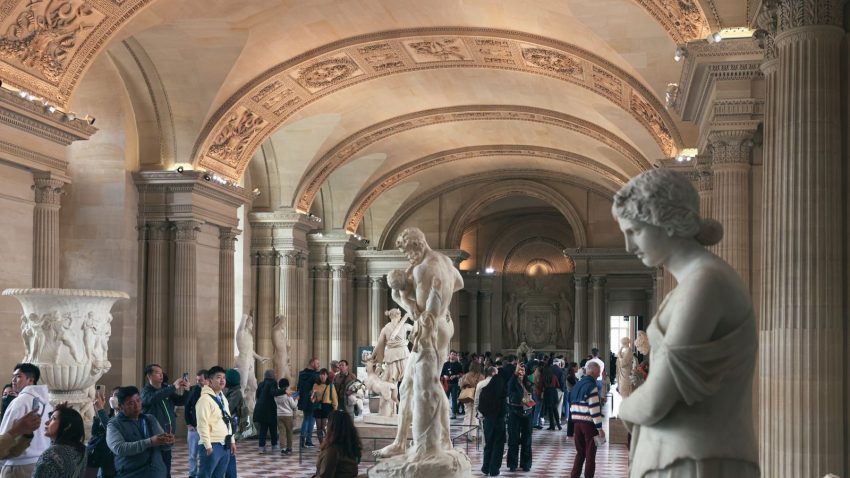
Teens may also respond well to museums that connect with their interests. A teen interested in film might enjoy Lyon’s Musée Miniature et Cinéma. A teen interested in science or technology may enjoy the Cité des Sciences et de l’Industrie in Paris. A teen who likes immersive experiences may connect with Carrières des Lumières in Provence. A teen interested in fashion, photography, street art, or design may prefer smaller contemporary spaces over traditional collections.
Keep museum visits a reasonable length. One to two hours can be enough, especially if the museum is part of a larger day. Pair indoor visits with outdoor time afterward: a café, walk, park, market, beach, or viewpoint. Teens may be capable of longer cultural days, but that does not mean every visit should be extended.
It is also useful to give teens a role. Ask them to choose one artwork, object, or exhibit to explain to the family. Let them photograph architectural details where allowed. Have them compare two museums from different regions. Invite them to think about what a museum includes and what it leaves out. This turns the visit into a more active experience.
Museums should be part of the trip, not the entire trip. The strongest cultural family travel combines museums with markets, food, language, small towns, outdoor activities, and everyday life. That balance helps teens understand that culture is not locked behind glass. It is also on the streets, in the food, in the language, and in the way people live.
Experience Local Festivals and Traditions
Local festivals and seasonal traditions can add enormous depth to a family trip to France. They show culture in motion. Instead of only reading about regional identity, teens can see how communities gather, celebrate, cook, perform, remember, and express local pride.
France has festivals throughout the year, and they vary widely by region. In summer, towns often host music events, outdoor performances, night markets, food fairs, medieval festivals, and village celebrations. The Fête de la Musique in June brings music into streets and public spaces across the country. Bastille Day on July 14 often includes fireworks, parades, concerts, dances, and community gatherings. In autumn, harvest festivals may celebrate grapes, apples, chestnuts, or regional foods. In winter, Alsace is especially famous for Christmas markets in places like Strasbourg, Colmar, Eguisheim, Riquewihr, and Kaysersberg.
For teens, festivals can be especially engaging because they are social and atmospheric. They may include music, food, local crafts, performances, traditional clothing, markets, or street life. Even if teens do not understand every custom, they can feel the energy of a place and observe how people participate.
Small local events can be better than major tourist spectacles. A village food fair, Provençal night market, Breton music event, Basque festival, or local market celebration may feel more authentic and manageable than a large crowded event. These smaller gatherings also give teens a chance to see how regional identity is lived by residents rather than simply performed for visitors.
Antibes and the wider Riviera region can also offer seasonal cultural events, markets, music, and coastal traditions that help balance the region’s glamorous reputation. A family could combine Old Antibes, the Marché Provençal, art at the Picasso Museum, a coastal walk, and evening events or performances to create a more culturally grounded Riviera experience.
Before traveling, check local tourism office calendars. Many towns publish seasonal event schedules, especially for summer and school holidays. If your family is already staying in a place like Bayeux, Sarlat, Antibes, Annecy, Saint-Malo, Arles, Colmar, or Saint-Jean-de-Luz, a local event can become a highlight without requiring major planning.
It is also important to help teens understand the meaning of events. Some festivals are purely celebratory, while others may be religious, historical, agricultural, or commemorative. A D-Day-related event in Normandy, for example, carries a very different tone from a summer night market in Provence or a Christmas market in Alsace. Talking about context helps teens participate respectfully.
Traditions are not limited to formal festivals. In many places, market day itself is a tradition. In coastal towns, fishing culture shapes daily life. In wine regions, harvest time affects the rhythm of the year. In the Basque Country, language, architecture, sports, and food traditions create a distinct identity. In Brittany, Celtic influences, crêpes, music, and maritime culture give the region a different feel from inland France.
For teens, these experiences can make France feel more complex and interesting. They begin to see that culture is not just something from the past. It is something people continue to practice, adapt, and celebrate.
Balance Culture with Teen-Friendly Downtime
A culturally rich family trip should not become a nonstop educational program. Teens need downtime, independence, and space to enjoy the trip in their own way. In fact, one of the advantages of traveling with teenagers is that downtime can be more flexible. They may want to read in a café, take photos, browse shops, sit by the beach, listen to music, sketch, journal, or walk through a town with a bit of independence.
Downtime is not wasted time. It allows teens to process what they have seen and experienced. After a museum, they may need a casual lunch. After a market, they may want time at the beach. After a historic site, they may want to browse a bookstore, sit in a square, or take photos. These pauses are often when the trip begins to feel personal.
France is well suited to this rhythm. Many towns have public squares, riverbanks, beaches, parks, gardens, cafés, and pedestrian streets. In Annecy, downtime might mean sitting by the lake or cycling along the water. In Antibes, it might mean walking the ramparts, swimming at a beach, or relaxing near the harbor after visiting the Picasso Museum. In Sarlat, it might mean wandering medieval streets after the market. In Saint-Malo, it might mean walking the walls and watching the tide. In Colmar, it might mean exploring side streets or stopping for pastries.
Teens also benefit from having some choice. Let them help choose one activity, meal, or destination. They may be more invested if they have a say. Offer options: a museum or coastal walk, market picnic or café lunch, cooking class or bike ride, château visit or village photography walk. These choices help teens feel respected and involved.
A good cultural travel day with teens does not need to include five major sights. One strong cultural activity, one good meal, and time to explore can be enough. For example, a day might include a morning market, an afternoon coastal walk, and an evening in the old town. Another might include a museum, a regional lunch, and free time in a square or park.
Teen-friendly downtime can also include creative reflection. Encourage teens to take photos with a theme: doors, markets, signs, food, textures, street art, or architectural details. They might keep a travel journal, make short videos, collect postcards, or write down French words they learned. This turns downtime into personal engagement without making it feel like homework.
Families should also be realistic about energy levels. Teens may sleep later than adults, especially after travel days. Rather than fighting that rhythm every morning, consider planning some slower starts. A relaxed breakfast, late morning market, afternoon activity, and evening walk may work better than a strict early schedule every day.
Cultural immersion is not measured by how many sites you visit. It is measured by how deeply your family notices and engages with the place. Sometimes that happens during a museum visit. Sometimes it happens over lunch. Sometimes it happens when your teen sits in a café, listens to French conversation around them, and realizes they are part of a different daily rhythm.
Practical Tips for a More Immersive Family Trip to France
A culturally focused trip with teens works best when the logistics support slower, more independent travel. The first step is choosing accommodations carefully. Apartments, family-friendly guesthouses, gîtes, and small hotels can all work well. If you stay near a town center, teens may be able to walk with you to bakeries, markets, shops, and cafés. A kitchen gives your family the option to shop locally and prepare simple meals, which can save money and make markets more useful.
Transportation should fit the region. Trains are excellent for city-to-city travel and can be part of the cultural experience. Teens can help read departure boards, find platforms, compare routes, and navigate stations. But for countryside regions such as the Dordogne, Provence, Normandy, parts of Burgundy, or the Loire Valley, a rental car may be helpful for reaching villages, farms, castles, beaches, and rural activities.
Plan around market days and local events. A town that is quiet one day may be full of energy the next morning when the market opens. If you are staying in Sarlat, Antibes, Arles, Bayeux, Colmar, Annecy, or another market town, check schedules before finalizing your plans. The same applies to festivals, concerts, exhibitions, and seasonal events.
Build language into the trip before you leave. Encourage teens to learn basic phrases and food vocabulary. Consider giving them practical responsibilities: ordering bread, reading part of the menu, asking for tickets, or navigating a short route. If your family is spending time around Antibes, a French foreign language school or short language-learning experience can make the trip more purposeful, especially for teens studying French in school.
Avoid trying to cover too many regions. France is too rich and varied to absorb in one rushed trip. A deeper stay in Provence, Normandy, Alsace, Brittany, the Dordogne, the Loire Valley, Burgundy, the Basque Country, or the Riviera can be more rewarding than a fast route through all of them. Teens are old enough to understand the differences between regions if you give them time to notice.
Encourage teens to research before the trip. They might choose one destination, artist, regional food, historical event, or cultural activity to learn about. A teen interested in art might research Picasso in Antibes or Van Gogh in Arles. A history-focused teen might look into Bayeux, Normandy, or medieval castles in the Dordogne. A food-loving teen might compare Brittany’s crêpes with Alsace’s tarte flambée or Provence’s market foods.
Leave room for independence where appropriate. In safe, walkable towns, teens may enjoy browsing shops, taking photos, choosing snacks, or exploring a square while parents sit nearby. This can make the trip feel more mature and rewarding for them.
Finally, let the trip include repetition. Return to the same bakery. Visit the market more than once. Walk the same route at different times of day. Repetition helps a destination become familiar, and familiarity is one of the quiet foundations of cultural immersion.
Final Thoughts: Let France Become Part of the Family Story
A family trip to France does not have to be a race from one famous landmark to the next. The big attractions are worth seeing, but they are only one doorway into the country. For families with teens, the deeper experience often comes from slowing down enough to understand how people live, eat, speak, shop, celebrate, and gather.
Teens are at an ideal age for this kind of travel. They can appreciate complexity. They can understand regional differences. They can connect food with geography, language with etiquette, museums with history, and small towns with daily life. They can also take more ownership of the trip, whether that means ordering in French, choosing a market lunch, photographing architecture, joining a cooking class, visiting a language school, or comparing the atmosphere of Antibes, Sarlat, Bayeux, Colmar, Amboise, and Saint-Jean-de-Luz.
France becomes more meaningful when families experience it through layers. Paris may provide the grand introduction, but small towns and cultural activities provide depth. A teen might remember the view from the Eiffel Tower, but they may also remember walking the ramparts of Antibes, browsing a market in Provence, seeing half-timbered houses in Alsace, visiting the Bayeux Tapestry, canoeing past castles in the Dordogne, or practicing French at a café.
The best family trips leave space for both wonder and ordinary life. See the famous sights if they matter to you. But also buy bread in the morning. Visit the market. Stay in a small town. Try the local specialty. Learn the greeting. Let your teens participate, observe, and sometimes lead.
That is when France becomes more than a vacation. It becomes part of your family’s story.

Bryan has visited 61 countries, which is exactly one more country than his wife, and she won’t let him forget it! Also an avid photographer, he enjoys entrenching himself within the local culture in order to learn more about the people of a place. He is the co-founder of Budget Your Trip and loves a good adventure, an exotic meal, or a passionate conversation about global events. And he also loves to find out how much stuff costs, which is why he and his wife started Budget Your Trip.
Sign up to our email newsletter to receive sales, deals, and discounts from major travel companies!