Which country is cheaper, Iceland or Finland?
These are the overall average travel costs for the two destinations.

Should I visit Finland or Iceland? This is a common question asked by many travelers. By figuring out which country has activities that align with your interests along with knowing which is more affordable, you'll understand where you can get more bang for your buck. So, let's dive into the details and the data, which all comes from actual travelers.
We'll start with a quick overview, and below we will go into all of the details.
| Finland | Iceland | |
| Museums & Attractions |  |
|
| Culture & History | |
|
| Food | |
|
| Nightlife | |
|
| Resorts | |
|
| Skiing | |
|
| National Parks | |
|
| Wildlife | |
|
| Families | |
|
| Backpackers | |
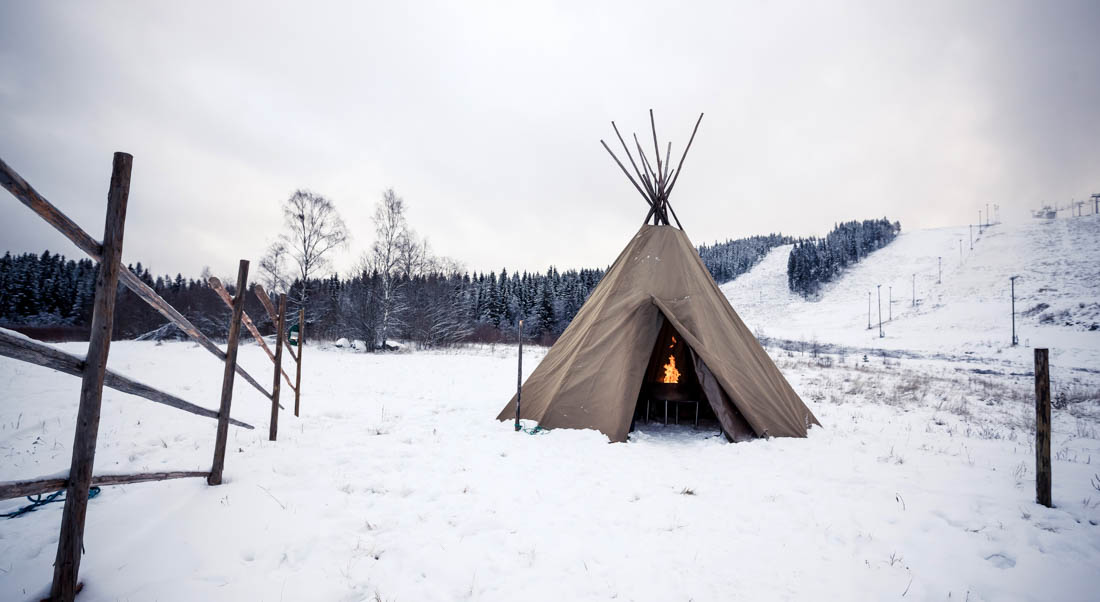 Kemi, Finland
 Finland is a enchanting, innovative, and pristine country. Many visitors also come to Finland because of it's amazing beauty. Visitors also love the national parks, history and culture, skiing, and food.
Finland is a captivating blend of pristine wilderness and vibrant urban culture, making it a truly unique travel destination. From the magical Northern Lights dancing over Lapland’s snow-covered forests to the innovative design and lively café culture of Helsinki, Finland offers something for every traveler. Outdoor enthusiasts can explore thousands of shimmering lakes, vast national parks, and the timeless tranquility of the midnight sun during summer. The Finnish sauna experience is a quintessential cultural highlight, offering relaxation deeply rooted in local tradition. Whether you’re seeking crisp winter adventures like dog sledding and ice fishing or a serene escape into untouched nature, Finland’s seamless harmony between modernity and nature captivates all who visit. Its warm-hearted people, famed for their “sisu” spirit, ensure a welcoming and memorable journey through this northern European gem.
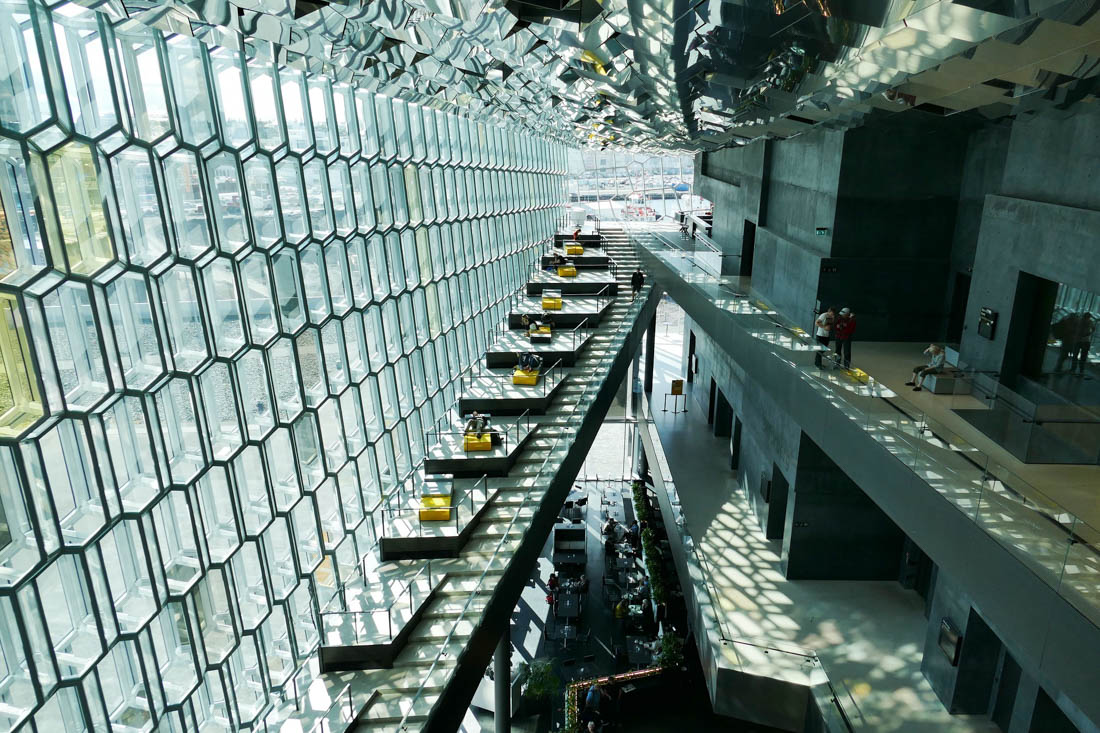 Reykjavik, Iceland
 Iceland is a enchanting, stunning, and otherworldly country. Many visitors also come to Iceland because of it's amazing beauty. Visitors also love the adventure travel, national parks, history and culture, and skiing.
Iceland, often dubbed the "Land of Fire and Ice," is a breathtaking country that captivates every traveler who sets foot on its otherworldly terrain. With landscapes dotted with volcanoes, geysers, hot springs, and lava fields, alongside massive glaciers and fjords that defy imagination, this Nordic island is a paradise for nature enthusiasts and adventure seekers alike. Visitors are drawn here to experience the surreal beauty of the Northern Lights, soak in geothermal lagoons, embark on thrilling hikes, and explore vibrant Reykjavik. Known for its commitment to eco-friendly tourism, Iceland provides an opportunity to connect with nature in its rawest and most pristine form.
Reykjavik, Iceland Below we will examine the differences and similarities between Finland and Iceland. With this information, you can decide for yourself which place is better for your next trip.
Both Finland and Iceland offer a variety of museums and places of interest, but Iceland generally has more to choose from.
Iceland offers many unique museums, sights, and landmarks that will make for a memorable trip. Reykjavik hosts some excellent museums that offer insights into Icelandic heritage and art. The National Museum of Iceland provides a detailed glimpse into the country's history from settlement to modern times. The Reykjavik Art Museum showcases contemporary Icelandic art. The Maritime Museum offers fascinating exhibits about the fishing industry and life at sea. These museums, among others in Reykjavik, provide compelling narratives and cultural education for visitors.
If you're looking for an educational opportunity, there are a decent number of museums and historical sights around Finland. Finland’s vibrant museum scene offers travelers a fascinating window into its rich culture, art, and history, with Helsinki reigning as the epicenter of must-visit institutions. The Ateneum Art Museum, housed in a stunning neoclassical building in central Helsinki, stands out as the premier repository of Finnish classical art, boasting masterpieces by legends like Akseli Gallen-Kallela and Helene Schjerfbeck. Just a short stroll away, the contemporary art lovers flock to Kiasma Museum, celebrated for its cutting-edge exhibitions and dynamic design that challenges traditional museum concepts. For a deeper dive into Finnish heritage, the National Museum of Finland offers a compelling narrative through archaeological finds, medieval artifacts, and unique displays exploring the country’s transformation from its ancient past to the modern Nordic society. Beyond Helsinki, the city of Turku features the fascinating Wäinö Aaltonen Museum of Art, dedicated to one of Finland’s most influential sculptors, blending modernism with local traditions. These museums collectively provide an enriching cross-section of Finnish art and history, making Finland an irresistible destination for cultural travelers.
Generally, Finland offers a larger array of history, arts, and cutlure for travelers than Iceland.
Finland is an extremely popular destination for those that want to visit historical and cultural sights and attractions, as it offers plenty. Finland’s rich tapestry of history and culture offers travelers a fascinating journey through time, from its ancient roots as a land of Sami reindeer herders to its emergence as a modern Nordic nation. Helsinki, the vibrant capital, is a cultural jewel where neoclassical architecture meets cutting-edge design—don’t miss the National Museum of Finland for a compelling overview of Finnish history, or the Ateneum Art Museum for classic Nordic art. To delve deeper into traditional Finnish life, a visit to the open-air Seurasaari Island Museum is essential, where authentic wooden farmhouses and artisan demonstrations bring centuries-old customs to life. Further north, the medieval town of Turku enchants history buffs with its imposing castle and cathedral, remnants of Finland’s Swedish past. For travelers passionate about indigenous culture, the Sámi Museum in Inari offers a rare, immersive experience into the heritage and vibrant traditions of Finland's northernmost people. Cultural activities abound—from sauna rituals that have been part of Finnish life for millennia, to lively folk festivals showcasing national costumes, music, and dance. Whether exploring historic museums, participating in Midsummer celebrations, or witnessing the ethereal northern lights while hearing legendary Kalevala tales, Finland provides a uniquely authentic and deeply engaging cultural journey.
Iceland offers multiple historical, cultural, and artistic sights and attractions for visitors. Iceland's rich history and culture are deeply entwined with its dramatic landscapes. The Saga Museum in Reykjavik and the Settlement Center in Borgarnes provide insights into Viking heritage. Explore Þingvellir National Park, a UNESCO World Heritage site, significant for its historic Althing assembly. The cultural influence of figures like Snorri Sturluson is visible in sites throughout the countryside. While the country is less dense in historical sites compared to Europe, its unique culture offers fascinating exploration opportunities.
Iceland is considered to have more larger cities than Finland.
Iceland has some large cities, so you'll find plenty of things to do when visiting. Reykjavik, the capital and largest city, serves as the cultural and economic hub, offering visitors an array of activities. The city's vibrant arts scene, museums like the National Museum of Iceland, and architectural sites such as the Harpa Concert Hall are must-visit spots. However, outside of Reykjavik, the urban centers are relatively smaller, providing more localized experiences, yet they may not cater to typical "big city" expectations.
With a variety of activities, Finland has some large cities to explore. Finland’s largest cities—Helsinki, Espoo, Tampere, and Turku—each offer unique urban experiences that make them compelling destinations for travelers seeking a mix of culture, history, and modern Finnish life. Helsinki, the vibrant capital, is undoubtedly the crown jewel for visitors, boasting a dynamic waterfront, iconic landmarks like the Helsinki Cathedral and the contemporary Oodi Library, plus world-class museums such as the Ateneum. Its dining scene is a delightful blend of traditional Finnish flavors and innovative Nordic cuisine, with trendy restaurants and bustling food markets like the Old Market Hall. Nightlife pulses in areas like Kallio and the Design District, where craft cocktails and live music thrive well into the night, complemented by a strong theater presence—from classical performances at the Finnish National Theatre to avant-garde productions at smaller venues. Nearby Espoo, though primarily residential and business-oriented, appeals to travelers through its beautiful archipelago, art museums like EMMA (Espoo Museum of Modern Art), and outdoor activities, making it a quieter yet enriching complement to Helsinki’s hustle. Tampere, Finland’s industrial heart turned cultural hub, attracts visitors with its charming mix of old factories repurposed into breweries, galleries, and theaters. The city’s lakeside setting enriches the experience with outdoor leisure, while its robust food scene is renowned for hearty local fare and craft beer. Turku, the country’s oldest city and former capital, is steeped in history—its medieval castle and cathedral are top draws—and offers lively riverfront cafes, summer festivals, and a burgeoning nightlife scene centered on student energy. Collectively, these cities offer travelers a rich tapestry of big-city activities: compelling museums, diverse dining from cozy cafés to Michelin-starred restaurants, vibrant nightlife with bars and clubs, and thriving theater and music scenes, all set against the backdrop of Finland’s distinctive blend of urban innovation and natural beauty.
Finland and Iceland are somewhat similar when it comes to visiting the great smaller towns and villages.
Finland offers plenty of small towns along with charming sights and activities, too. Nestled amidst Finland’s pristine lakes and dense forests, its most visited small towns offer an enchanting blend of quaint charm and natural splendor that beckons travelers seeking authentic Nordic experiences. Towns like Porvoo, with its iconic red-ochre wooden warehouses lining the cobblestone streets, evoke a timeless fairytale atmosphere perfect for leisurely strolls and artisan shopping. Nearby Fiskars enchants with its historic ironworks village turned creative hub, where visitors delight in galleries, craft workshops, and cozy cafes set against lush greenery. Meanwhile, Rauma captivates with its UNESCO-listed Old Town, a labyrinth of colorful wooden homes and boutique shops, reflecting Finland’s rich maritime heritage. These towns are famous not only for their picturesque scenery—glimmering archipelagos, rolling hills, and tranquil river views—but also for experiential activities such as cycling through lush trails, sampling local delicacies like smoked salmon or freshly baked rye bread, and attending seasonal festivals celebrating Finnish culture. Whether seeking a serene retreat or a cultural immersion, these small towns epitomize Finland’s warm hospitality and offer travelers an intimate window into the nation’s storied past and vibrant present.
See also Festivals and Events in Lapland.
As Iceland is a destination with many small towns and villages, visitors also come to explore the sights and local activities. The picturesque small towns scattered across the countryside provide charming escapes with a sense of authenticity. Seyðisfjörður, nestled in the East Fjords, boasts colorful wooden buildings and an artsy community vibe. Vik, known for its black sand beaches and basalt columns, offers a memorable small-town experience. Visitors can also enjoy the remote tranquility of places like Borgarfjörður Eystri, renowned for its hiking trails and puffin colonies.
Foodies will appreciated the dining options available in Iceland a bit more than Finland.
Iceland has a huge number of terrific restaurants. Icelandic cuisine offers a delightful mix of traditional and modern flavors. Seafood lovers will relish the fresh fish dishes, including cod and langoustine specialties available in restaurants and local markets. Reykjavik's dining scene is vibrant with options ranging from upscale dining to cozy cafes. Those looking to try local delicacies can indulge in Icelandic lamb and skyr, a popular dairy product. For adventurous eaters, fermented shark and sheep's head are traditional dishes that offer a taste of Icelandic heritage.
There are many up and coming restaurants in the Finland area. Finnish cuisine is a delightful reflection of the country’s pristine natural environment, emphasizing simplicity, seasonality, and purity of flavors. Traditional dishes often showcase wild game like reindeer and elk, freshwater fish such as salmon and vendace, along with hearty rye bread and an abundance of forest berries and mushrooms. Iconic recipes include *Karjalanpiirakka*—Karelian pasties filled with rice porridge or potatoes—*lohikeitto*, a creamy salmon soup, and *mustikkapiirakka*, a luscious blueberry pie that celebrates the country’s wild berry harvests. While Finnish food may not have the global renown of French or Italian cuisine, it has earned respect for its healthful, rustic qualities and the way it highlights Finland’s unique terroir. In recent years, Finnish gastronomy has been gaining international attention, particularly through the New Nordic food movement, which celebrates local, sustainable ingredients with innovative finesse. Travelers seeking authentic, soul-satisfying dishes won’t be disappointed by Finland’s understated yet deeply satisfying culinary landscape.
For nightlife, head to Iceland instead of Finland.
The nightlife in Iceland has something for everybody. Reykjavik's nightlife scene is lively and varied, with a range of bars, clubs, and venues to suit different tastes. The city's pubs often feature live music, and many spots stay open late, creating an appealing atmosphere for night owls. Live music thrives in the city, with venues hosting local and international artists. The nightlife is typically centered around the weekends, drawing both locals and visitors into the city's vibrant social scene.
Most people don't head to Finland specifically for the nightlife scene, but you can find a few options. Finland’s nightlife is a vibrant blend of sleek urban sophistication and unique local charm, offering something for every nocturnal adventurer. In Helsinki, the capital’s lively bar and club scene pulses with energy—from stylish cocktail lounges in the trendy Kallio district to high-energy nightclubs like Club Kaiku and Kuudes Linja, famed for electronic beats that keep the dancefloor alive until dawn. Tampere offers a more intimate but equally engaging vibe, with cozy pubs and live music venues that spotlight Finnish rock, jazz, and indie scenes. For those seeking a truly unique experience, Rovaniemi in Lapland transforms the night with wintertime northern lights tours and cozy sauna bars, where locals unwind after a day in the Arctic wilderness. Additionally, Finnish nightlife embraces the concept of ‘everyman’s party,’ where locals and visitors alike enjoy relaxed socializing interspersed with moments of lively celebration—whether at midsummer bonfires, underground rave parties in abandoned warehouses, or elegant opera performances. Across Finland, the night is never just about the party; it’s a cultural journey through music, nature, and the famously warm Finnish spirit.
Iceland tends to offer a wider variety of resorts than Finland.
Iceland is known as a popular and fun resort destination. While not traditionally known for all-inclusive resorts, Iceland offers luxury accommodations that provide pampering experiences. The Retreat at Blue Lagoon offers exclusive spa services among breathtaking geothermal landscapes. In Reykjavik, boutique hotels offer high-end experiences with modern amenities. Additionally, countryside hotels and cabins present serene settings with views of glaciers or the Northern Lights for those seeking peaceful luxury.
You might not think of Finland as a resort destination, but it has a few places. Finland’s resort landscape is as diverse as its vast wilderness, offering travelers uniquely immersive experiences across its distinct regions. In Lapland, resorts like Levi, Ylläs, and Ruka are renowned for their world-class ski slopes, spectacular Northern Lights viewing, and authentic Sami culture encounters, making them perfect winter wonderlands for skiing, snowmobiling, and husky safaris. Along the southern coast, the archipelago resorts near Turku and the beautiful Lakeland resorts around Saimaa draw visitors with their serene lakeside retreats, ideal for kayaking, fishing, and rejuvenating spa experiences amid lush forests and crystal-clear waters. Meanwhile, Helsinki’s nearby seaside resorts blend urban sophistication with beach relaxation, where visitors can explore design boutiques by day and unwind in waterfront saunas by evening. Each of these resort areas presents a compelling reason to visit—whether it’s the thrill of winter sports, the magic of the midnight sun, or tranquil encounters with nature—offering something truly special for every traveler seeking the essence of Finland’s enchanting landscapes.
The Christmas season is more busy in Finland than Iceland.
Finland is a very popular destination during Christmas. Traveling in Finland during the Christmas season is nothing short of magical, offering an enchanting blend of snowy landscapes, cozy traditions, and festive cheer that transforms the Nordic wonderland into a yuletide paradise. The crown jewel of Finnish Christmas travel is unquestionably Rovaniemi, officially known as the "Official Hometown of Santa Claus," where visitors can meet Santa himself at the Santa Claus Village on the Arctic Circle, send postcards from Santa’s Post Office, and even embark on reindeer or husky sled rides through pristine snow-covered forests. Further south, Helsinki dazzles with its charming Christmas markets—especially the iconic Market Square and Senate Square bazaars—where locals and travelers alike browse wooden stalls brimming with handcrafted gifts, traditional Finnish delicacies like joulutorttu (Christmas tarts), and sip on warm glögi (mulled wine) while basking in twinkling lights and festive concerts. For a truly unique experience, the snowy Lapland wilderness offers serene moments like witnessing the mesmerizing northern lights dancing overhead, or staying in glass igloos that let you gaze at the starry Arctic sky from the warmth of your bed. Finland’s Christmas season is a captivating blend of Nordic folklore, heartwarming hospitality, and breathtaking natural beauty that makes it an unforgettable holiday destination.
Many visitors go to Iceland during the Christmas season. The Christmas season in Iceland is a magical time, marked by unique traditions and festive spirit. Reykjavik becomes adorned with Christmas lights, offering a warm atmosphere despite the cold weather. Christmas markets in and around Reykjavik invite visitors to explore Nordic crafts and enjoy traditional snacks like Laufabrauð. The capital's Christmas celebrations offer opportunities to learn about yuletide tales and Iceland's thirteen Jól lads. However, nights are long and the weather can be harsh, so travelers should plan accordingly.
Even though Finland and Iceland provide opportunities for snow skiing, most people consider Finland to be more popular.
Visitors travel far to experience snow skiing in Finland. Finland’s winter skiing and snowboarding scene offers a uniquely enchanting blend of pristine Nordic wilderness and well-developed, family-friendly resorts that cater to both novices and seasoned powder hounds. The crown jewel is undoubtedly Levi, located in Finnish Lapland, which boasts the country’s largest ski area with 43 slopes ranging from gentle beginner runs to challenging black diamond trails, all set beneath the mesmerizing northern lights on clear nights. Just a bit further north, Ylläs offers the longest runs in Finland and a vast network of cross-country trails that stretch over 330 kilometers, perfect for those who want to combine alpine thrills with classic Nordic skiing. For a more intimate experience steeped in local charm, Ruka near Kuusamo delivers reliable snow from October to May and an excellent terrain park that attracts freestylers. Meanwhile, smaller resorts like Pyhä and Saariselkä excel in snowboarding freestyle zones and offer cozy cabins for authentic Lapland stays. What truly sets Finnish ski areas apart is their incredible atmosphere — the combination of snowy pine forests, reindeer sightings, and the magical polar night creates a winter sports adventure that feels like stepping into a fairy tale.
Head to Iceland for some great skiing and other winter activities. Skiing opportunities exist, though they may not compare to more prominent ski destinations. Bláfjöll, near Reykjavik, offers convenient skiing with several slopes for various skill levels. Akureyri is another hub for winter sports, with options for skiing and snowboarding. Visitors can also explore heli-skiing on the Troll Peninsula, which offers more remote and adventurous ski experiences.
If you're looking to go hiking, Finland and Iceland both have great trails.
People visit Finland specifically for its hiking, as the natural beauty is well-known. Finland’s hiking terrain is a sublime blend of pristine wilderness, shimmering lakes, and vast boreal forests, making it a haven for outdoor enthusiasts. At the heart of Finnish hiking lies **Urho Kekkonen National Park** in Lapland, renowned for its rugged fell landscapes, tranquil rivers, and the magical midnight sun that stretches your trekking days into unforgettable experiences. Nearby, **Pallas-Yllästunturi National Park** offers some of Finland’s steepest fell hikes set against sweeping views of the fells and ancient forests, with highly maintained trails and cozy wilderness huts adding to its appeal. For those seeking a more serene and utterly untouched vibe, **Oulanka National Park**, part of the famous Karhunkierros Trail, boasts dramatic canyons, roaring waterfalls, and vibrant autumn colors, weaving through some of the country’s most diverse ecosystems. What makes hiking in Finland exceptional is not just the scenery but the sense of solitude and connection to nature—trails often stretch for dozens of kilometers without interruption, inviting you to step deeply into a landscape where the silence is as profound as the wild beauty surrounding you.
Many people visit Iceland specifically for its hiking. The country's numerous hiking trails offer breathtaking views and diverse challenges, making it a hiker's paradise. The Laugavegur Trail, one of the most popular, features landscapes of geothermal areas, volcanoes, and valleys. The challenging Fimmvörðuháls between Skógar and Þórsmörk provides dramatic scenery with glaciers and mountains. For easier treks, the trails around Lake Mývatn offer volcanic landscapes and easy-to-navigate paths.
Reykjavik: The city offers easy access to some of the world's most spectacular scenery. There are many hikes that you can easily reach from town. They pass through diverse landscapes that include waterfalls, mountains, glaciers, and beaches.
Iceland often provides a better experience visiting national parks than Finland.
Known for its national parks, Iceland draws many visitors from around the world. The national parks are treasured destinations, each offering unique natural wonders. Thingvellir National Park, part of the Golden Circle, is rich in history and geological significance, being the site of the world's first parliament. Vatnajökull National Park, the largest in Europe, encompasses glaciers, volcanoes, and stunning waterfalls. Snæfellsjökull National Park offers impressive hiking trails and views of the Snæfellsjökull glacier, adding to the diverse attractions for nature enthusiasts.
Many visitors go to Finland to see the national parks. Finland’s national parks are pristine gateways to the country’s legendary wilderness, offering a sublime blend of tranquility, rugged beauty, and rich biodiversity. Among the most popular is Nuuksio National Park, located just outside Helsinki, which beautifully combines accessible forest trails with shimmering lakes, making it a favorite for both locals and visitors seeking a quick spiritual recharge in nature. For a deeper dive into Arctic splendor, Urho Kekkonen National Park in Lapland captivates with its vast fells, snow-dusted landscapes, and opportunities to witness the mesmerizing Northern Lights or encounter reindeer herds in their natural habitat. Meanwhile, Oulanka National Park, famed for the iconic Karhunkierros hiking trail, entices adventure seekers with its dramatic river canyons, ancient pine forests, and cascading waterfalls like the breathtaking Kiutaköngäs Rapids. Each park exemplifies Finland’s commitment to preserving its untouched wilderness, offering unforgettable experiences—from serene canoe trips and berry picking to thrilling winter treks—cementing Finland as a top destination for lovers of nature and solitude.
Overall, Iceland is considered to offer more wildlife viewing opportunities and experiences to visitors.
Iceland offers fun and exciting wildlife experiences and wilderness activities for visitors of all ages. The country provides excellent opportunities for wildlife viewing. Puffin colonies can be observed in places like the Westman Islands and the cliffs of Látrabjarg during the summer months. Whale watching tours operate from Reykjavik and Husavik, offering sightings of various whale species, including humpbacks and minke whales. Iceland's rich birdlife also attracts ornithologists and birdwatchers to its cliffs and shores.
Finland is a great destination for wildlife viewing and wilderness activities. Finland is a remarkable haven for wildlife enthusiasts, offering some of Europe’s best opportunities to witness pristine nature and elusive animals in their natural habitats. The vast boreal forests and countless lakes of regions like Kuhmo and Kainuu in Eastern Finland are famous for sightings of iconic species such as bears, lynx, and wolves, often best encountered during guided wilderness safaris that blend patience with local expertise. Meanwhile, the fabled Finnish Lapland boasts unparalleled chances to spot majestic reindeer herds roaming freely across the fells, along with arctic foxes and the seldom-seen wolverine. For bird lovers, the coastal archipelagos of the Bothnian Bay and the expansive wetlands of Liminka Bay offer extraordinary migratory birdwatching, where tens of thousands of cranes, swans, and eagles gather in seasonal spectacles. What truly makes Finland unique is the seamless access to vast, unspoiled wild areas—many protected as national parks—where silence reigns and the Northern Lights often dance overhead, turning every wildlife encounter into a profoundly magical experience.
Overall, Iceland is considered to offer more adventure travel options and experiences to visitors.
Iceland offers a great deal of adventurous and exciting experiences. Adventure travelers will find no shortage of adrenaline-pumping activities. The country's rugged terrain offers ideal conditions for glacier hikes, ice climbing, and snowmobiling. The numerous volcanos provide opportunities for exploration, while river rafting is popular in East Iceland. Adventure seekers can also experience the thrill of diving between tectonic plates at Silfra in Thingvellir National Park.
Finland is an extremely popular destination for those interested in adventure travel. Finland is a veritable playground for adventure travelers seeking pristine wilderness and heart-pounding experiences amid its vast boreal forests and shimmering Arctic landscapes. In Lapland, the ultimate adventure hub, you can embark on exhilarating husky sledding expeditions across snow-blanketed fells, feeling the exhilarating rush as a team of eager huskies pulls you through silent, frozen wilderness. For thrill-seekers in summer, white-water rafting on the Oulankajoki River offers adrenaline-fueled rapids framed by rugged cliffs and verdant forests, while hiking the iconic Karhunkierros Trail reveals panoramic views of untamed nature and serene lakes. Ice climbing along the frozen waterfalls near Ruka challenges even seasoned adventurers, blending technical skill with breathtaking scenery. Meanwhile, snowmobiling across expansive snowy plains in the Kemi region provides a fast-paced way to explore Arctic landscapes, sometimes culminating in a visit to the famous SnowCastle. Whether traversed by skis, kayaks, or boots, Finland’s adventure activities marry raw natural beauty with authentic wilderness encounters, making it a top destination for those craving both challenge and serenity in equal measure.
Overall, Iceland is considered to offer more mountain activities and attractions to visitors.
The beauty of the mountains of Iceland are one of the main reasons people come to visit. Iceland's mountainous landscapes are a testament to the country's volcanic origins. The towering peaks and stunning vistas make it a must-visit destination for mountain enthusiasts. Hvannadalshnúkur, the country's highest peak, offers challenging climbs alongside breathtaking views. The Hornstrandir Nature Reserve presents untouched, rugged mountain cliffs for the adventurous. Smaller mountain ranges like the Snæfellsnes Peninsula provide equally mesmerizing sights, perfect for leisurely exploration and photography.
Finland is an extremely popular destination for those interested in visiting the mountains. Finland’s mountain regions may not boast towering peaks like the Alps, but their rugged fell landscapes in Lapland offer some of Europe’s most enchanting and unspoiled wilderness experiences. The most popular mountain area is the vast, otherworldly fells of Ylläs and Levi, located in Finnish Lapland, where gently rolling treeless summits rise above dense boreal forests. Visitors flock here year-round to immerse themselves in pristine nature and partake in iconic activities such as skiing, snowboarding, and snowshoeing during the long winter months, as well as hiking, mountain biking, and berry picking under the midnight sun in summer. What makes these regions truly special is their ability to combine authentic Sámi culture, spectacular Northern Lights displays, and the tranquil solitude of Europe’s last true wilderness. For travelers seeking a distinctive blend of outdoor adventure and serene natural beauty far from the crowds, Finland’s fell landscapes provide an unforgettable mountain escape.
Both Finland and Iceland have some great outdoor areas to explore.
With world-famous outdoor activities, Finland attracts many visitors interested in natural scenery, exploration, and adventure. Finland is a true paradise for outdoor enthusiasts, offering a spectacular range of activities that immerse travelers in its pristine wilderness and unique Nordic landscapes. During the summer months, hiking in national parks like Nuuksio near Helsinki or the fabled Urho Kekkonen in Lapland reveals endless trails through dense forests, shimmering lakes, and rugged fells, where the midnight sun casts an otherworldly glow on the scenery. Kayaking and canoeing are equally popular, especially in the Lakeland region around Saimaa, allowing visitors to silently paddle through mirror-like waters, spotting elusive wildlife such as osprey and beavers. When winter arrives, Finland transforms into a snowy playground perfect for cross-country skiing across the snowy expanses of Ruka or Levi, while adrenaline seekers can try husky sledding or snowmobiling through Lapland’s silent, snow-draped forests under the ethereal northern lights. For a quintessential Finnish experience, ending the day with a traditional smoke sauna followed by a refreshing dip in an icy lake or hole in the frozen ice completes the perfect outdoor adventure. Each season reveals a different facet of Finland’s wild charm, making outdoor activities here both exhilarating and deeply connected to nature.
The huge number of outdoor activities in Iceland is one of the main reasons people come to visit. Outdoor activities are abundant in Iceland, making it a haven for nature lovers. Hiking trails range from the famous Laugavegur Trail to coastal paths in the Westfjords. The opportunities for exploring glaciers, lava caves, and geothermal areas are almost endless. Fishing, horseback riding, and bird watching add to the diverse range of outdoor experiences available.
Generally Iceland is better for road trips, as it offers more possibilities.
Taking a road trip through Iceland is one of the most popular ways to see this part of the world. Iceland's Ring Road presents one of the most beautiful road trips in the world, circling the entire country and providing access to stunning landscapes. From glacial lagoons to volcanic craters, travelers can explore diverse ecosystems and small villages. The Westfjords region, although less traveled, offers dramatic fjords and remote roads for adventurous road trippers. East Fjords and the tranquil countryside add to the quintessential Icelandic road trip experience, with frequent opportunities to pause and appreciate the scenic beauty.
See also Campervan Rental Costs in Iceland.
Taking a road trip through Finland is very good way to see the countryside and smaller destinations. Embarking on a road trip through Finland is an unforgettable journey into a land where pristine wilderness meets charming towns and vibrant culture. Among the most popular routes is the iconic **Lapland circuit**, where travelers cruise north from Helsinki through the Lakeland’s glittering lakes, onward to Rovaniemi—the official hometown of Santa Claus—before plunging into the Arctic Circle’s snowy realms. Another beloved option is the **Archipelago Trail** along the southwest coast, weaving through idyllic islands connected by bridges and ferries, perfect for those seeking picturesque seaside villages, medieval castles like Turku, and fresh Baltic seafood. Driving in Finland offers a serene and highly accessible experience: the roads are superbly maintained, traffic is light, and the landscape constantly shifts—from dense pine forests and mirror-like lakes to open farmlands and rugged coastline. Many travelers opt for self-drive adventures in summer, when the midnight sun bathes the scenery in ethereal light, while winter road trips grant the magic of snowy vistas and chances to spot the northern lights. Whether in a compact rental car, a campervan equipped for wilderness stops, or an adventurous motorcycle journey, Finland’s road trips let you explore a country where every turn reveals a new chapter of natural beauty and cultural heritage.
There's generally more to do with your family in Iceland than Finland.
As it has a large number of activities for kids, Iceland is a very family-friendly destination. Iceland offers a myriad of engaging experiences for families. The Golden Circle is a popular route featuring geysers and waterfalls that young travelers will find fascinating. In Reykjavik, families can enjoy visits to the interactive Perlan Museum or relax in the Blue Lagoon. The country's geothermal pools are also a hit with kids, providing fun, natural hot tubs. Additionally, whale watching tours departing from Reykjavik or Husavik offer unforgettable marine wildlife encounters for children and adults alike.
Finland is known to be a very family-friendly place to visit. Finland stands out as a quintessential family-friendly destination, perfectly blending safety, nature, and engaging activities that captivate kids of all ages. From the enchanting realms of Santa Claus Village in Rovaniemi, where children can meet the legendary figure himself and explore reindeer farms, to the awe-inspiring science exhibits at Heureka Helsinki Science Centre, families are guaranteed unforgettable experiences. Outdoor adventurers will appreciate the myriad of well-maintained hiking trails in national parks like Nuuksio, where little explorers can discover wild berries and spot native wildlife amid pristine lakes. Moreover, Finland’s extensive network of play parks, interactive museums such as the Finnish Toy Museum, and seasonal winter activities like husky sledding and ice swimming lessons adapted for children make every day a new adventure. Add to this the country’s renowned clean and safe cities with their efficient public transport and kid-friendly cafes, and Finland emerges as a harmonious playground that invites families to connect with nature, culture, and the magic of Scandinavian hospitality.
With fun activities for couples, both Finland and Iceland make for a great place to visit.
Finland is a great country if you're traveling as a couple. Finland is undeniably one of Europe’s most enchanting romantic destinations, offering couples an intimate blend of pristine wilderness, cozy luxury, and unforgettable experiences that spark connection and wonder. Imagine cuddling together beneath the shimmering Northern Lights in a glass igloo at the Kakslauttanen Arctic Resort, where the sky becomes a natural light show designed just for two. Beyond Lapland’s ethereal magic, Helsinki’s charming waterfront cafes and historic districts invite leisurely strolls hand-in-hand, while the archipelago’s secluded islands provide perfect hideaways for private picnics and sailing adventures. Couples seeking a truly unique honeymoon can indulge in winter spa rituals with snow saunas and ice swimming, or savor Michelin-starred Nordic cuisine in cities that effortlessly blend modern elegance with rustic charm. Whether it’s the thrill of husky sledding through snow-blanketed forests or quiet moments sipping berry liqueurs by a roaring fire in a lakeside cottage, Finland crafts a romantic tapestry where love and nature intertwine seamlessly.
Iceland is a very popular place to visit for couples. Couples visiting will find plenty of romantic spots amidst the stunning natural landscapes. The secluded beaches and waterfalls on the southern coast offer intimate settings for picnics or shared moments. The charming town of Akureyri, with its picturesque fjords, provides a wonderful backdrop for romantic strolls. Enjoying the peacefulness of the geothermal Blue Lagoon spa or catching the Northern Lights dancing overhead during the winter months adds to the romantic allure of the country.
Finland and Iceland both offer transportation to get you around.
Finland has some very good public transit options. Finland boasts an impressively efficient and diverse transportation network that makes exploring this Nordic gem both easy and enjoyable. For travelers seeking speed and comfort, the extensive rail system operated by VR connects major cities like Helsinki, Tampere, and Oulu with modern, punctual trains that glide through the stunning Finnish countryside. In urban centers, especially Helsinki, a comprehensive public transit system—including trams, buses, and a sleek metro—is a breeze to navigate, with unified ticketing making transfers seamless. For those venturing beyond the rail lines, long-distance buses complement the network by reaching smaller towns and rural areas where trains may not run as frequently. Renting a car is another excellent option, especially if you want the freedom to explore the breathtaking Lakeland region or the wild fells of Lapland at your own pace; Finnish roads are well maintained and signposted, though be prepared for slower speeds and the sometimes challenging weather conditions in winter. For long-haul or remote travel, domestic flights connect Helsinki with far-flung destinations like Rovaniemi, Kuusamo, and the Åland Islands, saving time on lengthy journeys. While Finland’s public transport is generally robust, travelers should note that service frequency may diminish in very remote northern or eastern areas, so planning ahead is key. Overall, whether you prefer gliding on rails, cruising city streets, or soaring across the Arctic skies, Finland offers a transportation palette that caters to every adventurer’s needs.
Is it easy to travel around Finland?
The transportation system in Iceland can get you almost everywhere very easily. Public transportation around Iceland is relatively efficient, although most visitors prefer renting a car for flexibility. The Ring Road makes self-driving tours convenient for accessing different regions. In Reykjavik, the public bus system is reliable and user-friendly. Domestic flights and ferries provide additional options for reaching further destinations such as the Westfjords and East Fjords, ensuring travelers have various transportation choices.
Is it easy to travel around Iceland?
Overall Iceland is a more comfortable and modern travel destination than Finland.
People often come to Iceland because it is such a comfortable and luxurious destination. Visitors will find excellent comfort options throughout the island, with numerous modern hotels and cozy guesthouses offering high levels of service. In Reykjavik, accommodations range from luxury hotels to stylish apartments, ensuring a comfortable stay. The country is well-equipped to cater to tourists, with reliable infrastructure, organized tour operators, and modern amenities readily available. Even in remote areas, travelers can enjoy comfortable lodgings with stunning views of glaciers and fjords.
Finland is a very comfortable destination with plenty of hotels, restaurants, and amenities for visitors. Traveling in Finland strikes a delightful balance between modern comfort and a touch of rustic charm, making it both accessible and authentically Nordic for the curious traveler. The country boasts an efficient, punctual, and surprisingly extensive public transit network—especially in urban hubs like Helsinki, where trams, buses, and commuter trains glide seamlessly through the cityscape. For intercity travel, the Finnish Railways (VR) offers sleek, modern trains connecting major cities such as Tampere, Turku, and Oulu, while long-distance coaches serve more rural destinations. While public transit in remote Lapland can be sparser, it’s often compensated by well-maintained roads and reliable rental car options. Food-wise, Finland effortlessly marries tradition with contemporary flair: expect hearty staples like reindeer, fresh salmon, and rye bread alongside inventive Nordic cuisine in trendy bistros and cozy cafés. Hotels range from polished international chains and boutique design stays in Helsinki to charming lakeside guesthouses and rustic log cabins in the countryside, all prioritizing clean, minimalist comfort with a warm, welcoming vibe. Overall, traveling in Finland is modern and comfortable but retains a refreshing quietness and rugged natural beauty that invites you to slow down and savor the experience.
Iceland generally has a more touristy vibe than Finland.
Plenty of tourists come to Iceland every year, as it's a popular destination. The country has become a popular tourist destination, especially for its unique natural wonders like the Blue Lagoon, Golden Circle, and the Northern Lights. Reykjavik, as the capital and the most visited city, tends to have larger crowds, especially during peak travel seasons. The Ring Road, encircling the island, is a well-trodden path that sees many visitors stopping at major sites like Gullfoss waterfall and Thingvellir National Park. However, travelers can still find quieter spots by venturing off the beaten path in the Westfjords and the East Fjords.
Finland is fairly touristy, with a decent number of visitors coming each year. Finland occupies a unique spot on the tourist spectrum—far from overrun yet no longer a hidden secret. While it’s not as relentlessly crowded as Europe’s hotspot capitals like Paris or Rome, popular destinations such as Helsinki, Lapland’s Santa Claus Village, and the mesmerizing Northern Lights viewing points do attract a steady stream of visitors, especially during peak seasons like midsummer and Christmas. You won’t be elbow-to-elbow with tourists at iconic landmarks, but expect a pleasant liveliness rather than solitude. Finland strikes a charming balance: it’s never overwhelmingly touristy, yet hardly off-the-beaten-path anymore. For travelers craving pristine nature, vast forests, and tranquil lakes with a dash of modern Nordic culture, Finland offers an authentic experience largely untarnished by mass tourism, making it perfect for those seeking both discovery and a touch of comfort.
For some great organized tour ideas, see The Best Family-Friendly Tours to Finland, The Best 10-Day Tours in Finland, The Best One Week (7-Day) Tours in Finland, Tours for Outdoor and Nature Lovers in Finland, The Best Adventure Tours to Finland, The Best Romantic Tours for Couples in Finland, The Best Northern Lights Tours in Finland, The Best Luxury Tours to Finland, The Best Budget Tours to Finland, The Best Tours for Seniors to Finland, The Best One-Week (7-Day) Tours from Helsinki, The Best 10-Day Tours from Helsinki, The Best Family-Friendly Tours to Iceland, The Best Hiking & Trekking Tours in Iceland, The Best One Week (7-Day) Tours in Iceland, The Best 10-Day Tours in Iceland, Tours for Outdoor and Nature Lovers in Iceland, The Best Adventure Tours to Iceland, The Best Romantic Tours for Couples in Iceland, The Best Northern Lights Tours in Iceland, The Best Luxury Tours to Iceland, The Best Budget Tours to Iceland, The Best Tours for Seniors to Iceland, and The Best One-Week (7-Day) Tours from Reykjavik.
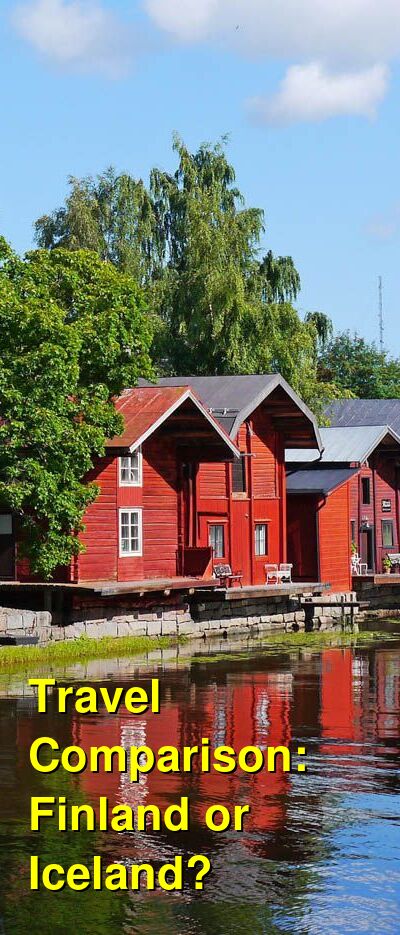
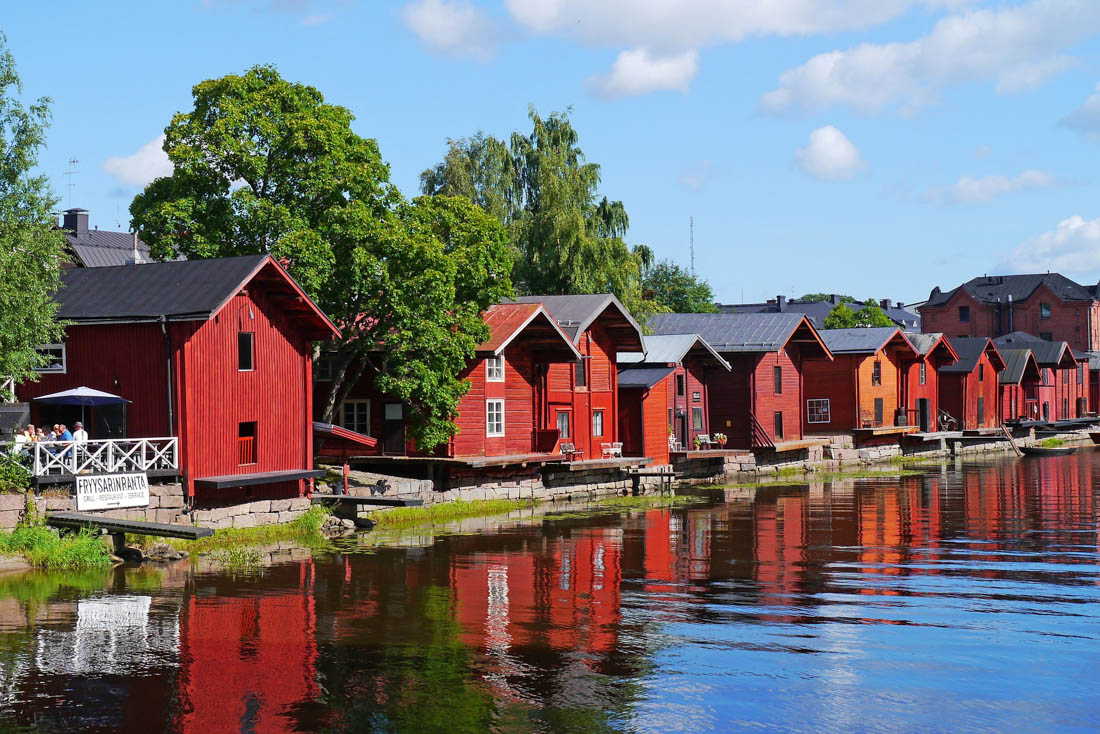 Porvoo, Finland
 Both Finland and Iceland have a number of activities to choose from. In our opinion, Iceland has more to see and do, so we recommend spending more time in Iceland than Finland. However, 3-7 days is a good amount of time to spend in either destination.
Families should spend more time in Iceland than Finland. Because of the many family-friendly attractions and fun things to do for kids in Iceland, it's a great place to visit with the whole family.
Couples should spend more time in Iceland than Finland. You'll find plenty of romantic sights and fun activities in Iceland that are perfect for a weekend getaway or a longer couple's trip.
Backpackers and budget travelers should spend more time in Iceland than Finland if your budget allows for it. With a larger number of budget-friendly sights, good nightlife, and active things to do, anyone traveling on a budget would have a good time in Iceland.
In Finland, you'll find skiing, food, and hiking. The length of your trip often depends on your style of travel. Adventure travel is very popular here, too. One reason most visitors come is for the hiking. Since there is so much to do in the area, a weekend is probably not enough for all of it.
In Iceland, you'll find history and culture, skiing, and nightlife. The length of your trip often depends on your style of travel. Visiting national parks can easily take up a good amount of your time here, too. Since there is so much to do in the area, a weekend is probably not enough for all of it.
Finland is a great place to explore. It is common to spend five days here. Hikers are also drawn to this area. Five days is a great amount of time to relax and see the many things that Finland has to offer. Anyone can find something fun to do here.
Iceland is a great place to explore. It is common to spend five days here. Hikers are also drawn to this area. Five days is a great amount of time to relax and see the many things that Iceland has to offer. Anyone can find something fun to do here.
It's hard to know how much time to spend in Finland. In Finland, you'll find hiking, mountains, and museums. One reason most visitors come is for the hiking. Many visitors also spend a good bit of time hiking. With all of its activities, you can easily fill one week here.
It's hard to know how much time to spend in Iceland. In Iceland, you'll find nightlife, food, and hiking. Many visitors also spend a good bit of time hiking. With all of its activities, you can easily fill one week here.
It's hard to know how much time to spend in Finland. Many people enjoy the hiking, mountains, and museums when visiting Finland. One reason most visitors come is for the hiking. Adventure travel is very popular here, too. Two weeks is more than enough time to enjoy everything. Take some day trips to nearby places to fill the extra days.
It's hard to know how much time to spend in Iceland. Many people enjoy the nightlife, food, and hiking when visiting Iceland. Many travelers plan to spend time at the national parks on their trip. Two weeks is more than enough time to enjoy everything. Take some day trips to nearby places to fill the extra days.
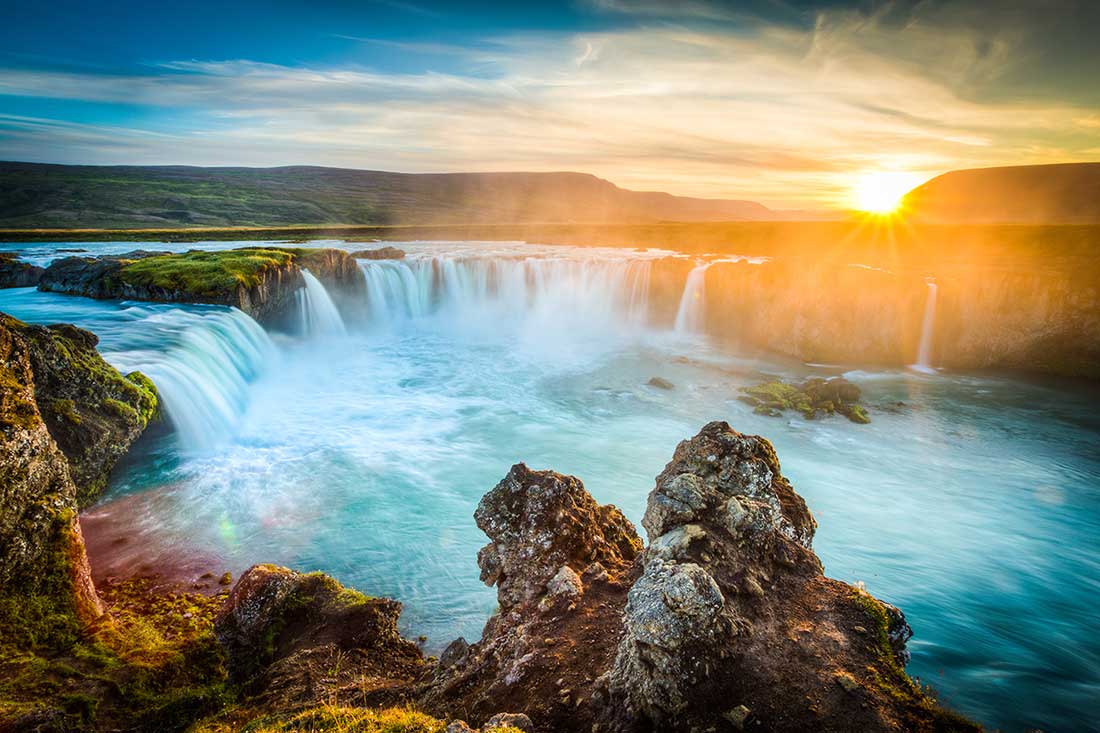 Godafoss Waterfall
 These are the overall average travel costs for the two destinations.
The average daily cost (per person) in Finland is €181, while the average daily cost in Iceland is €232. These costs include accommodation (assuming double occupancy, so the traveler is sharing the room), food, transportation, and entertainment. While every person is different, these costs are an average of past travelers in each country. What follows is a categorical breakdown of travel costs for Finland and Iceland in more detail.
Looking for a hotel in Finland or Iceland? Prices vary by location, date, season, and the level of luxury. See below for options and compare which is best for your budget and travel style.
Kayak helps you find the best prices for hotels, flights, and rental cars for destinations around the world. Compare prices for multiple destinations when planning your next trip.
Also for Finland, here are a few examples of actual transportation services:
Also for Iceland, here are a few examples of actual transportation services:
Prices for flights to both Iceland and Finland change regularly based on dates and travel demand. We suggest you find the best prices for your next trip on Kayak, because you can compare the cost of flights across multiple airlines for your prefered dates.
Here are some examples of typical meal expenses from previous travelers to Finland:
For Finland, here are some samples of tours and activities related to meals and dining experiences:
Here are some examples of typical meal expenses from previous travelers to Iceland:
For Iceland, here are some samples of tours and activities related to meals and dining experiences:
Also, here are some specific examples of entertainment, tickets, and activities for Finland.
For Iceland, here are some examples of average entertainment and activity prices from previous travelers:
Also, here are some specific examples of entertainment, tickets, and activities for Iceland.
Here are a few samples of the prices for alcohol and nightlife in Iceland from other travelers:
Also in Iceland, these are the prices for nightlife and alcohol related activities from various tour providers:
When we compare the travel costs of actual travelers between Finland and Iceland, we can see that Iceland is more expensive. And not only is Finland much less expensive, but it is actually a significantly cheaper destination. So, traveling to Finland would let you spend less money overall. Or, you could decide to spend more money in Finland and be able to afford a more luxurious travel style by staying in nicer hotels, eating at more expensive restaurants, taking tours, and experiencing more activities. The same level of travel in Iceland would naturally cost you much more money, so you would probably want to keep your budget a little tighter in Iceland than you might in Finland.
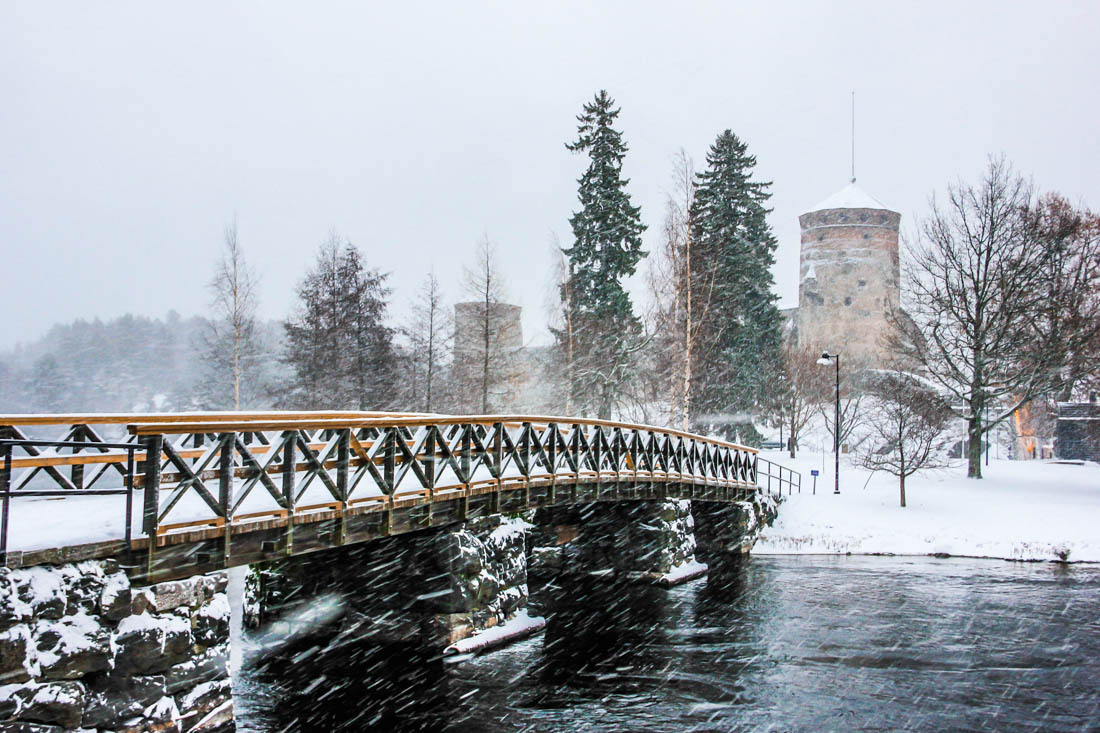 Olavinlinna Castle in Savonlinna, Finland
 Both destinations experience a temperate climate with four distinct seasons. And since both cities are in the northern hemisphere, summer is in July and winter is in January.
Both Iceland and Finland are popular destinations to visit in the summer with plenty of activities. The summer months attract visitors to Finland because of the hiking and the family-friendly experiences. Also, the beaches, the hiking, and the family-friendly experiences are the main draw to Iceland this time of year.
Helsinki is a little warmer than Reykjavik in the summer. The daily temperature in Helsinki averages around 17°C (62°F) in July, and Reykjavik fluctuates around 11°C (52°F).
The sun comes out a lot this time of the year in Helsinki. Helsinki usually receives more sunshine than Reykjavik during summer. Helsinki gets 275 hours of sunny skies, while Reykjavik receives 171 hours of full sun in the summer.
In July, Helsinki usually receives more rain than Reykjavik. Helsinki gets 58 mm (2.3 in) of rain, while Reykjavik receives 52 mm (2 in) of rain each month for the summer.
Both Iceland and Finland during the autumn are popular places to visit. The hiking trails, the shopping scene, and the natural beauty of the area are the main draw to Finland this time of year. Also, many travelers come to Iceland for the hiking trails and the natural beauty of the area.
Be prepared for some very cold days in Reykjavik. In the autumn, Helsinki is a little warmer than Reykjavik. Typically, the autumn temperatures in Helsinki in October average around 6°C (42°F), and Reykjavik averages at about 5°C (41°F).
In the autumn, Helsinki often gets around the same amount of sunshine as Reykjavik. Helsinki gets 90 hours of sunny skies this time of year, while Reykjavik receives 83 hours of full sun.
Helsinki usually gets less rain in October than Reykjavik. Helsinki gets 71 mm (2.8 in) of rain, while Reykjavik receives 86 mm (3.4 in) of rain this time of the year.
The winter attracts plenty of travelers to both Finland and Iceland. Many travelers come to Finland for the skiing, the museums, the Christmas ambience, the shopping scene, and the cuisine. Also, many visitors come to Iceland in the winter for the skiing, the museums, the Christmas ambience, and the cuisine.
Reykjavik can get quite cold in the winter. Be prepared for some very cold days in Helsinki. In January, Helsinki is generally much colder than Reykjavik. Daily temperatures in Helsinki average around -6°C (21°F), and Reykjavik fluctuates around -0°C (32°F).
Helsinki usually receives more sunshine than Reykjavik during winter. Helsinki gets 39 hours of sunny skies, while Reykjavik receives 27 hours of full sun in the winter.
In January, Helsinki usually receives less rain than Reykjavik. Helsinki gets 40 mm (1.6 in) of rain, while Reykjavik receives 76 mm (3 in) of rain each month for the winter.
The spring brings many poeple to Finland as well as Iceland. Many visitors come to Finland in the spring for the natural beauty. Also, most visitors come to Iceland for the beaches and the natural beauty during these months.
Reykjavik can be very cold during spring. Helsinki can get quite cold in the spring. Helsinki is cooler than Reykjavik in the spring. The daily temperature in Helsinki averages around 3°C (37°F) in April, and Reykjavik fluctuates around 3°C (38°F).
In the spring, Helsinki often gets more sunshine than Reykjavik. Helsinki gets 183 hours of sunny skies this time of year, while Reykjavik receives 140 hours of full sun.
Helsinki usually gets less rain in April than Reykjavik. Helsinki gets 41 mm (1.6 in) of rain, while Reykjavik receives 58 mm (2.3 in) of rain this time of the year.
| Helsinki | Reykjavik | |||
|---|---|---|---|---|
| Temp (°C) | Rain (mm) | Temp (°C) | Rain (mm) | |
| Jan | -6°C (21°F) | 40 mm (1.6 in) | -0°C (32°F) | 76 mm (3 in) |
| Feb | -7°C (20°F) | 31 mm (1.2 in) | 1°C (33°F) | 72 mm (2.8 in) |
| Mar | -3°C (27°F) | 34 mm (1.4 in) | 1°C (34°F) | 82 mm (3.2 in) |
| Apr | 3°C (37°F) | 41 mm (1.6 in) | 3°C (38°F) | 58 mm (2.3 in) |
| May | 9°C (49°F) | 31 mm (1.2 in) | 7°C (44°F) | 44 mm (1.7 in) |
| Jun | 15°C (59°F) | 40 mm (1.6 in) | 10°C (49°F) | 50 mm (2 in) |
| Jul | 17°C (62°F) | 58 mm (2.3 in) | 11°C (52°F) | 52 mm (2 in) |
| Aug | 16°C (60°F) | 72 mm (2.8 in) | 11°C (52°F) | 62 mm (2.4 in) |
| Sep | 11°C (51°F) | 74 mm (2.9 in) | 8°C (46°F) | 67 mm (2.6 in) |
| Oct | 6°C (42°F) | 71 mm (2.8 in) | 5°C (41°F) | 86 mm (3.4 in) |
| Nov | 1°C (33°F) | 70 mm (2.8 in) | 1°C (35°F) | 73 mm (2.9 in) |
| Dec | -4°C (26°F) | 58 mm (2.3 in) | 0°C (32°F) | 79 mm (3.1 in) |
 Budget Your Trip is all about finding out how much everything costs so that you can travel cheaper and longer. Created by avid travelers Laurie and Bryan, our goal is to help you plan your next trip on the right budget. With average daily travel costs that are calculated from the budgets of real travelers, plus an analysis of hotel and tour prices, you can find out how much money you need to plan your next adventure. We also have plenty of travel advice, accommodation reviews, and activity suggestions.
Some of the links on this website are sponsored or affiliate links which help to financially support this site. By clicking the link and making a purchase, we may receive a small commission, but this does not affect the price of your purchase.