Which country is cheaper, the Philippines or Latvia?
These are the overall average travel costs for the two destinations.

Which country should you visit? Read on to compare the activities as well as the prices of travel for Latvia and the Philippines. We'll break down costs for accommodation, food, transportation and more to help you learn more about these two destinations. Then, you can figure out if either of these two places are accessible based on your travel budget, schedule, and interests. So, let's dig into it.
We'll start with a quick overview, and below we will go into all of the details.
| Latvia | Philippines | |
| Museums & Attractions |  |
|
| Resorts | |
|
| Scuba Diving & Snorkeling | |
|
| Beaches | |
|
| Hiking | |
|
| Outdoor Activities | |
|
| Families | |
|
| Couples | |
|
| Backpackers | |
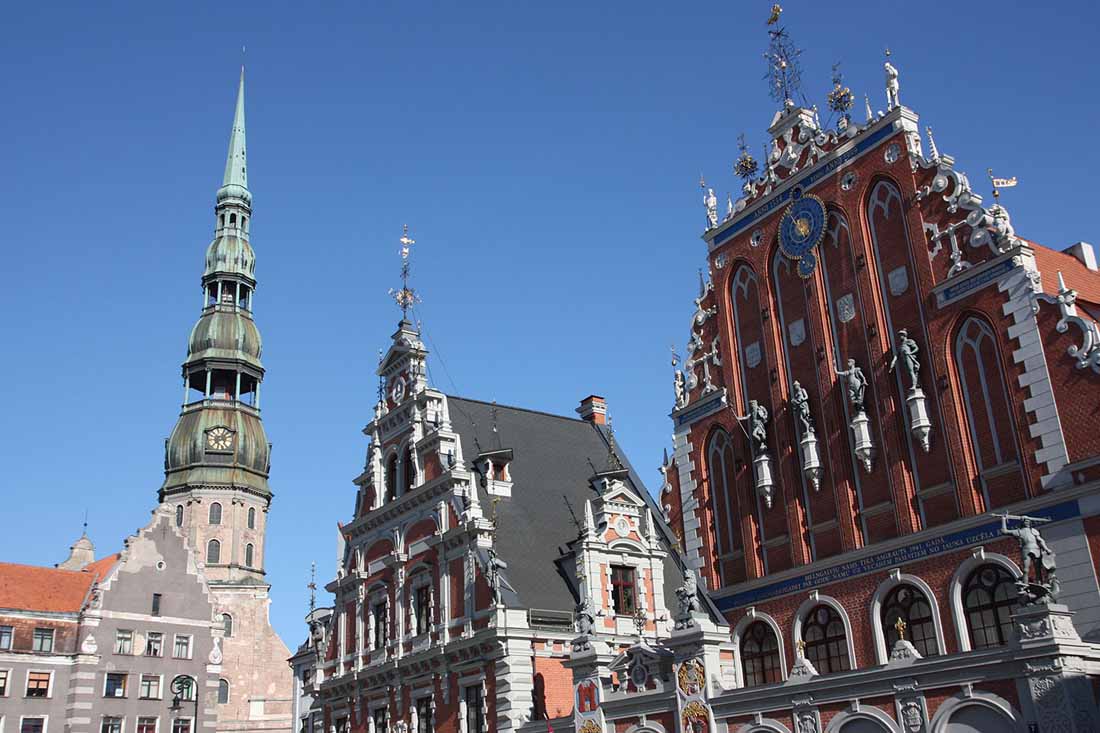 Riga
Riga Latvia is a tranquil, enchanting, and diverse country. Many visitors also come to Latvia because of it's amazing beauty. It's also popular because of the beaches, hiking, museums, and wildlife.
Latvia, a hidden gem of the Baltic region, offers travelers a captivating blend of medieval architecture, pristine nature, and rich cultural heritage. Often overlooked for its more prominent neighbors, Latvia provides an authentic experience with its enchanting landscapes, charming small towns, and vibrant urban centers. The capital city, Riga, boasts a UNESCO-listed Old Town and is renowned for its Art Nouveau architecture, bustling markets, and dynamic cultural scene. Beyond the capital, explore the serene beaches of Jurmala, the natural wonder of Gauja National Park, and the fascinating history of the region. Latvia presents an ideal setting for those seeking a mix of urban exploration and tranquil nature retreats.
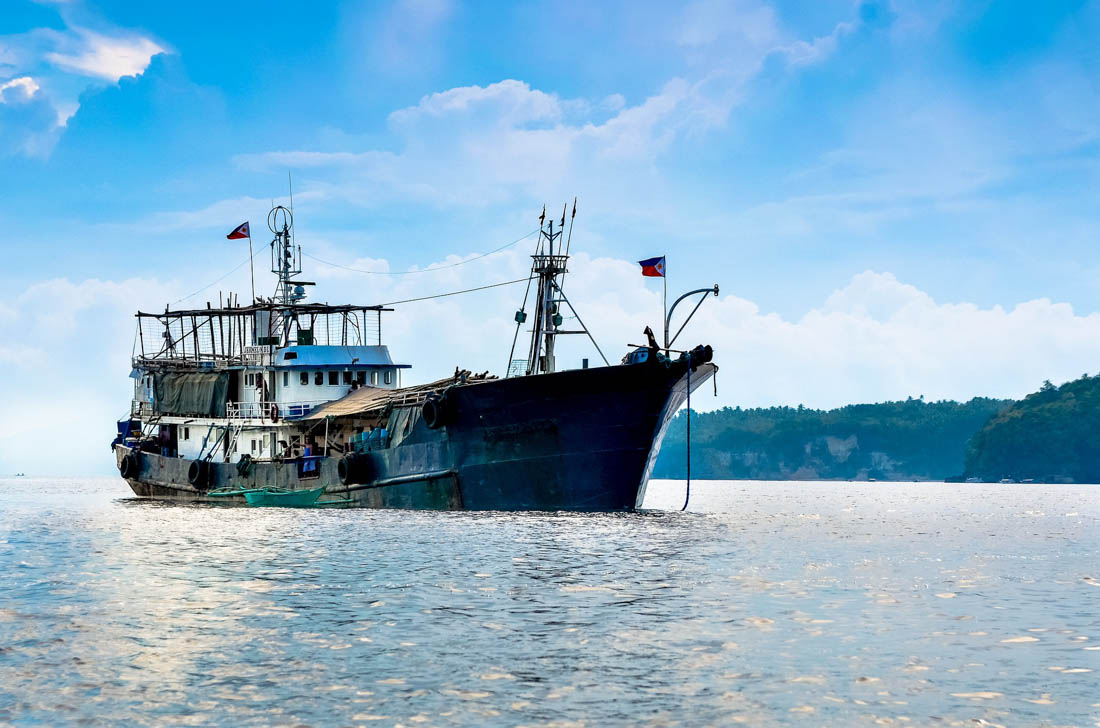 The Philippines
 The Philippines is a vibrant, diverse, and enchanting country. The famous beauty of the Philippines is one of the main draws. It's also known for adventure travel, national parks, history and culture, and nightlife.
The Philippines is a dazzling archipelago of over 7,000 islands, renowned for its pristine white-sand beaches, vibrant coral reefs, and warm, welcoming culture. Adventure seekers can explore world-class dive sites like Tubbataha Reefs or trek through the stunning rice terraces of Banaue, a UNESCO World Heritage site. The country’s dynamic cities, such as Manila and Cebu, blend rich history with modern energy, offering lively markets, colonial architecture, and a burgeoning culinary scene. Island hopping in Palawan or Siargao reveals some of the planet’s most breathtaking natural landscapes, from crystal-clear lagoons to towering limestone cliffs. Filipino hospitality is legendary—expect to be greeted with genuine warmth and festive celebrations that showcase the nation’s unique traditions. Whether you crave relaxation, adventure, or cultural immersion, the Philippines delivers an unforgettable travel experience that lingers long after you’ve left its shores.
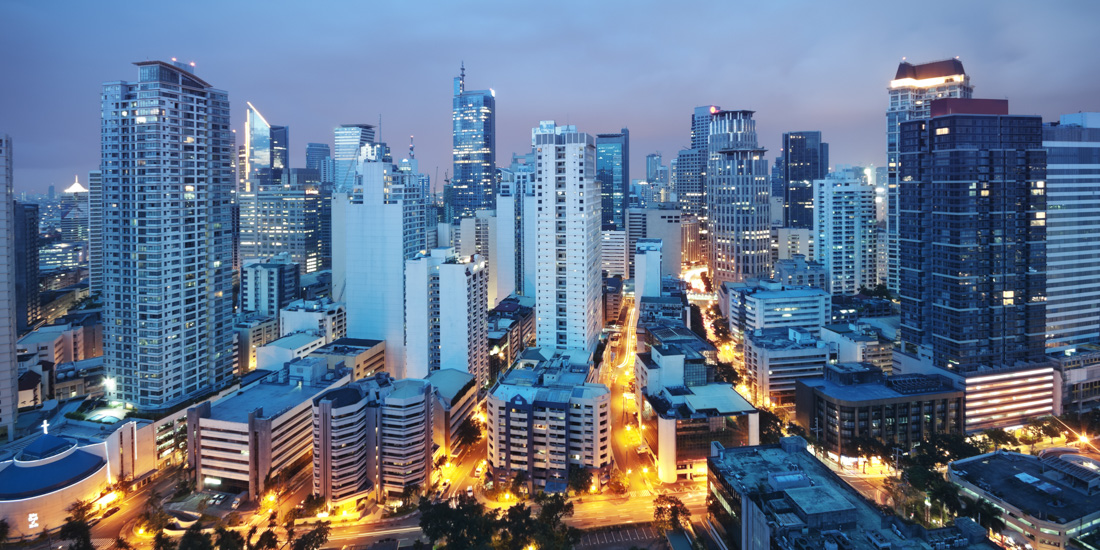 Manila, Philippines
 Below we will examine the differences and similarities between Latvia and the Philippines. With this information, you can decide for yourself which place is better for your next trip.
Interesting museums and landmarks can be found in both The Philippines and Latvia, but many consider Latvia to be a step above.
Visitors can fill many days exploring the museums and attractions around Latvia. A variety of museums cater to different interests in history, art, and culture. Riga boasts the Museum of the Occupation of Latvia, providing insight into the country's 20th-century history. Art lovers will enjoy the Latvian National Museum of Art, which houses a significant collection of local masterpieces. The KGB building, now a museum, offers a unique exploration of the country's complex past. With diverse options, these museums enrich any visit.
While most people don't head to The Philippines specifically for the museums and attractions, it does offer a few options. For travelers seeking to immerse themselves in the rich tapestry of Philippine history, art, and culture, Manila stands as the ultimate museum hub, boasting some of the country’s most celebrated institutions. The National Museum Complex in Rizal Park is a crown jewel, comprising the National Museum of Fine Arts, which houses masterpieces by Filipino legends like Juan Luna and Fernando Amorsolo, and the National Museum of Anthropology, where visitors can marvel at ancient artifacts and indigenous cultural treasures. Just a stone’s throw away, the Ayala Museum in Makati dazzles with its dynamic dioramas of Philippine prehistory and a stellar collection of contemporary art and indigenous textiles, making it a favorite for both locals and international visitors. Up north in Baguio City, the BenCab Museum offers a compelling fusion of contemporary Filipino art and stunning mountain views, founded by national artist Benedicto Cabrera. Each of these museums not only showcases the Philippines’ diverse heritage but also invites travelers into a narrative that is as vibrant and layered as the archipelago itself.
Latvia and The Philippines both offer great history and culture to travelers.
Latvia is a terrific destination to visit for history, arts, and culture, as it has many sights worth visiting. The country is rich in history and culture, with places like Riga's Old Town offering insight into the past through its well-preserved medieval architecture. The Latvian Ethnographic Open-Air Museum provides visitors with a look at traditional Latvian lifestyles and folklore. Numerous castles and palaces around the country, such as Rundale Palace, illustrate Latvia’s historical wealth. Cultural attractions such as opera and theater also thrive, offering another layer of diversity. Latvia's enduring traditions coupled with its diverse historical influences resonate.
The Philippines is an extremely popular destination for those that want to visit historical and cultural sights and attractions, as it offers plenty. The Philippines is a vibrant tapestry of history and culture, woven from centuries of indigenous traditions and colonial influences that continue to captivate travelers today. For those eager to delve into its rich past, Intramuros in Manila stands as the quintessential historic district—a walled city dating back to the Spanish colonial era, where cobblestone streets, centuries-old churches like San Agustin, and majestic forts such as Fort Santiago offer immersive glimpses into the country’s colonial heritage. Meanwhile, the ancient rice terraces of Banaue, often hailed as the “Eighth Wonder of the World,” showcase the ingenuity of the Ifugao people and their harmonious relationship with nature, making it a must-visit for cultural exploration. In Cebu, the Magellan’s Cross and Basilica Minore del Santo Niño testify to the Philippines’ early Christianization and the layers of its multicultural identity. Travelers can enrich their experience by participating in vibrant festivals like Sinulog in Cebu or the Ati-Atihan in Kalibo, where traditional music, dance, and colorful costumes bring history to life through spirited communal celebrations. Whether wandering through museums showcasing indigenous art or joining hands-on workshops to master traditional crafts such as weaving or pottery, visitors to the Philippines find a dynamic cultural landscape that honors its past while celebrating the enduring resilience and creativity of its people.
Latvia offers more big cities to explore than The Philippines.
Because of the large cities in Latvia, visitors will find many sights and attractions. Riga is the most prominent city, balancing historical charm and modern flair with its blend of medieval architecture and modern amenities. The Art Nouveau district is particularly captivating for architecture enthusiasts. Daugavpils, known for its cultural diversity and Daugavpils Fortress, offers a distinct urban experience. Although not overwhelmingly large, the cities have rich cultural offerings, including art galleries, live performances, and trendy cafes. Latvia's cities provide both historic allure and urban sophistication with uniqueness.
See also A Guys' Weekend in Riga.
The Philippines has a few large cities with many activities to entertain visitors, too. The Philippines’ largest cities—Manila, Quezon City, Cebu City, and Davao City—each offer a compelling urban experience that blends vibrant local culture with modern amenities, making them worthwhile stops for any traveler. Manila, the bustling capital, is a dynamic metropolis where historic Intramuros meets towering skyscrapers; visitors flock here for its rich museums, eclectic shopping districts like Binondo (the world’s oldest Chinatown), and a thriving nightlife scene filled with rooftop bars and live music venues. Just northeast, Quezon City is a cultural hub famed for sprawling parks such as La Mesa Nature Reserve and the Grand Theater, attracting theater lovers and families alike. Meanwhile, Cebu City—often dubbed the Queen City of the South—balances big-city energy with historic landmarks like Magellan’s Cross, alongside vibrant festivals and a burgeoning dining scene that ranges from traditional Filipino fare to international cuisine, perfect for food explorers. Down south, Davao City impresses travelers with its clean streets, safe environment, and proximity to natural wonders like Mount Apo; its laid-back nightlife often revolves around cozy cafés and night markets rather than flashy clubs. Across all these urban centers, dining is an adventurous affair, with everything from street food stalls serving adobo and lechon, to upscale restaurants offering fusion dishes. Whether you’re seeking cultural immersion, shopping sprees, theater performances, or lively nightlife, the Philippines’ biggest cities provide a flavorful taste of modern Filipino life intertwined with deep historical roots.
The Philippines generally has a wider variety of smaller towns and villages than Latvia.
The Philippines is a great destination to visit small towns and villages just waiting to be explored. The Philippines is dotted with enchanting small towns that captivate travelers seeking authentic charm, stunning scenery, and a slower pace of life. Places like Vigan in Ilocos Sur, with its cobblestone streets and well-preserved Spanish colonial architecture, whisk visitors back in time and are perfect for leisurely strolls, historical tours, and sampling hearty local cuisine. Meanwhile, Sagada in the Cordillera region offers mystical mountain vistas, hanging coffins, and secret caves that beckon adventure seekers and culture enthusiasts alike, with hiking, spelunking, and traditional rituals forming the core of its appeal. In the Visayas, the quaint island town of Bantayan enchants with powdery white beaches and a relaxed fishing-village vibe, ideal for beachcombing, cycling, and savoring fresh seafood. These towns, characterized by their intimate scale, warm communities, and breathtaking natural backdrops, provide travelers with immersive experiences far from the bustling urban centers, making them some of the Philippines’ most treasured destinations for those craving authenticity and tranquility.
Latvia is a country offering many small towns with plenty of activities. Many small towns offer cultural heritage and picturesque settings. Cesis, with its medieval ruins and charming atmosphere, provides an insight into the past. Kuldiga is famed for its narrow streets and natural beauty, including the widest waterfall in Europe, Ventas Rumba. Sigulda serves as an entryway to the Gauja National Park, providing a mix of history and nature. While not overly crowded with tourists, these towns act as peaceful escapes full of Latvian culture and history.
Picking the best cuisine and restaurants between Latvia and The Philippines can be difficult as they are each great in their own way.
With its innovative style combined with traditional elements, Latvia makes for a great culinary experience. The culinary scene offers delectable delights with a mix of European influences and traditional dishes like piragi (bacon and onion buns) and sklandrausis (sweet pie). Riga hosts a vibrant food scene with eclectic restaurants ranging from fine dining to charming cafes. Local beer and spirits are popular in bistros and pubs, where visitors can also enjoy the contemporary Latvian dining experience. Outside the capital, visitors can savor fresh regional ingredients in dishes. Weekend markets, especially Kalnciema Quarter market, present a tantalizing array of local products.
The Philippines has a huge number of terrific restaurants. Philippine cuisine is a vibrant tapestry of flavors that reflects the country’s rich history and diverse cultural influences, from indigenous Austronesian roots to Spanish, Chinese, and American touches. At its heart are dishes like adobo—tender meat simmered in a tangy blend of vinegar, soy sauce, garlic, and black pepper—a perfect balance of savory, sour, and slightly sweet that epitomizes Filipino home cooking. Other beloved staples include sinigang, a comforting sour tamarind-based soup often brimming with pork or seafood, and lechon, the iconic whole roasted pig celebrated for its crispy skin and succulent meat, especially during festivals. Despite its bold and hearty flavors, Filipino cuisine remains surprisingly underappreciated on the global stage compared to other Southeast Asian fare like Thai or Vietnamese, often overshadowed by misconceptions or limited exposure. However, food enthusiasts and adventurous palates are increasingly discovering the depth and complexity of Filipino dishes, which offer an unforgettable combination of indigenous ingredients and storied traditions that deserve far more acclaim worldwide.
It's hard to distinguish whether Latvia or The Philippines has a better nightlife scene.
Latvia has an active nightlife scene for those who seek it out. Riga offers an engaging nightlife scene, from cozy bars and laid-back pubs to lively clubs. Livu Square in Riga's Old Town hosts a range of bars where locals and visitors mingle. For a more contemporary vibe, the Kalnciema Quarter presents evening markets and live music events. While other cities and towns might be quieter, Riga provides enough activity for those seeking exciting nightlife. Local drinks and clubs featuring Latvian bands and DJs provide something for everyone looking to unwind after a busy day.
Riga: Despite being a small city, this capital has gained a reputation for its party atmosphere. The historic center comes to life in the evenings, particularly between Wednesdays and Saturdays. The area is compact enough that you can walk from club to club and prices are reasonable.
If you're looking for night time activities The Philippines has a few options to choose from. The nightlife in the Philippines pulses with vibrant energy and diverse experiences that cater to every type of night owl. In Manila, the capital, you’ll find a thrilling mix of upscale rooftop bars in Makati, buzzing nightclubs in Bonifacio Global City, and lively karaoke joints where locals showcase their vocal prowess well into the early hours. Meanwhile, Cebu offers a more laid-back yet equally spirited scene, with beach bars lining the popular Mactan Island and pulsating clubs in downtown Cebu City. For those seeking a more unconventional nightlife, Boracay’s beachfront parties are legendary, featuring fire dancers, island raves, and chill-out lounges where the party effortlessly flows from sunset to dawn. Lastly, in Palawan’s emerging hubs like El Nido, you can enjoy eco-conscious bars that combine tropical cocktails with stunning starlit views. Whether you’re into pounding EDM beats, intimate acoustic sets, or salsa rhythms, the Philippine nightlife promises an unforgettable blend of local warmth and global excitement.
See also Party Hostels on Boracay.
With generally more resort options, The Philippines attracts a high number of vacationers.
Vacationers flock to The Philippines for its luxury resorts. The Philippines is a treasure trove of resort experiences, each offering a distinct vibe that caters to a wide range of travelers. In Palawan, particularly around El Nido and Coron, luxury beachfront resorts nestle amid dramatic limestone cliffs and crystal-clear turquoise lagoons, making it a haven for island-hopping, snorkeling, and diving enthusiasts eager to explore vibrant coral reefs and WWII shipwrecks. Meanwhile, Boracay’s world-renowned white-sand beaches pulse with vibrant nightlife, watersports, and upscale resorts, attracting party-goers and relaxation seekers alike. For those craving a more laid-back, cultural immersion, Cebu’s Mactan Island blends sleek resorts with historical charm and offers exceptional diving spots and whale shark encounters in nearby Oslob. Further north, the paradisiacal beaches of Siargao appeal to surfers chasing world-class waves, complemented by boutique resorts that emphasize eco-conscious living and island tranquility. Whether you’re seeking adrenaline-pumping adventure, serene escapes, or a blend of both, the Philippines’ diverse resort landscapes make it a compelling destination for virtually every kind of traveler.
Not known for its high-end resorts, Latvia offers a few options. While not widely known for large-scale resorts, there are some accommodations near the seaside in Jurmala and countryside guesthouses offering relaxing retreats. Wellness hotels around the country provide spa services, integrating leisure with local thermal water traditions. Although Latvia may not boast abundant luxury resorts, opportunities for relaxation and rejuvenation are still plentiful, especially for those seeking a more intimate and quiet experience.
The Philippines provides a better beach experience than Latvia.
The Philippines offers stunning beaches that attract visitors from around the world. The Philippines, an archipelago of over 7,000 islands, boasts some of the world’s most breathtaking beaches, each offering a unique slice of paradise. Topping the list is Boracay’s White Beach, located in Aklan province, famed for its powdery, gleaming white sand and vibrant nightlife that perfectly balances relaxation and revelry. Just a short flight away in Palawan lies El Nido and the nearby Bacuit Archipelago, where dramatic limestone cliffs rise from crystal-clear turquoise waters, creating a surreal backdrop for island hopping, snorkeling, and diving enthusiasts eager to explore vibrant coral reefs and hidden lagoons. Meanwhile, Cebu’s Moalboal is beloved among underwater adventurers for its spectacular sardine run and rich marine biodiversity. Further south, Siargao, the surfing capital of the Philippines, offers not only world-class waves but also pristine beaches like Cloud 9 and the nearby naked, unspoiled islets. What truly sets these beaches apart is their diversity—whether you seek powder-soft sands, epic waves, or stunning seascapes framed by towering limestone formations, the Philippines delivers an unforgettable coastal experience that rivals any tropical destination on the planet.
Latvia is a good option for a beach vacation. The beaches along the Gulf of Riga, particularly in Jurmala, are popular for their soft, white sands and calm waters. Cape Kolka offers more remote shores, perfect for those seeking solitude and natural beauty. During the summer months, these beaches are ideal for sunbathing, beach games, and enjoying a refreshing swim. Less crowded than many European beach destinations, the tranquil atmosphere and natural surroundings are perfect. The expansive coastline makes it great for a coastal getaway.
Latvia is generally considered to be a better destination for hiking.
Latvia offers some nice hiking trails. Ample trails await hikers, especially within Gauja National Park, offering routes through forests, along rivers, and past historic landmarks like castles. Trails at Ķemeri National Park showcase Latvia’s unique bog landscapes and are ideal for those wanting something off the beaten path. Coastal hikes provide majestic sea views and invigorating sea air. The varied terrain across the country promises enriching hikes, ranging from short nature walks to more challenging routes for experienced hikers.
Many visitors include a hike while visiting The Philippines. The Philippines, an archipelago blessed with lush mountains and dramatic volcanic landscapes, boasts some of Southeast Asia’s most captivating hiking destinations. Among the most popular is the Cordillera region in northern Luzon, home to the iconic Banaue Rice Terraces—often called the “Eighth Wonder of the World”—where treks wind through ancient, verdant terraces carved into mountainsides by indigenous Ifugao hands centuries ago. Nearby, mountaineers flock to Mount Pulag, Luzon’s third highest peak, renowned for its surreal “sea of clouds” sunrise and unique pygmy forest at the summit. For those seeking volcanic adventure, Mount Mayon in Bicol offers a challenging ascent to one of the world’s most perfectly conical volcanoes, rewarding hikers with panoramic views of the Albay Gulf. Meanwhile, Mindoro’s Mount Halcon is a rugged trek through dense rainforests, acclaimed for its biodiversity and cultural heritage, making it a favorite among serious hikers craving both physical and immersive cultural experiences. Together, these regions illustrate the Philippines’ unrivaled blend of natural beauty, rich history, and warm indigenous spirit, making it a hiker’s paradise in the tropics.
Visiting the great national parks is a popular activity in both The Philippines and Latvia.
Latvia is a great destination for touring the national parks. Gauja National Park is the largest and most famous, offering extensive opportunities for hiking, cycling, and exploring historical sites like Turaida Castle. The park's lush forests and striking landscapes are popular with those seeking outdoor adventures. Kemeri National Park, known for its bogs and bird watching, adds to the diversity of natural experiences here. These parks often blend natural beauty with historical landmarks, creating a rich experience for visitors.
Visiting the national parks is a popular activity when in The Philippines. The Philippines is a treasure trove of natural wonders, and its national parks showcase the archipelago’s breathtaking biodiversity and dramatic landscapes. Among the most celebrated is the Puerto Princesa Subterranean River National Park in Palawan, famed for its spectacular 8.2-kilometer-long limestone cave system with an underground river—a UNESCO World Heritage site that mesmerizes with its surreal stalactites and wildlife-rich waters. Another gem is the Taal Volcano Protected Landscape in Luzon, where visitors can witness one of the world’s smallest and most active volcanoes framed by a stunning crater lake, offering both adrenaline-pumping treks and serene vistas. For those enchanted by mountain forests, Mount Pulag National Park in Luzon boasts the Philippines’ third highest peak, attracting hikers with its iconic “sea of clouds” sunrise and diverse flora and fauna including the rare Philippine dwarf bamboo and native mountain goats. Finally, the Chocolate Hills Natural Monument on Bohol, while technically a protected area rather than a national park, captivates visitors with its surreal, cone-shaped hills blanketed in green that turn chocolate brown in the dry season—a unique geological wonder you won’t find anywhere else. Each park not only offers scenic beauty but also represents vital ecological sanctuaries that preserve the Philippines’ rich natural heritage, making them must-visit destinations for eco-adventurers and culture seekers alike.
Both Latvia and The Philippines offer similar amounts of great wildlife viewing activities for travelers.
Latvia has some great wildlife viewing activities that attract visitors. Opportunities to observe wildlife, particularly bird watching, are available in coastal and rural areas. Kemeri National Park is an excellent spot for bird enthusiasts, noted for its large populations of migratory birds. Additionally, wild boar, deer, and beaver can occasionally be spotted in Latvia's national parks. The peat bogs, open meadows, and forest landscapes provide habitats for a fascinating range of species. Conservation efforts ensure preservation while offering visitors the chance to appreciate the local ecosystem.
The wildlife and wilderness activities of The Philippines are worth exploring. The Philippines is a dazzling treasure trove for wildlife enthusiasts, offering some of the most unique and diverse ecosystems in Southeast Asia. Among the crown jewels is the Tubbataha Reefs Natural Park, a UNESCO World Heritage site located in the middle of the Sulu Sea, renowned for its incredible marine biodiversity—including sharks, sea turtles, and over 600 species of fish—making it a bucket-list destination for divers and snorkelers alike. On land, the lush forests of Palawan’s Puerto Princesa Subterranean River National Park provide a haven for endemic species such as the Palawan hornbill and the rare Philippine mouse-deer, while the island of Mindoro is home to the critically endangered tamaraw, a dwarf buffalo found nowhere else on Earth. Meanwhile, in Cebu, the waters around Oslob offer the extraordinary opportunity to swim alongside gentle whale sharks, the largest fish in the ocean. These natural areas are not just wildlife hotspots—they are living classrooms of biodiversity and conservation, inviting travelers to witness the Philippines’ rich natural heritage up close.
While Latvia and The Philippines both offer adventure travel experiences, overall The Philippines is considered to have more options for visitors.
The huge number of adventure travel experiences in The Philippines is one of the main reasons travelers come to visit. The Philippines is a veritable playground for adventure seekers, offering an exhilarating mix of activities that perfectly showcase its stunning natural beauty and vibrant culture. For thrill lovers, island hopping in Palawan’s limestone-studded seascapes—especially around El Nido and Coron—is a must, where you can kayak through secret lagoons, snorkel vibrant coral reefs, and dive into World War II shipwrecks. For those craving a land-based adrenaline rush, the Banaue Rice Terraces provide challenging treks that wind through centuries-old terraces and indigenous villages, while the volcanic slopes of Mount Pulag offer memorable summit climbs to greet the sunrise above the clouds. Surf enthusiasts flock to Siargao, the “Surfing Capital of the Philippines,” to ride the famous Cloud 9 waves or explore its rugged inland caves and waterfalls. Meanwhile, caving aficionados can venture into the subterranean world of Sagada’s Lumiang and Sumaguing caves, where spelunking meets local folklore. Whether plunging off cliffs in Camiguin or zip-lining across Davao’s lush canopies, the Philippines promises adrenaline-packed adventures set against some of Asia’s most breathtaking landscapes.
The adventure travel experiences in Latvia are worth exploring, even if they are limited to certain areas. Adventurous travelers can explore hiking and cycling trails in Gauja National Park, with its caves and river valleys. In Sigulda, you'll find opportunities for bungee jumping, zip-lining, and even a summer bobsled track for thrill-seekers. The Baltic Sea stretches along Latvia’s coast, offering an expansive environment for kite surfing and sailing. Adventurers interested in untouched nature can trek in the peat bogs, where unique landscapes offer outdoor enthusiasts opportunities for discovery.
While Latvia and The Philippines both have plenty of outdoor activities, overall The Philippines is considered to be better for travelers seeking outdoor adventures.
The Philippines is famous for its exciting and adventurous outdoor activities. The Philippines is a veritable playground for outdoor enthusiasts, offering a dazzling array of activities amid some of the world’s most breathtaking natural settings. For avid divers and snorkelers, the crystal-clear waters of Palawan—especially around El Nido and Coron—reveal vibrant coral reefs teeming with marine life, including WWII shipwrecks that are bucket-list dive sites. If hiking is more your game, the verdant terraces of Banaue and the challenging summit of Mt. Pulag provide both cultural immersion and awe-inspiring vistas above the clouds. For adrenaline junkies, the surfing mecca of Siargao offers world-class waves, while the scenic rice fields and towering limestone cliffs in the Cordilleras beckon climbers and canyoneers alike. Kayaking, island hopping, and snorkeling through the pristine lagoons of Cebu and the Visayas round out an outdoor experience that combines adventure with the unparalleled warmth of Filipino hospitality. Whether you seek serene nature or heart-pounding thrills, the Philippines’ diverse landscapes deliver memories that last a lifetime.
The outdoor activities and attractions of Latvia are worth exploring. Outdoor activities are pleasingly varied, with options such as hiking trails in Gauja National Park and the numerous beaches around Jurmala for a more relaxed outing. The parks and gardens in Riga provide ideal locations for leisurely walks or runs, perfect for absorbing the city's vibe. For those looking to cycle, the countryside offers scenic routes through forests and small towns. Additionally, the serene landscapes are excellent for camping, especially during the warmer months. Opportunities abound for outdoor lovers.
Latvia is usually considered to be a better destination to explore on a road trip than The Philippines.
With many possiblities for a road trip, Latvia is a great place to take on the open road. Road trippers will enjoy the scenic routes through forests, past serene lakes, and along the picturesque coastline of the Gulf of Riga. Gauja National Park offers drives with beautiful landscapes and historical stops within easy reach. Rural roads lead travelers to charming small towns like Cesis, filled with cobblestone streets and medieval history. The efficient road network connects major attractions, perfect for exploring at a leisurely pace. A Latvia road trip promises serendipitous discoveries away from the usual tourist paths.
The Philippines has some good options for visitors wanting to take road trips. Embarking on a road trip across the Philippines is an adventure bursting with vibrant culture, stunning landscapes, and warm hospitality at every turn. Among the most popular routes is the iconic Cebu-to-Bohol loop, where travelers cruise from the bustling cityscape of Cebu to the idyllic white sands of Panglao Island, stopping en route to marvel at the Chocolate Hills and encounter tarsiers in their natural habitat. Another favored journey is the panoramic Palawan coastal drive, starting from Puerto Princesa and weaving through the karst limestone formations and turquoise lagoons of El Nido and Coron. For those craving a rugged mountain escape, the Cordillera Highway in northern Luzon offers breathtaking views of terraced rice paddies in Banaue and Batad, combining exhilarating road conditions with deep cultural immersion. Taking a road trip in the Philippines is as much about the journey as the destinations—expect lively roadside markets, hearty local cuisine from carinderias, and spontaneous fiestas showcasing traditional music and dance. Most travelers choose either self-drive with a rented vehicle or hire a van with a driver-guide, which offers the flexibility to explore off-the-beaten paths with insider knowledge. Whether traversing volcanic landscapes, coastal highways, or jungle-clad mountains, a Philippine road trip delivers a uniquely dynamic experience where every mile reveals a new facet of this enchanting archipelago.
Families may find more to do in Latvia than The Philippines.
With a huge array of activities for kids, Latvia is very family-friendly. Families visiting here will find a range of kid-friendly attractions and activities. The Laima Chocolate Museum in Riga offers a sweet experience, while the Latvian Ethnographic Open-Air Museum lets families explore traditional Latvian lifestyles. Outdoor-loving families might enjoy the adventure parks in Sigulda or the beaches along the Gulf of Riga, perfect for a day of fun and relaxation. Furthermore, plenty of family-friendly accommodations and restaurants throughout the country make it a convenient destination for those traveling with children.
The Philippines offers lots of family activities. The Philippines stands out as an exceptionally family-friendly destination, offering a vibrant blend of adventure, culture, and relaxation perfectly tailored for travelers of all ages. With its warm hospitality and safe, accessible environments, families can easily explore kid-centric attractions such as the interactive exhibits at Manila Ocean Park, where children can marvel at vibrant marine life through walk-through tunnels and enjoy hands-on touch pools. The lush island of Palawan beckons with its gentle lagoons and shallow beaches in El Nido, ideal for little ones to swim and snorkel among colorful coral reefs without venturing into deep waters. For an educational twist, the Chocolate Hills in Bohol offer a fun landscape for kids to climb and explore, while the nearby Tarsier Sanctuary introduces them to one of the world’s smallest primates in a protected environment. Add in the thrill of whale shark watching in Donsol, where families can observe these gentle giants from safe, regulated distances, and you have a truly memorable, activity-packed Philippine itinerary that delights both parents and children alike.
The Philippines offers a wider variety of romantic activities for couples than Latvia.
The Philippines is fantastic couple's destination with fun and romantic activities. The Philippines stands out as an enchanting romantic destination, offering couples an exquisite blend of natural beauty, intimate experiences, and vibrant culture that make it perfect for honeymoons or romantic getaways. Imagine wandering hand-in-hand along the powdery white sands of Boracay’s White Beach at sunset, where beachfront bars come alive with mellow music and soft candlelight. For a more secluded escape, the pristine turquoise lagoons and limestone cliffs of Palawan’s El Nido serve as a breathtaking backdrop for private island-hopping tours, snorkeling in crystal-clear waters teeming with vibrant coral reefs. Couples seeking adventure can share the thrill of swimming beneath the majestic Puerto Princesa Underground River, while those desiring pure relaxation can indulge in luxurious spa treatments and beachfront candlelit dinners at world-class resorts in Cebu or Bohol. With its warm hospitality, diverse landscapes, and endless opportunities for intimate exploration, the Philippines truly crafts unforgettable memories for lovebirds at every turn.
Latvia is a great country if you're traveling as a couple. Couples seeking a romantic getaway will find the charming streets of Riga's Old Town offers an enchanting atmosphere with its cobbled streets and historic buildings. A scenic drive along the coast reveals beautiful untouched beaches like Jurmala, ideal for a sunset walk. The medieval town of Cesis provides a quaint backdrop for couples looking to explore Latvia's history hand-in-hand. Furthermore, the lush landscapes offer opportunities for serene nature walks in places like Gauja National Park. Cozy cafes and intimate dining spots make for perfect evenings to enjoy together.
Most people consider The Philippines to be better for backpackers than Latvia.
The Philippines is a mecca for backpackers and budget travelers. The Philippines stands out as a top budget-friendly destination for backpackers and younger travelers seeking adventure without breaking the bank. With an abundance of budget hostels and guesthouses scattered across hotspots like Manila, Cebu, and Palawan, travelers can secure clean, social accommodations for as little as $5 to $15 per night—many featuring communal kitchens and vibrant common areas perfect for meeting fellow explorers. The country’s affordable local transport options, including jeepneys, tricycles, and ferries, offer a uniquely immersive way to hop between islands or explore bustling cities for just a few pesos. Beyond transport and lodging, the Philippines boasts countless wallet-friendly activities: from snorkeling alongside vibrant coral reefs in Apo Island, hiking the Chocolate Hills of Bohol, to catching breathtaking sunsets at the iconic Beaches of El Nido—all accessible without pricey tours. In essence, the Philippines empowers thrifty travelers to dive deep into rich culture and natural wonders while keeping their budgets happily intact.
See also Party Hostels on Boracay, Hostels in Manila, Philippines, and Hostels in Cebu, Philippines for Budget Travelers.
Many backpackers visit Latvia. With affordable accommodations and great public transport, it's a fantastic place for backpackers. Riga offers a vibrant hostel scene, making it easy to meet fellow travelers. The country’s extensive bus and train connections provide easy access to explore sites like the hills and caves of Sigulda. Additionally, Skaistkalne, with its serene countryside, offers a peaceful escape from city life without stretching the budget. The diverse landscapes and free attractions offer plenty of experiences without breaking the bank.
Riga: There are many affordable hostels around town as well as restaurants where you can grab a cheap meal. The city offers a great European experience at a fraction of the price of many cities.
See also Affordable Hostels in Riga, Latvia.
Latvia has better transportation options to get you around the region.
Latvia offers a very effecient public transportation network. The public transportation system is efficient and reliable, with buses and trains providing easy access to cities and towns. Riga International Airport serves as a major hub, offering connections to other parts of Europe. The integrated ticketing system makes it simple to transfer between various modes of transport. Additionally, well-maintained roads and highways encourage travel by car. For exploring cities and regions alike, transportation infrastructure is highly accessible and traveler-friendly.
Is it easy to travel around Latvia?
While The Philippines offers some public transit options, it might not be your first choice. Navigating the Philippines is an adventure in itself, with a kaleidoscope of transportation options that reflect the country’s vibrant culture and sprawling geography. For inter-island travel, domestic flights are your fastest and often most convenient choice, with numerous airlines like Cebu Pacific and Philippine Airlines connecting major hubs such as Manila, Cebu, and Davao. On the islands themselves, jeepneys—colorful, iconic minibusses—serve as the quintessential local transport, offering an authentic (if sometimes crowded) way to explore urban and rural areas alike. Buses are reliable for longer land journeys, especially in Luzon and Mindoro, though expect variable schedules and travel times. The Philippines currently lacks an extensive train system beyond the metro rail lines in Metro Manila (MRT and LRT), so rail travel isn’t a viable option for most travelers. Renting a car is possible but driving can be challenging due to traffic congestion and often chaotic road conditions, particularly in big cities. For short, scenic trips, tricycles and motorbike taxis provide quick, nimble rides through narrow streets and coastal towns. While public transportation is plentiful, it isn’t always the most efficient or comfortable for international tourists, so planning ahead and booking flights or private transfers when possible will greatly enhance your travel experience.
Is it easy to travel around the Philippines?
Latvia typically offers more travel comforts and amenities than The Philippines, as it is generally a more modern destination with a larger tourist infrastructure.
People often come to Latvia because it is such a comfortable and luxurious destination. Travelers will find a high level of comfort with modern amenities available throughout. Many luxury hotels, particularly in Riga, ensure a comfortable stay, complete with spas and fine dining. The public transportation network is efficient and user-friendly, making it easy to navigate the country. Even in smaller towns, the level of service and hospitality is commendable, often exceeding travelers’ expectations. The road infrastructure is solid, making it pleasant for those driving or hiring cars. Overall, comfort options are widely available, providing a hassle-free experience.
The Philippines is generally comfortable to travel in, although some areas don't have as much travel amenities. Traveling in the Philippines offers a unique blend of modern convenience and charmingly rugged adventure, making it a captivating destination for the curious traveler. While major urban centers like Manila, Cebu, and Davao boast increasingly modern infrastructure—complete with sprawling malls, reliable ride-hailing apps, and international-standard airports—venturing beyond the cities reveals a more “on-the-ground” experience. Public transit commonly involves jeepneys, colorful and iconic minibuses that are more about character than comfort, and sometimes bustling ferries for island hopping, which tend to be basic but functional. Roads in rural areas can be uneven, leading to bumpy rides, so patience is a virtue. Food, meanwhile, is a vibrant highlight: expect sizzling street-side barbecue skewers, fresh seafood, and bold, flavorful dishes like adobo and kinilaw, often enjoyed in relaxed eateries or markets. Accommodations range from sleek, high-end hotels in key cities to charming family-run inns and cozy beachfront resorts that embody the country’s warm hospitality, though the standards can vary widely depending on location. In short, the Philippines is not about sterile perfection—it’s about lively, colorful experiences that balance modern comforts with a spirited, authentic local rhythm.
Both Latvia and The Philippines are very touristy.
Latvia is somewhat touristy. As a destination, it's moderately touristy, allowing visitors to enjoy its attractions without overwhelming crowds. In Riga, the Old Town sees an influx of tourists, especially during the summer months, but less so than Western Europe’s capitals. Rural areas and national parks offer seclusion and tranquility for those wishing to experience authentic Latvia. Jurmala during the beach season can get busier, yet retains a peaceful vibe. The balance between tourist attractions and quiet areas makes it appealing to diverse visitors.
The Philippines has a reasonable number of visitors. The Philippines occupies a fascinating middle ground in the world of tourism—neither overwhelmed by crowds nor completely untouched by travelers. While iconic spots like Boracay, Palawan’s El Nido, and Cebu’s Kawasan Falls have grown increasingly popular and can see busy high seasons, the country as a whole remains refreshingly off-the-beaten-path compared to more heavily touristed Southeast Asian neighbors like Thailand or Bali. You will encounter lively tourist hubs with a well-developed infrastructure, but just a short journey away, vast stretches of pristine beaches, remote islands, and mountain villages still offer a tranquil escape with minimal tourist traffic. In short, the Philippines is a destination for those who appreciate a dynamic balance: enough visitors to create vibrant local scenes, yet ample opportunities to immerse yourself in unspoiled natural beauty and authentic cultural experiences far from the crowds—making it far from over-touristed but increasingly on the global radar.
For some great organized tour ideas, see The Best 10-Day Tours in Philippines, The Best One Week (7-Day) Tours in Philippines, The Best 2-Week Tours in Philippines, Tours for Outdoor and Nature Lovers in Philippines, The Best Adventure Tours to Philippines, The Best Eco Tours in Philippines, The Best Romantic Tours for Couples in Philippines, The Best Honeymoon Tours in Philippines, and The Best Budget Tours to Philippines.
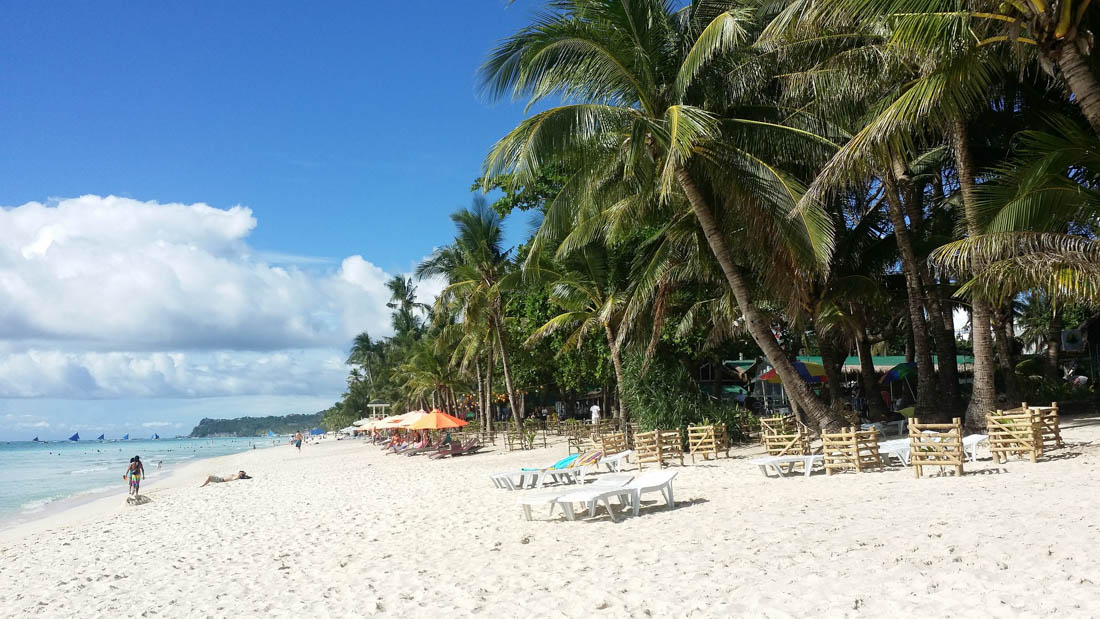 Boracay, Philippines
 Latvia and the Philippines both offer a nice selection of activities for visitors. Many travelers usually spend more of their time in the Philippines than Latvia because of the number of activities and things to do in the area. Usually, 3-5 days is a good amount of time for Latvia, and 5-14 days is enough time in the Philippines.
Families should spend more time in Latvia than the Philippines. Because of the many family-friendly attractions and fun things to do for kids in Latvia, it's a great place to visit with the whole family.
Couples should spend more time in the Philippines than Latvia. You'll find plenty of romantic sights and fun activities in the Philippines that are perfect for a weekend getaway or a longer couple's trip.
Backpackers and budget travelers should spend more time in the Philippines than Latvia if your budget allows for it. With a larger number of budget-friendly sights, good nightlife, and active things to do, anyone traveling on a budget would have a good time in the Philippines.
The destination of Latvia offers history and culture, nightlife, and food. The entire region has so many activities, and you'll want time to do everything. Since there is so much to do in the area, a weekend is probably not enough for all of it.
The Philippines is a great place to explore. With so much to do, a weekend is probably not enough time to see everything. Your budget might influence how long you stay.
Latvia is a great place to explore. This country offers something for everyone. It is common to spend five days here. Five days is often enough time to do most activities.
It's hard to know how much time to spend in the Philippines. For many, it makes a great getaway for five days. Adventure travel is very popular here, too. With all of its activities, you can easily fill five days here. It has many unique tourist attractions and fascinating things to do.
Many people enjoy the food, beaches, and hiking when visiting Latvia. The length of your trip often depends on your style of travel. One week is plenty of time to see everything, even with extra days to spare.
Many travelers enjoy the food, scuba diving and snorkeling, and water sports when visiting the vibrant destination of the Philippines. This country offers a variety of activities to choose from. It's also known for its adventure travel activities. If you have one week, this is a great place to go. This would be the perfect place to spend one week, as it has just the right amount of activities.
Many people enjoy the food, beaches, and hiking when visiting Latvia. The length of your trip often depends on your style of travel. Most people find that two weeks is more than enough time to see everything.
Many travelers enjoy the food, scuba diving and snorkeling, and water sports when visiting the vibrant destination of the Philippines. This country offers a variety of activities to choose from. Many visitors spend time at the beach while visiting the area. If you have two weeks, this is a great place to go. With all of its activities, you can easily fill two weeks here.
The Philippines These are the overall average travel costs for the two destinations.
The average daily cost (per person) in Latvia is €134, while the average daily cost in the Philippines is €60. These costs include accommodation (assuming double occupancy, so the traveler is sharing the room), food, transportation, and entertainment. While every person is different, these costs are an average of past travelers in each country. What follows is a categorical breakdown of travel costs for Latvia and the Philippines in more detail.
Looking for a hotel in Latvia or the Philippines? Prices vary by location, date, season, and the level of luxury. See below for options and compare which is best for your budget and travel style.
Kayak helps you find the best prices for hotels, flights, and rental cars for destinations around the world. Compare prices for multiple destinations when planning your next trip.
Some specific examples of transportation prices in Latvia:
Also for the Philippines, here are a few examples of actual transportation services:
Prices for flights to both the Philippines and Latvia change regularly based on dates and travel demand. We suggest you find the best prices for your next trip on Kayak, because you can compare the cost of flights across multiple airlines for your prefered dates.
Below are a few samples from actual travelers for food and meal costs in Latvia:
Also, here are some specific examples of food and dining related activities in Latvia.
For the Philippines, here are some samples of tours and activities related to meals and dining experiences:
Here are a few actual costs in Latvia for available activities, ticket prices, and tours:
Also, here are some specific examples of entertainment, tickets, and activities for the Philippines.
Some specific costs for nightlife related activities in Latvia:
Here are a few nightlife and alcohol tours and activities from local tour providers in the Philippines:
When we compare the travel costs of actual travelers between Latvia and the Philippines, we can see that Latvia is more expensive. And not only is the Philippines much less expensive, but it is actually a significantly cheaper destination. Since Latvia is in Europe and the Philippines is in Asia, this is one of the main reasons why the costs are so different, as different regions of the world tend to have overall different travel costs. So, traveling to the Philippines would let you spend less money overall. Or, you could decide to spend more money in the Philippines and be able to afford a more luxurious travel style by staying in nicer hotels, eating at more expensive restaurants, taking tours, and experiencing more activities. The same level of travel in Latvia would naturally cost you much more money, so you would probably want to keep your budget a little tighter in Latvia than you might in the Philippines.
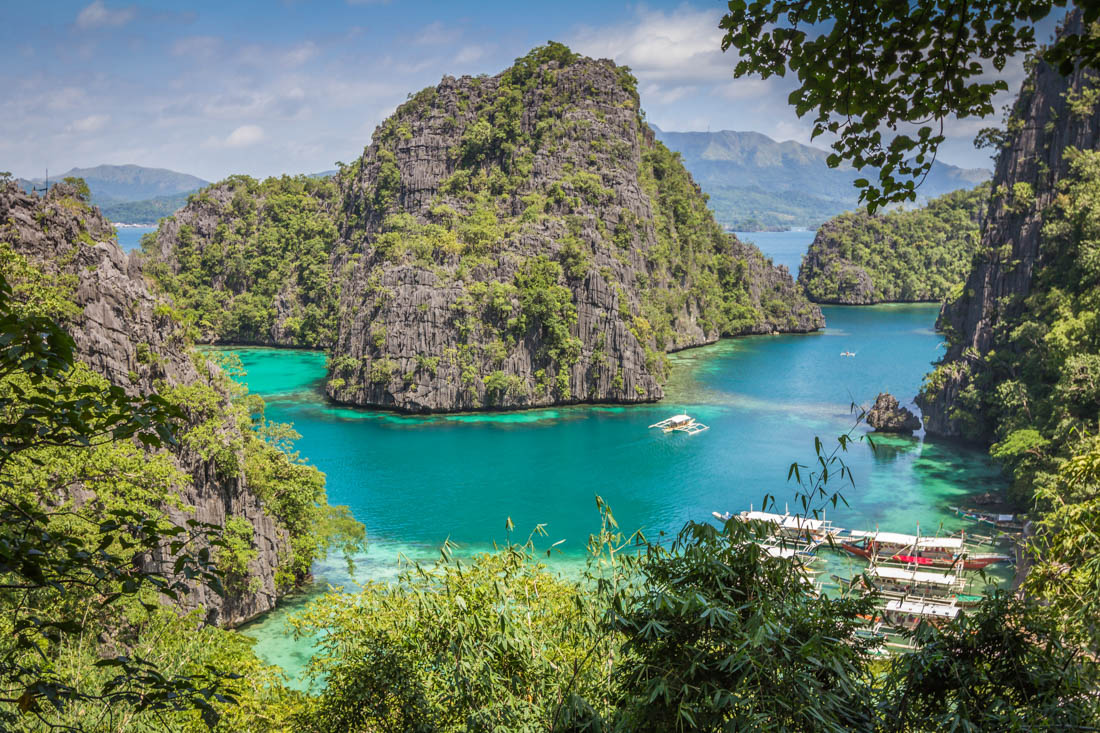 Palawan, El Nido, Philippines
 Riga has a temperate climate with four distinct seasons, but Manila experiences a warm climate with fairly sunny weather most of the year.
Both the Philippines and Latvia during the summer are popular places to visit. The summer months attract visitors to Latvia because of the beaches, the hiking, and the family-friendly experiences. Plenty of visitors come to the Philippines because of the warm climate and sunshine that lasts throughout the year.
In July, Riga is generally much colder than Manila. Daily temperatures in Riga average around 17°C (63°F), and Manila fluctuates around 27°C (80°F).
Manila gets a good bit of rain this time of year. Riga usually gets less rain in July than Manila. Riga gets 79 mm (3.1 in) of rain, while Manila receives 408 mm (16.1 in) of rain this time of the year.
The autumn attracts plenty of travelers to both Latvia and the Philippines. The hiking trails and the natural beauty of the area are the main draw to Latvia this time of year. Warm weather and sunshine bring visitors to the Philippines year-round.
Riga is much colder than Manila in the autumn. The daily temperature in Riga averages around 7°C (45°F) in October, and Manila fluctuates around 26°C (79°F).
Manila receives a lot of rain in the autumn. In October, Riga usually receives less rain than Manila. Riga gets 60 mm (2.4 in) of rain, while Manila receives 240 mm (9.4 in) of rain each month for the autumn.
The winter brings many poeple to Latvia as well as the Philippines. Many travelers come to Latvia for the museums, the Christmas ambience, and the cuisine. The Philippines attracts visitors year-round for its warm weather and sunny climate.
Be prepared for some very cold days in Riga. In the winter, Riga is much colder than Manila. Typically, the winter temperatures in Riga in January average around -5°C (23°F), and Manila averages at about 24°C (76°F).
Riga usually gets more rain in January than Manila. Riga gets 33 mm (1.3 in) of rain, while Manila receives 17 mm (0.7 in) of rain this time of the year.
Both the Philippines and Latvia are popular destinations to visit in the spring with plenty of activities. Many visitors come to Latvia in the spring for the beaches and the natural beauty. The warm climate attracts visitors to the Philippines throughout the year.
In April, Riga is generally much colder than Manila. Daily temperatures in Riga average around 5°C (42°F), and Manila fluctuates around 29°C (84°F).
In April, Riga usually receives more rain than Manila. Riga gets 39 mm (1.5 in) of rain, while Manila receives 18 mm (0.7 in) of rain each month for the spring.
| Riga | Manila | |||
|---|---|---|---|---|
| Temp (°C) | Rain (mm) | Temp (°C) | Rain (mm) | |
| Jan | -5°C (23°F) | 33 mm (1.3 in) | 24°C (76°F) | 17 mm (0.7 in) |
| Feb | -4°C (24°F) | 25 mm (1 in) | 25°C (77°F) | 5 mm (0.2 in) |
| Mar | -0°C (31°F) | 31 mm (1.2 in) | 27°C (80°F) | 10 mm (0.4 in) |
| Apr | 5°C (42°F) | 39 mm (1.5 in) | 29°C (84°F) | 18 mm (0.7 in) |
| May | 12°C (53°F) | 43 mm (1.7 in) | 29°C (83°F) | 142 mm (5.6 in) |
| Jun | 15°C (60°F) | 61 mm (2.4 in) | 27°C (81°F) | 303 mm (11.9 in) |
| Jul | 17°C (63°F) | 79 mm (3.1 in) | 27°C (80°F) | 408 mm (16.1 in) |
| Aug | 16°C (62°F) | 79 mm (3.1 in) | 27°C (80°F) | 452 mm (17.8 in) |
| Sep | 12°C (54°F) | 76 mm (3 in) | 27°C (80°F) | 357 mm (14.1 in) |
| Oct | 7°C (45°F) | 60 mm (2.4 in) | 26°C (79°F) | 240 mm (9.4 in) |
| Nov | 2°C (36°F) | 61 mm (2.4 in) | 25°C (77°F) | 121 mm (4.8 in) |
| Dec | -2°C (28°F) | 49 mm (1.9 in) | 23°C (73°F) | 50 mm (2 in) |
 Budget Your Trip is all about finding out how much everything costs so that you can travel cheaper and longer. Created by avid travelers Laurie and Bryan, our goal is to help you plan your next trip on the right budget. With average daily travel costs that are calculated from the budgets of real travelers, plus an analysis of hotel and tour prices, you can find out how much money you need to plan your next adventure. We also have plenty of travel advice, accommodation reviews, and activity suggestions.
Some of the links on this website are sponsored or affiliate links which help to financially support this site. By clicking the link and making a purchase, we may receive a small commission, but this does not affect the price of your purchase.