

The excitement of an upcoming international trip can make it easy to overlook the practical side of getting ready. Flights and hotels tend to get booked early, but the smaller logistics, the ones that actually determine how smooth those first few days abroad will be, often get pushed to the last minute. Here’s a practical checklist of things to take care of before heading to the airport.
Sort Out Mobile Data Early
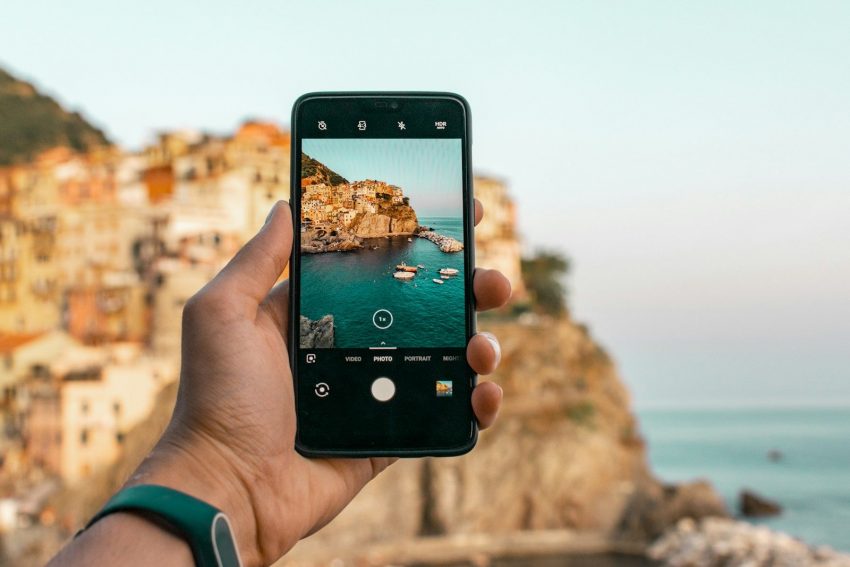
Connectivity abroad is the backbone of nearly everything a traveler does, from navigating unfamiliar streets and translating conversations to accessing boarding passes and managing reservations. Waiting until arrival to figure out a data solution is one of the most common, and most avoidable, pre-trip oversights.
eSIM technology has simplified this process considerably, allowing travelers to activate a foreign data plan directly on their phone without dealing with physical SIM cards. Picking up a Holafly eSIM with unlimited data before the trip, for instance, means there is no need to ration usage or worry about running out of data at a critical moment. Having that settled removes one of the biggest sources of arrival-day stress and ensures that every other digital tool is functional from the moment the plane lands.
Verify Passport and Visa Requirements
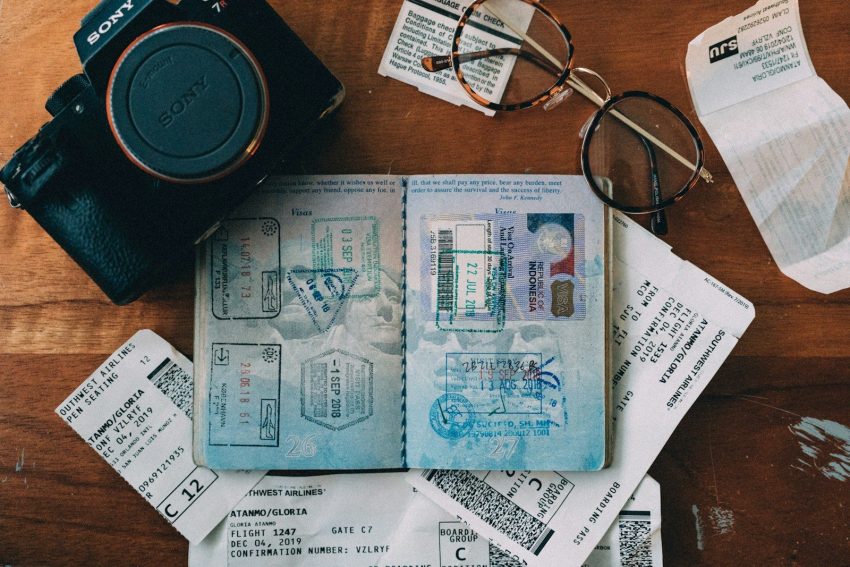
This sounds obvious, but passport and visa issues remain one of the top reasons trips go sideways before they even begin. Many countries require at least six months of validity remaining on a passport from the date of entry.
You should check the specific entry requirements for each country on the itinerary, including any transit stops. Some destinations that were previously visa-free may have changed their policies, and others may now offer electronic visas that need to be applied for in advance. Verifying everything beforehand will give you enough time to renew a passport or process a visa application without the anxiety of cutting it close.
Notify Your Bank and Review Cards
Dealing with a declined card at a checkout counter or ATM when you are abroad can be stressful. Banks often flag foreign transactions as suspicious activity and freeze accounts as a precaution. A quick call or a few taps in a banking app to register upcoming travel dates and destinations prevents this entirely. It also pays to know how you’re going to deal with foreign currencies and how you’ll be accessing cash (more on that here).
While reviewing finances, it is also worth checking whether current cards charge foreign transaction fees. These typically range from 1% to 3% per purchase, but they can add up over the course of a trip. Many banks now offer cards with no foreign transaction fees, and applying for one well ahead of departure can help you save a meaningful amount over a multi-week journey.
Organize Travel Insurance
Travel insurance is one of those things that feels unnecessary until the moment it is desperately needed. A cancelled flight, a medical emergency, stolen luggage, or an unexpected natural disaster can turn your trip into a financial nightmare.
Policies vary widely in what they cover, so you should compare plans and read the details carefully. Key areas to look for include emergency medical coverage (with adequate limits for the destination), trip cancellation and interruption protection, personal belongings coverage, and emergency evacuation. Purchasing a policy soon after booking the trip often provides the broadest cancellation coverage window.
Prepare Your Phone and Devices

Beyond data connectivity, taking some time to prepare your phone and devices goes a long way.
Downloading offline maps and language packs or translation apps for every destination on the itinerary provides a safety net in areas with weak signal. Saving digital copies of important documents, including passport photo pages, insurance policy numbers, and accommodation confirmations, in a secure cloud folder ensures they are accessible from any device if something goes wrong.
Packing a universal power adapter, a reliable portable charger, and the right cables keeps everything running. Check that all devices are updated to the latest software before leaving so you are not forced into a large update over limited data abroad.
Pack With Intention
Overpacking is one of the most reliable ways to make travel more difficult than it needs to be. Versatile clothing that layers well, a single pair of shoes that handles both walking and casual dining, and travel-sized toiletries cover a lot of situations.
Keep essentials like medications, a change of clothes, chargers, plug converters, and important documents in a carry-on rather than a checked bag so you still have access to them if your luggage is delayed or lost. It is a simple precaution that pays off more often than most travelers expect. And throw a clean set of underwear and socks in there, too.
Also, do a quick check for the following:
- Passport expiration dates
- Credit card expiration dates
- Prescription medication refill dates

Check Your Vaccinations
Depending on where you’re from and the countries you’re visiting, you may need to update your vaccinations. It’s quite easy to visit a travel clinic and get everything updated and boosted. Tetanus, Hepatitis, Polio, Measles, and Typhoid are just a few of the diseases that have been almost eliminated in some countries, but are still prevalent in many others.
Give Yourself a Buffer
Building in a buffer day, where everything is packed, documents are confirmed, devices are charged, and there is nothing left to do but rest, makes the actual departure day far more relaxed. The trip begins the moment the front door closes, and starting it calmly sets the tone for everything that follows.

Bryan has visited 61 countries, which is exactly one more country than his wife, and she won’t let him forget it! Also an avid photographer, he enjoys entrenching himself within the local culture in order to learn more about the people of a place. He is the co-founder of Budget Your Trip and loves a good adventure, an exotic meal, or a passionate conversation about global events. And he also loves to find out how much stuff costs, which is why he and his wife started Budget Your Trip.
Sign up to our email newsletter to receive sales, deals, and discounts from major travel companies!