Nature travel doesn’t have to mean staying in expensive lodges or putting together complicated plans. In many places, the best experiences come from simply being outside, whether that’s walking a trail, taking a local bus to a national park, or spending time in landscapes that don’t need much setup to enjoy.
The destinations in this guide are known for such access. You can reach them without overthinking the logistics, and once you’re there, most of your time is spent exploring what’s already around you.
Granite Peaks and Glacial Wonders in Patagonia
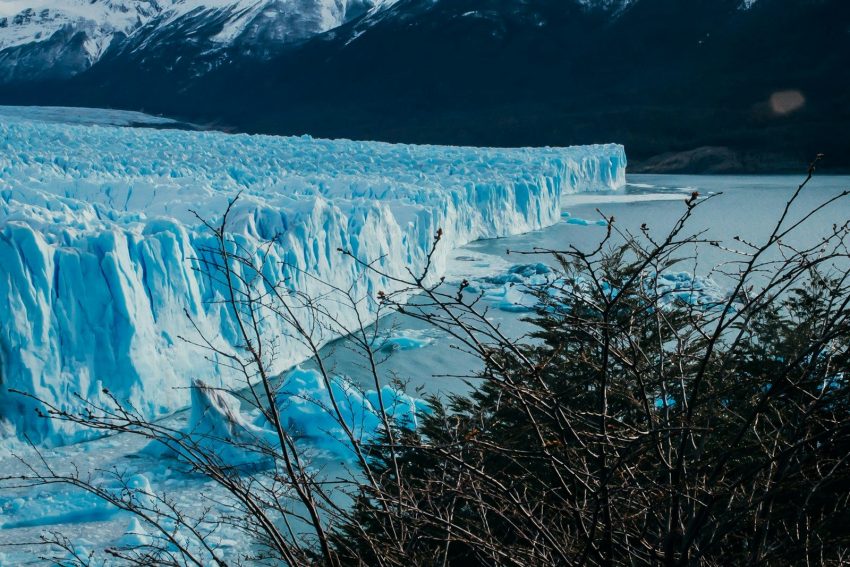
Patagonia feels vast from the moment you arrive. In Argentina, El Calafate serves as the main gateway, with Avenida del Libertador lined with small shops and places to pick up basic supplies before heading into Los Glaciares National Park. Buses run regularly from town to the Perito Moreno Glacier, helping keep costs down if you skip private transfers. The main walkways face the glacier directly, and you’ll hear the ice cracking long before you see sections break off into the water.
El Chaltén is a few hours north and works well for travelers who want to focus on hiking without spending much once they arrive. Avenida San Martín runs through the center, and most trailheads begin just outside town, so there’s no need for extra transport. The hike to Laguna de los Tres, below Mount Fitz Roy, starts gradually and becomes steeper near the end.
It’s possible to find luxury trips in Patagonia without the full splurge. These typically include guided hikes, glacier excursions, and transport between Argentina and Chile, making the overall experience easier to manage. They often cover national park fees and accommodation in more remote areas, which can be especially useful if you’re short on time or traveling during periods of unpredictable weather.
Volcanic Landscapes and Cloud Forests in Costa Rica
Costa Rica is one of the best places to experience different landscapes without long travel days. From San José, buses and shared shuttles head toward La Fortuna, where Arenal Volcano dominates the skyline. The area around Parque de La Fortuna has small grocery stores and local markets where you can pick up food before heading into Arenal Volcano National Park. Entry fees are consistent, and trails are clearly marked, which helps if you’re exploring on your own.
The terrain around Arenal includes old lava fields, forest paths, and viewpoints where the volcano is visible on clear days. You don’t need a guide for most trails, though some reserves charge separate entrance fees depending on the section you visit. Hot springs are a big draw here, but there are public-access rivers where locals go, which keeps costs down.
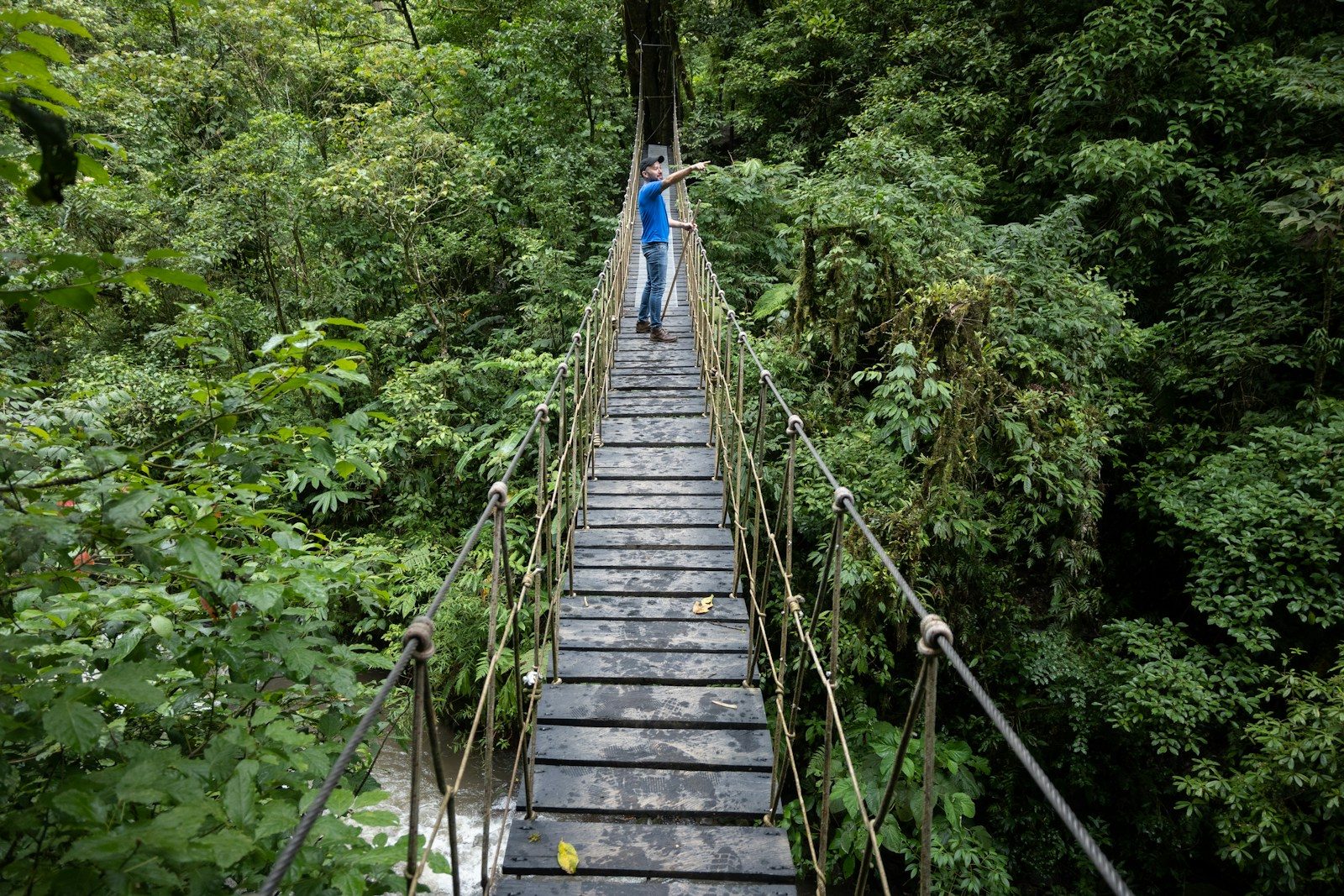
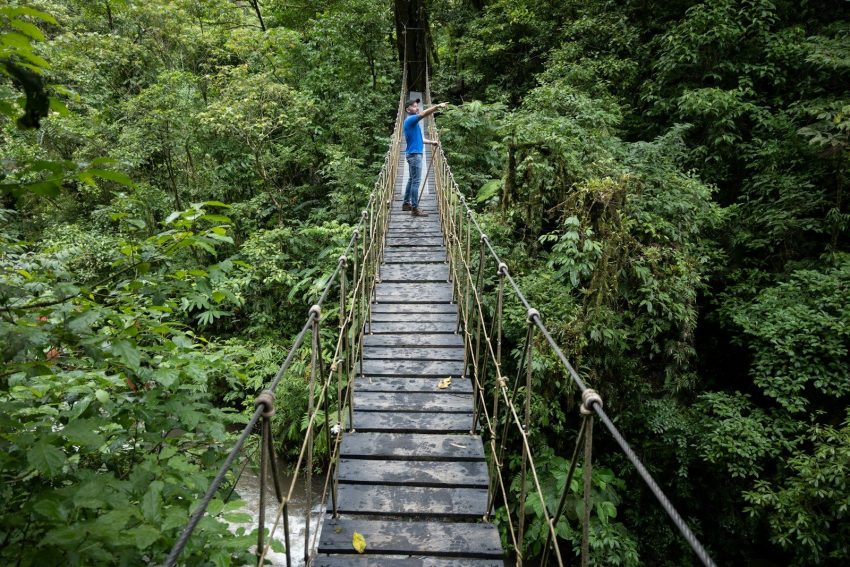
Monteverde sits higher up, with cooler temperatures and cloud forest conditions that change quickly throughout the day. The road into Santa Elena is rough in places, but public buses run daily. Inside Monteverde Cloud Forest Reserve, hanging bridges and narrow paths move through dense vegetation. Visibility can drop quickly when the mist rolls in, and that’s part of what makes the area feel different from the lowland forests.
Himalayan Ridges and High-Altitude Trails in Nepal
Kathmandu is the starting point for most treks in Nepal, and Thamel is where many travelers arrange permits, gear, and transport. The streets are lined with trekking shops selling everything from jackets to basic supplies, making it easy to compare prices before heading into the mountains.
Pokhara is a common base for the Annapurna region. Lakeside Road runs along Phewa Lake, where small boats line the shore and mountain views appear early in the morning before clouds move in. Permits for the Annapurna Conservation Area are arranged in town, and shared jeeps or buses connect to trailheads like Nayapul.
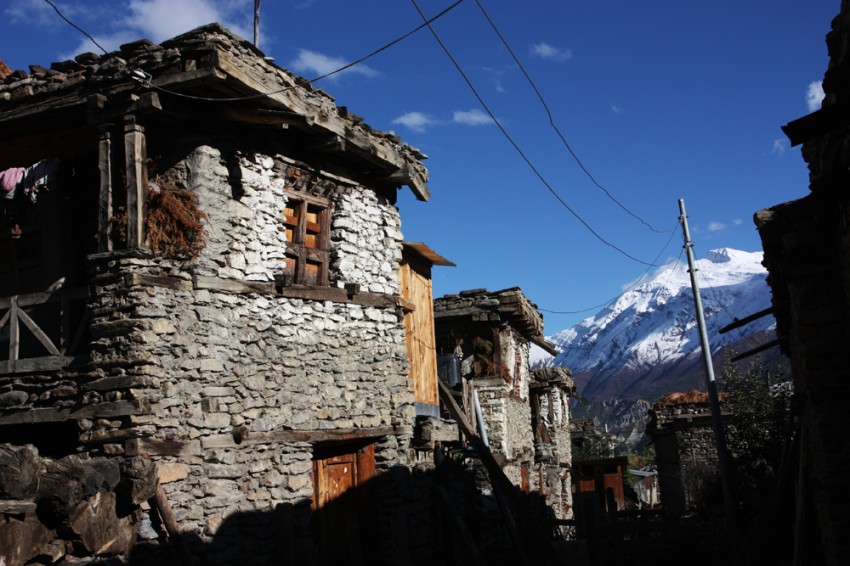
Longer trekking routes usually require some planning around altitude and accommodation, especially during peak seasons. To make the most of the amazing trekking in Nepal, it’s worth considering guided options that cover permits, teahouse stays, and daily pacing. On routes like the Annapurna Circuit or Everest Base Camp, villages such as Namche Bazaar and Manang act as key stops. Small markets sell snacks, basic gear, and supplies, so there’s no need to carry everything from the start.
Geothermal Springs and Arctic Tundra in Iceland
Iceland’s landscapes change quickly once you leave Reykjavík. Laugavegur, the main street, is lined with supermarkets and gear shops where you can stock up before heading out. Renting a campervan is common, but buses also run to major stops along the Golden Circle, making it manageable if you’re working with a tighter budget.
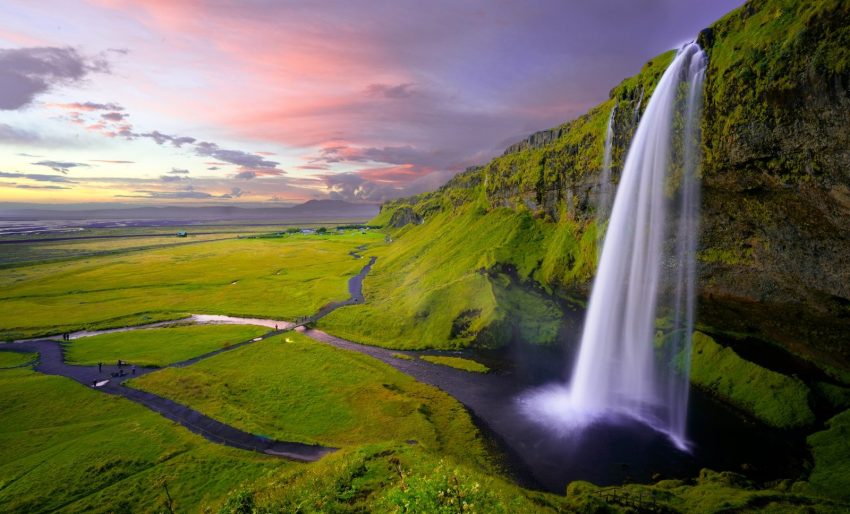
Þingvellir National Park is one of the first stops, where marked paths cut through rocky ground between tectonic plates. Entry to the park itself is free, though parking is fee-based. The Geysir geothermal area sits further along, with Strokkur erupting every few minutes. Gullfoss waterfall is close by, with viewing paths that can get icy depending on the season.
For those who want to spend more time trekking outdoors, the Laugavegur Trail begins near Landmannalaugar and runs through geothermal valleys, black sand stretches, and open highland terrain. It’s a multi-day hike with huts along the route, though camping is a more affordable option if you bring your own gear. Weather can change quickly here, even in summer, so preparation matters more than anything else.
Pristine Archipelagos and Unique Wildlife in the Galápagos
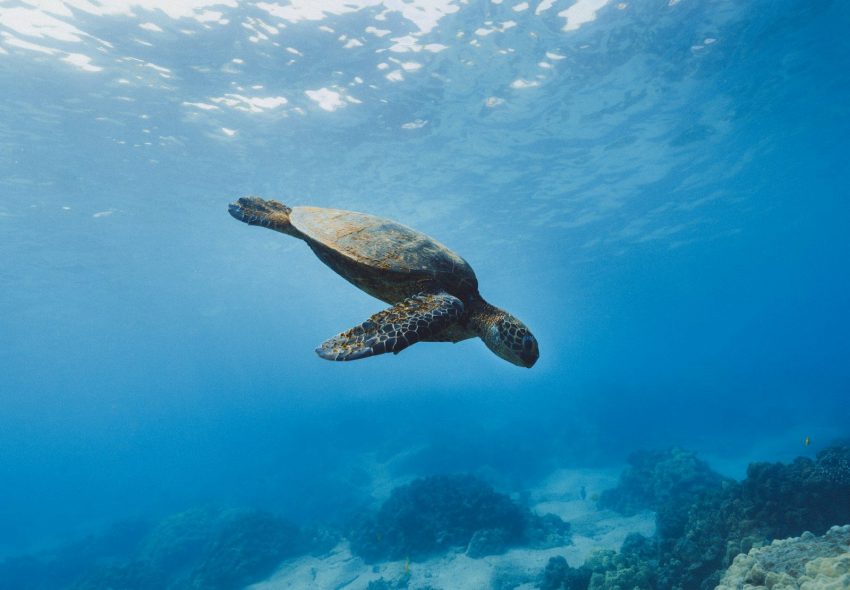
The Galápagos Islands are more regulated than most nature destinations, which shapes how you plan your time. On Santa Cruz Island, Puerto Ayora serves as the main base. Small fish markets draw sea lions and pelicans in the mornings, and it’s easy to walk between the harbor, shops, and the Charles Darwin Research Station.
Tortuga Bay is one of the most accessible spots from town. A paved path leads through dry forest before opening onto a wide beach. Marine iguanas rest on the rocks, and the water is calm enough for kayaking in certain areas. Entry is free, though there’s a national park fee when you first arrive in the islands.
Each island offers a slightly different experience. On Isabela Island, Puerto Villamil has sandy streets and a quieter atmosphere. The hike to Sierra Negra Volcano takes a few hours and leads to a wide crater with views across the surrounding landscape. Boat transfers between islands are fixed and can be rough depending on sea conditions, so it’s worth allowing extra time in your plans.
Where will your next adventure begin?
There’s no single way to approach nature travel, and that becomes clear across these destinations. Some keep things simple, with short distances and easy access to parks, while others require more time and effort, especially when altitude or weather comes into play.
The common thread is how much of the experience happens outdoors, without the need for constant planning or spending. Once you arrive, your time is shaped by the landscape itself, which is what makes these places worth visiting.
If you’d like some advice planning your next adventure, send us a message here on the website, or find us on Facebook or Instagram.

Bryan has visited 62 countries, which is exactly one more country than his wife, and she won’t let him forget it! Also an avid photographer, he enjoys entrenching himself within the local culture in order to learn more about the people of a place. He is the co-founder of Budget Your Trip and loves a good adventure, an exotic meal, or a passionate conversation about global events. And he also loves to find out how much stuff costs, which is why he and his wife started Budget Your Trip.
Sign up to our email newsletter to receive sales, deals, and discounts from major travel companies!