There is a quiet debate that runs through every serious wildlife photography community. It surfaces at exhibitions, in gear forums, on the long flights home from somewhere extraordinary. It goes like this: North or South? The Atlantic Puffin or the Antarctic Penguin?
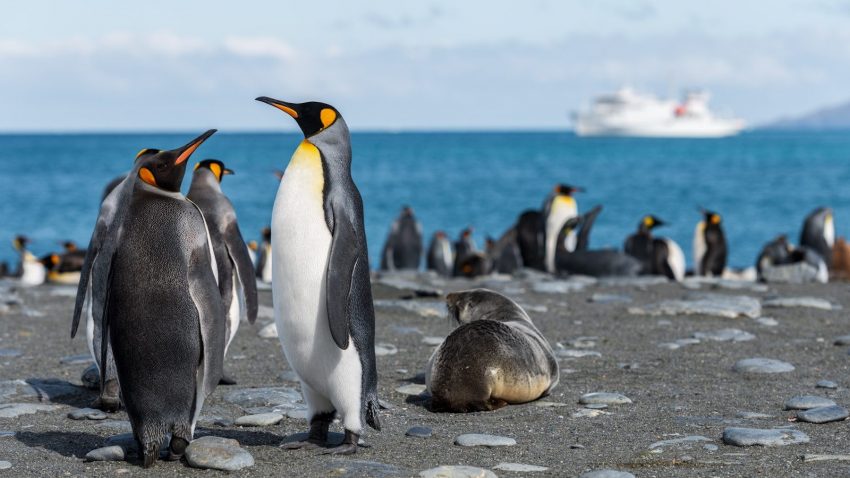
So, maybe it’s not as serious as it sounds? But in reality, this debate represents the two ends of Polar travel. After all, visiting the far north or the far south can lead to extraordinary wildlife viewing opportunities, cultural experiences, gorgeous scenery, and some awesome adventures.
Both the penguin and the puffin are visually magnetic. Both inhabit landscapes so cinematic they barely require a filter. And both demand a level of intention in planning, equipment, and patience that separates the dedicated photographer from the casual tourist. The question is not which bird is more photogenic. The question is which journey speaks to your creative vision and desire for adventure.
The Atlantic Puffin: Northern Charm in High Definition
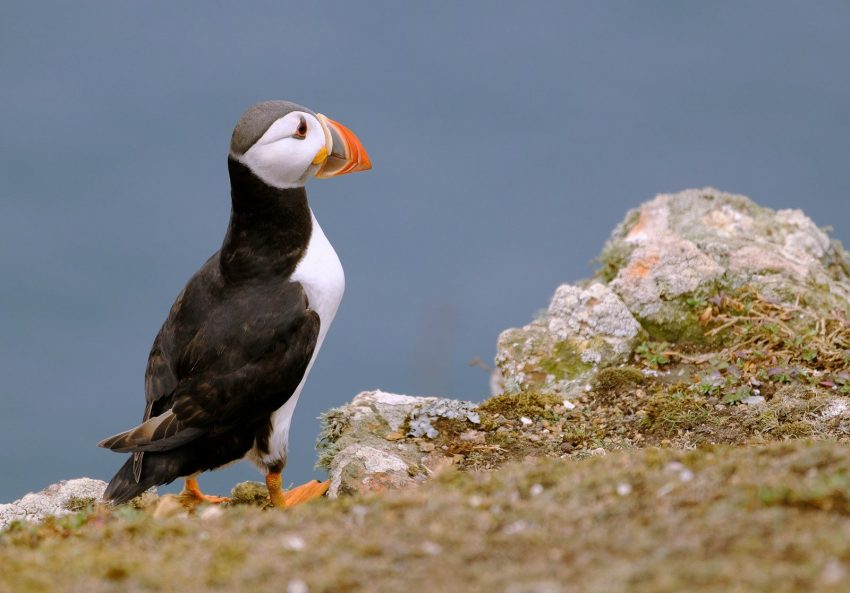
Miniature Icons of the North Atlantic
Exploring the jagged cliffs of the North requires more than just a good camera lens; it demands a deep appreciation for the raw, cinematic beauty of the Arctic regions. For photographers aiming to capture the vibrant beaks and soulful eyes of Atlantic Puffins, choosing a specialized itinerary is key to finding the most secluded nesting grounds. By booking professional tours to Iceland and Norway at Nordic Saga’s website, you gain access to expert-led journeys that place you in the heart of the action during the golden hours of the Midnight Sun, ensuring every frame is a masterpiece of light and wildlife.
The puffin has a gorgeous color palette of burnt-orange beak against monochrome plumage, set against basalt cliffs and North Atlantic spray. This is a composition that rewards patience. When one launches from a ledge with a beak full of sand eels, you have perhaps a quarter of a second. That is the image.
The Antarctic Penguin: Grandeur on the Ice
Tuxedos in the Frozen Wilderness
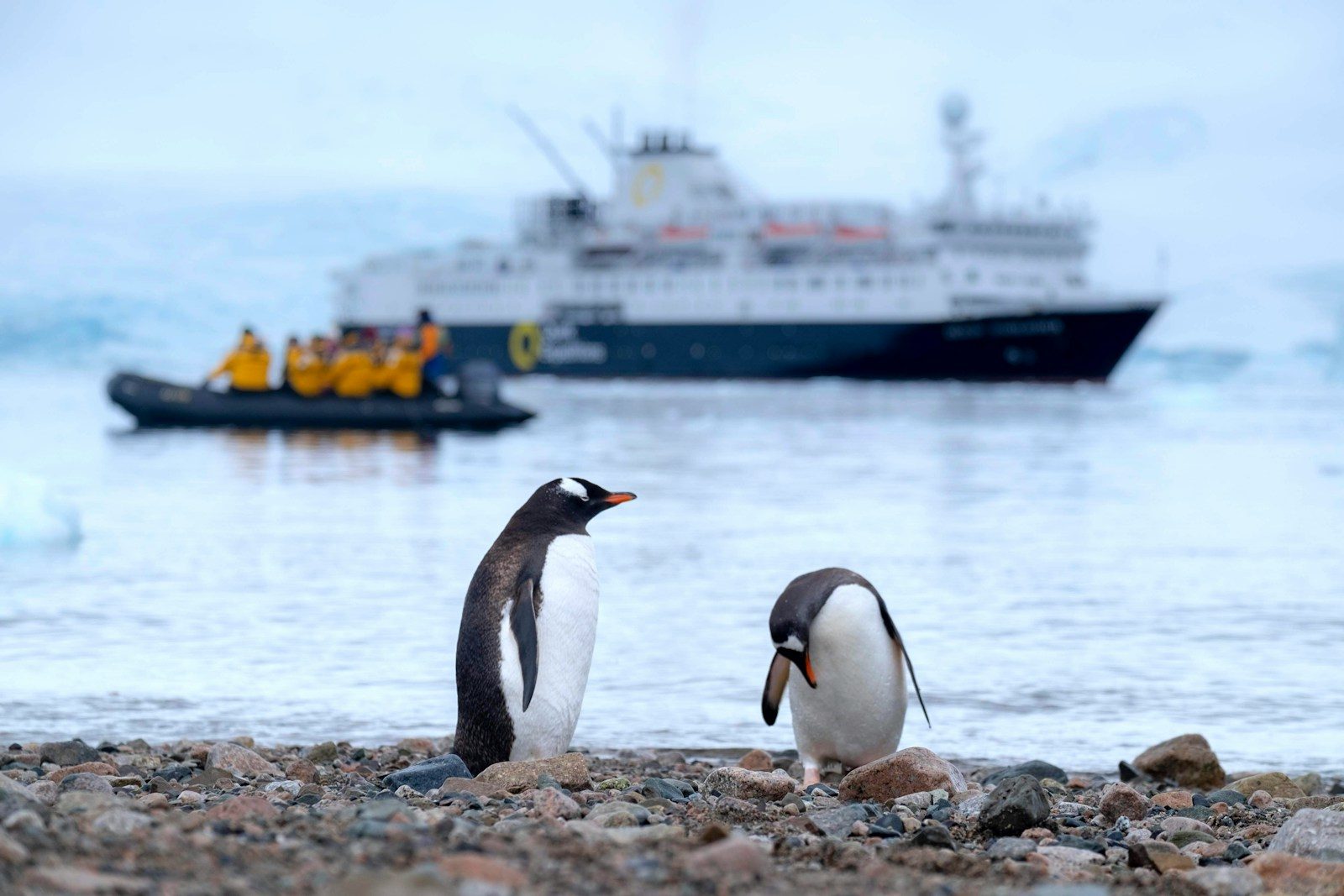
The Southern Hemisphere operates at a different scale entirely. Emperor Penguin colonies number in the tens of thousands. Gentoo chicks cluster in crèches across blue-white ice shelves. The photographic challenge here is one of tonal restraint: white feathers against white ice against a white sky demands precise exposure discipline and a compositional eye that finds structure in apparent uniformity.
What Antarctica offers that no northern landscape can match is the sheer gravity of scale. A single wide frame can contain thousands of subjects. The narrative writes itself, but only if you know how to read light on ice.
Equipment Essentials for Bird Photography
Lenses and Logic for the Polar Regions
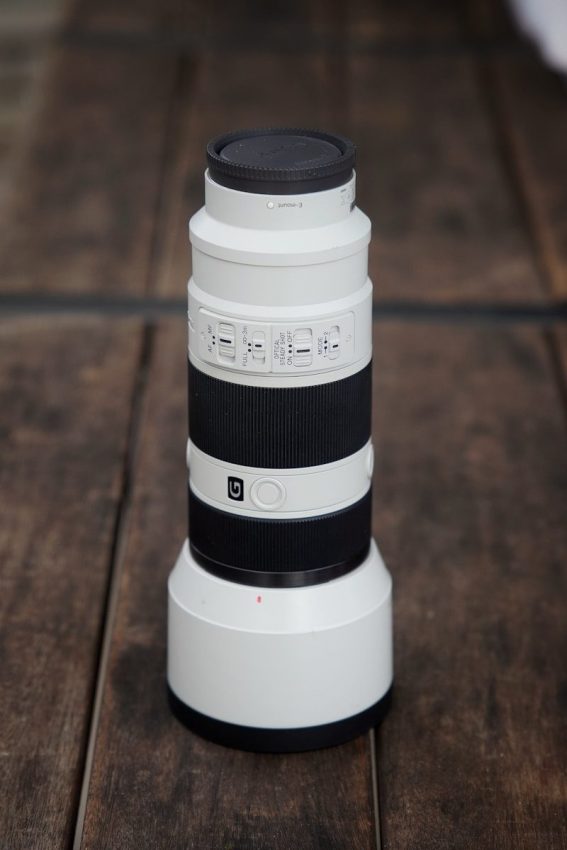
Both destinations are unforgiving for an unprepared photographer. The gear considerations are non-negotiable:
- Telephoto reach: 500mm minimum for puffins in flight; 600mm preferred for distant penguin colony details
- Weather sealing: Salt spray in the North, condensation and ice crystals in the South. Your body and lens must handle both
- Silent shutter: Critical for not disturbing nesting behavior at close range
- High-speed burst: The puffin’s wingbeat is rapid and irregular; the penguin’s underwater torpedo movement rewards continuous shooting
Invest in a robust carbon-fibre tripod. The wind on an Icelandic cliff face is not a suggestion.
Navigating the Arctic Archipelago
Beyond the Lens in the High North
While the birds are the stars, the environment is the canvas. The puffin exists within an ecosystem of staggering complexity with deep fjords carved by ancient glaciers, tundra plains that bloom briefly and brilliantly, coastal villages that have coexisted with seabird colonies for centuries. To truly immerse yourself in these landscapes, specifically curated Arctic Circle Tours offer a rare opportunity to document not just the puffins, but the dramatic glaciers and deep fjords that define their habitat. This level of immersion is essential for a portfolio that tells a complete story of the ecosystem, not just a collection of isolated portraits.
Seasonal Timing: When the Colonies Come Alive
Breeding Seasons and Golden Light
Timing is not a detail. It is the foundation of the entire journey. As you probably already know, behind many great photos are the plans and strategies of the photographers who captured the crucial moment.
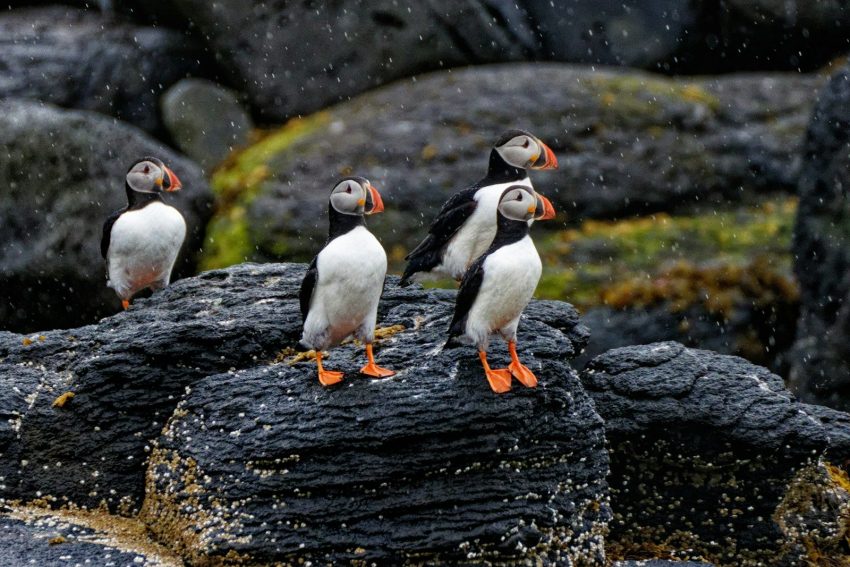
For Puffins in the North Atlantic:
- Prime window: May through August
- Peak nesting activity: June and July
- Light quality: midnight sun creates 20+ hours of warm, directional golden light, which is a bespoke photography condition that simply does not exist elsewhere on the planet
For Penguins in the Antarctic:
- Prime window: November through February
- Peak chick activity: December and January
- Light quality: Long austral summer days with low-angle light that sculpts the ice into architectural forms
Miss the window and you miss the story.
Ethical Wildlife Photography
Respecting the Boundaries of the Wild
A curated journey to the world’s most fragile ecosystems carries a responsibility that goes beyond the frame. The principles are simple, and non-negotiable:
- Distance: Long focal lengths exist precisely so you never need to compromise an animal’s comfort for your composition
- Stillness: Move slowly, speak quietly, read the body language of the colony before you approach
- Leave No Trace: The basalt ledge you rested your tripod on has hosted puffins for generations. It should host them for generations more
The most ethical wildlife photographers are also, consistently, the most skilled. Patience and restraint produce better images than proximity ever will.
Comparing the Landscapes: Basalt Columns vs. Icebergs
The Backdrop is Everything
Post-processing philosophy shifts completely between hemispheres.
The North gives you: rich greens, deep charcoal basalt, amber golden-hour tones, the blue-grey of the North Atlantic. A cooler grade with lifted shadows and preserved highlight texture in the sea spray.
The South gives you: a near-monochromatic blue-and-white palette, punctuated by the rust-orange beaks of Gentoos and the vivid sky of a clear Antarctic noon. Contrast and clarity do the heavy lifting. The edit is minimal because the scene is already complete.
Two birds. Two palettes. Two entirely different photographers you become in the process of capturing them.
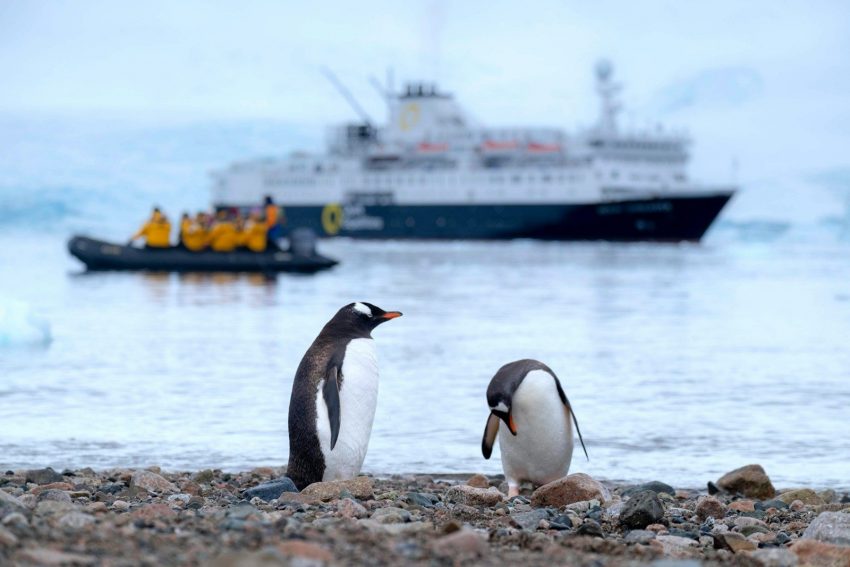
Which Winged Icon Wins?
The honest answer: both, but it depends on your preferences, both with photography and with travel.
The Atlantic Puffin rewards the photographer who loves intimacy. Here it’s all about the single portrait, the decisive moment of flight, the interplay of a vivid beak against a grey sea. The Antarctic Penguin rewards the one who thinks in landscapes and sees a colony as a composition, finding poetry in scale.
The ultimate wildlife photo tour is not defined by the subject. It is defined by the quality of attention you bring to it, the thoughtfulness of the itinerary that puts you in place to witness something true, and the commitment to leaving the ecosystem exactly as you found it.
Head North for the cliffs and the color. Head South for the silence and the ice. Either way, you come home with more than images.

Bryan has visited 61 countries, which is exactly one more country than his wife, and she won’t let him forget it! Also an avid photographer, he enjoys entrenching himself within the local culture in order to learn more about the people of a place. He is the co-founder of Budget Your Trip and loves a good adventure, an exotic meal, or a passionate conversation about global events. And he also loves to find out how much stuff costs, which is why he and his wife started Budget Your Trip.
Sign up to our email newsletter to receive sales, deals, and discounts from major travel companies!