I’ve spent years chasing the quiet version of places everyone else rushes through, and nothing gets you there faster than swapping a hotel booking for a set of van keys. A room ties you to one town and a check-in time. A campervan lets you follow the coast until you find a beach with nobody on it, then simply stay the night. This year I mapped out two trips that work the same way on opposite sides of the world: one heading north from Sydney up the New South Wales coast, the other looping out of Los Angeles through the California desert and back along the Pacific. They suit very different landscapes, but the freedom is identical. Here’s how I’d do each.
The Australian leg: a slow drive up the New South Wales coast from Sydney
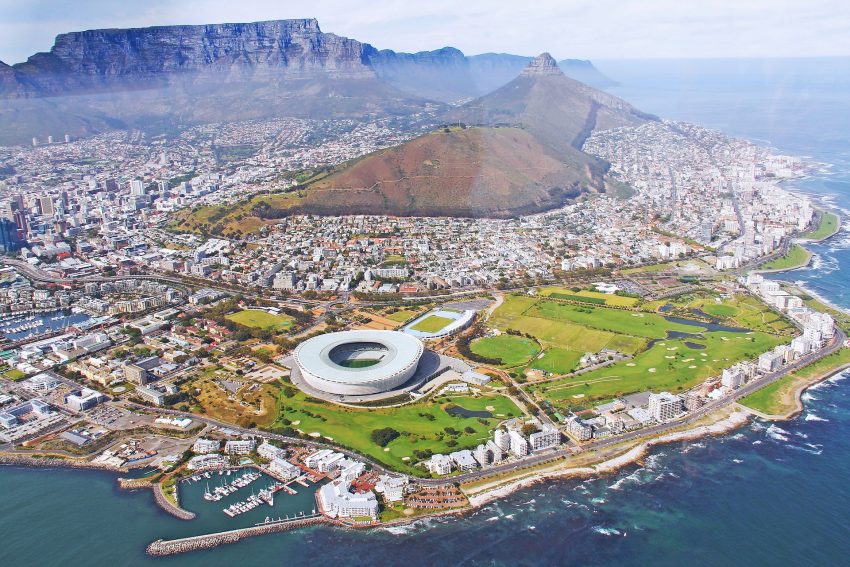
Sydney is where nearly every east-coast road trip begins, but the good part starts once you leave the city behind and follow the coast north towards Byron Bay. Having a van means you can pull over at the empty beaches and headland lookouts that the tour buses never stop at, and you’re not clock-watching your way to the next booking. If you want to do this drive properly, it’s worth arranging to pick up a campervan in Sydney rather than tying yourself to hotel check-ins, and Travellers Autobarn’s depot at Banksmeadow is only about ten minutes from the airport, so you can be on the road almost as soon as you land. They run everything from a two-berth Chubby up to the five-seat Hi5, and each one comes with cooking and sleeping gear packed in, so you can cook dinner watching the sun go down over the water.
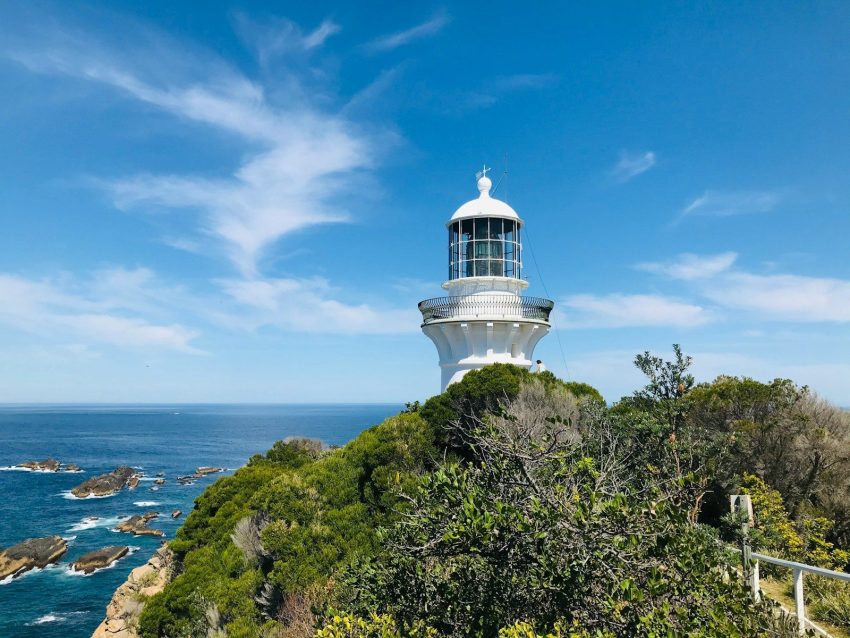
The stretch I’d give the most time to sits between the Central Coast and Port Macquarie. Most people treat this as a blur of motorway on the way to Byron, which is exactly why it stays so quiet. Detour off the Pacific Highway at Seal Rocks, a tiny settlement with a lighthouse walk and a beach that feels borrowed from a much less busy country. Further north, the Myall Lakes let you park up beside the water and hear nothing but birds after dark.
A rough shape for the trip, if you have a week to ten days:
- Two nights around the Central Coast and Newcastle, easing out of the city
- A night at Seal Rocks or Myall Lakes for the empty beaches
- Two nights near Port Macquarie and the Hastings River
- Two or three nights working up through Coffs Harbour and Bellingen to Byron
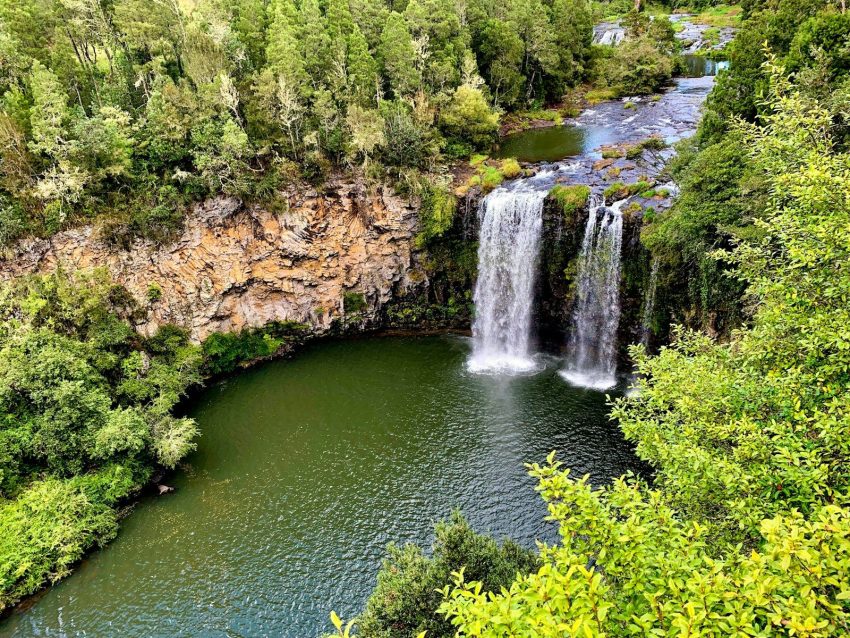
Bellingen is the one I’d tell you not to skip. It’s a short drive inland from the coast, a river town with a proper independent bookshop and a Saturday market, and the road up to Dorrigo National Park behind it climbs into rainforest and waterfalls within half an hour. That’s the advantage of a van over a fixed base: a detour like that costs you nothing except the fuel to get there.
A few honest notes. New South Wales does most of its camping through national parks and council-run sites, so you’ll want to book the popular ones ahead in summer, and free-camping rules are stricter than a lot of people assume. Coastal weather can turn quickly, and the drive gets slower and more winding the further north you go, so don’t over-plan your daily distances. Aim for a long lunch and an early stop rather than a dash. The whole point is to arrive somewhere with time to walk down to the sand before dinner.
The American leg: deserts, canyons and the Pacific from Los Angeles
The Californian version of this trip trades ocean for something far emptier, and it rewards a van even more, because the distances between anywhere worth stopping are long. Los Angeles is the obvious jumping-off point for a loop like this, and it puts you within a day’s drive of Joshua Tree and Death Valley in one direction, and Big Sur and the Grand Canyon in the other. For this one I’d start at Travellers Autobarn’s Los Angeles depot in Inglewood, a short hop from LAX, and take an RV out towards the desert rather than fighting for parking at every motel along the way. The unlimited mileage and 24/7 roadside assistance take the worry out of the long empty stretches between towns, which matters more than it sounds once you’re an hour from the nearest fuel.
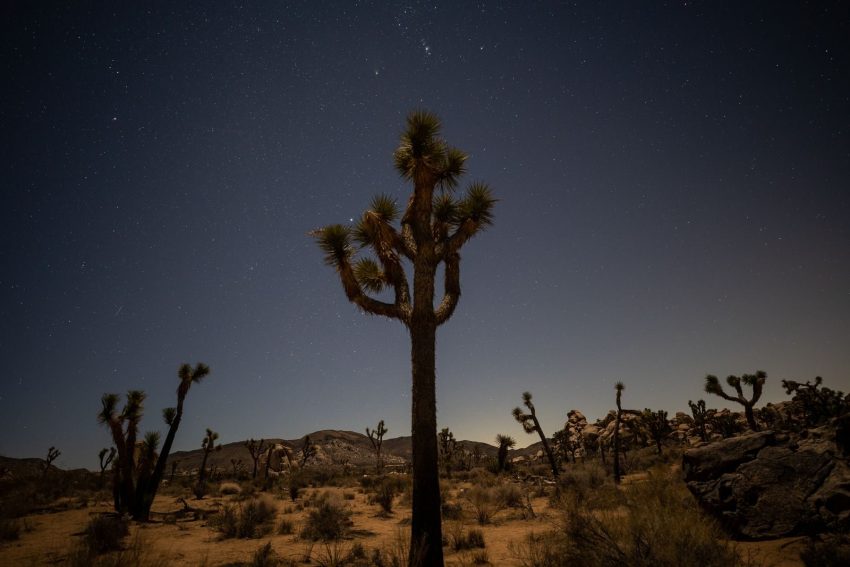
Head east first, while your legs are fresh for the driving. Joshua Tree is close enough to LA that you can be among the strange spiky trees by late afternoon, and this is where the van earns its keep. Waking up parked among the Joshua trees, with the whole desert to yourself before the day-trippers arrive, is exactly the kind of under-the-radar moment this trip is built around. Get up for sunrise. The light on the rock piles is worth setting an alarm for, and by nine the car parks fill.
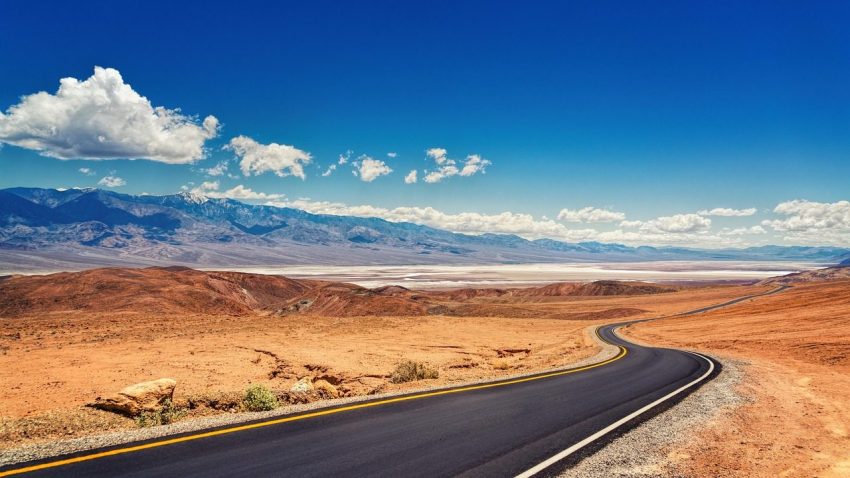
From there the desert opens right up. Death Valley is a long, hot drive north and humbling in scale, all salt flats and painted hills, though I’d be straight with you: it’s punishing in high summer and the campgrounds at Furnace Creek can hit temperatures that make sleeping in a van hard work. Spring or autumn is far kinder. If you’d rather point at the Grand Canyon instead, it’s a bigger commitment from LA, closer to a two-day push each way across Arizona, so build that into your route from the start rather than tacking it on.
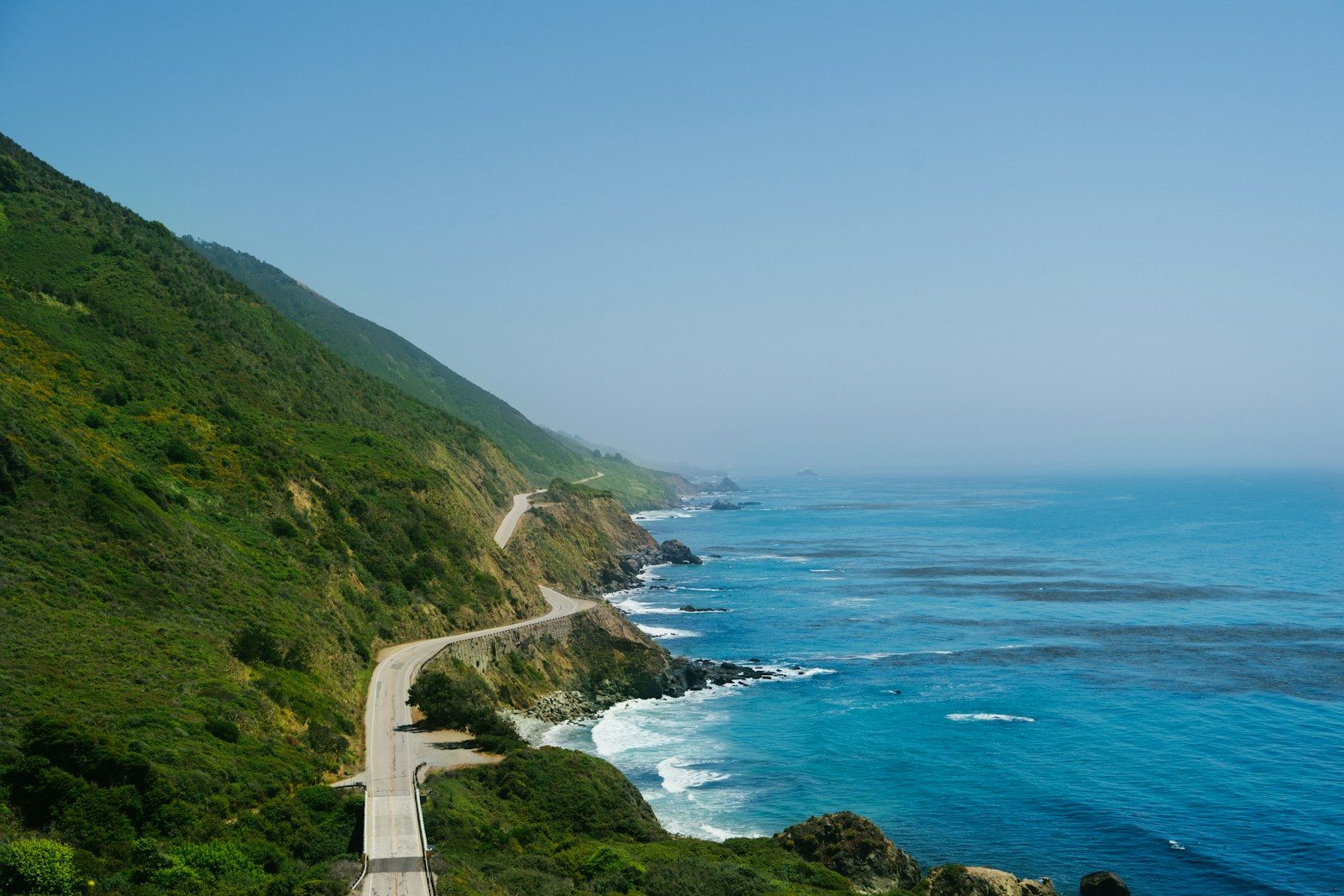
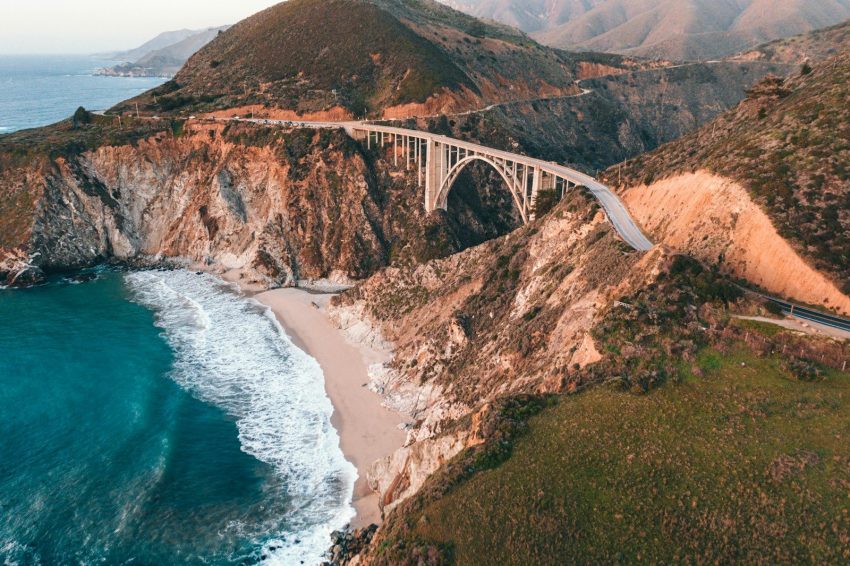
The return along the coast is the reward for all that desert. Come back towards the Pacific and pick up Highway 1 around Big Sur, where the road clings to cliffs above the ocean and every lay-by seems to look out over sea stacks and kelp forests. A word of warning here, because it’s the mistake most first-timers make: sections of Highway 1 close for landslides more often than you’d think, and larger RVs are restricted on some of the tightest stretches, so check the current road status before you commit to that leg. When it’s open, it’s one of the finest drives anywhere, and having your bed with you means you can stop at a clifftop campground and fall asleep to the sound of the surf below.
Choosing between the two
If you’ve never done a van trip before, start with New South Wales. The distances are gentler and the coast hands you a natural line to follow, so you’re rarely far from a town if something goes wrong. California asks more of you: longer drives, and much more careful planning around water, fuel and heat. What it hands back is scenery you simply cannot reach on a hotel-based itinerary.
Whichever you pick, the packing advice is the same. Take more water than you think you need, and a paper map for the places where the signal disappears. Always stop for fuel even if the tank is not empty. Bring shoes you don’t mind getting sandy or dusty. Book the well-known campgrounds ahead and leave room in the schedule for the ones you stumble on. The best night of either trip is usually the one you didn’t plan: the beach or the desert pull-off you found because you had the freedom to keep driving until somewhere felt right, then stopped and stayed.

Bryan has visited 61 countries, which is exactly one more country than his wife, and she won’t let him forget it! Also an avid photographer, he enjoys entrenching himself within the local culture in order to learn more about the people of a place. He is the co-founder of Budget Your Trip and loves a good adventure, an exotic meal, or a passionate conversation about global events. And he also loves to find out how much stuff costs, which is why he and his wife started Budget Your Trip.
Sign up to our email newsletter to receive sales, deals, and discounts from major travel companies!