Nepal’s Himalayan region offers an extraordinary trekking experience, combining towering mountain peaks, scenic trails, and traditional villages rich in local culture. These contrasting Himalayan landscapes can be experienced on the Everest Base Camp Trek and the Manaslu Circuit Trek. One runs along the Khumbu Valley towards Mount Everest, and the other runs through some of the most remote valleys under Mount Manaslu, with a high mountain pass.
The two trips are physically demanding and involve acclimatization, but the conditions of the trails, the culture, and the scenery will vary. These differences are important to know before going on a trek to understand the challenges in each region and their character.
Exploring Two Different Himalayan Regions
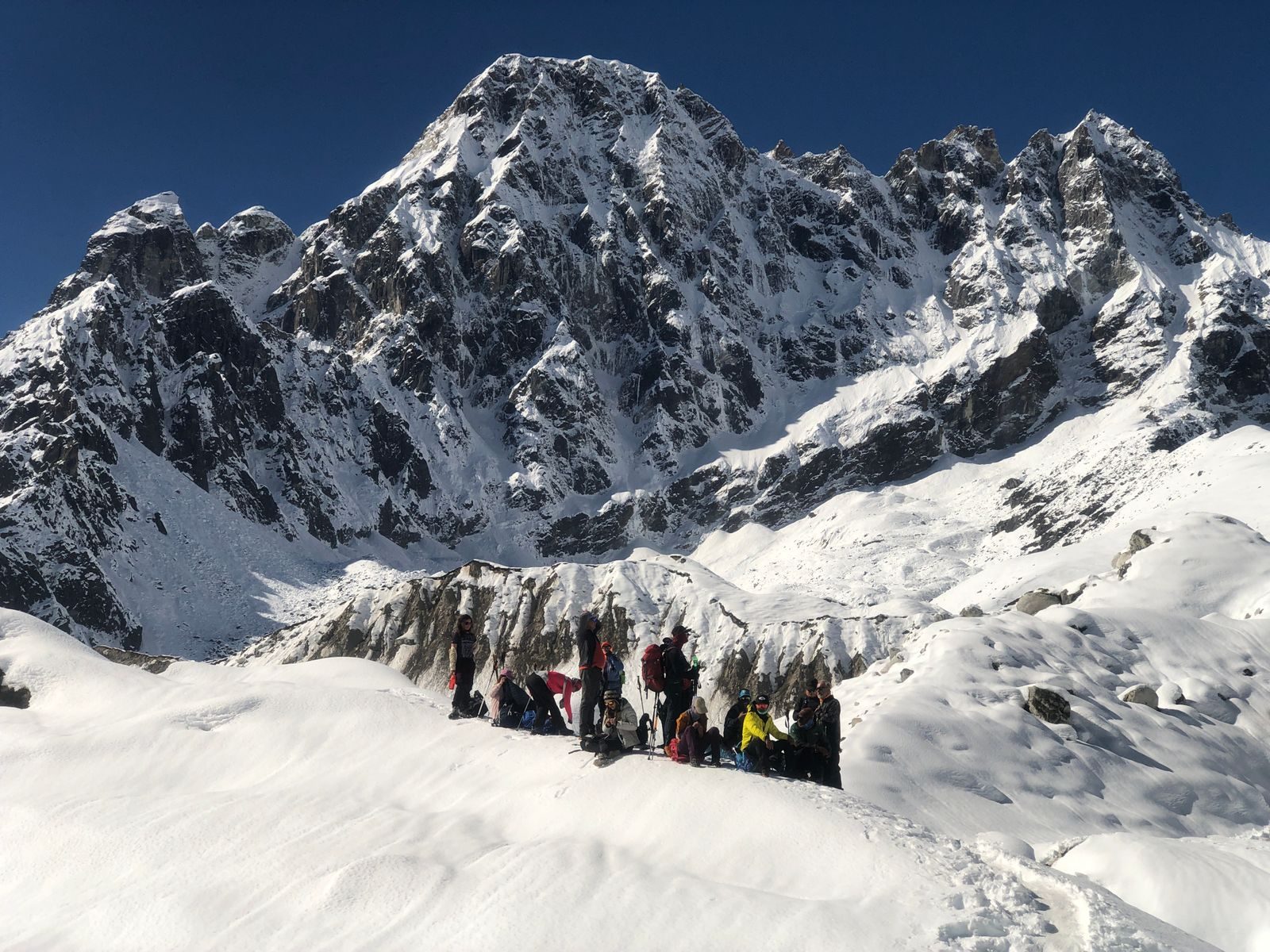
The Everest region is located in the north-east of Nepal and is renowned for its glaciers, its high dramatic peaks, and its trekking routes. The path winds through the woods of the valleys and eventually into the rough mountain area around Everest Base Camp.
To the west, the Manaslu area is home to the 8,163-metre Mount Manaslu. The trail passes through the Budhi Gandaki gorge, through terraced hillsides and through traditional villages and finally up into the alpine region.
While both regions boast stunning mountain landscapes, Everest is linked to a renowned Himalayan hotspot, and Manaslu is a trek through a more isolated and secluded area of the mountains and valleys.
Everest Base Camp Trek vs Manaslu Circuit Trek: Quick Comparison
| Feature | Everest Base Camp Trek | Manaslu Circuit Trek |
| Region | Khumbu, northeastern Nepal | Manaslu, north-central Nepal |
| Published itinerary | 14 days | 14 days |
| Trekking starting point | Lukla | Machha Khola |
| Main route | Phakding, Namche Bazaar, Tengboche, Dingboche, Lobuche, Gorak Shep, Everest Base Camp | Machha Khola, Jagat, Deng, Namrung, Samagaun, Samdo, Dharamsala, Larkya La, Bimthang |
| Notable high point | Kala Patthar, approximately 5,545 m, if included | Larkya La Pass, approximately 5,106 m |
| Main scenery | Glaciers, rocky valleys, and Himalayan peaks | River gorges, forests, alpine valleys, and mountain passes |
| Cultural highlights | Sherpa communities and Buddhist monasteries | Traditional Himalayan communities and Tibetan-influenced culture |
| Access | Flight to Lukla, sometimes via Ramechhap | Road journey to the trailhead |
| Main challenge | Sustained walking at high altitude | Remote terrain and the high-pass crossing |
(The durations reflect the published itineraries. The highest point reached may differ from the highest overnight destination.)
Following the Trail to Everest Base Camp
The trip starts with arrival in Kathmandu, and then to Lukla. Then trekkers trek through Phakding and follow the Dudh Koshi River to the trading town of Namche Bazaar, nestled among the mountains.
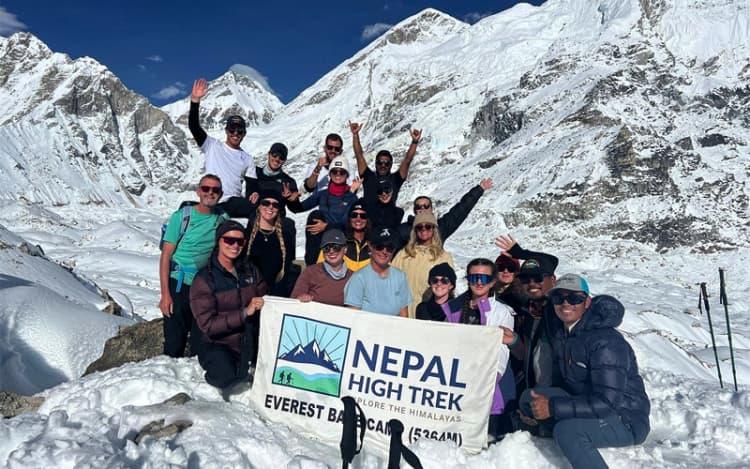
Once acclimatized, the trek goes through Tengboche, Dingboche, and then Lobuche and Gorak Shep. Trekkers then make their way to Everest Base Camp, situated at an altitude of around 5,364 meters near the Khumbu Glacier.
Kala Patthar is a beautiful vantage point at the height of 5545 m, with a panoramic view of Everest and its surrounding peaks, and is included in many tours. The trail is mostly in the villages, with exposure at high altitudes, steep climbs, and suspension bridges.
A typical 14-day itinerary consists of arrival, trek, acclimatization, base camp trip, and return. However, travel arrangements may be impacted by flight schedules and weather, so it’s always good to have some buffer time on each end of the trip, too.
Exploring the Manaslu Valleys and Mountain Pass
Typically, the Manaslu Circuit Trek starts with a road trip from Kathmandu to Machha Khola. This path traverses forest, waterfalls, suspension bridges, and terraced agriculture along the Budhi Gandaki River.
On the way to Samagaun, trekkers go through the settlements of Jagat, Deng and Namrung. Higher up, the valleys turn green, and open alpine fields and villages become more Tibetan.
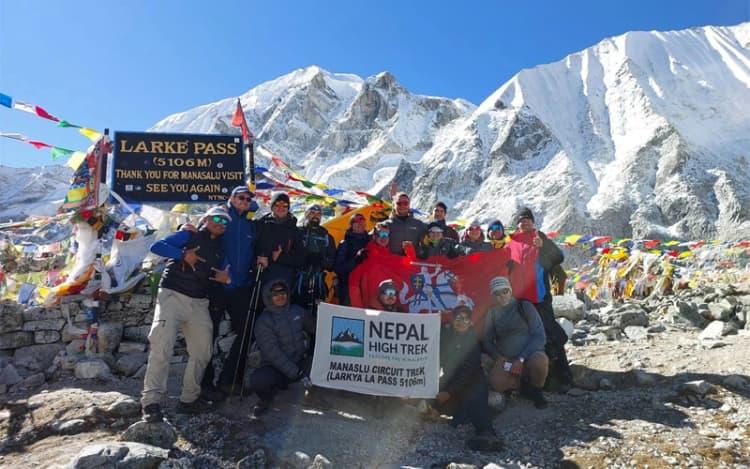
Samagaun is a rest and acclimatization hub. The Manaslu region is known for its traditional villages, stone-built houses, sacred sites, and strong Tibetan cultural influences. It is a challenging area that may be cold, exposed, and require some hours of walking. The path goes down the other side of the pass towards Bimthang and then to the lower valleys.
The organized tour also covers 14 days, which include transportation, acclimatization, trekking, pass crossing, and return to Kathmandu.
Difficulty and Altitude Acclimatization
These two routes shouldn’t be compared on a distance-only basis. The physical demands vary based on elevation gain, trail surfaces, weather, and time at elevation.
Namche Bazaar and Dingboche offer an opportunity for acclimatization on the Everest route before heading towards the upper valley. There are several different sections of the Manaslu Circuit, and a difficult crossing of Larkya La Pass.
Higher elevation means lower oxygen levels, which can lead to headache, nausea, dizziness, and unusual fatigue. If symptoms occur, it’s important to STOP climbing, let your guide know, and make arrangements to either descend or spend more time getting used to the elevation. If symptoms are severe or deteriorating, immediate descent and medical help are required. This is something that many trekkers face and should be taken seriously. Of course, plenty of other hiking and trekking options in Nepal at lower elevations are available, too.
Scenery and Cultural Experiences
The Sherpa people and Tibetan Buddhism are closely linked to the Everest region. Its cultural identity is enhanced by prayer flags, monasteries, mani walls, and traditional villages. The famous Tengboche Monastery is one of the stops on the way.
Manaslu features traditional villages, stone houses, ancient monasteries, and Tibetan cultural traditions. Lho and Samagaun are settlements that give an idea of how communities have adjusted their way of life in the far-flung mountain valleys.
Both paths show changes in the environment as a function of the elevation, from lush forests and fields to bare rock and glaciers.
Weather, Food, and Accommodation
Trekking is a popular activity during the spring and autumn seasons when the weather is likely to be suitable for walking and viewing the mountains. Lower trails can become slippery and access to the roads may be affected by monsoon rains, and high altitude travel may be difficult in the winter due to snow and freezing temperatures.
Teahouses and mountain lodges are available on both routes, but the facilities vary from settlement to settlement. Typically, dal bhat, noodles, soups, rice, and potatoes are served as meals.In remote areas, hot showers, charging points, and mobile signals may be hard to find.
Wear appropriate clothes and be ready for changing conditions; allow some latitude for delays.
Preparing for a Responsible Trek
Improved endurance can be achieved through regular walking, cardiovascular exercise, and uphill training. Useful on different terrain: appropriate footwear, layered clothing, rain protection, sun protection and trekking poles.
Spend some time getting used to the altitude, take some time off to rest, and reconfirm any permits and local regulations before heading out. Small-scale waste reduction and respect for local traditions are also important in safeguarding the mountain communities and their environment.
Making a Decision
The Everest Base Camp Trek is a well-trodden path, home to many famous sights, and a glimpse into Sherpa life. The Manaslu Circuit Trek is a combination of remote valleys, traditional settlements, and crossing Larkya La Pass. It helps trekkers to be prepared realistically when they know the differences in terrain, altitude, access, and culture. Both are great experiences in the Himalayas with proper preparation and acclimatization.

Bryan has visited 62 countries, which is exactly one more country than his wife, and she won’t let him forget it! Also an avid photographer, he enjoys entrenching himself within the local culture in order to learn more about the people of a place. He is the co-founder of Budget Your Trip and loves a good adventure, an exotic meal, or a passionate conversation about global events. And he also loves to find out how much stuff costs, which is why he and his wife started Budget Your Trip.
Sign up to our email newsletter to receive sales, deals, and discounts from major travel companies!