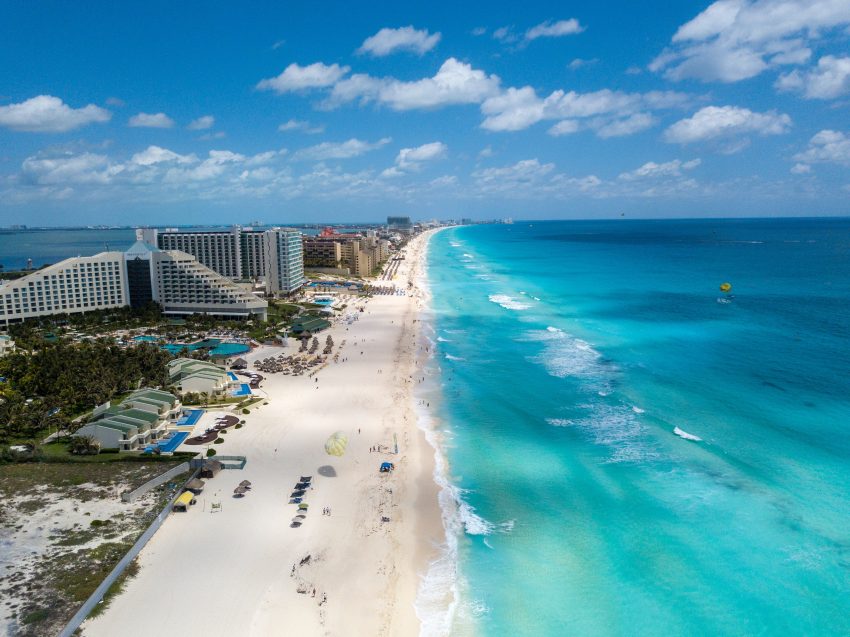

Some of the most breathtaking nature experiences come down to choosing the right region, staying in a well-positioned area, and knowing how to move efficiently between key sites. From island chains in the Indian Ocean to wind-carved valleys at the southern tip of South America, these destinations offer direct access to landscapes that feel raw and grounded.
The key is understanding where to base yourself, when walking makes more sense than driving, and how to sidestep the obvious tourist bottlenecks. Here’s a closer look at five places that deliver powerful nature experiences without requiring luxury-level spending.
Island Hopping and Marine Life in the Seychelles
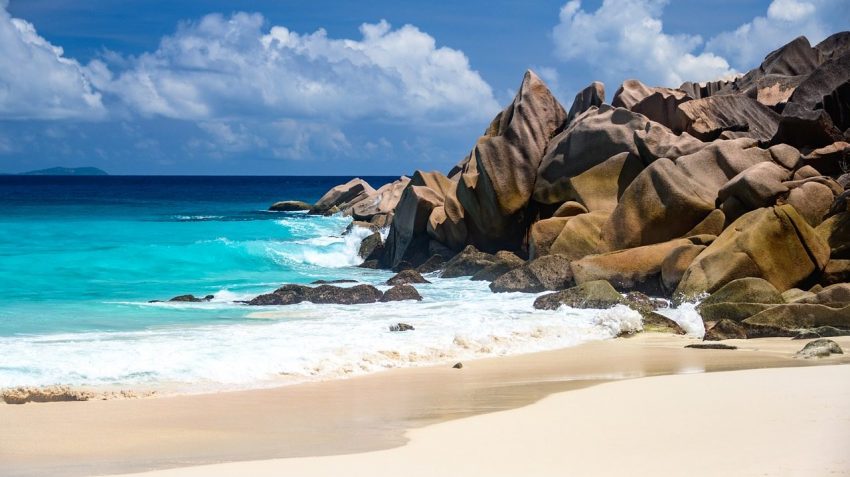
The Seychelles has a reputation for luxury, but with smart planning, it becomes far more manageable. Most travelers arrive in Mahé and base themselves near Beau Vallon. From here, it’s easy to walk to the beach, catch local buses along the coastal road, and pick up fruit or takeaway meals near Victoria’s Sir Selwyn Selwyn-Clarke Market.
The capital itself is compact enough to explore on foot. From Mahé, ferries connect to Praslin and La Digue. Booking tickets in advance is advisable, particularly during the peak holiday season, when queues at the Cat Cocos ferry desk can extend beyond the terminal.
On La Digue, bicycles are the main way around. The ride to Anse Source d’Argent takes about fifteen minutes from the jetty, passing small guesthouses and roadside fruit stands. It gets crowded near the entrance in mid-morning, so many people cycle farther to Grand Anse for more space.
Snorkeling trips leave from Praslin toward Curieuse and St. Pierre. For travelers wanting to explore multiple islands in one itinerary, it’s worth reviewing what each cruise the Seychelles islands offer includes, as itineraries vary. Some packages include island transfers and guided marine excursions.
High Peaks and Ancient Pine Forests in the Cairngorms

In the Scottish Highlands, the Cairngorms stretch across a wide plateau of granite peaks and Caledonian pine forest. Most visitors pass through Aviemore, which sits along the A9 and has rail connections from Inverness and Edinburgh.
Staying near Grampian Road keeps everything walkable: gear shops, small supermarkets, and bus links into the park. Start the day with an early morning walk around Loch Morlich, when it’s still quiet before day-trippers arrive.
Rothiemurchus Forest feels different from the open plateau above. The Scots pines are twisted and widely spaced, and trails wind through heather and bog. Hikers aiming for the summit of Cairn Gorm usually start near the ski center car park. In summer, the path tends to be rocky; in winter, conditions change quickly and require proper equipment.
Further south, around Braemar, Balmoral Estate borders the park. Walking along the River Dee gives a different perspective, lower and greener than the higher ridges. Accommodation ranges from simple hostels to self-catering cottages, which helps keep costs manageable in an otherwise remote area.
Glacial Valleys and the Iconic W Trek in Patagonia

Southern Chile’s Torres del Paine National Park is the gateway to one of the world’s most recognized multi-day hikes in Patagonia. Most travelers gather supplies in Puerto Natales, a small port town along the Señoret Channel. Arturo Prat Street runs parallel to the water and has supermarkets and gear rental shops. Buses to the park leave early; lines form outside the station during peak season from November to February.
Inside the park, the W Trek connects Refugio Central, Los Cuernos, Paine Grande, and Grey. Many travelers prefer to explore the W Trek in Patagonia with pre-booked refugio beds rather than carrying full camping gear, which cuts down on equipment costs and weight.
The hike to the Base of the Towers is the busiest section. Starting before sunrise helps avoid the mid-morning crowd at the final rocky ascent. On the western side, the trail to Grey Glacier feels more expansive, passing through lenga forests and offering long views across Lago Grey.
The weather is often unpredictable, so safety should remain a priority. Strong winds sweeping off the Southern Patagonian Ice Field can easily throw hikers off balance on exposed ridgelines. Back in town, a walk along the waterfront near Muelle Histórico at sunset offers one last view of the distant mountains.
Thundering Waterfalls and Fairy-Tale Woods in Southwest Germany
Southwest Germany’s Black Forest region is larger and more varied than many expect. Freiburg im Breisgau makes a practical base. Its old town is compact, with narrow lanes and small water channels called Bächle running beside the pavement.
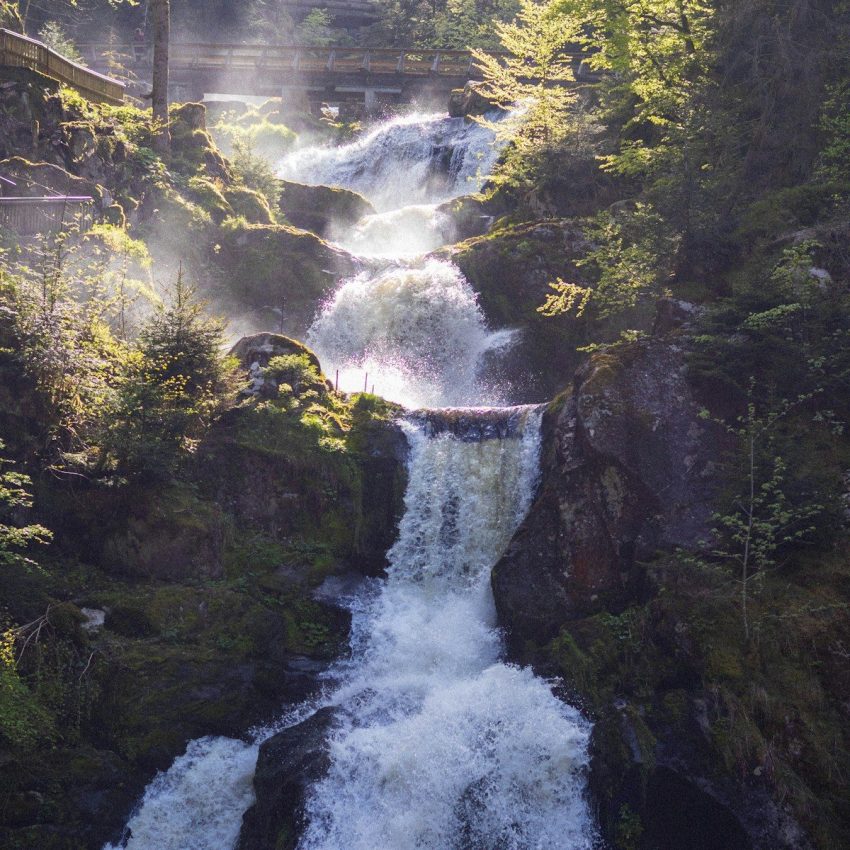
From Freiburg Hauptbahnhof, regional trains reach Triberg, home to Germany’s highest waterfalls. The walk up the wooden paths beside the falls involves steep sections and ticket checkpoints, and it can get busy around midday tour arrivals.
Further north, Baden-Baden offers forest trails beyond its spa district. Lichtentaler Allee provides a calm riverside walk that leads toward wooded hills. Hiking routes from the Merkur Mountain funicular station give broad views over the Rhine Valley. Public transport links are solid, but having a regional rail pass makes moving between Freiburg, Triberg, and Baden-Baden cheaper than renting a car.
Small villages such as Schiltach and Gengenbach showcase traditional half-timbered architecture and remain relatively uncrowded, especially when visited midweek. Trails are clearly marked, and even shorter forest walks pass through dense spruce woodland and open meadows. Here, nature and small-town infrastructure sit side by side, making logistics relatively straightforward.
Tropical Reefs and Luxury Eco-Resorts in Roatan
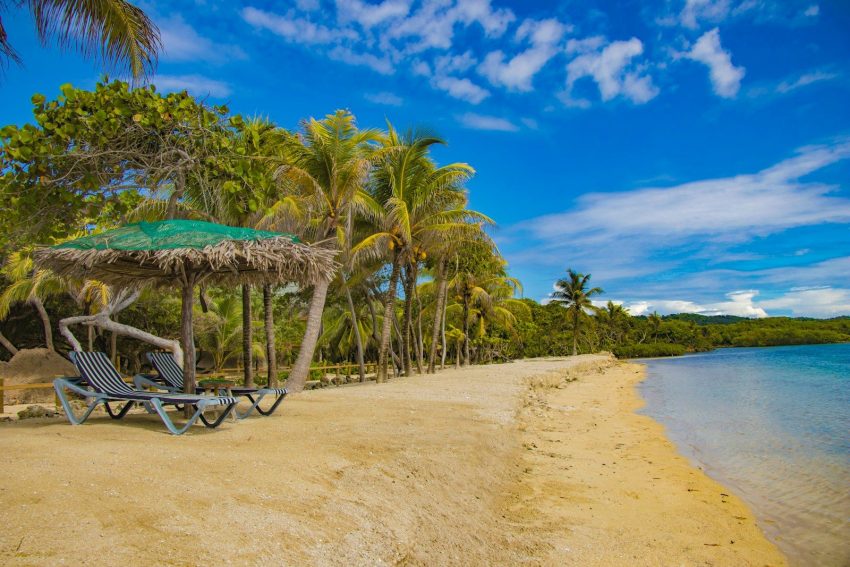
Roatan sits off the coast of Honduras along the Mesoamerican Barrier Reef. West Bay Beach is where most first-time visitors stay. The sand is pale, and the reef starts just offshore, so snorkeling doesn’t require a boat trip. It does get crowded when cruise ships dock in Coxen Hole. On those days, water taxis between West Bay and West End are useful for getting away from the busiest stretch.

West End feels more local, with dive shops lining the main sandy road. Travelers researching areas to stay in Roatan often weigh West Bay’s convenience against West End’s lower prices and easier access to dive operators. The two areas are linked by regular water taxis that operate throughout the day and into the evening.
Beyond beach days, visitors can join guided tours through the mangroves near Oak Ridge, offering a quieter perspective on the island. Coral conditions shift by season, and local operators typically know which dive sites currently provide the best visibility. Inland roads can be uneven and slow-going, so renting a scooter often makes more sense than a small car.
Ready to answer the call of the wild?
Nature travel doesn’t have to mean remote lodges or complex logistics. In the Seychelles, cycling between beaches and using public ferries keeps costs manageable, while the Cairngorms depend on rail links and compact town bases. Patagonia requires more planning but rewards early starts and strategic bus transfers. Southwest Germany pairs regional trains with forest trails that begin near town centers, and Roatan combines easy reef access with walkable beach neighborhoods.
Each destination calls for a slightly different approach, yet none are out of reach for budget-conscious travelers. It simply comes down to understanding the terrain, avoiding crowd patterns, and moving with intention.

Bryan has visited 61 countries, which is exactly one more country than his wife, and she won’t let him forget it! Also an avid photographer, he enjoys entrenching himself within the local culture in order to learn more about the people of a place. He is the co-founder of Budget Your Trip and loves a good adventure, an exotic meal, or a passionate conversation about global events. And he also loves to find out how much stuff costs, which is why he and his wife started Budget Your Trip.
Sign up to our email newsletter to receive sales, deals, and discounts from major travel companies!