Which country is cheaper, Latvia or Laos?
These are the overall average travel costs for the two destinations.

If you're trying to decide where to visit between Laos or Latvia, this travel comparison, which includes costs, can help. The overall cost of travel is usually a consideration when deciding where to go next, and the cost comparison down below can help you decide based on the average prices from other travelers along with your own travel budget.
We'll start with a quick overview, and below we will go into all of the details.
| Laos | Latvia | |
| Museums & Attractions |  |
|
| Beaches | |
|
| National Parks | |
|
| Outdoor Activities | |
|
| Families | |
|
| Backpackers | |
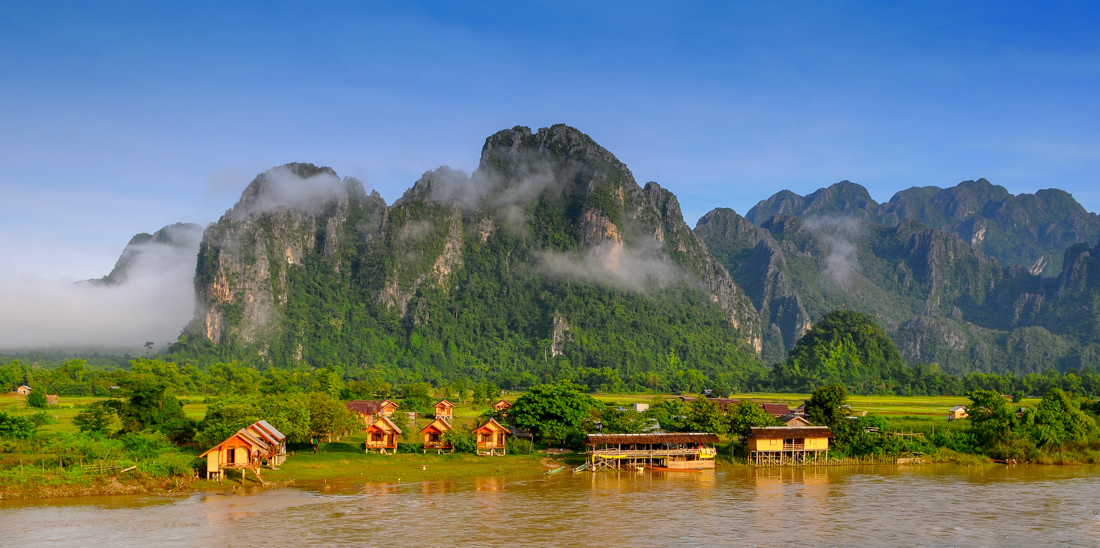 Vang Vieng, Laos
 Laos is a serene, enchanting, and unspoiled country. The famous beauty of Laos is one of the main draws. It's also known for history and culture, nightlife, food, and hiking.
Nestled in the heart of Southeast Asia, Laos offers an enchanting blend of unspoiled natural beauty and rich cultural heritage that captivates every traveler. From the tranquil Mekong River meandering through lush landscapes to the ancient temples of Luang Prabang— a UNESCO World Heritage site—this landlocked gem invites you to slow down and savor life’s simple pleasures. Adventure seekers can explore dramatic karst formations in Vang Vieng or venture to the mysterious Plain of Jars, while food lovers will delight in Laos’s unique, flavorful cuisine, featuring sticky rice and aromatic herbs. The warm hospitality of the Lao people ensures an authentic and immersive experience, whether you’re wandering bustling night markets or participating in vibrant Buddhist festivals. With its unhurried pace and profound spirituality, Laos feels like stepping into a timeless realm far from the usual tourist trails. For travelers craving genuine connection and understated charm, Laos truly stands as Southeast Asia’s best-kept secret.
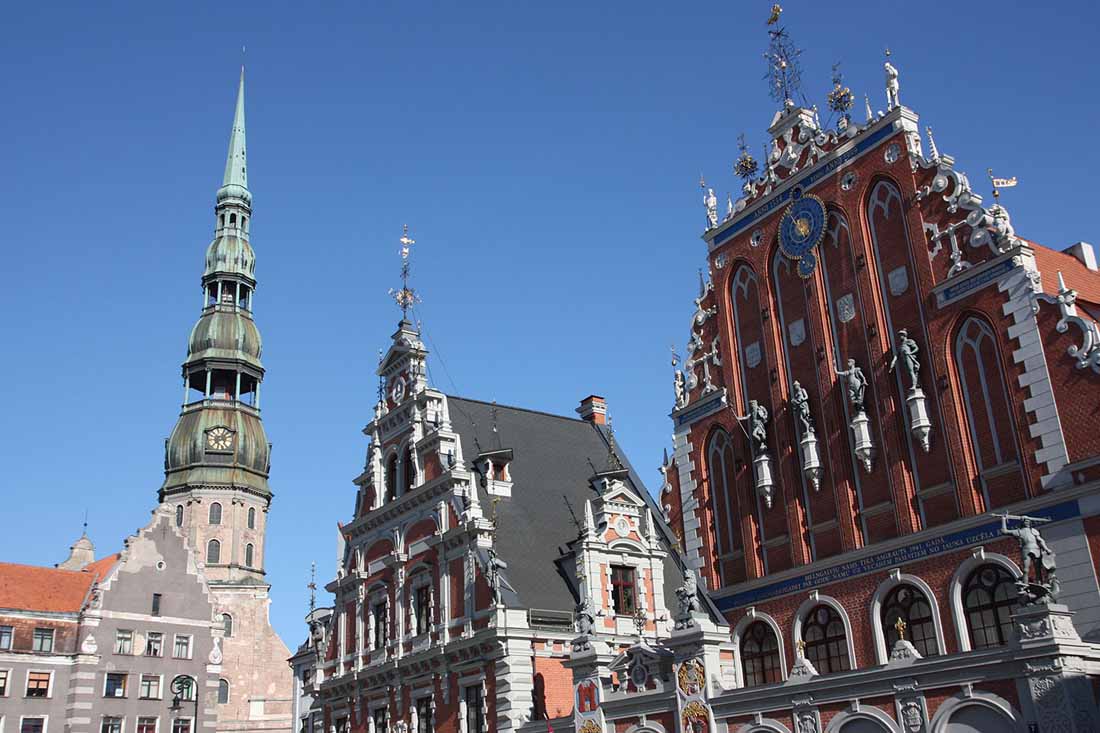 Riga
Riga Latvia is a enchanting, diverse, and historic country. You'll find world class beauty in Latvia as well. And you can't forget about the museums, wildlife, adventure travel, and national parks.
Latvia, a hidden gem of the Baltic region, offers travelers a captivating blend of medieval architecture, pristine nature, and rich cultural heritage. Often overlooked for its more prominent neighbors, Latvia provides an authentic experience with its enchanting landscapes, charming small towns, and vibrant urban centers. The capital city, Riga, boasts a UNESCO-listed Old Town and is renowned for its Art Nouveau architecture, bustling markets, and dynamic cultural scene. Beyond the capital, explore the serene beaches of Jurmala, the natural wonder of Gauja National Park, and the fascinating history of the region. Latvia presents an ideal setting for those seeking a mix of urban exploration and tranquil nature retreats.
Vang Vieng, Laos Below we will examine the differences and similarities between Laos and Latvia. With this information, you can decide for yourself which place is better for your next trip.
Head to Latvia if you're looking for good museums or notable landmarks, as it has more to offer than Laos.
With a variety of museums, monuments, and historical sights, a trip to Latvia can be an interesting and educational experience. A variety of museums cater to different interests in history, art, and culture. Riga boasts the Museum of the Occupation of Latvia, providing insight into the country's 20th-century history. Art lovers will enjoy the Latvian National Museum of Art, which houses a significant collection of local masterpieces. The KGB building, now a museum, offers a unique exploration of the country's complex past. With diverse options, these museums enrich any visit.
While most people don't head to Laos specifically for the museums and attractions, it does offer a few options. For travelers seeking to delve into Laos’s rich cultural tapestry and tumultuous history, the museums in its key cities offer fascinating, immersive experiences. In the capital city of Vientiane, the Lao National Museum stands out as a must-visit, showcasing an insightful narrative from prehistoric times through colonial influences to modern Laos, with compelling exhibits of traditional artifacts, war relics, and ethnographic displays. Not far away, the COPE Visitor Centre provides a sobering yet vital look into the aftermath of the Vietnam War-era bombings, educating visitors on unexploded ordnance and the ongoing humanitarian efforts. Moving north to Luang Prabang, the Traditional Arts and Ethnology Centre is a gem for anyone interested in the 49 recognized ethnic groups of Laos, presenting stunning textiles, tools, and ritual objects that come alive through knowledgeable guides. These museums not only celebrate Laos’s diverse heritage and resilience but also offer travelers a deeply enriching cultural context that goes beyond the usual sightseeing.
See also 11 Reasons Why I Loved Laos.
Both Laos and Latvia offer great history and culture when visiting.
Laos is an extremely popular destination for those that want to visit historical and cultural sights and attractions, as it offers plenty. Laos, nestled in the heart of Southeast Asia, is a treasure trove of rich history and vibrant culture that captivates travelers seeking an authentic experience. The ancient city of Luang Prabang, a UNESCO World Heritage site, stands as the crown jewel for cultural exploration, with its stunning blend of French colonial architecture and timeless Buddhist temples such as Wat Xieng Thong. Here, visitors can partake in the sacred morning alms-giving ceremony, a moving ritual where saffron-robed monks collect offerings from locals and tourists alike. Another cultural gem is the Plain of Jars in the Xieng Khouang province, a mysterious archaeological landscape dotted with thousands of megalithic stone jars dating back over 2,000 years, inviting travelers to delve into Laos’s enigmatic prehistoric past. In the capital, Vientiane, the golden stupa of Pha That Luang symbolizes national pride and spiritual heritage, often bustling with festivals and traditional performances. Across the country, weaving workshops, traditional Lao dance shows, and vibrant markets offer immersive windows into the country’s indigenous arts and customs. For those passionate about history and culture, Laos is a fascinating journey through time, where every corner tells a story steeped in spirituality, resilience, and timeless beauty.
Latvia has many famous historic and cultural sights and attractions worth visiting, and is one of the main reasons why poeple come here. The country is rich in history and culture, with places like Riga's Old Town offering insight into the past through its well-preserved medieval architecture. The Latvian Ethnographic Open-Air Museum provides visitors with a look at traditional Latvian lifestyles and folklore. Numerous castles and palaces around the country, such as Rundale Palace, illustrate Latvia’s historical wealth. Cultural attractions such as opera and theater also thrive, offering another layer of diversity. Latvia's enduring traditions coupled with its diverse historical influences resonate.
Latvia is considered to have more larger cities than Laos.
Latvia has some large cities, so you'll find plenty of things to do when visiting. Riga is the most prominent city, balancing historical charm and modern flair with its blend of medieval architecture and modern amenities. The Art Nouveau district is particularly captivating for architecture enthusiasts. Daugavpils, known for its cultural diversity and Daugavpils Fortress, offers a distinct urban experience. Although not overwhelmingly large, the cities have rich cultural offerings, including art galleries, live performances, and trendy cafes. Latvia's cities provide both historic allure and urban sophistication with uniqueness.
See also A Guys' Weekend in Riga.
Laos has a few big cities with some fun activities. Laos’ largest cities, while more modest in scale compared to neighboring capitals, offer a distinctly authentic and enriching travel experience that blends cultural depth with relaxed charm. Vientiane, the nation’s quiet and unhurried capital, is by far the largest city and a must-visit for travelers seeking a taste of Lao urban life without overwhelming crowds. Here, visitors explore serene Buddhist temples like Wat Si Saket and the impressive Pha That Luang stupa, stroll along the Mekong promenade, and indulge in vibrant night markets where sticky rice and laap reign supreme. Dining in Vientiane ranges from humble street stalls serving fragrant noodle soups to elegant riverside restaurants offering French-Lao fusion, while nightlife is low-key but lively—think chilled bars, craft beer pubs, and occasional live music venues. In contrast, Pakse, the largest city in southern Laos, acts as a gateway to the Bolaven Plateau and the 4000 Islands, making it a hub for adventure travelers and nature lovers. Pakse’s urban atmosphere is more utilitarian than touristy but offers bustling markets, cozy cafes, and a handful of casual spots for evening drinks and karaoke. Theater and arts scenes remain modest throughout Laos’ cities, with traditional performances often experienced in temple festivals rather than formal venues. Overall, Laos’ largest cities provide a compelling mix of cultural immersion, scenic surroundings, and genuine local vibe—ideal for travelers who prefer authenticity over flashy urban spectacle.
Laos generally has a wider variety of smaller towns and villages than Latvia.
Laos is a great destination to visit small towns and villages just waiting to be explored. Laos’ most visited small towns—such as Luang Prabang, Vang Vieng, and Nong Khiaw—exude a captivating blend of quaintness and authentic charm that enchants travelers seeking untouched cultural depth and breathtaking natural scenery. Luang Prabang, with its UNESCO-listed temples, French colonial architecture, and serene Mekong River sunsets, offers an idyllic experience steeped in spiritual tranquility and vibrant night markets. Vang Vieng, once famous for its party scene, has gracefully reinvented itself as an adventure haven, surrounded by dramatic limestone karsts and winding caves, perfect for tubing, kayaking, rock climbing, and trekking. Meanwhile, Nong Khiaw charms visitors with its peaceful village atmosphere, riverside panoramas, and opportunities to explore nearby waterfalls, rural hill tribe villages, and scenic hiking trails that reveal the raw beauty of northern Laos. These towns invite travelers to slow down, immerse themselves in traditions, savor local Lao cuisine, and embark on outdoor adventures that showcase the country’s unspoiled landscapes and warm, welcoming communities.
With fun activities and sights in the variety of small towns, Latvia is a country worth visiting. Many small towns offer cultural heritage and picturesque settings. Cesis, with its medieval ruins and charming atmosphere, provides an insight into the past. Kuldiga is famed for its narrow streets and natural beauty, including the widest waterfall in Europe, Ventas Rumba. Sigulda serves as an entryway to the Gauja National Park, providing a mix of history and nature. While not overly crowded with tourists, these towns act as peaceful escapes full of Latvian culture and history.
Local dishes at restaurants are fun to try in both Laos and Latvia.
Eating is part of the travel experience when you visit Laos. Laos offers a culinary adventure deeply rooted in fresh, vibrant ingredients and bold, balanced flavors that reflect its lush landscapes and rich cultural tapestry. Typical Lao cuisine centers around sticky rice—the nation’s staple—often served alongside dishes like larb, a zesty minced meat salad bursting with lime, chili, and fresh herbs; mok pa, delicate steamed fish wrapped in banana leaves infused with lemongrass and kaffir lime; and tam mak hoong, a fiery green papaya salad that invigorates the palate with its perfect harmony of sour, salty, and spicy notes. The heavy reliance on fresh herbs, fermented fish sauce (padaek), and smoky grilled meats gives Lao food its unmistakable identity. Although not as globally famous as the cuisines of Thailand or Vietnam, Lao food has steadily gained international appreciation among culinary enthusiasts for its earthy complexity and unapologetic boldness. Travelers who venture off the beaten path often become passionate advocates, proclaiming Lao cuisine as a hidden gem—distinctly good and deeply satisfying, offering a taste experience that remains under-explored but undeniably rewarding.
Latvia has a number of nationally recognized food spots and restaurants. The culinary scene offers delectable delights with a mix of European influences and traditional dishes like piragi (bacon and onion buns) and sklandrausis (sweet pie). Riga hosts a vibrant food scene with eclectic restaurants ranging from fine dining to charming cafes. Local beer and spirits are popular in bistros and pubs, where visitors can also enjoy the contemporary Latvian dining experience. Outside the capital, visitors can savor fresh regional ingredients in dishes. Weekend markets, especially Kalnciema Quarter market, present a tantalizing array of local products.
Evening events are great in both Laos and Latvia.
There's a variety of activities in the evening in Laos. Laos may not be the first place that springs to mind when you think of vibrant nightlife, but its major destinations surprise visitors with a charmingly eclectic mix of evening entertainment that reflects the country’s laid-back spirit. In Vientiane, the capital, the night comes alive along the Mekong River boulevard, where trendy riverside bars and open-air lounges offer chilled cocktails and panoramic sunset views, perfect for a relaxed night out. Moving north to Luang Prabang, nightlife is more subdued yet culturally rich—think intimate live music venues featuring traditional Lao or jazz, merged with cozy cafes and night markets where you can sip on craft beer while browsing local handicrafts under strings of warm lights. For those seeking a more bohemian, party-centric vibe, the backpacker haven of Vang Vieng is the hotspot: vibrant bars lining the Nam Song River burst with energy, hosting everything from river tubing after-parties to impromptu DJ sets and fire shows well into the early hours. Though modest compared to regional giants, Laos’ nightlife offers a unique blend of tranquil evenings and spirited celebrations, ensuring every traveler finds their perfect nocturnal rhythm.
With a handful of venues, visitors can find a fairly lively vibe in Latvia. Riga offers an engaging nightlife scene, from cozy bars and laid-back pubs to lively clubs. Livu Square in Riga's Old Town hosts a range of bars where locals and visitors mingle. For a more contemporary vibe, the Kalnciema Quarter presents evening markets and live music events. While other cities and towns might be quieter, Riga provides enough activity for those seeking exciting nightlife. Local drinks and clubs featuring Latvian bands and DJs provide something for everyone looking to unwind after a busy day.
Riga: Despite being a small city, this capital has gained a reputation for its party atmosphere. The historic center comes to life in the evenings, particularly between Wednesdays and Saturdays. The area is compact enough that you can walk from club to club and prices are reasonable.
With a similar set of options, great resorts can be found in both Laos and Latvia.
Not known for its high-end resorts, Laos offers a few options. Laos offers a surprisingly diverse array of resort experiences that cater to discerning travelers seeking tranquility, culture, and natural beauty. In Luang Prabang, the crown jewel of Laotian tourism, boutique riverside resorts blend colonial charm with modern luxury, providing an ideal base to explore gilded temples, vibrant night markets, and the nearby Kuang Si waterfalls. Further south along the Mekong, the laid-back town of Vang Vieng boasts resorts nestled amid karst limestone cliffs and lush jungles, perfect for adventurers drawn to tubing, rock climbing, and cave exploration. For those craving absolute serenity, the 4,000 Islands (Si Phan Don) offer rustic eco-resorts on quiet river islets, where visitors kayak alongside rare Irrawaddy dolphins and unwind in hammocks as sunsets paint the sky. Meanwhile, the capital Vientiane’s upscale resorts provide sophisticated comfort for cultural tours of Buddhist stupas and colonial architecture. Together, these varied resort hubs make Laos a compelling destination that seamlessly marries nature, spirituality, and relaxation.
You might not think of Latvia as a resort destination, but it has a few places. While not widely known for large-scale resorts, there are some accommodations near the seaside in Jurmala and countryside guesthouses offering relaxing retreats. Wellness hotels around the country provide spa services, integrating leisure with local thermal water traditions. Although Latvia may not boast abundant luxury resorts, opportunities for relaxation and rejuvenation are still plentiful, especially for those seeking a more intimate and quiet experience.
Laos and Latvia are both places where visitors can find great hiking trails.
Laos has hiking trails worth exploring. Laos is a hiker’s paradise, offering lush, untamed landscapes that feel like a well-kept secret. Among the most celebrated hiking regions is the Bolaven Plateau, where trails wind through rolling hills dotted with coffee plantations, misty waterfalls like Tad Fane cascading into emerald pools, and remote villages where indigenous cultures thrive. For those seeking a more rugged adventure, the northern province of Phongsali boasts dramatic karst mountains and dense forests, with treks that reveal rare flora and stunning views of terraced rice fields stretching to the horizon. Meanwhile, around Luang Namtha in northwest Laos, multi-day treks lead through pristine jungle, alongside limestone cliffs and along winding rivers, offering immersive encounters with ethnic minorities and glimpses of untouched biodiversity. What sets Laos apart is this seamless blend of breathtaking scenery, cultural richness, and the tranquil pace that allows hikers to truly connect with nature and local traditions.
Plenty of visitors go hiking around Latvia. Ample trails await hikers, especially within Gauja National Park, offering routes through forests, along rivers, and past historic landmarks like castles. Trails at Ķemeri National Park showcase Latvia’s unique bog landscapes and are ideal for those wanting something off the beaten path. Coastal hikes provide majestic sea views and invigorating sea air. The varied terrain across the country promises enriching hikes, ranging from short nature walks to more challenging routes for experienced hikers.
Latvia usually beats out Laos for its wide range of national parks.
Latvia offers some nice national parks that are worth visiting. Gauja National Park is the largest and most famous, offering extensive opportunities for hiking, cycling, and exploring historical sites like Turaida Castle. The park's lush forests and striking landscapes are popular with those seeking outdoor adventures. Kemeri National Park, known for its bogs and bird watching, adds to the diversity of natural experiences here. These parks often blend natural beauty with historical landmarks, creating a rich experience for visitors.
Laos has some good regions for those that want to go visit national parks. Laos is a treasure trove for nature lovers, boasting a number of stunning national parks that showcase the country’s lush biodiversity and serene landscapes. Among the most celebrated is Nam Ha National Protected Area in the north, renowned for its dramatic karst mountains, dense tropical forests, and rich ethnic minority cultures; it’s a mecca for trekking and eco-tourism, offering immersive village homestays and opportunities to spot rare wildlife like Indochinese tigers and gibbons. Down south, the expansive Xe Pian National Protected Area captivates visitors with its pristine rivers, waterfalls, and diverse ecosystems spanning evergreen forests and wetlands, making it a crucial habitat for endangered species such as Asian elephants and douc langurs. Meanwhile, Phou Hin Poun National Park in central Laos is famed for its striking limestone formations and caves, including the spectacular Konglor Cave—a 7-kilometer subterranean river ride that ranks as one of Southeast Asia’s most unique geological wonders. Together, these parks reveal Laos not just as a country of rich history and culture but as an unspoiled sanctuary where adventurers and conservationists alike can experience the magic of Southeast Asia’s wild heart.
Both Laos and Latvia have great wildlife and wilderness areas to explore.
Laos is a great destination for wildlife viewing and wilderness activities. Laos, often overlooked in Southeast Asia’s wildlife circuit, is a hidden gem for nature enthusiasts eager to experience untamed biodiversity in serene settings. The Nam Et-Phou Louey National Protected Area stands as the crown jewel for wildlife viewing, boasting an incredible array of rare species such as Indochinese tigers, clouded leopards, and Asiatic black bears roaming its dense forests. What makes Nam Et-Phou Louey truly unique is its innovative community-based ecotourism approach, allowing visitors to embark on guided night safaris and camera-trap excursions that bring you face-to-face with elusive nocturnal creatures in their natural habitat. Meanwhile, the Mekong River’s vast wetlands around the Khone Phapheng Falls provide crucial refuge for the critically endangered Irrawaddy dolphin, offering captivating boat tours that blend cultural immersion with wildlife observation. Finally, the Bolaven Plateau’s lush coffee plantations and waterfalls are not only a feast for the eyes but also a hotspot for spotting endemic bird species like the Helmeted Hornbill amid its evergreens. Together, these natural havens showcase Laos as a sanctuary where adventure and conservation intertwine, promising unforgettable wildlife encounters far from the beaten path.
Wilderness and wildlife activities in Latvia are quite popular with travelers. Opportunities to observe wildlife, particularly bird watching, are available in coastal and rural areas. Kemeri National Park is an excellent spot for bird enthusiasts, noted for its large populations of migratory birds. Additionally, wild boar, deer, and beaver can occasionally be spotted in Latvia's national parks. The peat bogs, open meadows, and forest landscapes provide habitats for a fascinating range of species. Conservation efforts ensure preservation while offering visitors the chance to appreciate the local ecosystem.
While Latvia and Laos both offer adventure travel experiences, overall Laos is considered to have more options for visitors.
The huge number of adventure travel experiences in Laos is one of the main reasons travelers come to visit. Laos is a hidden gem for adventure travelers seeking a blend of heart-pounding excitement and untouched natural beauty. Nestled in Southeast Asia’s lush landscapes, this landlocked country offers an array of adrenaline-fueled activities far off the typical tourist trail. For white-water rafting enthusiasts, the mighty Nam Ou and Nam Song rivers carve through dramatic karst cliffs near Luang Prabang and Vang Vieng, providing thrilling Class III-IV rapids amidst stunning scenery. Vang Vieng also draws avid rock climbers to its limestone cliffs, where routes range from beginner-friendly climbs to challenging overhangs with panoramic views of emerald rice paddies. Trekking through the mountainous northern provinces like Phongsaly or Luang Namtha rewards hikers with encounters of vibrant hill-tribe cultures and dense jungle teeming with wildlife, while multi-day treks combine intimacy with nature and rewarding vistas. For a slower but equally immersive adrenaline kick, tubing along the Nam Song River in Vang Vieng offers a playful way to explore caves, waterfalls, and floating bars—truly a quintessential Laos adventure. Whether paddling, climbing, hiking, or floating, Laos delivers an authentic, offbeat playground for travelers craving connection with nature and culture amid exhilarating settings.
Adventure travel experiences in Latvia are quite popular with travelers. Adventurous travelers can explore hiking and cycling trails in Gauja National Park, with its caves and river valleys. In Sigulda, you'll find opportunities for bungee jumping, zip-lining, and even a summer bobsled track for thrill-seekers. The Baltic Sea stretches along Latvia’s coast, offering an expansive environment for kite surfing and sailing. Adventurers interested in untouched nature can trek in the peat bogs, where unique landscapes offer outdoor enthusiasts opportunities for discovery.
While Latvia and Laos both have plenty of outdoor activities, overall Laos is considered to be better for travelers seeking outdoor adventures.
The outdoor activities and experiences of Laos attract many visitors. Laos is a paradise for outdoor enthusiasts seeking immersive, nature-driven adventures off the beaten path. One of the most beloved activities is kayaking down the serene Mekong River, especially around Luang Prabang and the 4,000 Islands (Si Phan Don), where you can glide past lush forests, sleepy riverside villages, and spotting rare Irrawaddy dolphins. Trekking in the northern highlands near Nong Khiaw offers panoramic vistas of karst limestone cliffs and hidden hill tribe villages, providing an authentic cultural and physical challenge. For a more adrenaline-pumping experience, tubing through the emerald waters of Vang Vieng’s limestone karsts combines exhilarating fun with stunning scenery. Meanwhile, cycling enthusiasts revel in exploring the rural countryside of the Bolaven Plateau, dotted with coffee plantations and waterfalls like Tad Fane, offering unbeatable freshness and tranquility. Whether paddling, trekking, tubing, or cycling, Laos’s outdoor activities deliver an enchanting blend of natural beauty and local culture that leaves travelers refreshed and inspired.
Outdoor activities in Latvia are quite popular with travelers. Outdoor activities are pleasingly varied, with options such as hiking trails in Gauja National Park and the numerous beaches around Jurmala for a more relaxed outing. The parks and gardens in Riga provide ideal locations for leisurely walks or runs, perfect for absorbing the city's vibe. For those looking to cycle, the countryside offers scenic routes through forests and small towns. Additionally, the serene landscapes are excellent for camping, especially during the warmer months. Opportunities abound for outdoor lovers.
Generally Latvia is better for road trips, as it offers more possibilities.
Latvia is a popular destination to get a car and take a road trip. Road trippers will enjoy the scenic routes through forests, past serene lakes, and along the picturesque coastline of the Gulf of Riga. Gauja National Park offers drives with beautiful landscapes and historical stops within easy reach. Rural roads lead travelers to charming small towns like Cesis, filled with cobblestone streets and medieval history. The efficient road network connects major attractions, perfect for exploring at a leisurely pace. A Latvia road trip promises serendipitous discoveries away from the usual tourist paths.
While not known specifically for raod trips, Laos has still has a few good options. Exploring Laos by road is a captivating adventure that perfectly blends stunning natural landscapes, rich cultural heritage, and the warm hospitality of its people. Among the most popular road trips, the iconic Vientiane to Luang Prabang route stands out, taking travelers through charming towns like Vang Vieng, famed for its limestone karsts and vibrant river tubing scene, and picturesque villages where traditional markets bloom. Another compelling itinerary is the loop from Luang Prabang to the mysterious Plain of Jars in Phonsavan, trekking through mountainous terrain dotted with ancient archaeological sites and rural villages untouched by time. Taking a road trip in Laos is an immersive experience: narrow, winding roads snake through jungle-clad mountains and along serene Mekong River vistas, where every turn reveals a postcard-perfect scene. Though infrastructure can be rustic and transport options vary—from renting motorbikes for the intrepid to hiring private drivers in a comfortable SUV—this flexibility allows travelers to customize their journey for adventure or leisure. Whether navigating rugged backcountry lanes or cruising scenic highways, a road trip across Laos promises an unparalleled blend of discovery, tranquility, and cultural connection.
Families will find a wider variety of activities in Latvia than Laos.
Latvia is an amazing family-friendly country to visit. Families visiting here will find a range of kid-friendly attractions and activities. The Laima Chocolate Museum in Riga offers a sweet experience, while the Latvian Ethnographic Open-Air Museum lets families explore traditional Latvian lifestyles. Outdoor-loving families might enjoy the adventure parks in Sigulda or the beaches along the Gulf of Riga, perfect for a day of fun and relaxation. Furthermore, plenty of family-friendly accommodations and restaurants throughout the country make it a convenient destination for those traveling with children.
Laos is a family-friendly country. Laos stands out as an exceptionally family-friendly destination, blending rich cultural experiences with laid-back charm and plenty of kid-approved adventures. Young travelers will delight in exploring the mysterious Pak Ou Caves near Luang Prabang, where thousands of Buddha statues line the riverbanks—a fascinating sight that sparks curiosity and imagination. The gentle Mekong River offers family-friendly boat trips, perfect for spotting colorful birds and waterfalls without overwhelming little ones. In Vientiane, the serene Buddha Park captivates kids with its whimsical, larger-than-life statues, while nearby parks provide safe spaces for running and picnicking. For interactive fun, families can join hands-on weaving or basket-making workshops at local villages, giving children a creative outlet and a deeper understanding of Lao culture. With its welcoming locals, tranquil pace, and nature-rich surroundings, Laos seamlessly combines education and enjoyment, making it an ideal destination for families seeking meaningful travel experiences.
Laos and Latvia are both great to visit as a couple.
Laos is a very popular place to visit for couples. Laos is a hidden gem for couples seeking a romantic escape that marries tranquility with authentic cultural charm. Imagine drifting gently down the Mekong River at sunset on a private longtail boat, the sky painted in shades of pink and gold, as the quiet riverbanks reveal serene villages and misty mountains—pure magic for honeymooners craving intimacy and natural beauty. In Luang Prabang, the UNESCO-listed town’s charming colonial architecture and vibrant night markets provide a delightful backdrop for cozy dinners under the stars, while the nearby Kuang Si Waterfalls offer couples the chance to swim hand-in-hand in turquoise cascades surrounded by lush jungle. For a unique romantic adventure, couples can explore the mysterious and eerie Plain of Jars or find solace in the secluded, eco-friendly resorts dotting the 4,000 Islands region, where hammocks sway above tranquil waters and time seems to slow. Laos blends peaceful landscapes, warm hospitality, and rich cultural experiences into an idyllic setting, making it an unforgettable destination for love to blossom.
Latvia makes for a fun place to visit for a couple. Couples seeking a romantic getaway will find the charming streets of Riga's Old Town offers an enchanting atmosphere with its cobbled streets and historic buildings. A scenic drive along the coast reveals beautiful untouched beaches like Jurmala, ideal for a sunset walk. The medieval town of Cesis provides a quaint backdrop for couples looking to explore Latvia's history hand-in-hand. Furthermore, the lush landscapes offer opportunities for serene nature walks in places like Gauja National Park. Cozy cafes and intimate dining spots make for perfect evenings to enjoy together.
Most people consider Laos to be better for backpackers than Latvia.
Laos is a mecca for backpackers and budget travelers. Laos stands out as a top-tier budget-friendly destination for backpackers and young travelers seeking authentic Southeast Asian charm without breaking the bank. Affordable dorm-style hostels abound in backpacker hubs like Luang Prabang and Vang Vieng, often featuring communal kitchens, vibrant social spaces, and beds for as little as $5–$8 a night. Beyond lodging, budget adventurers can explore stunning natural attractions such as the Kuang Si Waterfalls or take leisurely, scenic boat trips along the Mekong River at minimal cost. Street food stalls offer delicious, filling meals—from sticky rice and grilled meats to fresh pho—for under $2, fueling long days of exploration. Overland buses and slow boats provide inexpensive transportation between towns, with fares rarely exceeding $10–$15 for several hours' travel. This combination of wallet-friendly accommodation, cheap eats, and low-cost transit makes Laos an irresistible playground for youthful wanderers eager to experience culture and nature without the premium price tag.
Plenty of budget travelers and backpackers visit Latvia. With affordable accommodations and great public transport, it's a fantastic place for backpackers. Riga offers a vibrant hostel scene, making it easy to meet fellow travelers. The country’s extensive bus and train connections provide easy access to explore sites like the hills and caves of Sigulda. Additionally, Skaistkalne, with its serene countryside, offers a peaceful escape from city life without stretching the budget. The diverse landscapes and free attractions offer plenty of experiences without breaking the bank.
Riga: There are many affordable hostels around town as well as restaurants where you can grab a cheap meal. The city offers a great European experience at a fraction of the price of many cities.
See also Affordable Hostels in Riga, Latvia.
While Laos and Latvia both offer transportation options, overall the system in Latvia is considered to be better.
Public transit in Latvia can take you to most places very easily. The public transportation system is efficient and reliable, with buses and trains providing easy access to cities and towns. Riga International Airport serves as a major hub, offering connections to other parts of Europe. The integrated ticketing system makes it simple to transfer between various modes of transport. Additionally, well-maintained roads and highways encourage travel by car. For exploring cities and regions alike, transportation infrastructure is highly accessible and traveler-friendly.
Is it easy to travel around Latvia?
Public transit is mostly limited in Laos. Traveling around Laos offers a unique blend of adventure and discovery, though it requires a bit of patience and flexibility. The backbone of intercity travel is the extensive bus network—ranging from basic local buses to more comfortable VIP coaches—that crisscross the country connecting major towns like Vientiane, Luang Prabang, and Pakse. For a more scenic, albeit slower experience, the recently expanded rail line linking the capital with the Chinese border provides a smooth alternative, though domestic rail options remain limited. Domestic flights operated by Lao Airlines and a few budget carriers serve as time-saving solutions for longer distances, especially when visiting Luang Prabang or the southern regions. Within cities, tuk-tuks and motorbike taxis dominate, offering an authentic and flexible way to explore at your own pace. However, travelers should note that renting a car or driving independently can be challenging due to rough and poorly marked roads outside urban centers, as well as limited signage and differing traffic customs. Overall, Laos’s transportation scene may not be the fastest or most luxurious, but it promises immersive travel experiences that reward those willing to embrace its laid-back charm.
Is it easy to travel around Laos?
Overall Latvia is a more comfortable and modern travel destination than Laos.
Latvia is extremely comfortable for travelers as it is a modern destination with plenty of amenities. Travelers will find a high level of comfort with modern amenities available throughout. Many luxury hotels, particularly in Riga, ensure a comfortable stay, complete with spas and fine dining. The public transportation network is efficient and user-friendly, making it easy to navigate the country. Even in smaller towns, the level of service and hospitality is commendable, often exceeding travelers’ expectations. The road infrastructure is solid, making it pleasant for those driving or hiring cars. Overall, comfort options are widely available, providing a hassle-free experience.
Laos is mostly comfortable, but can sometimes lack the modern travel amenities that make a trip more comfortable. Traveling in Laos offers an enchanting blend of off-the-beaten-path adventure and gentle modernization, though it decidedly leans toward the charmingly rougher side rather than polished comfort. Public transportation mainly consists of slow but sociable local buses and tuk-tuks, which can be unpredictable in schedule and best suited for travelers with a flexible spirit rather than those craving effortless efficiency. Roads outside major hubs like Vientiane and Luang Prabang often wind through mountainous terrain and can be bumpy, making journeys part of the authentic experience. Food, however, is consistently a highlight: simple, fresh, and flavorful Lao staples like sticky rice, larb, and freshly grilled fish offer a wholesome indulgence that often outshines fancy dishes found elsewhere. Accommodation ranges widely—from basic guesthouses with modest amenities to boutique riverside resorts—so typical hotels tend to be clean and comfortable but rarely luxurious, embracing a warm, intimate friendliness rather than sleek modernity. In sum, traveling Laos is best embraced as a soulful, immersive experience where creature comforts take a backseat to cultural richness and natural beauty.
Latvia is considered to be much more touristy than Laos.
Latvia has a reasonable number of visitors. As a destination, it's moderately touristy, allowing visitors to enjoy its attractions without overwhelming crowds. In Riga, the Old Town sees an influx of tourists, especially during the summer months, but less so than Western Europe’s capitals. Rural areas and national parks offer seclusion and tranquility for those wishing to experience authentic Latvia. Jurmala during the beach season can get busier, yet retains a peaceful vibe. The balance between tourist attractions and quiet areas makes it appealing to diverse visitors.
Laos is not a very touristy place, and generally feels more authentic. Laos occupies a unique niche in Southeast Asia’s travel landscape—straddling the line between off-the-beaten-path charm and growing international appeal. While it’s undeniable that hotspots like Luang Prabang and the UNESCO-listed Plain of Jars have seen a steady influx of visitors in recent years, the overall pace here remains refreshingly unhurried compared to neighboring Thailand or Vietnam. You won’t find crushing crowds or long lines at temples and waterfalls; instead, expect a slower rhythm, with small groups of travelers soaking in the serene riverbanks, misty mountains, and centuries-old wats. Laos is certainly not over-touristed; it’s a country where authentic cultural experiences coexist with modest but improving tourist infrastructure, making it an increasingly sought-after destination for those craving a more tranquil, genuine adventure — yet without the feeling of complete isolation. In short, Laos is delicately perched somewhere between well-known and undiscovered, rewarding those who seek its quiet magic before it potentially bursts onto the global radar in a bigger way.
For some great organized tour ideas, see The Best Hiking & Trekking Tours in Laos, The Best One Week (7-Day) Tours in Laos, The Best 2-Week Tours in Laos, The Best Bicycle Tours in Laos, Tours for Outdoor and Nature Lovers in Laos, The Best Adventure Tours to Laos, The Best Budget Tours to Laos, The Best Contiki Tours to Laos, and The Best G Adventures Tours to Laos.
Riga In either Laos or Latvia, you'll find plenty of activities to fill your time. Most visitors tend to spend more time in Laos than Latvia because of the overall number of sights and activities. Usually, 3-7 days is a good amount of time for Laos, and 3-5 days is enough time in Latvia.
Families should spend more time in Latvia than Laos. Because of the many family-friendly attractions and fun things to do for kids in Latvia, it's a great place to visit with the whole family.
Couples should spend more time in Latvia than Laos. You'll find plenty of romantic sights and fun activities in Latvia that are perfect for a weekend getaway or a longer couple's trip.
Backpackers and budget travelers should spend more time in Laos than Latvia if your budget allows for it. With a larger number of budget-friendly sights, good nightlife, and active things to do, anyone traveling on a budget would have a good time in Laos.
Laos is a great place to explore. Don't miss the adventure travel, as that's what most people do. With so much to do, a weekend is probably not enough time to see everything. Your budget might influence how long you stay.
Latvia is a fun place to experience. But since there are so many activities, you'll likely want to spend more than a weekend exploring. The entire region has so many activities, and you'll want time to do everything.
It's hard to know how much time to spend in Laos. Don't miss the adventure travel, as that's what most people do. For many, it makes a great getaway for five days. Adventure travel is very popular here, too. With all of its activities, you can easily fill five days here. It has many unique tourist attractions and fascinating things to do.
Visitors enjoy the national parks, history and culture, and nightlife when visiting the diverse destination of Latvia. This destination offers something for everyone. Plenty of people spend five days in the area when traveling. Five days is often enough time to do most activities.
Many travelers enjoy the mountains, wildlife, and adventure travel when visiting the enchanting destination of Laos. This country offers a variety of activities to choose from. It's also known for its adventure travel activities. If you have one week, this is a great place to go. This would be the perfect place to spend one week, as it has just the right amount of activities.
The enchanting country of Latvia offers history and culture, nightlife, and food. The length of your trip often depends on your style of travel. One week is usually plenty of time to spend here with extra days to spare. With this much time, visitors often visit nearby destinations or take day trips.
Travelers enjoy the mountains, wildlife, and adventure travel when visiting the unspoiled destination of Laos. This country offers a variety of activities to choose from. It's also known for its adventure travel activities. Two weeks may feel like too much time unless you plan to do a lot of relaxing.
The enchanting country of Latvia offers history and culture, nightlife, and food. The length of your trip often depends on your style of travel. Two weeks is plenty of time to see everything, even with extra days to spare.
 Vang Vieng, Laos
 These are the overall average travel costs for the two destinations.
The average daily cost (per person) in Laos is $22, while the average daily cost in Latvia is $151. These costs include accommodation (assuming double occupancy, so the traveler is sharing the room), food, transportation, and entertainment. While every person is different, these costs are an average of past travelers in each country. What follows is a categorical breakdown of travel costs for Laos and Latvia in more detail.
Looking for a hotel in Laos or Latvia? Prices vary by location, date, season, and the level of luxury. See below for options and compare which is best for your budget and travel style.
Kayak helps you find the best prices for hotels, flights, and rental cars for destinations around the world. Compare prices for multiple destinations when planning your next trip.
Below are a few samples from actual travelers for transportation costs in Laos:
Some specific examples of transportation prices in Laos:
Some specific examples of transportation prices in Latvia:
Prices for flights to both Latvia and Laos change regularly based on dates and travel demand. We suggest you find the best prices for your next trip on Kayak, because you can compare the cost of flights across multiple airlines for your prefered dates.
Also, here are some specific examples of food and dining related activities in Laos.
Below are a few samples from actual travelers for food and meal costs in Latvia:
Also, here are some specific examples of food and dining related activities in Latvia.
Some specific costs of activities, tours, and entrance tickets for Laos are as follows:
Here are a few actual costs in Latvia for available activities, ticket prices, and tours:
Some specific costs for nightlife related activities in Latvia:
When we compare the travel costs of actual travelers between Laos and Latvia, we can see that Latvia is more expensive. And not only is Laos much less expensive, but it is actually a significantly cheaper destination. Since Laos is in Asia and Latvia is in Europe, this is one of the main reasons why the costs are so different, as different regions of the world tend to have overall different travel costs. So, traveling to Laos would let you spend less money overall. Or, you could decide to spend more money in Laos and be able to afford a more luxurious travel style by staying in nicer hotels, eating at more expensive restaurants, taking tours, and experiencing more activities. The same level of travel in Latvia would naturally cost you much more money, so you would probably want to keep your budget a little tighter in Latvia than you might in Laos.
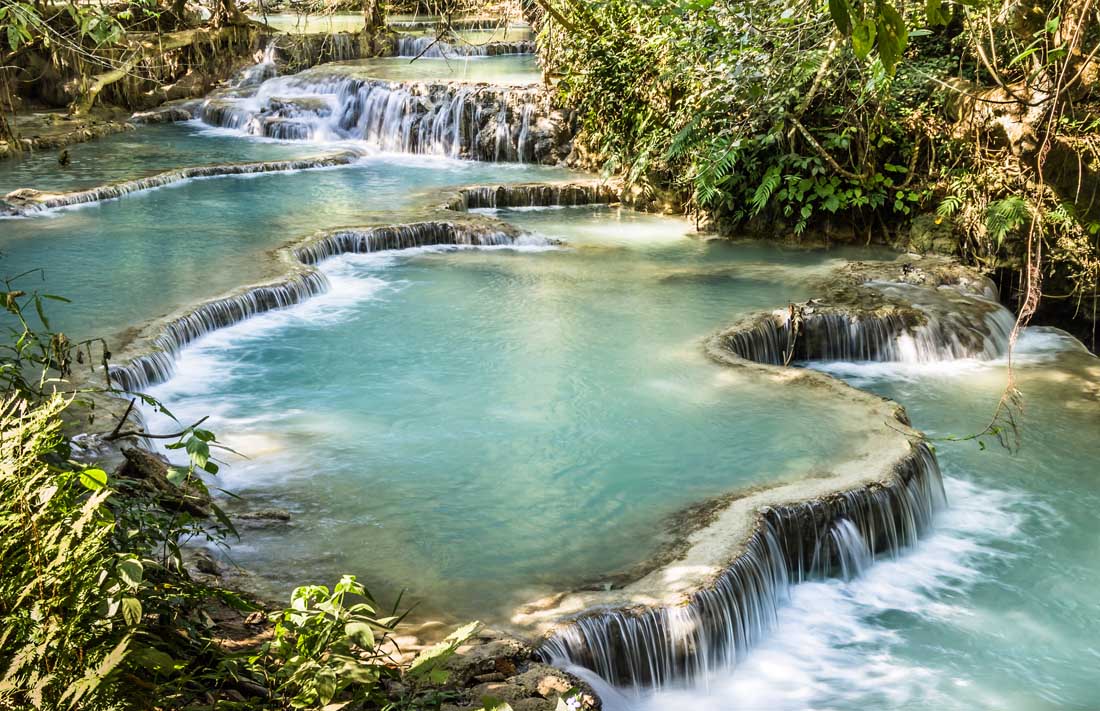 Luang Prabang, Laos
 Riga has a temperate climate with four distinct seasons, but Vientiane experiences a warm climate with fairly sunny weather most of the year.
The summer attracts plenty of travelers to both Laos and Latvia. Warm weather and sunshine bring visitors to Laos year-round. Also, many visitors come to Latvia in the summer for the beaches, the hiking, and the family-friendly experiences.
In July, Vientiane is generally much warmer than Riga. Daily temperatures in Vientiane average around 30°C (85°F), and Riga fluctuates around 17°C (63°F).
Vientiane gets a good bit of rain this time of year. In July, Vientiane usually receives more rain than Riga. Vientiane gets 266 mm (10.5 in) of rain, while Riga receives 79 mm (3.1 in) of rain each month for the summer.
The autumn brings many poeple to Laos as well as Latvia. Laos attracts visitors year-round for its warm weather and sunny climate. Also, most visitors come to Latvia for the hiking trails and the natural beauty of the area during these months.
Vientiane is much warmer than Riga in the autumn. The daily temperature in Vientiane averages around 28°C (83°F) in October, and Riga fluctuates around 7°C (45°F).
Vientiane usually gets more rain in October than Riga. Vientiane gets 87 mm (3.4 in) of rain, while Riga receives 60 mm (2.4 in) of rain this time of the year.
Both Latvia and Laos are popular destinations to visit in the winter with plenty of activities. The warm climate attracts visitors to Laos throughout the year. Also, the winter months attract visitors to Latvia because of the museums, the Christmas ambience, and the cuisine.
The weather in Riga can be very cold. In the winter, Vientiane is much warmer than Riga. Typically, the winter temperatures in Vientiane in January average around 24°C (75°F), and Riga averages at about -5°C (23°F).
In January, Vientiane usually receives less rain than Riga. Vientiane gets 6 mm (0.2 in) of rain, while Riga receives 33 mm (1.3 in) of rain each month for the winter.
Both Latvia and Laos during the spring are popular places to visit. Plenty of visitors come to Laos because of the warm climate and sunshine that lasts throughout the year. Furthermore, the beaches and the natural beauty are the main draw to Latvia this time of year.
Vientiane can become quite hot in the spring. In April, Vientiane is generally much warmer than Riga. Daily temperatures in Vientiane average around 31°C (88°F), and Riga fluctuates around 5°C (42°F).
Vientiane usually gets more rain in April than Riga. Vientiane gets 85 mm (3.3 in) of rain, while Riga receives 39 mm (1.5 in) of rain this time of the year.
| Vientiane | Riga | |||
|---|---|---|---|---|
| Temp (°C) | Rain (mm) | Temp (°C) | Rain (mm) | |
| Jan | 24°C (75°F) | 6 mm (0.2 in) | -5°C (23°F) | 33 mm (1.3 in) |
| Feb | 26°C (79°F) | 12 mm (0.5 in) | -4°C (24°F) | 25 mm (1 in) |
| Mar | 29°C (85°F) | 36 mm (1.4 in) | -0°C (31°F) | 31 mm (1.2 in) |
| Apr | 31°C (88°F) | 85 mm (3.3 in) | 5°C (42°F) | 39 mm (1.5 in) |
| May | 30°C (87°F) | 255 mm (10 in) | 12°C (53°F) | 43 mm (1.7 in) |
| Jun | 30°C (86°F) | 273 mm (10.7 in) | 15°C (60°F) | 61 mm (2.4 in) |
| Jul | 30°C (85°F) | 266 mm (10.5 in) | 17°C (63°F) | 79 mm (3.1 in) |
| Aug | 29°C (85°F) | 323 mm (12.7 in) | 16°C (62°F) | 79 mm (3.1 in) |
| Sep | 29°C (84°F) | 295 mm (11.6 in) | 12°C (54°F) | 76 mm (3 in) |
| Oct | 28°C (83°F) | 87 mm (3.4 in) | 7°C (45°F) | 60 mm (2.4 in) |
| Nov | 26°C (79°F) | 10 mm (0.4 in) | 2°C (36°F) | 61 mm (2.4 in) |
| Dec | 24°C (74°F) | 3 mm (0.1 in) | -2°C (28°F) | 49 mm (1.9 in) |
 Budget Your Trip is all about finding out how much everything costs so that you can travel cheaper and longer. Created by avid travelers Laurie and Bryan, our goal is to help you plan your next trip on the right budget. With average daily travel costs that are calculated from the budgets of real travelers, plus an analysis of hotel and tour prices, you can find out how much money you need to plan your next adventure. We also have plenty of travel advice, accommodation reviews, and activity suggestions.
Some of the links on this website are sponsored or affiliate links which help to financially support this site. By clicking the link and making a purchase, we may receive a small commission, but this does not affect the price of your purchase.