Which country is cheaper, Lithuania or Japan?
These are the overall average travel costs for the two destinations.

Trying to figure out where to travel next? This travel comparison between Japan and Lithuania can help. It includes a travel cost comparison in addition to other factors. For many travelers, the cost of a destination is a primary consideration when choosing where to go.
We'll start with a quick overview, and below we will go into all of the details.
| Japan | Lithuania | |
| Culture & History |  |
|
| Food | |
|
| Resorts | |
|
| Skiing | |
|
| Wildlife | |
|
| Couples | |
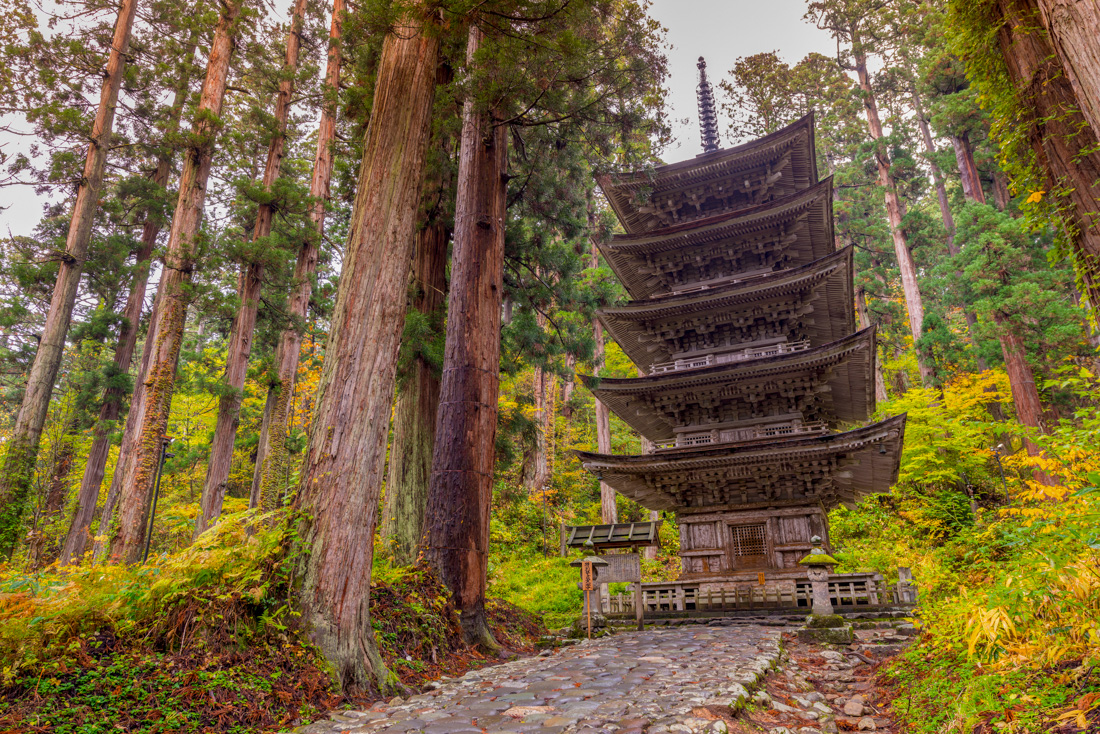 Dewa Sanzan, Japan
 Japan is a intriguing, meticulous, and harmonious country. Japan is also a very beautiful destination which attracts plenty of visitors. Other reasons to visit include museums, adventure travel, national parks, and history and culture.
Japan is a mesmerizing blend of ancient tradition and cutting-edge modernity, offering travelers a journey unlike any other. From the serene temples and cherry blossom-lined streets of Kyoto to the bustling neon-lit energy of Tokyo, the country effortlessly balances history with innovation. Culinary explorers will delight in savoring everything from delicate kaiseki meals to street-side takoyaki, while cultural enthusiasts can immerse themselves in timeless rituals like tea ceremonies and sumo wrestling. Nature lovers are equally spoiled, with majestic Mount Fuji, tranquil bamboo forests, and scenic coastal views providing breathtaking backdrops year-round. Japan’s famously efficient rail system ensures seamless travel across its diverse regions, making it accessible and convenient for all visitors. Ultimately, Japan captivates not only with its sights but with an enduring spirit of respect, harmony, and discovery that leaves every traveler enchanted.
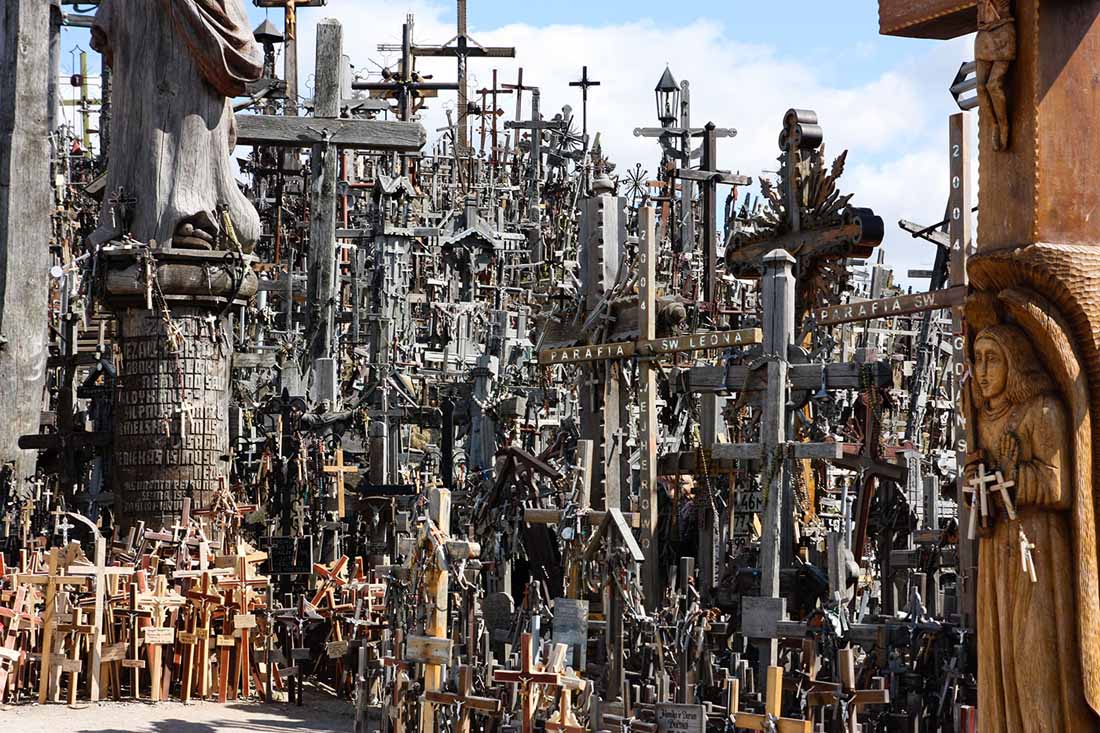 The Hill of Crosses, Siauliai
 Lithuania is a historical, scenic, and welcoming country. Lithuania is considered by many to be an absolutely beautiful destination, too. It's also popular because of the wildlife, adventure travel, national parks, and history and culture.
Lithuania is a country that brilliantly marries its rich history with a vibrant modern culture, making it an increasingly popular destination for travelers seeking something off the beaten path. Nestled in the Baltics, Lithuania boasts a variety of beautiful landscapes, from its sandy coastline on the Baltic Sea to its verdant forests and stunning lakes. Vilnius, the capital city, offers a captivating mix of Gothic, Renaissance, and Baroque architecture, while its small towns and countryside promise charming adventures. Visitors come to Lithuania for its engaging history, delicious cuisine, and the warmth of its people. Its relatively undiscovered nature compared to other European destinations provides a sense of exploration and discovery.
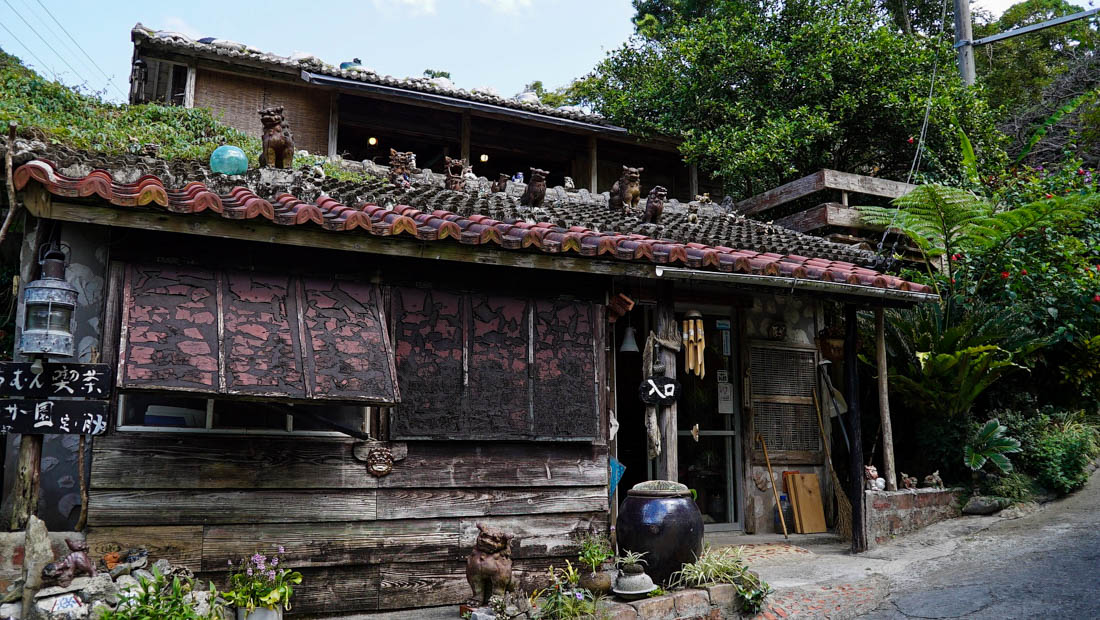 Okinawa, Japan
 Below we will examine the differences and similarities between Japan and Lithuania. With this information, you can decide for yourself which place is better for your next trip.
You'll find a number of great museums and attractions in both Lithuania and Japan.
You'll find a good number of museums and monuments packed into Japan. Japan offers an extraordinary tapestry of museums that captivate travelers with their unique blend of history, art, and culture, making it a top destination for museum enthusiasts. Tokyo, the bustling capital, is home to the iconic Tokyo National Museum in Ueno Park, where visitors immerse themselves in centuries of Japanese art and archaeology, from samurai armor to exquisite ceramics. Just a subway ride away, the Mori Art Museum in Roppongi Hills showcases cutting-edge contemporary art against the backdrop of a panoramic city skyline. Heading west to Kyoto, the Kyoto National Museum stands as a treasure trove of traditional Japanese crafts and ancient artifacts, reflecting the city’s rich imperial heritage. Meanwhile, the Open-Air Museum in Hakone offers a stunning fusion of nature and sculpture, with large-scale contemporary artworks elegantly nestled among scenic hills and hot springs. For those intrigued by science and innovation, Osaka’s National Museum of Art features avant-garde installations and dynamic exhibitions in a striking subterranean space. Each of these cultural hubs is not only a showcase of Japan’s artistic legacy but also a window into the country’s evolving identity, making museums an essential stop for any discerning traveler in Japan.
Tokyo: This iconic city is filled with recognizable landmarks and world class museums including the Meiji Shrine, the Sensō-ji Temple, and the Tokyo Skytree.
Osaka: The city is filled with impressive sights that are both old and new. A highlight is a visit to Osaka Castle, which dates back to the 1500s. The city's most well known temple is Shitennō-ji Temple and the Kobe Port Tower is another recognizable sight. Other highlights include the Osaka Aquarium Kaiyukan, the Tempozan Ferris Wheel, and the National Museum of Art.
Kyoto: With its long-running history, there are many traditional buildings and temples in town. Nijo Castle is stunning to explore, but also make sure you visit the Fushimi-Inari Taisha Shrine, the Golden Pavilion, and Kiyomizu-dera Temple.
Visitors can fill many days exploring the museums and attractions around Lithuania. A variety of museums in Lithuania draw visitors with their unique exhibits and collections. Vilnius hosts the Lithuanian National Museum and the Museum of Genocide Victims, offering profound insights into its turbulent past. Kaunas boasts the M.K. Čiurlionis National Art Museum, housing an impressive collection of works by the renowned Lithuanian artist. The cosier small-town museums, such as the Lithuanian Sea Museum in Klaipeda, reveal local traditions and histories. These institutions provide an enriching cultural experience for museum lovers.
Overall Japan is considered to offer more history, cutlure, and arts to visitors than Lithuania.
For those interested in history, art, and culture, Japan is not to be missed. Japan’s rich tapestry of history and culture offers an unparalleled journey through time, blending ancient traditions with vibrant modernity. Travelers eager to immerse themselves in Japan’s heritage often start in Kyoto, the former imperial capital famed for its stunning temples like Kinkaku-ji (the Golden Pavilion) and Fushimi Inari Shrine, where thousands of vermilion torii gates wind through sacred forest trails. Nearby Nara, home to the world’s oldest wooden building, Todai-ji Temple, and its freely roaming friendly deer, offers a serene glimpse into Japan’s early Buddhist influences. Tokyo, while dazzlingly modern, preserves pockets of history in the Edo-period district of Asakusa, where the iconic Senso-ji Temple stands as a testament to centuries-old spiritual life amid bustling shopping streets. Across the country, travelers can partake in cultural activities such as traditional tea ceremonies, calligraphy workshops, and kimono wearing experiences, each inviting a deep connection to Japan’s refined aesthetic and centuries-old customs. For history buffs, exploring Hiroshima’s Peace Memorial Park and Himeji Castle—often dubbed Japan’s most beautiful fortress—provides powerful insights into resilience and architectural mastery. These destinations and activities combined create an immersive cultural mosaic, making Japan a living museum that both honors its illustrious past and inspires its present.
See also The Best Free Things To Do in Tokyo.
Lithuania is a terrific destination to visit for history, arts, and culture, as it has many sights worth visiting. Rich in history and culture, Lithuania's diverse settings provide travelers with a journey through time. Vilnius, with its UNESCO-listed Old Town, is filled with churches and historical buildings. Trakai Island Castle presents a captivating insight into the country's medieval past. The Hill of Crosses near Šiauliai is a symbol of Lithuanian resilience and spirituality. Kaunas, with its interwar architecture, offers another glimpse into Lithuania's historical narrative. The historical and cultural sites are well-preserved, inviting history lovers to explore their fascinating stories.
Japan generally has more big cities and urban activities than Lithuania.
Japan has amazing and huge cities with tons of activities and things to do. Japan’s largest cities—Tokyo, Yokohama, Osaka, Nagoya, and Kyoto—each offer a compelling blend of vibrant urban energy and rich cultural experiences, making them top-tier travel destinations suited for a wide range of explorers. Tokyo, the sprawling capital and world’s largest metropolis, dazzles visitors with its futuristic skyline, sprawling shopping districts like Shibuya and Ginza, and iconic landmarks such as the Meiji Shrine and Tokyo Tower. It’s a playground for nightlife enthusiasts, boasting everything from glitzy rooftop bars in Roppongi to hidden izakayas in Golden Gai, plus a theater scene that ranges from traditional kabuki performances to avant-garde productions. Yokohama, just south of Tokyo, charms with its picturesque waterfront, Asia’s largest Chinatown, and stylish Minato Mirai district, perfect for leisurely city walks and romantic evening cruises. Osaka, known as Japan’s kitchen, invites food lovers to indulge in street eats like takoyaki and okonomiyaki in the bustling Dotonbori area, paired with lively nightlife and comedy theaters that reflect the city’s jovial spirit. Nagoya, an industrial hub, surprises with its impressive castle, automotive museums, and a growing gastronomic scene that merges traditional and modern tastes. Finally, Kyoto, while often celebrated for its serene temples and traditional tea houses, also thrives as a city of elegant cultural pursuits, with well-preserved theaters showcasing noh and bunraku, tranquil evening strolls through Gion’s historic district, and refined kaiseki dining experiences. Together, these cities encapsulate Japan’s seamless fusion of past and present, offering travelers an exciting menu of urban adventures, culinary delights, and immersive cultural encounters.
Since Lithuania has large cities, you'll find plenty of things to do. Vilnius, with its UNESCO-listed Old Town, offers an eclectic mix of Gothic and baroque architecture, attracting history enthusiasts and art lovers alike. Kaunas, known for its interwar architecture and vibrant cultural scene, gives visitors a taste of both rich heritage and modern living. Both cities have a range of museums, cafes, and parks, providing a pleasant urban experience. Despite being smaller than some European capitals, these cities balance cultural richness with warm hospitality, making them delightful urban destinations.
Japan generally has a wider variety of smaller towns and villages than Lithuania.
Japan also offers a huge number of beautiful small towns with plenty of sights and activities. Japan’s most visited small towns, such as Takayama, Kurashiki, and Nikko, captivate travelers with their seamless blend of timeless charm, breathtaking scenery, and rich cultural heritage. Takayama, nestled in the Japanese Alps, enchants visitors with its impeccably preserved Edo-period streets, traditional wooden merchant houses, and vibrant morning markets—perfect for savoring local delicacies and crafts. Kurashiki’s historic Bikan district, with its willow-lined canals and white-walled kura warehouses, offers a romantic and tranquil atmosphere that invites leisurely strolls and art gallery explorations. Meanwhile, Nikko stuns with its ornate UNESCO World Heritage shrines set against lush, mountainous backdrops, appealing to both history buffs and nature lovers. These towns exude quaintness not through forced preservation but as living communities balancing tradition and hospitality. Popular activities across these gems include sampling regional cuisine, participating in seasonal festivals, visiting artisan workshops, and hiking scenic trails, all of which provide immersive cultural experiences that transform a simple visit into a soulful journey through Japan’s heart and heritage.
Lithuania is a very nice destination to see some small towns which are not to be missed. Lithuanian small towns such as Druskininkai provide scenic beauty and relaxation-focused retreats with their renowned spas and wellness centers. Trakai is a charming town known for its medieval castle on an island, providing a picturesque setting for photography and exploration. Anykščiai offers outdoor adventures, including a unique treetop walking path through the forests. These small towns offer local cultural experiences away from the more bustling urban life.
For a nice culinary experience, head to Japan, which is well known for it's local dishes and restaurants.
Known for it's food and restaurant scene, Japan is always at the top of any foodie's travel list. Japanese cuisine is renowned worldwide for its exquisite balance of flavors, meticulous presentation, and deep cultural significance. Staples such as sushi—the artful combination of vinegared rice with fresh fish or vegetables—tempura’s light, crispy battered seafood and vegetables, and ramen, a soul-warming bowl of noodles in rich broth, showcase the country’s culinary diversity. Beyond these iconic dishes, regional specialties like Osaka’s savory takoyaki (octopus-filled batter balls) and Kyoto’s elegant kaiseki multi-course meals reflect local ingredients and traditions. Japanese food is universally celebrated for its emphasis on fresh, high-quality ingredients and umami—the elusive “fifth taste” that provides depth and satisfaction to each bite. Far from being a passing trend, Japanese cuisine holds a prestigious place in global gastronomy, regularly hailed for its healthful qualities and artistic flair, making it both beloved by food lovers and respected by chefs worldwide.
Tokyo: With an astonishing number of Michelin star restaurants, this is one of the most interesting and impressive food destinations in the world. Not all restaurants are high end though. You'll find plenty of cheap eateries that offer their own rewarding culinary experience. Must try local dishes include okonomiyaki, ramen, and of course, sushi.
Osaka: It's one of the top culinary cities in Japan, and you'll find both local and regional dishes throughout. Street food is famous here, but there are also award winning restaurants and small traditional venues. Sushi and sashimi is a favorite, and it's focused simple and high quality ingredients. You'll find some great sushi restaurants around Kuromon Ichiba Market. Another unique experience is to visit a conveyor belt sushi restaurant. Land lovers should try the Yakiniku and Horumon, which is Japanese barbecue. And, of course, there's the ramen. Don't miss the ramen!
Nagoya: The city has a strong food culture that's referred to as Nagoya meshi. It's a popular destination for foodies to Japan, even though the city itself is often overlooked by tourists. The city's food uses a lot of local vegetables and its influenced by several international flavors. Important ingredients in the dishes include unagi (freshwater eel), Nagoya cochin (chicken), tamari (soy sauce), and mame miso.
See also Where to Eat in Nagoya on a Budget.
With its innovative style combined with traditional elements, Lithuania makes for a great culinary experience. Lithuanian cuisine is a delightful exploration of hearty and comforting flavors. In Vilnius, you can enjoy traditional dishes such as cepelinai, a potato dumpling, or šaltibarščiai, a refreshing cold beet soup, at numerous restaurants and cafes. The country's market halls and rural eateries offer travelers a chance to savor fresh, local produce. Kaunas is another food destination, mixing traditional foods with innovative culinary ventures. Don't miss the chance to try kibinai, a pastry brought by the Karaim community, particularly in Trakai.
Both Japan and Lithuania have great vibes after the sun sets.
With a handful of venues, visitors can find a fairly lively vibe in Japan. Japan’s nightlife is a vibrant kaleidoscope of experiences that perfectly blend tradition and modernity, offering something for every night owl. In Tokyo, the neon-lit districts of Shinjuku, Shibuya, and Roppongi pulse with energy—where you can dive into sprawling izakayas (casual pubs), sleek cocktail bars, and world-class nightclubs that pump out everything from techno to J-pop. For a uniquely Japanese twist, don’t miss karaoke bars where locals and tourists alike belt out tunes into the early hours. Osaka, often dubbed Japan’s food capital, doubles down on nightlife with its lively Dotonbori area featuring bustling street food stalls, cozy taverns, and quirky themed bars. Kyoto offers a more refined evening, with atmospheric geisha performances and sophisticated sake bars tucked away in historic hanamachi districts like Gion. Meanwhile, Fukuoka on Kyushu island boasts a youthful, upbeat vibe centered around yatai (open-air food stalls) lining the riverbanks, perfect for late-night bites and drinks. Whether you’re seeking wild clubbing, intimate local hangouts, or cultural shows, Japan’s nightlife weaves immersive and unforgettable tales well past midnight.
Tokyo: The professional urgency that you feel during the day morphs into a vibrant, laid back city at night. The neon lights turn on and locals head out to destress. There are karaoke bars, casual pubs, high energy nightclubs, and more. Popular areas for nightlife include Roppongi, Shibuya and Shinjuku.
Osaka: The city really comes to life after the sun sets. The buildings light up and the energy is palpable. In addition to the many world class restaurants, there are countless bars, pubs and izakaya, which are Japanese-style bars. Beer is popular, with many internationally recognized brands available. The most popular nightlife area is Dotonbori, which is along the Dotonbori River.
See also Party Hostels in Japan.
Lithuania has an active nightlife scene for those who seek it out. Vilnius and Kaunas provide lively nightlife scenes that cater to a broad range of preferences and experiences. The vibrant Old Town areas in both cities house an array of buzzing bars, nightclubs, and live music venues. Traditional Lithuanian beer houses offer unique local brews alongside international choices. The nightlife is welcoming and varied, although not as intense as in larger European capitals, ensuring a pleasant time for those seeking entertainment after dark.
Both Japan and Lithuania are considered to be great beach destinations.
Plenty of visitors enjoy relaxing on the beach in Japan. Japan’s coastline stretches over 29,000 kilometers, offering a surprising variety of stunning beaches that blend pristine nature with unique cultural vibes. Among the most celebrated is Okinawa’s Emerald Beach, located within the scenic Ocean Expo Park, where crystal-clear turquoise waters gently lap against soft white sand, framed by lush subtropical flora—perfect for snorkeling and family-friendly picnics. Just south in Miyako Island, Yonaha Maehama Beach boasts arguably the longest stretch of white sand in Japan, with shallow, calm waters ideal for swimming and stunning sunsets that photographers covet. Closer to the mainland, Zushi Beach near Tokyo offers a popular seaside escape for urbanites, famed for its vibrant surf culture and beachfront cafes, combining convenience with refreshing sea breezes. For those seeking rugged beauty, Shirahama Beach in Wakayama presents dramatic white cliffs and therapeutic hot springs nearby, mixing beach bliss with wellness traditions. Each of these beaches highlights a distinctive facet of Japan’s coastal charm, from tropical island paradises to culturally rich shorelines.
Okinawa: The region is filled with white sand beaches and turquoise water. Some of the beaches are accessible and lively while others are more remote and peaceful. Furuzamami Beach is both easy to access but also has a relaxed atmosphere. Nishihama Beach is more remote but well worth the effort and Aharen Beach is a popular day trip by ferry.
Yaeyama Islands: This tropical paradise has white sand beaches and turquoise water. There are water sports, including snorkeling and diving, and the beaches on each island have their own atmosphere and vibe.
Lithuania offers a nice beach destination. Lithuania's Baltic coast offers serene beaches perfect for a relaxing getaway. The Curonian Spit is renowned for its expansive sandy beaches and unique dune landscapes. Palanga is a popular seaside resort town, offering a vibrant atmosphere with its boardwalk and lively beach activities during the summer. Klaipeda beaches provide a quieter alternative, ideal for those seeking a peaceful day by the sea. The clean sands and calming Baltic waves invite leisurely walks and sunbathing.
Both Japan and Lithuania are destinations which offer great hiking.
Plenty of visitors go hiking around Japan. Japan offers an extraordinary tapestry of hiking experiences, each region boasting its own unique blend of natural beauty and cultural resonance. The Japanese Alps, particularly the Northern Alps around Kamikōchi, are arguably the crown jewels for serious trekkers, with dramatic granite peaks like Mount Hotaka and Mount Yari piercing the sky, alpine meadows lush with wildflowers, and crystal-clear rivers carving through deep valleys. For those seeking a spiritual journey woven with nature, the Kumano Kodo pilgrimage routes on the Kii Peninsula offer ancient cedar forests, moss-covered shrine gates, and a sense of timeless reverence as hikers traverse paths once walked by pilgrims centuries ago. Meanwhile, the iconic Mount Fuji trail, especially the Yoshida Trail, combines challenging altitude gain with breathtaking sunrise vistas above a sea of clouds, making it a must-do classic. Lastly, Hokkaido’s Daisetsuzan National Park captivates with untamed wilderness, volcanic landscapes, and serene hot springs, perfect for adventurers craving solitude and raw nature. Each of these regions showcases Japan’s diverse terrain and deep cultural heritage, promising hikers not just a physical journey but an immersive encounter with the country’s soul.
Okinawa: The island's tropical setting provides hikers with lush jungles and unique geology to explore. One of the most popular areas for hiking is Yambaru National Park. In this park you can walk through the mangroves and spot local wildlife. The region also has many off-the-beaten-path hiking opportunities for those looking for an adventure.
Fuji-Hakone-Izu National Park: There are hikes within each of the sections of Fuji-Hakone-Izu National Park, but the most famous section is the area around the iconic Mount Fuji. The climbing season is between July and mid September and there are four main trails that lead to the summit. You can take a bus to the Fifth Station and pick up any of the trails at that point. There are also mountain huts where you may take a rest or spend the night. In the Hakone area, you'll find hot springs and several popular trails such as the Hakone Ropeway and the Mount Kamiyama and Mount Komagatake Trail. The Izu Peninsula is known for its dramatic coastline, rugged cliffs, and beautiful waterfalls. Finally, the Izu Islands are a string of islands that can be reached by ferry.
Shiretoko National Park: The park is pristine with striking and varied landscapes as well as diverse wildlife. Hiking is the best way to experience the area, and the scenic views, and world class hiking trails are among the best.
Lithuania offers some nice hiking trails. Diverse hiking trails traverse the pristine landscapes of the Curonian Spit and Aukštaitija National Park. The Treetop Walking Path in Anykščiai offers an elevated experience through the forest canopy. The Žemaitija National Park provides a network of scenic trails around Lake Plateliai. With well-marked routes, hikers of all levels can enjoy Lithuania's picturesque natural settings. The mix of dune, forest, and lakeside hikes adds variety for outdoor enthusiasts.
Travelers can find good number of great national parks in both Japan and Lithuania.
Japan has a range of national park areas worth visiting. Japan’s national parks are dazzling mosaics of natural beauty, cultural heritage, and diverse ecosystems, offering something extraordinary for every type of traveler. Among the most celebrated is **Fuji-Hakone-Izu National Park**, where the iconic snow-capped peak of Mount Fuji reigns supreme, inspiring both awe and artistic devotion. Visitors are captivated not only by Fuji’s majestic silhouette but also by the serene hot springs of Hakone and the stunning coastal scenery of the Izu Peninsula. Heading north, **Shiretoko National Park** on Hokkaido Island is a UNESCO World Heritage site famed for its pristine wilderness, rare wildlife like the Ezo brown bear, and dramatic cliffs plunging into the Sea of Okhotsk—perfect for intrepid adventurers and nature photographers alike. Meanwhile, **Nikko National Park** blends Japan’s spiritual heritage with spectacular natural landscapes, featuring ancient Shinto shrines and waterfalls cascading amid vibrant autumn foliage. Each park is a living testament to Japan’s harmonious relationship with nature, inviting travelers to explore tranquil forests, volcanic mountains, and tranquil coastal vistas that change spectacularly with the seasons.
Lithuania is a great destination for touring the national parks. Lithuania is home to several national parks ideal for exploring the natural environment. Aukštaitija National Park, with its clean lakes and virgin forests, offers visitors the perfect escape into nature with plenty of trails for hiking. Žemaitija National Park, centered around Lake Plateliai, is known for its scenic beauty and opportunities for cycling, fishing, and kayaking. These parks provide diversity in terms of landscapes and activities, making them valuable stops for nature enthusiasts.
Overall, Lithuania is considered to offer more wildlife viewing opportunities and experiences to visitors.
Wilderness and wildlife activities in Lithuania are quite popular with travelers. Wildlife enthusiasts can explore diverse ecosystems in the country, including wetlands, forests, and coastal areas. Bird watching is particularly popular, with places like the Curonian Spit offering views of numerous migratory species. Žemaitija National Park is also known for its rich biodiversity, hosting a variety of bird species and mammals, such as deer and foxes. While Lithuania might not be a wildlife safari destination, its pristine environments make it ideal for appreciating Central European fauna.
Japan is a good destination to visit the wilderness, as there are some fun wildlife experiences for visitors. Japan offers an extraordinary tapestry of wildlife viewing opportunities that blend seamlessly with its rich cultural heritage and diverse landscapes. Among the most celebrated natural havens is Shiretoko National Park in Hokkaido, a UNESCO World Heritage site famed for its pristine wilderness, where visitors can spot the elusive Ezo brown bear, red foxes, and prolific birdlife including the majestic Steller’s sea eagle. Equally captivating is Yakushima Island in southern Japan, renowned for its ancient cedar forests and endemic species such as the Yakushima macaque and unique amphibians, an enchanting milieu that inspired the animated film *Princess Mononoke*. For marine wildlife enthusiasts, the Ogasawara Islands—often dubbed the “Galápagos of the Orient”—offer unparalleled opportunities to swim with humpback whales, dolphins, and vibrant coral reef fish in crystal-clear waters. These diverse environments showcase Japan’s remarkable biodiversity and promise unforgettable encounters with some of the country’s most iconic and rare species.
Both Japan and Lithuania have a wide array of great adventure travel options for those interested.
Adventure travel experiences in Japan are quite popular with travelers. Japan offers an exhilarating playground for adventure travelers seeking both adrenaline and cultural immersion. From the powdery slopes of Hokkaido’s Niseko region, renowned worldwide for its epic backcountry skiing and snowboarding, to the dramatic volcanic landscapes of Kyushu where you can hike active volcanoes like Mount Aso and explore steaming lava tunnels, Japan’s terrain is a diverse canvas for adventure. For those who crave water thrills, white-water rafting on the pristine rivers of Nagano or surfing the powerful waves off Chiba’s Pacific coast delivers unmatched excitement. Meanwhile, trekkers flock to the ancient Kumano Kodo pilgrimage trails in Wakayama, where rugged mountain paths weave through lush forests and sacred shrines, blending physical challenge with spiritual discovery. And for a truly unique rush, you can try canyoning in the crystal-clear streams of the Japanese Alps or paragliding over scenic landscapes near Mt. Fuji, where the view itself is a breathtaking reward. Whether snow, river, sea, or mountain, Japan’s adventure travel scenes combine world-class thrills with deep cultural resonance, making every expedition an unforgettable experience.
Lithuania has some adventurous travel experiences that often attract visitors. For adventure seekers, Lithuania serves up a variety of activities, from exploring the dune slopes of the Curonian Spit to cycling through the scenic trails of Aukštaitija National Park. Kayaking on the Neris or Minija Rivers offers a chance to experience the country's waterways. Paragliding above Lithuania’s beautiful landscapes provides a thrilling aerial adventure. While not considered an extreme adventure destination, the nature-focused activities available offer plenty of excitement.
You can find a fairly equal amount of great outdoor activities in both Japan and Lithuania.
Outdoor activities in Japan are quite popular with travelers. Japan’s diverse landscapes make it a playground for outdoor enthusiasts, offering an array of activities that blend natural beauty with cultural richness. Hiking is among the most popular pursuits, with iconic trails like the ancient Kumano Kodo pilgrimage routes in Wakayama and the breathtaking ascent of Mount Fuji, where climbers greet the sunrise above a sea of clouds. For those drawn to the water, kayaking through the serene waters of the Seto Inland Sea or surfing the powerful Pacific waves along Chiba’s Pacific coast delivers both adrenaline and tranquility. Winter transforms northern regions such as Hokkaido into world-class skiing and snowboarding destinations, with powdery slopes beloved by experts and beginners alike. Meanwhile, cycling enthusiasts can explore the Shimanami Kaido, a scenic 70-kilometer route linking islands with panoramic ocean views and quaint fishing villages. Each of these outdoor adventures offers travelers a chance to engage deeply with Japan’s unique natural environments while experiencing the country’s famed hospitality and centuries-old traditions.
Lithuania has some outdoor activities that attract visitors. Outdoor enthusiasts can engage in a mix of activities, from cycling the numerous well-marked trails to kayaking on its many rivers. Fishing is a popular pastime in the country's plentiful lakes. Aukštaitija National Park and the Curonian Spit present ample hiking opportunities, with trails leading through captivating dune and forest landscapes. Safer and calmer outdoor experiences cater to a broad audience wanting to connect with nature.
Japan and Lithuania both have plenty of great places to explore on a road trip.
With many possiblities for a road trip, Japan is a great place to take on the open road. Embarking on a road trip through Japan offers a uniquely immersive way to experience the country’s dazzling contrasts—from neon-lit urban sprawls to serene rural landscapes. Among the most popular routes, the iconic **Japan Alps circuit** stands out, weaving through Nagano, Matsumoto, and Takayama, where travelers can explore pristine mountain scenery, historic castles, and traditional ryokans. Another favorite is the **Shimanami Kaido**, a breathtaking 70-kilometer expressway of cycling-friendly bridges linking Honshu and Shikoku islands, perfect for those seeking coastal views and charming seaside towns. For a more leisurely journey, the **Kyushu road trip** invites explorers to soak in volcanic onsen hot springs in Beppu, sample diverse street food in Fukuoka, and discover the lush landscapes of Yakushima. Driving in Japan is famously orderly, with impeccable road infrastructure, clear signage, and famously polite drivers, but navigating toll roads and fitting narrow streets in older towns requires some patience and preparation. Many travelers opt to rent compact cars equipped with GPS or use camper vans, enjoying the flexibility to stop at roadside “michi-no-eki” rest areas, which offer local delicacies and artisan crafts. Ultimately, a road trip in Japan is the perfect blend of freedom and discovery, rewarding intrepid explorers with off-the-beaten-path encounters and breathtaking vistas beyond the usual bullet train routes.
Lithuania is a great place to take a road trip. A road trip through Lithuania offers the opportunity to explore diverse landscapes and rich cultural sites at one's own pace. The roads are generally well-maintained and provide scenic routes through countryside and coast. Routes can include cultural destinations like Vilnius, Kaunas, and Trakai, as well as natural wonders such as the Curonian Spit and Aukštaitija National Park. Along the way, travelers can enjoy discovering small towns and local restaurants. The relatively short distances between major attractions make for a relaxed and enjoyable driving adventure.
Both Japan and Lithuania are great to visit with kids.
Japan is an extremely popular country to visit for families. Japan stands out as an exceptionally family-friendly destination, seamlessly blending cultural richness with engaging, kid-focused experiences that captivate travelers of all ages. From the enchanting world of Tokyo Disneyland and DisneySea—where beloved characters and immersive rides spark joy—to the hands-on discovery at Kyoto’s Kyoto Railway Museum, children can explore Japan’s storied past in a playful and interactive environment. Families can also wander through the whimsical Ghibli Museum in Mitaka, delving into the magical creations of Studio Ghibli that ignite imaginations worldwide. For outdoor fun, the expansive Ueno Zoo in Tokyo and the adorable capybaras bathing in hot springs at the Jigokudani Monkey Park near Nagano offer memorable wildlife encounters. Meanwhile, many cities boast convenient, clean public transportation and child-friendly dining options, ensuring comfort and ease throughout the trip. With its thoughtful blend of education, entertainment, and cultural immersion, Japan crafts an unforgettable adventure that delights both parents and children alike.
Tokyo: This is an incredibly kid-friendly city. There's Disneyland, but there are also many other entertainment centers, amusement areas, a zoo, aquarium, and more. Kids will also enjoy experiencing the city's fascinating culture. They can visit temples, museums, and the Tokyo Tower. Another fun local experience is to go to a baseball game.
Yokohama: Kodomo no Kuni, or Children’s Land, is a theme park that has a lot to do for younger kids and a few things for older kids as well. Yokohama Cosmo World is another amusement park that is geared towards all ages, including rides for the older kids. Other interesting activities for families include Cupnoodles Museum, Zoorasia, and Hakkeijima Sea Paradise.
Nagoya: There are a large number of attractions for families in the area. This city is where you'll find Legoland Japan, which is one of the most popular activities to do with kids. The city also has the Sea Life Aquarium, which is located in the Legoland Hotel. Next to Legoland you'll find the SCMaglev and Railway Park. Another great activity is a visit to the Nagoya Public Aquarium, which is one of the biggest aquariums in Japan. There are dolphins, orcas, and many different ecosystems to explore. Nearby is the Sea Train Land amusement park.
With a huge array of activities for kids, Lithuania is very family-friendly. Families will find a welcoming atmosphere with various activities suitable for children of all ages. The Lithuanian Sea Museum in Klaipeda and the Vilnius TV Tower, with its panoramic views, are popular attractions. Trakai, with its medieval castle surrounded by picturesque lakes, makes a great family day trip destination. Kaunas offers interactive museums and playgrounds like the Confluence Park. In the summer, families can relax on the beaches of the Curonian Spit or enjoy the natural beauty of Anykščiai Regional Park with its famous treetop walking path.
There's generally more to do as a couple in Japan than Lithuania.
Japan has so much to offer for a romantic couple's vacation. Japan offers an exquisitely romantic tapestry for couples seeking both cultural intimacy and breathtaking natural beauty. Imagine sharing a serene boat ride beneath the iconic vermilion torii gates of Miyajima at sunset, or strolling hand-in-hand through the ethereal pink canopy of cherry blossoms in Kyoto’s Philosopher’s Path during springtime. For honeymooners craving a blend of luxury and tradition, the ryokans in Hakone provide private hot spring baths where couples can unwind while gazing at Mount Fuji’s majestic silhouette. In autumn, the fiery maple leaves in Nikko create an enchanting backdrop for cozy moments, while evening river cruises in Tokyo’s Sumida River district offer glittering cityscapes paired with gourmet dining. From tranquil temple gardens to lively night markets, Japan’s seamless fusion of ancient romance and modern allure makes it an unforgettable destination for lovers at any stage of their journey.
Kyoto: This is one of the most historic cities in Japan, and it has many romantic neighborhoods where you can enjoy the atmosphere. Visit Sanneizaka Slope for its traditional shops and restaurants or take a ride on the Sagano Romantic Train. Other romantic highlights include Kimono Forest, which is an art exhibit, and Suzumushidera Temple.
Okinawa: With its stunning beaches, world class snorkeling, and relaxing resorts, couples and honeymooners will love a trip to these beautiful islands. There's a mix of outdoor adventures and cultural activities that will keep any couple entertained.
Nikko: While many visitors come to see the shrines and temples, they often end up falling in love with the area's natural beauty, waterfalls, and "forest bathing" (surrounding yourself with nature). Couples will also enjoy dining on the local food and relaxing in a pool fed by a natural hot spring.
See also Hostels in Kyoto for Solo Travellers, Couples, and Groups, and Hostels in Nara, Japan for Solo Travellers, Backpackers, and Couples.
Couples visit Lithuania frequently as it offers plenty of romantic activities. Couples can enjoy romantic strolls through the charming old towns of Vilnius and Kaunas, filled with cozy cafes and picturesque streets. A visit to the spa resorts in Druskininkai offers a relaxing retreat. The historic Trakai Island Castle provides a scenic backdrop for a romantic day excursion. Nature-loving couples might enjoy a peaceful boat ride on Lake Galvė. Additionally, the Neringa Peninsula's unspoiled dunes present a serene escape for those looking to reconnect with nature together.
See also Hostels in Vilnius, Lithuania for Solo Travellers, Couples, and Groups.
Japan and Lithuania are both great destinations for backpackers.
Plenty of budget travelers and backpackers visit Japan. Japan often gets pegged as an expensive destination, but for savvy backpackers and younger travelers, it can be surprisingly budget-friendly without sacrificing the quintessential experiences. Across major cities like Tokyo, Kyoto, and Osaka, a thriving network of affordable hostels and guesthouses offers cozy dorm beds for as little as ¥2,000–3,000 per night, often featuring communal kitchens and social events perfect for meeting fellow travelers. Beyond accommodations, Japan’s efficient and reasonably priced transportation options—like the Japan Rail Pass for nationwide travel or regional discount passes such as the Kansai Thru Pass—make hopping between iconic spots accessible on a shoestring. Budget adventurers can immerse themselves in countless free or low-cost activities, from wandering serene temples and iconic shrines to exploring vibrant street markets, public parks, and seasonal festivals. Even meals can be deliciously affordable with plentiful options like conveyor-belt sushi, hearty ramen shops, or convenience store bento boxes that won’t break the bank. Combined, these elements make Japan an unexpectedly compelling, wallet-friendly playground for the young and adventurous spirit.
See also Party Hostels in Japan, Hostels for Backpackers and Budget Travellers in Osaka, Japan, and Hostels for Budget Travellers in Tokyo.
Backpackers come from all over to visit Lithuania. Backpackers will appreciate Lithuania's affordability and array of hostels catering to budget travelers. Vilnius offers vibrant youth culture and friendly accommodations in its lively Old Town. Kaunas and Klaipeda serve as great stopovers on a backpacker's route, offering engaging histories and affordable dining options. Public transportation is efficient and reasonably priced, allowing easy exploration across the country. The locals' warmth and willingness to share their culture make this an inviting stop for solo and budget travelers alike.
See also Hostels in Vilnius, Lithuania for Solo Travellers, Couples, and Groups.
Japan generally offers better transportation than Lithuania.
Visitors in Japan can get around quickly with the extensive transportation system. Navigating Japan is a seamless and often exhilarating experience thanks to its world-class transportation network that caters to every type of traveler. The crown jewel is undoubtedly the Shinkansen, or bullet trains, which zip across the country at speeds up to 320 km/h, connecting major cities like Tokyo, Kyoto, and Osaka with astonishing efficiency and comfort. Beyond the gleaming rails, Japan boasts an extensive and punctual urban subway and bus system—Tokyo’s metro alone has a labyrinth of lines that make hopping between neighborhoods a breeze. For those craving flexibility or venturing off the beaten path, regional trains and local buses serve smaller towns and scenic areas, though these can sometimes be less frequent, so a bit of planning helps. Renting a car is ideal if you plan to explore rural regions like Hokkaido or the Japanese Alps, where public transit options thin out and schedules grow sparse. Domestic flights are another savvy choice for covering vast distances quickly, with multiple airports served by low-cost carriers linking far-flung islands such as Okinawa. While Japan’s public transit is famously efficient, travelers should note that in very remote areas, transport options can be limited—making overnight stays or private tours worthwhile to avoid logistical headaches. Overall, Japan’s transportation system is a masterclass in punctuality and convenience, inviting visitors to glide effortlessly from neon-lit cityscapes to tranquil countryside with ease.
Is it easy to travel around Japan?
Public transit in Lithuania is fairly effecient and thorough. With a well-developed transport system, Lithuania offers easy navigation, thanks to reliable train and bus services connecting major cities with smaller towns. Vilnius and Kaunas airports offer international connections, while well-maintained roads allow comfortable travel by car. The public transport within cities is efficient, with buses and trolleybuses providing widespread service. Travelers find the system user-friendly, even if they are not familiar with the local language. National car rental services also simplify road travel for those wishing to explore more remote areas.
Is it easy to travel around Lithuania?
Japan and Lithuania are both modern and comfortable places to visit.
Japan is a very comfortable and luxurious destination with plenty of hotels, restaurants, and activities. Traveling in Japan is a seamless blend of ultra-modern convenience and deeply rooted tradition, offering one of the most comfortable and efficient travel experiences in the world. Public transit, especially the legendary Shinkansen bullet trains, is famously punctual, spotless, and swift, whisking travelers between Tokyo, Kyoto, Osaka, and beyond with ease and style. Even local trains and buses are impeccably clean and well-organized, making navigating both megacities and rural towns surprisingly stress-free. Food is another highlight—a dazzling array of options from Michelin-starred sushi counters to humble noodle shops where a steaming bowl of ramen melts away any jet lag, with many eateries welcoming solo diners and travelers alike. As for accommodations, typical business hotels are compact but impeccably clean and equipped with all essentials, while traditional ryokans offer a charming, tatami-matted glimpse into Japan’s hospitality heritage—often with soothing onsen baths included. Far from “roughing it,” Japan’s travel infrastructure anticipates and caters to virtually every comfort a discerning traveler could desire.
Generally, Lithuania is considered to be a comfortable and luxurious place to visit. Travelers looking for comfort are in good hands with Lithuania’s well-established hospitality sector, showcasing numerous modern hotels and guesthouses across the country. Vilnius, in particular, offers a plethora of luxury hotels with superior amenities and services. The spa town of Druskininkai is renowned for its wellness and relaxation services, providing a luxurious retreat. Excellent public transportation networks make travel seamless between cities and towns. Pleasant cafes and restaurants serve high-quality local and international cuisine, ensuring a comfortable dining experience.
Generally, Japan is considered to be more touristy than Lithuania.
Japan is a destination which hosts plenty of visitors. Japan strikes a fascinating balance in the world of tourism—while it certainly isn’t off-the-beaten-path, it also hasn’t tipped into the realm of over-touristed destinations like Venice or Barcelona. Iconic spots such as Kyoto’s Fushimi Inari Shrine, Tokyo’s Shibuya Crossing, and the historic temples of Nara attract substantial crowds, especially during peak seasons like cherry blossom time and autumn foliage. Expect bustling throngs and selfie sticks aplenty at these marquee sites. However, thanks to Japan’s vast and varied geography, highly efficient transport networks, and a deep well of lesser-known gems—from the serene gorges of Yakushima to the quiet fishing villages of the Noto Peninsula—travelers keen on avoiding the masses can easily find tranquility beyond the well-worn tourist corridors. In essence, Japan offers a textured tourism experience: highly popular hotspots brimming with energy, counterbalanced by peaceful, authentic escapes that remain refreshingly under-visited.
Lithuania is somewhat touristy. Lithuania presents a balanced mix of tourist hotspots and more tranquil areas. While Vilnius and Trakai receive a fair share of visitors, they manage to maintain an authentic charm. Klaipeda, with its coastal—yet slightly off-the-beaten-path—appeal, offers visitors a more laid-back experience. The less-crowded surroundings allow for more personal interactions with locals. Most regions offer enough space for exploration without overwhelming tourist crowds, ideal for those who enjoy a more genuine travel experience.
For some great organized tour ideas, see The Best Family-Friendly Tours to Japan, The Best Hiking & Trekking Tours in Japan, The Best Historical Tours in Japan, The Best 10-Day Tours in Japan, The Best One Week (7-Day) Tours in Japan, The Best 2-Week Tours in Japan, The Best Bicycle Tours in Japan, Tours for Outdoor and Nature Lovers in Japan, The Best Coach Bus Tours in Japan, The Best Adventure Tours to Japan, The Best Sightseeing Tours in Japan, The Best Cultural Tours in Japan, The Best Food and Culinary Tours in Japan, The Best Romantic Tours for Couples in Japan, The Best Luxury Tours to Japan, The Best Tours for Seniors to Japan, The Best Contiki Tours to Japan, The Best G Adventures Tours to Japan, The Best One-Week (7-Day) Tours from Tokyo, The Best 10-Day Tours from Tokyo, The Best 2-Week Tours from Tokyo, The Best Family-Friendly Tours to Lithuania, The Best Bicycle Tours in Lithuania, The Best Adventure Tours to Lithuania, The Best Sightseeing Tours in Lithuania, The Best Budget Tours to Lithuania, The Best Tours for Seniors to Lithuania, and The Best One-Week (7-Day) Tours from Vilnius.
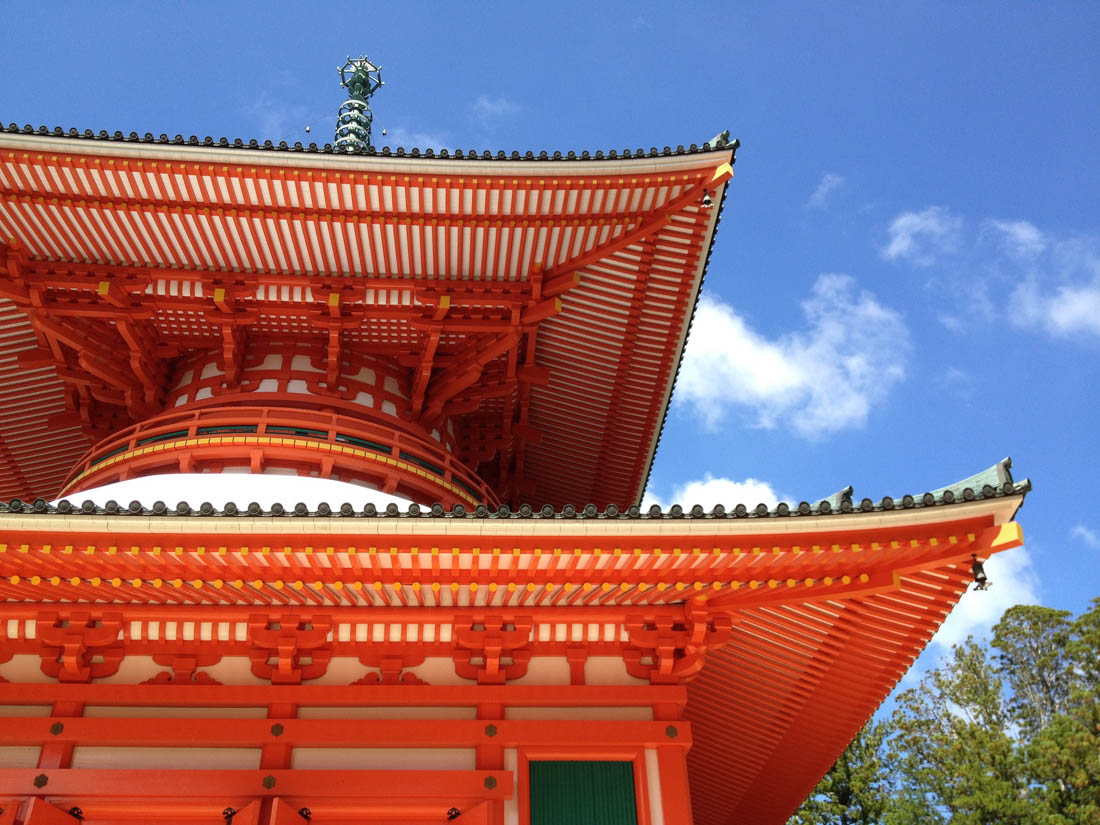 Temple at Mount Koya, Japan
 In either Japan or Lithuania, you'll find plenty of activities to fill your time. Most visitors tend to spend more time in Japan than Lithuania because of the overall number of sights and activities. Usually, 5-14 days is a good amount of time for Japan, and 3-5 days is enough time in Lithuania.
Families should spend more time in Japan than Lithuania. Because of the many family-friendly attractions and fun things to do for kids in Japan, it's a great place to visit with the whole family.
Couples should spend more time in Japan than Lithuania. You'll find plenty of romantic sights and fun activities in Japan that are great for a weekend getaway or a longer couple's trip.
Backpackers and budget travelers should spend more time in Japan than Lithuania if your budget allows for it. With a larger number of budget-friendly sights, good nightlife, and active things to do, anyone traveling on a budget would have a good time in Japan.
You'll find national parks, history and culture, and skiing around the meticulous destination of Japan. A weekend is usually not enough time for a trip here as there is plenty to do. This destination offers a variety of activities to choose from.
It's hard to know how much time to spend in Lithuania. A weekend is usually not enough time for a trip here as there is plenty to do. The length of your ideal trip is an individual decision.
You'll find history and culture, skiing, and nightlife around the meticulous country of Japan. The length of your ideal trip is an individual decision. If you have five days, this country makes for a great vacation. Five days should give you a good understanding of everything this country has to offer.
Lithuania is a fun place to experience. In Lithuania, many people enjoy the history and culture, nightlife, and food that this destination offers. This would be the perfect place to spend five days, as it has just the right amount of activities.
Japan is a popular choice for travelers. One week here is typical. While some people choose to spend more or less time in Japan, one week is sufficent for most. It will give you the chance to have new experiences.
You'll find nightlife, food, and beaches around the charming destination of Lithuania. Take your pick from the many activities offered here. One week is plenty of time to see everything, even with extra days to spare.
Japan is a popular choice for travelers. Two weeks here is typical. Two weeks should give you a good understanding of everything this country has to offer. It will give you the chance to have new experiences.
You'll find nightlife, food, and beaches around the welcoming destination of Lithuania. Take your pick from the many activities offered here. Most people find that two weeks is more than enough time to see everything.
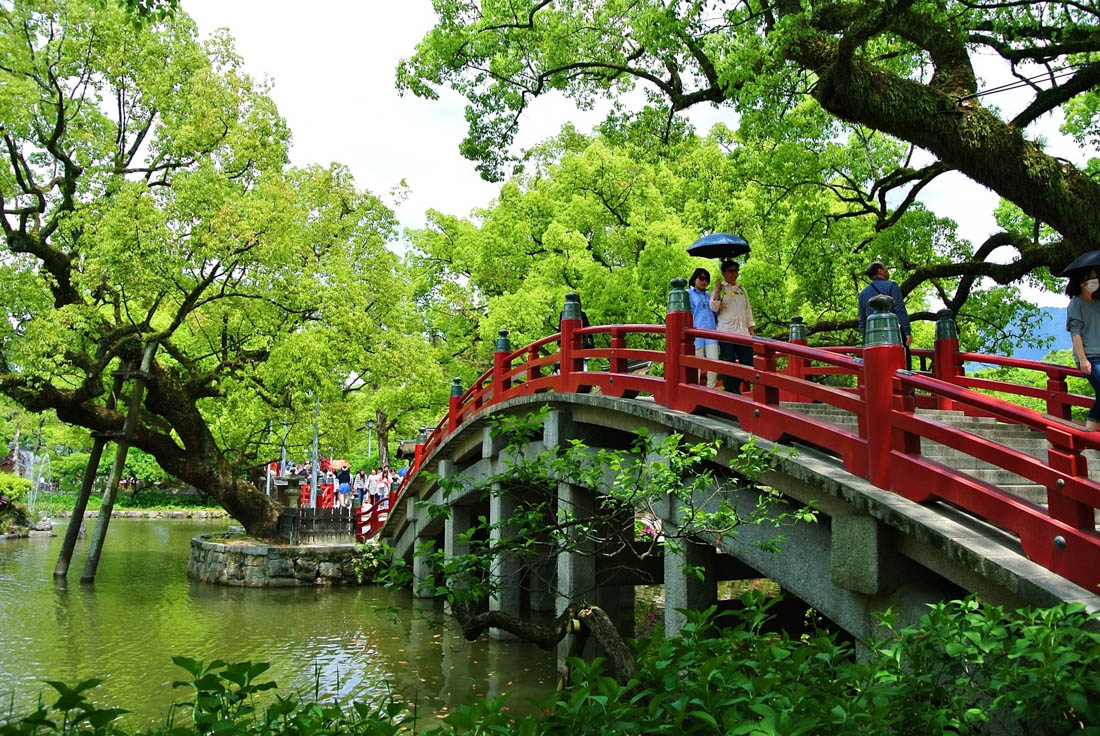 Fukuoka, Japan
 These are the overall average travel costs for the two destinations.
The average daily cost (per person) in Japan is $138, while the average daily cost in Lithuania is $129. These costs include accommodation (assuming double occupancy, so the traveler is sharing the room), food, transportation, and entertainment. While every person is different, these costs are an average of past travelers in each country. What follows is a categorical breakdown of travel costs for Japan and Lithuania in more detail.
Looking for a hotel in Japan or Lithuania? Prices vary by location, date, season, and the level of luxury. See below for options and compare which is best for your budget and travel style.
Kayak helps you find the best prices for hotels, flights, and rental cars for destinations around the world. Compare prices for multiple destinations when planning your next trip.
Here are some examples of typical transportation prices from actual travelers in Japan:
Also for Japan, here are a few examples of actual transportation services:
Some typical examples of transportation costs in Lithuania are as follows:
Also for Lithuania, here are a few examples of actual transportation services:
Prices for flights to both Lithuania and Japan change regularly based on dates and travel demand. We suggest you find the best prices for your next trip on Kayak, because you can compare the cost of flights across multiple airlines for your prefered dates.
For Japan, here are some examples of average food and meal prices for travelers:
For Japan, here are some samples of tours and activities related to meals and dining experiences:
For Lithuania, here are some examples of average food and meal prices for travelers:
For Lithuania, here are some samples of tours and activities related to meals and dining experiences:
Below are a few sample prices from actual travelers for Japan's activities, tours, and tickets:
For Japan, here are a few prices for actual activities, tours, and tickets provided by various companies:
Below are a few sample prices from actual travelers for Lithuania's activities, tours, and tickets:
For Lithuania, here are a few prices for actual activities, tours, and tickets provided by various companies:
Below are a few samples from actual travelers for alcohol and nightlife costs in Japan:
Here are a few nightlife and alcohol tours and activities from local tour providers in Japan:
Some typical examples of the costs for nightlife and alcohol in Lithuania are as follows:
Some specific costs for nightlife related activities in Lithuania:
When comparing the travel costs between Japan and Lithuania, we can see that Japan is more expensive. However, the two cities are actually relatively comparable in price, as the difference is somewhat minimal. Generally, this means that you could travel with generally the same travel style and level of luxury in each place. Even though Japan is in Asia and Lithuania is in Europe, both of these destinations have relatively similar prices of travel. Generally, the levels of luxury and expenses are the same for these cities even though they are geographically far apart.
Dewa Sanzan, Japan Both destinations experience a temperate climate with four distinct seasons. And since both cities are in the northern hemisphere, summer is in July and winter is in January.
Both Lithuania and Japan are popular destinations to visit in the summer with plenty of activities. Most visitors come to Japan for the beaches, snorkeling, the hiking, the music scene, and the family-friendly experiences during these months. Also, the summer months attract visitors to Lithuania because of the beaches, the hiking, and the family-friendly experiences.
In the summer, Tokyo is a little warmer than Vilnius. Typically, the summer temperatures in Tokyo in July average around 26°C (78°F), and Vilnius averages at about 18°C (65°F).
It's quite sunny in Vilnius. Tokyo usually receives less sunshine than Vilnius during summer. Tokyo gets 137 hours of sunny skies, while Vilnius receives 219 hours of full sun in the summer.
It's quite rainy in Tokyo. In July, Tokyo usually receives more rain than Vilnius. Tokyo gets 127 mm (5 in) of rain, while Vilnius receives 78 mm (3.1 in) of rain each month for the summer.
Both Lithuania and Japan during the autumn are popular places to visit. The autumn months attract visitors to Japan because of the hiking trails, the shopping scene, the music scene, and the natural beauty of the area. Furthermore, the hiking trails and the natural beauty of the area are the main draw to Lithuania this time of year.
In October, Tokyo is generally much warmer than Vilnius. Daily temperatures in Tokyo average around 18°C (64°F), and Vilnius fluctuates around 8°C (46°F).
In the autumn, Tokyo often gets more sunshine than Vilnius. Tokyo gets 129 hours of sunny skies this time of year, while Vilnius receives 94 hours of full sun.
It rains a lot this time of the year in Tokyo. Tokyo usually gets more rain in October than Vilnius. Tokyo gets 165 mm (6.5 in) of rain, while Vilnius receives 53 mm (2.1 in) of rain this time of the year.
The winter attracts plenty of travelers to both Japan and Lithuania. The skiing, the museums, the shopping scene, and the cuisine are the main draw to Japan this time of year. Furthermore, many travelers come to Lithuania for the museums, the Christmas ambience, and the cuisine.
Be prepared for some very cold days in Vilnius. Tokyo is much warmer than Vilnius in the winter. The daily temperature in Tokyo averages around 5°C (42°F) in January, and Vilnius fluctuates around -5°C (23°F).
Tokyo usually receives more sunshine than Vilnius during winter. Tokyo gets 175 hours of sunny skies, while Vilnius receives 36 hours of full sun in the winter.
In January, Tokyo usually receives more rain than Vilnius. Tokyo gets 45 mm (1.8 in) of rain, while Vilnius receives 41 mm (1.6 in) of rain each month for the winter.
The spring brings many poeple to Japan as well as Lithuania. Many travelers come to Japan for the beaches and the natural beauty. Additionally, many visitors come to Lithuania in the spring for the beaches and the natural beauty.
In the spring, Tokyo is much warmer than Vilnius. Typically, the spring temperatures in Tokyo in April average around 14°C (58°F), and Vilnius averages at about 7°C (45°F).
In the spring, Tokyo often gets around the same amount of sunshine as Vilnius. Tokyo gets 161 hours of sunny skies this time of year, while Vilnius receives 164 hours of full sun.
Tokyo receives a lot of rain in the spring. Tokyo usually gets more rain in April than Vilnius. Tokyo gets 125 mm (4.9 in) of rain, while Vilnius receives 46 mm (1.8 in) of rain this time of the year.
| Tokyo | Vilnius | |||
|---|---|---|---|---|
| Temp (°C) | Rain (mm) | Temp (°C) | Rain (mm) | |
| Jan | 5°C (42°F) | 45 mm (1.8 in) | -5°C (23°F) | 41 mm (1.6 in) |
| Feb | 6°C (42°F) | 60 mm (2.4 in) | -4°C (26°F) | 38 mm (1.5 in) |
| Mar | 9°C (47°F) | 100 mm (3.9 in) | 1°C (33°F) | 39 mm (1.5 in) |
| Apr | 14°C (58°F) | 125 mm (4.9 in) | 7°C (45°F) | 46 mm (1.8 in) |
| May | 19°C (66°F) | 138 mm (5.4 in) | 14°C (57°F) | 62 mm (2.4 in) |
| Jun | 22°C (71°F) | 186 mm (7.3 in) | 17°C (63°F) | 77 mm (3 in) |
| Jul | 26°C (78°F) | 127 mm (5 in) | 18°C (65°F) | 78 mm (3.1 in) |
| Aug | 27°C (81°F) | 148 mm (5.8 in) | 18°C (64°F) | 72 mm (2.8 in) |
| Sep | 23°C (74°F) | 180 mm (7.1 in) | 13°C (56°F) | 65 mm (2.6 in) |
| Oct | 18°C (64°F) | 165 mm (6.5 in) | 8°C (46°F) | 53 mm (2.1 in) |
| Nov | 13°C (55°F) | 90 mm (3.5 in) | 2°C (36°F) | 57 mm (2.2 in) |
| Dec | 8°C (46°F) | 46 mm (1.8 in) | -2°C (29°F) | 55 mm (2.2 in) |
 Budget Your Trip is all about finding out how much everything costs so that you can travel cheaper and longer. Created by avid travelers Laurie and Bryan, our goal is to help you plan your next trip on the right budget. With average daily travel costs that are calculated from the budgets of real travelers, plus an analysis of hotel and tour prices, you can find out how much money you need to plan your next adventure. We also have plenty of travel advice, accommodation reviews, and activity suggestions.

Some of the links on this website are sponsored or affiliate links which help to financially support this site. By clicking the link and making a purchase, we may receive a small commission, but this does not affect the price of your purchase.