

Should you book that fall trip now, or wait and hope the price drops?
It is one of the most difficult questions in travel planning. Airfares can change from one day to the next, hotel prices move as rooms fill, and every airline sale seems to arrive with a countdown clock. Waiting might uncover a better deal, but it can also leave you paying more for a less convenient trip.
Shoulder-season travel makes the decision especially complicated. The weeks between the summer rush and the winter holidays often bring lower prices, smaller crowds, and comfortable weather. At the same time, airlines may reduce their schedules, seasonal hotels may close, and inexpensive rooms can disappear quickly during festivals and school holidays.
There is no single booking rule that works for every trip. The better approach is to consider your flexibility, the popularity of your dates, the complete cost of the trip, and what you would lose by waiting.
What Is Shoulder Season?
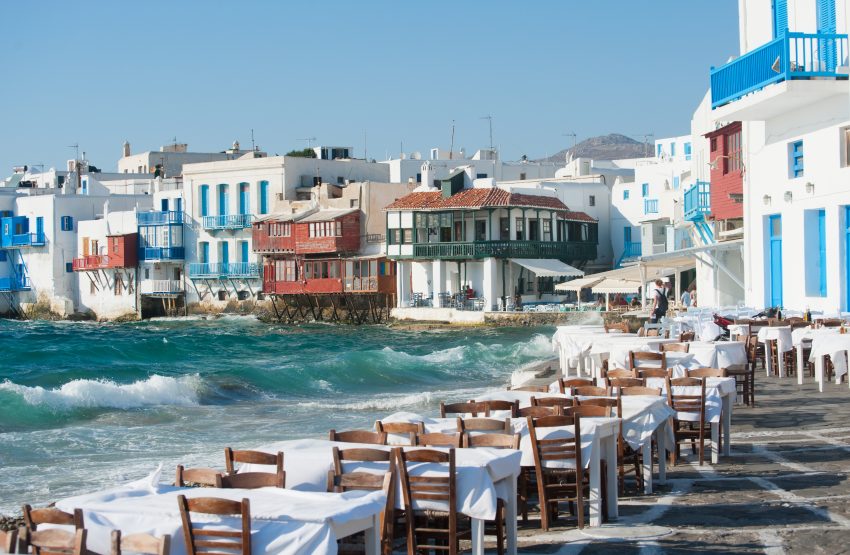
Shoulder season is the period between a destination’s high and low seasons. In much of Europe, it commonly includes parts of spring and fall, although the exact dates depend on the destination.
For example, September and October may be shoulder season in many Mediterranean destinations, while ski towns, tropical islands, and cities with major events follow entirely different calendars.
Traveling during this period can offer several advantages:
- Hotels may charge less than during peak season.
- Major attractions are often less crowded.
- Temperatures may be more comfortable for sightseeing.
- Restaurants and tours can be easier to reserve.
- Flights may be discounted to stimulate demand outside the summer rush.
However, shoulder season is not automatically inexpensive. A conference, school holiday, festival, cruise arrival, or sporting event can push prices well above their usual seasonal level. Always check what is happening locally before assuming a destination will be affordable.
Why Waiting Could Cost More
Airfare does not follow a simple schedule in which prices consistently fall until a particular day and then rise. Airlines continually adjust fares according to demand, remaining capacity, competition, and operating costs.
The current market also gives travelers reasons to be cautious about waiting too long. In September 2026, American Airlines, United Airlines, and Southwest Airlines said higher fuel prices were causing them to reduce planned capacity. United had already removed some December flights, while American Airlines estimated that rising fuel prices would add roughly $1 billion to its fourth-quarter costs. At the same time, the airlines reported that demand remained resilient even after fare increases. (Reuters reported the airline announcements on September 16, 2026.)
When airlines face higher costs, strong demand, and fewer available seats, they have less incentive to reduce fares broadly. That does not mean every flight will become more expensive. Promotions and route-specific discounts will continue to appear. It does mean that travelers should not assume waiting will automatically produce a bargain.
There is another important consideration: the first thing to disappear may not be the cheapest possible ticket. It may be the best itinerary. A low fare could remain available while the nonstop flight, convenient departure time, or preferred airport becomes much more expensive.
When You Should Probably Book Now
Your dates are fixed
Book sooner if you must travel during a school holiday, long weekend, family event, festival, or other fixed period. Your risk is not limited to a higher airfare. Reasonably priced hotels and convenient train times can also sell out. The less flexibility you have, the less benefit you receive from waiting.
You found a price that works with your budget
It is easy to become focused on finding the absolute lowest fare. Unfortunately, you usually will not know the lowest possible price until after the opportunity has passed. A more useful question is: Does this flight fit my schedule and leave enough money for the rest of the trip? If the answer is yes, booking can be reasonable even if the price might eventually fall by a small amount. The value of securing a workable trip can be greater than the uncertain savings from waiting.
You need a particular itinerary
Book earlier if you need:
- A nonstop flight
- A specific departure or arrival time
- Seats together for a family
- An itinerary without an overnight connection
- A particular airport
- Accessible seating or special assistance
Travelers with strict itinerary requirements are not really shopping across the entire market. They are competing for a much smaller number of suitable seats.
Your booking is flexible
Booking now becomes less risky when the fare can be changed or cancelled. Before purchasing, check whether a cancellation provides a cash refund, airline credit, or no refund at all. Also review change fees and fare differences.
A flexible ticket that costs slightly more may offer better value than a cheaper ticket that becomes worthless if your plans change.
Your departure is approaching
Waiting becomes riskier as the trip approaches, particularly for popular weekend routes. Emirates reported in September 2026 that more customers were making travel decisions closer to departure, even while winter bookings on several routes were ahead of the previous year. This is one airline’s observation rather than proof of a universal trend, but it suggests that last-minute travelers may be competing for the same remaining inventory.
If your trip is within the next six to eight weeks and you have found an acceptable price, the potential reward from waiting may no longer justify the risk.

When Waiting May Make Sense
Your dates and destination are flexible
Flexibility is your greatest advantage. Someone willing to travel on several weekends, depart from multiple airports, or choose among five destinations has a much better chance of finding a late promotion.
Instead of tracking one exact flight, compare a range of possibilities. A fare alert for several destinations can reveal opportunities you would never see while watching only one route.
Current prices are clearly unaffordable
Do not make an expensive purchase simply because a website creates urgency. Messages such as “only two seats left” may refer only to seats at that particular fare and not the total number of seats remaining on the aircraft. Remember that online agencies often use a sense of urgency to get customers to make a booking now instead of waiting for a better price.
If the current price is outside your budget, waiting and considering alternatives may be the responsible decision. Check nearby airports, midweek departures, different trip lengths, and less expensive destinations.
The trip is still several months away
If you are traveling well outside a peak holiday and still have several months to monitor prices, you may not need to book immediately. Set alerts and decide in advance what price would make you comfortable purchasing. This prevents endless waiting. Once the fare reaches your predetermined target, you can book without trying to predict whether it will fall another small amount.
You would happily go somewhere else
Waiting is much less risky when the trip matters more than the destination. If Amsterdam becomes expensive, you might choose Antwerp, Cologne, Lille, or another city with lower transportation and accommodation costs. This strategy works particularly well for short European breaks, where travelers often have several practical rail and low-cost airline options.
Do Not Judge the Trip by Its Airfare Alone
The cheapest flight does not necessarily lead to the cheapest vacation.
Imagine that you are choosing between two destinations:
- Destination A: €75 return flight and €220 per day after arrival
- Destination B: €140 return flight and €110 per day after arrival
For a five-day trip, Destination A would cost approximately €1,175 before miscellaneous expenses. Destination B would cost approximately €690. The destination with the more expensive flight would save about €485 overall.
Before booking, estimate all of the major expenses:
- Accommodation
- Meals
- Local transportation
- Attractions and tours
- Airport transfers
- Airline baggage and seat fees
- Travel insurance
- Transportation to your departure airport
Our website provides typical traveler-reported costs for destinations around the world, making it possible to compare the price of the complete trip rather than focusing only on airfare. Search for your destination here to see typical travel costs.
Watch for the Hidden Costs of a “Cheap” Flight
Low-cost fares can be excellent deals, but only when the final price remains low. Before purchasing, add the cost of everything you will realistically need.
Baggage
A fare that includes only a small personal item may become expensive after adding cabin or checked luggage. Compare the final price instead of the first price displayed.
Distant airports
Budget airlines sometimes use airports far outside the advertised city. Transportation into the center can consume both time and money. A €25 flight followed by a €35 transfer in each direction may be worse than a €90 flight to the main airport.
Difficult departure times
An early flight may require an airport hotel or expensive taxi because public transportation is not running. A late arrival might create the same problem at the destination.
Separate tickets
Self-connecting itineraries can look inexpensive, but a delay on the first flight may cause you to miss the second without automatic rebooking protection. Include the cost of a longer connection, or potentially a replacement ticket when evaluating the risk.
How to Evaluate a Limited-Time Sale
Airline promotions can provide real savings, but the headline discount rarely applies equally to every route and date.
Use this checklist before buying:
- Search your actual dates rather than relying on the advertised starting price.
- Compare the sale fare with competing airlines and nearby airports.
- Add baggage, seat, payment, and airport-transfer costs.
- Check blackout dates and travel deadlines.
- Read the cancellation and change rules.
- Compare the total destination cost before choosing the cheapest flight.
If the promotion produces a genuinely good total price for a trip you already wanted, booking makes sense. If the sale is persuading you to take an otherwise expensive or inconvenient trip, the headline fare may be doing more work than the actual savings.
A Simple Book-Now-or-Wait Test
Ask yourself the following five questions:
- Are my dates fixed? Fixed dates favor booking.
- Would I be disappointed if this itinerary disappeared? If yes, book sooner.
- Does the complete trip fit my budget? If no, a cheap flight is irrelevant.
- Can I change or cancel the reservation? Flexibility reduces the risk of booking now.
- Do I have realistic alternatives? Multiple acceptable dates or destinations make waiting safer.
If the first three answers point strongly toward one particular trip, booking is usually the safer choice. If you have several dates, airports, and destinations available, monitoring prices may be worthwhile.

The Bottom Line
Book now when your dates are fixed, the itinerary is important, and the complete trip fits your budget. Waiting for a theoretical lowest price can cost you the flight times, hotel choices, or destination you actually want. Wait and monitor when you have genuine flexibility, current prices are outside your budget, and you would be equally happy with several alternatives. Most importantly, do not choose a destination based on airfare alone. A slightly more expensive flight to an affordable city can produce a much cheaper trip than a rock-bottom fare to a costly destination.
Compare accommodation, food, transportation, and activity expenses before booking. The smartest travel deal is not necessarily the cheapest ticket, but instead it is the trip that gives you the best overall experience for the amount you can comfortably spend.

Bryan has visited 61 countries, which is exactly one more country than his wife, and she won’t let him forget it! Also an avid photographer, he enjoys entrenching himself within the local culture in order to learn more about the people of a place. He is the co-founder of Budget Your Trip and loves a good adventure, an exotic meal, or a passionate conversation about global events. And he also loves to find out how much stuff costs, which is why he and his wife started Budget Your Trip.
Sign up to our email newsletter to receive sales, deals, and discounts from major travel companies!