Which place is cheaper, Ottawa or Brussels?
These are the overall average travel costs for the two destinations. These travel costs come from the actual spending of real travelers.

Which city should you visit? Read on to compare the activities as well as the prices of travel for Brussels and Ottawa. We'll break down costs for accommodation, food, transportation and more to help you learn more about these two destinations. Then, you can figure out if either of these two places are accessible based on your travel budget, schedule, and interests. So, let's dig into it.
Brussels is a cosmopolitan, authentic, and colorful city. Visitors will also find so much to do here because it's a large city with many sights and attractions. It's also popular because of the food, shopping, and museums. See Brussels travel costs.
Ottawa is a cultural, friendly, and welcoming city. It's also known for food, shopping, and museums. See Ottawa travel costs.
You'll generally find more things to do in Brussels than Ottawa. Brussels is bigger than Ottawa, and it also has more attractions and activities for travelers. Brussels is more touristy than Ottawa and is popular for its beautiful architecture, grand squares, diverse population, and delicious waffles. Also, Brussels is famous for La Grand Place (Grote Markt). Ottawa is well known for its history, politics, and green space.
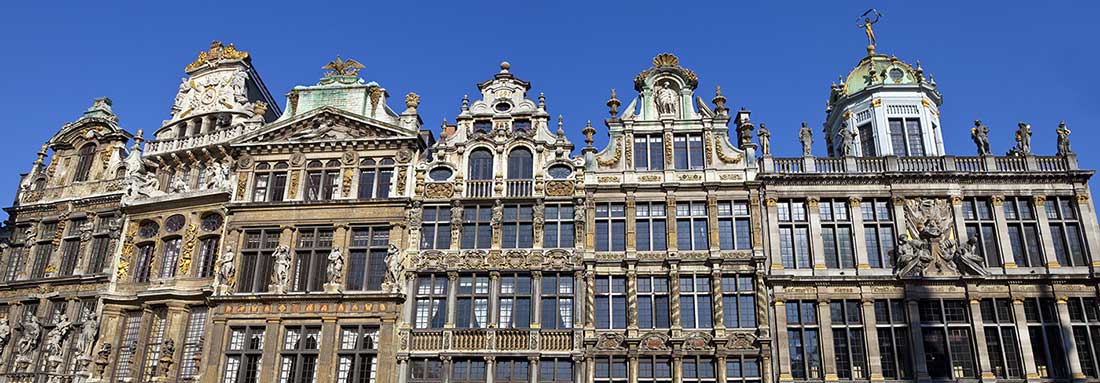
La Grand Place (Grote Markt)
Let's take a look at the differences and similarities between Ottawa and Brussels. Then, you can decide for yourself which place is better for your next trip.
Both Brussels and Ottawa have superb landmarks and museums for visitors.
Visitors can fill many days exploring the museums and attractions around Brussels. Popular sights include Saint-Michel Cathedral, Place Royale, and the Belgian Royal Museum of Fine Arts. The city is filled with impressive architecture, fascinating art museums, and innovative science and technology museums.
Ottawa offers many unique museums, sights, and landmarks that will make for a memorable trip. As the country's capital, there are a large number of museums to explore. There are summer national museums in town which include the National Gallery of Canada, the Museum of History, the Science and Technology Museum, the Aviation and Space Museum, the Agriculture and Food Museum, the Museum of Nature, and the War Museum.
Brussels is a very popular place for its restaurants. Also, Ottawa is not quite as popular, but is fairly good for its restaurant scene.
Brussels has a number of nationally recognized food spots and restaurants. While the city is most known for its waffles and fries, the diversity of dishes and international restaurant selection continues to grow. There are Lebanese, Japanese, and Indian restaurants among others. Popular local dishes include moules-frites, waterzooi (a stew), and stoemp (made with mashed potatoes and vegetables).
Ottawa offers number of good local restaurants to choose from. The culinary scene highlights many Canadian classics like poutine and maple donuts (and, of course, the classic Tim Horton's), but you'll also find plenty of international options like shawarma.
Brussels is a popular place for its evening party scene. However, Ottawa is lacking in good options for nightlife.
With a handful of venues, visitors can find a fairly lively vibe in Brussels. The city's nightlife is quieter and more mellow than some other major cities around Europe. That doesn't mean there aren't plenty of dance clubs and bars where you can hang out. Keep your wits about you after the sun goes down as some areas are a bit rougher than others.
Ottawa is generally a quiet destination but there are options around. It's not the first place that comes to mind when you think about partying, but there are live music venues and a some great bars around town.
Brussels is a very popular place for its historic old town charm. However, Ottawa does not have a historic old town.
Many visitors explore the old town while visiting Brussels. The old town in the city center is where you'll find the greatest concentration of historic sights. The area is surrounded by tree-lined boulevards and is easy to explore.
Ottawa does not have a historic old town.
Brussels is a world-class destination for its shopping areas. Also, Ottawa is not quite as popular, but is fairly good for shopping.
Many people travel to Brussels specifically to go shopping. Although it's famous for diamonds, the city also has many shopping streets where you can find designer brands, vintage shops, and other unique boutiques that are fun to explore.
Ottawa is a great destination for shopping. You'll find large malls, outlets, and shopping streets that are fun to browse. Some of the favorite shopping areas include ByWard Market, Sparks Street, and CF Rideau Centre.
Brussels is a very popular place for its kid-friendly activities. Also, Ottawa is not quite as popular, but is fairly good for its family-friendly activities.
You'll find plenty of family-friendly things to do in Brussels. The city has a number of unique kid-friendly activities including a Mini-Europe Museum, a Comic Strip Museum, and Train World. The city is also a chocolate lover's dream with many factories and chocolate shops around town.
You'll find plenty of kid-friendly things to do in Ottawa. As the country's capital, you'll find a number of museums that will keep a kid's attention. In particular, check out the aviation, science, and nature museums. If you have a car, you can head out to Calypso Water Park, which is fun as well.
Brussels is a very popular place for couples. Also, Ottawa is not quite as popular, but is fairly good for romance.
Brussels makes for a fun place to visit for a couple. From beautiful buildings and museums to shopping, dining, and chocolate shops, there are plenty of romantic spots around town. There's a vibrant nightlife scene and many diverse restaurants that couples can enjoy exploring.
Ottawa is a nice destination for couples. The city is filled with parks and green spaces where you can enjoy flowers or peaceful walks. Commissioners Park is particularly nice and known for its tulips during the spring season. Dow's Lake is a nice place for ice skating in the winter or kayaking in the summer. The city also offers a number of romantic restaurants and charming hotels.
Brussels is a very popular place for backpackers and budget travelers. Also, Ottawa is not quite as popular, but is fairly good for backpackers.
Plenty of budget travelers and backpackers visit Brussels. The city has an active nightlife and a number of hostels that are great for backpackers, but do take note that some areas can get a bit rough at night, so make sure you understand where you are.
Ottawa is popular with backpackers and budget travelers. Although the city is often overlooked by tourists, there are a surprising number of hostels around town.
Brussels is a very popular place for its student-friendly activities. Also, Ottawa is not quite as popular, but is fairly good for students.
Brussels is a very popular city for students and younger travelers. The city has a number of universities that attract students from around the world. The multicultural setting is great for students of the world.
Ottawa is popular with students. It appeals to international and Canadian students alike. It's known for its livability and diverse cultural scene.
Brussels is a world-class destination for times when you don't have a car. Also, Ottawa is not quite as popular, but is fairly good for its public transit.
With a huge network, the transit system in Brussels can get you around easily. Transit options include train, tram, metro, bus, and waterbuses.
You'll find some public transit in Ottawa, but it may not be enough to take you everywhere. There is both a public bus and light rail system.
Brussels is a very popular place for its ease of walking around. Also, Ottawa is not quite as popular, but is fairly good for its walkability.
Brussels is a very walkable destination. If you stay in the historical area, it's easy to walk around and many boulevards are being converted to pedestrian areas.
Ottawa is somewhat walkable. Many of the urban neighborhoods are very walkable.
For even more information, also check out Is Brussels Worth Visiting? and Is Ottawa Worth Visiting?.
Visitors can find plenty of fun things to do in both Brussels and Ottawa. With generally more activities and things to do, visitors tend to spend more time in Brussels than in Ottawa. Usually, 1-5 days is a good amount of time for Brussels, and 2-3 days is enough time in Ottawa.
Families should spend more time in Brussels than Ottawa. Because of the many family-friendly attractions and fun things to do for kids in Brussels, it's a great place to visit with the whole family.
Couples should spend more time in Brussels than Ottawa. You'll find plenty of romantic sights and fun activities in Brussels that are great for a weekend getaway or a longer couple's trip.
Backpackers and budget travelers should spend more time in Brussels than Ottawa if your budget allows for it. With a larger number of budget-friendly sights, good nightlife, and active things to do, anyone traveling on a budget would have a good time in Brussels.
Brussels is a bustling city that offers something for everyone. The old town is one of the main draws for visitors. One day is often enough time to do most activities.
The city of Ottawa offers food and shopping. With so much to do, one day is probably not enough time to see everything. It will give you the chance to have new experiences.
Brussels is a great place to explore. It is common to spend a weekend here. Don't miss the shopping, as that's what most people do. With all of its activities, you can easily fill a weekend here. Your budget might influence how long you stay.
Ottawa is a popular place that is full of things to see and experience. If you have a weekend, this city makes for a great vacation. While some people choose to spend more or less time in Ottawa, a weekend is sufficent for most. Take your pick from the many activities offered here.
It's hard to know how much time to spend in Brussels. Don't miss the shopping, as that's what most people do. For many, it makes a great getaway for five days. Make sure you visit the old town while you're here. With all of its activities, you can easily fill five days here. It has many unique tourist attractions and fascinating things to do.
Ottawa is a popular choice for travelers. Five days is usually plenty of time to spend here with extra days to spare. With this much time, visitors often visit nearby destinations or take day trips. The entire region has so many activities, and you'll want time to do everything.
Travelers enjoy the shopping and museums when visiting the colorful big city of Brussels. This city offers a variety of activities to choose from. Most visitors spend time around the old town while in the area. Most people find that one week is more than enough time to see everything.
Ottawa is a great place to explore. One week is more than enough time to enjoy everything. Take some day trips to nearby places to fill the extra days. This city offers something for everyone.
For some great organized tour ideas, see The Best Tours for Seniors to Belgium, The Best Coach Bus Tours in Belgium, Tours for Outdoor and Nature Lovers in Canada, and The Best Coach Bus Tours in Canada.
These are the overall average travel costs for the two destinations. These travel costs come from the actual spending of real travelers.
The average daily cost (per person) in Brussels is €165, while the average daily cost in Ottawa is €118. These costs include accommodation (assuming double occupancy, so the traveler is sharing the room), food, transportation, and entertainment. While every person is different, these costs are an average of past travelers in each destination. What follows is a categorical breakdown of travel costs for Brussels and Ottawa in more detail.
Looking for a hotel in Brussels or Ottawa? Prices vary by location, date, season, and the level of luxury. See below for options and compare which is best for your budget and travel style.
Kayak helps you find the best prices for hotels, flights, and rental cars for destinations around the world. Compare prices for multiple destinations when planning your next trip.
Some typical examples of transportation costs in Brussels are as follows:
Some specific examples of transportation prices in Brussels:
Also for Ottawa, here are a few examples of actual transportation services:
Prices for flights to both Ottawa and Brussels change regularly based on dates and travel demand. We suggest you find the best prices for your next trip on Kayak, because you can compare the cost of flights across multiple airlines for your prefered dates.
Below are a few samples from actual travelers for food and meal costs in Brussels:
Also, here are some specific examples of food and dining related activities in Brussels.
For Ottawa, here are some samples of tours and activities related to meals and dining experiences:
Here are a few actual costs in Brussels for available activities, ticket prices, and tours:
For Ottawa, here are a few prices for actual activities, tours, and tickets provided by various companies:
Some typical examples of the costs for nightlife and alcohol in Brussels are as follows:
Some specific costs for nightlife related activities in Brussels:
When we compare the travel costs of actual travelers between Brussels and Ottawa, we can see that Brussels is more expensive. And not only is Ottawa much less expensive, but it is actually a significantly cheaper destination. Since Brussels is in Europe and Ottawa is in North America, this is one of the main reasons why the costs are so different, as different regions of the world tend to have overall different travel costs. So, traveling to Ottawa would let you spend less money overall. Or, you could decide to spend more money in Ottawa and be able to afford a more luxurious travel style by staying in nicer hotels, eating at more expensive restaurants, taking tours, and experiencing more activities. The same level of travel in Brussels would naturally cost you much more money, so you would probably want to keep your budget a little tighter in Brussels than you might in Ottawa.
If you're trying to decide if either of these two destinations are within your price range, also see Is Brussels Expensive? and Is Ottawa Expensive?.
Brussels has a larger population, and is about 25% larger than the population of Ottawa. When comparing the sizes of Brussels and Ottawa, keep in mind that a larger population does not always imply the destination has more attractions or better activities. So, always research the type of place that you want to visit along with the activities and attractions that interest you.
Both places have a temperate climate with four distinct seasons. As both cities are in the northern hemisphere, summer is in July and winter is in January.
The summer brings many poeple to Brussels as well as Ottawa. The city activities and the family-friendly experiences are the main draw to Brussels this time of year. Additionally, many travelers come to Ottawa for the family-friendly experiences.
In July, Brussels is generally cooler than Ottawa. Daily temperatures in Brussels average around 18°C (65°F), and Ottawa fluctuates around 21°C (71°F).
The sun comes out a lot this time of the year in Ottawa. In the summer, Brussels often gets less sunshine than Ottawa. Brussels gets 186 hours of sunny skies this time of year, while Ottawa receives 268 hours of full sun.
Brussels usually gets less rain in July than Ottawa. Brussels gets 75 mm (3 in) of rain, while Ottawa receives 87 mm (3.4 in) of rain this time of the year.
Both Ottawa and Brussels are popular destinations to visit in the autumn with plenty of activities. Many travelers come to Brussels for the city's sights and attractions and the shopping scene. Also, many visitors come to Ottawa in the autumn for the shopping scene.
Brussels is a little warmer than Ottawa in the autumn. The daily temperature in Brussels averages around 12°C (54°F) in October, and Ottawa fluctuates around 9°C (48°F).
Brussels usually receives around the same amount of sunshine as Ottawa during autumn. Brussels gets 114 hours of sunny skies, while Ottawa receives 116 hours of full sun in the autumn.
In October, Brussels usually receives around the same amount of rain as Ottawa. Brussels gets 70 mm (2.8 in) of rain, while Ottawa receives 75 mm (3 in) of rain each month for the autumn.
Both Ottawa and Brussels during the winter are popular places to visit. Many visitors come to Brussels in the winter for the museums, the shopping scene, and the cuisine. Also, most visitors come to Ottawa for the museums, the shopping scene, and the cuisine during these months.
Ottawa can be very cold during winter. Brussels can get quite cold in the winter. In the winter, Brussels is much warmer than Ottawa. Typically, the winter temperatures in Brussels in January average around 3°C (38°F), and Ottawa averages at about -10°C (14°F).
In the winter, Brussels often gets less sunshine than Ottawa. Brussels gets 49 hours of sunny skies this time of year, while Ottawa receives 93 hours of full sun.
Brussels usually gets more rain in January than Ottawa. Brussels gets 67 mm (2.6 in) of rain, while Ottawa receives 51 mm (2 in) of rain this time of the year.
The spring attracts plenty of travelers to both Brussels and Ottawa. Most visitors come to Brussels for the activities around the city during these months.
In April, Brussels is generally a little warmer than Ottawa. Daily temperatures in Brussels average around 10°C (49°F), and Ottawa fluctuates around 6°C (44°F).
Brussels usually receives less sunshine than Ottawa during spring. Brussels gets 147 hours of sunny skies, while Ottawa receives 180 hours of full sun in the spring.
In April, Brussels usually receives less rain than Ottawa. Brussels gets 57 mm (2.2 in) of rain, while Ottawa receives 65 mm (2.6 in) of rain each month for the spring.
| Brussels | Ottawa | |||
|---|---|---|---|---|
| Temp (°C) | Rain (mm) | Temp (°C) | Rain (mm) | |
| Jan | 3°C (38°F) | 67 mm (2.6 in) | -10°C (14°F) | 51 mm (2 in) |
| Feb | 4°C (39°F) | 53 mm (2.1 in) | -9°C (16°F) | 50 mm (2 in) |
| Mar | 6°C (43°F) | 72 mm (2.8 in) | -2°C (28°F) | 57 mm (2.2 in) |
| Apr | 10°C (49°F) | 57 mm (2.2 in) | 6°C (44°F) | 65 mm (2.6 in) |
| May | 14°C (57°F) | 71 mm (2.8 in) | 13°C (56°F) | 77 mm (3 in) |
| Jun | 17°C (62°F) | 79 mm (3.1 in) | 19°C (65°F) | 84 mm (3.3 in) |
| Jul | 18°C (65°F) | 75 mm (3 in) | 21°C (71°F) | 87 mm (3.4 in) |
| Aug | 18°C (65°F) | 63 mm (2.5 in) | 20°C (68°F) | 88 mm (3.5 in) |
| Sep | 16°C (60°F) | 59 mm (2.3 in) | 15°C (59°F) | 84 mm (3.3 in) |
| Oct | 12°C (54°F) | 70 mm (2.8 in) | 9°C (48°F) | 75 mm (3 in) |
| Nov | 7°C (45°F) | 76 mm (3 in) | 2°C (36°F) | 81 mm (3.2 in) |
| Dec | 4°C (40°F) | 76 mm (3 in) | -7°C (20°F) | 73 mm (2.9 in) |
 Budget Your Trip is all about finding out how much everything costs so that you can travel cheaper and longer. Created by avid travelers Laurie and Bryan, our goal is to help you plan your next trip on the right budget. With average daily travel costs that are calculated from the budgets of real travelers, plus an analysis of hotel and tour prices, you can find out how much money you need to plan your next adventure. We also have plenty of travel advice, accommodation reviews, and activity suggestions.
Some of the links on this website are sponsored or affiliate links which help to financially support this site. By clicking the link and making a purchase, we may receive a small commission, but this does not affect the price of your purchase.