Which country is cheaper, Malaysia or Austria?
These are the overall average travel costs for the two destinations.

Should I visit Austria or Malaysia? This is a common question asked by many travelers. By figuring out which country has activities that align with your interests along with knowing which is more affordable, you'll understand where you can get more bang for your buck. So, let's dive into the details and the data, which all comes from actual travelers.
We'll start with a quick overview, and below we will go into all of the details.
| Austria | Malaysia | |
| Museums & Attractions |  |
|
| Food | |
|
| Resorts | |
|
| Scuba Diving & Snorkeling | |
|
| Beaches | |
|
| Skiing | |
|
| Hiking | |
|
| National Parks | |
|
| Wildlife | |
|
| Couples | |
|
| Backpackers | |
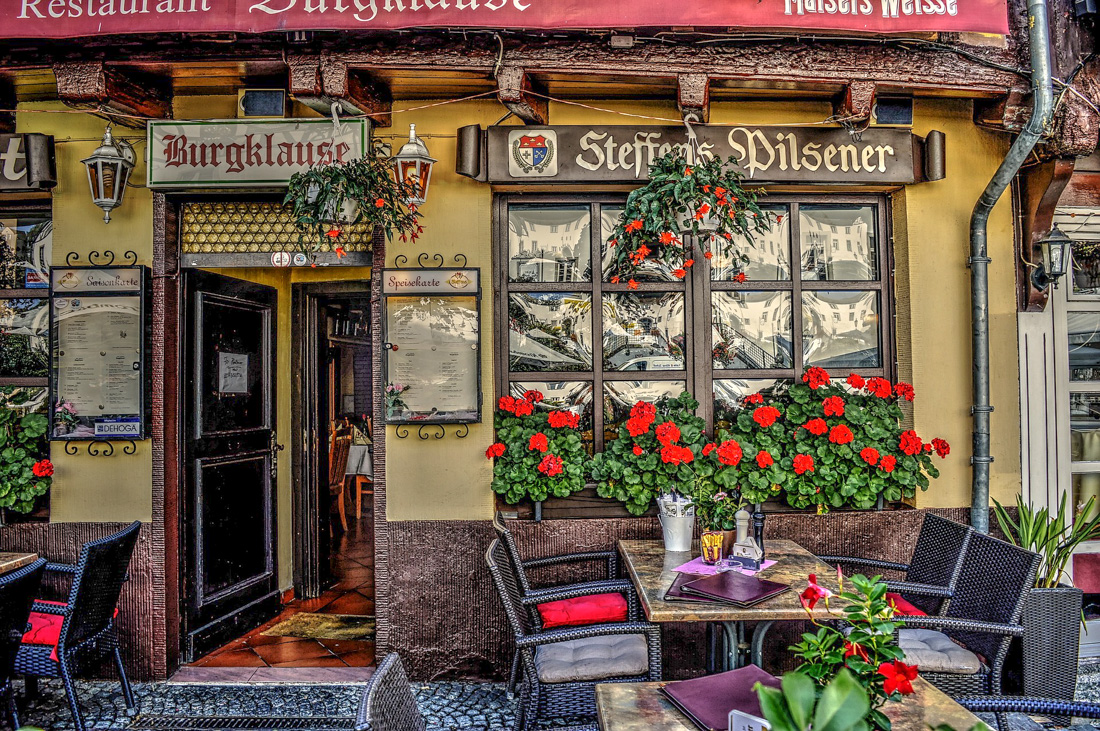 Linz, Austria
 Austria is a surprising, historic, and mountainous country. You'll find world class beauty in Austria as well. Other popular activities here include adventure travel, national parks, history and culture, and skiing.
This central European country offers a variety of reasons to visit from the beautiful Alps in the west to the historic cities of Vienna, Salzburg, and Innsbruck. This combination of history and natural beauty extends to every part of Austria, as visitors will find quaint villages, castles, ski resorts, wildlife parks, hot springs, hiking trails, outdoor activities, and royal palaces. Any time of the year is a good time to visit, because the winters provide beautiful snow-covered landscapes and winter sports, while the summers are a good time to experience the culture, festivals, and historical attractions.
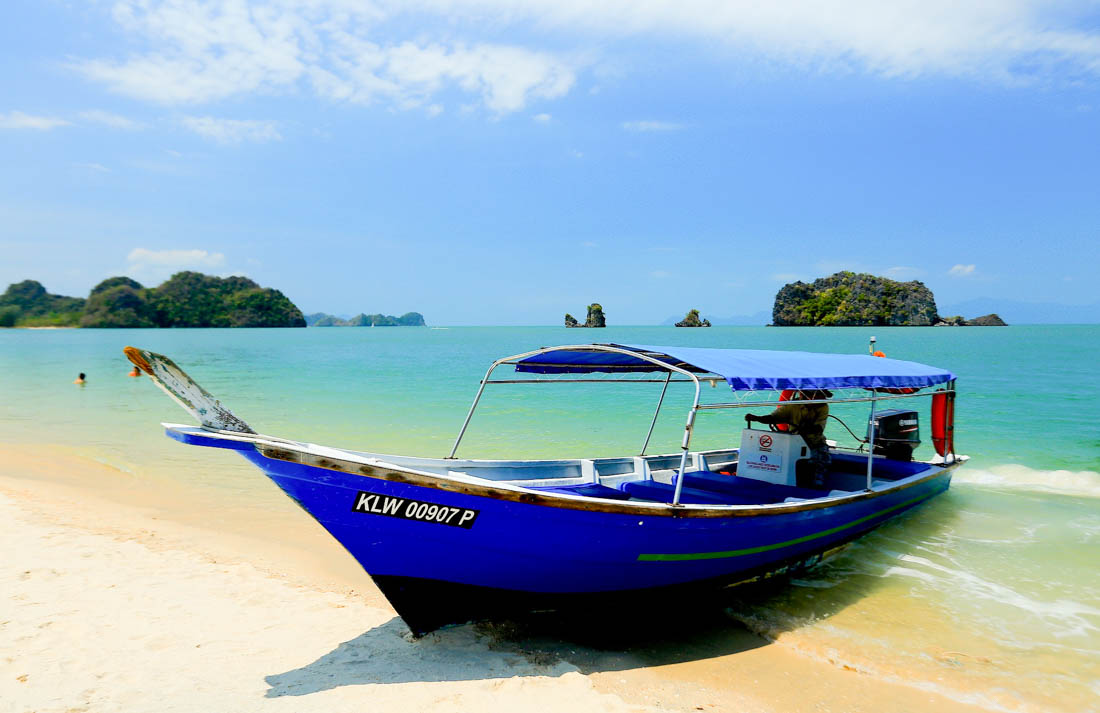 Langkawi, Malaysia
 Malaysia is a diverse, enchanting, and vibrant country. Many visitors also come to Malaysia because of it's amazing beauty. Visitors also love the museums, wildlife, adventure travel, and national parks.
Malaysia is a dazzling tapestry of cultures, cuisines, and landscapes that captivates every kind of traveler. From the ultramodern skyline of Kuala Lumpur, crowned by the iconic Petronas Towers, to the ancient rainforests of Borneo teeming with wildlife, this Southeast Asian gem offers an extraordinary blend of urban vibrancy and natural wonder. Food lovers will revel in Malaysia’s mouthwatering street eats—think char kway teow and nasi lemak—served in bustling night markets that pulse with life. Adventure seekers can explore pristine islands like Langkawi or dive into the crystal-clear waters off Tioman, while history buffs uncover the colonial charm of Georgetown and the rich heritage of Malacca. Malaysia’s warm, welcoming people and multilingual culture make it easy to feel at home, whether negotiating prices or learning local customs. Simply put, Malaysia is a dynamic travel destination that promises unforgettable memories at every turn.
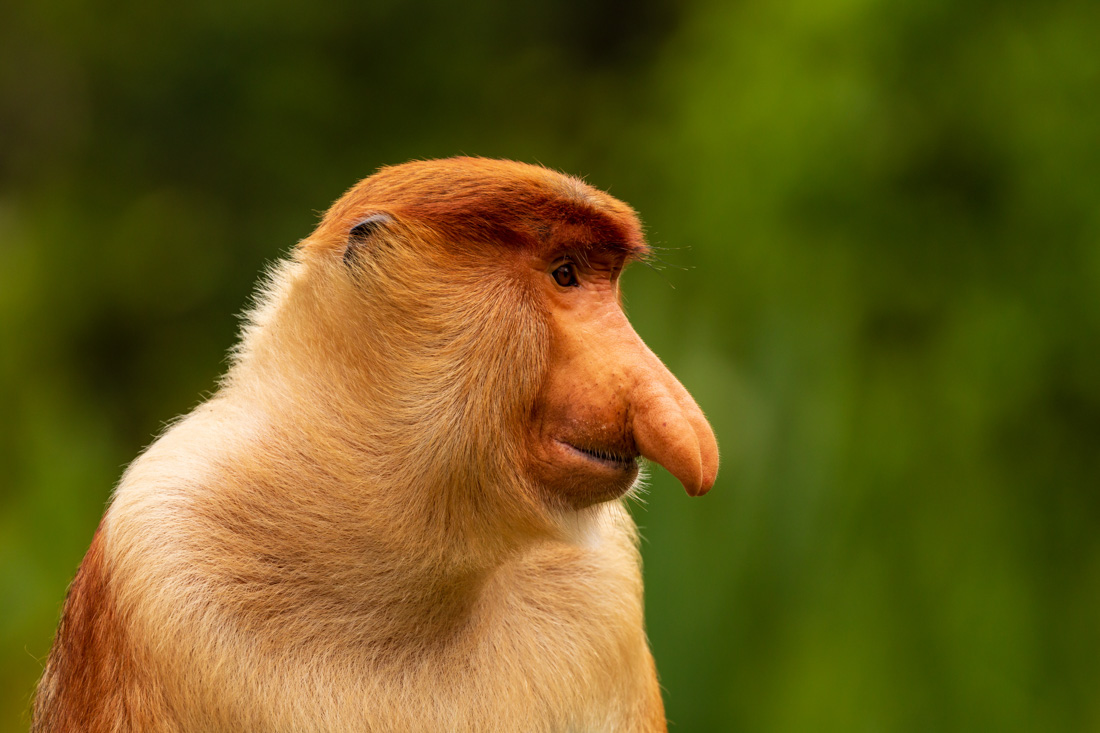 Sandakan, Malaysia
 Below we will examine the differences and similarities between Austria and Malaysia. With this information, you can decide for yourself which place is better for your next trip.
People who enjoy wandering through museums and other attractions will appreciate a visit to Austria a bit more than Malaysia.
Many visitors head to Austria specifically to visit some of its top-rated museums and other sights. Visitors can find a variety of museums across the country that showcase art, culture, history, and more. In Vienna, don't miss the Hofburg, the natural history museum, the Albertina, the Kunsthistorisches Museum, and the Imperial Treasury with all of its crown jewels. There are plenty more, such as the Military Museum, the Haus der Musik, and the National Library, too. In Salzburg, the fortress on the hill known as Hohensalzburg is a combination of a castle and museum with plenty of sights and epic views. Mozart's birthplace museum and childhood home are also interesting places to visit, along with the Museum of Natural History, and the terrific Salzburg Museum which showcases the history of the city. Innsbruck offers the Tyrolean Folk Art Museum and the Swarovski Crystal Museum, both of which are much better than expected. The Audioversum and the Museum of Anatomy are also very interesting, even for kids. Other smaller towns and cities have even more museums, many of which are focused on regional history and culture.
If you're looking for an educational opportunity, there are a decent number of museums and historical sights around Malaysia. Malaysia’s vibrant museum scene offers a fascinating window into its rich history, diverse cultures, and natural wonders, making it a must-visit for curious travelers. In Kuala Lumpur, the National Museum (Muzium Negara) stands out as the country’s premier cultural institution, showcasing Malaysia’s journey from ancient civilizations to modern nationhood through immersive exhibits and impressive artifacts. Just a short walk away, the Islamic Arts Museum Malaysia mesmerizes visitors with its stunning architecture and an unparalleled collection of Islamic decorative arts from around the world. Over on Penang Island, the Pinang Peranakan Mansion offers an intimate glimpse into the opulent lifestyle of the Peranakan (Straits Chinese) community, with its intricately designed antiques and period furnishings telling stories of hybrid heritage. Meanwhile, in Malacca, the Baba & Nyonya Heritage Museum invites travelers to step back in time into a beautifully preserved Peranakan home, rich with history and colorful traditions. Each of these destinations not only highlights Malaysia’s unique cultural tapestry but also provides an engaging, authentic museum experience rooted in their respective locales.
Kuala Lumpur: The most notable landmark in the city is the famed Petronas Twin Towers, but other popular sights include Merdeka Square, Kuala Lumpur Tower, and the National Museum.
You'll find great culture, arts, and history when visiting both Austria and Malaysia.
Austria is an extremely popular destination for those that want to visit historical and cultural sights and attractions, as it offers plenty. Vienna, Salzburg, Innsbruck, and other towns in this European nation offer historic architecture, art, and culture around every turn. In Vienna, visitors can tour the famous Schonnbrunn imperial palace, the town hall, the cathedrals, and peruse the old town center. Theater productions and local craft shops provide more intimate details of old Vienna, too. Salzburg also showcases its deep history starting with the large fortress on the hill and the winding streets below filled with churches, shops, hidden alleyways under arches, and gardens. Innsbruck also has plenty of history within its city center, which is easily explored on foot after a day of hiking or visiting museums. The old towns in the mountains also offer their own historical sights with historic churches, old markets, and more.
Malaysia has many famous historic and cultural sights and attractions worth visiting, and is one of the main reasons why poeple come here. Malaysia’s rich tapestry of history and culture is a vibrant reflection of its strategic location at the crossroads of Asia, blending Malay, Chinese, Indian, and colonial influences into a uniquely harmonious mosaic. For travelers eager to dive into this cultural melting pot, George Town on Penang Island stands out as a UNESCO World Heritage site, where colonial-era shophouses, intricate street art, and centuries-old temples narrate stories of trade and migration. Meanwhile, Melaka, another UNESCO gem, offers a captivating glimpse into Malaysia’s colonial past, with Portuguese forts, Dutch squares, and historic churches telling tales of conquest and cultural fusion. Beyond these urban hubs, visitors can immerse themselves in traditional Malay culture at Kuala Lumpur’s Islamic Arts Museum or attend vibrant festivals such as Hari Raya Aidilfitri and the colorful Thaipusam celebrations at Batu Caves. Cultural performances—ranging from the classical Malay dance art of Joget to Chinese opera—are widely accessible, as are hands-on experiences like batik painting and cooking classes that reveal the flavors and craftsmanship underpinning Malaysia’s diverse heritage. Each destination and activity invites travelers to not just observe history but to live it, making Malaysia an irresistible destination for cultural explorers.
Austria and Malaysia are similar when it comes to the great big city activities.
Austria has some large cities, so you'll find plenty of things to do when visiting. While Vienna is the largest city, you can also find historic urban centers in Salzburg, Innsbruck, Graz, and Linz. However, as Austria is not very large, none of these cities are particularly known for their huge populations or tall skyscrapers. Instead, you'll find historic buildings, beautiful winding alleyways, castles and palaces, old cathedrals, theater productions, public gardens, world-class museums, and zoos and parks. The larger cities of Austria pack a great amount of attractions and activities into their city centers for everyone to enjoy.
See also The Ultimate 3-Day Guide for Vienna, Austria.
Because of the large cities in Malaysia, visitors will find many sights and attractions. Malaysia’s largest cities—Kuala Lumpur, George Town, and Johor Bahru—each offer distinct urban experiences that make them compelling travel destinations in their own right. Kuala Lumpur, the vibrant capital, dazzles visitors with its iconic Petronas Twin Towers, bustling street markets like Jalan Alor, and extensive shopping hubs such as Bukit Bintang. Travelers flock here for a cosmopolitan mix of dining that ranges from spicy street hawker fare to upscale international cuisine, alongside a lively nightlife scene featuring rooftop bars and trendy clubs. Arts enthusiasts can also enjoy a growing theater and live music scene in the city’s cultural districts. George Town, on Penang Island, is a UNESCO World Heritage site renowned for its colonial architecture, incredible street art, and some of Malaysia’s best-loved food markets, making it a paradise for foodies and culture seekers alike. Its more laid-back nightlife revolves around cozy cafes and local pubs. Meanwhile, Johor Bahru, just across the border from Singapore, is fast emerging as a shopping and entertainment hub with family-friendly attractions, sprawling malls, and a budding culinary scene that blends Malay, Chinese, and Indian influences. Together, these cities offer an exciting blend of big-city activities for travelers—from sightseeing and theater to night markets and nightlife—each providing a unique gateway into Malaysia’s rich, multicultural urban tapestry.
See also 10 of the best things to do in Melaka, Malaysia.
Austria offers more villages and small towns to explore than Malaysia.
Since Austria offers plenty of small towns and villages with a variety of activities, it attracts plenty of visitors, too. Through the Alps and the lowlands, the quaint small towns are some of the highlights of a visit to Austria. Some of the best and most scenic are those found in the mountains alongside lakes, or tucked into a beautiful valley surrounded by peaks, farms, and hiking trails. Hallstatt is perhaps the most famous. Located not far from Salzburg, here you'll find a charming church and old village on the banks of a scenic lake surrounded by epic mountain views. Durnstein, near Vienna, is an old walled town on the river with a castle and abbey, and is surrounded by wineries. Zell am See is a ski resort in the winter but also popular in the summer with hikers, bikers, and sightseers, as it sits on a lake with gorgeous views. Lienz, near the Italian border, offers a Midieval town center, nearby mountain coasters and hiking in the Dolomites, and is within close proximity to the Hohe Tauern National Park. St. Gilgen and Mondsee are two towns not far from Salzburg that offer scenes from The Sound of Music in addition to plenty of fun activities and historical sites. There's plenty more beautiful small towns to explore around Austria, so make sure you spend part of your time here visiting at least several of them.
As Malaysia is a destination with many small towns and villages, visitors also come to explore the sights and local activities. Malaysia’s most visited small towns offer an enchanting escape from bustling cities, each bursting with quaint charm, rich heritage, and stunning natural scenery that make them irresistible to discerning travelers. Take, for example, the historic town of Malacca (Melaka), whose cobblestone streets, vibrant Peranakan shophouses, and riverside cafes tell stories of colonial legacies and cultural fusion—perfect for history buffs and food lovers eager to sample authentic Nyonya cuisine. Then there’s Cameron Highlands, a cool hill-station oasis blanketed in lush tea plantations and misty mossy forests, ideal for nature enthusiasts and those seeking refreshing hikes or leisurely visits to strawberry farms. The laid-back coastal village of Pangkor Island enchants visitors with its palm-fringed beaches, traditional fishing villages, and coral reefs, providing a serene setting for snorkeling, island hopping, and sunset relaxation. Each town’s picturesque landscapes and unique local traditions provide an immersive experience, whether it's exploring artisan markets, cycling through scenic trails, or savoring fresh seafood at seaside stalls. Ultimately, these towns captivate travelers with their blend of authenticity, natural beauty, and vibrant community life—a perfect snapshot of Malaysia’s diverse cultural tapestry and breathtaking locales beyond the city limits.
Foodies will appreciated the dining options available in Malaysia a bit more than Austria.
Malaysia has a huge number of terrific restaurants. Malaysia’s cuisine is a vibrant tapestry woven from its rich multicultural heritage, blending Malay, Chinese, Indian, and indigenous influences into a symphony of bold flavors and aromatic spices. Typical dishes like the iconic nasi lemak—a fragrant coconut milk rice served with spicy sambal, crispy anchovies, peanuts, and boiled egg—epitomize the nation’s culinary soul. Other beloved staples include char kway teow, a smoky stir-fried flat noodle dish, and roti canai, a flaky, crispy flatbread often enjoyed with dhal or curry. Malaysia’s street food scene is legendary, offering a dazzling array of hawker delights where recipes often pass down through generations, preserving centuries-old techniques. While not as globally mainstream as, say, Thai or Japanese cuisine, Malaysian food is rapidly earning international acclaim among food lovers for its daring combination of sweet, sour, spicy, and savory notes. Far from being a niche curiosity, it’s increasingly celebrated at global food festivals and in trendsetting restaurants worldwide, dazzling palates with its exquisite complexity and unrivaled authenticity.
Kuala Lumpur: The food is influenced by the populations that live here and you'll find a lot of Malay, Chinese and Indian flavors. Spicy curries and noodle dishes are very common. Street food is also a mainstay in this city and it's an experience to wander the market streets and sample dishes from the different vendors.
There are many up and coming restaurants in the Austria area. The major cities offer a mix of traditional cuisine, European restaurants, and global fare. Visitors and locals enjoy a range of terrific food from casual cafes to fine dining establishments. Make sure you try the traditional dishes, especially the desserts which Austria is known for. Generally, the cuisine is similar to German and Swiss recipes as you'll find plenty of sausage, heavy meats, and stews with vegetables and potatoes. Traditional dishes include the famous apple strudel, which you can learn to make yourself in a cooking class which is a great activity for the whole family. Also try the Salzburger Nockerl, which is a fluffy and sweet meringue-like dessert. For your main meal, the classic pork Wiener Schnitzel hails from Vienna and tastes better here than anywhere else. Knödel dumplings and Käsespätzle are also terrific. One of my favorites is the Tiroler Gröstl, a mix of meat, potatoes, eggs, and herbs that will fill you up in the most delicious way possible. There are plenty of other examples of wonderful traditional meals that shouldn't be missed, so head to Austria to try all of them.
If the nightlife is your priority, you'll find great options in both Austria and Malaysia.
If you're looking for night time activities Austria has a few options to choose from. Plenty of bars, pubs, and nightclubs can be found around Vienna, Salzburg, Graz, and Innsbruck, and other cities. The city centers are the more popular places for nightlife. Theater shows, fine dining, and cultural shows are also popular, especially with tourists. Also, the ski resort areas in the winter draw large numbers of visitors, and in the evening the bars in these towns are full of partygoers. In Vienna, check out Flex, Celeste, Donau, and Fluc, among others.
There's a variety of activities in the evening in Malaysia. Malaysia’s nightlife is as diverse and vibrant as its cultural tapestry, offering something for every kind of night owl across its major cities. In Kuala Lumpur, the capital’s pulsating party scene comes alive in rooftop bars like SkyBar and Marini’s on 57, where panoramic city views blend with world-class DJs spinning everything from EDM to hip-hop. For those seeking clubbing, Changkat Bukit Bintang is the epicenter, packed with lively pubs, chic lounges, and dance floors that pulse until dawn. Penang, famed for its heritage charm, balances its nighttime allure between bustling night markets and seaside bars in Batu Ferringhi, where live music and cocktails set a relaxed yet spirited vibe. Meanwhile, in Langkawi, nightlife is laid-back but lively—beach clubs and night bazaars energize the evening, perfect for sipping tropical drinks under the stars. For a more local experience, head to Johor Bahru, where hip speakeasies and craft beer bars cater to a younger crowd hungry for fresh sounds and innovative mixology. From high-energy dance floors in the urban hubs to chilled beach parties and night markets, Malaysia’s nightlife scene pulses with a mix of tradition and modernity that guarantees memorable nights at every turn.
Malaysia tends to offer a wider variety of resorts than Austria.
For the ultimate resort vacation, Malaysia is a great choice. Malaysia offers a dazzling array of resort experiences, each reflecting the country’s rich cultural tapestry and natural beauty. On the west coast, Langkawi stands out as an archipelago of lush rainforests and pristine beaches, where upscale beach resorts and boutique hideaways promise relaxation alongside thrilling activities like island hopping, mangrove tours, and duty-free shopping. Further south, Penang blends heritage charm with seaside luxury—its beachfront resorts cater to food lovers eager to explore Georgetown’s legendary street cuisine or lounge by infinity pools overlooking the Andaman Sea. On the east coast, the Perhentian and Tioman Islands beckon with crystal-clear waters perfect for snorkeling, diving, and turtle-spotting, ideal for travelers seeking unspoiled marine life and laid-back vibes. For those craving a highland retreat, the Cameron Highlands offer cool-climate resorts nestled among tea plantations and mossy forests, a refreshing contrast to tropical heat and a hub for hiking and nature walks. Whether it’s the luxury spas and golf courses of Kuala Lumpur’s outskirts or eco-resorts in Borneo’s Sabah region, Malaysia’s resorts cater to every traveler—from adventure seekers and culture buffs to honeymooners looking for a serene escape.
Austria has a few great resort options. Ski resorts in the mountains are very popular in the winter, as the skiing here is terrific and world-class. The best ski resorts have plenty of nice amenities, luxury rooms, great food, and more. A few of the best include St. Anton, Kitzbühel, and Solden, but there are plenty of others.
If you're looking to go shopping, Austria and Malaysia both offer plenty of great spots.
Shopping is a popular activity when visiting Austria. Vienna is perhaps the best city for shopping in Austria, although you'll find plenty of other options around Innsbruck, Salzburg, and Graz, too. In Vienna, you can find a variety of fashion boutiques, arts and crafts, and souvenir shops around Graben and the surrounding streets and in nearby Kohlmarkt. Plenty of shopping malls are around the city, too, such as Westfield Shopping City. The Naschmarkt is a terrific food market with a variety of local stalls, and it's worth a visit, too. In Salzburg, the streets of the old town area have a variety of shops. The areas around Getreidegasse have a variety of clothing boutiques, food shops, restaurants, cafes, and souvenir shops. In Innsbruck, you'll find more touristy shops in the old town streets around the Golden Roof, but more clothing boutiques along Maria-Theresien-Strasse. There's also a large mall just off of this street with plenty of clothing stores and more.
Vienna: The city is filled with pedestrian streets that are lined with designer shops, jewelry stores, and art galleries.
Salzburg: The city's historic heart is filled with boutique shops, chocolate markets, and charming local vendors. It's fun to peruse the many shops that line the streets while you shop for local souvenirs.
Many visitors go to Malaysia to go shopping. Malaysia offers an exhilarating shopping landscape that effortlessly blends tradition and modernity, making it a paradise for every kind of shopper. At the heart of Kuala Lumpur, the Bukit Bintang district reigns supreme, where glitzy malls like Pavilion KL and Suria KLCC attract visitors with their luxury brands, cutting-edge fashion, and vibrant street markets just steps away. For those seeking local flavor, Central Market in Chinatown is a treasure trove of handicrafts, batik textiles, and intricate silverwork, capturing the spirit of Malaysia’s diverse culture. Meanwhile, George Town in Penang offers a charming indie shopping experience, where quirky boutiques and art galleries line streets steeped in colonial history. What makes Malaysia’s shopping scene truly special is the seamless fusion of high-end glamour and authentic local artistry, coupled with irresistible bargains and a warm, welcoming atmosphere that invites you to bargain, explore, and immerse yourself in the country’s rich heritage.
Kuala Lumpur: The city is filled with shopping malls, and a big appeal of shopping in this city is the very affordable prices. Some of the most popular shopping malls are Suria KLCC at the base of the Petronas Towers as well as the malls in the Bukit Bintang/Jalan Imbi areas.
Most people pick Austria for the hiking over Malaysia.
Many people visit Austria specifically for its hiking. Hiking trails in the Alps and Dolomites offer a variety of difficulties, but always stunning views. Some hiking trails can be quite easy and relaxed, and others offer serious climbs that take dedication and commitment. Either way, the combination of the beautiful natural landscapes, quaint mountain villages, and cultural history means that any hiking trip to the area will be terrific. The famous Salzburger Almenweg is a "hut-to-hut" hike which takes around a month to do the entire route. But it's possible to just do a small section of it just for a day or two if you don't have the time. The Wachau valley area of the Danube is another popular region for hiking, as it's not far from Vienna and provides easy to moderate hikes, many of which are through vineyards. If you're looking for something close to Salzburg, many trails can be found in the area, especially around Mondsee or over the German border around Konigsee. If you're in Innsbruck, it's easy to hike from the city up the trails to the north towards Nordkette Klettersteig. No matter where you visit, hiking opportunities are everywhere.
Kitzbuhel: During the summer months the area is filled with miles of stunning hikes. There's the famous Kitzbüheler Horn, as well as more relaxing mountain strolls. You'll enjoy breathtaking views and serene mountain pastures.
Many people include a hike when visiting Malaysia.
Malaysia often provides a better experience visiting national parks than Austria.
Exploring the beautiful national parks is a popular activity in Malaysia. Malaysia’s national parks are treasure troves of biodiversity and natural beauty, offering visitors immersive encounters with some of Southeast Asia’s most enchanting ecosystems. Taman Negara, the country’s oldest and most famous park, spans over 4,300 square kilometers of ancient rainforest that’s estimated to be more than 130 million years old—making it one of the oldest tropical rainforests on Earth. Here, adventurers can trek through dense jungle, navigate canopy walkways suspended high above the forest floor, and spot elusive wildlife such as Malayan tigers and hornbills. Meanwhile, Bako National Park in Sarawak on Borneo Island is renowned for its unique landscape juxtapositions—mangrove swamps, dipterocarp forests, and pristine beaches—and its remarkable population of proboscis monkeys, a quirky species endemic to the region. Kinabalu Park, also in Borneo, is a UNESCO World Heritage site crowned by the majestic Mount Kinabalu, the highest peak in Southeast Asia, offering climbers and nature lovers alike breathtaking views and diverse flora ranging from orchids to ancient pitcher plants. Each of these parks showcases Malaysia’s commitment to conservation and its wealth of natural wonders, making them must-visit destinations for eco-tourists and adventure seekers alike.
Many visitors go to Austria to see the national parks. The 6 national parks here offer visitors a chance to enjoy the mountain and lowland scenery with outdoor activities on lands that are protected, surrounded by wildlife and native flora. Hohe Tauern National Park is the oldest, and here you can see wildlife such as marmots and the huge golden eagles. Also in this area are beautiful waterfalls and huge glaciers. Much of the park is accessible on hiking trails, too. Both Donau-Auen and Neusielder See-Seewinkel national parks offer lowland scenery with lakes, forests, and birdwatching opportunities. For more gorgeous mountain scenery, visit Gesause or Kalkalpen national parks, both of which offer hiking, mountain rivers and streams, and mountain lakes. Thayatal National Park is home to the European wildcat as well as beautiful forests and grassland. In any case, they all offer plenty of amazing experiences.
Overall, Malaysia is considered to offer more adventure travel options and experiences to visitors.
Malaysia offers a great deal of adventurous and exciting experiences. Malaysia is a veritable playground for adventure travelers, offering a diverse array of adrenaline-pumping activities set against some of Southeast Asia’s most breathtaking natural backdrops. For jungle enthusiasts, trekking through the ancient rainforests of Taman Negara is a must—this vast national park lets you navigate canopy walkways, spot elusive wildlife, and even camp beneath the stars in one of the world’s oldest tropical forests. If you crave underwater thrills, the islands of Perhentian, Tioman, and Sipadan beckon with world-class scuba diving and snorkeling opportunities, revealing vibrant coral reefs teeming with turtles, reef sharks, and kaleidoscopic marine life. For those drawn to mountainous terrain, the challenging climb up Mount Kinabalu in Sabah is an iconic feat, rewarding climbers with stunning sunrise vistas from Borneo’s highest peak. White-water rafting down the raging rapids of the Padas River offers a heart-pounding experience amid lush Borneo jungle, while caving explorers can delve into the expansive Batu Caves near Kuala Lumpur or the massive, otherworldly chambers of Sarawak’s Mulu National Park. Whether soaring over jungle canopies on zip-lines, paddleboarding along serene mangrove waterways, or paragliding on the breezy slopes of Langkawi, Malaysia’s adventure offerings promise an exhilarating blend of natural wonder and cultural richness for every thrill-seeker.
Austria is an extremely popular destination for those interested in adventure travel. The Alps offer plenty of adventurous activities such as hiking, snow skiing, mountain climbing, rock climbing, paragliding, rafting, canyoning, and horseback riding. Whitewater rafting on the Salzach river is a popular trip, as it's not far from Salzburg and can be done in a day or less. Some of the best places for paragliding are Zell am See, around Salzburg, in Tyrol near Innsbruck, and many other mountain destinations. Horseback riding, mountain biking, and hiking can be experienced just about anywhere in the mountains, and local outfitters can provide you with equipment and guides if needed. In fact, many travel companies in the larger cities and towns offer tours into the nearby countryside for a day trip or longer to take part in adventure sports any time of the year.
While Malaysia and Austria both have beautiful mountain areas, overall Austria is considered to be better for visitors.
Austria is famous for its beautiful and stunning mountain scenery. The western and southern regions of the country are home to some of the most beautiful mountain ranges in the world. Here you'll find the Alps and Dolomites, intertwined with quaint mountain villages, beautiful clear blue lakes, ski resorts, hiking trails, and more. Near Salzburg, you can visit the salt mines and ride the mining trains. Or, see the ice caves in Dachstein. Go visit the gorgeous mountain towns such as Hallstatt or Zell am See, both surrounded by mountains and perched on the shore of an alpine lake. Or, find some adventurous activities such as rafting, kayaking, rock climbing, paragliding, or horseback riding. No matter which area you visit, you'll find plenty of activities for every type of visitor in the mountains of Austria.
Malaysia does have some mountain areas to explore.
Both Austria and Malaysia have some great outdoor areas to explore.
With world-famous outdoor activities, Austria attracts many visitors interested in natural scenery, exploration, and adventure. Most of Austria lies in the Alps and Dolomites where outdoor activities and adventures are plentiful. With hiking, camping, kayaking, horseback riding, rock climbing, and more, every type of visitor will love to get out into nature here, whether you seek relaxing with an epic view or experiencing an adrenaline-filled activity. Some of the most popular activities are wine tasting through the vineyards in the Wachau valley, hiking and mountain biking around Innsbruck, boat rides on the beautiful mountain lakes and rivers, and exploring small towns such as Hallstatt, and snow skiing in the Alps.
The huge number of outdoor activities in Malaysia is one of the main reasons people come to visit. Malaysia is a veritable playground for outdoor enthusiasts, offering a spectacular range of activities amid some of Southeast Asia’s most diverse landscapes. For jungle lovers, trekking through the ancient rainforests of Taman Negara or Borneo’s Danum Valley delivers an immersive experience rich with endemic wildlife, towering trees, and crystal-clear rivers—expect hikes that challenge your stamina and reward you with breathtaking canopy views and the chance to spot orangutans or hornbills. Coastal adventurers flock to the islands of Perhentian, Tioman, and Langkawi, where crystal waters invite world-class snorkeling, scuba diving, and kayaking among vibrant coral reefs teeming with tropical marine life. Meanwhile, adrenaline junkies can conquer Gunung Kinabalu, Malaysia’s highest peak, which offers a demanding yet exhilarating climb culminating in a sunrise summit that feels like standing atop the roof of Borneo. For a more leisurely pace, cycling through the lush Cameron Highlands or exploring the mangrove forests near Kuala Selangor by boat provides unique perspectives on Malaysia’s rich biodiversity. Whether you’re scaling mountains, diving underwater, or wandering through ancient jungles, Malaysia’s outdoor adventures promise unforgettable encounters with nature’s best.
Austria is usually considered to be a better destination to explore on a road trip than Malaysia.
Taking a road trip through Austria is very good way to see the countryside and smaller destinations. A road trip is ideal here because much of the natural scenery and small towns are difficult to reach on public transit, and rental cars can be hired easily, too. Many people like to drive in from Germany, although it's easy to start in one of Austria's major cities and make a big loop through the mountains in the west, then head through the southern towns, east to Vienna, and then around to Salzburg in the north. The roads are in great condition, and you likely won't need a 4WD unless you purposely intend to drive off road. Many of the small towns, hiking trails, and national parks are also much more accessible when driving, too. Some of the most popular routes include driving from Vienna to Innsbruck via Salzburg with stops along the way at Hallstatt, Berchtesgaden in Germany, and Zell am Zee, among other scenic spots. Or, head from Vienna to St. Gilgen, or from Vienna down to Carinthia in the south. Both drives are not too long and offer epic views of the mountains with small towns, lakes, and more. From Innsbruck, it's not far to get to many of the smaller towns around the Alps in the western regions of the country, too.
While not known specifically for raod trips, Malaysia has still has a few good options. Embarking on a road trip through Malaysia is an exhilarating way to uncover the country’s kaleidoscope of cultures, landscapes, and flavors, all packed within relatively short distances. Among the most popular routes is the iconic Penang-to-Langkawi circuit, where travelers cruise up the west coast, savoring the culinary treasures of Georgetown’s heritage streets before hopping on a ferry or driving northward to the idyllic islands of Langkawi. Another favorite is the Cameron Highlands loop, where winding roads carve through misty tea plantations, strawberry farms, and cool mountain air—perfect for escape from the tropical heat. For those craving cultural immersion, the East Coast route from Kuala Lumpur to the Perhentian Islands offers rustic villages, pristine beaches, and vibrant festivals dotting the way. Road tripping in Malaysia is uniquely accessible: many travelers opt for self-drive adventures in rental cars or scooters, allowing spontaneous detours to night markets, ancient temples, or hidden waterfalls. The road conditions are generally excellent on major routes, while secondary roads reveal lush jungles and traditional kampungs (villages) that feel worlds away from urban bustle—making Malaysia a dynamic playground for road trip enthusiasts eager to blend comfort with authentic local experiences.
Kids will enjoy a visit to either Austria or Malaysia.
As it has a large number of activities for kids, Austria is a very family-friendly destination. You'll find a true mix of family-friendly activities here because this country combines outdoor activities, historical attractions, and cultural activities very well. Kids love the hiking trails in the Alps where everyone can explore the mountains dotted with cute towns and alpine lakes. You can explore the ice caves in Dachstein, too. Everyone will also enjoy the salt mine tours near Salzburg where you can ride a mine train and zoom down the miners' slides underground. Or, visit Familypark Neusiedlersee, Austria's largest amusement park in Burgenland. You'll also find mountain coasters and toboggan runs around the Alps, such as the one at Hirschalm. Or see the dinosaurs at Styrassic Park. The famous Sound of Music Tour is also extremely popular in Salzburg because they take you to many of the filming locations of the movie. And don't forget about exploring Salzburg's huge fortress on the hill. Vienna has plenty of kid-friendly activities, too, such as the zoo, Wurstelprater amusement park, and the natural history museum. In the famous Schönbrunn Palace you'll also find a children's museum which lets kids dress up in period costumes and learn about imperial history. And in Innsbruck, take the gondola up to the Nordkette Klettersteig for the great views, and on the way down stop at the Alpenzoo to see local wildlife in a unique setting. Nearby is the Swarovski crystal museum, which contains various interactive experiences and also offers plenty of outdoor activities for kids including a 4-level play building. No matter which region or city you visit, there's so much to do for families and kids in Austria.
See also Hostels and Hotels in Villach, Austria for Backpackers, Families, and Bikers.
Malaysia is one of the most popular family destinations. Malaysia stands out as a superb family-friendly destination, seamlessly blending cultural richness with endless fun for kids of all ages. From the bustling streets of Kuala Lumpur to the lush rainforests and pristine beaches, there’s never a dull moment. Families can dive into hands-on science explorations at Petrosains, The Discovery Centre, an interactive science museum in the heart of KL, or marvel at exotic wildlife at the Kuala Lumpur Bird Park, home to thousands of free-flying birds. For outdoor adventures, Langkawi offers gentle mangrove tours and cable car rides with panoramic views that thrill both young and old alike. Meanwhile, the colorful, historic city of Malacca invites children to discover history through lively river cruises and engaging museums. Beaches in Penang and the East Coast are perfect for building sandcastles or spotting sea turtles on guided eco-tours. Malaysia’s vibrant night markets, delicious street food, and warm hospitality make it easy for families to feel welcome, entertained, and inspired throughout their stay.
Couples will find a longer list of romantic activities in Malaysia than Austria.
Malaysia makes for a terrific place to visit as a couple. Malaysia is a treasure trove of romance, offering couples an intoxicating blend of natural beauty, vibrant culture, and luxurious experiences that make it an ideal honeymoon or romantic getaway destination. Picture yourself wandering hand-in-hand through the enchanting streets of George Town in Penang, where colorful colonial architecture, cozy cafes, and street art create a charming backdrop for intimate exploration. For those seeking tropical seclusion, the Langkawi archipelago boasts pristine beaches and upscale resorts like The Datai or Four Seasons, where private villas with infinity pools overlook emerald rainforests and the Andaman Sea. Adventure-loving couples can share unforgettable moments snorkeling among vibrant coral reefs around Perhentian Islands or hiking the misty peaks of Cameron Highlands, followed by cozy evenings sipping aromatic tea in boutique mountain retreats. Malaysia’s rich culinary scene, from lively night markets to elegant waterfront dinners featuring fresh seafood and intricate Malay, Chinese, and Indian fusion flavors, adds a deliciously seductive layer to any romantic itinerary. In every corner of Malaysia, love is in the air—waiting to be discovered.
See also Hostels in Kuala Lumpur, Malaysia for Solo Travellers, Couples, and Groups, and Penang and George Town's Hostels for Solo Travellers, Couples, and Groups.
Austria is a very popular place to visit for couples. From quaint mountain towns to the grand castles and palaces of the cities, couples will love exploring all corners of Austria. You can spend your days exploring the history in the famous cities such as Salzburg and Vienna with their grand cathedrals, palaces, and winding streets. Then, in the evenings, enjoy theater shows, fine dining, cultural shows, and more. Spend even more days exploring the mountains hiking or just relaxing on the lakes surrounded by small towns with romantic bed and breakfasts. Innsbruck has that perfect combination of history and the outdoors, as you can dine and shop through the old streets and hike in the mountains on the same day. In Salzburg, the historic cathedrals both in the city and in the surrounding towns such as Hallstatt and Mondsee are backdrops for honeymooners hiking through the mountains and dining at intimate cafes. In Vienna, the famous palaces and world-class museums are accompanied by glamourous balls, wine tasting tours, and Lipizzaner horse shows. A honeymoon trip would need at least a week to see everything, but a quick romantic getaway to one of these amazing destinations could probably be done in a weekend. Either way, Austria is full of romantic activities.
Vienna: With it's Baroque architecture and classical concerts, this city is filled with romance. Explore the palaces, take a carriage ride, or enjoy a meal at a nice restaurant.
Salzburg: The town offers a romantic setting with elaborate breakfasts, beautiful architecture, live shows, and plenty that couples can enjoy. You can simply wander around old town or explore the many gardens around town. Couples will also enjoy the concerts and music that the city is so famous for.
See also Hostels for Solo Travellers, Couples, & Groups in Salzburg, and Hostels in Kitzbuhel and Ellmau for Snowboarders, Skiers, Backpackers, and Couples.
Travelers usually think of Malaysia as a better destination for backpackers than Austria.
With so many budget-friendly offerings, Malaysia is extremely popular for backpackers. Malaysia stands out as a top budget-friendly destination for backpackers and younger travelers seeking a vibrant mix of culture, nature, and city life without breaking the bank. Affordable accommodation is plentiful, with cozy hostels and guesthouses in hotspots like Kuala Lumpur, Penang, and Langkawi offering dorm beds for as low as $5–$10 per night, often featuring communal kitchens and social common areas perfect for making fellow travelers. Getting around is equally wallet-friendly: Malaysia’s extensive and efficient bus network connects major cities and towns for just a few dollars, while in urban centers like KL and George Town, cheap ride-hailing apps and rapid transit systems keep transport costs minimal. When it comes to activities, backpackers can dive into budget-friendly highlights such as exploring the street art alleys of Penang, hiking up Gunung Mulu National Park with affordable guided tours, or savoring delicious hawker fare for less than $2 per meal—delicious and economical adventures that stretch every ringgit further. With its unbeatable value and variety, Malaysia offers young travelers the perfect playground to explore Southeast Asia on a shoestring.
See also Hostels in Kuala Lumpur, Malaysia for Solo Travellers, Couples, and Groups, Penang and George Town's Hostels for Solo Travellers, Couples, and Groups, and Affordable, Quiet, and Safe Hostels in Kuala Lumpur, Malaysia.
Austria is a very popular country for backpackers and budget travelers. With relatively affordable prices, this country provides a great opportunity to see the Alps in combination with world-class historical cities on a reasonable budget. Backpackers and budget travelers can stay in hostels and budget guesthouses that are found everywhere in the country. It's also fairly easy to find affordable food, and the public transportation system can take you just about everywhere cheaply and efficiently. Compared to the prices of nearby countries such as Switzerland, Italy, and Germany, the overall cost of accommodations and food in Austria makes traveling here more accessible. You'll also find plenty of free activities. In Vienna, you can take free walking tours of the city and the Rathaus, browse the markets, and enjoy some of the free museums such as the Bezirksmuseen and MUSA. In Salzburg, stroll through Mirabell Gardens for free, and enjoy many museums for just a few Euros each. The old town area also has plenty of cheap places to eat or grab a snack, such as from the many food vendors in the larger squares and plazas. Linz, Innsbruck, Graz, and other cities are also fairly affordable and offer even more free and cheap activities, too.
See also Hostels for Solo Travellers in Vienna, Austria, Salzburg Hostels & Hotels Near the Main Train Station, and Vienna Hostels & Hotels Near the Opera House.
While Malaysia and Austria both offer transportation options, overall the system in Austria is considered to be better.
The transportation system in Austria can get you almost everywhere very easily. The train and public bus system here is terrific, and can take you just about anywhere you want to visit. The OBB trains, although not as quick and smooth as in some neighboring European countries, are affordable, efficient, and clean. At times they can be crowded, so book in advance with a seat reservation if possible. The buses can take you to most towns where the railroad doesn't go, but there are a few places where it's best to have your own car, such as in some of the small towns in the mountains and the national parks. The roads are terrific for driving, too. Vienna, Salzburg, Innsbruck, and other large cities have international airports with connections around Europe.
Is it easy to travel around Austria?
Malaysia has a few public transit options. Malaysia offers an impressively diverse range of transportation options that make exploring this vibrant country both convenient and enjoyable for travelers. In the bustling urban centers like Kuala Lumpur and Penang, an extensive public transit network—including the rapid rail (LRT and MRT), monorail, and efficient bus services—provides affordable and reliable ways to navigate the cityscape. For intercity travel, Malaysia’s modern KTM ETS train network connects major hubs such as Kuala Lumpur, Ipoh, and Butterworth with speed and comfort, making scenic journeys through the countryside a true pleasure. Long-distance buses are plentiful and well-organized, offering budget-friendly and frequent services that reach even remote towns and islands. For those seeking maximum flexibility, renting a car is a popular choice, especially for exploring destinations off the beaten path like the Cameron Highlands or the eastern states of Sabah and Sarawak, though traffic congestion can be challenging in peak periods. Domestic flights are also plentiful and reasonably priced, linking the Peninsular with East Malaysia’s famed rainforests and pristine beaches swiftly, saving travelers precious time. However, while cities boast excellent transit systems, public transportation in smaller towns and rural areas remains limited, so planning ahead or securing a car rental is often essential for hassle-free exploration. Overall, Malaysia’s blend of modern infrastructure and diverse transit options ensures travelers can tailor their journeys to suit any style or pace.
Is it easy to travel around Malaysia?
Austria typically offers more travel comforts and amenities than Malaysia, as it is generally a more modern destination with a larger tourist infrastructure.
Austria is extremely comfortable for travelers as it is a modern destination with plenty of amenities. Because this is a modern, developed nation in Europe that enjoys a high standard of living, visitors will find comfortable accommodations and amenities at every turn. The transportation network, roads, tours, and restaurants are all of high standards and good quality. Even the smaller towns in the countryside have modern amenities and comforts for visitors and locals.
Malaysia is a very comfortable destination with plenty of hotels, restaurants, and amenities for visitors. Traveling around Malaysia strikes a delightful balance between modern convenience and charming local character, making it comfortably accessible for most travelers without feeling overly polished or sterile. The country boasts a well-developed network of public transportation—particularly in urban hubs like Kuala Lumpur—where the efficient MRT, LRT, and monorail systems zip you swiftly between bustling neighborhoods, shopping districts, and cultural hotspots. Outside the cities, long-distance buses and affordable domestic flights connect you to islands, rainforests, and highland retreats, though these can sometimes be a bit less predictable in timing, adding a dash of adventure to your itinerary. Malaysian street food is famously vibrant and affordable, offering a mouthwatering tapestry of Malay, Chinese, and Indian flavors served from bustling hawker stalls and casual kopitiams that deliver some of the best meals you’ll ever taste—no Michelin star required. Accommodation ranges from gleaming international-brand hotels in cosmopolitan cities to cozy boutique guesthouses and budget hostels that reflect local warmth and character. Overall, Malaysia offers a travel experience that is comfortably modern yet spiritedly authentic, effortlessly blending convenience with colorful cultural texture.
Malaysia generally has a more touristy vibe than Austria.
Plenty of tourists come to Malaysia every year, as it's a popular destination. Malaysia occupies a fascinating middle ground in the spectrum of global tourism—it’s neither overwhelmingly overrun nor entirely off-the-beaten-path, making it a compelling destination for travelers seeking both vibrancy and authenticity. While iconic spots like Kuala Lumpur’s Petronas Towers, the historic streets of George Town in Penang, and the idyllic beaches of Langkawi do attract steady streams of visitors, these crowds rarely reach the crush seen in destinations like Bali or Paris. Malaysia’s diverse landscape—from the dense jungles of Borneo to the quiet highlands of Cameron—offers plenty of lesser-known gems where you can escape the tourist throng entirely. Overall, the country is best described as moderately popular but far from over-touristed; you can comfortably explore major landmarks without battling overwhelming crowds, while also discovering hidden corners that feel genuinely untouched. This balance makes Malaysia a uniquely rewarding choice for those who appreciate cultural richness, natural beauty, and the pleasant hum of an active but not saturated travel scene.
Austria is fairly touristy, with a decent number of visitors coming each year. While it has plenty of famous cities, sights, and attractions, many of the most visited places in Austria are spread around the country, so no particular place is too overwhelmed with tourists. The summer months are the busiest with visitors, but even then, the crowds tend to be less than in other European cities. The most frequently visited attractions are the major sites in Vienna, Salzburg, and Innsbruck, such as the palaces, castles, and museums. You might need to queue for a few minutes to purchase a ticket to the popular locations and museums, but it's often not too bad. Visiting during the off season or in the winter also means that you'll deal with less tourists. Some of the ski resort areas can be crowded in the winter, such as in St. Anton or Soll. And of course, the Alps are a popular draw any time of the year, but since they cover so much area, it's easy to avoid other tourists and have that private mountaintop view to yourself.
For some great organized tour ideas, see The Best Hiking & Trekking Tours in Austria, The Best Adventure Tours to Austria, The Best Romantic Tours for Couples in Austria, The Best Family-Friendly Tours to Austria, The Best One-Week (7-Day) Tours from Vienna, The Best One-Week (7-Day) Tours from Salzburg, The Best One Week (7-Day) Tours in Austria, The Best 10-Day Tours in Austria, The Best 2-Week Tours in Austria, The Best Tours for Seniors to Austria, Tours for Outdoor and Nature Lovers in Austria, The Best Food and Culinary Tours in Austria, The Best Christmas Market Tours in Austria, The Best Bicycle Tours in Austria, The Best Music Tours in Austria, The Best Budget Tours to Austria, The Best Luxury Tours to Austria, The Best Family-Friendly Tours to Malaysia, The Best Hiking & Trekking Tours in Malaysia, The Best 10-Day Tours in Malaysia, The Best 2-Week Tours in Malaysia, Tours for Outdoor and Nature Lovers in Malaysia, The Best Adventure Tours to Malaysia, The Best Romantic Tours for Couples in Malaysia, The Best Budget Tours to Malaysia, The Best Luxury Tours to Malaysia, The Best Tours for Seniors to Malaysia, The Best G Adventures Tours to Malaysia, The Best One-Week (7-Day) Tours from Kota Kinabalu, and The Best 2-Week Tours from Kuala Lumpur.
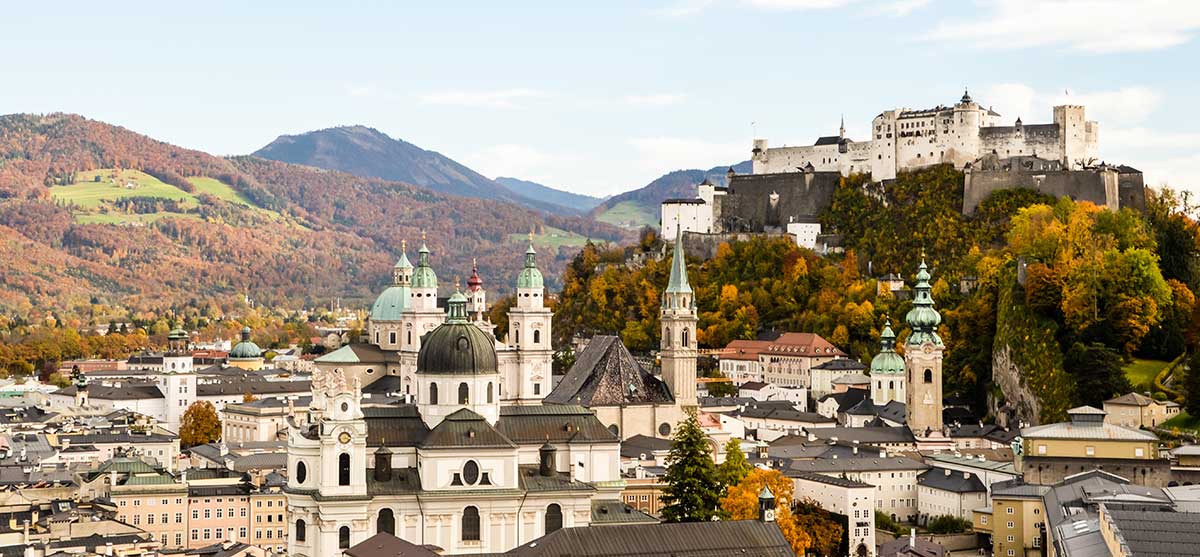 Salzburg Old Town
 Austria and Malaysia both offer a nice selection of activities for visitors. In our opinion, Austria has more to see and do, so we recommend that you spend more time in Austria than Malaysia. In general, 5-14 days is a good amount of time for Austria, and 3-14 days is enough time in Malaysia.
Families should spend more time in Austria than Malaysia. Because of the many family-friendly attractions and fun things to do for kids in Austria, it's a great place to visit with the whole family.
Couples should spend more time in Malaysia than Austria. You'll find plenty of romantic sights and fun activities in Malaysia that are perfect for a weekend getaway or a longer couple's trip.
Backpackers and budget travelers should spend more time in Malaysia than Austria if your budget allows for it. With a larger number of budget-friendly sights, good nightlife, and active things to do, anyone traveling on a budget would have a good time in Malaysia.
Austria is a popular place that is full of things to see and experience. Make sure you spend some time hiking while you're in the area. But since there are so many activities, you'll likely want to spend more than a weekend exploring. Take your pick from the many activities offered here.
In Malaysia, you'll find adventure travel, national parks, and history and culture. The length of your trip often depends on your style of travel. Visiting national parks can easily take up a good amount of your time here, too. Since there is so much to do in the area, a weekend is probably not enough for all of it.
Austria is a popular choice for travelers. Five days here is typical. While some people choose to spend more or less time in Austria, five days is sufficent for most. The entire region has so many activities, and you'll want time to do everything.
Malaysia is a great place to explore. It is common to spend five days here. Many visitors spend time at the beach while visiting the area. Five days is a great amount of time to relax and see the many things that Malaysia has to offer. Anyone can find something fun to do here.
Austria is a great place to explore. It is common to spend one week here. It's also known for its adventure travel activities. One week is a great amount of time to relax and see the many things that Austria has to offer. This country offers something for everyone.
It's hard to know how much time to spend in Malaysia. In Malaysia, you'll find history and culture, nightlife, and food. People usually spend lots of time at the beach. With all of its activities, you can easily fill one week here.
Austria is a great place to explore. It is common to spend two weeks here. Hiking can easily take up a good amount of your time here, too. While some people choose to spend more or less time in Austria, two weeks is sufficent for most. This country offers something for everyone.
It's hard to know how much time to spend in Malaysia. In Malaysia, you'll find history and culture, nightlife, and food. Many travelers plan to spend time at the national parks on their trip. Two weeks is a great amount of time to relax and see the many things that Malaysia has to offer.
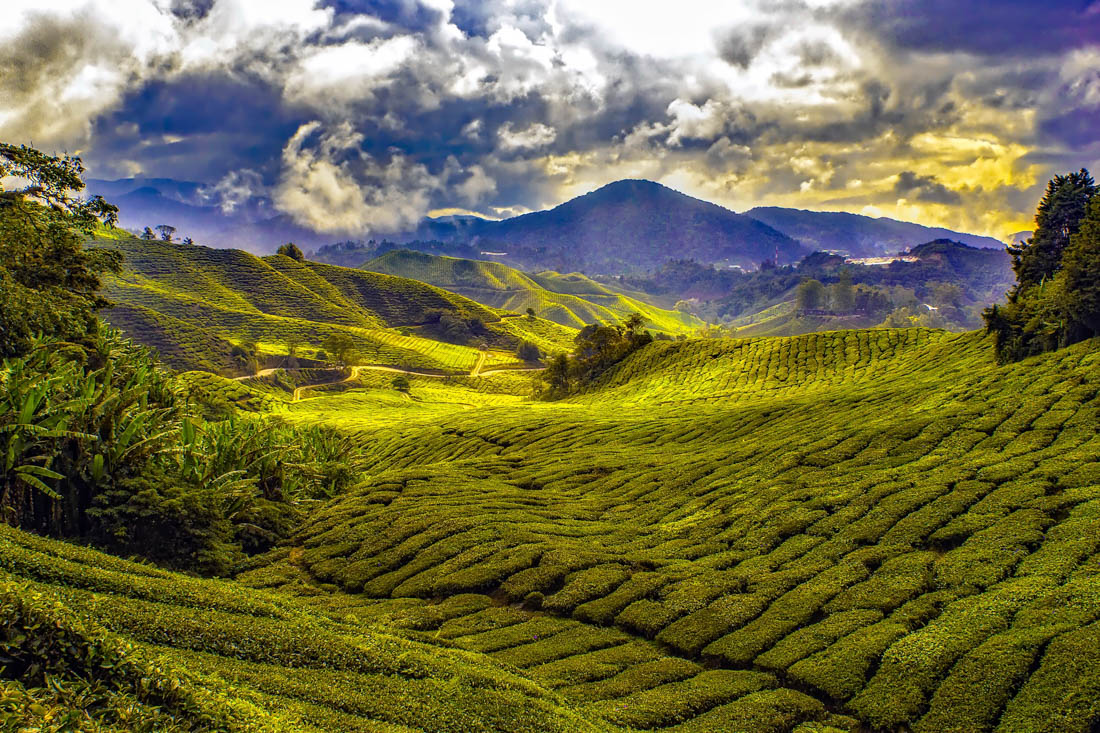 Cameron Highlands, Malaysia
 These are the overall average travel costs for the two destinations.
The average daily cost (per person) in Austria is €176, while the average daily cost in Malaysia is €89. These costs include accommodation (assuming double occupancy, so the traveler is sharing the room), food, transportation, and entertainment. While every person is different, these costs are an average of past travelers in each country. What follows is a categorical breakdown of travel costs for Austria and Malaysia in more detail.
Looking for a hotel in Austria or Malaysia? Prices vary by location, date, season, and the level of luxury. See below for options and compare which is best for your budget and travel style.
Kayak helps you find the best prices for hotels, flights, and rental cars for destinations around the world. Compare prices for multiple destinations when planning your next trip.
Below are a few samples from actual travelers for transportation costs in Austria:
Also for Austria, here are a few examples of actual transportation services:
Here are some examples of typical transportation prices from actual travelers in Malaysia:
Some specific examples of transportation prices in Malaysia:
Prices for flights to both Malaysia and Austria change regularly based on dates and travel demand. We suggest you find the best prices for your next trip on Kayak, because you can compare the cost of flights across multiple airlines for your prefered dates.
Here are some examples of typical meal expenses from previous travelers to Austria:
For Austria, here are some samples of tours and activities related to meals and dining experiences:
Some typical examples of dining costs in Malaysia are as follows:
Also, here are some specific examples of food and dining related activities in Malaysia.
For Austria, here are some examples of average entertainment and activity prices from previous travelers:
Also, here are some specific examples of entertainment, tickets, and activities for Austria.
Some typical examples of activities, tours, and entrance ticket prices in Malaysia are as follows:
Some specific costs of activities, tours, and entrance tickets for Malaysia are as follows:
Here are a few samples of the prices for alcohol and nightlife in Austria from other travelers:
Also in Austria, these are the prices for nightlife and alcohol related activities from various tour providers:
Below are a few samples from actual travelers for alcohol and nightlife costs in Malaysia:
Here are a few nightlife and alcohol tours and activities from local tour providers in Malaysia:
When we compare the travel costs of actual travelers between Austria and Malaysia, we can see that Austria is more expensive. And not only is Malaysia much less expensive, but it is actually a significantly cheaper destination. Since Austria is in Europe and Malaysia is in Asia, this is one of the main reasons why the costs are so different, as different regions of the world tend to have overall different travel costs. So, traveling to Malaysia would let you spend less money overall. Or, you could decide to spend more money in Malaysia and be able to afford a more luxurious travel style by staying in nicer hotels, eating at more expensive restaurants, taking tours, and experiencing more activities. The same level of travel in Austria would naturally cost you much more money, so you would probably want to keep your budget a little tighter in Austria than you might in Malaysia.
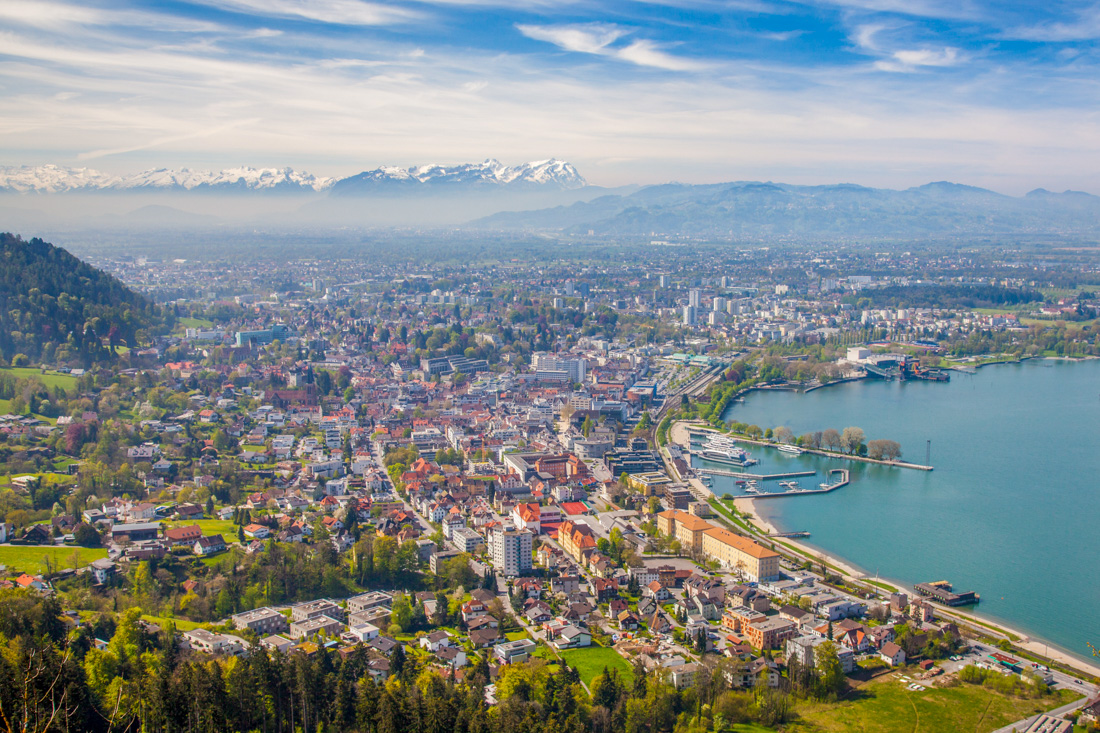 Bregenz, Austria
 Vienna has a temperate climate with four distinct seasons, but Kuala Lumpur experiences a warm climate with fairly sunny weather most of the year.
Warm summers and cold snowy winters are what visitors should expect when visiting Austria. The Alps see plenty of snow, and the flatter lands to the east see a fair amount as well. Summer is a popular time to visit because of the warmth and the relatively low rainfall, too. Spring and autumn are both beautiful with pleasant temperatures and less crowds overall.
Both Malaysia and Austria during the summer are popular places to visit. The hiking and the family-friendly experiences are the main draw to Austria this time of year. Plenty of visitors come to Malaysia because of the warm climate and sunshine that lasts throughout the year.
In the summer, Vienna is cooler than Kuala Lumpur. Typically, the summer temperatures in Vienna in July average around 23°C (73°F), and Kuala Lumpur averages at about 28°C (82°F).
In Kuala Lumpur, it's very sunny this time of the year. It's quite sunny in Vienna. In the summer, Vienna often gets more sunshine than Kuala Lumpur. Vienna gets 255 hours of sunny skies this time of year, while Kuala Lumpur receives 200 hours of full sun.
Kuala Lumpur gets a good bit of rain this time of year. Vienna usually gets less rain in July than Kuala Lumpur. Vienna gets 63 mm (2.5 in) of rain, while Kuala Lumpur receives 150 mm (5.9 in) of rain this time of the year.
The autumn attracts plenty of travelers to both Austria and Malaysia. Many travelers come to Austria for the hiking trails, the shopping scene, and the natural beauty of the area. Warm weather and sunshine bring visitors to Malaysia year-round.
In October, Vienna is generally much colder than Kuala Lumpur. Daily temperatures in Vienna average around 12°C (54°F), and Kuala Lumpur fluctuates around 27°C (81°F).
Vienna usually receives less sunshine than Kuala Lumpur during autumn. Vienna gets 140 hours of sunny skies, while Kuala Lumpur receives 169 hours of full sun in the autumn.
Kuala Lumpur receives a lot of rain in the autumn. In October, Vienna usually receives less rain than Kuala Lumpur. Vienna gets 41 mm (1.6 in) of rain, while Kuala Lumpur receives 280 mm (11 in) of rain each month for the autumn.
The winter brings many poeple to Austria as well as Malaysia. Many visitors come to Austria in the winter for the skiing, the museums, the Christmas ambience, the shopping scene, the theater shows, and the cuisine. Malaysia attracts visitors year-round for its warm weather and sunny climate.
Vienna can get quite cold in the winter. Vienna is much colder than Kuala Lumpur in the winter. The daily temperature in Vienna averages around 2°C (36°F) in January, and Kuala Lumpur fluctuates around 27°C (81°F).
In the winter, Vienna often gets less sunshine than Kuala Lumpur. Vienna gets 65 hours of sunny skies this time of year, while Kuala Lumpur receives 185 hours of full sun.
It's quite rainy in Kuala Lumpur. Vienna usually gets less rain in January than Kuala Lumpur. Vienna gets 38 mm (1.5 in) of rain, while Kuala Lumpur receives 239 mm (9.4 in) of rain this time of the year.
Both Malaysia and Austria are popular destinations to visit in the spring with plenty of activities. Most visitors come to Austria for the natural beauty during these months. The warm climate attracts visitors to Malaysia throughout the year.
In the spring, Vienna is much colder than Kuala Lumpur. Typically, the spring temperatures in Vienna in April average around 13°C (55°F), and Kuala Lumpur averages at about 28°C (82°F).
The sun comes out a lot this time of the year in Vienna. Vienna usually receives around the same amount of sunshine as Kuala Lumpur during spring. Vienna gets 202 hours of sunny skies, while Kuala Lumpur receives 199 hours of full sun in the spring.
It rains a lot this time of the year in Kuala Lumpur. In April, Vienna usually receives less rain than Kuala Lumpur. Vienna gets 51 mm (2 in) of rain, while Kuala Lumpur receives 240 mm (9.4 in) of rain each month for the spring.
| Vienna | Kuala Lumpur | |||
|---|---|---|---|---|
| Temp (°C) | Rain (mm) | Temp (°C) | Rain (mm) | |
| Jan | 2°C (36°F) | 38 mm (1.5 in) | 27°C (81°F) | 239 mm (9.4 in) |
| Feb | 4°C (38°F) | 42 mm (1.7 in) | 28°C (82°F) | 200 mm (7.9 in) |
| Mar | 8°C (46°F) | 41 mm (1.6 in) | 28°C (82°F) | 260 mm (10.2 in) |
| Apr | 13°C (55°F) | 51 mm (2 in) | 28°C (82°F) | 240 mm (9.4 in) |
| May | 17°C (63°F) | 61 mm (2.4 in) | 28°C (82°F) | 190 mm (7.5 in) |
| Jun | 20°C (69°F) | 74 mm (2.9 in) | 28°C (82°F) | 160 mm (6.3 in) |
| Jul | 23°C (73°F) | 63 mm (2.5 in) | 28°C (82°F) | 150 mm (5.9 in) |
| Aug | 22°C (72°F) | 58 mm (2.3 in) | 28°C (82°F) | 160 mm (6.3 in) |
| Sep | 18°C (64°F) | 45 mm (1.8 in) | 27°C (81°F) | 200 mm (7.9 in) |
| Oct | 12°C (54°F) | 41 mm (1.6 in) | 27°C (81°F) | 280 mm (11 in) |
| Nov | 7°C (45°F) | 50 mm (2 in) | 27°C (81°F) | 290 mm (11.4 in) |
| Dec | 3°C (37°F) | 43 mm (1.7 in) | 27°C (81°F) | 250 mm (9.8 in) |
 Budget Your Trip is all about finding out how much everything costs so that you can travel cheaper and longer. Created by avid travelers Laurie and Bryan, our goal is to help you plan your next trip on the right budget. With average daily travel costs that are calculated from the budgets of real travelers, plus an analysis of hotel and tour prices, you can find out how much money you need to plan your next adventure. We also have plenty of travel advice, accommodation reviews, and activity suggestions.
Some of the links on this website are sponsored or affiliate links which help to financially support this site. By clicking the link and making a purchase, we may receive a small commission, but this does not affect the price of your purchase.