Which country is cheaper, Turkey or Belgium?
These are the overall average travel costs for the two destinations.

Should I visit Belgium or Turkey? This is a common question asked by many travelers. By figuring out which country has activities that align with your interests along with knowing which is more affordable, you'll understand where you can get more bang for your buck. So, let's dive into the details and the data, which all comes from actual travelers.
We'll start with a quick overview, and below we will go into all of the details.
| Belgium | Turkey | |
| Museums & Attractions |  |
|
| Culture & History | |
|
| Food | |
|
| Nightlife | |
|
| Resorts | |
|
| Scuba Diving & Snorkeling | |
|
| Beaches | |
|
| Hiking | |
|
| National Parks | |
|
| Wildlife | |
|
| Outdoor Activities | |
|
| Couples | |
|
| Backpackers | |
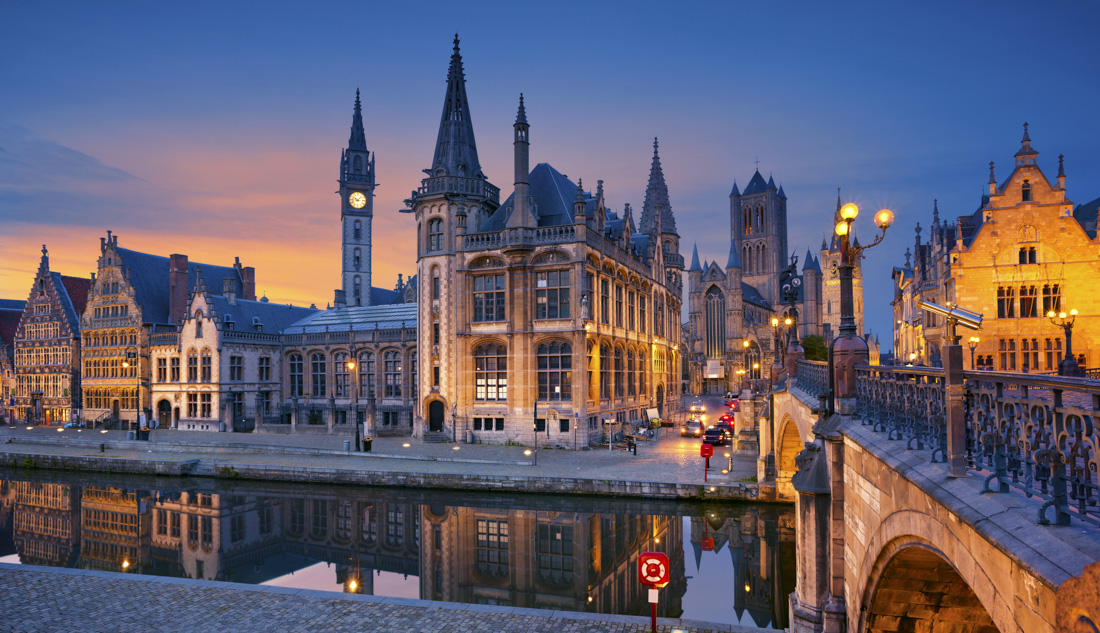 Ghent, Belgium
 Belgium is a tranquil, diverse, and quaint country. Belgium is a gorgeous place to visit. It's also known for nightlife, food, shopping, and museums.
Belgium is a smaller but diverse nation with a long history, lots of attractions, and a mix of cultures. As it's at a crossroads in Europe, visitors can see influences from the native Belgian and Flemish people as well as from nearby France, Germany, and Holland. Historic and world-class cities such as Brussels, Antwerp, and Ghent offer amazing cuisine, historic art and architecture, and fun activities for all types of travelers. Smaller cities such as Bruges, Liege, and Leuven let you delve into history in their historic old towns with cathedrals, charming cafes, art galleries, and carriage tours. And as a smaller country, it's easy to get around to see everything on the trains in just a few hours at the most between destinations.
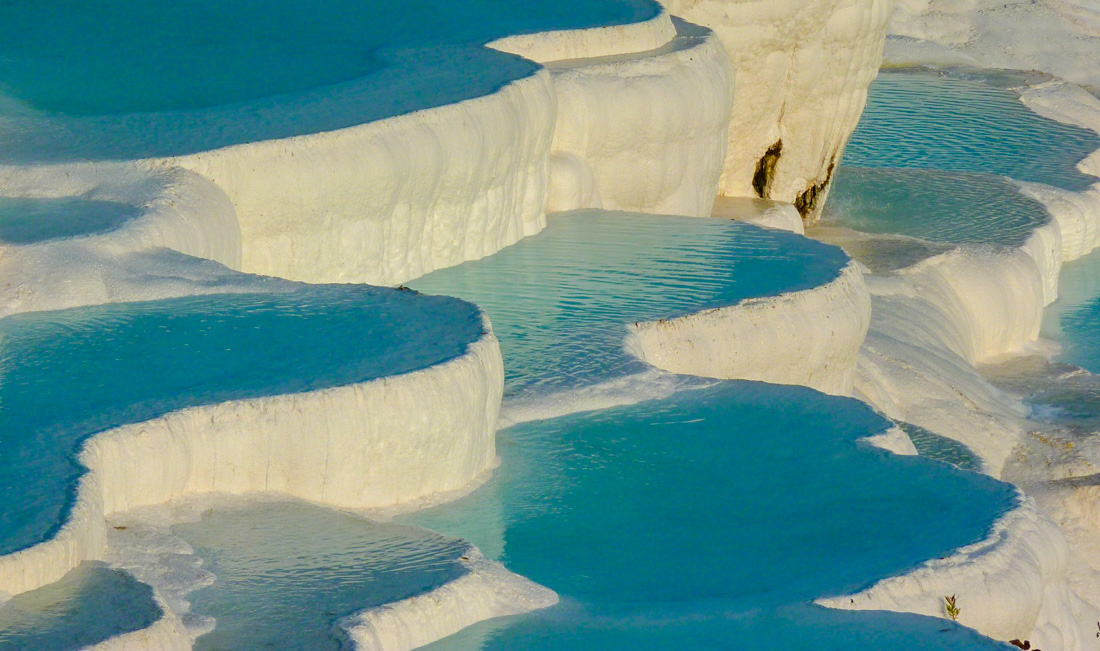 Pamukkale, Turkey
 Turkey is a historic, diverse, and vibrant country. Many visitors also come to Turkey because of it's amazing beauty. Visitors also love the shopping, museums, wildlife, and adventure travel.
Turkey is a vibrant tapestry where ancient history meets dynamic modernity, making it a must-visit destination for any traveler. From the surreal fairy chimneys of Cappadocia to the bustling bazaars and majestic mosques of Istanbul, the country offers a rich blend of cultural treasures and natural wonders. Food lovers will delight in the diverse cuisine, from succulent kebabs to delicate baklava, paired perfectly with traditional Turkish tea or a glass of raki. The turquoise coastline along the Mediterranean, known as the Turquoise Coast, boasts stunning beaches and hidden coves that lure sun-seekers and sailors alike. Turkey’s unique position straddling Europe and Asia offers a fascinating fusion of East and West in art, architecture, and daily life. Whether you’re exploring ancient ruins like Ephesus or sipping coffee in a quaint café, Turkey promises an unforgettable journey filled with warmth, history, and vibrant energy.
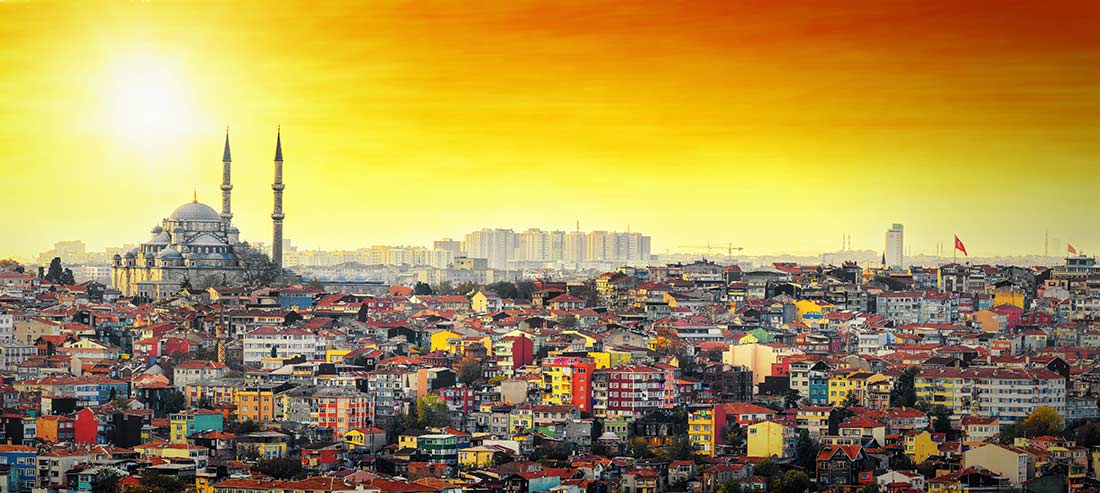 Istanbul
 Below we will examine the differences and similarities between Belgium and Turkey. With this information, you can decide for yourself which place is better for your next trip.
Interesting museums and landmarks can be found in both Turkey and Belgium, but many consider Belgium to be a step above.
Visitors can fill many days exploring the museums and attractions around Belgium. From art to history to culture, you'll find something for everyone. Some of the most popular art museums include The Magritte Museum in Brussels, François Duesberg Museum in Mons, and the Municipal Museum of Contemporary Art (SMAK) in Ghent. But it's not all about art, as visitors also love the Museum aan de Stroom (MAS) in Antwerp which focuses on the city's history as a maritime port. Also, science lovers should check out the Euro Space Center and the Royal Belgian Institute of Natural Sciences. For interesting history lessons, visit the Gallo-Roman Museum, Dossin Casern, and the In Flanders Fields museum.
If you're looking for an educational opportunity, there are a decent number of museums and historical sights around Turkey. Turkey’s rich tapestry of history and culture is magnificently showcased in its world-class museums, making the country a paradise for travelers seeking both education and awe. Istanbul, straddling Europe and Asia, is home to the legendary **Hagia Sophia Museum**, a breathtaking architectural marvel that blends Byzantine grandeur with Ottoman artistry, offering visitors a profound journey through millennia of religious and political transformation. Just nearby, the **Topkapi Palace Museum** invites you into the opulent world of Ottoman sultans, where dazzling jewels and intricately decorated rooms tell tales of imperial intrigue. For those fascinated by archaeology, the **Museum of Anatolian Civilizations** in Ankara is an absolute must-see; it houses one of the finest collections of artifacts from Turkey’s ancient past, including exquisite Hittite relics and Phrygian treasures that reveal the dawn of civilization in Anatolia. Down in the Aegean city of Izmir, the **Agora Open Air Museum** offers an immersive experience amid Roman ruins that once thrived as the bustling heart of Smyrna. Each of these destinations delivers a uniquely immersive slice of Turkey's layered history, making them indispensable stops on any cultural itinerary.
Istanbul: With such a long and diverse religious and political history, it has many museums, mosques, churches, and archeological sites that you can visit. Some of the most famous sights include the Hagia Sophia, Topkapi Sarayi, and the Blue Mosque.
Ephesus: Of course, the iconic site is the ruins of Ephesus. There are also several fascinating museums in the area that offer deeper insights into the region's rich history and culture. The Ephesus Archaeological Museum in Selçuk is popular. It has an impressive collection of artifacts excavated from the ancient city, including statues, pottery, and inscriptions. Just outside the museum, the Temple of Artemis section displays remnants of one of the Seven Wonders of the Ancient World. The Selçuk Museum of Ephesus is another excellent spot to explore, with exhibits that highlight both the daily life of ancient Ephesians and their religious practices. A short drive from Ephesus is the House of the Virgin Mary museum, a revered site believed to be the final home of Mary, mother of Jesus, with a chapel and peaceful surroundings. Lastly, the İsa Bey Mosque and Museum in Selçuk adds to the area's historical depth, offering a glimpse into the Seljuk architecture and Islamic heritage of the region.
Generally, Turkey offers a larger array of history, arts, and cutlure for travelers than Belgium.
With a long list of famous historical and cultural attractions, Turkey brings in many visitors. Turkey, a captivating bridge between East and West, is a living tapestry of history and culture that spans millennia—from the ancient Hittites and Romans to the Byzantine and Ottoman empires. For travelers hungry for history, Istanbul stands supreme, where the majestic Hagia Sophia and Topkapi Palace reveal layers of imperial grandeur amid bustling bazaars like the Grand Bazaar, a sensory feast of tradition. To step further back in time, the surreal rock formations and ancient cave churches of Cappadocia offer not only breathtaking landscapes but also a glimpse into early Christian monastic life. Meanwhile, Ephesus showcases one of the best-preserved Roman cities in the world, where the Library of Celsus and the Great Theatre echo with stories of antiquity. Cultural activities range from participating in vibrant local festivals—such as the Whirling Dervishes ceremonies in Konya—to exploring traditional arts like carpet weaving and Turkish coffee brewing workshops. Whether wandering through archaeological sites, savoring the rhythms of folk dance, or engaging with artisans in bustling markets, Turkey’s profound cultural heritage offers travelers an immersive experience that is both enlightening and unforgettable.
Belgium has many famous historic and cultural sights and attractions worth visiting, and is one of the main reasons why poeple come here. Although it's a smaller country, the history and culture here is packed into its cities and small towns. You'll find museums that focus on art, history, science, and more in many of the cities and town. For example, visit the Grand Palace in Brussels, the Castle of the Counts in Ghent, or the grand cathedrals of Antwerp. Large castles dot the countryside, many with grand views such as the one in Bouillon. Theaters are everywhere, too, so you can take in a play, opera, or the ballet in addition to enjoying the cafe culture and the unique cuisine.
See also 14 Free Things to do in Brussels.
Turkey is considered to have more larger cities than Belgium.
Travelers will also find plenty of sights and attractions in the big cities of Turkey that attract lots of visitors. Turkey’s largest cities each offer a rich tapestry of experiences that make them compelling destinations for travelers seeking a blend of history, culture, and vibrant urban life. Istanbul, the country’s largest metropolis, is an unrivaled crossroads where East meets West; visitors flock to its legendary landmarks like the Hagia Sophia and the Grand Bazaar, but equally enjoy its buzzing nightlife districts in Beyoğlu and Kadıköy, world-class dining showcasing everything from delicate mezes to contemporary Turkish cuisine, and dynamic theater scenes featuring both traditional performances and avant-garde productions. Ankara, the capital, while more governmental and business-centric, appeals to travelers interested in modern Turkish history and art, with the Atatürk Mausoleum and Museum of Anatolian Civilizations, alongside a growing café culture and emerging live music venues. Izmir, Turkey’s vibrant Aegean jewel, offers a laid-back coastal vibe paired with thriving street markets, seaside promenades, and a youthful nightlife teeming with trendy bars and open-air theaters, making it perfect for sun lovers and culture seekers alike. Each of these cities balances a cosmopolitan atmosphere with deep-rooted heritage, providing visitors with a well-rounded urban adventure that extends far beyond mere sightseeing into savoring bustling cafés, attending theatrical performances, and dancing the night away in some of Turkey’s liveliest venues.
Because of the large cities in Belgium, visitors will find many sights and attractions. Brussels and Antwerp are both popular destinations for visitors because of the large number of attractions and activities. In both of these cities you'll find a wide array of hotels, restaurants, historical sites, museums, and activities for every type of traveler. In Brussels, tour the Grand Palace, climb the Atomium, and go shopping at the Galeries Royales Saint-Hubert. In Antwerp, after admiring the historic railway station, check out the Meir area for some shopping and chocolates, the Cathedral of Our Lady Antwerp, and the windows of the Diamond District.
Belgium and Turkey are somewhat similar when it comes to visiting the great smaller towns and villages.
Belgium offers plenty of small towns along with charming sights and activities, too. Some of the more popular small towns to visit draw large crowds to see the old cathedrals, local markets, narrow canals, historic homes, and delicious local cuisine. Bruges is one of the most popular towns for travelers because it has several gorgeous cathedrals, scenic canals, museums, and terrific restaurants all packed into a small walkable area. Other popular smaller towns include Spa, where you'll find relaxing hot springs; Bouillon, home of a beautiful castle; Durbuy, with its winding narrow streets; Dinant, with cliffs above a scenic river; and Rochefort, famous for its beer from the historic monastery. But dozens more small towns are dotted around the countryside, and if you have the time, are worth visiting.
As Turkey is a destination with many small towns and villages, visitors also come to explore the sights and local activities. Turkey’s most visited small towns—like Şirince, Amasya, and Kaş—offer an irresistible blend of quaint charm and breathtaking scenery that captivates travelers seeking authentic experiences beyond the bustling cities. Şirince, perched in the lush hills near Ephesus, enchants visitors with its cobblestone streets, historic Greek architecture, and fragrant vineyards producing local fruit wines. It’s the perfect spot for leisurely strolls, savoring homemade delicacies, and exploring artisan shops. Amasya, serenely nestled along the Black Sea’s Yeşilırmak River, boasts striking Ottoman-era houses clinging to steep valleys and ancient rock tombs carved into the cliffs, inviting guests to immerse themselves in layers of history amid postcard-worthy landscapes. Meanwhile, Kaş, a sun-drenched fishing village on the southern Mediterranean coast, lures adventurers with crystal-clear turquoise waters ideal for snorkeling, diving, and boat excursions to nearby hidden coves. The combination of intimate atmospheres, rich cultural heritage, and stunning natural beauty in these small towns makes them perfect escapes for travelers yearning to uncover Turkey’s diverse soul through vibrant local life and unforgettable outdoor activities.
Foodies will appreciated the dining options available in Turkey a bit more than Belgium.
Turkey has a huge number of terrific restaurants. Turkey’s culinary landscape is a vibrant tapestry woven from centuries of history, geography, and cultural exchange, making its cuisine one of the world’s most celebrated and flavorful. At the heart of Turkish food are generous, hearty dishes like kebabs—marinated and grilled meats ranging from lamb to chicken—paired with fluffy, freshly baked flatbreads such as pide or simit. Meze platters, featuring an array of small bites like smoky eggplant baba ganoush, tangy yogurt-based cacık, and spiced stuffed grape leaves (dolma), accompany almost every meal, inviting a social, shared dining experience. Iconic dishes like mantı—tiny Turkish dumplings drizzled with garlic yogurt and melted butter—and rich, slow-cooked stews like hünkar beğendi (sultan’s delight) reflect the deep-rooted Ottoman influences and regional diversity within Turkey. Sweets are equally celebrated, with baklava’s flaky layers drenched in honey and syrup, and Turkish delight’s fragrant gelées offering a perfect finish. Renowned globally, Turkish cuisine strikes a delightful balance between simplicity and complexity, earning widespread acclaim for its fresh ingredients, bold spices, and convivial spirit. Whether savored at bustling Istanbul street markets or in seaside taverns along the Mediterranean, Turkish food promises an unforgettable culinary adventure cherished by food lovers around the globe.
Istanbul: From Turkish classics to sweet desserts, the city has it all. Popular dishes include Turkish style pizza, kebabs, and doner, which you'll find everywhere for affordable prices. You'll also find many tourist-centered restaurants in the touristy areas but if you get away from the main sights, you'll find more local options that let you sample high quality food for affordable prices.
There are many up and coming restaurants in the Belgium area. While Belgium is famous for waffles, beer, and chocolate, plenty of other traditional dishes should be on your list as well. Furthermore, as a modern and diverse nation, you can find cuisine from all over the world in the big cities such as Brussels and Antwerp. World-class chefs have started terrific restaurants serving a wide variety of dishes. But if you're after some traditional fare, try the mussels (moules), fries with garlic-mayo, Flemish stew, or Croquettes, and Vol-au-vent.
Party-goers will usually choose Belgium over Turkey.
The people in Belgium know how to have a good time. As the largest city, Brussels not only draws the biggest crowds in the evenings, but has also earned itself a reputation as a party-oriented city at night. With dozens of nightclubs offering every type of music, to the vibrant bar and pub scene, as well as the theater and fine dining offerings, Brussels has an active scene for both locals and visitors alike. Some of the best spots in Brussels include Madame Moustache, the Music Village, Fuse, and Spirito. Antwerp also offers its share of nightlife. Dozens of bars and clubs come alive at night here also. Ghent, Bruges, and other tourist destinations also offer plenty of bars and theaters, although the nightlife scene is not as active later in the night.
Ghent: With its young student population, you'll find plenty of lively bars and clubs around town. There are many places where you can party or dance into the early hours of the morning and some of the best places are around Oude Beestenmarkt, De Overpoort, and De Vlasmarkt. There's also the famous Ghent Festival every July.
There's a variety of activities in the evening in Turkey. Turkey’s nightlife is as vibrant and diverse as its rich cultural tapestry, offering something to ignite every nocturnal adventurer’s spirit. In Istanbul, the city that never truly sleeps, the nightlife pulses through sleek rooftop bars overlooking the Bosphorus, lively meyhanes serving raki-infused revelry, and underground clubs where international DJs spin until dawn. Meanwhile, Antalya’s beachfront clubs along the Mediterranean blaze with energy during summer, attracting a youthful crowd eager to dance under the stars. Further west, the bohemian town of Bodrum delivers a chic party scene, blending world-class nightclubs with elegant seaside lounges and impromptu street performances. For those seeking a more laid-back vibe, the coastal town of Çeşme offers cozy taverns and wine bars where the soundtrack is live Turkish folk or smooth jazz. Whether you crave sophisticated cocktails near historic landmarks or all-night dance festivals, Turkey’s nightlife effortlessly fuses tradition and modernity, promising unforgettable late-night memories.
See also Party Hostels in Istanbul.
Most people pick Turkey for its beaches over Belgium.
Travelers come from around the world to visit the beaches in Turkey. Turkey’s coastline is a dazzling tapestry of sun-soaked beaches, each offering a unique slice of paradise that caters to diverse tastes. Among the most celebrated is Ölüdeniz Beach, nestled near Fethiye on the southwestern Turquoise Coast, famed worldwide for its surreal “Blue Lagoon” — a shimmering azure bay embraced by lush pine forests, perfect for swimming, paragliding, or simply soaking up idyllic scenery. Further west, the beaches of Patara boast an impressive 18-kilometer stretch of soft golden sand, backed by ancient ruins that whisper stories of Lycian civilization, making it a dream spot for history buffs and nature lovers alike. In the south, Cleopatra Beach in Alanya is steeped in legend and beauty, its crystal-clear waters and soft sands reputedly gifted by the Egyptian queen herself. Meanwhile, Iztuzu Beach near Dalyan stands out as a vital nesting ground for endangered loggerhead sea turtles, blending conservation with charming rural coastal vibes. Whether you seek vibrant beach bars and watersports or tranquil coves framed by dramatic cliffs, Turkey’s best beaches offer a spectacular playground where history, nature, and sunshine converge beautifully.
Antalya: Beaches in Antalya are among the best in Turkey. They are sandy with warm water and a number of resorts nearby.
You'll find a beach in Belgium. The relatively short stretch of coastline here has some beautiful beaches which can be enjoyed during the warmer months. Some areas are more natural with sand dunes and open spaces, while others have stretches of hotels, restaurants, cafes, and seaside attractions. Knokke-Heist is a popular area with plenty of activities and hotels. De Panne and Nieuwpoort are also extremely popular with wide, white beaches and a diverse selection of dining options. On the other hand, Bredene is more secluded for those that want to escape the crowds.
If you're looking to go shopping, Belgium and Turkey both offer plenty of great spots.
Belgium is well-known for its shopping. Brussels, Antwerp, Ghent, and other major cities offer plenty of trendy shops, fashionable boutiques, art galleries, and chocolate shops. Also, you can't miss all of the diamond stores in Antwerp. Even if you're not buying, it's fun to peruse the window displays. In Brussels, make sure to visit the Royal Saint Hubert Galleries not just for the shops, but also for the architecture and history of the building. Another nice indoor spot is Passage du Nord, and Boulevard de Waterloo has plenty of upscale shops. In Antwerp, the diamond shops are located not far from the historic train station, while more of the clothing boutiques are found in De Modewijk, the fashion quarter of the city.
Brussels: Although it's famous for diamonds, the city also has many shopping streets where you can find designer brands, vintage shops, and other unique boutiques that are fun to explore.
Antwerp: The city has become known for its fashion scene. The main shopping street is Meir, which is where you'll find a variety of European fashion chains. It's also fun to buy chocolates, art, or other souvenirs around town. You'll find both locals and tourists perusing the main shopping areas around town.
Browsing through shops is a popular activity in Turkey. Shopping in Turkey is a vibrant tapestry of tradition and modernity, where bustling bazaars sit alongside sleek malls, offering something for every kind of traveler. Istanbul’s Grand Bazaar is undeniably the crown jewel—a sprawling labyrinth of over 4,000 shops where visitors haggle for exquisite handwoven carpets, intricate ceramics, shimmering jewelry, and fragrant spices, all immersed in centuries of history and lively atmosphere. Meanwhile, the Spice Bazaar entices with its colorful displays of saffron, rosewater, and Turkish delight, appealing to both the senses and the soul. For those seeking contemporary luxury, Istanbul’s Nişantaşı district and Zorlu Center provide high-end boutiques and international brands within stylish settings. Outside the metropolis, towns like Antalya and Izmir boast charming markets where locally crafted leather goods, textiles, and olive wood products reflect the region’s unique heritage. What makes shopping in Turkey truly special is the seamless blend of tactile craftsmanship, legendary hospitality, and the chance to engage directly with artisans, creating a memorable cultural exchange far beyond a simple purchase.
Antalya: Antalya combines modern high end malls with more traditional bazaars. From luxury fashion brands to souvenirs and local trinkets, the area has everything.
Turkey provides a better hiking experience than Belgium.
Many visitors go to Turkey for the hiking trails. Turkey is a hiker’s paradise, boasting diverse landscapes that cater to every sense of adventure. At the pinnacle stands the Lycian Way, a 540-kilometer coastal trail along the turquoise Mediterranean, where ancient ruins perch atop cliffs and panoramic sea vistas unfold at every turn—offering a perfect blend of history and nature. To the east, the Kaçkar Mountains present rugged alpine terrain cloaked in wildflower meadows and glacial lakes, appealing to those craving high-altitude challenges and authentic village encounters. Meanwhile, the Ihlara Valley in Cappadocia enchants with its lush gorge, peppered with Byzantine cave churches and a gentle river trail that contrasts sharply with the region’s lunar-like rock formations. Each region is special not just for its breath-stealing scenery but for the deep cultural tapestry woven through every step, making hiking in Turkey a journey through both time and terrain.
While not known for its hiking, Belgium has a few options. Many hiking trails are within easy reach of nearby cities and towns, making them accessible. Many are also easy hikes since Belgium has a fairly low elevation. Some of the best areas to hike include Deux Ourthes Natural Park, Southern Ardennes Natural Park, or Eifel Natural Park.
Turkey often provides a better experience visiting national parks than Belgium.
Visiting the national parks is a popular activity when in Turkey. Turkey’s national parks are vibrant mosaics of biodiversity, ancient history, and breathtaking landscapes, offering intrepid travelers a chance to experience the country’s natural wonders beyond its bustling cities. Foremost among them is **Göreme National Park** in Cappadocia, famed for its otherworldly “fairy chimney” rock formations and labyrinthine cave dwellings carved by ancient civilizations—a surreal landscape that feels plucked from a fantasy novel. Meanwhile, **Köprülü Canyon National Park** in the Antalya region lures adventure enthusiasts with its dramatic river gorge, perfect for white-water rafting amid towering cliffs and pine forests. Up north, **Yozgat Pine Grove National Park** stands out as one of Turkey’s oldest national parks, providing a serene haven of dense pine forests, rare flora, and wildlife that surprises visitors with its tranquility and unspoiled beauty. Finally, **Kazdağı National Park** (Mount Ida) is steeped in mythology and ecological richness, where fragrant cedar trees blend with endemic species and the whispers of ancient gods echo through the valleys. Each park encapsulates a distinct facet of Turkey’s diverse natural heritage, making them indispensable destinations for explorers seeking both adventure and cultural depth.
Belgium has some national parks and wilderness areas for those that seek them out. With only two national parks and 10 other large natural protected areas, most visitors don't come here to see the wilderness. But a variety of beautiful scenery can still be found in this small country. Hiking trails and camping spots providing opportunities to see the rivers, hills, and native birds of the region. They make for a good escape from the cities if you're looking for somewhere nearby to get into nature.
Overall, Turkey is considered to offer more watersports activities and attractions to visitors.
With world-famous watersports and marine activities, Turkey attracts many visitors interested in seaside activities marine exploration, and adventure. Turkey’s diverse coastline, stretching from the crystalline turquoise waters of the Mediterranean to the deep blue Aegean Sea, makes it an absolute paradise for watersports enthusiasts. One of the most popular activities is windsurfing, especially around the breezy bays of Alaçatı on the Aegean coast, where steady winds and warm waters create perfect conditions for both beginners and pros. For those craving adrenaline, kite surfing takes center stage along the shores of Fethiye and Gökova Bay, with expansive beaches and reliable winds adding to the thrill. Scuba diving is another gem, particularly around Kaş and the underwater archaeological sites near Kas and Bodrum, offering vibrant reefs, ancient shipwrecks, and crystal-clear visibility. Meanwhile, leisurely travelers often indulge in boat tours and sea kayaking along the Lycian coast, paddling past dramatic cliffs, hidden coves, and ancient ruins only accessible by sea. Whether you’re slicing through the waves on a jet ski near Antalya or snorkeling among colorful marine life off the Datça Peninsula, Turkey’s watersports scene perfectly blends adventure, stunning scenery, and rich history into every splash.
Belgium does offer some watersports. The beach along the coastline offers surfing, kite surfing, wind surfing, and swimming during the warmer months. Also, plenty of the canals and rivers through the country are great spots for kayaking, boating, or swimming, too. While you can explore the waterways of the countryside by kayak or canoe, don't forget that you can often do this in the cities and towns as well, which offer a fun perspective on the historic urban areas.
Overall, Turkey is considered to offer more outdoor activities and attractions to visitors.
With world-famous outdoor activities, Turkey attracts many visitors interested in natural scenery, exploration, and adventure. Turkey offers an exhilarating playground for outdoor enthusiasts, blending diverse landscapes from rugged mountains to azure coastlines. One of the most iconic activities is paragliding over the stunning beaches of Ölüdeniz, where you can soar like a bird above the turquoise lagoon framed by the majestic Taurus Mountains—a truly unforgettable perspective on nature’s grandeur. For hiking aficionados, the Lycian Way presents an epic trail along the southwestern coast, weaving through ancient ruins, pine forests, and hidden coves, offering both physical challenge and a deep dive into history. If water adventures are more your speed, the Dalaman and Köyceğiz rivers in the Mediterranean region provide thrilling white-water rafting experiences, combining adrenaline with spectacular scenery. Don’t miss hot-air ballooning in Cappadocia’s surreal volcanic landscape at sunrise, floating peacefully over fairy chimneys and cave dwellings—a magical encounter that feels almost otherworldly. Whether trekking, flying, or rafting, Turkey’s outdoor activities are steeped in natural beauty and cultural richness, making every adventure a story worth telling.
Belgium does have some outdoor activities to explore. Wildlife areas and parks are very accessible to the larger cities and towns, many by public transit. So, if you're looking to get out of the urban areas, these parks are a good option. Hiking trails, boating, swimming, and other fun activities are found all over the country. And while the country is smaller than many others, it still has scenic outdoor spots such as the West Coast (Westkust) cycling route from De Panne or the Zwin walking route in Knokke-Heist, or the Eifel Nature Park.
Generally Turkey is better for road trips, as it offers more possibilities.
Turkey is a popular destination to get a car and take a road trip. Embarking on a road trip through Turkey is like cruising through a living mosaic of history, culture, and breathtaking landscapes, where every turn reveals a new story. Among the most popular routes is the iconic Aegean Coast drive, stretching from Izmir to the ancient ruins of Ephesus, through charming towns like Çeşme and Alaçatı, where windmills, whitewashed houses, and turquoise bays invite leisurely exploration. Another favorite is the Cappadocia circuit, combining surreal fairy chimneys, cave dwellings, and hot air balloon vistas with the friendly towns of Göreme and Ürgüp—best tackled with a rented car or SUV for flexible adventuring. For those craving a blend of historical grandeur and coastal beauty, the Mediterranean road trip from Antalya along the Lycian Way delivers stunning sea views, ancient Lycian ruins at Olympos, and the vibrant bazaars of Kaş. Taking to Turkey’s well-maintained highways and secondary roads, travelers often mix self-drive journeys with local insights, stopping at roadside eateries serving kebabs and fresh gözleme, staying in boutique pensions, and weaving through bustling markets. Whether you choose a self-guided tour, join a curated small-group trip, or hire a private driver, the Turkish road trip offers an unmatched fusion of ancient wonders, nature’s artistry, and warm hospitality, all experienced at your own pace amid some of the world’s most varied and welcoming terrain.
Belgium is generally not the best destination for road trips, but it has a few options. To see some of the small towns in the countryside, taking a road trip might be a good option. Since the distances between cities and towns are not large, driving can be quite quick between destinations. The roads are great, and having your own car means that you can see some of the small and quaint places that are not as easy to reach by train or bus. Don't miss some of the castles (such as in Bouillon, or the monasteries that produce beer such as the one in Rochefort. Keep in mind that visiting the big cities with a car is generally not recommended since parking is limited.
Kids will enjoy a visit to either Belgium or Turkey.
Because of its large number of kid-friendly activities, Belgium is very family-friendly. From fairy-tale cities such as Bruges to the large cathedrals filled with lights, and from the horse-drawn carriage rides and playgrounds to the old Castle of the Counts in Ghent, kids will be very entertained here. After all, this is the country of waffles and chocolate, and the adults can have a Belgian beer on the side, too. Many of the cities are also bike-friendly, which adds to the fun if you want to take a tour on two wheels. Or hop on a boat tour as Ghent, Bruges, and many others have canals and rivers with scenic views, too. And Brussels offers the Pixel Museum which is all about gaming and technology, as well as a puppet theater and various other art and history museums. You can also get into the outdoors to visit hiking trails and national parks, as well as interesting caves. And any kids interested in military history should visit Waterloo as well as the trenches of Ypres
Turkey is known to be a very family-friendly place to visit. Turkey stands out as an exceptional family-friendly destination, seamlessly blending rich history with engaging activities that captivate travelers of all ages. From the whimsical fairy-tale landscapes of Cappadocia, where families can explore enchanting cave dwellings and take gentle hot air balloon rides at sunrise, to the sprawling beaches of Antalya offering shallow, warm waters perfect for young swimmers, Turkey caters thoughtfully to children. In Istanbul, little ones can marvel at the vibrant colors and bustling atmosphere of the Grand Bazaar, or enjoy interactive exhibits at the Rahmi M. Koç Museum, which brings science and industry to life through hands-on displays. Meanwhile, the ancient ruins of Ephesus provide an educational yet adventurous day out, where kids can imagine themselves in a Roman-era city. Turkish cuisine, too, delights young palates with sweet baklava and simple, fresh dishes such as pide and grilled kebabs, ensuring mealtimes are as enjoyable as the excursions. With its blend of cultural richness, outdoor adventures, and warm hospitality, Turkey offers families a truly immersive and memorable travel experience.
Couples will find a longer list of romantic activities in Turkey than Belgium.
Turkey is a great country if you're traveling as a couple. Turkey is an irresistible haven for couples seeking romance, blending rich history, breathtaking landscapes, and intimate cultural experiences that spark lasting memories. Imagine sailing a private sunset cruise along the turquoise waters of the Mediterranean from the charming harbor town of Antalya, or wandering hand-in-hand through the fairy-tale chimneys and cave hotels of Cappadocia, where a dawn hot air balloon ride paints the sky in pastel hues—an iconic honeymoon ritual. Istanbul’s historic Sultanahmet district offers enchanting strolls beneath the domes of the Blue Mosque and through aromatic spice bazaars, with candlelit rooftop dinners overlooking the glittering Bosphorus creating the perfect setting for intimate moments. For couples craving privacy and luxury, the serene beaches of the Turquoise Coast, particularly in Bodrum and Fethiye, provide secluded resorts where couples can unwind with couples’ spa treatments, private beach cabanas, and gourmet dining beneath starlit skies. In Turkey, romance is not just a feeling—it’s an immersive journey woven through every sunset, every shared taste of baklava, and every whispered secret on cobblestone streets.
Belgium is a good country for couples to visit. While it might not be the first place that couples think of, the big cities such as Brussels and Antwerp offer plenty of charming and romantic activities. Furthermore, many of the castles and chateaus in the countryside have been turned into luxury hotels, so you can experience history and luxury together. Hikes from some of the small villages to nearby castles are common any time of the year, especially in the spring and fall. And whether you're in a small town or one of the big cities, you'll find chocolate, waffles, and beer all over, not to mention plenty of other gourmet food options for that romantic evening out on the town. Theaters are also common, so take in a show or a concert after dinner.
See also Hostels for Solo Travellers, Couples, & Groups in Bruges, and Hostels for Solo Travellers, Female Travellers, & Couples in Brussels.
Travelers usually think of Turkey as a better destination for backpackers than Belgium.
With so many budget-friendly offerings, Turkey is extremely popular for backpackers. Turkey stands out as an incredibly budget-friendly destination for backpackers and younger travelers eager to stretch their lira without sacrificing authentic experiences. From the bustling streets of Istanbul to the surreal landscapes of Cappadocia, budget accommodations abound—stylish hostels commonly charge between $8 to $15 per night, often with social common areas that foster connections among globetrotting peers. Beyond cheap beds, Turkey offers a treasure trove of wallet-friendly activities: wander the ancient bazaars, explore mesmerizing ruins like Ephesus or Troy with affordable entry fees, or soak in natural wonders such as Pamukkale’s terraces without breaking the bank. When it comes to getting around, an extensive and efficient network of intercity buses and shared minibuses (“dolmuş”) provide reliable, low-cost transit options; bus journeys between major cities typically clock in under $20. Even domestic flights have become increasingly reasonable thanks to budget airlines, making Turkey an accessible playground for the budget-conscious adventurer who craves both culture and thrill.
Istanbul: There are plenty of hostels and budget accommodation options, and there's also plenty of ways to meet other travelers. You'll find plenty of hostels concentrated in the Sultanahmet area.
See also Party Hostels in Istanbul, Istanbul Hostels Near Sultanahmet (the Old City), and Hostels in Istanbul, Turkey.
Belgium is popular with backpackers and budget travelers. Brussels, Antwerp, Ghent, and other major tourist destinations might not be the most budget-friendly places, but plenty of hostels and low-cost accommodations can be found in and around the cities. Furthermore, food at most restaurants is reasonably priced, especially if you avoid the touristy areas and the higher-end establishments. In generally, there's plenty of activities which are free or low in price. And younger travelers tend to enjoy Belgium's vibrant nightlife and bar scene, which is especially popular in Brussels as well as Antwerp, Ghent, and elsewhere. Transportation is also cheap and readily available.
See also Brussels Hotels & Hostels Near Grand Place, Hostels for Large Groups and Parties in Brussels, and Hostels for Solo Travellers, Couples, & Groups in Bruges.
Belgium provides more transportation options than Turkey.
Public transit in Belgium is top-notch. The combination of the national train system, city trams and buses, great roads, and a good network of bike paths makes this one of the easiest countries to get around. Belgium is fairly small as a country, so the major cities and towns are not too far apart. The trains run frequently and efficiently, as do the local city trams and buses. Roads are well built for those that want to drive, too.
Is it easy to travel around Belgium?
Turkey has a few public transit options. Turkey offers an impressively diverse and efficient array of transportation options, making it surprisingly easy for travelers to navigate its sprawling landscapes—from the bustling bazaars of Istanbul to the fairy-tale chimneys of Cappadocia. For city exploration, major urban centers like Istanbul, Ankara, and Izmir boast extensive and modern public transit networks, including metros, trams, and buses that are both affordable and reliable. Intercity travel is well served by Turkey’s expanding high-speed train network, connecting key cities such as Ankara, Istanbul, and Konya in comfort and speed, though slower regional trains also provide authentic local experiences. For longer distances or more remote areas, an extensive bus system operates with high frequency and coverage, often serving as the backbone of Turkey’s overland transportation. Renting a car is popular for travelers wanting maximum flexibility, especially when exploring coastal regions or inland wonders, but driving can be challenging in crowded city centers and requires caution. Domestic flights are plentiful and budget-friendly, with multiple airlines offering convenient connections between major hubs and tourist hotspots like Antalya, Bodrum, and Cappadocia. While transportation is generally robust, be mindful that some rural areas have limited public transit options, and scheduling can sometimes be unpredictable, so planning ahead is key to a smooth journey.
Is it easy to travel around Turkey?
While Turkey and Belgium both are comfortable, overall Belgium is a more comfortable and modern travel destination.
Generally, Belgium is considered to be a comfortable and luxurious place to visit. Modern European comforts and luxuries are found everywhere here, so whether you're traveling to the cities or the countryside, you can expect modern conveniences. The larger cities have the most variation in price ranges for accommodations and restaurants, but at any price range you can expect modern facilities and quality service. Transportation is efficient and safe, and a large network of infrastructure for both locals and tourists alike can be found everywhere. The food is also excellent, clean, and safe no matter where you visit in Belgium. So, whether your a family looking for comfortable places for the kids, a couple on a romantic break, or a younger backpacker on a tight budget, everyone can expect to travel around efficiently and in comfort.
Turkey is mostly comfortable, but can sometimes lack the modern travel amenities that make a trip more comfortable. Traveling in Turkey strikes a fascinating balance between modern convenience and an authentic, sometimes slightly rugged charm that seasoned travelers come to appreciate. For the typical visitor relying on public transit, major cities like Istanbul, Ankara, and Izmir boast efficient, affordable, and clean metro systems, modern trams, and an extensive network of buses that make urban exploration comfortable and surprisingly hassle-free. Venture beyond the cities, however, and the experience becomes a bit more adventurous: intercity travel commonly involves long-distance buses that range from ultra-modern coaches with Wi-Fi and reclining seats to more basic models where journeys can feel lengthy but are enlivened by stunning countryside views and impromptu roadside tea breaks. The food scene across Turkey is a highlight in itself—whether savoring freshly baked simit from street vendors, indulging in rich kebabs and mezes at family-run eateries, or enjoying mouthwatering seafood along the coast, the culinary experience is vibrant, generous, and deeply satisfying. Accommodations vary widely, too: while metropolitan areas offer sleek international hotels and stylish boutique stays, smaller towns and rural areas often feature charming, no-frills pensions or guesthouses that emphasize warmth and local flavor over high-end luxury. In essence, traveling Turkey is modern and comfortable where it counts but also retains a touch of the unpredictable and the authentic, making every journey both convenient and richly memorable.
Turkey generally has a more touristy vibe than Belgium.
Plenty of tourists come to Turkey every year, as it's a popular destination. Turkey occupies an intriguing middle ground in the global tourism landscape—far from being an over-touristed hotspot like Venice or Bali, yet no longer a hidden gem tucked away from the masses. Major landmarks such as Istanbul’s Hagia Sophia and the fairy chimneys of Cappadocia can draw significant crowds, especially in peak seasons from late spring through early autumn, but these sites are still remarkably manageable compared to the crush found at some European capitals. Beyond these iconic attractions, much of Turkey remains delightfully off-the-beaten-path, with charming villages along the Turquoise Coast and sprawling pastoral landscapes in Anatolia offering travelers an immersive experience largely free from throngs of tourists. So, whether you prefer dipping into bustling bazaars or wandering secluded ruins, Turkey strikes a harmonious balance: it’s a must-visit destination that carefully avoids tipping into the realm of over-tourism.
Belgium is fairly touristy, with a decent number of visitors coming each year. Brussels, Antwerp, Ghent, Bruges, and Liege are the most popular destinations for visitors. They each see fairly large numbers of travelers, especially in the summer months. However, the cities themselves are large enough so that any particular area isn't overcrowded and the cities are easily manageable. Bruges is an especially popular place to visit, as this smaller city offers many attractions, so it can feel much more touristy than other places. Also, specific areas of each city are popular, such as the Castle of Counts in Ghent which sometimes has a long queue to enter. Other popular attractions include the Grand Palace in Brussels, the Belfry in Ghent, Bouillon Castle, and Waterloo. It's common to experience crowds at these locations and other popular spots, but again, it's usually manageable.
For some great organized tour ideas, see The Best Food and Culinary Tours in Belgium, The Best Vineyard & Wine Tours in Belgium, The Best Family-Friendly Tours to Belgium, The Best Sightseeing Tours in Belgium, The Best Cultural Tours in Belgium, The Best Luxury Tours to Belgium, The Best Tours for Seniors to Belgium, The Best Coach Bus Tours in Belgium, The Best One Week (7-Day) Tours in Belgium, The Best One-Week (7-Day) Tours from Brussels, The Best Family-Friendly Tours to Turkey, The Best Hiking & Trekking Tours in Turkey, The Best Historical Tours in Turkey, The Best 10-Day Tours in Turkey, The Best One Week (7-Day) Tours in Turkey, The Best 2-Week Tours in Turkey, Tours for Outdoor and Nature Lovers in Turkey, The Best Anzac Day Tours in Turkey, The Best Coach Bus Tours in Turkey, The Best Adventure Tours to Turkey, The Best Sightseeing Tours in Turkey, The Best Cultural Tours in Turkey, The Best Food and Culinary Tours in Turkey, The Best Romantic Tours for Couples in Turkey, The Best Luxury Tours to Turkey, The Best Budget Tours to Turkey, The Best Tours for Seniors to Turkey, The Best G Adventures Tours to Turkey, The Best 3-Day Tours from Istanbul, The Best One-Week (7-Day) Tours from Istanbul, The Best 10-Day Tours from Istanbul, The Best 2-Week Tours from Istanbul, and The Best One-Week (7-Day) Tours from Antalya.
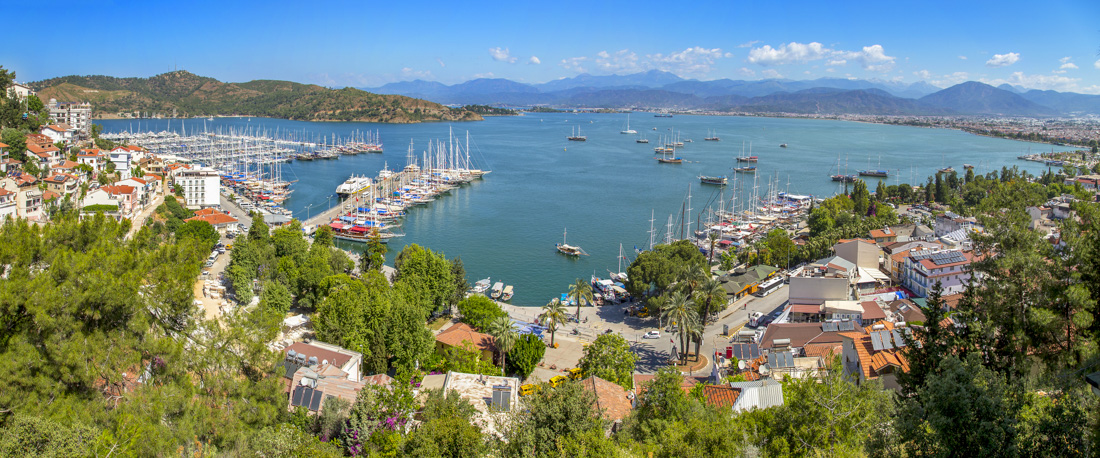 Fethiye, Turkey
 Belgium and Turkey both offer a nice selection of activities for visitors. Many travelers usually spend more of their time in Turkey than Belgium because of the number of activities and things to do in the area. Usually, 3-7 days is a good amount of time for Belgium, and 3-14 days is enough time in Turkey.
Families should spend more time in Turkey than Belgium. Because of the many family-friendly attractions and fun things to do for kids in Turkey, it's a great place to visit with the whole family.
Couples should spend more time in Turkey than Belgium. You'll find plenty of romantic sights and fun activities in Turkey that are perfect for a weekend getaway or a longer couple's trip.
Backpackers and budget travelers should spend more time in Turkey than Belgium if your budget allows for it. With a larger number of budget-friendly sights, good nightlife, and active things to do, anyone traveling on a budget would have a good time in Turkey.
Belgium is a great place to explore. With so much to do, a weekend is probably not enough time to see everything. Your budget might influence how long you stay.
In Turkey, you'll find wildlife, adventure travel, and national parks. The length of your trip often depends on your style of travel. Adventure travel is very popular here, too. Since there is so much to do in the area, a weekend is probably not enough for all of it.
It's hard to know how much time to spend in Belgium. For many, it makes a great getaway for five days. With all of its activities, you can easily fill five days here. It has many unique tourist attractions and fascinating things to do.
Turkey is a great place to explore. It is common to spend five days here. Many visitors spend time at the beach while visiting the area. Five days is a great amount of time to relax and see the many things that Turkey has to offer. Anyone can find something fun to do here.
Many travelers enjoy the theater, history and culture, and nightlife when visiting the historic destination of Belgium. This country offers a variety of activities to choose from. If you have one week, this is a great place to go. This would be the perfect place to spend one week, as it has just the right amount of activities.
It's hard to know how much time to spend in Turkey. In Turkey, you'll find national parks, history and culture, and nightlife. People usually spend lots of time at the beach. With all of its activities, you can easily fill one week here.
Travelers enjoy the theater, history and culture, and nightlife when visiting the tranquil destination of Belgium. This country offers a variety of activities to choose from. Two weeks may feel like too much time unless you plan to do a lot of relaxing.
It's hard to know how much time to spend in Turkey. In Turkey, you'll find national parks, history and culture, and nightlife. Adventure travel is very popular here, too. Two weeks is a great amount of time to relax and see the many things that Turkey has to offer.
Pamukkale, Turkey These are the overall average travel costs for the two destinations.
The average daily cost (per person) in Belgium is €170, while the average daily cost in Turkey is €102. These costs include accommodation (assuming double occupancy, so the traveler is sharing the room), food, transportation, and entertainment. While every person is different, these costs are an average of past travelers in each country. What follows is a categorical breakdown of travel costs for Belgium and Turkey in more detail.
Looking for a hotel in Belgium or Turkey? Prices vary by location, date, season, and the level of luxury. See below for options and compare which is best for your budget and travel style.
Kayak helps you find the best prices for hotels, flights, and rental cars for destinations around the world. Compare prices for multiple destinations when planning your next trip.
Below are a few samples from actual travelers for transportation costs in Belgium:
Also for Belgium, here are a few examples of actual transportation services:
Some typical examples of transportation costs in Turkey are as follows:
Some specific examples of transportation prices in Turkey:
Prices for flights to both Turkey and Belgium change regularly based on dates and travel demand. We suggest you find the best prices for your next trip on Kayak, because you can compare the cost of flights across multiple airlines for your prefered dates.
Here are some examples of typical meal expenses from previous travelers to Belgium:
For Belgium, here are some samples of tours and activities related to meals and dining experiences:
Below are a few samples from actual travelers for food and meal costs in Turkey:
Also, here are some specific examples of food and dining related activities in Turkey.
For Belgium, here are some examples of average entertainment and activity prices from previous travelers:
Also, here are some specific examples of entertainment, tickets, and activities for Belgium.
Here are a few typical costs in Turkey for activities, ticket prices, and tours that come from previous visitors:
Here are a few actual costs in Turkey for available activities, ticket prices, and tours:
Here are a few samples of the prices for alcohol and nightlife in Belgium from other travelers:
Also in Belgium, these are the prices for nightlife and alcohol related activities from various tour providers:
Some typical examples of the costs for nightlife and alcohol in Turkey are as follows:
Some specific costs for nightlife related activities in Turkey:
When we compare the travel costs of actual travelers between Belgium and Turkey, we can see that Belgium is more expensive. And not only is Turkey much less expensive, but it is actually a significantly cheaper destination. So, traveling to Turkey would let you spend less money overall. Or, you could decide to spend more money in Turkey and be able to afford a more luxurious travel style by staying in nicer hotels, eating at more expensive restaurants, taking tours, and experiencing more activities. The same level of travel in Belgium would naturally cost you much more money, so you would probably want to keep your budget a little tighter in Belgium than you might in Turkey.
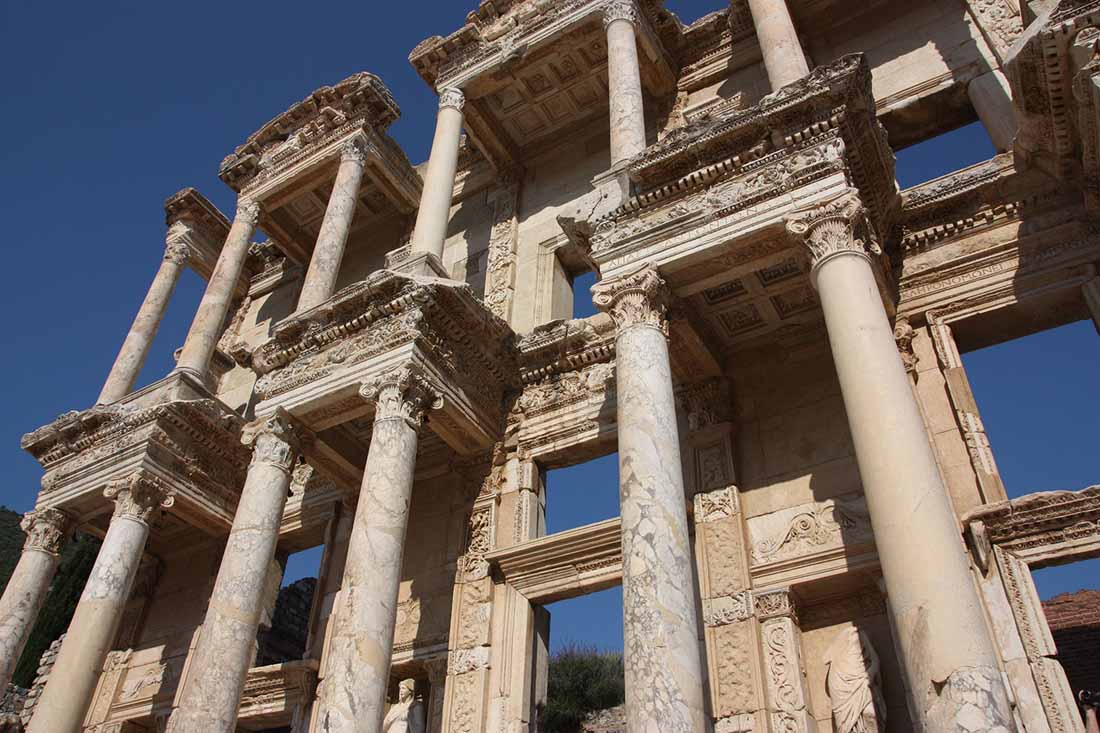 Ephesus
 Both places have a temperate climate with four distinct seasons. As both cities are in the northern hemisphere, summer is in July and winter is in January.
The Belgian climate in northern Europe experiences four seasons with cooler summers and cold wet winters. While the temperatures are often cold in the winter, it only snows periodically near the coast. And because the summers are not too hot, the weather is very pleasant during this popular time to visit.
Both Turkey and Belgium during the summer are popular places to visit. The family-friendly experiences are the main draw to Belgium this time of year. Also, many travelers come to Turkey for the beaches, snorkeling, the hiking, and the family-friendly experiences.
In the summer, Brussels is cooler than Istanbul. Typically, the summer temperatures in Brussels in July average around 18°C (65°F), and Istanbul averages at about 24°C (74°F).
In Istanbul, it's very sunny this time of the year. In the summer, Brussels often gets less sunshine than Istanbul. Brussels gets 186 hours of sunny skies this time of year, while Istanbul receives 333 hours of full sun.
Brussels usually gets more rain in July than Istanbul. Brussels gets 75 mm (3 in) of rain, while Istanbul receives 19 mm (0.7 in) of rain this time of the year.
The autumn attracts plenty of travelers to both Belgium and Turkey. Many travelers come to Belgium for the shopping scene and the natural beauty of the area. Also, many visitors come to Turkey in the autumn for the hiking trails, the shopping scene, and the natural beauty of the area.
In October, Brussels is generally cooler than Istanbul. Daily temperatures in Brussels average around 12°C (54°F), and Istanbul fluctuates around 16°C (61°F).
Brussels usually receives less sunshine than Istanbul during autumn. Brussels gets 114 hours of sunny skies, while Istanbul receives 169 hours of full sun in the autumn.
In October, Brussels usually receives around the same amount of rain as Istanbul. Brussels gets 70 mm (2.8 in) of rain, while Istanbul receives 71 mm (2.8 in) of rain each month for the autumn.
The winter brings many poeple to Belgium as well as Turkey. Many visitors come to Belgium in the winter for the museums, the Christmas ambience, the shopping scene, the theater shows, and the cuisine. Also, most visitors come to Turkey for the museums, the shopping scene, and the cuisine during these months.
Brussels can get quite cold in the winter. Brussels is much colder than Istanbul in the winter. The daily temperature in Brussels averages around 3°C (38°F) in January, and Istanbul fluctuates around 6°C (43°F).
In the winter, Brussels often gets less sunshine than Istanbul. Brussels gets 49 hours of sunny skies this time of year, while Istanbul receives 75 hours of full sun.
Brussels usually gets less rain in January than Istanbul. Brussels gets 67 mm (2.6 in) of rain, while Istanbul receives 99 mm (3.9 in) of rain this time of the year.
Both Turkey and Belgium are popular destinations to visit in the spring with plenty of activities. Most visitors come to Belgium for the natural beauty during these months. Also, the spring months attract visitors to Turkey because of the beaches and the natural beauty.
In the spring, Brussels is cooler than Istanbul. Typically, the spring temperatures in Brussels in April average around 10°C (49°F), and Istanbul averages at about 13°C (55°F).
Brussels usually receives less sunshine than Istanbul during spring. Brussels gets 147 hours of sunny skies, while Istanbul receives 180 hours of full sun in the spring.
In April, Brussels usually receives more rain than Istanbul. Brussels gets 57 mm (2.2 in) of rain, while Istanbul receives 49 mm (1.9 in) of rain each month for the spring.
| Brussels | Istanbul | |||
|---|---|---|---|---|
| Temp (°C) | Rain (mm) | Temp (°C) | Rain (mm) | |
| Jan | 3°C (38°F) | 67 mm (2.6 in) | 6°C (43°F) | 99 mm (3.9 in) |
| Feb | 4°C (39°F) | 53 mm (2.1 in) | 6°C (44°F) | 67 mm (2.6 in) |
| Mar | 6°C (43°F) | 72 mm (2.8 in) | 8°C (47°F) | 62 mm (2.4 in) |
| Apr | 10°C (49°F) | 57 mm (2.2 in) | 13°C (55°F) | 49 mm (1.9 in) |
| May | 14°C (57°F) | 71 mm (2.8 in) | 17°C (63°F) | 31 mm (1.2 in) |
| Jun | 17°C (62°F) | 79 mm (3.1 in) | 21°C (71°F) | 21 mm (0.8 in) |
| Jul | 18°C (65°F) | 75 mm (3 in) | 24°C (74°F) | 19 mm (0.7 in) |
| Aug | 18°C (65°F) | 63 mm (2.5 in) | 24°C (74°F) | 26 mm (1 in) |
| Sep | 16°C (60°F) | 59 mm (2.3 in) | 20°C (69°F) | 41 mm (1.6 in) |
| Oct | 12°C (54°F) | 70 mm (2.8 in) | 16°C (61°F) | 71 mm (2.8 in) |
| Nov | 7°C (45°F) | 76 mm (3 in) | 12°C (54°F) | 89 mm (3.5 in) |
| Dec | 4°C (40°F) | 76 mm (3 in) | 9°C (47°F) | 122 mm (4.8 in) |
 Budget Your Trip is all about finding out how much everything costs so that you can travel cheaper and longer. Created by avid travelers Laurie and Bryan, our goal is to help you plan your next trip on the right budget. With average daily travel costs that are calculated from the budgets of real travelers, plus an analysis of hotel and tour prices, you can find out how much money you need to plan your next adventure. We also have plenty of travel advice, accommodation reviews, and activity suggestions.
Some of the links on this website are sponsored or affiliate links which help to financially support this site. By clicking the link and making a purchase, we may receive a small commission, but this does not affect the price of your purchase.