Which country is cheaper, Norway or Greece?
These are the overall average travel costs for the two destinations.

Which country should you visit? Read on to compare the activities as well as the prices of travel for Greece and Norway. We'll break down costs for accommodation, food, transportation and more to help you learn more about these two destinations. Then, you can figure out if either of these two places are accessible based on your travel budget, schedule, and interests. So, let's dig into it.
We'll start with a quick overview, and below we will go into all of the details.
| Greece | Norway | |
| Culture & History |  |
|
| Food | |
|
| Nightlife | |
|
| Resorts | |
|
| Scuba Diving & Snorkeling | |
|
| Beaches | |
|
| Skiing | |
|
| Hiking | |
|
| National Parks | |
|
| Wildlife | |
|
| Families | |
|
| Couples | |
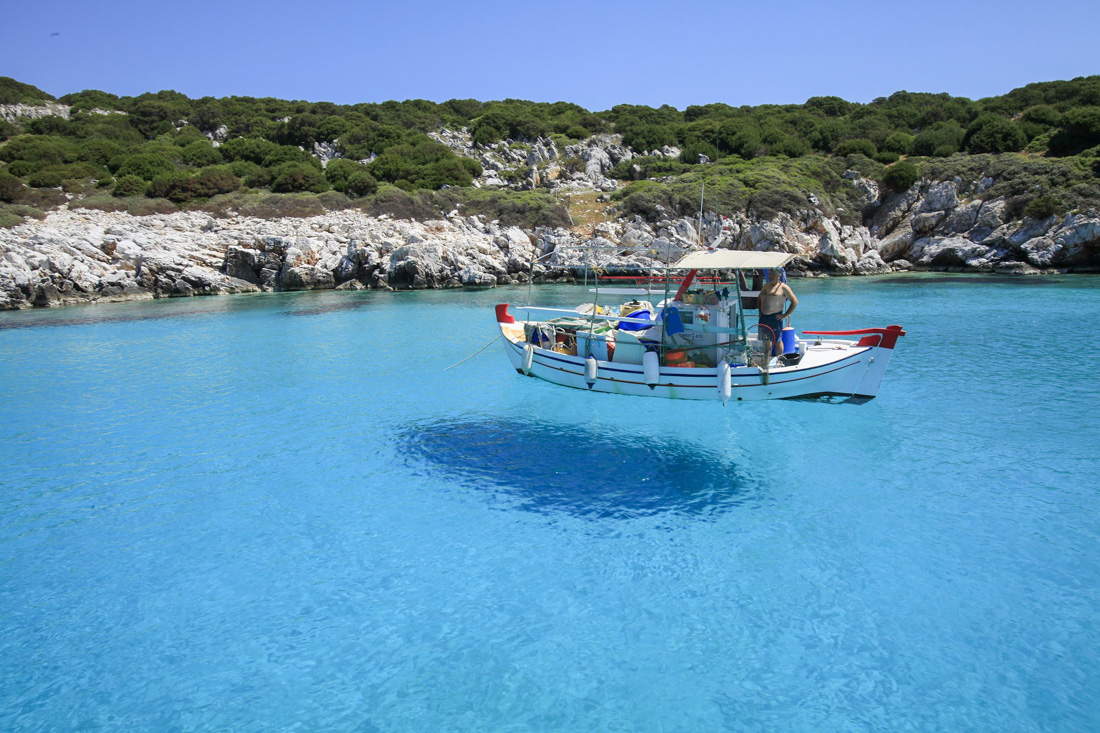 Skyros, Greece
 Greece is a friendly, popular, and coastal country. The famous beauty of Greece is one of the main draws. It's also known for national parks, history and culture, food, and scuba diving and snorkeling.
Ancient history and beautiful islands combine to form this travel paradise that attracts plenty of tourists every year for a good reason. The historic cities such as Athens along with multitudes of ancient ruins and historic sites allow visitors to explore the ancient roots of democracy and civilization. And if you're looking for beautiful beaches, the hundreds of islands of Greece offer small villages, beautiful coves and cliffs, watersports, boating, and more aquatic adventures.
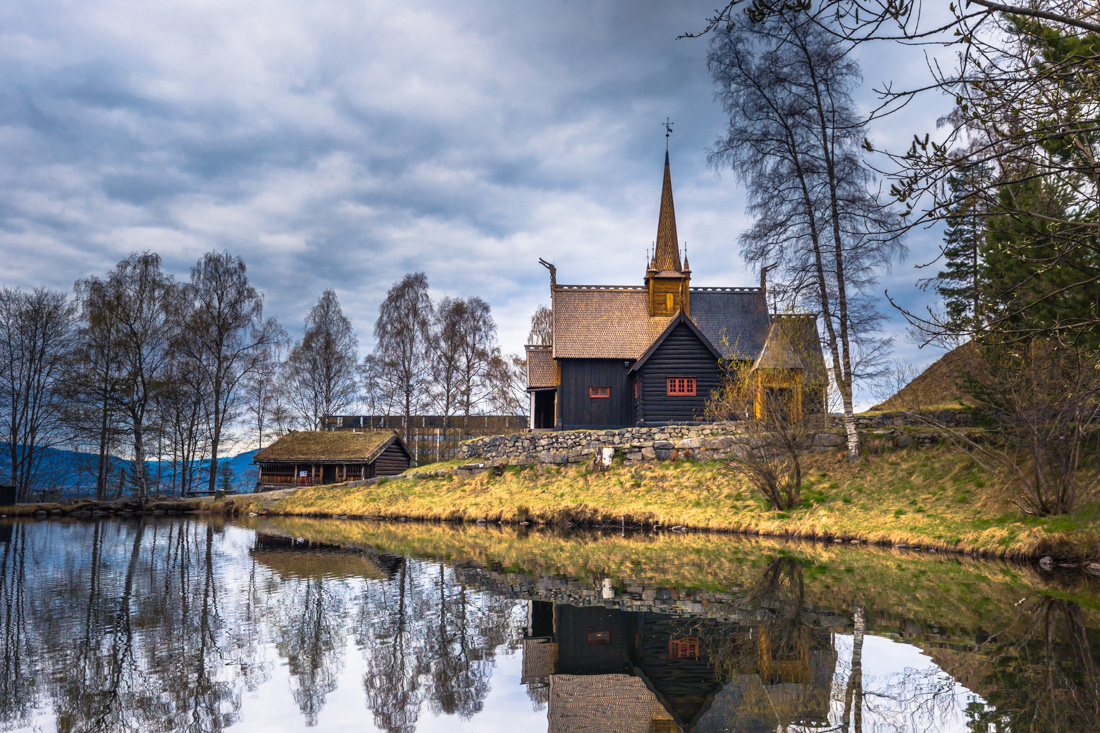 Lillehammer, Norway
 Norway is a breathtaking, pristine, and enchanting country. The famous beauty of Norway is one of the main draws. It's also known for mountains, shopping, museums, and wildlife.
Norway is a breathtaking destination where dramatic fjords meet rugged mountains and shimmering northern lights dance across the Arctic sky. Visitors can explore vibrant cities like Oslo and Bergen, blending rich Viking history with cutting-edge architecture and a pulsating cultural scene. Outdoor enthusiasts will find paradise in activities such as fjord cruises, hiking the iconic Trolltunga, or skiing in world-class resorts like Hemsedal. The country’s pristine wilderness offers unparalleled opportunities for wildlife spotting, including the elusive Arctic fox and majestic reindeer. Norway’s culinary scene is equally compelling, with fresh seafood and traditional dishes that reflect its coastal heritage. Whether chasing the midnight sun in summer or cozying up under a blanket of snow in winter, Norway delivers an unforgettable, authentic Scandinavian adventure.
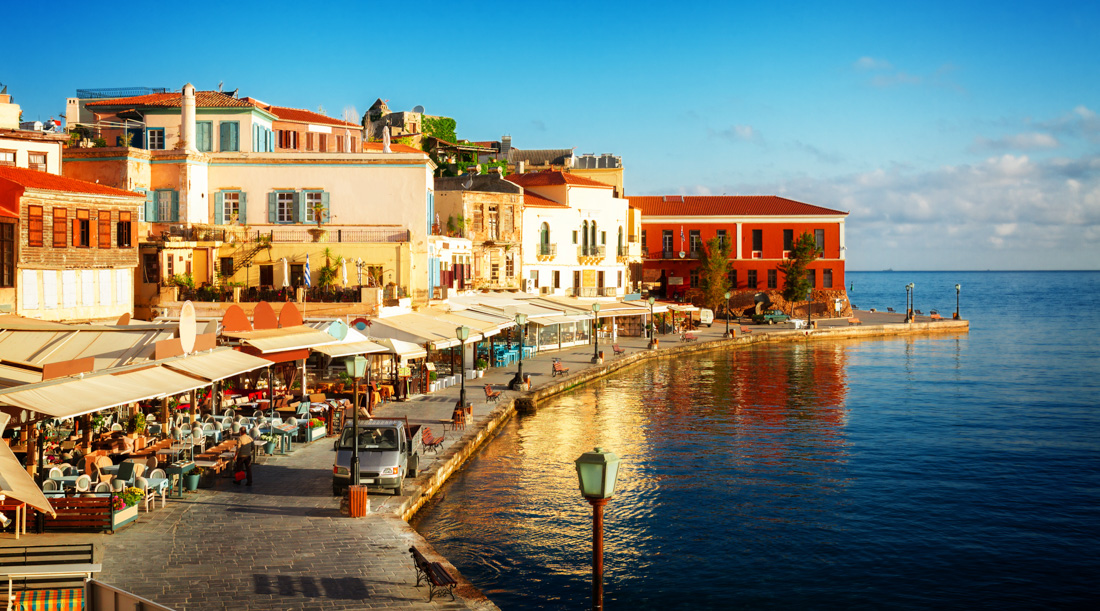 Chania, Greece
 Below we will examine the differences and similarities between Greece and Norway. With this information, you can decide for yourself which place is better for your next trip.
Both Greece and Norway have great landmarks and museums for visitors.
Greece is a good place to visit if you're interested in museums or other recognizable sights. Most of the country's major museums can be found in Athens, and many of those showcase the fascinating history of the country dating back to classical times. The Acropolis museum and the Archaeological museums are terrific places to learn about the history of ancient Greece. The Byzantine and Christian Museum showcases works from later historic periods as well. If you're looking for art, check out the Basil & Elise Goulandris Foundation which houses works from many famous artists. And the War Museum takes a different perspective as it highlights combat throughout history. Rhodes also has an archeological museum as well as the Palace of the Grand Master, a 14th century Byzantine fortress which is now a museum. The museum of Heraklion in Crete, along with the museum of Olympus and the archeological museum at Delphi provide even more insight into history, and are worth visiting if you're visiting those areas.
Athens: As a historical capital of the world, this city has countless museums and archeological sites including the famous Acropolis, the National Archaeology Museum, and the Ancient Agora.
Rhodes: Many of the villages feel like outdoor museums, with churches and archaeological sites throughout. Some of the most well known sites include the Palace of the Grand Masters, the Hospital of the Knights, Süleyman Mosque, and Roloi Clock Tower.
Delphi: This is one of the most popular archeological sites in Greece. You will find the Temple of Apollo and most of the monuments are dedicated to this God. There is an Ancient Theatre, an Ancient Stadium, as well as an Archaeological Museum. There's also the Sanctuary of Athena Pronea and the Treasury of the Athenians.
See also Athens, Greece: The Ultimate Travel Guide, and The Ultimate Guide to Santorini.
Norway offers a variety of museums and landmarks to choose from. Norway’s rich cultural tapestry is vividly on display in its most celebrated museums, which are must-visits for travelers seeking to delve into the nation’s history, art, and maritime heritage. Oslo, the vibrant capital, is home to the iconic **Viking Ship Museum**, where impeccably preserved 9th-century Viking vessels and artifacts offer an unparalleled glimpse into the seafaring prowess that shaped a nation. Just nearby, the **National Museum – Architecture** showcases cutting-edge Norwegian design alongside historic blueprints, reflecting the country’s harmonious relationship with nature. Bergen, Norway’s picturesque gateway to the fjords, boasts the **KODE Art Museums**, a sprawling complex hosting works by Edvard Munch and other Nordic masters, perfectly capturing the soul of Norwegian art. Further north in Tromsø, the **Polaria Arctic Experience Center** combines museum and aquarium, where interactive exhibits and panoramic films immerse visitors in the mystique of the Arctic wilderness and its fragile ecosystem. Each of these destinations not only preserves Norway’s stories but invites travelers to experience them in settings as stunning and authentic as the narratives they tell.
Overall Greece is considered to offer more history, cutlure, and arts to visitors than Norway.
Greece offers world-famous historcal and cultural sights and attractions. This is one of the main reasons why so many people come here every year. As the home of one of the oldest civilizations in history, modern Greece offers visitors the chance to explore and learn about a huge number of ancient sites and historical places. Starting in Athens, the Acropolis is the crown jewel of a city dotted with ancient history as well as medieval and renaissance artifacts. Several nearby history museums are worth visiting, such as the Acropolis museum. Outside of the city, even more grand historic attractions await. Mycenae, Meteora, Delphi, Knossos, Kamiros and the Acropolis on Rhodes, ancient Corinth, and other sites all offer glimpses into a variety of historical periods. No matter where you visit in Greece, there's probably ancient ruins nearby, and tours are available almost everywhere in the country.
Norway is an extremely popular destination for those that want to visit historical and cultural sights and attractions, as it offers plenty. Norway’s rich tapestry of history and culture weaves together Viking sagas, medieval stave churches, and vibrant Sami traditions, offering travelers a captivating journey through time. At the heart of this cultural exploration is Oslo’s Viking Ship Museum, where impeccably preserved longships and artifacts reveal the seafaring prowess that shaped early Norwegian identity. Venture north to the Lofoten Islands to experience authentic coastal fishing villages and open-air museums like the Lofoten Viking Museum, where you can witness reenactments and hands-on craft demonstrations. Meanwhile, the UNESCO-listed Bryggen district in Bergen charms visitors with its colorful Hanseatic wharf buildings—centuries-old gateways to Norway’s trading past. For a profound connection to indigenous culture, the Sami communities in Finnmark invite travelers to engage in traditional joik singing, reindeer herding experiences, and storytelling sessions that illuminate the resilience and spirituality of Norway’s Arctic people. Whether wandering through medieval stave churches, attending folk festivals, or exploring archaeological sites, Norway’s cultural activities meld education and enchantment, making it a must-visit destination for history enthusiasts and cultural adventurers alike.
Norway generally has more big cities and urban activities than Greece.
Since Norway has large cities, you'll find plenty of things to do. Norway’s largest cities each offer a distinctive blend of urban charm and cultural richness that makes them compelling travel destinations beyond their reputation for stunning natural landscapes. Oslo, the capital and largest city, pulsates with vibrant arts and history—from the striking architecture of the Opera House to world-class museums like the Munch and the Viking Ship Museum—making it an ideal spot for culture seekers. Its dining scene is dynamic, featuring everything from innovative Nordic fine dining at places like Maaemo to cozy waterfront seafood eateries. By night, Oslo buzzes with lively bars and clubs, while a thriving theater scene, including the National Theater, keeps the cultural calendar full. Bergen, Norway’s second-largest city, is famed for its UNESCO-listed Bryggen wharf and easy access to fjords, blending outdoor adventure with urban pleasures. Visitors enjoy bustling fish markets, charming cafes, and a growing craft beer scene, alongside theaters like Den Nationale Scene that celebrate local performing arts. Trondheim, while smaller, offers a rich medieval heritage centered around Nidaros Cathedral and a youthful energy fueled by its large student population. Dining here highlights traditional Norwegian flavors alongside international cuisine, and the nightlife, though more laid-back, thrives in cozy pubs and music venues. Collectively, these cities provide rich opportunities for sightseeing, cultural immersion, dining excellence, and nightlife, making them excellent bases for exploring both the urban and natural wonders of Norway.
Greece has a few big cities with some fun activities. Athens is the only true large city in Greece, and here you'll find plenty of activities. The history here is the main attraction, as the ancient Acropolis anchors a variety of classical historic sites and a variety of museums dedicated to ancient culture. Plenty of restaurants, hotels, cafes, bars, nightlife, and shopping are found in various neighborhoods around the metropolitain region.
Greece and Norway both are comparable with their great activities in villages and small towns.
You'll find plenty of local activities in all of the small towns and villages in Greece. Many of the 227 islands, along with much of the mainland, is home to a large number of quaint small Greek towns, many of which have typical whitewashed buildings, cute harbors, traditional churches, and fantastic local shops and cafes. Some of the best small towns to visit include Oia, Fira, and Imerovigli on the island of Santorini. Here you'll find white buildings with blue domes overlooking the mountainous coastline and clear waters below. Mykonos town is another beautiful place with winding streets, windmills, and fishing boats in the harbor. Corfu town has even more terrific streets with shops and restaurants that line the clear waters just off shore. Parikia on Paros is popular for many of the same reasons described above, as are Chora on Patmos, Rhodes town, and Agios Nikolaos on Crete. Napflio is not far from Athens, has a nice waterfront, and sits next to high cliffs overlooking the sea. No matter where you travel in Greece, you're bound to come across some delightful small towns, so make time to see them.
See also Delphi Travel Guide.
Because Norway offers so many small towns with a variety of charming activities, it attracts plenty of visitors for a good reason. Norway’s small towns offer an enchanting escape into quintessential Scandinavian charm, each brimming with quaint cobblestone streets, colorful wooden houses, and breathtaking natural backdrops that captivate visitors year-round. Towns like Flåm, nestled deep within the spectacular fjord landscape, lure travelers with its dramatic vistas and legendary Flåm Railway, offering perhaps the most scenic train journey in the world. Meanwhile, the picturesque fishing village of Ålesund enchants with its beautifully preserved Art Nouveau architecture set against a rugged coastal panorama, perfect for photographers and architecture buffs alike. Røros, a UNESCO World Heritage site, immerses visitors in a bygone era with its historic mining town streets and cozy timber homes dusted in snow during winter. These towns attract visitors looking to experience authentic Norwegian culture, explore fjord cruises, hiking trails, and sample fresh seafood straight from the cold northern waters. Aside from sightseeing, many come for outdoor adventures—kayaking, cycling, and dog sledding—making these small towns ideal destinations where natural beauty and cultural heritage blend seamlessly to create unforgettable travel memories.
Greece has a longer list of notable local restaurants than Norway.
With its innovative style combined with traditional elements, Greece makes for a great culinary experience. Visitors will find plenty of traditional dishes when visiting, but also a variety of other European cuisines at restaurants, too. Athens and other large cities offer a solid mix of cuisines as world-class chefs have established restaurants everywhere. In smaller towns and on the islands, you can still expect fresh and delicious meals, although the dishes might not be as diverse. Some popular quick bites include gyros and souvlaki, meatballs knowns as soutzoukakia, and fried tomato fritters. For a more hearty meal, choose the pastitsio, which is a pasta dish with meat and cheese. Moussaka is another heavy meal made from meat, tomato sauce, and eggplant. Seafood is everywhere also, as you might expect. And for something lighter, you can always grab a fresh Greek salad, made with feta cheese, fresh olives, tomatoes, cucumber, and other vegetables. You really can't go wrong no matter which you choose.
Athens: Make sure you try the souvlaki, moussaka, and dolmades at any of the many local restaurants throughout the city.
Crete: Local cuisine is influenced by the island's fertile environment and excellent agriculture. You'll find olive oil in most dishes and seafood is a major staple. You'll also find a lot of stews and recipes that incorporate local ingredients.
Mykonos: Like most things on the island, food is expensive, but its also very good. Make sure you try the louza sausage, kopanisti cheese, and melopita pie.
See also The Best Cheap Wine Tours of Santorini.
Norway has a delicious restaurant scene that relies on local flavors. Norwegian cuisine is a hearty celebration of the rugged Nordic landscape, deeply rooted in traditions that emphasize fresh, local, and seasonal ingredients. Staples such as succulent salmon, often cured to create the world-famous gravlaks, and rich, buttery brown cheese (brunost) epitomize Norway’s culinary identity. You’ll also find comforting dishes like fårikål, a rustic lamb and cabbage stew considered the nation’s beloved national dish, and rakfisk, fermented trout that offers a true taste of Norway’s ancient preservation methods. While Norwegian food might not yet boast the global celebrity of French or Italian cuisine, its reputation is steadily growing among adventurous food lovers who appreciate its clean, natural flavors and artisanal craftsmanship. Thanks to Norway’s spectacular seafood and emerging New Nordic chefs, the country’s cuisine is moving from modest regional fare toward international acclaim, celebrated for its purity, simplicity, and ability to harness nature’s bounty in every bite.
Party-goers will usually choose Norway over Greece.
Norway has an active nightlife scene for those who seek it out. Norway’s nightlife offers a captivating blend of vibrant urban energy and unique cultural experiences, making it a surprisingly dynamic scene given the country’s serene reputation. In Oslo, the capital pulses after dark with a diverse range of nightlife options—from trendy cocktail bars in the hip Grünerløkka district to sleek nightclubs around Aker Brygge, where you can dance to everything from electronic beats to live jazz. Bergen’s nightlife leans into its intimate charm, with cozy pubs and live music venues that showcase Norway’s thriving indie and folk scenes, perfect for those seeking a more laid-back yet spirited evening. Tromsø, often dubbed the “Gateway to the Arctic,” combines the thrill of northern lights tours with lively après-ski bars and underground clubs that attract adventurers and locals alike during the polar night. Whether you’re sipping craft brews in Stavanger’s buzzy bar scene or enjoying late-night seafood feasts along Trondheim’s harbor, Norway’s nightlife invites you to experience its dynamic social culture set against stunning, often otherworldly backdrops.
Greece doesn't have the most active nightlife scene. Athens has a popular nightlife scene as it's a large and diverse city. You'll find a mix of bars, pubs, nightclubs, theater productions, and restaurants to match whatever type of mood or experience you're looking for. The Gazi neighborhood offers multiple dance clubs that go late into the morning hours. The Monastiraki neighborhood also has a nice mix of bars and clubs, too. On the islands, you'll find mostly smaller towns that offer a handful of bars open late into the evening, but they are around.
Athens: There are all-night dance clubs as well as local bars and chill live music venues.
Mykonos: With many exclusive clubs and bars, this island is among the best for nightlife in Greece. Popular options include Tropicana Club, Scarpa, and Super Paradise Beach Club.
Ios: This is one of the quintessential party islands in Greece. Many young backpackers come here just to party, particularly during the summer months. You'll find many parties start around midnight or later and carry on well into the morning. Most of the clubs and bars are around the main square and nearby streets in Chora, but there are also clubs spread throughout the town. Outside of town, Mylopotas Beach is another popular party area.
See also Party Hostels in Greece (Athens, Corfu, Ios, & Santorini).
With generally more resort options, Greece attracts a high number of vacationers.
Vacationers flock to Greece for its luxury resorts. The natural beauty of the coastline and beaches is a natural fit for a luxury resort here, and there's no shortage of them. All along the coastline visitors can find high-end and mid-range resorts, many of which cater to beach-oriented vacations. Some of the resorts are only for adults and honeymooners, but many are family-friendly. You'll find more resorts on the more popular and expensive islands, and many are located a bit away from the main towns where there's more space. Santorini is famous for their cave-like hotels with infinity swimming pools overlooking the sea down below. Naxos and Mykonos has plenty of family-friendly resorts, as does Rhodes, Corfu, and other beaches on the mainland. Crete has some very nice resorts on secluded coves and harbors, too.
Crete: The island has world class resorts that include pools and buffet meals. There are many beachfront resorts that range in style from romantic to family-friendly.
Santorini: The resorts range from all-inclusive options to resorts with a more local feel. The island is one of the most romantic of the Greek Islands, and the resorts are no exception.
Mykonos: There are many world class luxury resorts on the island that offer a variety of amenities including pools, restaurants, and spas. Popular options include Myconian Avaton Resort, Myconian Imperial Resort and Villas, and Myconian Utopia Resort.
With a selection of resorts, Norway makes a nice vacation spot. Norway’s resort landscape offers an extraordinary tapestry of experiences, each region boasting its own unique charm and activities tailored to every traveler’s dream. In the winter, the alpine resort town of **Trysil** reigns supreme with its expansive ski slopes and world-class snow parks, perfect for both beginners and seasoned powder hounds seeking thrilling downhill runs. Over in **Geilo**, visitors enjoy a blend of skiing, snowshoeing, and husky sledding amid a cozy village atmosphere steeped in tradition. For a more off-the-beaten-path adventure, the Lofoten Islands’ resorts captivate with their dramatic fjordside lodges, where guests chase the Northern Lights in winter or kayak beneath the midnight sun during summer. Meanwhile, the vibrant fjord towns like **Flåm** and **Stryn** offer resorts perched at the water’s edge, inviting travelers to indulge in hiking, cycling, and fjord cruises, reveling in Norway’s breathtaking natural beauty. Whether it’s alpine adrenaline, serene wilderness retreats, or immersive cultural escapes, Norway’s resorts provide a gateway to unforgettable journeys defined by pristine landscapes and authentic Nordic hospitality.
Greece provides a better beach experience than Norway.
Greece offers stunning beaches that attract visitors from around the world. No doubt, the beaches of the mainland and islands are one of the primary reasons why visitors flock to this Mediterranean country every year. Santorini, Crete, Myknonos, Corfu, Zakynthos, and other islands conjure notions of beautiful coves with clear blue waters surrounded by mountains and cliffs. The mainland itself has a huge number of popular beaches, and some of the best are found in the Halkidiki area. This area of coastline in northern Greece has three small peninsulas with clear water and epic views. In the islands, Naxos is known for its family-friendly beaches, but you'll find plenty of other family options on Crete, Mykonos, Ios, and other islands. Some of the best beaches in general are found on Crete, Corfu, Rhodes, and other islands. But it's hard to decide on just one, as they are all so beautiful.
Crete: There are some of the best beaches in the world on Crete. The areas around Chania have some of the island's best beaches, with one of the most beautiful being Balos. On the northern side of the island, be on the lookout for strong winds, particularly in August, which can make for larger waves. The island is large, so you'll find everything from secluded and quiet beaches to more active and lively places.
Rhodes: The island has spectacular beaches with crystal blue waters. Many of the beaches are sandy with swimming or snorkeling opportunities. The island is also known for its watersports and several beaches are great windsurfing or kite surfing locations. There are countless beaches to choose from but some of the favorites are Tsambika, Saint Paul's Bay, Ladiko, and Kallithea.
Chania: You'll find picturesque beaches near town that have white sand or colored pebbles. The beaches range from urban and crowded to hidden gems, but each has striking blue water and the atmosphere of paradise. Favorite beaches in the area include Balos, Falassarna, and Elafonissi.
Norway is a good option for a beach vacation.
Norway is generally considered to be a more popular shopping destination.
Norway is a great destination for shopping. Norway’s shopping scene offers a charming blend of modern boutiques, traditional crafts, and unique Scandinavian design, making it a delightful experience for travelers seeking authentic souvenirs and stylish finds. Oslo stands out as the premier shopping destination, particularly along Karl Johans gate, where high-street brands mingle with cozy cafés, and the upscale district of Aker Brygge boasts sleek waterfront malls and designer stores. For those enchanted by local craftsmanship, the city’s many artisan markets and specialty shops—selling everything from hand-knitted woolens to intricate Sami jewelry—offer a tangible connection to Norway’s rich cultural heritage. Bergen’s Fish Market combines fresh seafood with a treasure trove of local delicacies and handcrafted goods, perfect for food lovers and souvenir hunters alike. What truly sets Norwegian shopping apart is the country’s seamless fusion of minimalistic design, high-quality materials, and deep-rooted traditions, creating a shopping experience that’s as refined as the stunning landscapes that surround it. Whether you’re after cutting-edge fashion, traditional wool sweaters, or eco-friendly souvenirs, Norway’s shopping venues consistently reflect the unique spirit and high standards of Nordic living.
If you're looking to go shopping, Greece has some nice offerings. You'll find the most shopping options in Athens. Ermou street is a pedestrian shopping area with plenty of boutiques and popular brands. Monastiraki square has an amazing flea market where almost anything can be found. You'll find high-end shops in Kolonaki. Most of the tourist towns on the islands have small shopping areas where visitors can buy clothes, local arts and crafts, and souvenirs. Some of the best towns for shopping are Mykonos, Rhodes, the towns on Santorini, and Corfu.
Mykonos: This island has become the playground for celebrities and the wealthy, so there are plenty of shopping opportunities in town.
Rhodes: For a unique shopping experience head to Nea Agora (The New Market), which has a mix of shops and restaurants. You can also pick up fresh produce or pastries there. Sprinkled around the island you'll find many local artisan shops where you can buy ceramics, jewelry, soaps, leather goods, and more.
Norway is generally considered to be a better destination for hiking.
Norway is well-known for its hiking and trekking.
Lofoten Islands: It's remote setting and dramatic scenery lead to some truly breathtaking hikes. You'll find trails that pass by beautiful beaches, climb spectacular peaks, and wander through the beautiful countryside. Reinebringen, Horseid Beach, and Bunes Beach are among the favorite hikes in the area.
Many visitors include a hike while visiting Greece. Visitors will find a surprising number of hiking trails in the northern regions of the mainland, especially around the national parks such as Olympus, or historic areas such as Meteora and Delphi. Crete has a wide array of hiking options, too. Samaria Gorge is one of the best hikes, as it takes you through a stunning canyon for four hours. The The larger islands also have numerous hiking trails. On Rhodes, the Hike to the Tomb of Kleobolus is a favorite, as is the Melinda–Paleohori trail on Lesbos. Shorter trails are found all over, many of which follow the coastline and pass through small towns along the way.
Rhodes: The breathtaking landscapes, sweeping views, and beautiful waters make this an amazing hiking island. There are a wide range of trails to choose from with easy, moderate, and challenging options available. The many quaint villages and unique archaeological sites all make this a fantastic place to hike.
Corfu: The stunning natural beauty of the island means you'll find some of the most breathtaking hikes in the Greek Isles. From the lush green rolling hills to the striking blue waters, there are many places to soak up this island's idyllic setting. The island is also rich in plant life and you'll find more than 30 species of orchids here. Popular hiking trails include Vlacherna Trail (good for beginners and families), Mount Pantokrator Trail (the most challenging on the island), and Old Town Hiking Trail which takes you through the history of the area.
Norway is generally considered to have more national park destinations than Greece.
Norway is well-known for its national parks and wilderness areas. Norway’s national parks are breathtaking sanctuaries that showcase the country’s rugged wilderness and dramatic landscapes, making them an absolute must for nature lovers and adventure seekers alike. Among the most popular is Jotunheimen National Park, often called the "Home of the Giants," where towering peaks like Galdhøpiggen—the highest in Northern Europe—challenge hikers and climbers, while crystal-clear glacial lakes offer serene spots for reflection. Rondane National Park, Norway’s first national park, enchants visitors with its gentle, rounded mountain peaks and abundant wild reindeer herds, providing a glimpse into pristine Arctic-alpine ecosystems. For those drawn to coastal beauty, Dovrefjell-Sunndalsfjella National Park offers a rare chance to spot musk oxen roaming rugged plateaus against a backdrop of steep cliffs and fjords. Each park presents a unique blend of flora, fauna, and geology shaped by millennia of ice and wind, making Norway’s national parks a spectacular mosaic of wilderness where raw nature reigns supreme.
Visiting the national parks is a popular activity when in Greece. Most of the 10 national parks are on the mainland, and one is on the large island of Crete. The parks on the mainland have epic mountain views, wildlife such as wolves and deer, waterfalls and rivers, hiking trails, camping, and more. Olympus national park is home to the highest mountain in the Greece, but it takes a few days to make the summit. Most of highlights of the park can still be visited in just one day, though. Vikos–Aoos has amazing views over and around canyons, lakes, and rivers. Located in western Greece, it does not get many visitors, so this is a nice spot to get away from the crowds. Parnitha National Park, located not far from Athens, is easy to reach on a day trip and a offers terrific escape into nature. Samaria National Park on Crete has a huge gorge, plenty of hiking trails through the forest and hills, and unique native species such as the Cretan goat. All of the parks offer something unique, beautiful, and special for visitors.
While Greece and Norway both offer adventure travel experiences, overall Norway is considered to have more options for visitors.
The huge number of adventure travel experiences in Norway is one of the main reasons travelers come to visit. Norway is nothing short of an adventure playground for thrill-seekers, where fjords, mountains, glaciers, and the Arctic wilderness combine to create some of Europe’s most exhilarating outdoor experiences. For adrenaline junkies, hiking the iconic Trolltunga or Preikestolen offers heart-pounding cliffside views over turquoise fjords that are equal parts breathtaking and humbling. Winter transforms Norway into a snow-sport paradise: head north to Tromsø or the Lofoten Islands for world-class dog sledding and snowmobiling beneath the ethereal glow of the Northern Lights. Kayaking through the serene Nærøyfjord or along the rugged Helgeland coast allows travelers to intimately explore Norway’s UNESCO-listed fjords while spotting seals and eagles. For mountaineers and ice climbers, the jagged peaks of Jotunheimen and the icy crevasses of Folgefonna Glacier challenge even seasoned adventurers with unforgettable climbs. Finally, the midnight sun season invites mountain bikers and trail runners to explore wildly beautiful terrain under endless daylight. Whether you crave tranquil wilderness immersion or heart-racing exploits, Norway’s raw natural beauty delivers adventure travel at its finest.
The adventure travel experiences in Greece are worth exploring, even if they are limited to certain areas. Kayaking, sailing, horseback riding, paragliding, hiking, and scuba diving are just a few of the adventure activities waiting for travelers in Greece. Canyoning is also very popular, and a great way to see the rivers and mountains. Evia and Crete both have several canyons and gorges to explore. Rock climbing is also popular, especially in Meteora, known for its famous monasteries. Naturally, sailing, kayaking, and boating are popular around the entire coastline and all of the islands. Hiking is also popular in the mountain areas of the north as well as the larger islands. And horseback riding tours are available in many places, too. Mountain biking is especially popular, and some of the best spots are in the Pindos mountains and the Peloponnese.
While Greece and Norway both have beautiful mountain areas, overall Norway is considered to be better for visitors.
With world-famous mountain scenery, Norway attracts many visitors interested in both mountain scenery and outdoor activities.
Greece offers some fun activities and attractions in the mountains. The mountains of the northern regions of the country offer plenty of activities such as hiking, visiting national parks, horseback riding, camping, canyoning, rock climbing, kayaking, and more. Olympus national park is home to the famous mountain from classical stories, but plenty of other ranges and parks have even more epic views and fun outdoor activities. Mount Pelion in Volos offers a terrific escape into nature. Also, Mount Parnitha is not far from Athens, and makes for a great day trip.
While Norway and Greece both have plenty of watersports, overall Greece is considered to be better for travelers seeking these activities.
Greece is famous for its exciting and thrilling watersports activities. The beaches are only the beginning, and they are fantastic. Snorkeling and scuba diving should also be at the top of anyone's itinerary here, too. Sailing and boating are popular, as it's easy to get some type of short sailing trip or a sunset cruise from anywhere on the coast. Kayaking around the islands or on the inland lakes and rivers is also a fun option. Almost every town on the popular islands offers some type of kayaking tour for a few hours to scenic places, and these tours are perfect for the whole family. Wind-surfing and kite-surfing are very popular on the coastline near Athens, Pelion, the Peloponnese, Crete, and many of the other smaller islands. No matter where you go in Greece, the water will be a huge part of your trip.
The watersports and seaside activities and attractions of Norway are worth experiencing. Norway’s spectacular coastline and pristine fjords create an unparalleled playground for watersports enthusiasts, blending adrenaline with breathtaking natural beauty. Among the most popular activities, sea kayaking stands out—glide silently through crystal-clear waters surrounded by towering cliffs and cascading waterfalls in iconic spots like the UNESCO-listed Geirangerfjord or the dramatic Lysefjord near Stavanger. For thrill-seekers, white-water rafting on the Sjoa River offers heart-pounding rapids amid rugged mountain scenery, perfect for both beginners and seasoned rafters. Meanwhile, surfing has found an unlikely home on the Arctic Circle beaches of Lofoten, where consistent swells and chilly waters provide a unique challenge framed by jagged peaks and Arctic light. Stand-up paddleboarding is booming along calmer stretches such as the tranquil Oslofjord, offering both fitness and a peaceful way to take in the stunning landscape. Whether you’re slicing through fjord waters, tackling fierce rivers, or riding wild Arctic waves, Norway’s diverse watersports scene offers an unforgettable blend of adventure and awe-inspiring nature.
Both Greece and Norway offer an equivilent number of great outdoor activities for travelers.
Greece is famous for its exciting and adventurous outdoor activities. From sailing to hiking to horseback riding, this country offers something for everyone. Hiking trails are everywhere, as are mountain biking tracks, horseback riding trails, and more. Sailing and boating are very popular, whether for just a few hours or multi-day trips. And don't miss out on a great kayaking or canoeing trip, either. Canyoning is very popular, too. Or, if you're looking for something a bit more relaxing, you can take a trip to see the national parks, scenic islands, and mountains in a casual way with scenic viewpoints and wine tasting along the way, too. A few of the most popular places for getting out into nature are Olympus national park, the islands such as Santorini, Mykonos, and Naxos, or on Crete where there's plenty of room to explore.
See also Nature Destinations in Northern Greece.
With world-famous outdoor activities, Norway attracts many visitors interested in natural scenery, exploration, and adventure. Norway’s dramatic landscapes make it a playground for outdoor enthusiasts seeking both thrilling adventures and serene encounters with nature. Hiking is perhaps the crown jewel of Norwegian outdoor activities, with iconic trails like the challenging ascent to Trolltunga near Odda offering jaw-dropping views over fjords and cliffs, or the gentler, equally stunning routes in the Lofoten Islands where mountains rise sharply from the sea. For those drawn to the water, kayaking through the UNESCO-listed Nærøyfjord provides a tranquil experience, paddling alongside towering cliffs and cascading waterfalls. In winter, Norway transforms into a snowsports paradise: the celebrated slopes of Hemsedal attract skiers and snowboarders of all skill levels, while cross-country skiing through the serene forests of Lillehammer offers a quintessentially Nordic way to explore the landscape. For a truly unique adventure, dog sledding in Tromsø invites travelers to glide across Arctic tundra under the ethereal glow of the Northern Lights. Whether it’s scaling peaks, paddling fjords, skiing pristine trails, or dog sledding across frozen wilderness, Norway’s outdoor activities immerse visitors in the raw beauty and invigorating spirit of the Nordic wild.
Overall Norway is considered to be better for road trips, as it has more opportunities.
Norway is often synonomous with road trips because of the open roads, beautiful landscapes, and room to explore. Norway’s rugged landscapes and dramatic fjords make it one of Europe’s most spectacular road trip destinations, drawing travelers seeking both breathtaking scenery and cultural charm. Among the most popular routes, the Atlantic Ocean Road stands out—a thrilling drive weaving over bridges and islands along Norway’s western coast, offering jaw-dropping views of crashing waves and wildlife. Another favorite is the iconic Trollstigen (Troll’s Path), a serpentine mountain road with hairpin bends and panoramic overlooks guarded by towering peaks and cascading waterfalls. For those craving the quintessential fjord experience, the route between Bergen and Geiranger takes you deep into UNESCO-listed fjord country, punctuated by quaint villages, emerald waters, and endless hiking opportunities. Driving in Norway is often a seamless mix of pristine highways, well-marked scenic routes, and plenty of pull-offs to soak in the serene beauty. Travelers typically rent compact cars or campervans to navigate narrow mountain roads and enjoy the freedom of spontaneous stops—often paired with hearty local fare and late-night drives in the magical midnight sun during summer months. Whether you opt for a condensed itinerary or a multi-week exploration, Norwegian road trips balance adventure with tranquil immersion, making each journey as memorable as the destinations themselves.
Greece is a popular destination to get a car and take a road trip. The northern and mainland regions of the country are ideally suited for a road trip. The roads are in good condition and it's easy to hire a rental car in Athens or any other major city. One popular route is to head west and make a loop around the Peloponnese peninsula, stopping at small towns and historic sites along the way such as Corinth and the stunning southern coastlines. Then, head north into the mountains to visit national parks, Delphi, Mount Olympus, and the beaches of the Halkidiki region near Thessaloniki. If you're staying on Crete, a road trip here is also highly recommended as you'll see the famous gorge, stunning beaches, rolling mountains, and quaint towns along the way.
Families may find more to do in Greece than Norway.
With a huge array of activities for kids, Greece is very family-friendly. Greece has plenty of beaches, which always make for a great family trip. And when you combine a trip to the beach with historical sites, local markets, watersports, hiking, and more, then you have a recipe for a terrific family destination. On Santorini and Mykonos, you can find a variety of family-friendly beach areas along with some resorts, too. And the towns offer shops, cafes, and fun activities for the whole family, too. The windmills of Mykonos are a fun sight to see, as are the numerous hiking trails around both islands. On Mykonos, a few of the best beaches for families include Platis Gialos and Ornos. On Santorini, you can take boat rides around the caldera, visit hot springs, and more. Some of the hotels in Oia and Fira have great swimming pools for kids with epic views. Naxos is also considered a great family-friendly island, with nice beaches and plenty of aquatic activities. Agia Anna is one of the best beaches for families, as it has calmer water. Generally, the beaches to the west and south tend to be better on Naxos. Kids also love exploring the ancient ruins of the temples of Apollo and Demeter, and watching the sunset from some of the high vantage points with great views. Other popular islands with plenty of kid-friendly beaches include Corfu, Rhodes, Paros, and Paxos, amongh others. And Crete is huge and offers a variety of towns, resorts, restaurants, and long stretches of sand. And of course, you can't forget about Athens. Here kids will love visiting the Acropolis and Agora, as well as the ancient history museums such as the National Archaeology Museum and Acropolis Museum. You can also take the cable car to the top of Mount Lycabettus and explore the old Plaka area. The Averoff Battleship is pretty cool for tweens, and the Hellenic Children's Museum is always a favorite with the younger kids.
Crete: The island is large and filled with countless family-friendly activities. You can spend several days at the beach, explore Lake Kournas, visit a water park, or even take a pirate themed boat cruise. There's also the amusement park, Labyrinth Park, aquariums and more.
Corfu: Because it is so beautiful with amazing beaches, it makes an ideal destination for kids and adults. There are many places where kids can swim as well as a number of great activities for everyone. The whole family will enjoy glass bottom boat rides, horseback riding, and even a visit to the popular Hydropolis Waterpark. There are also a huge number of kid-friendly resorts around the island.
Because of its large number of kid-friendly activities, Norway is very family-friendly. Norway stands out as an exceptional family-friendly destination, blending awe-inspiring natural beauty with engaging activities perfectly tailored for children of all ages. Families can embark on scenic fjord cruises through UNESCO-listed landscapes like Geirangerfjord, where even the youngest adventurers marvel at towering waterfalls and dramatic cliffs. In cities like Oslo and Bergen, interactive museums such as the Norwegian Museum of Science and Technology and the VilVite Science Center in Bergen offer hands-on exhibits that make learning fun and memorable. For outdoor-loving families, easy hiking trails in places like the Lofoten Islands provide stunning views without exhausting little legs, while Sami cultural experiences in Tromsø introduce children to indigenous traditions and reindeer sledding. With its safe, clean environment, excellent infrastructure, and abundant child-friendly amenities, Norway effortlessly combines education, excitement, and nature to create an unforgettable family holiday.
Oslo: The city goes out of its way to integrate kid-friendly activities into everyday life. From playgrounds and parks to interactive museums and nearby amusement parks, this city is among the most kid-friendly around.
Greece offers a wider variety of romantic activities for couples than Norway.
Greece is fantastic couple's destination with fun and romantic activities. A honeymoon in Greece, or perhaps just a week-long romantic getaway, is on the bucket list of many travelers. The large number of beautiful islands make it hard to choose which ones to visit, as many of them are large enough to spend at least a few days exploring. The small towns offer charming narrow streets with romantic bed and breakfasts, cafes, shops, and beautiful views. Or, you could stay at a luxury resort on one of the secluded coves overlooking a fantastic Mediterranean beach. Hiking trails, ancient ruins, snorkeling, kayaking, sunset sailing cruises, and dinner by the sea are also on the list of activities. The most famous and popular islands to visit include Santorini, Mykonos, Paros, Naxos, Corfu, Zakynthos, Kos, Crete, Rhodes, and Milos. However, there are over 200 total islands, and some are larger than others. Santorini has multiple quaint towns to explore, and Crete is very large with numerous towns, beaches, resorts, harbors, and more. Athens and the mainland also offer plenty of romance with history, hiking, mountains, more beaches, museums, theater, and fine dining experiences.
Crete: It's stunning beaches, beautiful landscapes, world renowned restaurants, and amazing resorts make this a top honeymoon spot for international travelers and romance seekers.
Santorini: It is a dream honeymoon destination that is famous for its picturesque setting and luxury resorts. For many couples, this is a top pick for a romantic trip to the Greek Isles.
Mykonos: Couples who enjoy beautiful coastal settings with a great party scene will love a vacation or honeymoon to this Greek island.
See also Hostels in Corfu, Greece for Solo Travellers, Couples, and Small Groups, Hostels in Crete for Solo Travellers, Couples, and Groups, and Hostels in Rhodes, Greece for Solo Travellers, Couples, and Groups.
Norway is a great country if you're traveling as a couple. Norway’s breathtaking landscapes create an undeniably romantic backdrop for couples seeking an unforgettable escape, making it one of Europe’s most enchanting honeymoon destinations. Imagine cozying up together in a glass igloo under the vibrant Northern Lights in Tromsø, where the shimmering aurora paints the Arctic sky in hues of green and purple—a natural light show that feels tailor-made for love. For those who prefer dramatic fjord vistas, a private cruise through the UNESCO-listed Geirangerfjord offers a serene and intimate setting, complete with cascading waterfalls and towering cliffs rising straight out of crystal-clear waters. In Bergen, couples can stroll hand in hand through the historic Bryggen wharf, its colorful wooden houses exuding old-world charm, then savor fresh seafood over candlelit dinners by the harbor. Adventure-loving pairs can hike to Pulpit Rock (Preikestolen), where the panoramic views over Lysefjord provide a perfect moment to pause and cherish the scenery—and each other. With its mix of serene nature, cozy mountain lodges, and exquisite dining experiences, Norway crafts a romantic narrative that stays with couples long after they return home.
Lofoten Islands: Stunning views, dramatic fjords, and world class outdoor adventures make this an amazing romantic destination for couples. If you enjoy the outdoors and adventure activities, then there is no shortage of opportunities to explore here.
See also Hostels for Couples in Oslo (Private Rooms).
Greece and Norway are great places to visit for backpackers and budget travelers.
Backpackers come from all over to visit Greece. Traveling through this country on a tight budget can prove difficult in some places and easy in others. While many of the islands have expensive accommodations and amenities, other islands, as well as the mainland, have many more budget-friendly options. Hostels can be found all across the mainland and on some of the islands, although prices vary by location and season (€30-75 per night). The summer months are the most busy, and therefore the most expensive, so avoiding this season can save you some cash. Food can be found at lower costs if you eat at fast-food style restaurants and cafes, or self-cater from a grocery store. Museum tickets, attractions, and public transit are often low in price, especially in Athens and other more populated areas. To get to various islands, you'll either need to fly or take the more affordable ferry boats. Shop around for the best deals. To save money, it's usually recommended to stay on one or two islands instead of hopping around too much. Besides, you'll need time to see everything that one island has to offer, anyway. For the best values, the cheapest islands tend to be Crete, Ios, Rhodes, Lemnos, and Naxos. The most expensive places are often found on Mykonos, Corfu, Santorini, and the more famous islands that have luxury resorts and high-end shops. Careful planning can save you a lot of money, as it's quite possible to do Greece on a tight budget.
Athens: The city has long been established as a backpackers destination with budget friendly food and plenty of hostels around town.
Ios: For many backpackers, partying in Ios is a quintessential European experience. Nights are spent at all night clubs or beach raves, while days are spent nursing a hangover on the beach. There are plenty of venues that cater to the budget crowd, with cheap food available at different places.
See also The Best Hostels in Athens, Athens Hostels Near the Acropolis, and Hostels for Groups in Athens.
Many backpackers visit Norway. Norway might have a reputation for being expensive, but for savvy backpackers and younger travelers, it can be surprisingly budget-friendly with the right approach. The country boasts a well-developed network of clean, affordable hostels—places like the Oslo Vandrerhjem or Trondheim Vandrerhjem offer dorm beds from as low as $25-30 per night, often with communal kitchens that help cut down on food costs. When it comes to activities, Norway’s greatest attractions—its stunning fjords, rugged hiking trails, and dramatic waterfalls—are largely free to explore, making outdoor adventures like trekking the iconic Trolltunga or camping under the midnight sun both thrilling and inexpensive. Transportation is equally manageable: the extensive and punctual regional bus and train systems provide discounted youth and multi-day passes, while innovative options like the Norway in a Nutshell tour can be customized on a budget, especially when booked in advance. Add a bit of savvy meal planning with grocery stores like Rema 1000 and you’ve got a Scandinavian adventure that won’t break the bank.
See also Backpacker Hostels in Oslo, Norway, Hostels for Couples in Oslo (Private Rooms), and Hostels in Bergen, Norway, in the City Center.
Norway provides more transportation options than Greece.
Public transit in Norway is fairly effecient and thorough. Norway’s transportation network is impressively efficient and varied, making it easy for travelers to explore its dramatic fjords, vibrant cities, and remote wilderness. For scenic journeys, the extensive and punctual train system—highlighted by the iconic Bergen Line—offers a comfortable and unforgettable way to traverse the country’s rugged terrain, connecting Oslo with key destinations like Bergen and Trondheim. Complementing the rails, an extensive bus network serves smaller towns and rural areas that trains don’t reach, though schedules can be sparser in the far north. In urban centers such as Oslo, Bergen, and Trondheim, a modern public transit system of buses, trams, and ferries keeps you well connected without the hassle of driving. Renting a car is an excellent option for travelers eager to explore Norway’s fjords and national parks at their own pace, but be prepared for winding, sometimes narrow roads and seasonal weather challenges, especially in winter. For long-distance travel between major cities or to remote Arctic locales like Tromsø and Kirkenes, frequent domestic flights operated by carriers such as SAS and Widerøe save you hours and offer stunning aerial views. While Norway’s transportation is generally top-notch, remote areas still demand careful planning, as services can be infrequent and weather-dependent—so it’s wise to check schedules ahead and be flexible during your adventure.
Is it easy to travel around Norway?
While Greece offers some public transit options, it might not be your first choice. On the mainland, trains go from Athens to other larger cities. However, they don't go everywhere. Buses can take you to the smaller towns where the trains don't go. To reach the islands, the extensive ferry boat network can take you almost anywhere, but not always on a direct route. The different groups of islands have frequent connections within them. But if traveling from one group to another, you many need to take multiple ferries. Flights are also possible as many of the larger islands have small airports. Renting a car or motorbike on the mainland or Crete is a good way to get around if you want to explore smaller towns and more remote areas. It's also possible to rent vehicles on the larger islands. Finally, take note that many visitors to Greece arrive on larger cruise ships, as many cruise lines visit multiple islands on their routes.
See also How to book Greek Island Ferries, and Greek Island Ferry Tickets.
Is it easy to travel around Greece?
Both Greece and Norway are very comfortable to travel around, and offer plenty of amenities for visitors.
Generally, Greece is considered to be a comfortable and luxurious place to visit. While it may sometimes appear a bit more rustic on the surface, Greece is still a modern European nation and offers the same modern amenities and luxuries that any western destination could provide. In Athens, even the most simple budget-friendly hotel will offer the basic modern amenities that are to be expected, and it only gets more luxurious from there. You'll find plenty of mid-range and high-end luxury hotels in Athens as well as on all of the major islands. Plenty of islands have five star resorts, but also budget-friendly places. And again, the cheaper places are still up to western standards everywhere you travel. The roads, public transit, ferry boats, and restaurants all adhere to high safety and quality standards, too, so there's nothing to worry about except for sunburn on the beach.
People often come to Norway because it is such a comfortable and luxurious destination. Traveling in Norway is a blend of modern comfort and rugged natural charm, striking a delightful balance that appeals to most travelers. Thanks to its well-developed infrastructure, public transit across the country is impressively reliable, efficient, and user-friendly—especially between major cities like Oslo, Bergen, and Trondheim, where frequent trains and long-distance buses connect you smoothly through stunning landscapes. Even in more remote regions, ferries and regional buses serve as dependable lifelines, though schedules can be sparser, encouraging a bit of flexibility and adventure. Food-wise, Norway surprises visitors with a cuisine that’s both fresh and hearty: think rich seafood delicacies like cured salmon and Arctic char alongside comforting staples such as reindeer stew and cloudberry desserts, served in anything from casual cafés to refined restaurants. As for accommodations, the hotel scene is generally modern and clean, with ample options ranging from sleek urban boutique hotels to cozy mountain lodges and charming guesthouses—though in the countryside, you might opt for simpler, rustic settings that reflect Norway’s deep connection to nature. Overall, traveling through Norway is rarely “rough” in a traditional sense; rather, it’s an experience where Scandinavian efficiency meets the wild outdoors, offering comfort without sacrificing authenticity.
Greece usually has many more tourists than Norway.
Greece is often swarmed with visitors, so sometimes this might be a challenge. It's safe to say that much of the Greek economy depends on tourism, and as such you can expect to see plenty of other visitors while traveling. However, it's also easy to avoid other tourists, and when at crowded destinations, the crowds still aren't too bad most of the time. In Athens, the Acropolis and Agora, along with the popular historical museums, can see large crowds and long lines during the busy summer months. Many large tour groups and cruise ship passengers arrive almost every day, so you can visit these places earlier or later in the day to avoid these groups. The various islands can also get crowded in the summer. Mykonos, Santorini, Corfu, and Rhodes are common stops for cruise ships, and when in port the towns on these islands can swell with tourists for a few hours during the day. Generally, the beaches on these islands popular island might see plenty of visitors, but they are not too crowded even then. For less crowded beaches, head to the areas of the islands away from the main towns and ports. Also, Crete is very large and offers enough quiet stretches of beach for those that seek them out. The mainland areas away from Athens also have plenty of secluded and low-key beach towns that don't see too many tourists. Either way, don't let the crowds scare you away, as Greece is worth the visit for its beauty and history.
Norway has a reasonable number of visitors. Norway occupies a fascinating middle ground in the tourism spectrum—it’s neither overwhelmingly touristy like Paris or Rome, nor a hidden backcountry completely off the radar. While iconic spots such as the fjords of Geiranger and Nærøy, the majestic Northern Lights in Tromsø, and the breathtaking viewpoints along the Lofoten Islands do attract a steady stream of visitors, the crowds rarely reach the shoulder-to-shoulder intensity seen in more conventional hotspots. Norway’s rugged landscapes and vast wilderness naturally disperse travelers, making it feel more like an adventurous discovery than a bustling tourist trap. During peak summer months, popular hiking trails like Preikestolen (Pulpit Rock) and Trolltunga can get busy, but even then, the country’s sheer scale and well-managed tourism infrastructure help prevent over-tourism. In essence, Norway offers a carefully balanced experience—enough visitors to keep services vibrant and accessible, but still plenty of untouched corners where you can enjoy solitude and an authentic connection with nature.
For some great organized tour ideas, see The Best Family-Friendly Tours to Greece, The Best Hiking & Trekking Tours in Greece, The Best Historical Tours in Greece, The Best 10-Day Tours in Greece, The Best One Week (7-Day) Tours in Greece, The Best 3-Day Tours in Greece, The Best 2-Week Tours in Greece, The Best Bicycle Tours in Greece, Tours for Outdoor and Nature Lovers in Greece, The Best Coach Bus Tours in Greece, The Best Adventure Tours to Greece, The Best Cruise Tours and Packages in Greece, The Best Sightseeing Tours in Greece, The Best Vineyard & Wine Tours in Greece, The Best Food and Culinary Tours in Greece, The Best Romantic Tours for Couples in Greece, The Best Honeymoon Tours in Greece, The Best Luxury Tours to Greece, The Best Budget Tours to Greece, The Best Tours for Seniors to Greece, The Best Contiki Tours to Greece, The Best G Adventures Tours to Greece, The Best 3-Day Tours from Athens, The Best One-Week (7-Day) Tours from Athens, The Best 10-Day Tours from Athens, The Best 2-Week Tours from Athens, The Best Family-Friendly Tours to Norway, The Best Hiking & Trekking Tours in Norway, The Best 10-Day Tours in Norway, The Best One Week (7-Day) Tours in Norway, Tours for Outdoor and Nature Lovers in Norway, The Best Coach Bus Tours in Norway, The Best Adventure Tours to Norway, The Best Sightseeing Tours in Norway, The Best Romantic Tours for Couples in Norway, The Best Polar Tours & Cruises in Norway, The Best Northern Lights Tours in Norway, The Best Luxury Tours to Norway, The Best Tours for Seniors to Norway, The Best Contiki Tours to Norway, and The Best One-Week (7-Day) Tours from Oslo.
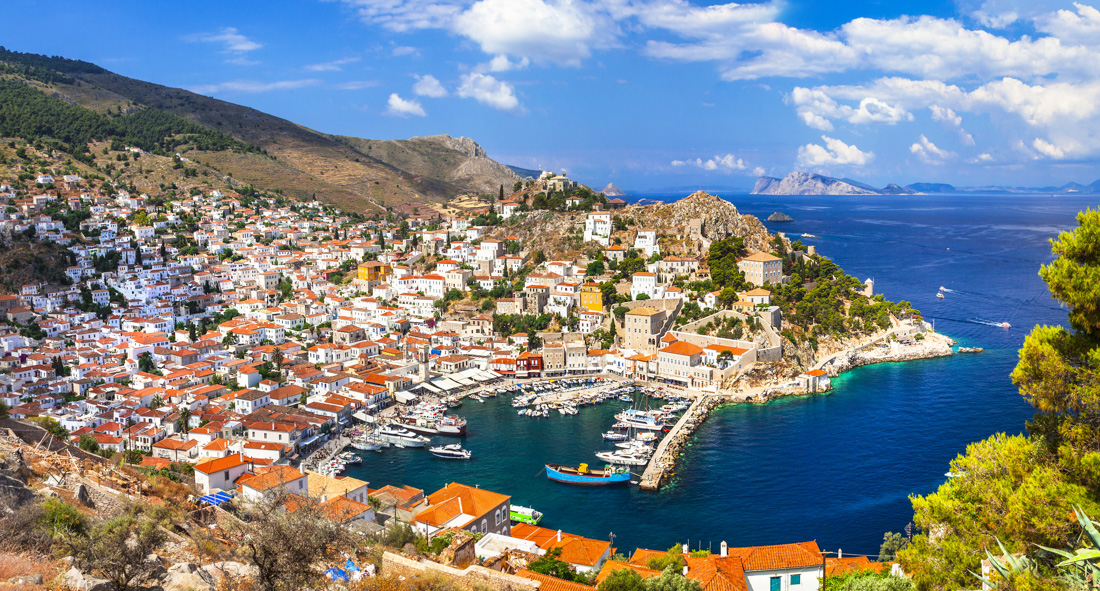 Hydra, Greece
 Greece and Norway both offer a nice selection of activities for visitors. In our opinion, Norway has more to see and do, so we recommend spending more time in Norway than Greece. However, 5-14 days is a good amount of time to spend in either destination.
Families should spend more time in Greece than Norway. Because of the many family-friendly attractions and fun things to do for kids in Greece, it's a great place to visit with the whole family.
Couples should spend more time in Norway than Greece. You'll find plenty of romantic sights and fun activities in Norway that are perfect for a weekend getaway or a longer couple's trip.
Backpackers and budget travelers should spend more time in Norway than Greece if your budget allows for it. With a larger number of budget-friendly sights, good nightlife, and active things to do, anyone traveling on a budget would have a good time in Norway.
Greece is a great place to explore. With so much to do, a weekend is probably not enough time to see everything. Your budget might influence how long you stay.
Norway is a great place to explore. With so much to do, a weekend is probably not enough time to see everything. Your budget might influence how long you stay.
It's hard to know how much time to spend in Greece. For many, it makes a great getaway for five days. Most people come for the beaches. With all of its activities, you can easily fill five days here. It has many unique tourist attractions and fascinating things to do.
It's hard to know how much time to spend in Norway. For many, it makes a great getaway for five days. Many travelers plan to spend time at the national parks on their trip. With all of its activities, you can easily fill five days here. It has many unique tourist attractions and fascinating things to do.
Many travelers enjoy the water sports, beaches, and museums when visiting the popular destination of Greece. This country offers a variety of activities to choose from. Many visitors spend time at the beach while visiting the area. If you have one week, this is a great place to go. This would be the perfect place to spend one week, as it has just the right amount of activities.
Many travelers enjoy the adventure travel, national parks, and history and culture when visiting the pristine destination of Norway. This country offers a variety of activities to choose from. Make sure you spend some time in the national parks, too. If you have one week, this is a great place to go. This would be the perfect place to spend one week, as it has just the right amount of activities.
Many travelers enjoy the water sports, beaches, and museums when visiting the beautiful destination of Greece. This country offers a variety of activities to choose from. Many visitors spend time at the beach while visiting the area. If you have two weeks, this is a great place to go. With all of its activities, you can easily fill two weeks here.
Many travelers enjoy the adventure travel, national parks, and history and culture when visiting the enchanting destination of Norway. This country offers a variety of activities to choose from. Many travelers plan to spend time hiking while in the area. If you have two weeks, this is a great place to go. With all of its activities, you can easily fill two weeks here.
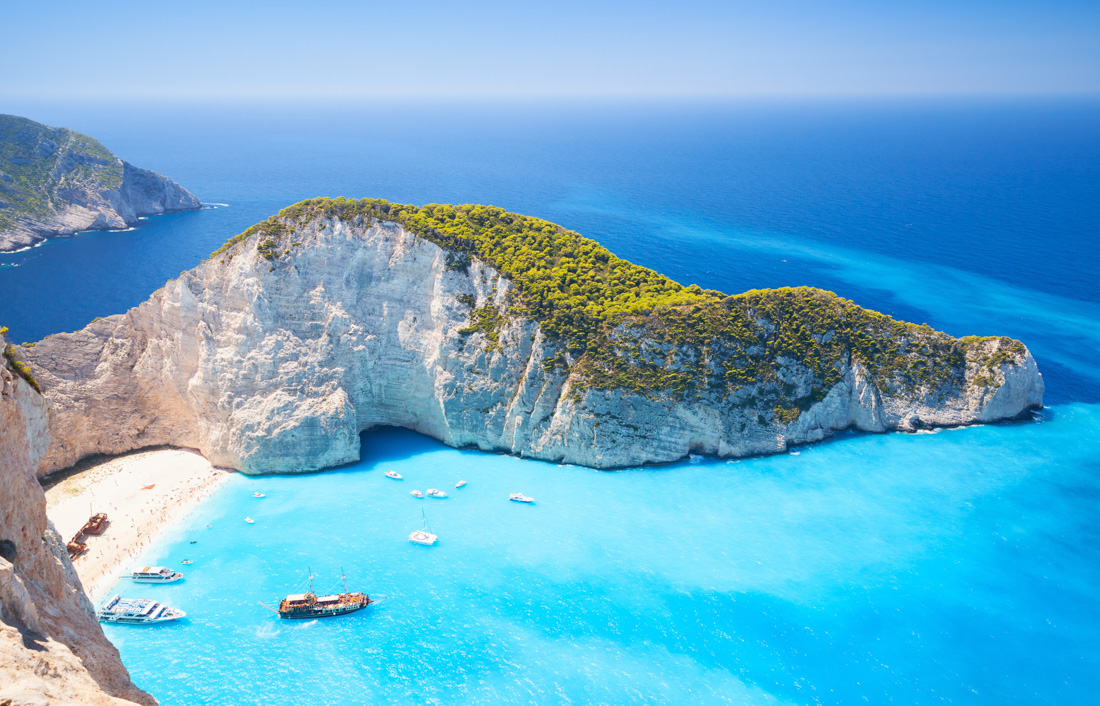 Zakynthos, Greece
 These are the overall average travel costs for the two destinations.
The average daily cost (per person) in Greece is €216, while the average daily cost in Norway is €118. These costs include accommodation (assuming double occupancy, so the traveler is sharing the room), food, transportation, and entertainment. While every person is different, these costs are an average of past travelers in each country. What follows is a categorical breakdown of travel costs for Greece and Norway in more detail.
Looking for a hotel in Greece or Norway? Prices vary by location, date, season, and the level of luxury. See below for options and compare which is best for your budget and travel style.
Kayak helps you find the best prices for hotels, flights, and rental cars for destinations around the world. Compare prices for multiple destinations when planning your next trip.
Some typical examples of transportation costs in Greece are as follows:
Some specific examples of transportation prices in Greece:
Some typical examples of transportation costs in Norway are as follows:
Some specific examples of transportation prices in Norway:
Prices for flights to both Norway and Greece change regularly based on dates and travel demand. We suggest you find the best prices for your next trip on Kayak, because you can compare the cost of flights across multiple airlines for your prefered dates.
Below are a few samples from actual travelers for food and meal costs in Greece:
Also, here are some specific examples of food and dining related activities in Greece.
Also, here are some specific examples of food and dining related activities in Norway.
Here are a few actual costs in Greece for available activities, ticket prices, and tours:
Here are a few actual costs in Norway for available activities, ticket prices, and tours:
Some specific costs for nightlife related activities in Greece:
Some specific costs for nightlife related activities in Norway:
When we compare the travel costs of actual travelers between Greece and Norway, we can see that Greece is more expensive. And not only is Norway much less expensive, but it is actually a significantly cheaper destination. So, traveling to Norway would let you spend less money overall. Or, you could decide to spend more money in Norway and be able to afford a more luxurious travel style by staying in nicer hotels, eating at more expensive restaurants, taking tours, and experiencing more activities. The same level of travel in Greece would naturally cost you much more money, so you would probably want to keep your budget a little tighter in Greece than you might in Norway.
Lillehammer, Norway Both destinations experience a temperate climate with four distinct seasons. And since both cities are in the northern hemisphere, summer is in July and winter is in January.
With warm temperatures most of the year, especially in the islands, it's no surprise that so many visitors come here for the weather. The summers are hot and dry, making for a great summer beach trip. Winters in the islands tend to be mild and wet. The northern mountain regions of the mainland can often see snow in the winters, but experience warm weather in summers. Even the spring and autumn see nice weather on the islands.
Both Norway and Greece are popular destinations to visit in the summer with plenty of activities. The summer months attract visitors to Greece because of the beaches, snorkeling, the hiking, and the family-friendly experiences. Also, the beaches, the hiking, and the family-friendly experiences are the main draw to Norway this time of year.
Athens is much warmer than Oslo in the summer. The daily temperature in Athens averages around 27°C (81°F) in July, and Oslo fluctuates around 18°C (64°F).
It's quite sunny in Oslo. The sun comes out a lot this time of the year in Athens. Athens usually receives more sunshine than Oslo during summer. Athens gets 357 hours of sunny skies, while Oslo receives 246 hours of full sun in the summer.
In July, Athens usually receives less rain than Oslo. Athens gets 6 mm (0.2 in) of rain, while Oslo receives 84 mm (3.3 in) of rain each month for the summer.
Both Norway and Greece during the autumn are popular places to visit. The hiking trails, the shopping scene, and the natural beauty of the area are the main draw to Greece this time of year. Also, many travelers come to Norway for the hiking trails, the shopping scene, and the natural beauty of the area.
In the autumn, Athens is much warmer than Oslo. Typically, the autumn temperatures in Athens in October average around 19°C (67°F), and Oslo averages at about 7°C (45°F).
It's quite sunny in Athens. In the autumn, Athens often gets more sunshine than Oslo. Athens gets 206 hours of sunny skies this time of year, while Oslo receives 86 hours of full sun.
Athens usually gets less rain in October than Oslo. Athens gets 48 mm (1.9 in) of rain, while Oslo receives 84 mm (3.3 in) of rain this time of the year.
The winter attracts plenty of travelers to both Greece and Norway. Many travelers come to Greece for the museums, the shopping scene, and the cuisine. Also, many visitors come to Norway in the winter for the skiing, the museums, the Christmas ambience, the shopping scene, and the cuisine.
Oslo can get quite cold in the winter. In January, Athens is generally much warmer than Oslo. Daily temperatures in Athens average around 10°C (51°F), and Oslo fluctuates around -4°C (25°F).
Athens usually receives more sunshine than Oslo during winter. Athens gets 143 hours of sunny skies, while Oslo receives 40 hours of full sun in the winter.
In January, Athens usually receives less rain than Oslo. Athens gets 45 mm (1.8 in) of rain, while Oslo receives 49 mm (1.9 in) of rain each month for the winter.
The spring brings many poeple to Greece as well as Norway. Many visitors come to Greece in the spring for the beaches and the natural beauty. Also, most visitors come to Norway for the beaches and the natural beauty during these months.
Athens is much warmer than Oslo in the spring. The daily temperature in Athens averages around 16°C (60°F) in April, and Oslo fluctuates around 6°C (42°F).
People are often attracted to the plentiful sunshine in Athens this time of the year. In the spring, Athens often gets more sunshine than Oslo. Athens gets 226 hours of sunny skies this time of year, while Oslo receives 178 hours of full sun.
Athens usually gets less rain in April than Oslo. Athens gets 25 mm (1 in) of rain, while Oslo receives 42 mm (1.7 in) of rain this time of the year.
| Athens | Oslo | |||
|---|---|---|---|---|
| Temp (°C) | Rain (mm) | Temp (°C) | Rain (mm) | |
| Jan | 10°C (51°F) | 45 mm (1.8 in) | -4°C (25°F) | 49 mm (1.9 in) |
| Feb | 11°C (51°F) | 48 mm (1.9 in) | -3°C (26°F) | 36 mm (1.4 in) |
| Mar | 12°C (54°F) | 44 mm (1.7 in) | 1°C (33°F) | 46 mm (1.8 in) |
| Apr | 16°C (60°F) | 25 mm (1 in) | 6°C (42°F) | 42 mm (1.7 in) |
| May | 20°C (68°F) | 14 mm (0.6 in) | 12°C (53°F) | 52 mm (2 in) |
| Jun | 24°C (76°F) | 6 mm (0.2 in) | 16°C (61°F) | 65 mm (2.6 in) |
| Jul | 27°C (81°F) | 6 mm (0.2 in) | 18°C (64°F) | 84 mm (3.3 in) |
| Aug | 27°C (81°F) | 8 mm (0.3 in) | 16°C (61°F) | 90 mm (3.5 in) |
| Sep | 24°C (76°F) | 10 mm (0.4 in) | 12°C (53°F) | 90 mm (3.5 in) |
| Oct | 19°C (67°F) | 48 mm (1.9 in) | 7°C (45°F) | 84 mm (3.3 in) |
| Nov | 16°C (60°F) | 51 mm (2 in) | 1°C (35°F) | 75 mm (3 in) |
| Dec | 12°C (54°F) | 66 mm (2.6 in) | -2°C (28°F) | 56 mm (2.2 in) |
 Budget Your Trip is all about finding out how much everything costs so that you can travel cheaper and longer. Created by avid travelers Laurie and Bryan, our goal is to help you plan your next trip on the right budget. With average daily travel costs that are calculated from the budgets of real travelers, plus an analysis of hotel and tour prices, you can find out how much money you need to plan your next adventure. We also have plenty of travel advice, accommodation reviews, and activity suggestions.
Some of the links on this website are sponsored or affiliate links which help to financially support this site. By clicking the link and making a purchase, we may receive a small commission, but this does not affect the price of your purchase.