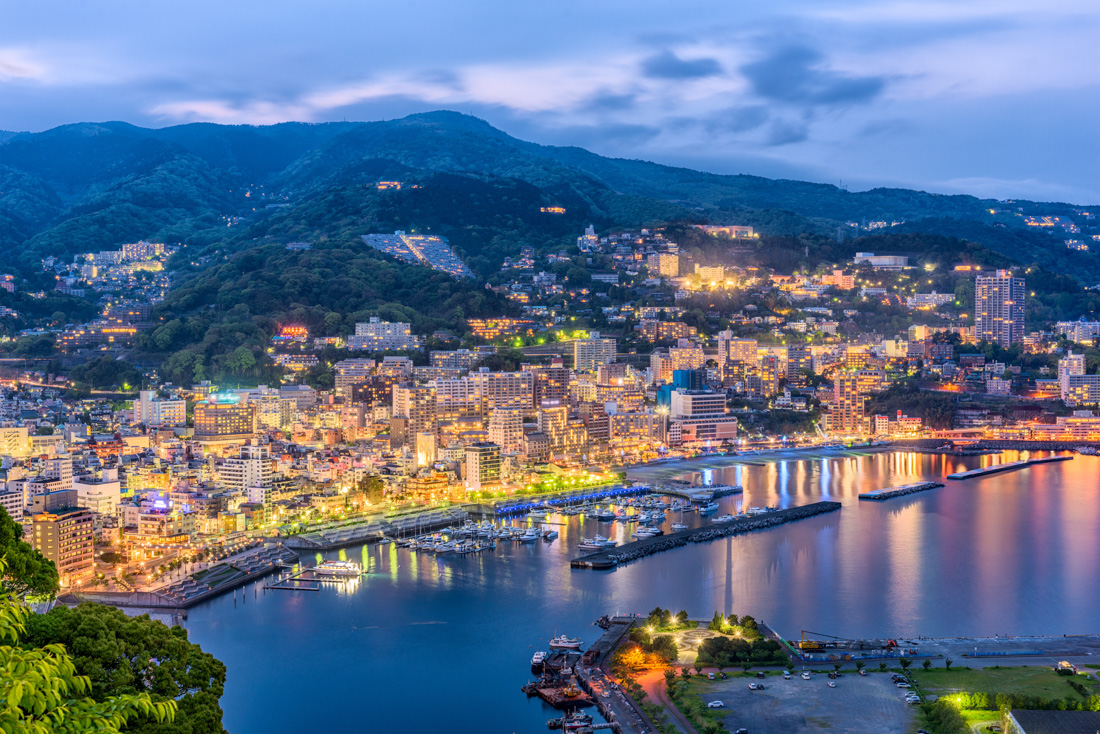
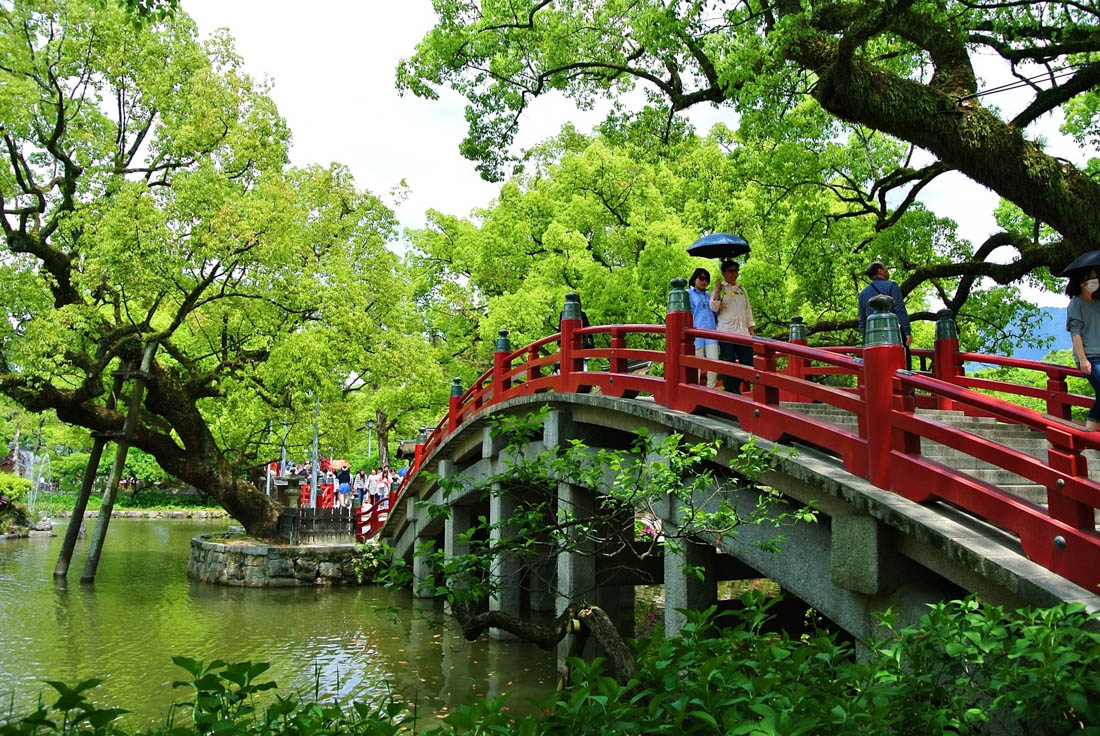
Japan is a large and diverse country known for Universal Studios Japan in Osaka, Churaumi Aquarium in Okinawa, and Miyajima Island in Hiroshima. To help plan your trip within your ideal budget, our travel cost guide has everything you need for your journey. With tips and prices for hotels, food, activities, and transit, this Japan trip budget calculator will help you enjoy every moment without worrying about your spending. So, whether you're exploring the energy of Tokyo, eating the delicious cuisine in Nagoya, or admiring the small town charm of Nikko, you'll be able to plan your perfect trip, all while staying within budget.
How much does it cost to travel to Japan?
A typical traveler spends $137 (¥21,750) per day on a trip to Japan. This is the average daily price for a vacation in Japan based on the expenses of other visitors.
Past travelers have spent, on average for one day:
- $47 (¥7,565) on meals
- $17 (¥2,726) on local transportation
- $112 (¥17,916) on hotels
A one-week trip to Japan for two people costs, on average, $1,911 (¥304,500). This includes accommodation, food, local transportation, and sightseeing.
All of these average travel prices have been collected from thousands of other travelers to help you plan your own travel budget.
Independent Travel
Traveling Independently has many benefits including affordabilty, freedom, flexibility, and the opportunity to control your own experiences.
All of the travel costs below are based on the experiences of other independent travelers.
Is Japan expensive to visit?
Japan is a moderately priced destination to visit. It's about average with most other countries for travel costs. The prices for food, accommodation, and transportation are all fairly reasonable.
Within Asia, Japan is moderately priced compared to the other countries. The overall cost of travel here is comparable to Taiwan or Macao.
In Japan, budget travelers spend $55 (¥8,592) per person per day on average, mid-range travelers spend $139 (¥21,750) per day, and luxury travelers spend around $351 (¥55,020) per day. These costs are calculated from the expenses of previous travelers to Japan.
Japan boasts a wide variety of attractions and accommodations, catering to visitors with different budgets and travel styles. Budget-conscious travelers will appreciate hostels in Tokyo, Osaka, and Kyoto, but there are also luxurious hotel options, plus mid-range stays perfect for families or couples.
Sure, Japan can cost a lot, but with smart choices like eating at less expensive restaurants, taking public transit, and enjoying free activities, you can stretch your budget further.
For more details, see Is Japan Expensive?
How much money do I need for a trip to Japan?
The average Japan trip cost is broken down by category here for independent travelers. All of these Japan travel prices are calculated from the budgets of real travelers. Also, you can see more details at How much does a trip to Japan cost?
Japan on a Budget
|
Category
|
Budget
|
Mid-Range
|
Luxury
|
Accommodation1
For 1 person in double occupancy
|
$23
(¥3,597)
|
$56
(¥8,958)
|
$137
(¥21,812)
|
|
Local Transportation1
|
$6.46
(¥1,029)
|
$17
(¥2,726)
|
$48
(¥7,591)
|
|
Food2
|
$19
(¥3,040)
|
$47
(¥7,565)
|
$115
(¥18,380)
|
|
Entertainment1
|
$6.44
(¥1,026)
|
$18
(¥2,905)
|
$57
(¥9,116)
|
|
Alcohol2
|
$3-8
(¥449-1,346)
|
$7-22
(¥1,173-3,520)
|
$20-60
(¥3,185-9,555)
|
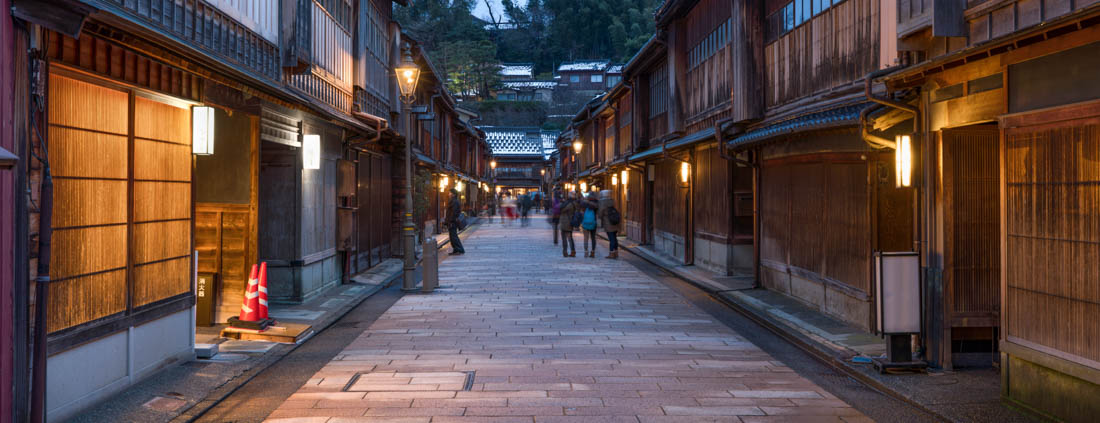 Kanazawa, Japan
Accommodation Budget in Japan
Japan has a wide range of accommodation prices, and it can be surprising how much prices fluctuate. Budget hotels can often be much cheaper than higher-end places, and during peak season, everything costs much more. For a better deal, try visiting in the low season, and book early to save money.
Calculated from travelers like you
The average price paid in Japan for two people for a typical double-occupancy hotel room is $112 (¥17,916). For one person sharing a room, the average price paid for a hotel room is $56 (¥8,958) per night. These costs are from the reported spending of actual travelers.
Looking for a hotel in Japan? Prices vary by location, date, season, and the level of luxury. See below for options.
Tokyo
There's a wide range of hotel prices in Tokyo. You can expect to spend anywhere from $25 to $170 depending on your budget and needs. Given that many visitors spend up to seven days, it's wise to choose a comfortable place in a convenient location for your exploration. Also, a great hotel option is Disney Ambassador Hotel that runs about $265 per night. You can expect to pay around $26 for a dorm bed if you decide to stay in a hostel.
Yokohama
As one of the less touristy places, Yokohama offers a variety of hotel options at a range of prices. You'll find typical hotel prices from $32 in the low season to $159 during the busy peak season. If you're looking for some good options, you should check out Yokohama Bay Hotel Tokyu for $123 and Hotel New Grand Yokohama starting at $84. If you stay in a hostel, you can expect to pay around $31 for a dorm bed.
Osaka
In Osaka, which is a big city, expect a fairly wide range of choices and prices for accommodation. Hotel prices here can range from $21 in the low season to $170 during the peak season. Osaka Marriott Miyako Hotel ($201) is one of the best hotel options here, and Hotel Universal Port is also good, and starts at $60. You can expect to pay around $22 for a dorm bed if you decide to stay in a hostel. As many travelers typically stay for up to four days, ensure you find a cozy place in a good spot if you intend to explore for a while.
Local Transportation Budget in Japan
Calculated from travelers like you
-
On average, past travelers have spent $17 (¥2,726) per person, per day, on local transportation in Japan. The cost of a taxi ride or rideshare service (Uber/Lyft) in Japan is significantly more than public transportation.
-
Local Transportation1
Taxis, local buses, subway, etc.
$17
¥2,726
Japan offers an impressive train system that links you to almost every part of the country. The prices are quite reasonable, and the journeys are comfortable and quick. When the rail system doesn't cover your destination, you can count on long-distance and regional buses.
If your goal is to save money, then public transit is the most economical way to get around. Many locations have trustworthy public transit systems, with some of the best in Tokyo and Osaka. Additionally, many travelers prefer to walk around, allowing them to explore local neighborhoods and the culture. If you're a fan of walking, you'll find Tokyo and Kyoto particularly rewarding.
In major cities like Tokyo and Osaka, purchasing a multi-day pass can be advantageous if you intend to use public transit frequently. Depending on how often you ride, this can lead to significant savings over individual ticket purchases.
When visiting Tokyo, it's generally advisable to avoid driving due to the crowded conditions. Parking is frequently pricey, and traffic can be quite difficult. Instead of renting a car, you can save money by taking advantage of public transport or simply walking around.
When you have a car in one of the bigger cities, make sure to check with your hotel about their parking situation in advance. You might have to pay for parking at the hotel or in a nearby public garage. Sometimes, it's more economical to park your car a bit outside of town.
In Japan, trains are one of the fastest and most affordable means of transportation. Getting a Japan Rail Pass can save you money if you plan to stay for several days or more. Regional and nation-wide passes are available, usually for the number of days of your choice.
The numbers below highlight common transportation expenses in Japan, gathered from actual travelers. These prices give a good estimate of what you're likely to spend while getting around the city. However, your personal costs will depend on your travel style, since taxis and hired cars tend to be much pricier than public transportation.
Food Budget in Japan
Calculated from travelers like you
-
While restaurant and meal prices in Japan can vary significantly, the average cost of food in Japan is $47 (¥7,565) per day, per person, based on the spending habits of previous travelers.
-
Food2
Meals for one day
$47
¥7,565
When dining out, the average daily cost for food in Japan is about $48 (¥7565) per person. Previous travelers have typically spent from $19 to $117 per day. Generally, breakfast and lunch will cost less than dinner, but that will vary based on the type of restaurant and what you order.
Typical meal prices in Japan are as follows:
- Breakfast: $9 to $14
- Lunch: $7 to $24
- Dinner: $17 to $39
- Coffee: $4
- Fast Food or Street Food: $8
Japanese food combines rich flavors in unique ways. Many restaurants in Japan can vary dramatically from Japanese restaurants found in western countries. Sushi in particular is quite different in Japan. You can expect simpler sushi dishes that focus on quality ingredients instead of complex combinations. It's important to step outside of your comfort zone when you're sampling Japanese food and you'll likely be surprised by what you enjoy.
Tempura: This style of cooking involves battered and deep fried seafood or vegetables which are typically served with rice and a soy based dipping sauce. It's grown in popularity in western cultures as well so you are likely to find it on menus around the world.
Sashimi: Sashimi is thinly sliced raw meat served with a dipping sauce. While it's typically made from seafood and often associated with sushi, that is not always the case.
Gyoza: (recipe)This is a Japanese version of pork or vegetable filled dumplings that are either steamed or fried. They're often served as an appetizer with dinner and are available at most Japanese restaurants throughout the country.
Japan is a world-class destination for food lovers, and its cuisine is appreciated everywhere. A large number of visitors travel just to indulge in the local fare. Some of the best cities for culinary experiences are Tokyo, Osaka, and Nagoya.
Tokyo
Many visitors enjoy sampling the different restaurants in Tokyo. With an astonishing number of Michelin star restaurants, this is one of the most interesting and impressive food destinations in the world. Not all restaurants are high end though. You'll find plenty of cheap eateries that offer their own rewarding culinary experience. Must try local dishes include okonomiyaki, ramen, and of course, sushi.
Osaka
If you're a traveling foodie, you'll enjoy your time in Osaka. It's one of the top culinary cities in Japan, and you'll find both local and regional dishes throughout. Street food is famous here, but there are also award winning restaurants and small traditional venues. Sushi and sashimi is a favorite, and it's focused simple and high quality ingredients. You'll find some great sushi restaurants around Kuromon Ichiba Market. Another unique experience is to visit a conveyor belt sushi restaurant. Land lovers should try the Yakiniku and Horumon, which is Japanese barbecue. And, of course, there's the ramen. Don't miss the ramen!
Nagoya
Nagoya is one of the best culinary destinations in Japan. The city has a strong food culture that's referred to as Nagoya meshi. It's a popular destination for foodies to Japan, even though the city itself is often overlooked by tourists. The city's food uses a lot of local vegetables and its influenced by several international flavors. Important ingredients in the dishes include unagi (freshwater eel), Nagoya cochin (chicken), tamari (soy sauce), and mame miso.
Sapporo
One of the best culinary spots in Japan is Sapporo. The local cuisine focuses on the world class fishing in the area as well as the great agriculture. Pork is a common meat ingredient and many dishes include ramen, vegetables, or grilled seafood.
Kyoto
Make sure you don't miss the cuisine in Kyoto. The local cuisine is as beautiful as it is delicious. There is a long running history to many of the dishes, and the recipes are expertly prepared by world class chefs at many of the restaurants. You can enjoy everything from a tea ceremony to multi-course meals, referred to as kyo kaiseki.
In the larger cities such as Tokyo, Osaka, or Sapporo, you can save money if you eat at nicer restaurants during lunch instead of dinner. Many restaurants in the tourist areas or business centers offer lunch specials which are just smaller and cheaper versions of their dinner menus. You can sometimes get a full multi-course gourmet meal at a budget price if you look in the right places. Then, just eat a light meal at dinner.
If you're staying in a popular resort area, such as Yaeyama Islands, Okinawa, or Nagano, the resorts will sometimes offer a variety of food options, and it's important to know the details to understand the prices. Some resorts offer full board, which includes every meal, while some offer half board, which is only two meals. Others might have on-site restaurants that may or may not be included in the price. Also, drinks are sometimes included, but not always. Check with the resort beforehand so that you know which meals and drinks you might need to pay for.
If you're spending a week or more in Tokyo, Okinawa, or Yaeyama Islands, it's worth considering an apartment or vacation rental with a kitchen for families or groups. This way, you can cook meals with budget-friendly groceries instead of constantly dining out.
When dining out with children, look for eateries that have a childrens' menu. It can save you a lot of money since these meals are typically more affordable. Some restaurants might not show the kids' options on the menu, so don't hesitate to ask your waiter first.
Many hotels come with breakfast included in the price, but some add it as an extra fee. The quality and cost of breakfast can change depending on the hotel. Knowing what to expect can assist you in deciding whether the hotel buffet is a worthwhile expense or if a nearby bakery or café would be a better choice.
Make sure to carry a water bottle instead of buying drinks at every opportunity. It's also a great way to help the environment.
If you're planning to take a tour, make sure you know which meals are included beforehand. You might be on the hook to pay for some of the food yourself which can add to your budget.
If you're looking to experience the culinary culture in Japan, taking a food tour or cooking class is a terrific way to do it. After all, cuisine is one of the reasons why so many people visit. Some of the best food-related activities here include:
- Osaka Sake Tasting & Takoyaki Cooking Experience for $70 details
- Near Fushimiinari: Kyoto Home Cooking Class & Supermarket tour for $121 details
- Asakusa Classic Ramen & Crispy Gyoza Cooking Class for $126 details
- Yokohama Ramen Adventure near Tokyo: From Factory to Home Cooking for $160 details
Typical prices for food in Japan are listed below. These actual costs are from real travelers and can give you an idea of the food prices in Japan. However, your individual costs will vary based on your travel style, selected restaurants, and the items that you order.
Sightseeing and Activities Budget in Japan
Calculated from travelers like you
-
Sightseeing activities, entertainment, and entrance tickets in Japan typically cost an average of $18 (¥2,905) per person, per day based on the spending of previous travelers. This includes fees paid for admission tickets to museums and attractions, day tours, and other sightseeing expenses.
-
Entertainment1
Entrance tickets, shows, etc.
$18
¥2,905
Japan is a wonderful travel destination with many great places to explore. Some of the most popular attractions include Tokyo, Osaka, and Sapporo.
Tokyo
Tokyo is the high tech, ultramodern capital city of Japan. It's filled with neon lights and high reaching skyscrapers, but there are also many hidden temples and historic neighborhoods tucked away. You can spend your days wandering through green parks and your nights singing karaoke in one of the many bars around town.
Osaka
Osaka is an economic and commercial center in Japan that attracts tourists for its world class culinary scene and vibrant nightlife. The neon lights, high energy shopping areas, and high reaching skyscrapers make this a fascinating and fun Japanese city to experience.
Sapporo
Sapporo is the capital of Hokkaido, and it's a popular winter destination with skiing and other winter sports in the area. You'll also find many parks, viewpoints, and hot springs nearby. There are many places to explore outdoors, whatever the season.
Kyoto
Kyoto was once the capital of Japan, and today it is a beautiful historic city that is filled with temples and traditional neighborhoods. There are gardens and palaces as well as traditional shops and dining opportunities. The city is filled with culture and fascinating places to wander and explore.
Nagasaki
Nagasaki is set against a natural harbor and surrounded by hills. Many people associated the city with the nuclear attack during World War II. Today there is a moving memorial - the Peace Park - that is dedicated to those lost during the attack.
Some of the most picturesque locations in Japan include Kyoto, Fuji-Hakone-Izu National Park, and Okinawa. These incredibly beautiful destinations will create lasting memories, so don't forget to include them on your itinerary.
In Japan, you'll find countless beach getaways that draw crowds when the weather is nice. People come to unwind and enjoy the many fun activities. Among the top beaches are those around Okinawa, Yaeyama Islands, and Sendai.
Around the country, you'll find plenty of amazing hiking trails with breathtaking vistas, unspoiled beauty, and opportunities for healthy exercise. A few of the best areas for hiking are around Fuji-Hakone-Izu National Park, Okinawa, and Shiretoko National Park.
A nice way to explore destinations in Japan is with local tours that last just a few hours. This way you can see as much as possible in an efficient way with knowledgable guides. Prices vary by the type of activity or tour, the dates, and the size of the group. Here are a few of the highest rated tours by previous visitors:
- Samurai Training Experience KENDO in Osaka for $126 details
- Private Curated Tour | Get Tokyo’s Must Sees & Unique Insights for $144 details
- Akihabara Tailor-made Private Tour for Anime Fans for $128 details
- Kamakura Walking Tour - The City of Shogun for $35 details
Listed below are some typical prices for attractions, activities, and entry fees in Japan, sourced from actual travelers. These costs give you an idea of how much you might spend. However, your personal expenses will depend on the activities you choose, the museums or landmarks you visit, and how frequently you opt for free or low-cost options.
-
Osaka Aquarium (for 2)
¥4,600
Nightlife Budget in Japan
Calculated from travelers like you
-
The average person spends about $15 (¥2,347) on nightlife and alcoholic beverages in Japan per day. The more you spend on alcohol, the more fun you might be having despite your higher budget.
-
Alcohol2
Drinks for one day
$15
¥2,347
Japan is an extremely popular destination for nightlife, and visitors come from around the world to experience the epic nightlife scene. Some of the best nighlife destinations include Tokyo, Osaka, and Sapporo.
Tokyo
Nightlife in Tokyo is not to be missed. The professional urgency that you feel during the day morphs into a vibrant, laid back city at night. The neon lights turn on and locals head out to destress. There are karaoke bars, casual pubs, high energy nightclubs, and more. Popular areas for nightlife include Roppongi, Shibuya and Shinjuku.
Osaka
If partying is a priority while you're traveling, then you'll want to visit Osaka. The city really comes to life after the sun sets. The buildings light up and the energy is palpable. In addition to the many world class restaurants, there are countless bars, pubs and izakaya, which are Japanese-style bars. Beer is popular, with many internationally recognized brands available. The most popular nightlife area is Dotonbori, which is along the Dotonbori River.
Sapporo
Sapporo is one of the best nightlife destinations in Japan. The city's nightlife scene is laid back and mostly concentrated in the Susukino area. In particular, King Xmhu is famous for its party nights and wild decor.
Nagasaki
Visitors love the nightlife in Nagasaki. The best areas for nightlife are the Doza-machi and Shianbashi districts. Shinanbashi is filled with narrow alleys and its easy to get lost.
Nagano
The nightlife in Nagano is quite popular. The nightlife scene is varied, from local and intimate venues, to wild and crazy clubs. You'll find all styles and activities such that whatever you're looking for, the city likely won't disappoint.
Enjoying the nightlife is always fun, but if you cut down on alcohol, you'll see a noticeable difference in your travel costs.
Nightlife activities and tasting tours are popular in Japan. A few favorites from other travelers include:
- Private Tour: Tokyo's Oldest Sake Brewery and Riverside Walk for $239 details
- Tokyo: Shibuya Bar Crawl Tour -3 Drinks & Local Foods- for $102 details
- Nara Afternoon Sake Brewery Tour with an Expert Guide & Tastings for $108 details
- Tokyo Sake Terroir Journey – Guided by Sake Brewery Professional for $89 details
Listed below are typical prices for alcohol and nightlife in Japan, as reported by real travelers. These figures should give you an idea of what drinks cost. However, your actual expenses will depend on your nightlife activities and dining choices, how frequently you consume alcohol, and the quantity you order. If you're looking to save on your trip, reducing your alcohol consumption is one of the easiest ways to cut down on your budget.
Travel Costs Last Updated: Apr 29, 2026
Traveling in Japan
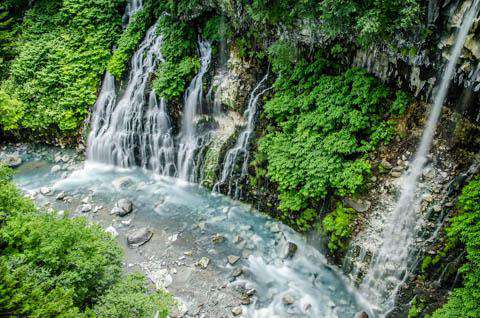 Hokkaido, Japan
Japan is a unique country to travel to because of the wonderful mix of culture, diversity, modern technology, old world character, and eastern charm. The modern comforts of home are always available, but its never surprising to find yourself in a confusing social or cultural situation. The colors, sights and sounds of Tokyo keep you filled with adrenaline late into the night, but if you wake up early in the morning you can find the character and charm of a city that is cloaked in history. It's easy to fill many days in Tokyo or elsewhere. Find a place for karaoke, dine on some udon noodles, wander through a park, or shop. The energy of Japan's cities truly keep you up all night. Allow yourself to step outside of your comfort zone. Make sure to soak up both this modern, technology driven country, but also get lost in the old alleyways of the old towns. Step into a shop and meet the old man selling teapots. Grab a snack from a street stall or enjoy conveyor belt sushi with businessmen at lunch.
Throughout the country you'll find places where modern technology is right next to old world charm. This is a technology driven economy, but it holds tight to traditional values. It manages to simultaneously embrace western influences, while remaining steadfastly isolated in its culture and customs. It's a unique and eyeopening country that still offers all the comforts of home.
Japan is an expensive country to visit in general, but there are some strategies you can use to save money. This is a great country to try couchsurfing. If you find a host who speaks English and is eager to show you around, you'll gain an insider's perspective on the country and be able to sample food at restaurants you may otherwise have missed.
Dining out can also be expensive, particularly in the larger cities. Lunch is usually the cheaper option, so if you can cook your own dinner and eat lunch out you'll be able to have the best of both worlds. Also remember, tipping is not a custom in Japan. Even if you plan to leave a few dollars, your waiter will likely be confused, or possibly even offended.
At A Glance
- Japan is recognized for its strikingly different culture from the west. If you do some research on this country's interesting customs before your trip, you will find your experience all the more enlightening. You will also better understand how to handle different situations as they arise.
- This is a complex country with a diverse and rich history. A great way to familiarize yourself with the region is to read any number of books on the country, fiction or nonfiction, before you begin your trip. You'll be able to see the people, customs, and cultures through different eyes, and your experience will be even more meaningful and memorable when you can put it in context.
- Japan is a great country for cyclists. If you're comfortable on a bicycle head to the countryside and find a good route. You'll pass through beautiful landscapes, picturesque towns, and meet some friendly people. It's a wonderful and unique way to experience the country. It will also help you cut down on transportation costs which can be quite high throughout Japan.
- Make sure you keep your passport on you at all times. Police can question you and will often fine you if you do not have it on you. Some first time offenders get off with just a warning. In particular, nightclub raids are common, so if you're going out for the evening, don't leave home without your passport.
- Public transportation in Japan is excellent but expensive. There are many different types of transportation passes that offer any number of ticket combinations and various discounts. Make sure you fully research and understand your options before you purchase a ticket. Some passes have stricter limitations than others so make sure you look into this before buying a pass.
Related
Looking for a
hostel in Japan? In search of a
party in Tokyo? Traveling alone to
Osaka or
Tokyo?
Top Tourist Attractions
Ginza District: This popular area is an upscale neighborhood in Tokyo that is a great place for shopping or night life. It's one of the flashier neighborhoods in Tokyo and has some high end shops and many excellent restaurants worth trying. It's a great area to enjoy a nice meal out.
Tokyo National Museum: This is one of the best and largest museums in Japan. You'll find it just inside Ueno Park, which is a pleasant place to explore as well. The museum has many items on display, many of which are famous pieces of art or objects from Asian archaeology.
Tokyo Imperial Palace: This is the main residence of the emperor of Japan. It is a fascinating and popular spot in Tokyo that reflects the areas history. It's located in the city's Chiyoda area near the Tokyo Station. It's surrounded by nice gardens and has several buildings including the main palace.
For even more information on this amazing country, see this article on how to plan a trip to Japan.
Realistic Expectations for Your Travel Budget
It's essential to have a grounded and realistic perspective on your budget. While many believe they can travel as "budget" travelers on a mere $55 a day like a backpacker, the reality is that most people struggle to enjoy that style of travel. Consider what makes you happy and how you've traveled before. Do you prefer the comfort of resorts, the convenience of vacation rentals, or the simple camaraderie of hostels? Is dining out a top priority for you? Do you plan to visit the major attractions? Your answers to these questions will certainly impact your overall travel budget.
The Truth on Budget Travel
People often say you can visit Japan for just $55 daily, but unless you're okay with sacrificing many comforts, be ready to shell out a lot more.
Backpackers can typically make that budget work, but it usually requires sleeping in dorm-style hostels, eating at the most affordable restaurants or fast food spots, taking public transit or walking, and sticking to free sights.
Thankfully, Japan offers a wide variety of hostels, with the largest selection found in Tokyo, Osaka, and Kyoto. In many places, the availability of efficient public transportation allows budget travelers to save money by avoiding expensive taxi or Uber rides. While everyone appreciates the delicious food in Japan, those on a budget often dine on street food or cook in their hostel. This could lead to missing out on some of the better culinary experiences.
So, are you average?
For families and couples traveling for fun, staying in a mid-range hotel, eating at popular restaurants, and visiting famous museums and attractions with entry fees is typical. Most visitors to Japan will want to visit Universal Studios Japan in Osaka, Churaumi Aquarium in Okinawa, or Miyajima Island in Hiroshima. As you can expect, most of these experiences come at a price, so it's safer to plan for a trip budget around $139 per person each day.
There are a wide range of hotels and vacation rentals in Japan. If you're traveling with others, you'll share your hotel with a partner, friend, or your children, so costs will be split accordingly, saving money. In places like Tokyo and Okinawa, which are particularly family-friendly, you'll find hotels and restaurants that cater to kids. Also, in Osaka, Osaka Marriott Miyako Hotel is a good kid-friendly option, and in Karuizawa, Hotel Wellies is also terrific. Shojuen in Minakami is a terrific romantic hotel for couples to enjoy their stay. You'll find more hotels that cater to families and couples in our hotel guide for Japan here.
Want to Escape the Daily Grind in Style?
For a lavish experience with the highest level of comfort and service, expect a price tag around $351. Booking five-star hotels, dining at top restaurants, splurging on once-in-a-lifetime excursions, and hiring private drivers will put you in the luxury travel tier. You'll be enjoying the good life in places like Yokohama and Tokyo. Or you could plan an multi-day adventure by booking a higher end tour such as 12 Days Summer Tokyo and Hokkaido Tour (private guide & driver) - offered by UME Travel Co. Ltd.
We've been gathering travel costs from tens of thousands of actual travelers since 2010, and we use the data to calculate average daily travel costs for destinations around the world. We also systematically analyze the prices of hotels, hostels, and tours from travel providers such as Kayak, HostelWorld, TourRadar, Viator, and others. This combination of expenses from actual travelers, combined with pricing data from major travel companies, gives us a uniqe insight into the overall cost of travel for thousands of cities in countries around the world. You can see more here: How it Works.