Which country is cheaper, France or Canada?
These are the overall average travel costs for the two destinations.

Which country should you visit? Read on to compare the activities as well as the prices of travel for Canada and France. We'll break down costs for accommodation, food, transportation and more to help you learn more about these two destinations. Then, you can figure out if either of these two places are accessible based on your travel budget, schedule, and interests. So, let's dig into it.
We'll start with a quick overview, and below we will go into all of the details.
| Canada | France | |
| Museums & Attractions |  |
|
| Culture & History | |
|
| Food | |
|
| Nightlife | |
|
| Beaches | |
|
| Skiing | |
|
| Hiking | |
|
| National Parks | |
|
| Wildlife | |
|
| Outdoor Activities | |
|
| Couples | |
|
| Backpackers | |
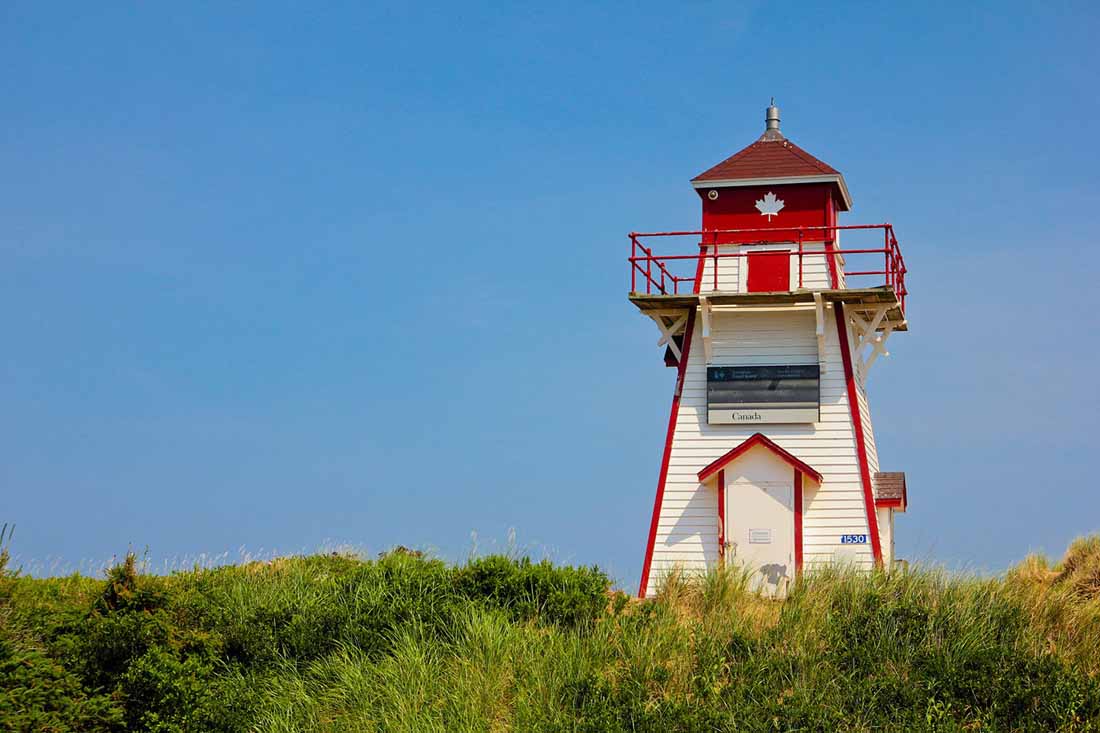 Along the northern shore of Prince Edward Island
 Canada is a vast, diverse, and welcoming country. The famous beauty of Canada is one of the main draws. It's also known for museums, wildlife, adventure travel, and national parks.
Canada captivates travelers with its vast and diverse landscapes, from the towering Rocky Mountains to the serene Great Lakes and lush coastal rainforests. Whether you’re chasing the Northern Lights in Yukon or exploring cosmopolitan hubs like Toronto and Vancouver, the country offers a rich blend of natural beauty and vibrant urban culture. Outdoor enthusiasts can ski world-class slopes, kayak pristine waters, or hike through national parks teeming with wildlife. Canada’s welcoming multiculturalism shines through its culinary scene, festivals, and historic sites, reflecting influences from Indigenous traditions to French and British heritage. Adventure meets comfort here, with first-rate accommodations and expertly maintained trails ensuring accessibility for all. Simply put, Canada is a must-visit destination for those seeking awe-inspiring scenery, diverse experiences, and warm hospitality.
 Le Mans, France
 France is a beautiful, cultural, and romantic country. The famous beauty of France is one of the main draws. It's also known for hiking, mountains, shopping, and museums.
France is actually the most visited country in the world, and it's easy to see why. Offering amazing food, deep history, beautiful coastlines, wine regions, world-class cities, and small villages, this amazing and diverse country offers something for everyone.
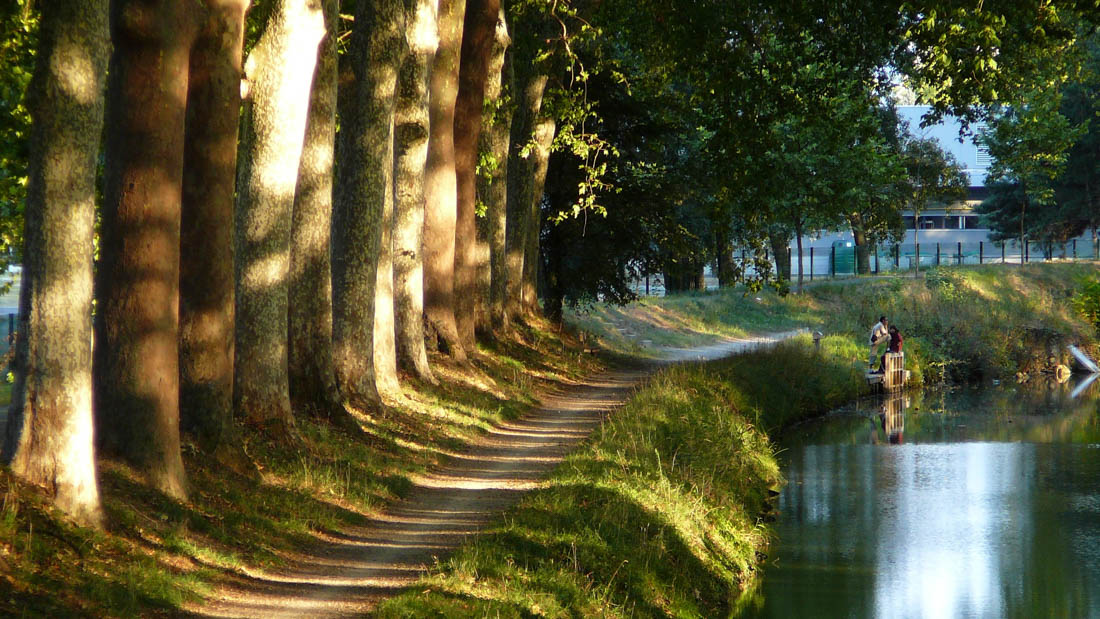 Toulouse, France
 Below we will examine the differences and similarities between Canada and France. With this information, you can decide for yourself which place is better for your next trip.
Interesting museums and landmarks can be found in both Canada and France, but many consider France to be a step above.
Visitors will find world class museums and historical sights in France that are not to be missed. Some of the world's best museums can be found in the major cities. The Louvre in Paris can't be missed, as it offers a huge collection of art, historical artifacts, and cultural items that would take several days to peruse. But it's only one of many museums in the city of lights, as it's also possible to see other major art exhibits around town. Additionally, other major cities offer plenty of museum options as well. Especially Lyon which has several marionette puppet museums, a cinema museum, and the large Musee de Confluences which focuses on humanity.
Paris: One of the most world famous landmarks is the Eiffel Tower. The city is also home to the world renowned Louvre, Notre-Dame, and Palais Garnier Opera House. In addition to the many iconic sights, there are beautiful buildings and hidden gems throughout the city.
Lyon: There are many world class museums and historic landmarks in the city including Musée des Beaux Arts, Musée de la Civilisation Gallo-Romaine, and Basilique Notre-Dame de Fourvière.
Avignon: The town is filled with historical landmarks such as Palais des Papes, Pont Saint Bénézet, Musée du Petit Palais, and Basilique Métropolitaine Notre-Dame des Doms.
Versailles: The palace is filled with history and impressive items relating to the royal family. Within and near the palace you should make sure you see the Gardens of Versailles, Grand Trianon, the Hall of Mirrors, and the Royal Opera of Versailles.
Arles: It's a small town but it's filled with Roman ruins and remarkable landmarks. Popular sights include L'Amphithéâtre Romain, Les Alyscamps, Cloître Saint-Trophime, and Théâtre Antique.
See also How to Skip the Line at the Eiffel Tower in Paris (Advance Tickets).
Canada offers a variety of museums and landmarks to choose from. Canada’s cultural landscape sparkles with world-class museums that attract travelers eager to dive into history, art, and innovation. In Toronto, the Royal Ontario Museum (ROM) stands out as a captivating gateway to natural history and global cultures, boasting impressive dinosaur fossils and exquisite artifacts from ancient civilizations. Meanwhile, Montreal’s Pointe-à-Callière Museum offers a unique archaeological journey beneath the city’s streets, uncovering Montréal’s origins through immersive multimedia exhibits. Over in Ottawa, the nation’s capital, the Canadian Museum of History not only showcases Canada’s rich heritage and Indigenous cultures but also mesmerizes visitors with its striking architecture overlooking the Ottawa River. Vancouver’s Museum of Anthropology at the University of British Columbia is another must-visit, famed for its vast collection of Pacific Northwest Indigenous art and totem poles, set against a breathtaking coastal panorama. These institutions aren’t just repositories of artifacts; they are dynamic storytelling spaces that illuminate Canada’s diverse identity and creative spirit, making them essential destinations for any cultural traveler.
Toronto: The city is filled with landmarks and museums such as the CN Tower and the Royal Ontario Museum. Ripley's Aquarium is a highlight for many visitors. It's near the CN Tower and has an underwater tunnel. The city is also filled with art galleries and cultural sights. Another must is a visit to Casa Loma and, of course, the Toronto Zoo.
Montreal: The city is filled with world-class museums and historic sites such as Notre-Dame Basilica, St. Joseph's Oratory, the Biosphere, and the Fine Arts Museum.
Vancouver: There are tons of museums and sights around town such as the Vancouver Aquarium, the Museum of Anthropology, the Museum of Vancouver, and Science World. Also make sure you take a walk over the Capilano Suspension Bridge.
Quebec City: Historic sites include La Citadelle de Québec and Quebec National Historic Site. There are many iconic buildings in town as well like the Parliament Building and Château Frontenac. Also make sure you visit the Musée de la Civilisation and the stunning Basilica of Sainte-Anne-de-Beaupré.
Overall France is considered to offer more history, cutlure, and arts to visitors than Canada.
France offers world-famous historcal and cultural sights and attractions. This is one of the main reasons why so many people come here every year. It's hard to find a country with more cultural and historical destinations. Starting with Paris, you'll find multiple museums, monuments, cathedrals, and other attractions that showcase the history and art of France as well as Europe as a whole. But Paris is not the only place, as other major cities such as Lyon and Marseille offer similar historical and artistic experiences in their museums, theatre productions, and architecture. Furthermore, even the small towns in the countryside have historic sights such as the numerous chateaus, castles, winery villages, and more.
Canada is a great destination for historical, cultural, and artistic sights and attractions. Canada’s rich tapestry of history and culture offers travelers a captivating journey through time and tradition, from Indigenous heritage to French and British colonial influences. Key destinations like Quebec City, with its UNESCO-listed Old Town, invite visitors to wander cobblestone streets lined with centuries-old architecture, vibrant festivals, and authentic cuisine that evoke New France’s enduring legacy. In Ottawa, the nation’s capital, the striking Parliament Hill and the renowned Canadian Museum of History provide immersive experiences into Canada’s political evolution and diverse peoples. Vancouver showcases a dynamic fusion of Indigenous art, contemporary galleries, and multicultural festivals, reflecting the country’s Pacific gateway identity. Popular cultural activities include attending powwows to witness Indigenous music and dance, exploring historic sites such as the Fortress of Louisbourg in Nova Scotia, and participating in Canada Day celebrations that encompass everything from folk music to traditional crafts. Together, these experiences reveal Canada’s complex cultural mosaic and invite travelers to connect deeply with its past and present.
France generally has more big cities and urban activities than Canada.
France has amazing and huge cities with tons of activities and things to do. With multiple large cities, anyone looking to explore museums, history, restaurants, and attractions will easily find it all in France. And Paris is just the beginning, as Lyon, Marseille, Toulouse, and others offer charming streets filled with art, architecture, museums, nightlife, and more.
Canada has some large cities, so you'll find plenty of things to do when visiting. Canada’s largest cities—Toronto, Montreal, Vancouver, Calgary, and Ottawa—each offer travelers a uniquely vibrant urban experience, making them excellent destinations for visitors seeking diverse cultural, culinary, and entertainment scenes. Toronto, Canada’s bustling financial hub, is a cosmopolitan playground known for its iconic CN Tower, sprawling waterfront, and eclectic neighborhoods like Kensington Market and Distillery District, where art galleries, boutiques, and lively street festivals abound. Montreal pulses with European charm, famed for its rich history, French flair, and dynamic arts scene; visitors flock to its cobblestone streets of Old Montreal, world-class jazz festivals, and the vibrant nightlife of the Plateau. Vancouver, perched between the Pacific and majestic mountains, draws travelers who appreciate a blend of urban sophistication and outdoor adventure—think sushi feasts in trendy Yaletown followed by sunset kayaking or mountain biking. Calgary serves as a gateway to the Rockies and lures visitors with its blend of western heritage, including the legendary Calgary Stampede, and a growing culinary scene featuring innovative Canadian cuisine. Ottawa, Canada’s capital, captivates with its stately Parliament Hill, world-class museums, and picturesque Rideau Canal, offering a more polished, cultural experience combined with seasonal activities like ice skating in winter. In all these cities, dining ranges from Michelin-starred establishments to casual fusion eateries reflecting Canada’s multicultural fabric, while nightlife spans from intimate jazz clubs and craft cocktail lounges to pulsating dance venues. The theater scenes thrive with everything from avant-garde productions to large-scale musicals, making Canada’s biggest urban centers vibrant playgrounds for travelers craving a mix of art, culture, and cosmopolitan energy.
France generally has a wider variety of smaller towns and villages than Canada.
You'll find plenty of local activities in all of the small towns and villages in France. Travelers could easily spend their entire trip in the small towns in the French countryside. Many of the most charming small towns are in the wine regions of Burgundy, Bordeaux, the Loire Valley, Provence, and others. Visitors to these towns will find historic architecture surrounded by beautiful agricultural landscapes along with delicious food and friendly locals. Some have their own history dating back centuries, too.
Canada is a country offering many small towns with plenty of activities. Canada’s most visited small towns embody the perfect blend of quaint charm, natural beauty, and rich cultural heritage, making them irresistible destinations for travelers seeking an authentic escape. Take Niagara-on-the-Lake in Ontario, where historic 19th-century architecture lines tree-shaded streets, vineyards stretch into the horizon, and award-winning wineries beckon wine enthusiasts. Or consider Canmore in Alberta, a mountain town nestled in the Rockies, offering breathtaking alpine vistas, cozy cafés, and an outdoor playground for hiking, skiing, and wildlife spotting. In the Maritimes, St. Andrews by-the-Sea in New Brunswick enchants visitors with its preserved colonial charm, colorful gardens, and serene waterfront views, perfect for whale watching and exploring boutique shops. These towns invite travelers to slow down and savor the small-town vibe, whether it’s wandering art galleries, indulging in farm-to-table cuisine, or immersing in local festivals. Ultimately, it’s the combination of stunning scenery, warm hospitality, and unique cultural experiences that make Canada’s small towns beloved travel gems.
France has a longer list of notable local restaurants than Canada.
Eat your way through France, as it has many local or world renowned restaurants to choose from. The food here is second to none. French food has earned its reputation over the centuries as being gourmet, elegant, delicious, diverse, and gluttonous. From the fine dining restaurants of Paris and Lyon to the farm-fresh cafes in the small towns, to the abundance of wine in Burgundy or Bordeaux, we promise that you won't go hungry. Every city is proud of the food they serve, and you'll find regional specials throughout the nation, too.
Paris: There are countless local restaurants, markets, and patisseries to explore. Make sure you try the steak tartare, pate, and macarons.
Marseille: It's famous for its bouillabaisse, which is a hearty seafood soup that was once affordable but is now quite pricey.
Lyon: Known as "the Gastronomic Capital of the World" this city stands above the rest when it comes to Michelin star restaurants (there are 17!), fresh ingredients, and unique local flavors. Favorite local dishes include pâté en croûte, rosette de Lyon, and saucisson brioché.
Toulouse: There are many unique regional recipes that make use of poultry, cold meats, and foie gras. Toulouse sausage, cassoulet, Poulet à la Toulousaine, and Foie gras d’oie are all popular local dishes.
Nice: The cuisine brings together fresh regional ingredients and mixes Provençal and Niçoise flavors. You'll find a lot of Italian influence as well. Fresh seafood is the thing to try while you're in town, but other local favorites include socca, Ratatouille, and Salade niçoise.
Canada has a delicious restaurant scene that relies on local flavors. Canada’s culinary landscape is a rich mosaic reflecting its vast geography and multicultural heritage. Typical Canadian cuisine features hearty, comforting dishes like poutine—golden fries smothered in cheese curds and rich gravy—a beloved Québécois creation that has become a national icon. Rye bread and peameal bacon sandwiches, butter tarts with their sweet, gooey centers, and Nanaimo bars from British Columbia further showcase regional specialties. Indigenous influences grace the table with ingredients like wild game, bannock bread, and maple syrup harvested from abundant sugar maples, symbolizing Canada’s deep connection to the land. While Canadian food may not enjoy the global fame of French or Japanese cuisine, it is widely respected for its wholesomeness, sustainability, and the skillful blending of traditional and immigrant flavors. Visitors often leave surprised and delighted, finding in Canada’s food scene a reflection of a welcoming, diverse nation where each dish tells a story of place and people.
Quebec City: The city offers a mix of Canadian favorites and French dishes with a local twist. Favorite dishes that you must try include tourtières, pâté chinois, pea soup, and fèves au lard. There are also many local desserts to sample. You'll find some of the best French Canadian cuisine in the Old Town.
Party-goers will usually choose France over Canada.
The people in France know how to have a good time. While Paris is the obvious choice for its bars, clubs, theatre, and shows, the rest of France offers plenty of nightlife, too. The other major cities each have their own vibe, especially along the southern coastal destinations of Marseille, Nice, and Biarritz where beach-goers turn towards nightclubs at sundown. Even some of the smaller cities in the wine regions offer then own nightlife experiences after a day of tastings.
Paris: Head to Pigalle or the Latin Quarter for some of the city's best nightlife. There are all-night parties, cabarets, and exclusive night clubs that you can experience.
Marseille: Much of the city's nightlife is centered around being outdoors. Whether you're on the beach or hanging out at a rooftop bar, Marseille is a magical place.
Nice: The city has some of the best nightlife on the Cote d'Azur. You'll find a number of nightclubs along the seaside as well a bars and pubs in the Old Town. Some of the best clubs are along Promenade des Anglais.
Saint-Tropez: It is a place to see and be seen, so if you're looking for A-list celebrities, glamourous yacht parties, and ritzy dance clubs, then this is your place. While the nightlife scene is filled with extravagance, there are still laid back clubs where you can sip a cocktail in style. The best season to come and party is during the summer months, but you'll still find plenty to do throughout the year.
See also Paris Party Hostels.
If you're looking for night time activities Canada has a few options to choose from. Canada’s nightlife pulses with an eclectic energy that mirrors its vast and diverse urban landscapes. In Toronto, the city that never really sleeps, you’ll find everything from sleek rooftop bars with panoramic skyline views to underground clubs spinning cutting-edge electronic beats in neighborhoods like Queen West and the Distillery District. Montreal, often hailed as Canada’s party capital, boasts a legendary nightlife scene fueled by its vibrant mix of jazz lounges, cozy speakeasies, and all-night dance clubs, particularly around the Plateau and Old Montreal areas. Vancouver’s nightlife takes on a more laid-back, yet sophisticated vibe, where craft cocktail bars, waterfront brewpubs, and live music venues in Gastown create the perfect backdrop for a night out backed by ocean breezes. Meanwhile, cities like Calgary and Ottawa offer a rapidly growing scene where trendy lounges and energetic pubs fuse local culture with a cosmopolitan flair. Whether you’re seeking chic lounges, pulsating clubs, or intimate music spots, Canada’s nightlife offers an exciting and diverse after-dark experience for every type of night owl.
Toronto: It's a diverse nightlife scene, with upscale lounges, dive bars, live music, and high energy nightclubs. Popular areas for nightlife include King Street, the Ossington Strip, College Street, and Kensington Market.
Montreal: The city's nightlife scene is centered around its live music scene, which is excellent. There are also many bars and clubs, as well as a young population that keep evenings lively.
See also Backpacker Party Hostels in Montreal, and Best Hostels in Vancouver.
There are great resorts to choose from in both Canada and France.
Canada has a handful of resorts to choose from. Canada’s vast and varied landscape offers an impressive array of resort options, each with its own unique appeal and suite of activities that draw travelers year-round. In British Columbia, the world-class resorts of Whistler Blackcomb captivate winter sports enthusiasts with their legendary ski slopes and vibrant après-ski culture, while the summer months invite mountain biking and alpine hiking against stunning coastal backdrops. Moving east, the breathtaking Laurentians in Quebec charm visitors with their quintessentially Canadian mix of quaint villages, serene lakes, and cozy ski chalets, making it a favorite for skating, snowshoeing, and maple syrup tours in winter, and kayaking or cycling in warmer seasons. For those seeking wilderness luxury, the Canadian Rockies’ Jasper and Banff National Parks offer resorts that double as gateways to jaw-dropping glaciers, wildlife viewing, and hot springs, blending adventure with indulgent spa experiences. Along the Atlantic coast, Nova Scotia’s resort areas combine rugged seaside beauty with fresh seafood cuisine and golf, especially in Cape Breton’s Highlands, where Celtic culture enriches the visitor experience. Whether you’re carving powder on snowy peaks, cruising tranquil lakes, or exploring vibrant cultural enclaves, Canada’s resorts are destinations where nature’s grandeur meets unparalleled hospitality, inviting every traveler to find their perfect escape.
With a selection of resorts, France makes a nice vacation spot. The beach areas on the southern and western coastline are home to numerous resorts, especially once you get away from the historic towns and move a bit further along the coast. Plenty more ski resorts can be found in the mountains, too, and are especially busy during the winter months. Numerous destinations in the interior of France also offer resort-like amenities, such as the options near Disneyland Paris or some of the historic castles which have been renovated into hotels.
Nice: The city has boutique hotels as well high end luxury resorts. Popular options include Hyatt Regency Nice Palais de la Méditerranée, Hôtel Suisse, and AC Hotel by Marriott.
Cannes: The city is filled with luxury resorts and elegant hotels. Among the best are Hôtel Martinez, Hôtel Barrière Le Majestic, and Five Seas Hotel.
Chamonix-Mont-Blanc: The region has 5 ski resorts (Grands Montets, Les Houches, Le Tour/Balme, La Flegere and Le Brevent), making it an excellent ski destination.
Saint-Tropez: Luxury and extravagance is what this resort town is all about. If you have the money to spend, you'll have no trouble finding a glamourous villa or luxury hotel where you can relax, party, or soak up the French Riviera sun.
France is generally considered to be a more popular shopping destination.
France is an extremely popular place for shoppers. Paris quickly comes to mind as one of the best shopping cities in the world, as it offers multiple neighborhoods each with their own vibe and personality. But other major cities, as well as the resort areas on the coast, showcase diverse and trendy boutiques where everyone can find something they like.
Paris: Some of the best areas for shopping are Boulevard Haussmann and the Grands Boulevards, the Marais, and Avenue Montaigne and the Champs-Elysées. The city is iconic for its fashion scene and world class shopping venues.
Lille: The city is filled with shopping opportunities. Almost any store you could want is in or around the old town and the two main shopping centers in town are McArthur Glen and A l'Usine. Also by the train station is a shopping mall.
Aix-en-Provence: It has some of the best shopping in France outside of Paris. There are many shopping streets where you can pick up trendy fashions or boutique local finds. Head to Rue Marius Reynard, Les Allées Provençales, or Rue Clemenceau for some of the best shopping.
Cannes: With its many affluent visitors, the shopping scene in town is filled with luxury brands and posh boutiques. Perfume and porcelain are both popular things to buy in the area.
Saint-Tropez: Surrounded by luxury, shopping is a must in this glamourous resort town. There are international luxury brands as well as local designer boutiques. Whether you're looking for yachting clothes, cigars, jewelry, or perfume, this is one of the best shopping destinations along the Cote d'Azur. Art is a particularly popular item to purchase while you're in town.
Shopping is a popular activity when visiting Canada. Canada offers a vibrant and diverse shopping scene that caters to every taste, from luxury boutiques to quirky local markets. In Toronto, the upscale Yorkville neighborhood is a magnet for fashion lovers seeking designer labels like Gucci and Prada, set amidst charming streets that blend historic elegance with contemporary flair. Meanwhile, Vancouver’s Robson Street entices shoppers with its lively mix of global brands, trendy boutiques, and flagship stores, all framed by stunning mountain views that make retail therapy feel like a scenic escape. For those craving a distinctly Canadian experience, Montreal’s Mile End district serves up an eclectic array of independent retailers, artisanal crafts, and vintage shops, reflecting the city’s rich cultural tapestry and creative pulse. What makes shopping in Canada truly special is this blend of cosmopolitan sophistication and local charm, where every purchase is also a story—whether it’s Inuit art from a northern gallery or handcrafted maple syrup from a farmers’ market. This dynamic retail landscape not only satisfies the shopaholic’s desires but also offers a meaningful connection to Canada’s unique heritage and contemporary lifestyle.
Toronto: Shopping is huge here, with plenty of options available that range from large malls to vintage stores or flea markets. Eaton Center on Yonge Street is a major shopping area. Yonge Street is also home to more than 600 retail stores.
Montreal: It's known for its fashion scene and there are many independent and local vendors around town. Bonsecours Market is both historic and fascinating, but also make sure you check out Mont-Royal Avenue, which is the main shopping and dining street in town.
Vancouver: The shopping is as diverse as the city itself. You can enjoy strolling through Chinatown, hitting up a public market, or wandering around a large shopping mall.
Quebec City: The Old Town has many local boutiques and artisan shops that are fun for browsing. There are many shopping streets in town like Petit-Champlain Street, Rue Saint-Joseph, and Avenue Cartier.
France is usually the more popular destination around Christmas.
Visitors come from all around to experience the Christmas activities in France. Plenty of cities and towns put up lights and trees with Christmas decorations, host festivals and shows, and organize festive markets. While larger cities such as Paris are always popular, smaller towns are equally as beautiful and visited. Strasbourg, Dijon, Reims, Tours, and Lille are just a few of the destinations which organize extravagant holiday celebrations for residents and visitors alike.
Paris: The city of lights really proves itself around the holiday season. In addition to checking out the Christmas lights, it's fun to go window shopping or check out one of the city's Christmas markets.
Christmas holiday activities are popular when visiting Canada.
While France and Canada both offer snow skiing, overall Canada has more to offer.
Canada is a top destination for snow skiing, and it attracts visitors from around the world.
Whistler: Whistler is the largest ski resort in North America. It covers a vast area that includes two peaks - Whistler and Blackcomb. The slopes are connected by lifts and gondolas and there are options for every level, from beginner to expert.
Banff: The town makes a great base for experiencing the three nearby ski resorts: Banff Sunshine, The Lake Louise Ski Resort, and Mt Norquay. You can purchase a SkiBig3 Lift Ticket and experience the area's best skiing. There's a long ski season and a stunning setting within the Canadian Rockies.
Visitors travel far to experience snow skiing in France. The French Alps are quite popular for skiing and snowboarding during the winter months. Some of of the more popular places include Chamonix, Tignes, Val-d'Isere, La Clusaz, and others nearby. Experienced skiers and snowboarders will be quite pleased with the amenities and variety of ski runs in this region of France, as the Alps are second to none when it comes to skiing.
Chamonix-Mont-Blanc: It is one of the most famous and best ski areas in the world. There are 5 ski resorts in the area (Grands Montets, Les Houches, Le Tour/Balme, La Flegere and Le Brevent) and many options for expert skiers. You can take the Aiguille du Midi cable car from the middle of town to the top of the 3840 meter peak.
Canada is generally considered to be a better destination for hiking.
Canada is well-known for its hiking and trekking.
Vancouver: The city is surrounded by water and mountains, making it one of the best hiking cities in the world. You don't have to go far to enjoy spectacular vistas, serene rainforests, and rugged coastline. The trails range from casual strolls to more strenuous day long hikes.
Whistler: During the warmer seasons there are miles of hiking trails that take you through both Whistler and Blackcomb Mountains. Many trails are accessible by gondola and you'll find great views and stunning vistas. Trails range from short family-friendly options to strenuous and adventurous routes.
Banff: The town is set within Banff National Park, and is surrounded by world class hiking. There are more than 1,000 miles of trails that wander alongside rivers, lead to waterfalls, or climb mountain peaks. You may also see local wildlife.
Jasper National Park: Hiking is a truly world class experience in this large park. There are miles of trails, both backcountry and more accessible, that allow access to the park's stunning beauty. Whether you're looking for a shorter family-friendly hike, or planning a multi-week backcountry adventure, this park has it all.
France is a good destination for hiking. A diverse set of hiking options is available for travelers here, as you'll find great trails from the Alps to the Pyrenees to the hills in the wine regions to the beautiful coastlines. In the summer months, the Alps and Pyrenees are especially welcoming to hikers, as these winter ski areas become warm and active with visitors. Also, when exploring the wine regions of Bordeaux, Burgundy, or the Loire Valley, don't forget to take a break from wine and history to admire the beautiful landscapes on foot.
Chamonix-Mont-Blanc: Filled with panoramic views and breathtaking natural scenes, the hiking is among the best in the world. Some of the best hikes in the area include Plan de l'Aiguille - Montenvers Train Mer de Glace, Aiguilles Rouges Nature Reserve Hiking, and any of the "Glacier Views" Hikes.
Canada is generally considered to have more national park destinations than France.
Canada has many famous and beautiful national parks that are very popular with tourists. Canada’s national parks are breathtaking wilderness sanctuaries that showcase the country’s vast and diverse natural beauty, making them a bucket-list destination for nature lovers and adventure seekers alike. Among the most iconic is Banff National Park in Alberta, renowned for its dramatic Rocky Mountain landscapes, turquoise glacial lakes like Lake Louise, and abundant wildlife including elk and bears. Just north of Banff, Jasper National Park offers a more tranquil experience with sprawling alpine meadows, the spectacular Athabasca Glacier, and some of the clearest night skies perfect for stargazing. On the west coast, Pacific Rim National Park Reserve in British Columbia captivates visitors with its rugged coastline, temperate rainforests, and surfing spots along Long Beach. Meanwhile, Gros Morne National Park in Newfoundland stands out for its unique geological features, including fjords carved by glaciers and earth’s mantle exposed in the Tablelands, a UNESCO World Heritage site. Each park reflects a distinct chapter of Canada’s natural heritage, inviting travelers to immerse themselves in pristine wilderness and experience the unforgettable grandeur of the great outdoors.
Visiting the national parks is a popular activity when in France. Visitors looking to escape to the wilderness can find plenty of parks to see, especially in the rugged mountainous regions. A few of the best include Pyrenees national park and Vanoise national park, both of which are known for their hiking and beautiful mountain scenery. Elsewhere in France, Le Perche natural regional park in Normandy and Armorique natural regional park in Brittany offer beautiful natural landscapes with a touch of history.
While France and Canada both offer adventure travel experiences, overall Canada is considered to have more options for visitors.
The adventure travel options in Canada attract many visitors. Canada is a veritable playground for adventure travelers, offering a vast and varied landscape where adrenaline meets awe-inspiring wilderness. For white-water rafting enthusiasts, the Kicking Horse River in British Columbia delivers heart-pounding rapids framed by rugged mountain scenery, while Ontario’s Ottawa River offers long stretches of thrilling Class III and IV waves perfect for both novices and seasoned paddlers. If you crave vertical challenges, the world-class rock climbing routes of Squamish, BC, provide everything from granite crack climbing to epic multi-pitch ascents against a backdrop of towering fjords. Winter transforms Canada into a powder paradise—Whistler Blackcomb in BC and Banff Sunshine Village in Alberta boast some of the best skiing and snowboarding in North America, with terrain that satisfies experts and newcomers alike. For those eager to explore Canadian wilderness on foot, the iconic West Coast Trail in British Columbia offers a rugged, multi-day hiking adventure through coastal rainforests, challenging ladders, and tide pools teeming with marine life. Meanwhile, the Yukon beckons with thrilling dog-sledding expeditions and helicopter tours across vast, pristine tundra. Whether you’re paddling through pristine lakes, tackling glaciers on guided ice climbs, or kayaking among orcas and humpbacks off Vancouver Island, Canada delivers adventure travel that’s as diverse as its landscape—undaunted, exciting, and endlessly memorable.
The adventure travel experiences in France are worth exploring, even if they are limited to certain areas. Across this diverse country, you can find plenty of adventurous activities if you're looking for a break from the history, wine, and food that brings in most travelers. Horseback riding, hiking, canyoning, rock climbing, rafting, and snow skiing are popular activities in the mountain regions, especially around the Alps in the east. Skydiving and bungee jumping are also popular in the countryside. Water sports, surfing, and kayaking are popular along the coastline as well.
While France and Canada both have beautiful mountain areas, overall Canada is considered to be better for visitors.
With world-famous mountain scenery, Canada attracts many visitors interested in both mountain scenery and outdoor activities.
France offers beautiful mountain scenery for visitors, and is one of the main attractions. The two main mountain ranges are the Alps in the southeast and the Pyrenees in the southwest. Furthermore, you'll find more hilly areas with great scenery along the southern coast and also near the German border on the east. While the Alps are the highest, the Pyrenees and other regions still offer plenty of amazing views as well as activities such as hiking, horseback riding, and adventure sports.
While Canada and France both have plenty of watersports, overall France is considered to be better for travelers seeking these activities.
France has some watersports activities that attract many visitors. With a very long stretch of coastline on both the Atlantic and Mediterranean, as well as a huge array of rivers and lakes, there's no shortage of watersports here. Surfing is popular along both coasts, and not just where the water is clear and blue. Snorkeling and scuba diving are popular, as is kayaking, canoeing, and boating on the ocean, sea, and rivers.
Canada offers some fun watersports activities and attractions for travelers who seek them out. Canada’s vast and diverse waterways make it a premier destination for watersports enthusiasts of all stripes, offering both adrenaline-pumping adventures and serene escapes. Kayaking and canoeing reign supreme, with iconic spots like Ontario’s Thousand Islands and British Columbia’s Great Bear Rainforest providing breathtaking backdrops where paddlers glide past towering cliffs, shimmering wildlife, and pristine forests. For thrill-seekers, white-water rafting on the Ottawa River or in Alberta’s Kananaskis Country delivers exhilarating rapids framed by rugged wilderness. Sailors and windsurfers flock to the refreshing breezes of the Atlantic provinces, particularly Nova Scotia’s picturesque Bras d’Or Lake or the sparkling waters off Vancouver Island. Dive enthusiasts can explore the crystal-clear lakes of Manitoba and Quebec, uncovering underwater treasures in surprisingly warm freshwater. Not to be missed is stand-up paddleboarding, which has surged in popularity along Vancouver’s False Creek and Montreal’s Lachine Canal, offering a peaceful yet invigorating way to connect with Canada’s vibrant urban waterfronts. Whether you crave heart-racing action or tranquil waterborne exploration, Canada’s water playgrounds promise unforgettable outdoor experiences shaped by the country’s stunning natural beauty.
While France and Canada both have plenty of outdoor activities, overall Canada is considered to be better for travelers seeking outdoor adventures.
Canada is famous for its exciting and adventurous outdoor activities. Canada’s vast and diverse landscapes make it a paradise for outdoor enthusiasts, offering some of the world’s most iconic adventures. From the towering peaks of the Canadian Rockies in Alberta and British Columbia to the rugged coastline of Newfoundland and the serene lakes of Ontario, outdoor activities abound. Hiking through Banff and Jasper National Parks unveils pristine turquoise lakes, glaciers, and abundant wildlife, creating unforgettable alpine experiences. In winter, the country transforms into a snow-covered playground where skiing and snowboarding flourish in Whistler Blackcomb and Mont Tremblant, boasting world-class slopes and powder. For water lovers, canoeing and kayaking in places like Algonquin Park or the tranquil waterways of the Yukon provide intimate encounters with untamed nature. Meanwhile, Nova Scotia’s Cabot Trail offers exhilarating cycling routes with breathtaking ocean vistas. Whether you’re dog sledding under the northern lights in Yukon or whale watching off the coast of British Columbia, Canada promises outdoor adventures that blend rugged beauty with a profound sense of freedom and exploration.
See also Niagara Falls on a Budget: 5 Free Things to Do.
The outdoor activities and attractions of France are worth exploring. The countryside that normally draws a crowd to see the vineyards and castles also offers plenty of other activities for visitors. From hiking through the beautiful landscapes to horseback riding to rafting and kayaking, there's something for everyone here. Many of these activities are also kid-friendly, and it's easy to find a day tour or rent equipment on your own for whatever you choose.
Overall Canada is considered to be better for road trips, as it has more opportunities.
Canada is often synonomous with road trips because of the open roads, beautiful landscapes, and room to explore. Embarking on a road trip across Canada offers an unparalleled adventure through one of the world’s most vast and diverse landscapes, making it a bucket-list experience for travelers seeking both natural beauty and vibrant urban culture. Among the most popular routes is the iconic Trans-Canada Highway, stretching over 7,800 kilometers from the rocky shores of Victoria, British Columbia, to the charming maritime city of St. John’s, Newfoundland. Along the way, road trippers encounter breathtaking highlights like Banff and Jasper National Parks in Alberta, where turquoise lakes and towering peaks define the scenery; the cosmopolitan buzz of Toronto and Montreal; and the rugged coastal charm of Nova Scotia’s Cabot Trail. Another favorite is the Sea to Sky Highway in British Columbia, a shorter but equally spectacular drive that connects Vancouver with Whistler and Squamish, showcasing coastal rainforests, fjords, and mountain vistas. Taking a road trip through Canada is a unique blend of solitude and discovery—one minute you might be cruising vast open prairies dotted with buffalo, the next navigating vibrant city streets alive with cultural festivals. Most travelers prefer to embark on these journeys by car or campervan, allowing flexibility to pause at hidden gems, sample local cuisine, and truly immerse themselves in the diverse Canadian tapestry. Whether you’re chasing the Northern Lights in the Yukon or savoring fresh lobster on the East Coast, a Canadian road trip is a transformative way to experience the nation’s vastness and spirit.
See also Canadian Road Trip Ideas.
France is a very popular destination for those that love to take road trips. As the roads and highways here can take you anywhere fairly quickly, many visitors to France will hire a car and leave the major cities to venture into the countryside. The wine regions of Burgundy, the Loire Valley, Bordeaux, and Alsace are popular destinations, as you can see the vineyards, chateaus, castles, and historic towns intermixed with beautiful mountains, rivers, and the French countryside.
Both Canada and France are great family-friendly destinations.
With a huge array of activities for kids, Canada is very family-friendly. Canada stands out as a premier family-friendly destination, offering an extraordinary blend of natural wonders and engaging urban experiences that captivate visitors of all ages. From the awe-inspiring Niagara Falls, where kids can delight in boat rides on the Maid of the Mist or explore the Butterfly Conservatory, to Vancouver’s bustling Science World, packed with interactive exhibits designed to spark young imaginations. Families can also immerse themselves in the great outdoors at Banff National Park, where gentle hiking trails, wildlife spotting, and canoeing on crystal-clear lakes create unforgettable bonding moments. Not to be missed is Toronto’s Ripley’s Aquarium, featuring mesmerizing underwater tunnels that fascinate children while educating them about marine life. Across the country, Canada’s commitment to safety, cleanliness, and accessibility ensures parents can relax while their kids engage with culture, adventure, and history in some truly spectacular settings.
Niagara Falls: The views and setting are spectacular, and kids will love the boat tours or taking a ride on the Whirlpool Aero Car. There's also an indoor waterpark, a butterfly conservatory, and plenty of nature to explore.
Whistler: Kids will love the winter activities like skiing, dog sledding, and bobsledding. There's also an ice skating rink, climbing gym, and tons of kid-friendly restaurants.
See also The Best Airbnb Cabins and Condos for Families in Whistler.
As it has a large number of activities for kids, France is a very family-friendly destination. Plenty of activities for families and kids can be found in almost every corner of the country. The coastal areas in the south draw families for the beaches and resorts, while the mountains bring families for outdoor activities mixed with history and culture. The larger cities offer plenty of fun as well in the form of museums, theme parks, great food, and large parks.
Paris: Check out Jardin du Luxembourg, or one of the city's many playgrounds. Also grab a treat at one of the city's many patisseries. And of course, there's Disneyland Paris.
Saint-Tropez: With great beaches, several amusement parks, waterparks, and even Marineland, there are an endless supply of activities for kids. There's also a zoo and nature reserve for wildlife enthusiasts. For adventure lovers, there are a number of different watersports to try and if the weather isn't cooperating, there are a few good museums and other indoor activities as well.
France offers a wider variety of romantic activities for couples than Canada.
France is fantastic couple's destination with fun and romantic activities. So many destinations in this large country are perfect for couples looking to get away on a romantic trip, or even a honeymoon. Paris is the obvious choice, as the city of lights oozes romance with fine restaurants, historic architecture, theatre productions, and hidden alleyways. But other destinations are terrific for couples as well, such as the coast, the mountains, the wine regions, and the small towns.
Paris: A city filled with romance, you really can't find a more ideal destination for a European honeymoon or a couple's getaway.
Nice: The old town is filled with romance and charm. You can also take a walk along the Promenade Des Anglais or soak up the romantic countryside that surrounds the town.
Reims: This romantic area is perfect for couples who enjoy wine and history. There is beautiful architecture as well as wine tours and breathtaking hot air balloon rides. Visiting the Champagne Houses is a must for any couple visiting the area.
La Rochelle: This beautiful coastal town is seeped in history. There are beautiful squares, romantic parks, and cobblestone streets that you can wander down. It's also nice to take a coastal walk before grabbing dinner at a local seafood restaurant.
Cannes: It's grand hotels and luxury beach clubs make this a perfect romantic destination. There are world class restaurants, a vibrant nightlife scene, and many romantic spots around town that make for a memorable honeymoon or couple's getaway.
See also Hostels for Female Travellers and Couples in Paris.
Canada is a great country if you're traveling as a couple. Canada stands as an unparalleled romantic destination for couples seeking a blend of breathtaking natural beauty and intimate experiences. From the enchanting charm of Quebec City’s cobblestone streets, where horse-drawn carriages clip-clop beneath soft gaslamp light, to the majestic serenity of Banff National Park’s turquoise lakes framed by rugged Rocky Mountains, every corner invites love to blossom. Couples can embark on a private helicopter tour over the Niagara Falls, witnessing the thunderous cascade in a mist of togetherness, or indulge in a cozy winter retreat in a glass igloo under the Northern Lights in Yukon. Vineyards in the Okanagan Valley offer exquisite wine tastings paired with gourmet dinners, setting the perfect mood for honeymooners and lovers alike. Whether it’s a canoe paddle at dawn on Lake Louise or a candlelit dinner aboard a historic paddlewheel boat in Montreal, Canada’s diverse landscapes and vibrant culture create an unforgettable romantic tapestry for every couple’s journey.
Vancouver: Most of the activities take advantage of the beautiful outdoor setting. You can take a carriage ride in Stanley Park or visit the Sun Yat Sen Chinese Garden. Eat dim sum in Chinatown and then wander through the diverse neighborhood. End the day with a show at Orpheum Theater.
Quebec City: It's one of the most European city's in North America, and it's filled with romance. Couples can enjoy exploring the Old Town by carriage or taking a boat ride on the Saint Lawrence River. For a truly romantic evening, enjoy a French meal at the famous Fairmont Le Château Frontenac, but for many couples, simply exploring and soaking up the city's charm offers the simple romance that they're looking for.
Banff: It's a beautiful destination for a honeymoon or anniversary trip. There are countless hikes and stunning natural beauty. There are also spas, horseback riding, and many great restaurants.
See also The Best Airbnb Cabins and Condos for Couples in Whistler, and Hostels for Solo Travellers, Couples, and Groups in Toronto.
Most people consider Canada to be better for backpackers than France.
Backpackers come from all over to visit Canada. Canada stands out as a surprisingly budget-friendly destination for backpackers and younger travelers seeking epic adventures without breaking the bank. Across vibrant cities like Toronto, Vancouver, and Montreal, a burgeoning network of well-maintained hostels offers clean dorms and social common areas for as low as CAD $25-40 per night, making it easy to connect with fellow explorers. Beyond affordable lodging, budget-conscious adventurers can dive into a wealth of wallet-friendly activities: hike the breathtaking trails of Banff and Jasper National Parks, explore the historic neighborhoods of Quebec City on self-guided walking tours, or enjoy free outdoor festivals abundant during the summer months. Getting around is equally accessible—Canada’s extensive VIA Rail network often features discounted fares for youth under 25, while regional buses like Greyhound and Megabus provide inexpensive intercity travel. Plus, major cities boast reliable public transit systems, including day passes under CAD $10, ideal for navigating urban hotspots on a shoestring. With a blend of natural beauty, vibrant culture, and smart budgeting options, Canada proves that backpacking here is not only achievable but truly unforgettable.
Jasper National Park: Camping is the best way to experience the park in full. You'll be surrounded by nature, and if you're lucky, some wildlife might pass by as well.
See also Backpacker Party Hostels in Montreal, Hostels for Solo Travellers, Couples, and Groups in Toronto, and Best Hostels in Vancouver.
Plenty of budget travelers visit France. It's easy to find budget accommodation in most cities and towns, although the overall in this Western European country tend to be high. But the sheer diversity of sights and destinations means that budget travelers or backpackers can find low cost food, activities, and accommodations in most places around the country.
Paris: It's a big city, so it's easy to get lost in the chaos, but there are many hostels and other backpacker hangouts around town.
See also Cheap Activities and Tours in Lyon, France, The Best Hostels in Paris from $20, and Lyon's Best Hostels.
France provides more transportation options than Canada.
Public transit in France is top-notch. The French rail system is a terrific way to move around the country quickly and easily. Most small towns are connected to the larger cities by rail, and the larger cities are connected with high-speed rail, too. The airports are also modern and efficient, and offer connections to everywhere in the world. The roads are also great for driving, too.
See also How to Visit the Loire Valley from Paris.
Is it easy to travel around France?
While Canada offers some public transit options, it might not be your first choice. Canada’s vastness demands a diverse and well-connected transportation network, and travelers are spoiled for choice when it comes to getting around this immense country. For urban explorers, most major cities like Toronto, Vancouver, and Montreal boast extensive public transit systems including subways, buses, and light rail that make navigating bustling downtowns a breeze. Those craving scenic journeys should consider VIA Rail’s iconic train routes, such as the breathtaking Canadian line from Toronto to Vancouver, offering a relaxed way to absorb the country’s spectacular landscapes. Intercity bus services, including Greyhound and regional operators, serve many smaller towns and remote areas where rail options are sparse. For travelers keen on independence, driving offers unparalleled flexibility—Canada’s expansive highways like the Trans-Canada Highway connect coast to coast, though be mindful that some northern or rural regions have limited services and longer distances between fuel stops. Finally, for sheer speed and convenience, an extensive network of domestic flights links major hubs and remote communities alike, making flying often the most practical choice when covering Canada’s far-flung distances. While transportation infrastructure shines in populated corridors, adventurers venturing off the beaten path should prepare for limited transit options and plan accordingly.
Is it easy to travel around Canada?
Both Canada and France are very comfortable to travel around, and offer plenty of amenities for visitors.
Generally, Canada is considered to be a comfortable and luxurious place to visit. Traveling in Canada strikes a harmonious balance between modern comfort and a genuine, sometimes rugged charm that reflects the country’s vastness and diversity. For a typical traveler relying on public transit, major cities like Toronto, Vancouver, and Montreal offer highly efficient, clean, and user-friendly subway and bus systems, making urban exploration seamless and decidedly modern. However, beyond these metropolitan hubs, public transit options become sparse or non-existent, and journeys between smaller towns or natural landmarks often require renting a car or taking regional buses, which can vary in sophistication and frequency—so expect a bit of old-school adventuring here. Food-wise, Canadian cuisine is delightfully varied and accessible, from cosmopolitan eateries serving multicultural fare to iconic comfort foods like poutine and butter tarts; you’ll find no shortage of quality dining options in cities, while more remote areas offer hearty, locally sourced fare that’s a welcome fuel for exploration. Typical hotels range from international chains boasting modern amenities in urban centers to cozy lodges and inns in rural or wilderness areas that emphasize rustic charm over glitzy luxury, ensuring that whether you crave five-star comfort or a closer connection to Canada’s wild side, there’s accommodation to suit your travel style.
People often come to France because it is such a comfortable and luxurious destination. If you're looking to explore in comfort and luxury, then you'll have no trouble here. As the most visited country in the world, travelers will find a huge number of modern and luxurious hotels, along with great public transport, plenty of taxis and tour companies, and an amazing selection of restaurants and cafes. Even if you're traveling on a budget, the level of comfort and amenities in France is very high.
France usually has many more tourists than Canada.
France is often swarmed with visitors, so sometimes this might be a challenge. Since it's the most visited country in the world, no one should be surprised with the number of tourists around major sights and attractions, especially in the more popular areas. Paris, Lyon, the southern coastline, the wine regions, and the French Alps are all quite busy with tourists year-round. So, when visiting, you won't be alone. However, it's also not too hard to escape the crowds as this country is fairly large.
Canada has a reasonable number of visitors. Canada occupies a fascinating middle ground in the world of tourism—it’s neither overwhelmingly over-touristed nor entirely off the beaten path. While iconic spots like Niagara Falls, Banff National Park, and Vancouver’s Stanley Park certainly attract sizable crowds, especially in peak summer months, vast stretches of Canada’s immense wilderness offer a genuine escape from the typical tourist throngs. Unlike European capitals where landmarks can feel claustrophobic, Canada’s enormous scale diffuses visitors across diverse regions, from the rugged coastline of Newfoundland to the serene expanses of the Yukon. This means you can often experience world-class natural and cultural attractions without battling long lines or crowded viewpoints. In essence, Canada appeals to travelers who seek both bucket-list moments amid moderate bustle and authentic, less trodden adventures that feel truly off the map—making it a destination that’s touristy enough to be accessible yet wild enough to retain a refreshingly local vibe.
For some great organized tour ideas, see The Best Family-Friendly Tours to Canada, The Best Hiking & Trekking Tours in Canada, The Best One Week (7-Day) Tours in Canada, Tours for Outdoor and Nature Lovers in Canada, The Best Coach Bus Tours in Canada, The Best Adventure Tours to Canada, The Best Eco Tours in Canada, The Best Train & Rail Tours in Canada, The Best Sightseeing Tours in Canada, The Best Camping Tours in Canada, The Best Romantic Tours for Couples in Canada, The Best Northern Lights Tours in Canada, The Best Luxury Tours to Canada, The Best Tours for Seniors to Canada, The Best Contiki Tours to Canada, The Best G Adventures Tours to Canada, The Best 3-Day Tours from Vancouver, The Best One-Week (7-Day) Tours from Vancouver, The Best One-Week (7-Day) Tours from Toronto, The Best 2-Week Tours from Vancouver, The Best 2-Week Tours from Toronto, The Best 10-Day Tours from Vancouver, The Best Family-Friendly Tours to France, The Best Hiking & Trekking Tours in France, The Best Historical Tours in France, The Best 10-Day Tours in France, The Best One Week (7-Day) Tours in France, The Best 2-Week Tours in France, The Best River Cruises in France, The Best Bicycle Tours in France, Tours for Outdoor and Nature Lovers in France, The Best Coach Bus Tours in France, The Best Adventure Tours to France, The Best Sightseeing Tours in France, The Best Vineyard & Wine Tours in France, The Best Food and Culinary Tours in France, The Best Romantic Tours for Couples in France, The Best Luxury Tours to France, The Best Budget Tours to France, The Best Tours for Seniors to France, The Best Contiki Tours to France, The Best G Adventures Tours to France, The Best One-Week (7-Day) Tours from Paris, The Best 10-Day Tours from Paris, and The Best 2-Week Tours from Paris.
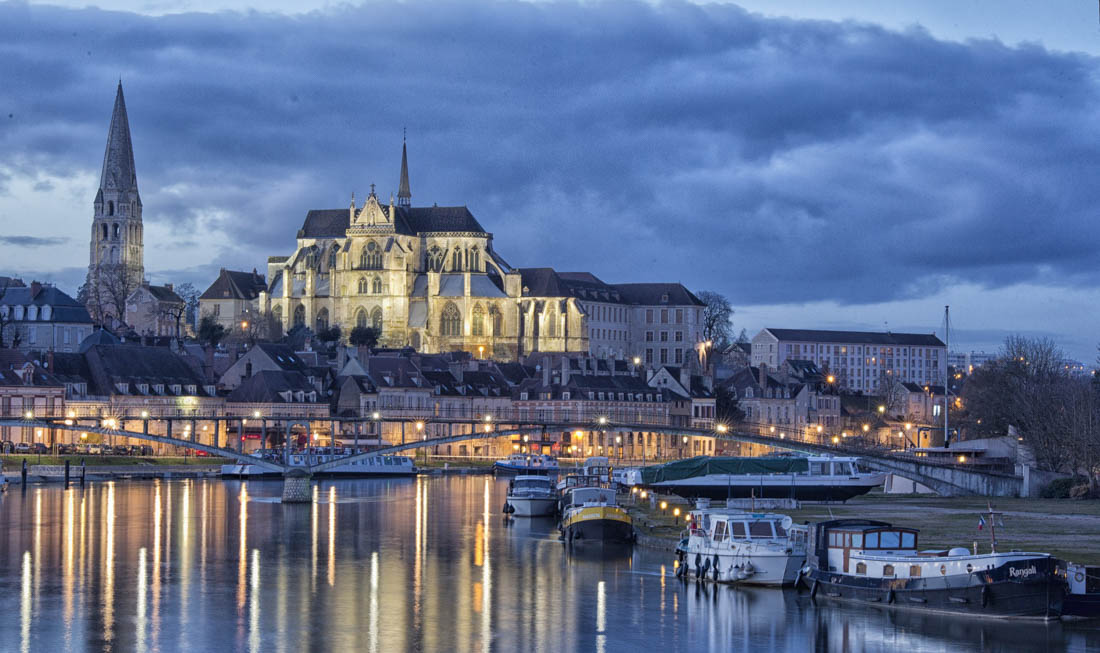 Auxerre, France
 In either Canada or France, you'll find plenty of activities to fill your time. Most visitors tend to spend more time in France than Canada because of the overall number of sights and activities. Usually, 3-14 days is a good amount of time for Canada, and 7-21 days is enough time in France.
Families should spend more time in France than Canada. Because of the many family-friendly attractions and fun things to do for kids in France, it's a great place to visit with the whole family.
Couples should spend more time in France than Canada. You'll find plenty of romantic sights and fun activities in France that are perfect for a weekend getaway or a longer couple's trip.
Backpackers and budget travelers should spend more time in Canada than France if your budget allows for it. With a larger number of budget-friendly sights, good nightlife, and active things to do, anyone traveling on a budget would have a good time in Canada.
Canada is a great place to explore. With so much to do, a weekend is probably not enough time to see everything. Your budget might influence how long you stay.
France is a great place to explore. With so much to do, a weekend is probably not enough time to see everything. Your budget might influence how long you stay.
It's hard to know how much time to spend in Canada. For many, it makes a great getaway for five days. Many travelers plan to spend time at the national parks on their trip. With all of its activities, you can easily fill five days here. It has many unique tourist attractions and fascinating things to do.
It's hard to know how much time to spend in France. Most people come for the beaches. With so much to do, five days is probably not enough time to see everything. It has many unique tourist attractions and fascinating things to do.
Many travelers enjoy the history and culture, skiing, and nightlife when visiting the vast destination of Canada. This country offers a variety of activities to choose from. Make sure you spend some time in the national parks, too. If you have one week, this is a great place to go. This would be the perfect place to spend one week, as it has just the right amount of activities.
Many travelers enjoy the theater, adventure travel, and national parks when visiting the prosperous destination of France. This country offers a variety of activities to choose from. Many visitors spend time at the beach while visiting the area. If you have one week, this is a great place to go. This would be the perfect place to spend one week, as it has just the right amount of activities.
Many travelers enjoy the history and culture, skiing, and nightlife when visiting the vast destination of Canada. This country offers a variety of activities to choose from. Many travelers plan to spend time hiking while in the area. If you have two weeks, this is a great place to go. With all of its activities, you can easily fill two weeks here.
Many travelers enjoy the theater, adventure travel, and national parks when visiting the historic destination of France. This country offers a variety of activities to choose from. Many visitors spend time at the beach while visiting the area. If you have two weeks, this is a great place to go. With all of its activities, you can easily fill two weeks here.
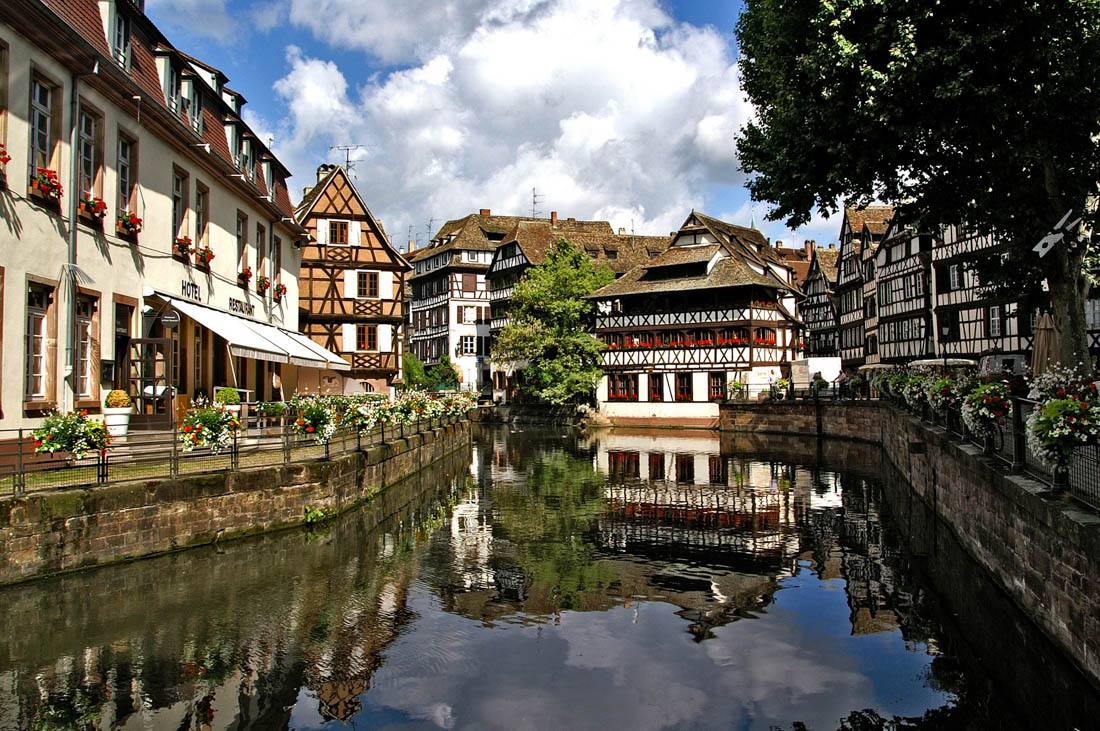 Strasbourg, France
 These are the overall average travel costs for the two destinations.
The average daily cost (per person) in Canada is $190, while the average daily cost in France is $297. These costs include accommodation (assuming double occupancy, so the traveler is sharing the room), food, transportation, and entertainment. While every person is different, these costs are an average of past travelers in each country. What follows is a categorical breakdown of travel costs for Canada and France in more detail.
Looking for a hotel in Canada or France? Prices vary by location, date, season, and the level of luxury. See below for options and compare which is best for your budget and travel style.
Kayak helps you find the best prices for hotels, flights, and rental cars for destinations around the world. Compare prices for multiple destinations when planning your next trip.
Some typical examples of transportation costs in Canada are as follows:
Some specific examples of transportation prices in Canada:
Some typical examples of transportation costs in France are as follows:
Some specific examples of transportation prices in France:
Prices for flights to both France and Canada change regularly based on dates and travel demand. We suggest you find the best prices for your next trip on Kayak, because you can compare the cost of flights across multiple airlines for your prefered dates.
Below are a few samples from actual travelers for food and meal costs in Canada:
Also, here are some specific examples of food and dining related activities in Canada.
Below are a few samples from actual travelers for food and meal costs in France:
Also, here are some specific examples of food and dining related activities in France.
Here are a few typical costs in Canada for activities, ticket prices, and tours that come from previous visitors:
Here are a few actual costs in Canada for available activities, ticket prices, and tours:
Here are a few typical costs in France for activities, ticket prices, and tours that come from previous visitors:
Here are a few actual costs in France for available activities, ticket prices, and tours:
Some typical examples of the costs for nightlife and alcohol in Canada are as follows:
Some specific costs for nightlife related activities in Canada:
Some typical examples of the costs for nightlife and alcohol in France are as follows:
Some specific costs for nightlife related activities in France:
When we compare the travel costs of actual travelers between Canada and France, we can see that France is more expensive. And not only is Canada much less expensive, but it is actually a significantly cheaper destination. Since Canada is in North America and France is in Europe, this is one of the main reasons why the costs are so different, as different regions of the world tend to have overall different travel costs. So, traveling to Canada would let you spend less money overall. Or, you could decide to spend more money in Canada and be able to afford a more luxurious travel style by staying in nicer hotels, eating at more expensive restaurants, taking tours, and experiencing more activities. The same level of travel in France would naturally cost you much more money, so you would probably want to keep your budget a little tighter in France than you might in Canada.
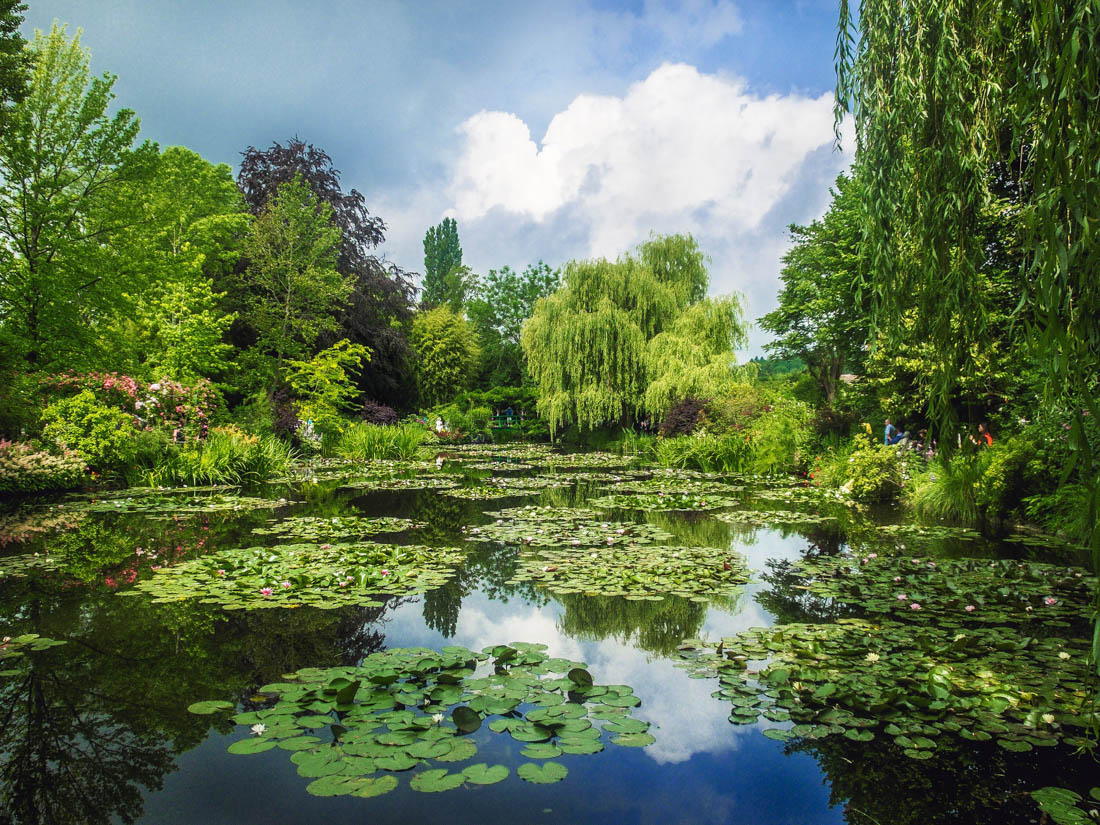 Giverny, France
 Both destinations experience a temperate climate with four distinct seasons. And since both cities are in the northern hemisphere, summer is in July and winter is in January.
The weather in France is fairly predictable, as it sees four seasons. Summers are warm all over, and winters can be cold, especially in the northern areas. The southern coastal areas are not quite as cold in the winter, but they can still be a bit chilly at times. The summer, fall, and spring tend to be the busier times for travelers to visit, with summer being the peak time of year for most of the country.
Both France and Canada are popular destinations to visit in the summer with plenty of activities. The summer months attract visitors to Canada because of the hiking and the family-friendly experiences. Also, the beaches, snorkeling, the hiking, the music scene, and the family-friendly experiences are the main draw to France this time of year.
Toronto is around the same temperature as Paris in the summer. The daily temperature in Toronto averages around 21°C (70°F) in July, and Paris fluctuates around 20°C (68°F).
It's quite sunny in Paris. The sun comes out a lot this time of the year in Toronto. Toronto usually receives more sunshine than Paris during summer. Toronto gets 281 hours of sunny skies, while Paris receives 241 hours of full sun in the summer.
In July, Toronto usually receives more rain than Paris. Toronto gets 69 mm (2.7 in) of rain, while Paris receives 58 mm (2.3 in) of rain each month for the summer.
Both France and Canada during the autumn are popular places to visit. The hiking trails, the shopping scene, and the natural beauty of the area are the main draw to Canada this time of year. Also, many travelers come to France for the hiking trails, the shopping scene, the music scene, and the natural beauty of the area.
In the autumn, Toronto is cooler than Paris. Typically, the autumn temperatures in Toronto in October average around 11°C (51°F), and Paris averages at about 13°C (56°F).
In the autumn, Toronto often gets more sunshine than Paris. Toronto gets 153 hours of sunny skies this time of year, while Paris receives 127 hours of full sun.
Toronto usually gets more rain in October than Paris. Toronto gets 61 mm (2.4 in) of rain, while Paris receives 55 mm (2.2 in) of rain this time of the year.
The winter attracts plenty of travelers to both Canada and France. Many travelers come to Canada for the skiing, the museums, the Christmas ambience, the shopping scene, and the cuisine. Also, many visitors come to France in the winter for the skiing, the museums, the Christmas ambience, the shopping scene, the theater shows, and the cuisine.
Paris can get quite cold in the winter. Be prepared for some very cold days in Toronto. In January, Toronto is generally much colder than Paris. Daily temperatures in Toronto average around -4°C (25°F), and Paris fluctuates around 5°C (40°F).
Toronto usually receives more sunshine than Paris during winter. Toronto gets 87 hours of sunny skies, while Paris receives 62 hours of full sun in the winter.
In January, Toronto usually receives around the same amount of rain as Paris. Toronto gets 52 mm (2 in) of rain, while Paris receives 55 mm (2.2 in) of rain each month for the winter.
The spring brings many poeple to Canada as well as France. Many visitors come to Canada in the spring for the natural beauty. Also, most visitors come to France for the beaches and the natural beauty during these months.
Toronto is much colder than Paris in the spring. The daily temperature in Toronto averages around 7°C (44°F) in April, and Paris fluctuates around 11°C (52°F).
In the spring, Toronto often gets around the same amount of sunshine as Paris. Toronto gets 179 hours of sunny skies this time of year, while Paris receives 172 hours of full sun.
Toronto usually gets more rain in April than Paris. Toronto gets 63 mm (2.5 in) of rain, while Paris receives 50 mm (1.9 in) of rain this time of the year.
| Toronto | Paris | |||
|---|---|---|---|---|
| Temp (°C) | Rain (mm) | Temp (°C) | Rain (mm) | |
| Jan | -4°C (25°F) | 52 mm (2 in) | 5°C (40°F) | 55 mm (2.2 in) |
| Feb | -4°C (26°F) | 48 mm (1.9 in) | 6°C (42°F) | 45 mm (1.8 in) |
| Mar | 1°C (34°F) | 60 mm (2.4 in) | 8°C (47°F) | 52 mm (2.1 in) |
| Apr | 7°C (44°F) | 63 mm (2.5 in) | 11°C (52°F) | 50 mm (1.9 in) |
| May | 12°C (54°F) | 67 mm (2.6 in) | 15°C (59°F) | 62 mm (2.4 in) |
| Jun | 18°C (64°F) | 68 mm (2.7 in) | 18°C (64°F) | 53 mm (2.1 in) |
| Jul | 21°C (70°F) | 69 mm (2.7 in) | 20°C (68°F) | 58 mm (2.3 in) |
| Aug | 21°C (69°F) | 81 mm (3.2 in) | 20°C (67°F) | 46 mm (1.8 in) |
| Sep | 17°C (62°F) | 75 mm (3 in) | 17°C (63°F) | 53 mm (2.1 in) |
| Oct | 11°C (51°F) | 61 mm (2.4 in) | 13°C (56°F) | 55 mm (2.2 in) |
| Nov | 5°C (41°F) | 70 mm (2.8 in) | 8°C (47°F) | 57 mm (2.2 in) |
| Dec | -1°C (30°F) | 75 mm (2.9 in) | 5°C (42°F) | 55 mm (2.2 in) |
 Budget Your Trip is all about finding out how much everything costs so that you can travel cheaper and longer. Created by avid travelers Laurie and Bryan, our goal is to help you plan your next trip on the right budget. With average daily travel costs that are calculated from the budgets of real travelers, plus an analysis of hotel and tour prices, you can find out how much money you need to plan your next adventure. We also have plenty of travel advice, accommodation reviews, and activity suggestions.

Some of the links on this website are sponsored or affiliate links which help to financially support this site. By clicking the link and making a purchase, we may receive a small commission, but this does not affect the price of your purchase.