Which country is cheaper, Liechtenstein or Spain?
These are the overall average travel costs for the two destinations.

Trying to figure out where to travel next? This travel comparison between Spain and Liechtenstein can help. It includes a travel cost comparison in addition to other factors. For many travelers, the cost of a destination is a primary consideration when choosing where to go.
We'll start with a quick overview, and below we will go into all of the details.
| Spain | Liechtenstein | |
| Museums & Attractions |  |
|
| Culture & History | |
|
| Food | |
|
| Nightlife | |
|
| Resorts | |
|
| Scuba Diving & Snorkeling | |
|
| Beaches | |
|
| Hiking | |
|
| National Parks | |
|
| Outdoor Activities | |
|
| Couples | |
|
| Backpackers | |
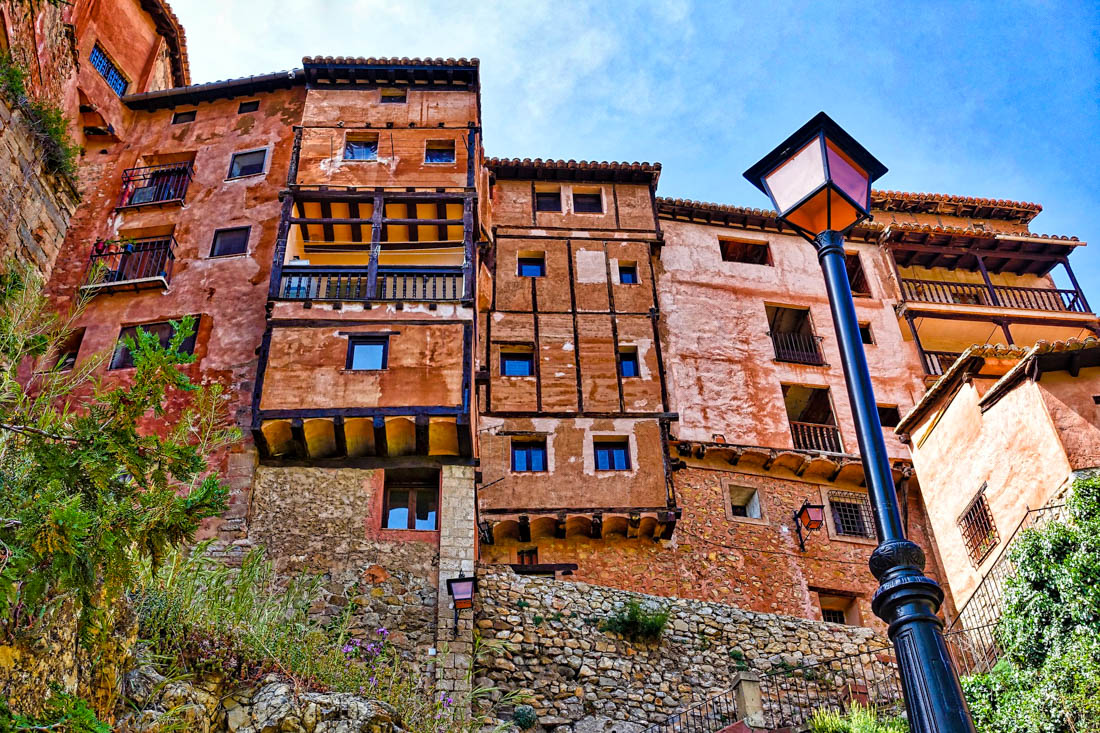 Aragon, Spain
 Spain is a friendly, diverse, and historic country. Spain is considered by many to be an absolutely beautiful destination, too. Visitors also love the nightlife, food, scuba diving and snorkeling, and water sports.
From the popular coastlines to the rugged interior, Spain is full of history, natural beauty, vibrant people, amazing cities, unique cuisines, and gorgeous views. While Madrid is the capital, it's by no means the main attraction of a country full of beaches, ancient castles, and cultural diversity. Barcelona is the hub of the Catalan region with its own unique culture, and the southern areas have a deep historic relationship with Moorish culture, too. Visitors will also find epic hikes, world-class food, vineyards and wineries, epic nightlife, famous art, natural wildlife, multiple coastlines, cultural dances and music, friendly smiles, and affordable prices.
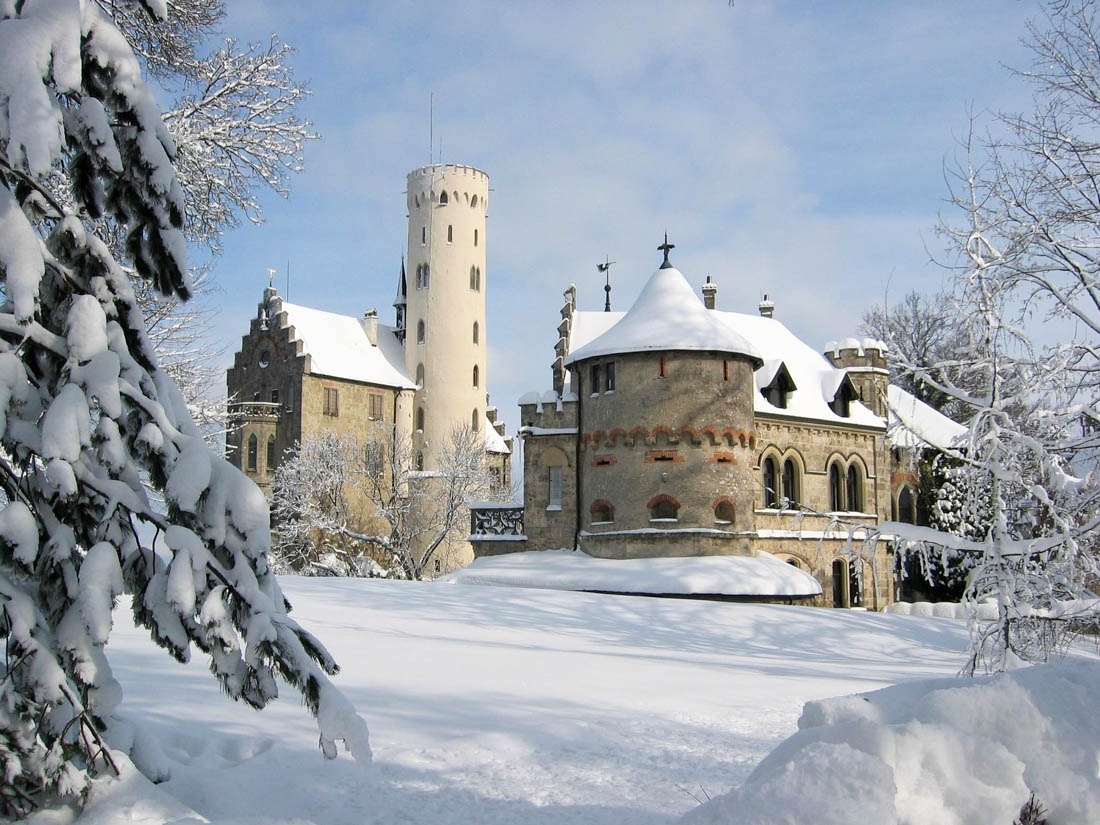 Liechtenstein
 Liechtenstein is a tranquil, regal, and charming country. With stunning beauty, Liechtenstein attracts visitors from all around. It's also popular because of the history and culture, food, hiking, and mountains.
Nestled snugly between Switzerland and Austria, Liechtenstein offers a tantalizing blend of Alpine serenity and regal history that beckons travelers seeking an off-the-beaten-path adventure. Dominated by rugged mountain peaks and lush valleys, this tiny principality stands as a haven for outdoor enthusiasts and culture aficionados alike. History buffs are drawn to its wealth of well-preserved castles, while art connoisseurs flock to the galleries in its charming capital, Vaduz. Visitors are often pleasantly surprised by Liechtenstein’s rich traditions and lively cultural scenes. With its picturesque landscapes, friendly locals, and central European charm, Liechtenstein is undeniably small in size but large in experiences.
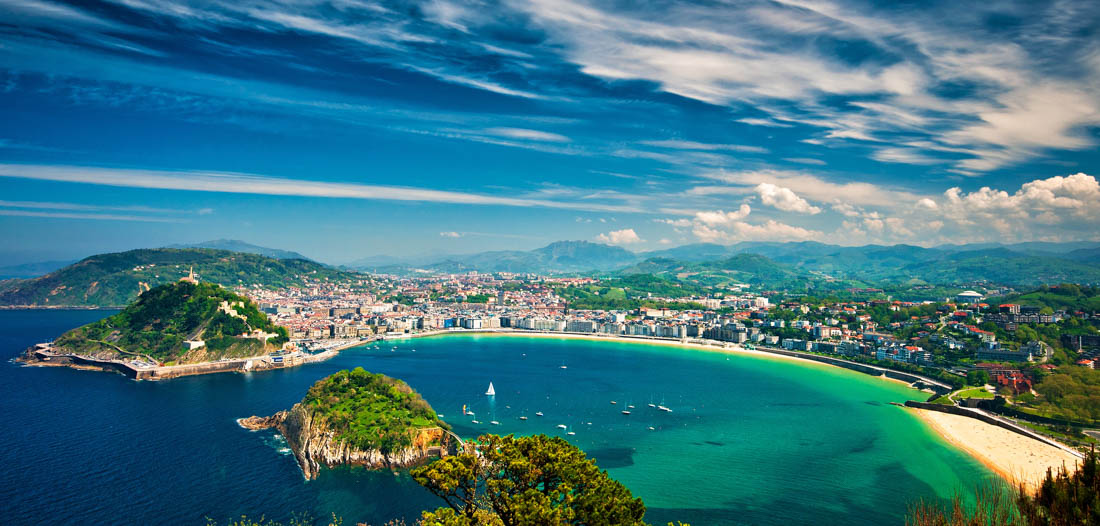 San Sebastian, Spain
 Below we will examine the differences and similarities between Spain and Liechtenstein. With this information, you can decide for yourself which place is better for your next trip.
People who enjoy wandering through museums and other attractions will appreciate a visit to Spain a bit more than Liechtenstein.
Many visitors head to Spain specifically to visit some of its top-rated museums and other sights. The major cities of Barcelona, Madrid, Seville, Granada, and others all have world-class museums that cover a variety of topics from history to art to science. Many of them are also family-friendly. In Barcelona, don't miss the Picasso museum dedicated to the famous artist. Casa Batllo is one of Gaudi's famous buildings and worth a tour along with Casa Vicens, too. MNAC is a great place to learn about the local Catalan art and history. And the Joan Miro museum is dedicated to the work and life of this famous artist. In Madrid, you can find plenty of historical places such as the Royal Palace and the National Archaeology Museum. If it's art you seek, make sure to visit the Prado, the Queen Sofia Arts Center, or the Thyssen-Bornemisza Museum, all of which have world-class art from Spain and Europe. In Valencia, kids will love the Oceanografic aquarium and the Bioparc zoo. In Seville, the Real Alcazar has fascinating architecture. and the Flemenco museum showcases Spain's most famous dance. This is just a small sample, as you'll find even more museums in Bilbao, Malaga, Granada, and other cities around the country, too.
Seville: This elegant city is filled with historic buildings and world famous architecture. From the iconic Catedral de Sevilla to the Real Alcázar and Plaza de España, there is an endless supply of world class sights around town.
Cordoba: The city is filled with monuments that reflect its past. The Great Mosque (La Mezquita) is one of the most iconic sights. You can also visit Alcázar de los Reyes Cristianos, Palacio de Viana, and Puente Romano.
Granada: Many visitors head to Granada specifically to visit the famed Alhambra. The palace and fortress complex will not disappoint. The gardens are beautifully maintained and the palace is filled with intricate details. It's easy to spend hours wandering around. In addition to The Alhambra, the Granada Cathedral is also impressive to visit. If you have kids or extra time to fill, head to Parque de las Ciencias, which is the city's Science Park.
Santiago de Compostela: The iconic Cathedral of Santiago has long attracted pilgrims and travelers from around Europe and the world. The spectacular sight includes a museum and the crypt and tomb of Saint James. Another interesting sight in town is the former hostel for pilgrims, the Hostal de los Reyes Católicos. Also make sure you visit Plaza del Obradoiro and the Galician Center of Contemporary Art.
See also Barcelona: The Ultimate Travel Planning Guide.
Liechtenstein is a good place to visit if you're interested in museums or other recognizable sights. Those interested in museums will find a few notable options that provide insights into the country's culture and history. The Liechtenstein National Museum in Vaduz offers a comprehensive look into the country's history and natural environment. Art lovers can also visit the Kunstmuseum Liechtenstein, which presents a variety of modern and contemporary art exhibitions, enhancing the cultural sightseeing experience.
Generally, Spain offers a larger array of history, arts, and cutlure for travelers than Liechtenstein.
Spain is an extremely popular destination for those that want to visit historical and cultural sights and attractions, as it offers plenty. The blending of cultures in this region of Europe along with the accessibility of historic sights and cultural traditions make this country an obvious place to visit for history lovers. A long period of Spain's history was influenced by the Moors from the south, and you can see it in the architecture, art, cuisine, and music. Furthermore, the Catalan region in the east has it's own cultural differences. The Roman empire also left its mark, as did visitors from the rest of Europe and northern Africa. Some of the best historic places to see in Spain include the Alhambra palace and fortress in Granada, the huge cathedrals of Seville, Barcelona, and Madrid, El Escorial palace outside of Madrid, Montserrat Monastery near Barcelona, amongst others. Some of the best historical sites are actually the smaller castles and fortresses that are left from the long conflict between the Spanish and Moors that dot the countryside in the southern regions. Furthermore, Spain has made unique contributions of music, theater, and culture to the world stage. Flamenco dancing and Paso Double are just two of the musical art forms that are worth seeing on a smaller, intimate stage during a visit. And don't miss the world-class cuisine, too.
See also Barcelona: Activities, Tickets, and Things to Do, Things to Do in Madrid, and Cheap Tours and Activities in Granada, Spain.
Liechtenstein is a very nice destination to visit for history and culture, as it has some sights worth visiting. With its rich history and unique culture, travelers can delve into fascinating stories of the past. Vaduz Castle, although not open to the public, serves as a symbol of the country's heritage and is visible from many points in the capital. The Liechtenstein National Museum offers insights into the region's history and traditions. Local festivals and events often celebrate the cultural richness, providing travelers with opportunities to engage with local traditions.
Spain is considered to have more smaller towns and villages than Liechtenstein.
Since Spain offers plenty of small towns and villages with a variety of activities, it attracts plenty of visitors, too. A few of the most popular small towns to visit include Ronda with its dramatic cliffs, Besalu and it's bridge and castle-like gate, Cudillero on the northern coast, and Morella with its castle. All around Spain visitors can find small towns that once contained fortified cities, fishing villages, monasteries, and more. Bunol, near Valencia, is the location of the famous annual tomato fight. And Pamplona is home to the running of the bulls every year. Benasque in the Pyrenees sits in a valley and offers plenty of outdoor activities. And don't miss the famous hanging houses of Cuenca. Frigiliana is full of white-washed Andalucian houses, along with other nearby towns worth visiting. Every region of Spain offers something unique and special, so make sure you add some of these places to your itinerary.
Liechtenstein is a very nice destination to see some small towns which are not to be missed. The small towns offer visitors a serene and scenic experience, perfect for those who enjoy a slower pace of life. Towns like Triesenberg and Balzers are known for their charming, postcard-perfect views and close-knit communities. Visitors can walk through the picturesque streets, admire traditional architecture, and take advantage of the local eateries and shops. The towns provide a unique insight into the country's culture and traditions, making them worthwhile stops on any itinerary.
For a nice culinary experience, head to Spain, which is well known for it's local dishes and restaurants.
Spain has a huge number of terrific restaurants. Tapas are perhaps the most famous Spanish culinary export. These small sharable dishes started as something to snack on while drinking, and have transformed into a style of meal all their own. Typical tapas dishes include potatoes, sausages, stewed meats, calamari, olives, cheese, and more. But tapas are not the only local foods you should try. Chirizo is a special type of smoked sausage, and jamón Iberico is a smoked ham with tons of flavor. Calamares (rings of squid) are also popular around the costal areas, and are cooked with a variety methods. Anchovies and other seafood are popular, too. Paella is also famous. The name comes from the wide pan that the rice dish is served in, usually with seafood or meat and a variety of spices for flavoring. Finally, while in Spain, taste the local olives, bread, cheese, and fruit as they are all usually fresh and delicious.
Madrid: The city has a mix of flavors that come from all of Spain. There are amazing markets where you can grab a meal or snack. There are also many high quality restaurants around town where you're guaranteed a good meal. Local favorites include roast suckling pig, Spanish omelette, and meat and chickpea stew.
Valencia: The city is famous as the birthplace of paella, which is one of Spain's most famous dishes. Beyond the paella, there are a number of other amazing traditional dishes. Fideuà is similar to paella but made with noodles instead of rice. All i pebre is an eel and potato dish and clóchinas are tiny local mussels. For dessert make sure you try the flan de calabaza, which is pumpkin flavored. Many restaurants also have tapas that can be shared. Restaurants in the old town are charming and delicious, but out by the beaches the quality isn't as good.
Bilbao: The food scene is among the best in Spain. The city has several world renowned restaurants, including a few Michelin-starred restaurants, but there are also smaller eateries that cater to the locals and tourists alike. Make sure you try the pintxos, which are small dishes that are the Basque region's answer to tapas. Many include seafood and are cooked with olive oil and garlic.
San Sebastian: It is a famed culinary capital of not just Spain, but the entire world. The city has many Michelin-starred restaurants where you can experience modern or traditional recipes prepared by world class chefs. There are also pintxo bars, food markets, and gourmet food shops, that sell local ingredients and dishes. Much of the cuisine includes seafood, but you'll also find a local twist on traditional tapas. Dining is a true experience in this town.
Almeria: The food is focused on local, fresh ingredients with many traditional recipes that have been passed down for centuries. Popular dishes change with the seasons because they rely so heavily on local produce. Particularly during the winter months you'll find hearty stews like patatas en ajopollo and gurullos con conejo, which is prepared with rabbit. Sardines are also popular year round.
See also Food and Dining in Madrid, Delicious Tapas Tours in Madrid, and The Best Cheap Food Tours in Madrid.
Liechtenstein offers number of good local restaurants to choose from. The culinary scene here provides a pleasant mix of traditional and modern European cuisine. Local specialties often include cheese and meat dishes, and dining out provides a chance to enjoy the friendly hospitality this country is known for. Vaduz and Schaan offer a variety of dining options, from quaint cafes to elegant restaurants serving Swiss and Austrian-inspired dishes. Foodies exploring the region will find the wine produced locally to be a flavorful companion to their meals.
For nightlife, head to Spain instead of Liechtenstein.
Spain has a lively atmosphere and nightlife is popular here. Barcelona, Madrid, Granada, Seville, Malaga, Valencia, and many other beach resort towns all have active nightlife scenes, each with their own personality. Barcelona is very popular with all types of bars and dance clubs for locals and travelers alike. Sidecar, Opium, and Pacha are some of the most popular places, and many more can be found in Raval, El Born, and the Gothic Quarter. In Madrid, check out Kapital, Barbara Ann, or Ochoymedio. Along the coast, the nightlife varies from family-friendly restaurants and theaters to more active dance clubs, pubs, and bars for singles and younger couples.
Barcelona: The city offers an amazing nightlife at a much more affordable price than many places in Europe. There are beach parties, boat parties, and bars that stay packed late into the night. The city also hosts many street fiestas and music festivals.
Valencia: Dinner starts late, so you can expect the nightlife to pick up even later. During the summer there are all night terrace parties and year round you'll find nightclubs filled from evening to dawn. If all night raves aren't really your thing, you'll also find plenty of local bars where you can hang out with friends in a more relaxed setting. The nightlife scene really is varied enough that there's something for everyone.
Malaga: The city has some of the most active nightlife in Europe. There are plenty of opportunities to party in Malaga and you'll find the most vibrant nightlife in the Centro Historico.
Palma de Mallorca: Head to Magaluf and Palma for the most popular places.
Marbella: European tourists flock to the town for its beaches and resorts. The town has a glamorous nightlife scene with exclusive clubs and ritzy cocktail bars, particularly in Puerto Banus and along the Golden Mile.
See also Barcelona Nightlife, The Best Nightlife in Madrid, and Party Hostels in Barcelona.
Liechtenstein is generally a quiet destination but there are options around. The nightlife scene tends to be quieter compared to larger European destinations. However, Vaduz and Schaan do have a selection of bars and restaurants where visitors can enjoy an evening out. The atmosphere is generally relaxed, perfect for those looking to unwind after a day of exploring. Occasionally, local events and festivals provide a more lively experience, bringing the community together.
Most people pick Spain for the hiking over Liechtenstein.
Many people visit Spain specifically for its hiking. The Camino de Santiago is Spain's most famous hiking route. Also known as the Way of St. James, this historic 500 mile-long pilgrimage route stretches across the entire width of Spain and also has numerous secondary paths. Hikers come from around the world to trek the entire length or just a small portion of the trail which ends at the cathedral in Santiago de Compostela in the northwest. Additionally, you'll find plenty of other hiking opportunities in the Pyrenees mountains, the various national parks, or even in the Canary islands or Mallorca. Also, the Caminito del Rey has amazing trails along cliffs near Malaga. From Barcelona, it's easy to reach the base of Montserrat, where you can hike up to the monastery instead of taking the cable car, or hike on the higher up trails as well. Sierra Nevada national park, near Granada, also offers plenty of hiking trails that are close to a major city. And in the Costa Brava region up the coast from Barcelona, even more gorgeous trails have great views of the landscapes and Mediterranean Sea. Generally, no matter where you visit in this country, you can find some great trails.
Santiago de Compostela: This small city is the culmination point for the famed Camino de Santiago. The 780 kilometer route is followed by pilgrims and travelers who seek enlightenment or adventure. Hikers travel both independently or as part of organized tours.
Tenerife: The island's volcanic landscapes mean that there are dramatic and breathtaking hikes throughout the island. Some of the best hikes are found in the Anaga Rural Park, Teide National Park, and the Teno Mountains.
Liechtenstein offers some nice hiking trails. The landscapes offer a variety of hiking experiences, with trails meandering through beautiful mountains and valleys. The Rätikon Alps are particularly popular among hiking enthusiasts, providing diverse routes suitable for all levels of expertise. Notable trails around Malbun allow hikers to take in panoramic views of the surrounding regions while enjoying the tranquil ambiance. This makes it a rewarding destination for those seeking exploration on foot.
Overall, Spain is considered to offer more adventure travel options and experiences to visitors.
Spain is a very popular place for adventure travel because of its abundant wildlife. From the mountains to the coastline, visitors can experience bungee jumping, mountain biking, paragliding, zip-lines, ropes courses, rock climbing, canyoning, whitewater rafting, and more. The coast also offers surfing, kite surfing, wind surfing, scuba diving, and boating. It's possible to find these activities all around the country, usually in the countryside not far from major cities.
Liechtenstein has some adventurous travel experiences that often attract visitors. Adventure seekers can find a variety of activities in this mountainous country. Hiking trails are plentiful and vary in difficulty, suitable for both novice and seasoned hikers. In the winter, the small yet appealing ski resorts in Malbun are perfect for skiing and snowboarding. The natural landscapes also allow for mountain biking and paragliding, providing thrilling experiences set against stunning alpine backdrops.
Both Spain and Liechtenstein have some great mountain areas to explore.
Visiting the mountains in Spain is a very popular activity. The Pyrenees are the largest mountain chain in the country, making a divide between Spain and France. Here you'll find epic views, hiking, camping, wildlife viewing, mountain biking, ski resorts, and more. Elsewhere in Spain you can find plenty of other mountains, as the inland is quite varied. The Sierra Nevada mountains in the south are some of the most beautiful, and are also easily accessible. Across northern Andalusia, you can find even more mountains north of Seville and Cordoba, with several national parks and wilderness areas. In all of these places you'll find natural beauty, wildlife, horseback riding, hiking, camping, and even paragliding. And don't miss the Canary Islands, where you'll find even more great activities. Tenerife is the largest island and offers gorgeous mountain views, native wildlife, and an exotic, tropical atmosphere. Spain absolutely has some gorgeous mountains worth visiting.
Liechtenstein has some beautiful mountain areas that attract visitors. This country offers plenty for mountain lovers, with the scenic Alps providing a striking backdrop. The Malbun region is particularly famous for its mountain vistas and is perfect for activities like hiking and skiing. The dramatic peaks and serene valleys create a picture-perfect setting for photography and outdoor exploration, ensuring a memorable mountain experience.
Overall, Spain is considered to offer more outdoor activities and attractions to visitors.
Spain is a popular place to visit because of its outdoor activities. Popular outdoor activities here include camping, hiking, horseback riding, rock climbing, mountain biking, and more. Canyoning is popular, especially in the Pyrenees. The Sierra de Guara is one of the most popular spots for this, located outside of Zaragoza. Or, try rock climbing in Andalucía where you'll find a variety of spots not far from Malaga, Cordoba, and Granada. For those looking for a hike, trails are everywhere and not just in the national parks. Of course, there's always the famous Camino de Santiago if you're looking for an adventure.
Liechtenstein has some outdoor activities that attract visitors. Outdoor enthusiasts will find numerous opportunities to enjoy the fresh air and striking landscapes. The country offers a variety of hiking and biking trails, particularly around the scenic areas of Vaduz and Malbun. During winter, skiing is a popular pursuit in the Malbun region. The combination of fresh mountain air and peaceful natural settings creates an ideal environment for a variety of outdoor activities.
Generally Spain is better for road trips, as it offers more possibilities.
Spain is a very popular destination for those that love to take road trips. The roads in Spain are efficient, quick, and well-maintained, making it easy to get around. If you don't have a car, it's also easy and often affordable to rent or hire one at the airport upon arrival. Many visitors take a road trip along the coastlines. The northern coastline in particular is very scenic with epic views and small towns The southern coastline is lined with beaches, more small towns, and larger cities. The Catalan coast north of Barcelona is especially beautiful with small towns, cliffs along the sea, and historical sites. The interior shouldn't be missed either, as you'll find national parks, castles and fortresses, and beautiful cities such as Granada, Ronda, Seville, and Toledo. And since Spain is not too large, the drives won't be too long between destinations.
See also Andalusia Road Trip.
Liechtenstein offers some possibilities for road trips. While the country is small, it offers scenic drives that showcase its beautiful landscapes. Traveling through the main roads presents stunning views of the alpine scenery and traditional architecture. The route between Vaduz and Malbun provides a particularly picturesque and leisurely drive. However, the limited size of the country may mean shorter road trips suitable for those who appreciate a slower pace and contemplative drives.
Both Spain and Liechtenstein are great to visit with kids.
Spain is an extremely popular country to visit for families. Beach vacations are one of the first things that come to mind for a family holiday or vacation to Spain. The Mediterranean coast has multiple beach resort towns such as those in Valencia or around Malaga and Marbella. Even Costa Brava and the areas around Barcelona are popular beach spots, too. But don't assume that the beaches are the only thing to see for families, as the big cities and mountains have plenty of activities as well. Madrid has kids tours of the Prado museum, the Mercado de San Miguel, a great zoo, the Warner Brothers Park, a railway museum, and a fantastic natural sciences museum. Barcelona offers the CosmoCaixa science museum, Montjuic and it's fun gondolas, the chocolate museum, a terrific aquarium, and plenty of interesting architecture. Kids also love all of the old castles and fortresses that dot the countryside, especially the Alhambra, the Castillo de Peñíscola, and the Royal Palace of Olite. Furthermore, plenty of cities have a mix of cultural and historical sites combined with modern family attractions such as amusement parks, water parks, and natural park areas. The mountains also have national parks with wide open spaces which are great for family hikes, bike rides, camping, and road trips. You can't go wrong with a family trip to Spain, as there's just so much to do.
Tenerife: The island has many great waterparks for kids, with one of the best being Siam Park. Other family-friendly destinations include Aqualand, Loro Parque, Jungle Park, and Monkey Park. There are whale watching trips, outdoor adventures, and kid-friendly beaches as well.
See also The Ultimate Guide to Madrid.
With a huge array of activities for kids, Liechtenstein is very family-friendly. Families will find a charming and welcoming environment with activities that cater to all age groups. The capital city of Vaduz offers engaging experiences such as the Liechtenstein National Museum where kids and adults alike can learn about the country's rich history. Families can also explore the scenic and historical trails in the mountains or enjoy a peaceful picnic by the waterfront in the small town of Balzers. Parks and play areas in many of the small towns provide additional entertainment for children. The safe environment makes it a stress-free destination for families.
There's generally more to do as a couple in Spain than Liechtenstein.
For those traveling as a couple, Spain has plenty to offer. In addition to the historical centers of Madrid, Barcelona, Seville, and Valencia which contain plenty of romantic attractions, couples and honeymooners also love Majorca and Ibiza for it's epic beaches, the southern coast of Spain for the beach resorts, and Costa Brava for its charming small towns with fantastic cuisine. Honeymooners could stay in one spot for a week, or spend their entire trip touring the highlights. Or, if you're just looking for a quick weekend getaway, any of the major cities or smaller towns offers plenty of charming activities. Andalucía is a popular destination because it combines the beaches with historic towns, mountain retreats, and fantastic food. The Asturias region on the northern coast is popular for many of the same reasons. No matter where you visit, it's easy to combine all of the best features of Spain into one terrific and romantic trip.
Marbella: The area has luxury resorts, nice beaches, water sports, golf, and water activities that are perfect for a honeymoon or a romantic weekend or a honeymoon.
See also Hostels for Solo Travellers, Female Travellers, & Couples in Madrid, Hostels & Campgrounds in Ibiza for Solo Travellers, Couples, and Groups, and Hostels in Pamplona for Backpackers, Solo Travellers, and Couples.
Liechtenstein is a nice destination for couples. This small yet enchanting country provides a serene escape for couples looking to enjoy a romantic getaway. While it may not have the glamor of other European destinations, the quaint and picturesque towns, such as Malbun, offer stunning views and cozy accommodations. Couples can enjoy intimate dining experiences featuring local dishes or explore the verdant hiking trails hand in hand. Vaduz, with its charming streets and shops, can serve as a beautiful backdrop for a quiet retreat.
Spain is a more popular country for backpackers.
Many backpackers visit Spain. Affordable prices, easy transportation, and a wide array of budget accommodation make this country extremely popular for backpackers and budget travelers. Barcelona, Madrid, the costal cities, and small towns all have plenty of hostels, pensions, and guest houses. Barcelona is also known for its nightlife, attracting younger travelers on a budget, and plenty of places cater to them with low-cost accommodations with a party vibe. Also, a huge number of museums and cultural attractions have low-cost or free entry tickets, or provide discounts for anyone under 25. Affordable food is also found everywhere, whether at local restaurants, street vendors, or markets. Transportation is also easy, cheap, and efficient, and serves the entire country. Overall, prices in most spots in Spain tend to be a little more affordable than in the rest of Europe.
Barcelona: There are many hostels around town, each with its own personality. Many of the hostels also organize activities or dinners for guests so it's easy to meet other travelers. Backpackers will also appreciate the young vibe and late night party venues that keep the city fun and entertaining.
Malaga: From an endless supply of hostels to plenty of opportunities to meet other backpackers, this is a very backpacker friendly area.
See also The Best Hostels in Seville, Party Hostels in Barcelona, and Partying at Hostels in Madrid.
Plenty of backpackers visit Liechtenstein. Backpackers will enjoy the peaceful landscapes and limited crowds in this lesser-known destination. Although not the cheapest country in Europe, hostels and budget accommodations are available in towns like Vaduz and Schaan. Explore the hiking trails in the Rätikon Alps for some low-cost adventures, or visit free attractions such as the outdoor sculpture collections in Vaduz. The country's small size makes travel convenient, allowing backpackers to visit multiple towns in a short period.
Spain generally offers better transportation than Liechtenstein.
Public transit in Spain is top-notch. High speed trains as well as local trains take visitors and residents around all of the cities in Spain fairly quickly. Once in a city, the local transit systems are excellent at reaching most places quickly. And if you choose to drive, you'll find a quality and efficient highway system, too. Buses can fill in the spots where trains don't go, and sometimes buses are a cheaper alternative to trains or flights between cities as well. The most popular airport connections are found in Madrid and Barcelona.
Is it easy to travel around Spain?
Public transit in Liechtenstein is fairly effecient and thorough. Travel around the country is convenient and efficient, thanks to an excellent transportation network. Modern roads and public buses connect the various towns and make exploring the country's attractions straightforward. In addition, the scenic routes offer breathtaking views, enhancing any travel experience. The easy connectivity to neighboring countries like Switzerland and Austria is an added advantage for travelers wanting to explore nearby regions.
Is it easy to travel around Liechtenstein?
Spain and Liechtenstein are both modern and comfortable places to visit.
Spain is a very comfortable and luxurious destination with plenty of hotels, restaurants, and activities. Luxury beach vacations and historical attractions in famous cities usually come to mind when people think of Spain. Rightly so, because this country is modern and offers a wide array of comfortable modes of travel and vacationing. It's easy to find budget-friendly accommodation, but even at the lowest prices, guests can still expect to find modern and comfortable amenities. The roads, trains, and public transit are also clean, safe, and can get visitors anywhere. The tourist infrastructure here is extensive, and anyone can travel comfortably here no matter their budget or price range.
Generally, Liechtenstein is considered to be a comfortable and luxurious place to visit. Despite its small size, this country offers a high level of comfort and convenience for travelers. There are numerous well-maintained hotels and guesthouses that provide comfortable lodging with modern amenities. Transportation is efficient, with well-signposted routes leading to various attractions. Dining options are ample, with many restaurants offering both local and international cuisine. The peaceful environment adds to the overall comfort level for visitors.
Generally, Spain is considered to be more touristy than Liechtenstein.
Spain is a destination which hosts plenty of visitors. While Madrid and Barcelona are the most popular cities to visit, the beach resort areas in Andalucía and Valencia can also get touristy, especially in the busy summer months. Additionally, other cities such as Toledo, the towns in Catalonia, Granada, and Seville attract many visitors. The summer months are the most busy, and you can expect larger crowds in these destinations as well as at major tourist sites. In some places, entrance queues for museums or attractions can get quite long. The most popular places to visit in Madrid include the Prado museum, the Royal Palace, the Crystal Palace in Retiro park, and sometimes the football museum at the Real Madrid football stadium. In Barcelona, you can expect crowds at the Sagrada Família cathedral, Park Güell, the Magic Fountain of Montjuïc at night when it's lit up, and in the streets of the Gothic Quarter. Despite the crowds, it's never too chaotic or unmanageable, and Spain is absolutely worth the trip in any case.
Liechtenstein is a little bit touristy. With relatively low tourist numbers compared to its neighbors, this country offers a more peaceful and undisturbed travel experience. Most visitors are drawn to Vaduz, the capital, but even it lacks the crowded atmosphere typical of more tourist-heavy destinations. Smaller towns like Triesenberg provide an even quieter yet equally charming atmosphere for those looking to escape the bustle of busier tourist spots.
For some great organized tour ideas, see The Best Family-Friendly Tours to Spain, The Best 10-Day Tours in Spain, The Best One Week (7-Day) Tours in Spain, The Best 2-Week Tours in Spain, The Best Bicycle Tours in Spain, The Best Adventure Tours to Spain, The Best Sightseeing Tours in Spain, The Best Romantic Tours for Couples in Spain, The Best Luxury Tours to Spain, The Best Budget Tours to Spain, The Best Tours for Seniors to Spain, The Best Contiki Tours to Spain, The Best G Adventures Tours to Spain, The Best 3-Day Tours from Madrid, The Best One-Week (7-Day) Tours from Madrid, The Best One-Week (7-Day) Tours from Barcelona, The Best 10-Day Tours from Madrid, The Best 10-Day Tours from Barcelona, The Best 2-Week Tours from Madrid, and The Best 2-Week Tours from Barcelona.
Aragon, Spain Visitors can find plenty of fun things to do in both Spain and Liechtenstein. With generally more activities and things to do, visitors tend to spend more time in Spain than in Liechtenstein. Usually, 7-21 days is a good amount of time for Spain, and 1-3 days is enough time in Liechtenstein.
Families should spend more time in Spain than Liechtenstein. Because of the many family-friendly attractions and fun things to do for kids in Spain, it's a great place to visit with the whole family.
Couples should spend more time in Spain than Liechtenstein. You'll find plenty of romantic sights and fun activities in Spain that are great for a weekend getaway or a longer couple's trip.
Backpackers and budget travelers should spend more time in Spain than Liechtenstein if your budget allows for it. With a larger number of budget-friendly sights, good nightlife, and active things to do, anyone traveling on a budget would have a good time in Spain.
It's hard to know how much time to spend in Spain. Adventure travel is very popular here, too. It has many unique tourist attractions and fascinating things to do. A weekend is usually not enough time for a trip here as there is plenty to do.
It's hard to know how much time to spend in Liechtenstein. For many, it makes a great getaway for a weekend. This would be the perfect place to spend a weekend, as it has just the right amount of activities. The length of your ideal trip is an individual decision.
Many travelers enjoy the water sports, beaches, and hiking when visiting the proud destination of Spain. Many visitors spend time at the beach while visiting the area. This country offers a variety of activities to choose from. Five days is usually not enough time for a trip here as there is plenty to do.
Liechtenstein is a fun place to experience. Travelers enjoy the mountains, museums, and adventure travel when visiting the destination of Liechtenstein. Most people find that five days is more than enough time to see everything.
Many travelers enjoy the beaches, hiking, and mountains when visiting the beautiful country of Spain. People usually spend lots of time at the beach. Plenty of people spend one week in the area when traveling.So, one week is just the right amount of time to spend here. The length of your ideal trip is an individual decision.
You'll find museums, adventure travel, and history and culture around the regal destination of Liechtenstein. Take your pick from the many activities offered here. One week is plenty of time to see everything, even with extra days to spare.
Many travelers enjoy the beaches, hiking, and mountains when visiting the beautiful country of Spain. Adventure travel is very popular here, too. Plenty of people spend two weeks in the area when traveling.Two weeks is usually enough time to experience most activities. The length of your ideal trip is an individual decision.
You'll find museums, adventure travel, and history and culture around the regal destination of Liechtenstein. Take your pick from the many activities offered here. Most people find that two weeks is more than enough time to see everything.
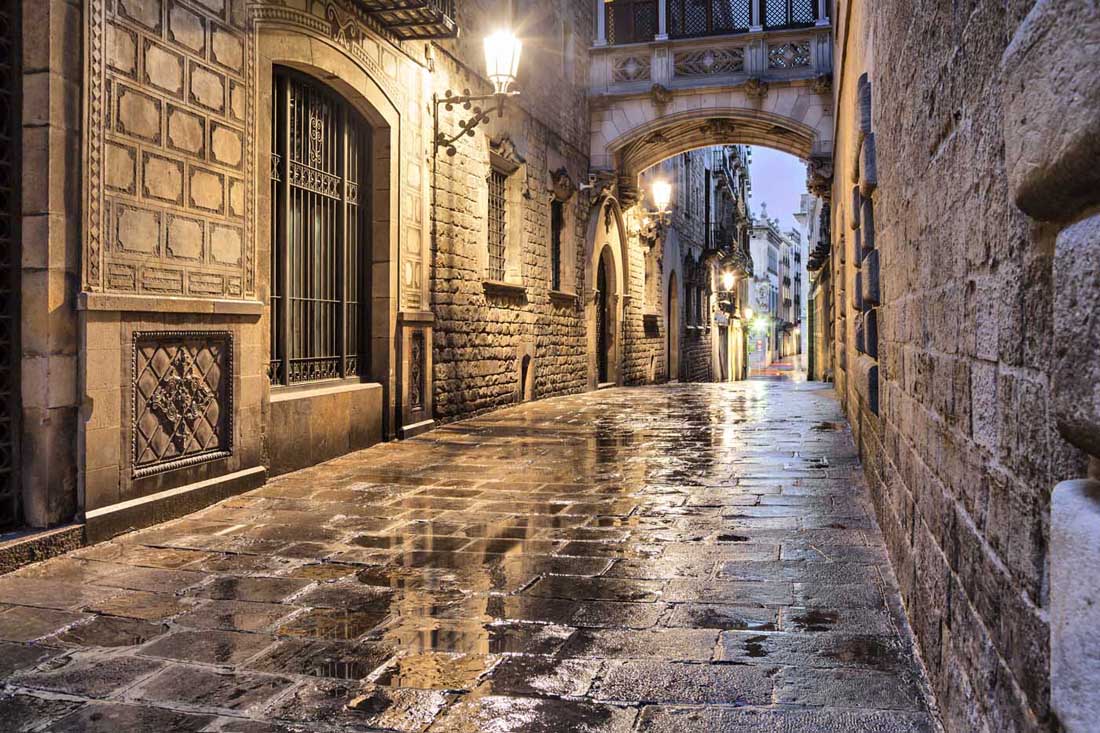 Barcelona, Spain
 These are the overall average travel costs for the two destinations.
The average daily cost (per person) in Spain is €185, while the average daily cost in Liechtenstein is €285. These costs include accommodation (assuming double occupancy, so the traveler is sharing the room), food, transportation, and entertainment. While every person is different, these costs are an average of past travelers in each country. What follows is a categorical breakdown of travel costs for Spain and Liechtenstein in more detail.
Looking for a hotel in Spain or Liechtenstein? Prices vary by location, date, season, and the level of luxury. See below for options and compare which is best for your budget and travel style.
Kayak helps you find the best prices for hotels, flights, and rental cars for destinations around the world. Compare prices for multiple destinations when planning your next trip.
Here are some examples of typical transportation prices from actual travelers in Spain:
Also for Spain, here are a few examples of actual transportation services:
Also for Liechtenstein, here are a few examples of actual transportation services:
Prices for flights to both Liechtenstein and Spain change regularly based on dates and travel demand. We suggest you find the best prices for your next trip on Kayak, because you can compare the cost of flights across multiple airlines for your prefered dates.
For Spain, here are some examples of average food and meal prices for travelers:
For Spain, here are some samples of tours and activities related to meals and dining experiences:
Below are a few sample prices from actual travelers for Spain's activities, tours, and tickets:
For Spain, here are a few prices for actual activities, tours, and tickets provided by various companies:
Below are a few samples from actual travelers for alcohol and nightlife costs in Spain:
Here are a few nightlife and alcohol tours and activities from local tour providers in Spain:
When we compare the travel costs of actual travelers between Spain and Liechtenstein, we can see that Liechtenstein is more expensive. And not only is Spain much less expensive, but it is actually a significantly cheaper destination. So, traveling to Spain would let you spend less money overall. Or, you could decide to spend more money in Spain and be able to afford a more luxurious travel style by staying in nicer hotels, eating at more expensive restaurants, taking tours, and experiencing more activities. The same level of travel in Liechtenstein would naturally cost you much more money, so you would probably want to keep your budget a little tighter in Liechtenstein than you might in Spain.
 Budget Your Trip is all about finding out how much everything costs so that you can travel cheaper and longer. Created by avid travelers Laurie and Bryan, our goal is to help you plan your next trip on the right budget. With average daily travel costs that are calculated from the budgets of real travelers, plus an analysis of hotel and tour prices, you can find out how much money you need to plan your next adventure. We also have plenty of travel advice, accommodation reviews, and activity suggestions.
Some of the links on this website are sponsored or affiliate links which help to financially support this site. By clicking the link and making a purchase, we may receive a small commission, but this does not affect the price of your purchase.