
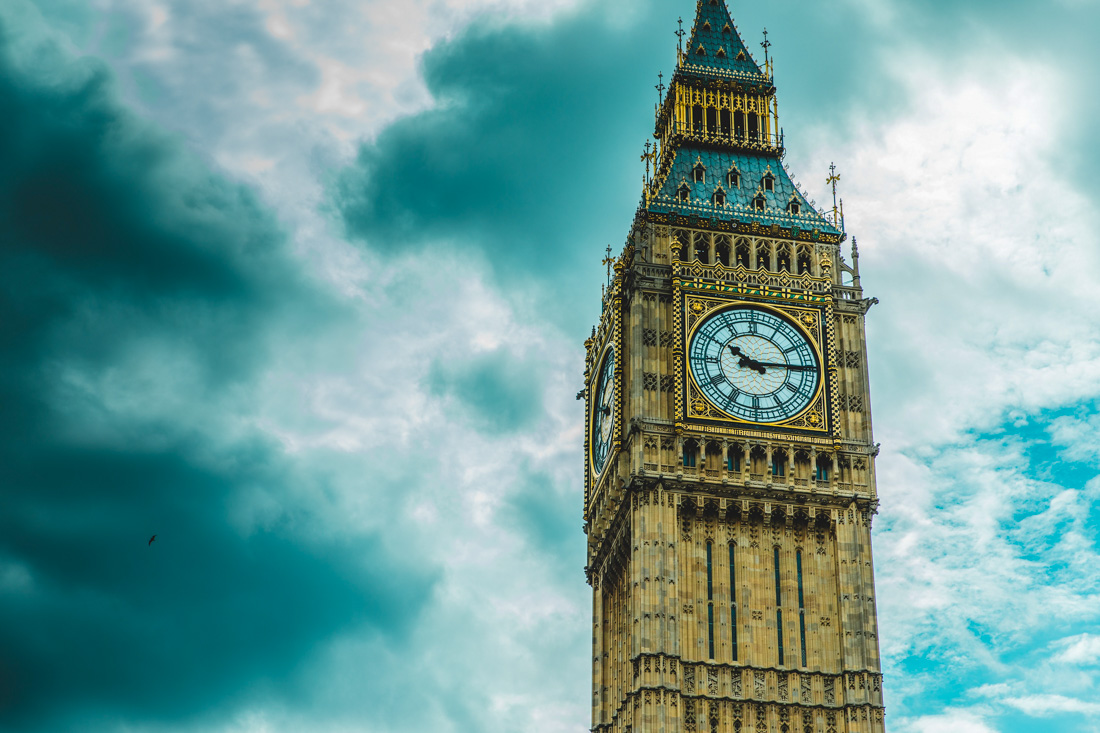
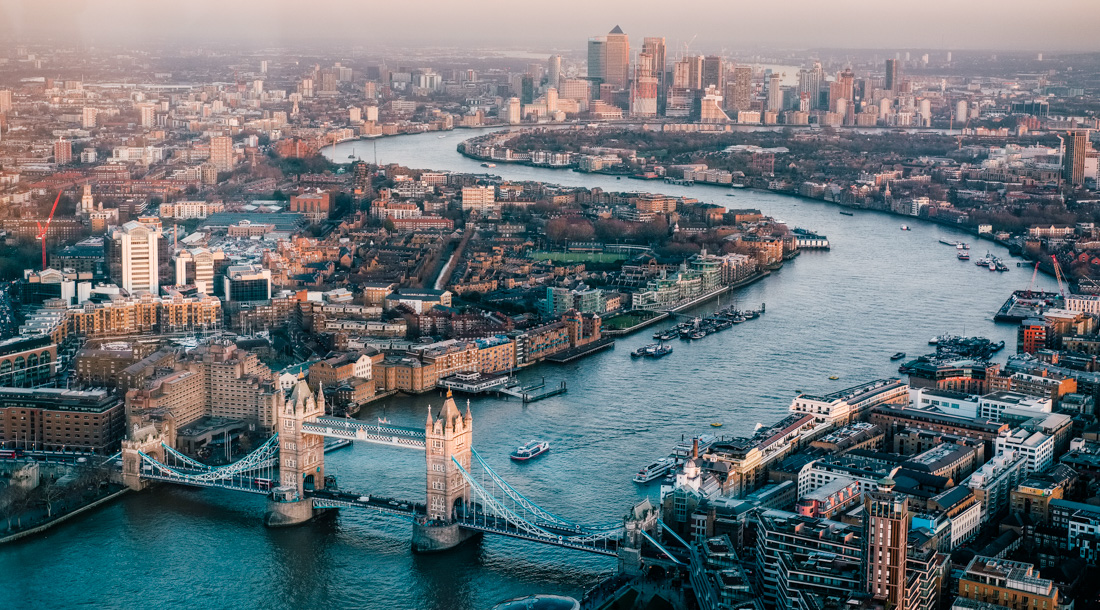

 London's museums and landmarks are must-sees for any visitor. The city has so many iconic sights that we can't list them all, but some of the most famous include the Tower of London, Buckingham Palace, St. Paul's Cathedral, Westminster Abbey, Big Ben, and the British Museum. You can fill many days exploring the treasures found at each of the venues.
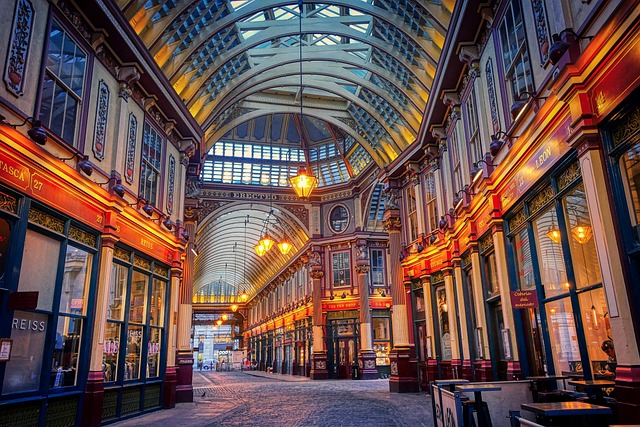 Experiencing the shopping here is an opportunity you shouldn't pass by. With so much iconic shopping around town, it's hard to decide where to go. Head to Oxford Street, Regent Street, or Piccadilly Circus for a quintessential British shopping experience.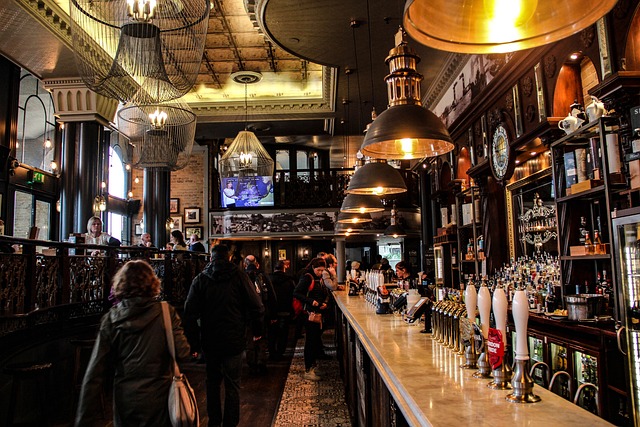
Traveling in London
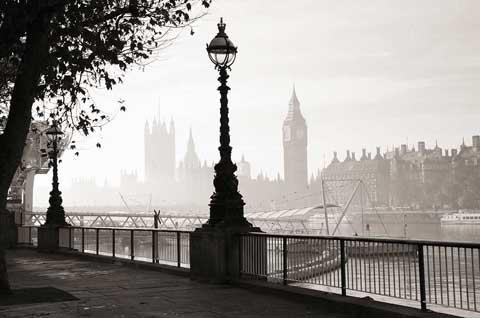 London
The capital of the United Kingdom is a thriving multicultural metropolis. Steeped in iconic landmarks, world-class museums and royal parks, London is energetic, majestic, ambitious and one of the world's greatest cities. London is a cultural and fashion capital, a great place to go out, an amazing place to eat and one of those cities that is constantly changing with new and exciting things sprouting up almost every day. History and tradition greet you at every turn in the UK's capital. London is also a city with an edgy underbelly, delighting in neon pink dive bars, cheeky graffiti and mind-blowing street food. When you need a break from the action, pop into a pub or relax in one of the city's many parks. Blow through the city on a double-decker bus, and take a pinch-me-I'm-in-London walk through the West End. As one of the most visited cities in the world, London is busy, vibrant and very tourist friendly. The only problem with London is that it's very expensive; it can eat away at your budget if you aren't careful. Luckily, there are also tons of free or cheap things to do in London that can fill your time.
When to go?
There's no right or wrong time to visit London, but there are a few things to consider when choosing your dates. The United Kingdom can be visited at any time of year, as its climate is relatively temperate and, in general, doesn't experience extremes during either summer or winter. Bare in mind that no matter when you travel, you should always pack an umbrella, as the UK is notorious for experiencing misty days and showers year-round. Indeed, England has a bit of a bad reputation when it comes to weather, but one of the joys about the country is that, in fact, it does the seasons very well. Weather and daylight hours are usually the biggest factors for choosing the best time to visit London. Therefore many travellers enjoy a trip to the city in the warmer months. Overall, spring, from March to June, and autumn, from September to November, are the best times to visit, as it is not too busy with tourists and not too cold. Spring is full of new life, with daffodils blooming and Easter egg hunts and autumn dazzles when the trees turn bright red and orange. However, England during summer is all about eating ice cream and picnics in the parks and winter brings snow and cosy nights in front of a roaring fire. Late spring, along with summer is London's high tourist season so hotel and flight prices reflect the surge. December in London is also an incredibly popular place to be during the holidays, so expect the streets to be crowded with both English and international tourists.Neighborhoods & Around
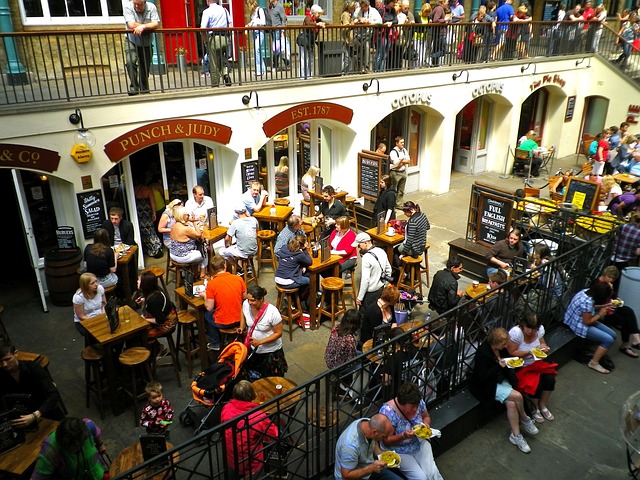
Strolling from one neighbourhood to the other, it's easy to see why each and every one of London's many neighbourhoods is unique and special in its own way. Soho tends to be the first famous neighbourhood in London that comes to mind, as it's home to sites like Piccadilly Circus, Covent Garden and London's bustling theatre district. Piccadilly Circus, which is often described as the "Times Square of London", is one of the most famous intersections on the planet, and it is estimated that nearly 100 million people walk through Piccadilly Circus each year. There is a handful of delights located throughout the square that are worth taking a picture of. The Shaftesbury Memorial Fountain is located at the center of Piccadilly Circus, and was built in 1893 to commemorate the famous philanthropist Lord Shaftesbury. The statue at the top of the fountain depicts the Angel of Christian Charity, however, it was later renamed Eros, after the Greek god of love and beauty. The London Pavilion is another notable attraction in Piccadilly Circus, as well as the Criterion theatre and the world-famous Lilywhites department store. But the ultimate must-do for any first-time visitor to Piccadilly Circus would be to pose for a photo underneath the Piccadilly Lights. Trafalgar Square is named in honour of the British victory, led by Admiral Lord Nelson, at the Battle of Trafalgar in 1805. All you have to do is stroll around Trafalgar Square once to see why it's considered to be the epicentre of London's festivities. The most important monument on the square is Nelson's Column located at the centre, which has four lion statues at its base as well as fountains which were designed by Sir Edwin Lutyens. On the north side of Trafalgar Square is the National Gallery, which houses one of the biggest picture collections in the world. On the southern side of the square you will see a bronze equestrian statue of Charles I which was placed in in 1678, and also two statues of James II and George Washington on the lawn in front of The National Gallery. To the east of Charing Cross Road lies Covent Garden, the famous marketplace turned shopping mall. The bustling tourist neighborhood of Covent Garden is known for a market full of outdoor cafes and quirky street performers, unique shops and restaurants and cultural attractions like the Royal Opera House. Soho is perhaps one of the most expensive neighbourhoods in London for accommodation and restaurants, and souvenir shops tend to be overpriced as well.
Notting Hill has become a household name since the release of the classic 1999 Hugh Grant and Julia Roberts film Notting Hill, and is also home to many celebrities, the Notting Hill Carnival, and world-famous street markets. Do not forget to wander around Portobello Road Market before you leave. Filled with stalls selling food and new goods through the week, Portobello Market is at its best on Saturdays, when you will find some serious treasures in the antiques and bric-a-brac stalls at the Chepstow Villas end of the road.
Shoreditch has become the capital of alternative culture in London since the 1990s thanks to its impressive collections of street art, and is also home to a ton of different street markets, music venues and nightclubs which attract visitors from all over the world.
Gone are the days when Camden Town was characterized only by punk music and grunge. "Sophistication with a little bit of edge" is a good way to sum up the neighborhood nowadays. Venture to the Camden Markets to find great deals on clothing, accessories and other handicraft items. From hot sexy fashion, to hip children's clothing, there's no telling what kind of fashionable items you'll come across at the Camden Lock Market, which is located to the north of The Regent's Canal. Not just limited to clothing, here you can also find food stalls offering food from all over the world, as well as handmade jewellery, second-hand clothing, books, and other random household items you won't find anywhere else in the city.
The City of London is not only one of the oldest areas in London, but also the financial heart of the English capital as well. Here you can find several historic sites like the London Wall and The Tower of London, as well as some of the most jaw-dropping modern architecture in the city like The Shard. The City of London is also quite pricey as many of its restaurants, cafes and shops cater to those working in the area.
Located in West London, Kensington and Chelsea is the smallest borough in London and the second-smallest district in England. One of London's most exclusive neighbourhoods, Chelsea is the place to go for designer labels, expensive brunches and one of the city's top football clubs. London's elite spend their days shopping down the King's Road to then take a break in the Saatchi Gallery for a dose of top contemporary art. Marylebone is a chic residential area with a village feel.
Realistic Expectations for Your Travel Budget
To manage your travel budget, it's important to set realistic expectations. Many people think they can visit London on a cheap budget, but most don't enjoy the limitations of a tight shoestring budget. Consider how you like to travel. Do you enjoy hostels, resorts, hotels, or vacation rentals? Do you want to dine out and explore the major attractions? These decisions will determine your budget and itinerary.
What Defines a Budget Traveler?
You might think you're a budget traveler, but unless you're willing to sacrifice many comforts, expect to spend a lot more than the average of $110 per day that backpackers typically manage.
Younger budget travelers sometimes stick to a shoestring budget, which usually means staying in hostel dorms, eating at budget restaurants or fast food, relying on public transportation or walking, and limiting activities to free attractions.
Thankfully, London features plenty of hostels, such as Wombat's City Hostel London, Palmers Lodge - Swiss Cottage, and Astor Victoria. At hostels like this, you can find economical dorm beds and a great social atmosphere, although amenities might be quite sparse. Additionally, the city has a strong public transit network, helping budget travelers dodge the expenses of taxis or rideshares. The culinary scene is a major highlight for those visiting London, but budget travelers often eat street food or cook for themselves in hostels, which can mean missing out on delicious local dishes.
So, are you average?
If you're a family or couple enjoying a vacation, you'll most likely want to stay in a mid-range hotel, eat at trendy restaurants, and check out the main museums and attractions that charge for entry. When visiting London, you'll want to see the Tower Bridge, the Tower of London, or Buckingham Palace. Keep in mind that most activities have costs associated with them. Hence, you should realistically expect your daily budget to hover around $293 per person, per day.
Looking to Travel in Luxury?
If your ideal trip includes every luxury and top-tier service, be ready to budget around $835 per day. A stay at nicer hotels, meals at prestigious restaurants, fancy excursions, and getting around the city with taxis or private drivers will cost you more. Many luxury travelers also enjoy unique experiences such as Private Guided Tour of Hampton Court Palace - offered by Viator.

London is one of the most expensive city's I've visited, but the public transportation is convenient. You can expect to pay a lot of hotels and restaurants, so plan ahead!