Which country is cheaper, Mexico or Spain?
These are the overall average travel costs for the two destinations.

Trying to figure out where to travel next? This travel comparison between Spain and Mexico can help. It includes a travel cost comparison in addition to other factors. For many travelers, the cost of a destination is a primary consideration when choosing where to go.
We'll start with a quick overview, and below we will go into all of the details.
| Spain | Mexico | |
| Museums & Attractions |  |
|
| Scuba Diving & Snorkeling | |
|
| Hiking | |
|
| Wildlife | |
|
| Outdoor Activities | |
|
| Families | |
|
| Couples | |
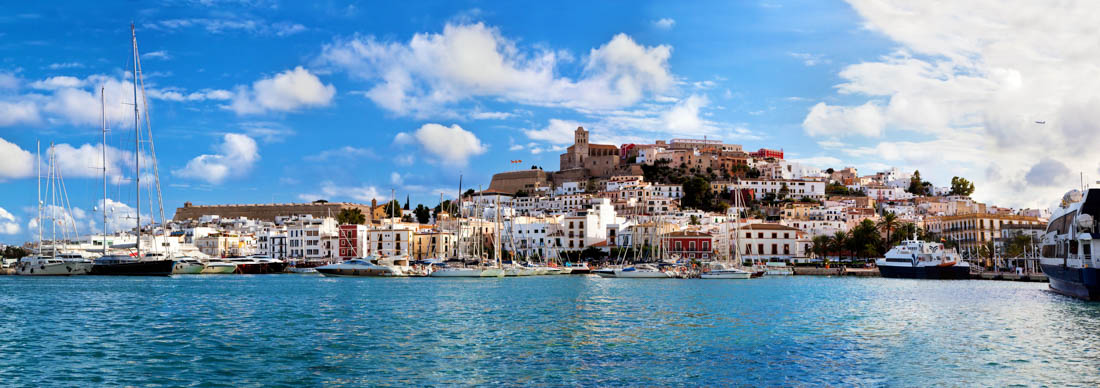 Ibiza, Spain
 Spain is a proud, gorgeous, and friendly country. The famous beauty of Spain is one of the main draws. It's also known for mountains, shopping, museums, and theater.
From the popular coastlines to the rugged interior, Spain is full of history, natural beauty, vibrant people, amazing cities, unique cuisines, and gorgeous views. While Madrid is the capital, it's by no means the main attraction of a country full of beaches, ancient castles, and cultural diversity. Barcelona is the hub of the Catalan region with its own unique culture, and the southern areas have a deep historic relationship with Moorish culture, too. Visitors will also find epic hikes, world-class food, vineyards and wineries, epic nightlife, famous art, natural wildlife, multiple coastlines, cultural dances and music, friendly smiles, and affordable prices.
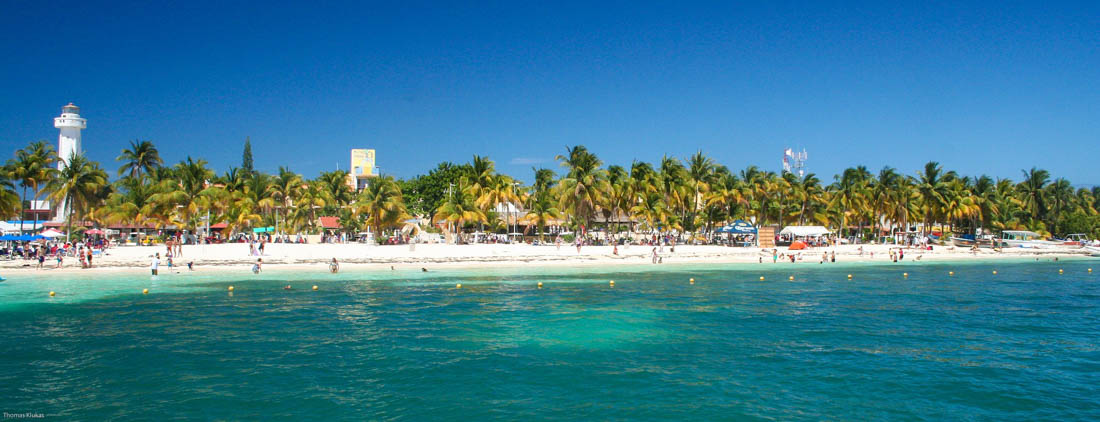 Cancun, Mexico
 Mexico is a enchanting, vibrant, and diverse country. Mexico is considered by many to be an absolutely beautiful destination, too. It's also popular because of the beaches, hiking, mountains, and shopping.
Mexico is a vibrant tapestry of rich culture, fascinating history, and breathtaking landscapes that captivate every traveler’s imagination. From the bustling streets of Mexico City, where ancient Aztec ruins blend seamlessly with modern art galleries, to the sun-kissed beaches of the Riviera Maya, the country offers an unbeatable mix of urban excitement and natural beauty. Food lovers will find paradise here, indulging in authentic street tacos, mole sauce, and fresh seafood that tell stories of indigenous traditions and colonial influences. Adventure seekers can explore the otherworldly cenotes, jungle-clad ruins of Palenque, or dive into the world’s second-largest barrier reef. Warm and welcoming locals add a layer of charm, sharing their traditions and vibrant festivals that light up the calendar year-round. Whether you’re after cultural immersion, outdoor exploration, or simply relaxation under a swaying palm, Mexico delivers unforgettable experiences at every turn.
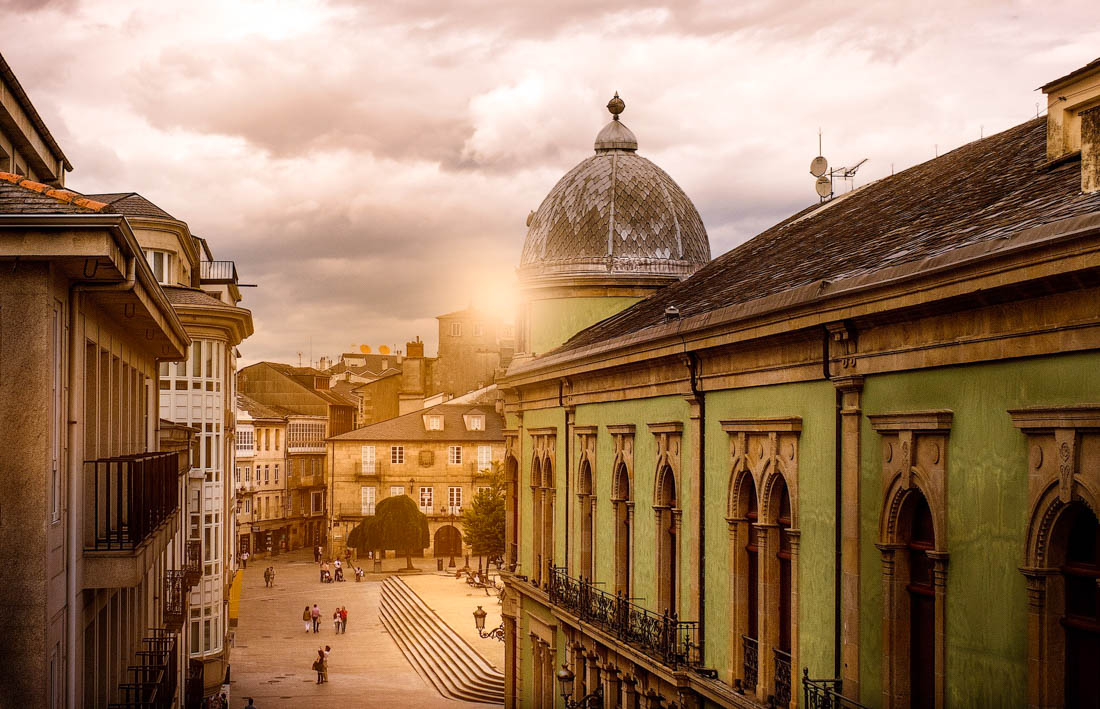 Lugo, Spain
 Below we will examine the differences and similarities between Spain and Mexico. With this information, you can decide for yourself which place is better for your next trip.
Interesting museums and landmarks can be found in both Mexico and Spain, but many consider Spain to be a step above.
Visitors can fill many days exploring the museums and attractions around Spain. The major cities of Barcelona, Madrid, Seville, Granada, and others all have world-class museums that cover a variety of topics from history to art to science. Many of them are also family-friendly. In Barcelona, don't miss the Picasso museum dedicated to the famous artist. Casa Batllo is one of Gaudi's famous buildings and worth a tour along with Casa Vicens, too. MNAC is a great place to learn about the local Catalan art and history. And the Joan Miro museum is dedicated to the work and life of this famous artist. In Madrid, you can find plenty of historical places such as the Royal Palace and the National Archaeology Museum. If it's art you seek, make sure to visit the Prado, the Queen Sofia Arts Center, or the Thyssen-Bornemisza Museum, all of which have world-class art from Spain and Europe. In Valencia, kids will love the Oceanografic aquarium and the Bioparc zoo. In Seville, the Real Alcazar has fascinating architecture. and the Flemenco museum showcases Spain's most famous dance. This is just a small sample, as you'll find even more museums in Bilbao, Malaga, Granada, and other cities around the country, too.
Seville: This elegant city is filled with historic buildings and world famous architecture. From the iconic Catedral de Sevilla to the Real Alcázar and Plaza de España, there is an endless supply of world class sights around town.
Cordoba: The city is filled with monuments that reflect its past. The Great Mosque (La Mezquita) is one of the most iconic sights. You can also visit Alcázar de los Reyes Cristianos, Palacio de Viana, and Puente Romano.
Granada: Many visitors head to Granada specifically to visit the famed Alhambra. The palace and fortress complex will not disappoint. The gardens are beautifully maintained and the palace is filled with intricate details. It's easy to spend hours wandering around. In addition to The Alhambra, the Granada Cathedral is also impressive to visit. If you have kids or extra time to fill, head to Parque de las Ciencias, which is the city's Science Park.
Santiago de Compostela: The iconic Cathedral of Santiago has long attracted pilgrims and travelers from around Europe and the world. The spectacular sight includes a museum and the crypt and tomb of Saint James. Another interesting sight in town is the former hostel for pilgrims, the Hostal de los Reyes Católicos. Also make sure you visit Plaza del Obradoiro and the Galician Center of Contemporary Art.
See also Barcelona: The Ultimate Travel Planning Guide.
Mexico is a good place to visit if you're interested in museums or other recognizable sights. Mexico is a treasure trove for museum lovers, boasting an eclectic blend of history, art, and culture that draws travelers from around the globe. At the heart of Mexico City—the cultural epicenter—lies the Museo Nacional de Antropología, arguably the nation’s most iconic museum. It houses unparalleled pre-Hispanic artifacts, including the breathtaking Aztec Calendar Stone, offering visitors a profound connection to Mexico’s indigenous roots. Just a stone’s throw away, the Museo Frida Kahlo, nestled in the vibrant Coyoacán neighborhood, immerses art enthusiasts in the life and works of the legendary “Blue House,” richly decorated with her personal belongings and evocative murals. Meanwhile, the Palacio de Bellas Artes dazzles both inside and out with its stunning Art Nouveau and Art Deco architecture, while presenting masterpieces from Diego Rivera and Rufino Tamayo. For contemporary art aficionados, the Museo Jumex in the upscale Polanco district pushes creative boundaries with cutting-edge exhibitions by leading international artists. Together, these museums provide an extraordinary journey through Mexico’s multifaceted soul—from ancient civilizations to modern artistic expressions—making the country a must-visit for discerning travelers who crave both education and inspiration.
Mexico City: The city is filled with historic buildings, fascinating museums, and interesting landmarks. At the heart of the city is Zócalo, where the country's constitution was signed. Nearby you'll find the National Palace, the Metropolitan Cathedral, and the Templo Mayor. Other interesting museums in the city include the National Museum of Anthropology, the Palace of Fine Arts, and the National History Museum.
Oaxaca de Juarez: There are many museums and historical sights in the city and nearby. The Oaxaca Cathedral is located on the city's main square, Zocalo. Also worth visiting is the Church of Santo Domingo de Guzmán and the Basilica of Our Lady of Solitude. Just a few kilometers outside of the city is the historic settlement of Monte Albán as well as the Ex-Monastery of Santiago Apóstol. Also check out the Rufino Tamayo Museum and Museo Casa Juárez.
Tulum: It's famous for its world-renowned archeological ruins. The Tulum Archeological Site is very popular for its Mayan temples and castles. You can also travel a bit further to see the Cobá Ruins.
Spain and Mexico both offer a fairly similar amount of great history and culture for visitors.
Spain has many famous historic and cultural sights and attractions worth visiting, and is one of the main reasons why poeple come here. The blending of cultures in this region of Europe along with the accessibility of historic sights and cultural traditions make this country an obvious place to visit for history lovers. A long period of Spain's history was influenced by the Moors from the south, and you can see it in the architecture, art, cuisine, and music. Furthermore, the Catalan region in the east has it's own cultural differences. The Roman empire also left its mark, as did visitors from the rest of Europe and northern Africa. Some of the best historic places to see in Spain include the Alhambra palace and fortress in Granada, the huge cathedrals of Seville, Barcelona, and Madrid, El Escorial palace outside of Madrid, Montserrat Monastery near Barcelona, amongst others. Some of the best historical sites are actually the smaller castles and fortresses that are left from the long conflict between the Spanish and Moors that dot the countryside in the southern regions. Furthermore, Spain has made unique contributions of music, theater, and culture to the world stage. Flamenco dancing and Paso Double are just two of the musical art forms that are worth seeing on a smaller, intimate stage during a visit. And don't miss the world-class cuisine, too.
See also Barcelona: Activities, Tickets, and Things to Do, Things to Do in Madrid, and Cheap Tours and Activities in Granada, Spain.
Mexico is a terrific destination to visit for history, arts, and culture, as it has many sights worth visiting. Mexico’s rich tapestry of history and culture offers travelers an immersive journey from ancient civilizations to vibrant modern traditions. At the heart of this experience lies Mexico City, where the awe-inspiring ruins of the Templo Mayor sit juxtaposed against colonial-era architecture in the historic Centro Histórico. Further south, the Yucatán Peninsula beckons with the majestic Mayan archaeological sites of Chichén Itzá and Tulum—UNESCO World Heritage sites that reveal the ingenuity of pre-Hispanic societies through their intricate stone carvings and astronomical alignments. Oaxaca, meanwhile, stands out as a cultural jewel, famed for its colorful festivals like Guelaguetza, traditional mezcal distilleries, and indigenous crafts. Travelers eager to dive deeper will delight in exploring vibrant mercados, attending mariachi performances in Guadalajara, or participating in Day of the Dead celebrations in Pátzcuaro, where rituals blend reverence with joyous remembrance. Whether wandering ancient pyramids, savoring regional cuisines, or engaging with local artisans, Mexico offers an unforgettable cultural odyssey that reveals the country’s enduring spirit and diverse heritage.
See also Chacchoben Mayan Ruins and Bacalar Lagoon Excursion - Our Experience.
Spain generally has more big cities and urban activities than Mexico.
Spain has large cities with plenty of activites for visitors as well. Madrid and Barcelona are the two largest cities and most popular places to visit. Both have world-class museums, historical attractions, cathedrals, parks, shopping, restaurants and cafes, markets, and unique culture. Some of the other cities in Spain should not be overlooked either, as they also offer plenty of big city activities, museums, and culture. Valencia, Seville, Alicante, and Cadiz are also large and full of terrific activities.
Since Mexico has large cities, you'll find plenty of things to do. Mexico’s largest cities—Mexico City, Guadalajara, and Monterrey—offer vibrant urban experiences that captivate travelers with a blend of rich history, culture, and modernity. Mexico City, the sprawling capital, is a must-visit for its unparalleled museums like the National Museum of Anthropology, sprawling plazas such as the Zócalo, colorful barrios like Coyoacán, and culinary scene ranging from street tacos to high-end restaurants by world-renowned chefs. Nightlife pulses with lively cantinas, rooftop bars, and theaters hosting everything from ballet to avant-garde performances. Guadalajara, known as the cultural heart of Western Mexico, enchants visitors with mariachi music, tequila tastings, and colonial architecture. Its vibrant nightlife thrives on lively plazas filled with traditional music and modern clubs alike, while theaters celebrate Mexican arts and folklore. Monterrey, the industrial titan of the north, surprises travelers with its stunning mountain backdrop, contemporary art galleries, and a burgeoning gastronomy scene combining traditional northern Mexican fare with international influences. Nightlife here includes chic bars and live music venues, often with incredible views of the Sierra Madre Oriental. Overall, these cities provide the perfect blend of sightseeing, dining, theater, and nightlife, making them essential stops for travelers seeking to experience Mexico’s urban soul.
Spain generally has a wider variety of smaller towns and villages than Mexico.
You'll find plenty of local activities in all of the small towns and villages in Spain. A few of the most popular small towns to visit include Ronda with its dramatic cliffs, Besalu and it's bridge and castle-like gate, Cudillero on the northern coast, and Morella with its castle. All around Spain visitors can find small towns that once contained fortified cities, fishing villages, monasteries, and more. Bunol, near Valencia, is the location of the famous annual tomato fight. And Pamplona is home to the running of the bulls every year. Benasque in the Pyrenees sits in a valley and offers plenty of outdoor activities. And don't miss the famous hanging houses of Cuenca. Frigiliana is full of white-washed Andalucian houses, along with other nearby towns worth visiting. Every region of Spain offers something unique and special, so make sure you add some of these places to your itinerary.
Mexico is a great destination to visit small towns and villages just waiting to be explored. Mexico’s most visited small towns offer an irresistible blend of quaint charm, rich culture, and breathtaking scenery that captivate travelers seeking authentic experiences beyond the bustling cities. Take San Miguel de Allende, with its cobblestone streets, vibrant colonial architecture, and thriving arts scene nestled against a stunning mountainous backdrop—here, visitors savor artisanal markets and world-class dining while wandering shaded plazas. Nearby, the coastal village of Sayulita enchants with its laid-back surf vibe, colorful murals, and palm-lined beaches, making it a magnet for surfers and yoga enthusiasts alike. Or consider Valle de Bravo, set around a shimmering lake framed by pine forests, where travelers indulge in paragliding, sailing, and exploring charming markets. These towns are beloved for their intimate scale, allowing visitors to connect deeply with local traditions, vibrant festivals, and warm communities. Whether seeking cultural immersion, outdoor adventure, or simply the pleasure of slow travel, Mexico’s small towns deliver unforgettable scenery and experiences that linger long after the journey ends.
There are opportunities to sample the local cuisine at great restaurants in both Spain and Mexico.
Spain has a number of nationally recognized food spots and restaurants. Tapas are perhaps the most famous Spanish culinary export. These small sharable dishes started as something to snack on while drinking, and have transformed into a style of meal all their own. Typical tapas dishes include potatoes, sausages, stewed meats, calamari, olives, cheese, and more. But tapas are not the only local foods you should try. Chirizo is a special type of smoked sausage, and jamón Iberico is a smoked ham with tons of flavor. Calamares (rings of squid) are also popular around the costal areas, and are cooked with a variety methods. Anchovies and other seafood are popular, too. Paella is also famous. The name comes from the wide pan that the rice dish is served in, usually with seafood or meat and a variety of spices for flavoring. Finally, while in Spain, taste the local olives, bread, cheese, and fruit as they are all usually fresh and delicious.
Madrid: The city has a mix of flavors that come from all of Spain. There are amazing markets where you can grab a meal or snack. There are also many high quality restaurants around town where you're guaranteed a good meal. Local favorites include roast suckling pig, Spanish omelette, and meat and chickpea stew.
Valencia: The city is famous as the birthplace of paella, which is one of Spain's most famous dishes. Beyond the paella, there are a number of other amazing traditional dishes. Fideuà is similar to paella but made with noodles instead of rice. All i pebre is an eel and potato dish and clóchinas are tiny local mussels. For dessert make sure you try the flan de calabaza, which is pumpkin flavored. Many restaurants also have tapas that can be shared. Restaurants in the old town are charming and delicious, but out by the beaches the quality isn't as good.
Bilbao: The food scene is among the best in Spain. The city has several world renowned restaurants, including a few Michelin-starred restaurants, but there are also smaller eateries that cater to the locals and tourists alike. Make sure you try the pintxos, which are small dishes that are the Basque region's answer to tapas. Many include seafood and are cooked with olive oil and garlic.
San Sebastian: It is a famed culinary capital of not just Spain, but the entire world. The city has many Michelin-starred restaurants where you can experience modern or traditional recipes prepared by world class chefs. There are also pintxo bars, food markets, and gourmet food shops, that sell local ingredients and dishes. Much of the cuisine includes seafood, but you'll also find a local twist on traditional tapas. Dining is a true experience in this town.
Almeria: The food is focused on local, fresh ingredients with many traditional recipes that have been passed down for centuries. Popular dishes change with the seasons because they rely so heavily on local produce. Particularly during the winter months you'll find hearty stews like patatas en ajopollo and gurullos con conejo, which is prepared with rabbit. Sardines are also popular year round.
See also Food and Dining in Madrid, Delicious Tapas Tours in Madrid, and The Best Cheap Food Tours in Madrid.
With its innovative style combined with traditional elements, Mexico makes for a great culinary experience. Mexico’s cuisine is a vibrant tapestry of flavors, colors, and history that has captivated palates worldwide. Rooted in ancient indigenous traditions and later enriched by Spanish, African, and Caribbean influences, Mexican food is famed for its bold use of chilies, corn, beans, and fresh herbs like cilantro and epazote. Staples such as tacos al pastor—marinated pork grilled on a spit—tamales wrapped in corn husks, and mole sauces, which artfully blend chocolate, chilies, and spices into rich, complex flavors, showcase the diversity of the region. Dishes like ceviche from coastal areas and rich stews like pozole also highlight its regional variety. Mexican cuisine is not just celebrated locally but has earned global admiration, being recognized by UNESCO as an Intangible Cultural Heritage of Humanity. Far from the oversimplified “Mexican food” seen abroad, authentic Mexican cooking is prized for its depth and vibrancy, often described as both comforting and exhilarating, making it one of the world’s most beloved culinary traditions.
Mexico City: The city food scene is as diverse as the population itself. There are countless ways to experience the amazing street food, but there are also world class chefs working in award winning restaurants. Make sure you try the chilaquiles, tacos al pastor, and chiles en nogada.
Oaxaca de Juarez: This is a city for foodies. Of all the destinations in Mexico, this one always tops the list for its cuisine. The food is influenced by traditional ingredients like corn and many of the recipes have been passed on through the generations. Local dishes include mole, Oaxaca cheese, coloradito, and tlayudas.
Both Spain and Mexico have great vibes after the sun sets.
Spain has a lively atmosphere and nightlife is popular here. Barcelona, Madrid, Granada, Seville, Malaga, Valencia, and many other beach resort towns all have active nightlife scenes, each with their own personality. Barcelona is very popular with all types of bars and dance clubs for locals and travelers alike. Sidecar, Opium, and Pacha are some of the most popular places, and many more can be found in Raval, El Born, and the Gothic Quarter. In Madrid, check out Kapital, Barbara Ann, or Ochoymedio. Along the coast, the nightlife varies from family-friendly restaurants and theaters to more active dance clubs, pubs, and bars for singles and younger couples.
Barcelona: The city offers an amazing nightlife at a much more affordable price than many places in Europe. There are beach parties, boat parties, and bars that stay packed late into the night. The city also hosts many street fiestas and music festivals.
Valencia: Dinner starts late, so you can expect the nightlife to pick up even later. During the summer there are all night terrace parties and year round you'll find nightclubs filled from evening to dawn. If all night raves aren't really your thing, you'll also find plenty of local bars where you can hang out with friends in a more relaxed setting. The nightlife scene really is varied enough that there's something for everyone.
Malaga: The city has some of the most active nightlife in Europe. There are plenty of opportunities to party in Malaga and you'll find the most vibrant nightlife in the Centro Historico.
Palma de Mallorca: Head to Magaluf and Palma for the most popular places.
Marbella: European tourists flock to the town for its beaches and resorts. The town has a glamorous nightlife scene with exclusive clubs and ritzy cocktail bars, particularly in Puerto Banus and along the Golden Mile.
See also Barcelona Nightlife, The Best Nightlife in Madrid, and Party Hostels in Barcelona.
The people in Mexico know how to have a good time. Mexico’s nightlife is a vibrant kaleidoscope of sounds, colors, and rhythms that pulse from the bustling streets of Mexico City to the sun-kissed shores of Cancun and Playa del Carmen. In Mexico City, the nightlife scene is as diverse as the city itself—sophisticated rooftop bars with panoramic views mingle with underground mezcalerías, where locals savor smoky, artisanal spirits accompanied by live jazz or electronic sets. Head south to Guadalajara, and you’ll find mariachi-infused cantinas giving way to sleek nightclubs thumping with reggaeton and Latin pop. Meanwhile, the coastal hotspots such as Cancun and Playa del Carmen transform into playgrounds for party-goers, with sprawling beach clubs hosting international DJs, neon-lit dance floors, and late-night taco stands fueling revelers until dawn. For those seeking a more bohemian vibe, Tulum’s jungle nightlife blends eco-conscious lounge bars with intimate live music venues, creating a uniquely mystical after-dark experience. Whether you’re craving cultural authenticity or all-night party extravaganzas, Mexico’s nightlife offers a dazzling array of options that promise to keep the night alive.
Mexico City: It's a huge city, so of course there's no shortage of diverse nightlife activities. Some of the most popular neighborhoods for nightlife include the downtown, La Condesa, and Colonia Juárez. For upscale clubs head to Polanco and for trendy and eclectic venues check out Roma.
Acapulco de Juarez: The nightlife scene is part of what originally put this city on the map. Spring break is a prime time for partying and you'll find many bars along Costera Street, with the liveliest around Condesa Beach.
Cancun: It's long been known as a party destination and there are large world famous clubs as well as smaller bars where you can hang out. The party never stops here, so be prepared for all night dancing and drinking, and it will definitely live up to its reputation.
Playa del Carmen: It rivals some of the country's best nightlife and you'll find plenty of venues to choose from, ranging from dive bars to swanky cocktail lounges. Head to the main walking street for some of the most active venues.
Cabo San Lucas: It has a long reputation of being one of Mexico's best party destinations. There are wild, all-night dance parties, crazy and crowded clubs, and music that lasts well into the morning. The best nightlife can be found in the blocks around Plaza Bonita, near the marina boardwalk.
See also Party Hostels in Cancun, Puerto Vallarta, and Guadalajara, Mexico.
If luxury resorts are your style, both Spain and Mexico have great options.
Spain is a world class resort vacation destination. A holiday trip to Spain for many means a trip to one of the beach resorts along the southern coast, or in Ibiza or Majorca. Marbella, Cadiz, Valencia, Sitges, Alicante, and even Barcelona are all popular destinations with a variety of luxury hotels and resorts. Many are very family-friendly, and some are all-inclusive. Generically, the resorts offer terrific beaches and many are close to nearby towns, as well as some historical and cultural attractions. But no matter where you choose to go, the beach resorts in Spain are world-class and draw plenty of visitors every year. Also, keep in mind that Spain offers a handful of ski resorts open in the winter months, as well as some relaxing inland retreats outside of major cities and historical areas.
Almeria: Stretched along the coastline you'll find many high end resorts with pools and nice atmospheres. There are all inclusive resorts as well as family-friendly and romantic options to choose from.
Marbella: From luxury to family-friendly, this area has plenty of resorts to choose from. Popular resorts in the area include Marbella Club Hotel, Puente Romano Marbella, and Don Carlos Resort and Spa.
Vacationers flock to Mexico for its luxury resorts. Mexico boasts a dazzling array of resort destinations, each with its own distinctive charm and appeal. Cancun, perched on the eastern edge of the Yucatán Peninsula, is famed for its vibrant nightlife, expansive white-sand beaches, and all-inclusive mega-resorts that draw partygoers and luxury seekers alike. Just south, Playa del Carmen offers a more laid-back vibe with boutique hotels, a bustling pedestrian-friendly Fifth Avenue, and access to stunning cenotes and ancient Mayan ruins like Tulum, perfect for cultural explorers and eco-adventurers. On the Pacific coast, Puerto Vallarta blends charming cobblestone streets and authentic Mexican culture with world-class whale watching, sport fishing, and surfing, appealing to those who crave adventure amidst a picturesque seaside town. Further south, Los Cabos stands out with its dramatic desert landscapes meeting the Sea of Cortez, attracting golf enthusiasts, deep-sea anglers, and honeymooners looking for luxury resorts and exquisite dining. Each resort area in Mexico offers a unique combination of natural beauty, cultural richness, and diverse activities, making the country a top choice for travelers seeking everything from non-stop nightlife to serene relaxation and immersive adventures.
Acapulco de Juarez: You'll find no shortage of resorts in the city, most with large pools and beachfront views.
Cancun: You'll find most of the accommodation options in the Hotel Zone, which runs along Boulevard Kukulkan. The stretch can be divided into three areas, which each have a slightly different personality.
Puerto Vallarta: There are many different places to stay from all-inclusive resorts to high end hotels or beachfront properties.
Playa del Carmen: You'll find a huge number of luxury resorts in the area, particularly along the beach. There are fancy pools and beachfront properties that offer the perfect vacation retreat.
Isla Mujeres: Despite its small size, there are a range of impressive resorts on the island. Accommodation ranges from affordable hostels to stunning luxury resorts.
Most visitors agree that scuba diving and snorkeling are better in Mexico than Spain.
Mexico is a world class destination for scuba diving and snorkeling. Mexico offers some of the most spectacular scuba diving experiences in the world, drawing underwater enthusiasts with its unparalleled diversity and vibrant marine ecosystems. The Riviera Maya, with hotspots like Cozumel and Puerto Morelos, is famed for its crystal-clear waters and the Mesoamerican Barrier Reef—the second largest barrier reef on the planet—where divers can explore dramatic coral walls, swim alongside majestic sea turtles, and encounter graceful eagle rays. Off the Yucatán Peninsula, the unique cenote dives around Tulum provide an otherworldly freshwater cavern experience, complete with surreal light shafts and intricate stalactite formations that are unlike any ocean dive on Earth. Further northwest, the Sea of Cortez near La Paz and Cabo San Lucas is celebrated by Jacques Cousteau as the “world’s aquarium,” teeming with giant mantas, whale sharks, playful sea lions, and vibrant schools of tropical fish. Each of these regions offers something distinct—whether it’s the biodiversity, geological wonders, or charismatic megafauna—making Mexico a bucket-list destination for divers at any skill level.
Cancun: Beautiful reefs and world class dives make this a popular destination for those who want to explore the undersea world. You'll find plenty of snorkeling and dive excursions in the area with diverse coral and marine life.
Cozumel: Many people visit Cozumel specifically for the world class diving. Palancar Reef is one of the best dive spots in the area, and thanks to conservation efforts it is rebounding and offers a diverse environment.
Playa del Carmen: There's not a lot to see right off of the beach, but there are plenty of snorkeling excursions in the area that take you to beautiful reefs. The diving is world class as well and you'll find wonderful reefs, bull sharks, and hidden gems.
Isla Mujeres: There are many great snorkeling and diving areas just off the island. It's easy to arrange tours that will take you to the best spots. Popular areas include Manchones Reef, the Underwater Museum of Art, and Garrafon Natural Park.
Tulum: The water along the coast is shallow and clear, which is perfect for snorkeling. There are also dive trips that take you a short distance out to diverse and beautiful reefs.
Grab a mask and fins and explore the underwater scenery in Spain. While the southern coast of the mainland provides plenty of great dive spots with clear waters and a good selection of marine life, the crown jewels of diving are in the Canary Islands, and the Balearic Islands. Here you'll find even better opportunities to see marine wildlife in more ideal conditions. You can see barracuda, octopus, moray, a variety of large fish species, and more. Also, diving in the Canary islands can be done year-round, where as in the Mediterranean, only during the warmer months. If you're looking for a quicker trip, it's also possible to dive or snorkel off the Costa Brava coastline near Barcelona where a variety of interesting species can be found in the usually clear waters.
Marbella: There are more than 100 dive sights and endless snorkeling opportunities in the area. There are deep offshore reefs that you can explore as well as shallower wrecks and caves.
Both Spain and Mexico are considered to be great beach destinations.
Spain is considered to be a world-class beach destination. The beaches in Spain are world-class, popular, and extensive. With a huge stretch of coastline on the Mediterranean and the Atlantic, as well as famous islands such as Ibiza and Mallorca. The coastline of Andalusia and Valencia are perhaps the most visited, as tourists from all of Europe, and all of the world, come here for holiday beach vacations in Spain. Good food, sunny warm weather, wide sandy beaches, and family-friendly amenities are found up and down the coast. Some areas are more party-oriented, while others offer a calm, relaxing vibe, or family-friendly activities. Some of the best and most popular beach destinations in southern Spain include Tossa de Mar in Costa Brava, Puerto Banus near Marbella, Bogatell in Barcelona, Almunecar in Costa Tropical, and the beaches of Cadiz, amongst others. You can't go wrong with any of them.
Palma de Mallorca: The island is lined with sandy beaches and rocky coves, which have contributed to it becoming one of Europe's most popular beach destinations.
Almeria: Outside of town you'll find kilometers of stunning coastline and beaches. There are pristine natural beaches that still feel undiscovered with beautiful long stretches of sand. One of the biggest resort areas is Roquetas de Mar.
Marbella: The area boasts some of the best beaches in Europe. They are hubs of activity with lots of energy, and there are more than 18 miles of sandy beach in the area. Popular options include Guadalmina Beach, San Pedro de Alcántara Beach, and Nueva Andalucía Beach.
Mexico offers stunning beaches that attract visitors from around the world. Mexico is home to some of the most breathtaking beaches in the world, each offering a unique slice of paradise tailored to every traveler’s dream. In the Riviera Maya, Playa del Carmen boasts a vibrant stretch of white sand fringed by turquoise Caribbean waters, perfect for both lively nightlife and serene sunbathing. Just south, Tulum charms visitors with its bohemian vibe, ancient Mayan ruins overlooking the sea, and pristine beaches favored by wellness enthusiasts. On the Pacific coast, Puerto Vallarta’s beaches blend dramatic jungle backdrops with bustling malecon boardwalks, while nearby Sayulita is a surfer’s haven, known for its laid-back atmosphere and colorful local art scene. Further south, Cancun’s Hotel Zone remains a magnet for those seeking luxurious resorts, crystal-clear waters, and an energetic party scene. What ties these beaches together is Mexico’s unparalleled blend of natural beauty, rich culture, and warm hospitality, making its shores irresistible for sun-seekers and explorers alike.
Cancun: There are stunning white sand beaches and turquoise blue water that make this a beautiful beach destination. There are miles of sandy coastline with many of the beaches found in the Hotel Zone.
La Paz: The beaches in the area are the main draw, and you'll find beaches that are family-friendly, romantic, or full of amenities. Some consider the beaches in the area among the best in Mexico.
Cozumel: The island is lined with beautiful beaches and you'll find great snorkeling and tourist-friendly amenities. Some of the best beaches are Playa Punta Morena, Playa El Cielo, and Playa Chen Rio.
Playa del Carmen: The area is filled with world class beaches, long stretches of white sand, and beautiful blue water. You might even stumble across a sea turtle or two while you're swimming.
Isla Mujeres: The island has spectacular beaches where the white sand meets the blue water. The idyllic setting is the perfect place to relax with a drink or soak up the island vibe. Playa Norte is an award winning beach that has calm water and stunning snorkeling. Playa Centro has many restaurants and bars, and you'll likely see people sunbathing topless. There's a beach club at Playa Albatros as well as hammocks, umbrellas, and recreational activities.
Shoppers can find a variety of great stores in both Spain and Mexico.
Spain has a variety of shopping areas worth visiting. In Barcelona, visitors can find plenty of great areas with fashion boutiques, local arts and crafts, and souvenirs. Check out Portal De L'Angel in the Gothic Quarter, Paseo de Gràcia with its high-end stores, Avenida Diagonal for its diversity of shops, and the famous Boqueria Market where you'll find fresh food and other surprises. In Madrid, don't miss Gran Via, Calle Preciados, Calle de Fuencarral, or the historic El Rastro flea market where you can find plenty of hidden gems. Elsewhere in Spain, most beach resort areas have shopping streets, and the larger towns such as Valencia, Malaga, and Marbella have multiple shopping neighborhoods. In Granada and Seville, it's also possible to find those special local arts and craft shops for the perfect gift or souvenir.
Madrid: Gran Vía is a main thoroughfare in Madrid that is also popular for shopping. Calle Fuencarral is where you'll find the fashion shops and Calle Preciados is a fun pedestrian area to explore.
Barcelona: Head to Portal De L'Angel, Rambla de Catalunya, or Passeig De Gracia for some of the city's best shopping districts.
Marbella: This area attracts vacationers from around Europe and the shopping is some of the best in Europe.
Mexico is a great destination for shopping. Mexico offers a vibrant and diverse shopping scene that perfectly mirrors its rich cultural tapestry. From the bustling markets of Mexico City’s La Ciudadela, where artisans showcase handwoven textiles, intricate Talavera pottery, and dazzling silver jewelry, to the colorful stalls of Oaxaca’s Mercado 20 de Noviembre bursting with traditional mole sauces and richly dyed rugs, shoppers find treasures steeped in history and craftsmanship. In Guadalajara, the boutique-lined streets of Tlaquepaque and Tonalá are renowned for exquisite blown glass, leather goods, and ceramics that blend indigenous artistry with contemporary flair. What makes shopping in Mexico truly special is the immersive experience—negotiating with friendly vendors, witnessing live craft demonstrations, and discovering unique regional specialties unavailable anywhere else. Whether hunting for vibrant huaraches in a seaside town or elegant embroidered blouses in a colonial plaza, Mexico’s markets and shopping districts invite visitors to engage with the country’s soul through its artisanal heritage and festive atmosphere.
Mexico City: The city has everything from open-air bazaars (tianguis) to modern shopping malls. There are international brands as well as local art galleries, handicrafts, and retail outlets.
Oaxaca de Juarez: The region's indigenous populations are known for the artisan crafts and handmade items. Many visitors enjoy shopping at the city's markets, where you'll find handmade ceramics, hand blown glassware, and more.
San Cristobal de Las Casas: The nearby villages are famous for their weaving, leather, pottery, and embroidery, so many visitors pick up souvenirs at the colorful markets around town. This is one of the best towns in Mexico to purchase local items, and you should definitely set aside time to explore and shop.
Spain is generally considered to be a better destination for hiking.
Spain is well-known for its hiking and trekking. The Camino de Santiago is Spain's most famous hiking route. Also known as the Way of St. James, this historic 500 mile-long pilgrimage route stretches across the entire width of Spain and also has numerous secondary paths. Hikers come from around the world to trek the entire length or just a small portion of the trail which ends at the cathedral in Santiago de Compostela in the northwest. Additionally, you'll find plenty of other hiking opportunities in the Pyrenees mountains, the various national parks, or even in the Canary islands or Mallorca. Also, the Caminito del Rey has amazing trails along cliffs near Malaga. From Barcelona, it's easy to reach the base of Montserrat, where you can hike up to the monastery instead of taking the cable car, or hike on the higher up trails as well. Sierra Nevada national park, near Granada, also offers plenty of hiking trails that are close to a major city. And in the Costa Brava region up the coast from Barcelona, even more gorgeous trails have great views of the landscapes and Mediterranean Sea. Generally, no matter where you visit in this country, you can find some great trails.
Santiago de Compostela: This small city is the culmination point for the famed Camino de Santiago. The 780 kilometer route is followed by pilgrims and travelers who seek enlightenment or adventure. Hikers travel both independently or as part of organized tours.
Tenerife: The island's volcanic landscapes mean that there are dramatic and breathtaking hikes throughout the island. Some of the best hikes are found in the Anaga Rural Park, Teide National Park, and the Teno Mountains.
Mexico offers some nice hiking trails. Mexico offers an exhilarating array of hiking destinations that showcase its stunningly diverse landscapes, from volcanic peaks to lush jungles and dramatic desert canyons. Among the most iconic hiking regions is the Copper Canyon (Barranca del Cobre) in Chihuahua, a vast network of six interconnected canyons that rivals the Grand Canyon in scale and drama, offering trails that wind through towering cliffs, indigenous Tarahumara villages, and verdant pine forests. Another standout is the Sierra Norte de Oaxaca, celebrated not only for its pristine cloud forests and deep green valleys but also for its community-run ecotourism programs, where hikers immerse themselves in Zapotec culture while trekking well-maintained trails. For those seeking high-altitude adventure, the Nevado de Toluca near Mexico City presents an accessible volcano hike culminating at luminous crater lakes over 4,500 meters above sea level. Finally, the lush jungles of the Yucatán Peninsula provide a different kind of trek through mystical Mayan ruins hidden beneath dense foliage, such as those found around the archeological sites of Calakmul or the biosphere reserve of Sian Ka’an. Each of these regions offers a unique blend of natural beauty, cultural richness, and thrilling terrain, making Mexico a hiker’s paradise with endless stories waiting on every trail.
Travelers can find good number of great national parks in both Spain and Mexico.
Spain has a range of national park areas worth visiting. With sixteen national parks and a variety of other natural parks and wilderness protection areas, visitors are offered a diverse set of natural destinations to explore. Some are in the mountains, some at the coast, and others are found in unique ecosystems. Some of the most popular include Cabañeros in the mountains of Toledo, Guadarrama near Madrid, and Illas Atlánticas de Galicia near A Coruna on the northern coast. Several national parks are found on the Canary Islands and make the trip there even more interesting if you have the time. In many of Spain's national parks, you'll find hiking, camping, horseback riding, adventure sports, and beautiful views.
Mexico is a great destination for touring the national parks. Mexico’s national parks offer a breathtaking window into the country’s remarkable biodiversity and rich cultural heritage, making them must-visit treasures for any traveler. Among the most celebrated is **Parque Nacional Cumbres de Monterrey** in Nuevo León, renowned for its dramatic granite peaks and deep canyons, perfect for hikers and climbers craving rugged adventure just outside the vibrant city of Monterrey. Down in the Yucatán Peninsula, **Parque Nacional Tulum** uniquely combines pristine Caribbean beaches with ancient Mayan ruins perched over turquoise waters, where the mystical blend of history and nature captivates visitors. Meanwhile, **Parque Nacional Izta-Popo Zoquiapan** showcases Mexico’s iconic volcanic landscape, home to the soaring Pico de Orizaba Volcano—the country’s tallest peak—and Popocatépetl, still an active fire-speaking giant that fascinates volcanologists and hikers alike. Each park highlights a distinct facet of Mexico’s diverse ecosystems, from lush jungles and cloud forests to arid deserts and alpine meadows, making them not just national parks but living chapters of the country’s natural story.
Overall, Mexico is considered to offer more wildlife viewing opportunities and experiences to visitors.
Wilderness and wildlife activities in Mexico are quite popular with travelers. Mexico stands as a vibrant sanctuary for wildlife enthusiasts, boasting a dazzling array of ecosystems that support some of the most captivating creatures on the continent. For those seeking unforgettable animal encounters, the Sian Ka’an Biosphere Reserve on the Yucatán Peninsula is an absolute must—this UNESCO World Heritage site teems with jaguars, howler monkeys, and over 300 species of birds, all set against a backdrop of pristine mangroves and turquoise Caribbean waters. Further north, the Copper Canyon in Chihuahua offers a rugged, dramatic landscape where golden eagles soar and elusive Mexican wolves have been reintroduced, making it a haven for both adventure seekers and conservation advocates. Meanwhile, along the Pacific coast of Baja California, the magnetic pull of the gray whale migration draws thousands yearly to lagoons like Laguna Ojo de Liebre, where visitors can witness these gentle giants kissing the shore in an intimate display of nature’s grandeur. From desert reptiles in the Sonoran Desert to sea turtles nesting on Oaxaca’s beaches, Mexico’s wildlife viewing opportunities are unmatched, combining rich biodiversity with culturally resonant landscapes that make every encounter a story worth telling.
Spain has a few wilderness activities for those that seek them out. Most notably, in some of the national parks and wilderness areas, visitors might catch a glimpse of wolves, ibex, deer, and the Eurasian brown bear. Wild boars are not uncommon either. Bird watching is also very popular, especially in Extremadura in western Spain where you can find a variety of unique and large species. Also, the Iberian Lynx can sometimes be spotted in Sierra de Andujar Natural Park in Andalusia.
Both Spain and Mexico have a wide array of great adventure travel options for those interested.
Spain is a very popular place for adventure travel because of its abundant wildlife. From the mountains to the coastline, visitors can experience bungee jumping, mountain biking, paragliding, zip-lines, ropes courses, rock climbing, canyoning, whitewater rafting, and more. The coast also offers surfing, kite surfing, wind surfing, scuba diving, and boating. It's possible to find these activities all around the country, usually in the countryside not far from major cities.
The adventure travel options in Mexico attract many visitors. Mexico is a playground for adventure seekers, offering an exhilarating blend of activities set against some of the most diverse and stunning landscapes in the Americas. For adrenaline junkies, canyoning and rappelling through the lush canyons of Huasteca Potosina—just a few hours from Mexico City—is a must, where you’ll navigate waterfalls, crystal-clear pools, and towering cliffs amid verdant jungle. If you’re drawn to marine thrills, scuba diving in the Riviera Maya’s famed cenotes and off Cozumel’s coral reefs delivers otherworldly underwater cavern explorations and vibrant marine life encounters. For those craving high-speed excitement, white-water rafting on the Santiago or Pescados Rivers in Chihuahua roughs you up with thrilling rapids framed by dramatic desert canyons. And no adventure itinerary in Mexico is complete without zip-lining across the vast Copper Canyon—the world’s largest canyon system—offering heart-pounding views over dramatic ravines. These quintessential experiences, alongside thrilling options like surfing on the Pacific coast and hiking the volcanic peaks of Nevado de Colima or Pico de Orizaba, make Mexico a versatile destination where natural beauty fuels every adventure craving.
Both Spain and Mexico have some great mountain areas to explore.
Visiting the mountains in Spain is a very popular activity. The Pyrenees are the largest mountain chain in the country, making a divide between Spain and France. Here you'll find epic views, hiking, camping, wildlife viewing, mountain biking, ski resorts, and more. Elsewhere in Spain you can find plenty of other mountains, as the inland is quite varied. The Sierra Nevada mountains in the south are some of the most beautiful, and are also easily accessible. Across northern Andalusia, you can find even more mountains north of Seville and Cordoba, with several national parks and wilderness areas. In all of these places you'll find natural beauty, wildlife, horseback riding, hiking, camping, and even paragliding. And don't miss the Canary Islands, where you'll find even more great activities. Tenerife is the largest island and offers gorgeous mountain views, native wildlife, and an exotic, tropical atmosphere. Spain absolutely has some gorgeous mountains worth visiting.
Mexico has some beautiful mountain areas that attract visitors. Mexico’s mountain regions offer a captivating blend of natural beauty, rich cultural heritage, and adventurous pursuits that draw travelers seeking both tranquility and thrill. Among the most popular is the Sierra Madre Occidental, stretching along the western edge, famed for the Copper Canyon—deeper and larger than the Grand Canyon—where visitors hike, bike, or ride the legendary Ferrocarril Chihuahua al Pacífico train through breathtaking landscapes. In central Mexico, the Trans-Mexican Volcanic Belt boasts iconic peaks like Popocatépetl and Iztaccíhuatl, attracting climbers and pilgrims alike who revel in the spiritual and physical challenge of scaling these majestic volcanoes. Meanwhile, the Sierra Norte de Oaxaca enchants nature lovers and cultural enthusiasts with its lush pine forests, indigenous villages, and eco-tourism opportunities such as birdwatching, coffee tours, and guided nature treks. What makes Mexico’s mountains truly special is their seamless fusion of dramatic terrain, vibrant local traditions, and biodiversity, offering an immersive experience that appeals to adventurers, history buffs, and those yearning for an authentic connection to Mexico’s rugged heart.
Overall, Mexico is considered to offer more watersports activities and attractions to visitors.
The huge number of watersports activities in Mexico is one of the main reasons people come to visit. Mexico is a veritable playground for watersports enthusiasts, offering an exhilarating mix of activities set against some of the world’s most stunning coastal backdrops. From the Caribbean shores of Cancún and Playa del Carmen to the pristine waves of Baja California’s Pacific coast, thrill-seekers can dive into everything from snorkeling and scuba diving in the vibrant coral reefs of Cozumel to kite surfing across the breezy waters of the Sea of Cortez. For those drawn to adrenaline, Puerto Vallarta and Cabo San Lucas deliver world-class deep-sea fishing and jet skiing, while surf aficionados flock to Sayulita and Puerto Escondido, where towering, consistent waves make for unforgettable rides. Paddleboarding and kayaking are equally popular in the calm lagoons of Bacalar and Xel-Há, offering a more serene way to experience Mexico’s breathtaking marine biodiversity. No matter your level or preference, Mexico’s diverse coastlines promise a turquoise playground where every splash invites adventure.
The watersports in Spain attract many visitors. With a huge length of coastline both on the southern Mediterranean shore and the northern Atlantic shore, water sports in all forms can be found here. Surfing is very popular on both coasts, as wake boarding, kite surfing, and wind surfing. It's also easy to rent kayaks or canoes both on the coastline or in the rivers and lakes of the interior. Scuba diving and snorkeling are popular along the coast, as well as in the Canary Islands and around Ibiza and Majorca. The beaches and clear waters of these island paradises attract plenty of water bound tourists for a good reason. If you're interested in doing more at the beach than just laying on the sand, Spain is the place for you.
Overall, Mexico is considered to offer more outdoor activities and attractions to visitors.
The huge number of outdoor activities in Mexico is one of the main reasons people come to visit. Mexico is a paradise for outdoor enthusiasts, offering a dazzling array of activities that showcase its stunning and diverse landscapes. For beach lovers and water sports aficionados, the Riviera Maya along the Caribbean coast is world-renowned for snorkeling and diving in the crystalline waters of the Great Mesoamerican Reef, where you can swim alongside vibrant marine life and ancient underwater caves. Adventurers flock to Copper Canyon in Chihuahua for hiking, horseback riding, and thrilling zip lines that soar above one of the largest canyon systems on Earth, rivaling the Grand Canyon in scale and beauty. Meanwhile, climbers and nature seekers head to the volcanic peaks of Pico de Orizaba or Iztaccíhuatl, where high-altitude trekking rewards with panoramic views and the chance to explore unique alpine ecosystems. The lush jungles of Chiapas offer kayaking and rappelling opportunities, especially around the Misol-Ha waterfall and Sumidero Canyon, immersing travelers in both natural wonder and indigenous culture. Finally, for a truly unforgettable experience, the deserts of Baja California provide world-class whale watching and surfing, with the thrilling spectacle of gray whales breaching against a backdrop of rugged coastline. Whether you crave adrenaline-pumping adventure or serene communion with nature, Mexico’s outdoors deliver unforgettable moments in vibrant, wild settings.
The outdoor activities and experiences of Spain attract many visitors. Popular outdoor activities here include camping, hiking, horseback riding, rock climbing, mountain biking, and more. Canyoning is popular, especially in the Pyrenees. The Sierra de Guara is one of the most popular spots for this, located outside of Zaragoza. Or, try rock climbing in Andalucía where you'll find a variety of spots not far from Malaga, Cordoba, and Granada. For those looking for a hike, trails are everywhere and not just in the national parks. Of course, there's always the famous Camino de Santiago if you're looking for an adventure.
Overall Spain is considered to be better for road trips, as it has more opportunities.
Spain is an extremely popular destination for those that want to take a road trip. The roads in Spain are efficient, quick, and well-maintained, making it easy to get around. If you don't have a car, it's also easy and often affordable to rent or hire one at the airport upon arrival. Many visitors take a road trip along the coastlines. The northern coastline in particular is very scenic with epic views and small towns The southern coastline is lined with beaches, more small towns, and larger cities. The Catalan coast north of Barcelona is especially beautiful with small towns, cliffs along the sea, and historical sites. The interior shouldn't be missed either, as you'll find national parks, castles and fortresses, and beautiful cities such as Granada, Ronda, Seville, and Toledo. And since Spain is not too large, the drives won't be too long between destinations.
See also Andalusia Road Trip.
Mexico is a great place to take a road trip. Mexico offers some of the most exhilarating and diverse road trip experiences in the Americas, blending vibrant culture, breathtaking landscapes, and historic charm into every mile. Among the most popular routes is the iconic Baja California Peninsula drive, where travelers cruise along the rugged coastline from Tijuana to Cabo San Lucas, stopping at enchanting spots like Ensenada’s legendary wine country and the pristine beaches of Todos Santos. Another favored itinerary weaves through the colonial heartland—from Mexico City or Guadalajara heading east to the magical towns of San Miguel de Allende and Guanajuato, where cobblestone streets and colorful facades invite endless exploration. For those craving a blend of jungle and ancient ruins, the Yucatán Peninsula road trip takes you through Mérida’s colonial streets, the pink lakes of Las Coloradas, and world-class archaeological sites like Chichén Itzá and Tulum. Driving in Mexico offers a rich sensory adventure, from the rhythmic hum of highways carved through deserts and mountains to vibrant roadside markets serving fresh tacos and hand-crafted souvenirs. Many travelers opt to rent reliable SUVs or compact cars, embracing either self-guided freedom or joining curated tours that balance safety with authentic experiences. Regardless of the chosen route, a Mexican road trip delivers an intoxicating mix of history, nature, and local flavor, making it an unforgettable journey for any explorer behind the wheel.
Families may find more to do in Spain than Mexico.
With a huge array of activities for kids, Spain is very family-friendly. Beach vacations are one of the first things that come to mind for a family holiday or vacation to Spain. The Mediterranean coast has multiple beach resort towns such as those in Valencia or around Malaga and Marbella. Even Costa Brava and the areas around Barcelona are popular beach spots, too. But don't assume that the beaches are the only thing to see for families, as the big cities and mountains have plenty of activities as well. Madrid has kids tours of the Prado museum, the Mercado de San Miguel, a great zoo, the Warner Brothers Park, a railway museum, and a fantastic natural sciences museum. Barcelona offers the CosmoCaixa science museum, Montjuic and it's fun gondolas, the chocolate museum, a terrific aquarium, and plenty of interesting architecture. Kids also love all of the old castles and fortresses that dot the countryside, especially the Alhambra, the Castillo de Peñíscola, and the Royal Palace of Olite. Furthermore, plenty of cities have a mix of cultural and historical sites combined with modern family attractions such as amusement parks, water parks, and natural park areas. The mountains also have national parks with wide open spaces which are great for family hikes, bike rides, camping, and road trips. You can't go wrong with a family trip to Spain, as there's just so much to do.
Tenerife: The island has many great waterparks for kids, with one of the best being Siam Park. Other family-friendly destinations include Aqualand, Loro Parque, Jungle Park, and Monkey Park. There are whale watching trips, outdoor adventures, and kid-friendly beaches as well.
See also The Ultimate Guide to Madrid.
Mexico is a very family-friendly place to visit. Mexico stands out as a vibrant and family-friendly destination where adventure, culture, and relaxation seamlessly intertwine to create unforgettable experiences for travelers of all ages. From the captivating ancient ruins of Chichén Itzá and Tulum, where children can imagine themselves as young explorers uncovering mystical Mayan secrets, to the eco-adventure parks of Xcaret and Xel-Há that offer safe snorkeling, river tubing, and interactive animal encounters, the country caters brilliantly to curious young minds. Beach destinations like Cancún and Playa del Carmen boast calm, shallow waters perfect for little swimmers, while colorful markets and cooking classes immerse kids in authentic Mexican flavors and crafts. With its warm hospitality, diverse landscapes, and a wealth of hands-on activities, Mexico effortlessly strikes the perfect balance between education and entertainment, making it a top choice for families seeking cultural enrichment blended with fun.
Cancun: Although this part of Mexico has long had a reputation for its party scene, the area also attracts many families, who come for the family-friendly resorts, world class snorkeling, and fascinating jungle tours. You can snorkel at the Garrafon Natural Reef Park or have fun on the water slides at Ventura Park. Xel-Ha Park is also worth a visit.
Playa del Carmen: From eco parks to kid-friendly snorkeling opportunities, there are many activities for kids of all ages. There are also adventure parks and playgrounds that are perfect for a fun afternoon.
Isla Mujeres: Kids will love the outdoor sports, which include kayaking, surfing, cave exploration, and snorkeling or diving. There are also opportunities to get up close with marine life or spend the day playing at a water park.
Spain offers a wider variety of romantic activities for couples than Mexico.
Spain is fantastic couple's destination with fun and romantic activities. In addition to the historical centers of Madrid, Barcelona, Seville, and Valencia which contain plenty of romantic attractions, couples and honeymooners also love Majorca and Ibiza for it's epic beaches, the southern coast of Spain for the beach resorts, and Costa Brava for its charming small towns with fantastic cuisine. Honeymooners could stay in one spot for a week, or spend their entire trip touring the highlights. Or, if you're just looking for a quick weekend getaway, any of the major cities or smaller towns offers plenty of charming activities. Andalucía is a popular destination because it combines the beaches with historic towns, mountain retreats, and fantastic food. The Asturias region on the northern coast is popular for many of the same reasons. No matter where you visit, it's easy to combine all of the best features of Spain into one terrific and romantic trip.
Marbella: The area has luxury resorts, nice beaches, water sports, golf, and water activities that are perfect for a honeymoon or a romantic weekend or a honeymoon.
See also Hostels for Solo Travellers, Female Travellers, & Couples in Madrid, Hostels & Campgrounds in Ibiza for Solo Travellers, Couples, and Groups, and Hostels in Pamplona for Backpackers, Solo Travellers, and Couples.
Couples visit Mexico frequently as it offers plenty of romantic activities. Mexico stands as one of the world’s most enchanting romantic destinations, seamlessly blending vibrant culture, breathtaking landscapes, and intimate experiences perfect for couples and honeymooners alike. Imagine strolling hand-in-hand through the cobblestone streets of San Miguel de Allende, where colorful colonial architecture and cozy rooftop terraces set the scene for unforgettable sunsets. For couples seeking turquoise waters and white-sand beaches, the Riviera Maya’s secluded cenotes and private beach clubs provide idyllic spots for snorkeling or simply basking in luxury. In Tulum, couples can indulge in wellness retreats featuring couples’ massages in jungle-spa settings, followed by candlelit dinners under the stars. Meanwhile, the charming town of Valle de Guadalupe invites wine-loving duos to savor boutique vintages paired with farm-to-table cuisine amid rolling vineyards. Whether sharing a sunrise atop ancient Mayan ruins in Chichén Itzá or dancing the night away in Mexico City’s vibrant Roma neighborhood, Mexico delivers passionate moments and culturally rich adventures that kindle romance at every turn.
Acapulco de Juarez: Whether you're looking for an active nightlife scene, or romantic sunset walks, then this city has it all. The beach is active and beautiful, there are also botanical gardens and wonderful restaurants to experience.
Cancun: As a world class honeymoon destination, you'll find stunning white sand beaches, amazing snorkeling and diving, and a huge range of entertainment options. You can enjoy the nightlife scene or check out Cirque du Soleil. Sunset boat cruises and romantic horseback rides all make this an amazing honeymoon destination.
Playa del Carmen: Beautiful beaches and tropical jungles make this a paradise honeymoon destination. You'll find luxury resorts, fine dining restaurants, and countless opportunities to enjoy the stunning setting. Take a sunset cruise of explore one of the many natural wonders in the area.
Cabo San Lucas: It has long been a favorite honeymoon destination and couples who enjoy a beach paradise with wildlife, diving, and outdoor adventures will appreciate Cabo San Lucas. There's also amazing Mexican food and world class resorts.
Isla Mujeres: It's a world class honeymoon destination and couples enjoy the white powdery sand beaches, turquoise blue waters, and laid back island vibe. There's diving and snorkeling as well as romantic hotels and wonderful local restaurants.
See also Hostels for Solo Travellers, Couples, & Groups in Tulum, Mexico, and Hostels for Solo Travellers, Couples, & Groups in Oaxaca.
Spain and Mexico are both great destinations for backpackers.
Plenty of budget travelers and backpackers visit Spain. Affordable prices, easy transportation, and a wide array of budget accommodation make this country extremely popular for backpackers and budget travelers. Barcelona, Madrid, the costal cities, and small towns all have plenty of hostels, pensions, and guest houses. Barcelona is also known for its nightlife, attracting younger travelers on a budget, and plenty of places cater to them with low-cost accommodations with a party vibe. Also, a huge number of museums and cultural attractions have low-cost or free entry tickets, or provide discounts for anyone under 25. Affordable food is also found everywhere, whether at local restaurants, street vendors, or markets. Transportation is also easy, cheap, and efficient, and serves the entire country. Overall, prices in most spots in Spain tend to be a little more affordable than in the rest of Europe.
Barcelona: There are many hostels around town, each with its own personality. Many of the hostels also organize activities or dinners for guests so it's easy to meet other travelers. Backpackers will also appreciate the young vibe and late night party venues that keep the city fun and entertaining.
Malaga: From an endless supply of hostels to plenty of opportunities to meet other backpackers, this is a very backpacker friendly area.
See also The Best Hostels in Seville, Party Hostels in Barcelona, and Partying at Hostels in Madrid.
Backpackers come from all over to visit Mexico. Mexico stands out as a top-tier budget destination for backpackers and young travelers seeking adventure without breaking the bank. From the colorful hostels peppered throughout vibrant cities like Oaxaca, Mexico City, and Playa del Carmen—where dorm beds can be snagged for as little as $8 to $12 a night and often include communal kitchens and social events—to the abundance of budget-friendly activities, Mexico delivers incredible value. Explorers can immerse themselves in rich local culture by wandering free or low-cost archaeological sites like the ancient ruins of Tulum or Monte Albán, hiking the rugged trails of Copper Canyon, or joining affordable mezcal tastings and street food tours that cost a fraction of similar experiences elsewhere. When it comes to getting around, Mexico’s extensive and reliable long-distance bus networks—featuring companies like ADO and ETN—offer comfortable travel options between cities for mere dollars, while colectivos (shared vans) efficiently connect smaller towns and coastal areas for just a few pesos. This blend of wallet-friendly lodging, immersive culture, and seamless transport makes Mexico a haven for young adventurers eager to stretch their budget while maximizing authentic experiences.
Oaxaca de Juarez: There are many very affordable hostels around town. The city is a mecca for backpackers in Mexico, and you'll find plenty of people to hang out with and great restaurants to explore.
See also Hostels in Playa del Carmen, Mexico for Solo Travellers and Small Groups, Hostels for Solo Travellers, Couples, & Groups in Tulum, Mexico, and Hostels in Cancun for Solo Travellers or Groups.
Spain provides more transportation options than Mexico.
Public transit in Spain is top-notch. High speed trains as well as local trains take visitors and residents around all of the cities in Spain fairly quickly. Once in a city, the local transit systems are excellent at reaching most places quickly. And if you choose to drive, you'll find a quality and efficient highway system, too. Buses can fill in the spots where trains don't go, and sometimes buses are a cheaper alternative to trains or flights between cities as well. The most popular airport connections are found in Madrid and Barcelona.
Is it easy to travel around Spain?
You'll find some public transit in Mexico, but it may not be enough to take you everywhere. Mexico offers a rich tapestry of transportation options that cater to all types of travelers, from budget adventurers to luxury seekers. For those keen to explore beyond the main cities, Mexico’s extensive long-distance bus network is the backbone of ground travel—companies like ADO, Primera Plus, and ETN provide reliable, often air-conditioned coaches connecting most towns and tourist hotspots with impressive frequency and comfort. In major cities such as Mexico City, Guadalajara, and Monterrey, efficient metro systems and urban buses make navigating bustling streets both affordable and straightforward—though beware of rush hour crowds! While train travel remains limited, with scenic lines like El Chepe through the Copper Canyon offering a memorable but niche experience, travelers generally rely on buses or domestic flights for longer distances. Speaking of flights, Mexico boasts an impressive array of low-cost and national carriers linking regional airports across the country, making flying a fast and convenient choice to cover its vast geography. Renting a car is also an appealing option—especially for exploring coastal regions and colonial towns off the beaten path—but travelers should practice caution, as road conditions vary and signage can sometimes be inconsistent outside urban centers. Overall, while Mexico’s transportation infrastructure is diverse and traveler-friendly, those venturing to remote areas should plan ahead, as public transit options may become sparse and less reliable.
See also Cheap Alternative Cruise Shore Excursions in Cozumel, Mexico (On Your Own).
Is it easy to travel around Mexico?
While Mexico and Spain both are comfortable, overall Spain is a more comfortable and modern travel destination.
Generally, Spain is considered to be a comfortable and luxurious place to visit. Luxury beach vacations and historical attractions in famous cities usually come to mind when people think of Spain. Rightly so, because this country is modern and offers a wide array of comfortable modes of travel and vacationing. It's easy to find budget-friendly accommodation, but even at the lowest prices, guests can still expect to find modern and comfortable amenities. The roads, trains, and public transit are also clean, safe, and can get visitors anywhere. The tourist infrastructure here is extensive, and anyone can travel comfortably here no matter their budget or price range.
With a large and expansive infrastructure for visitors, Mexico is usually a very comfortable destination. Traveling around Mexico offers a fascinating blend of modern comforts and charmingly rough-around-the-edges adventure, depending largely on where you go and how you get there. In major cities like Mexico City, Guadalajara, and Monterrey, you’ll find sleek metro systems, reliable long-distance buses with air conditioning and Wi-Fi, and international-standard hotels that rival those in the U.S. or Europe. However, venture into smaller towns or rural areas, and public transit often consists of colorful but crowded colectivos and minibuses that weave through traffic with spirited urgency—an experience both authentic and, let’s say, exhilarating. The food is an undeniable highlight everywhere: street stalls offering smoky tacos al pastor, bustling mercados filled with fresh fruits and regional specialties, and traditional cantinas where you can sip mezcal alongside locals. Accommodations can vary widely—from boutique colonial-style inns with handcrafted décor to modest family-run guesthouses where the charm outweighs the occasional thin pillow or uneven water pressure. For the intrepid traveler, Mexico’s mix of modern infrastructure and local quirks creates a richly rewarding, comfortably imperfect journey that’s anything but boring.
Spain and Mexico are both quite touristy, seeing a large number of visitors every year.
Spain is a destination which hosts plenty of visitors. While Madrid and Barcelona are the most popular cities to visit, the beach resort areas in Andalucía and Valencia can also get touristy, especially in the busy summer months. Additionally, other cities such as Toledo, the towns in Catalonia, Granada, and Seville attract many visitors. The summer months are the most busy, and you can expect larger crowds in these destinations as well as at major tourist sites. In some places, entrance queues for museums or attractions can get quite long. The most popular places to visit in Madrid include the Prado museum, the Royal Palace, the Crystal Palace in Retiro park, and sometimes the football museum at the Real Madrid football stadium. In Barcelona, you can expect crowds at the Sagrada Família cathedral, Park Güell, the Magic Fountain of Montjuïc at night when it's lit up, and in the streets of the Gothic Quarter. Despite the crowds, it's never too chaotic or unmanageable, and Spain is absolutely worth the trip in any case.
Mexico sees a large number of visitors. Mexico strikes a fascinating balance between being a beloved, well-trodden tourist hotspot and offering countless off-the-beaten-path gems. Popular destinations like Cancun, Playa del Carmen, and Mexico City can draw significant crowds, especially during peak seasons and holidays, making you feel the buzz of busloads of tourists at iconic landmarks such as Chichen Itza or the bustling Zócalo. Yet, despite its popularity, Mexico is far from over-touristed; the country’s vast size and diverse regions mean that travelers can easily escape the crowds. From the tranquil beaches of Yucatán’s lesser-known coastal towns like Celestún to the colonial charm of towns like San Cristóbal de las Casas and the serene magic of the Lacandon Jungle, Mexico offers a rich spectrum of experiences—from lively, tourist-packed hubs to quiet, authentic havens. In essence, Mexico is somewhere comfortably in between: vibrant and popular where you expect it, yet vast and varied enough to discover your own hidden slice of paradise well off the beaten path.
For some great organized tour ideas, see The Best Family-Friendly Tours to Spain, The Best 10-Day Tours in Spain, The Best One Week (7-Day) Tours in Spain, The Best 2-Week Tours in Spain, The Best Bicycle Tours in Spain, The Best Adventure Tours to Spain, The Best Sightseeing Tours in Spain, The Best Romantic Tours for Couples in Spain, The Best Luxury Tours to Spain, The Best Budget Tours to Spain, The Best Tours for Seniors to Spain, The Best Contiki Tours to Spain, The Best G Adventures Tours to Spain, The Best 3-Day Tours from Madrid, The Best One-Week (7-Day) Tours from Madrid, The Best One-Week (7-Day) Tours from Barcelona, The Best 10-Day Tours from Madrid, The Best 10-Day Tours from Barcelona, The Best 2-Week Tours from Madrid, The Best 2-Week Tours from Barcelona, The Best Family-Friendly Tours to Mexico, The Best Historical Tours in Mexico, The Best 2-Week Tours in Mexico, Tours for Outdoor and Nature Lovers in Mexico, The Best Adventure Tours to Mexico, The Best Sightseeing Tours in Mexico, The Best Cultural Tours in Mexico, The Best Food and Culinary Tours in Mexico, The Best Romantic Tours for Couples in Mexico, The Best Luxury Tours to Mexico, The Best Budget Tours to Mexico, The Best Tours for Seniors to Mexico, The Best One-Week (7-Day) Tours from Mexico City, The Best One-Week (7-Day) Tours from Playa del Carmen, and The Best 2-Week Tours from Cancun.
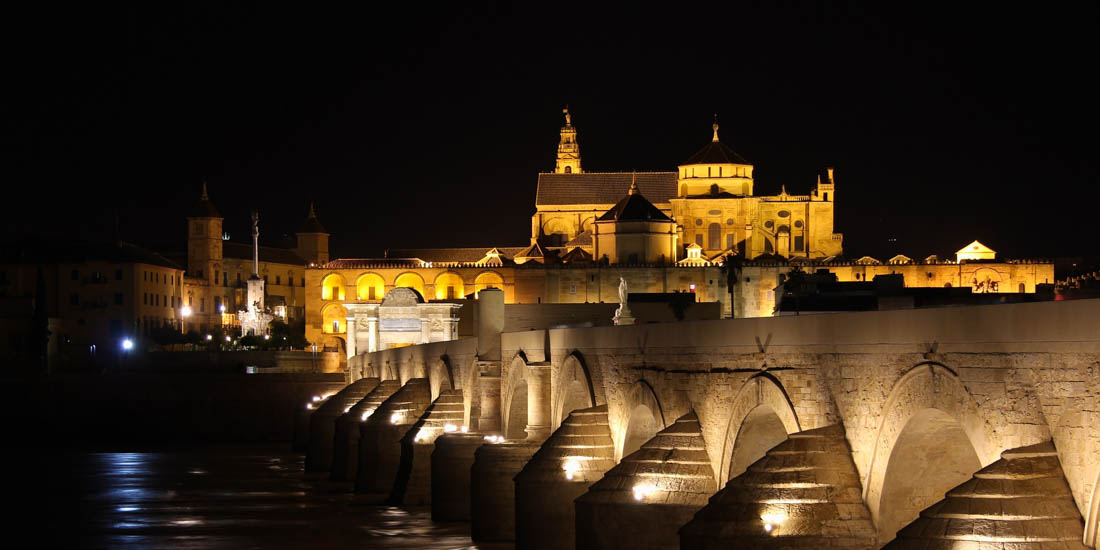 Cordoba, Spain
 Spain and Mexico both offer a nice selection of activities for visitors. Many travelers usually spend more of their time in Spain than Mexico because of the number of activities and things to do in the area. Usually, 7-21 days is a good amount of time for Spain, and 3-14 days is enough time in Mexico.
Families should spend more time in Spain than Mexico. Because of the many family-friendly attractions and fun things to do for kids in Spain, it's a great place to visit with the whole family.
Couples should spend more time in Spain than Mexico. You'll find plenty of romantic sights and fun activities in Spain that are great for a weekend getaway or a longer couple's trip.
Backpackers and budget travelers should spend more time in Spain than Mexico if your budget allows for it. With a larger number of budget-friendly sights, good nightlife, and active things to do, anyone traveling on a budget would have a good time in Spain.
Spain is a great place to explore. With so much to do, a weekend is probably not enough time to see everything. Your budget might influence how long you stay.
It's hard to know how much time to spend in Mexico. Adventure travel is very popular here, too. A weekend is usually not enough time for a trip here as there is plenty to do. The length of your ideal trip is an individual decision.
It's hard to know how much time to spend in Spain. Adventure travel is very popular here, too. With so much to do, five days is probably not enough time to see everything. It has many unique tourist attractions and fascinating things to do.
Mexico is a fun place to experience. In Mexico, many people enjoy the shopping, museums, and wildlife that this destination offers. You'll find plenty of activities on the beach. This would be the perfect place to spend five days, as it has just the right amount of activities.
Many travelers enjoy the adventure travel, national parks, and history and culture when visiting the diverse destination of Spain. This country offers a variety of activities to choose from. It's also known for its adventure travel activities. If you have one week, this is a great place to go. This would be the perfect place to spend one week, as it has just the right amount of activities.
In Mexico, many people enjoy the museums, wildlife, and adventure travel that this diverse destination offers. Plenty of people spend one week in the area when traveling. Most people come for the beaches. Take your pick from the many activities offered here. One week is often enough time to do most activities.
Many travelers enjoy the adventure travel, national parks, and history and culture when visiting the diverse destination of Spain. This country offers a variety of activities to choose from. Many visitors spend time at the beach while visiting the area. If you have two weeks, this is a great place to go. With all of its activities, you can easily fill two weeks here.
In Mexico, many people enjoy the museums, wildlife, and adventure travel that this vibrant destination offers. Plenty of people spend two weeks in the area when traveling. Adventure travel is very popular here, too. Take your pick from the many activities offered here. This would be the perfect place to spend two weeks, as it has just the right amount of activities.
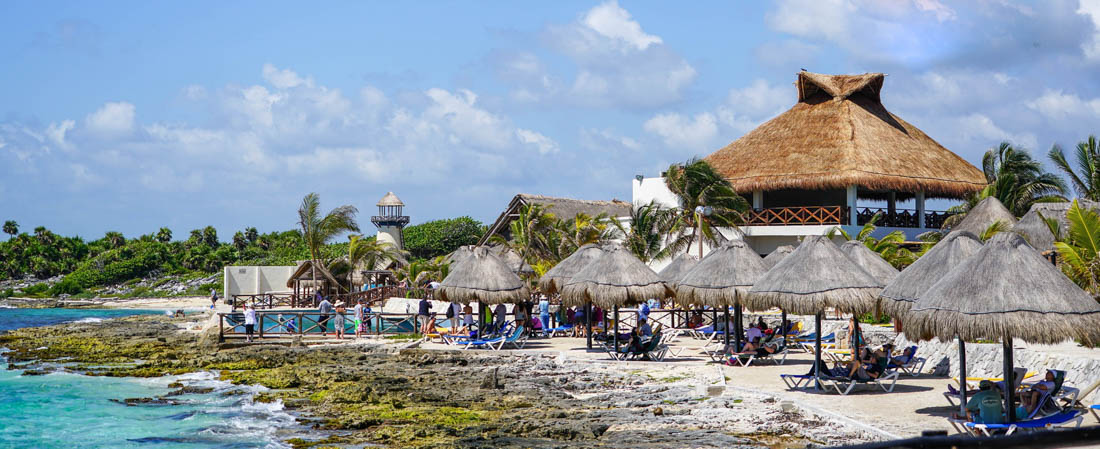 Cozumel, Mexico
 These are the overall average travel costs for the two destinations.
The average daily cost (per person) in Spain is €185, while the average daily cost in Mexico is €123. These costs include accommodation (assuming double occupancy, so the traveler is sharing the room), food, transportation, and entertainment. While every person is different, these costs are an average of past travelers in each country. What follows is a categorical breakdown of travel costs for Spain and Mexico in more detail.
Looking for a hotel in Spain or Mexico? Prices vary by location, date, season, and the level of luxury. See below for options and compare which is best for your budget and travel style.
Kayak helps you find the best prices for hotels, flights, and rental cars for destinations around the world. Compare prices for multiple destinations when planning your next trip.
Here are some examples of typical transportation prices from actual travelers in Spain:
Also for Spain, here are a few examples of actual transportation services:
Some typical examples of transportation costs in Mexico are as follows:
Some specific examples of transportation prices in Mexico:
Prices for flights to both Mexico and Spain change regularly based on dates and travel demand. We suggest you find the best prices for your next trip on Kayak, because you can compare the cost of flights across multiple airlines for your prefered dates.
For Spain, here are some examples of average food and meal prices for travelers:
For Spain, here are some samples of tours and activities related to meals and dining experiences:
Below are a few samples from actual travelers for food and meal costs in Mexico:
Also, here are some specific examples of food and dining related activities in Mexico.
Below are a few sample prices from actual travelers for Spain's activities, tours, and tickets:
For Spain, here are a few prices for actual activities, tours, and tickets provided by various companies:
Here are a few typical costs in Mexico for activities, ticket prices, and tours that come from previous visitors:
Here are a few actual costs in Mexico for available activities, ticket prices, and tours:
Below are a few samples from actual travelers for alcohol and nightlife costs in Spain:
Here are a few nightlife and alcohol tours and activities from local tour providers in Spain:
Some specific costs for nightlife related activities in Mexico:
When we compare the travel costs of actual travelers between Spain and Mexico, we can see that Spain is more expensive. And not only is Mexico much less expensive, but it is actually a significantly cheaper destination. Since Spain is in Europe and Mexico is in North America, this is one of the main reasons why the costs are so different, as different regions of the world tend to have overall different travel costs. So, traveling to Mexico would let you spend less money overall. Or, you could decide to spend more money in Mexico and be able to afford a more luxurious travel style by staying in nicer hotels, eating at more expensive restaurants, taking tours, and experiencing more activities. The same level of travel in Spain would naturally cost you much more money, so you would probably want to keep your budget a little tighter in Spain than you might in Mexico.
 Budget Your Trip is all about finding out how much everything costs so that you can travel cheaper and longer. Created by avid travelers Laurie and Bryan, our goal is to help you plan your next trip on the right budget. With average daily travel costs that are calculated from the budgets of real travelers, plus an analysis of hotel and tour prices, you can find out how much money you need to plan your next adventure. We also have plenty of travel advice, accommodation reviews, and activity suggestions.
Some of the links on this website are sponsored or affiliate links which help to financially support this site. By clicking the link and making a purchase, we may receive a small commission, but this does not affect the price of your purchase.