Which country is cheaper, South Korea or Italy?
These are the overall average travel costs for the two destinations.

Trying to figure out where to travel next? This travel comparison between Italy and South Korea can help. It includes a travel cost comparison in addition to other factors. For many travelers, the cost of a destination is a primary consideration when choosing where to go.
We'll start with a quick overview, and below we will go into all of the details.
| Italy | South Korea | |
| Museums & Attractions |  |
|
| Food | |
|
| Nightlife | |
|
| Scuba Diving & Snorkeling | |
|
| Beaches | |
|
| Families | |
|
| Couples | |
|
| Backpackers | |
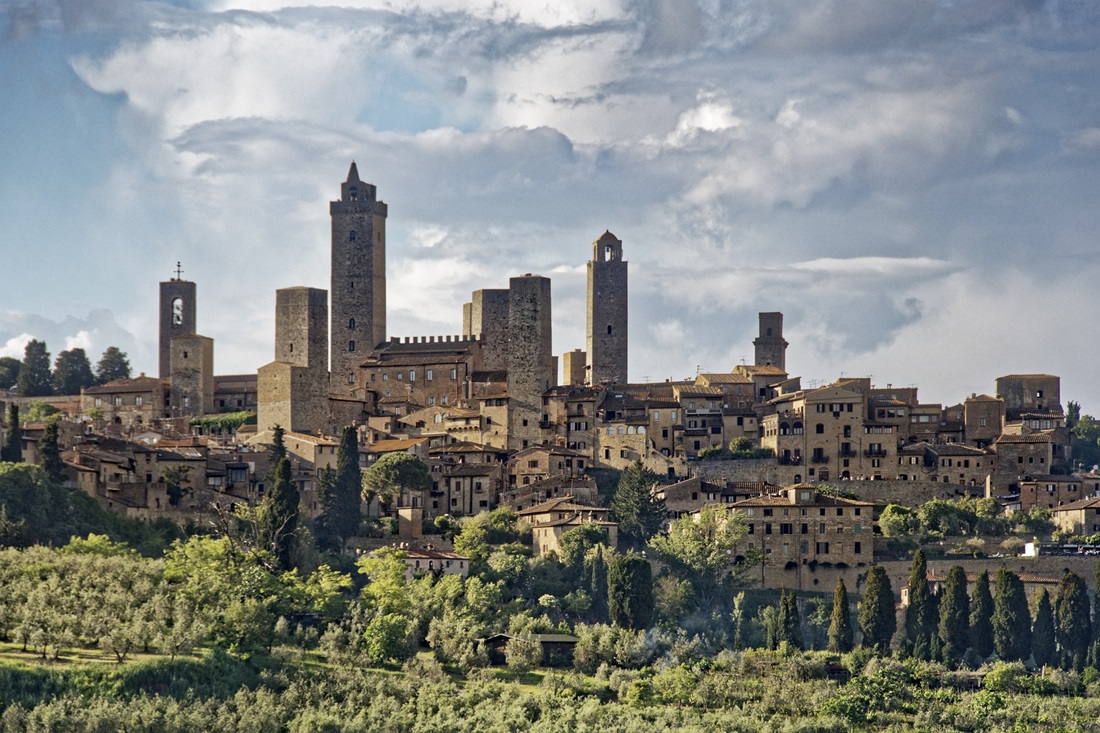 San Gimignano, Italy
 Italy is a captivating, scenic, and historical country. Many visitors also come to Italy because of it's amazing beauty. It's also popular because of the national parks, history and culture, skiing, and nightlife.
Italy is one of the most popular tourist destinations in the world. This is no surprise considering it offers world-famous sights and attractions, delicious food, beautiful scenery, abundant history, and gorgeous architecture.
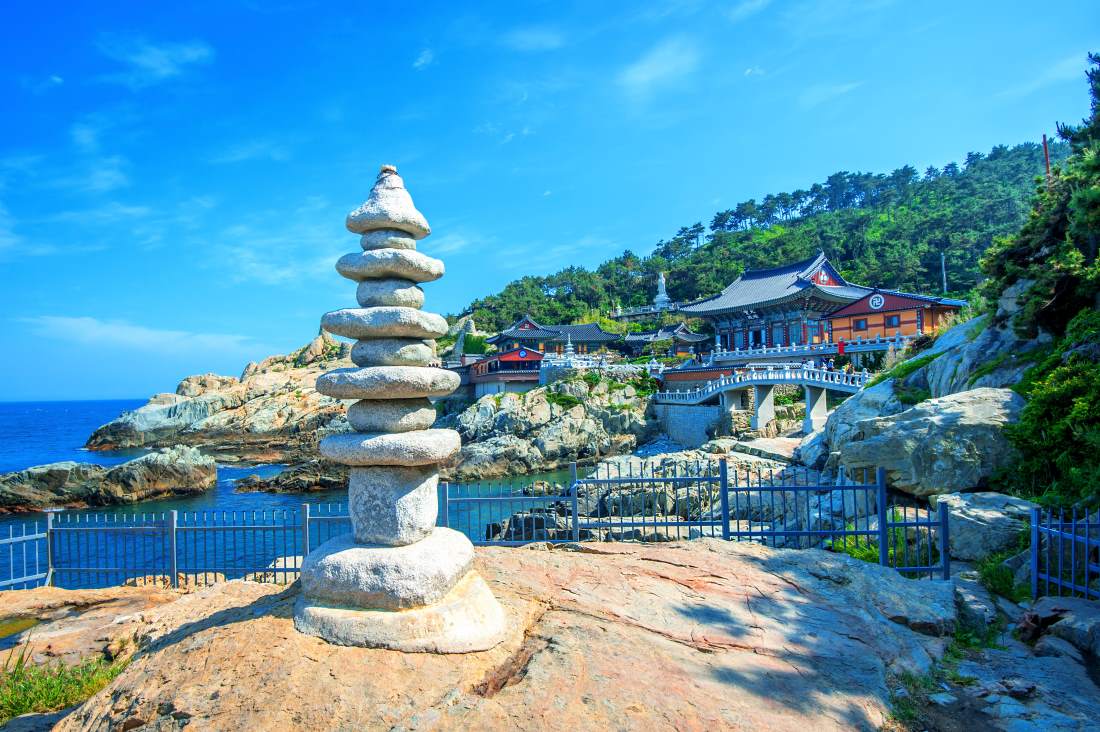 Haedong Yonggungsa Temple and the Haeundae Sea in Busan, South Korea.
 South Korea is a resilient, dynamic, and vibrant country. South Korea offers plenty of beauty for visitors. It's also popular because of the mountains, shopping, museums, and adventure travel.
South Korea is a vibrant blend of cutting-edge modernity and rich tradition, offering travelers an unforgettable cultural journey. From the bustling streets of Seoul, where neon-lit skyscrapers sit alongside ancient palaces, to the serene landscapes of Jeju Island’s volcanic scenery, this destination caters to every taste. Food lovers will delight in the world-renowned Korean cuisine, with dishes like kimchi, bibimbap, and Korean BBQ that burst with bold, dynamic flavors. History enthusiasts can explore well-preserved temples and UNESCO World Heritage sites, while K-pop fans immerse themselves in the electrifying entertainment scene. Outdoor adventurers have plenty to explore, from hiking the scenic trails of Seoraksan National Park to relaxing at natural hot springs. With a seamless blend of tradition, innovation, and warm hospitality, South Korea promises a travel experience that’s both enriching and exhilarating.
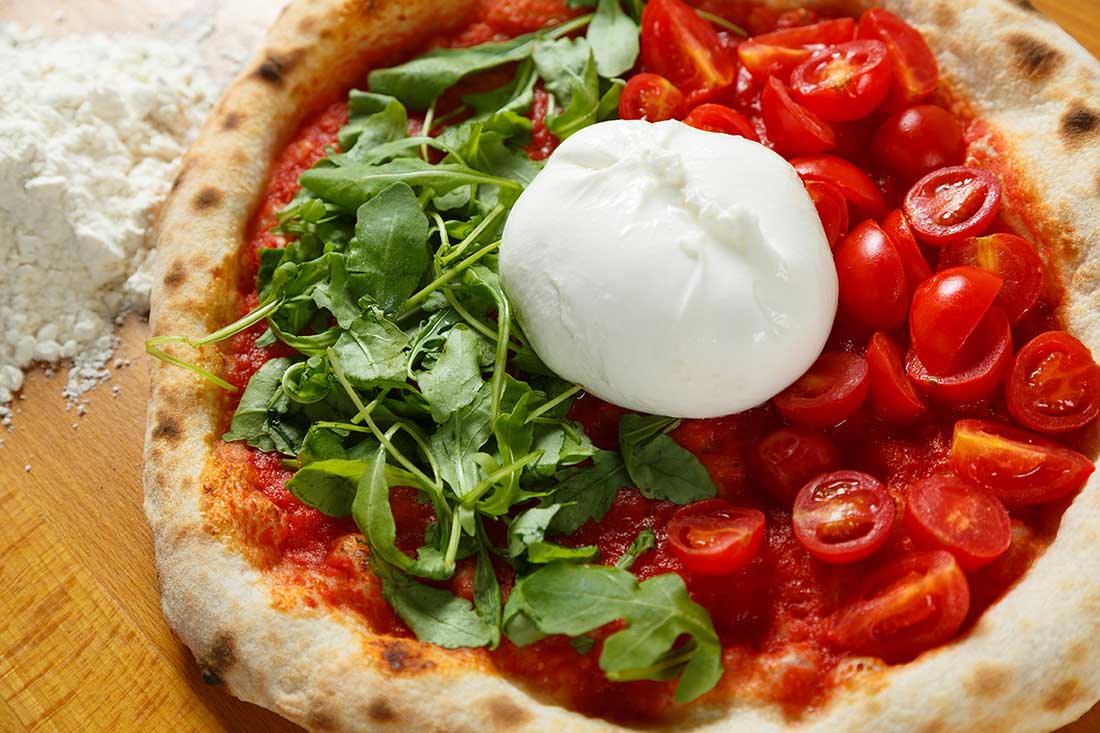 Italian Pizza
 Below we will examine the differences and similarities between Italy and South Korea. With this information, you can decide for yourself which place is better for your next trip.
Interesting museums and landmarks can be found in both South Korea and Italy, but many consider Italy to be a step above.
With plenty of landmarks, attractions, and museums, Italy has many famous sights for visitors. The major cities offer a unique combination of art, history, and cultural museums that are unmatched anywhere else in the world. From the famous art museums in Florence and Venice to the historical center of Rome, it's hard to find another country that offers as many museums as Italy.
Rome: The historical sights around the city are among the most impressive in the world. Almost anywhere you look you'll find a notable landmark but some of the most famous include the Colosseum, the Pantheon, the Trevi Fountain, the Vatican, and the Roman Forum.
Florence: Because of it's important role in the Renaissance, the city has many world-renowned museums that you can visit. Famous sights and landmarks include the Uffizi Gallery, the Duomo, and the Academy Gallery.
Venice: The many historic and famous landmarks in town include St. Mark's Basilica, St. Mark's Square, Doge's Palace, and the Rialto Bridge.
Pompeii: Pompeii is a city frozen in time and it is truly a one-of-a-kind destination. The streets remain as they once stood, lined with shops and homes. Highlights of a visit include the Forum, the Antiquarium, the Temple of Isis, and the Teatro Grande.
See also Florence Activity Guide, The Ultimate Rome Travel Guide, and Cheap Tours and Activities in Rome, Italy.
South Korea is a good place to visit if you're interested in museums or other recognizable sights. South Korea offers an extraordinary palette of museums that captivate travelers with their blend of cutting-edge design, rich history, and vibrant culture. In Seoul, the National Museum of Korea stands out as the crown jewel, housing an impressive collection of over 310,000 artifacts that span millennia—from ancient Korean pottery to exquisite Buddhist sculptures—making it an unmissable destination for history buffs. Equally compelling is the Leeum, Samsung Museum of Art, where traditional Korean art harmoniously coexists with contemporary masterpieces in architecturally stunning spaces designed by world-renowned architects Rem Koolhaas and Mario Botta. For those with a penchant for the avant-garde, the Dongdaemun Design Plaza (DDP) is a futuristic cultural hub combining exhibitions, design markets, and museums that celebrate innovation and creativity in fashion and technology. Beyond Seoul, the city of Gyeongju, often called “the museum without walls,” houses open-air treasures such as Bulguksa Temple and the Gyeongju National Museum, offering immersive insights into Korea’s Silla Dynasty heritage. Whether exploring Seoul’s dynamic museums or wandering through Gyeongju’s ancient relics, travelers will find South Korea’s museums to be both enlightening and inspiring gateways into the nation's soul.
See also 10 Things to do in Seoul.
Italy and South Korea both offer a fairly similar amount of great history and culture for visitors.
For those interested in history, art, and culture, Italy is not to be missed. It's hard to find another country as proud of its heritage, culture, and history. In Italy, all of these are mixed together as the historical architecture and cuisine are constant reminders of the rich history and artistic contributions throughout the centuries. From the ancient Roman civilization up to the Renaissance to modern times, it's all on display here in the cities and the countryside.
See also How to Buy Tickets to the Colosseum, Rome Activity Guide, and The Ultimate Florence Travel Guide.
South Korea offers world-famous historcal and cultural sights and attractions. This is one of the main reasons why so many people come here every year. South Korea is a vibrant tapestry where ancient tradition and cutting-edge modernity coexist, offering travelers an immersive dive into rich history and dynamic culture. At the heart of this experience are iconic sites like Gyeongbokgung Palace in Seoul, a stunning 14th-century royal residence that epitomizes Joseon Dynasty architecture and invites visitors to witness the colorful changing of the guard ceremony. Nearby, Bukchon Hanok Village offers a living museum of traditional Korean wooden houses, where wandering cobblestone streets feels like stepping back in time. For a deeper cultural immersion, travelers flock to Andong’s Hahoe Folk Village, famous for preserving centuries-old Confucian traditions alongside vibrant mask dances and folk festivals. Across the country, museums such as the National Museum of Korea in Seoul and the ancient Silla relics in Gyeongju—often called the “museum without walls”—reveal the layers of Korea’s artistic and spiritual heritage. Popular cultural activities include trying on hanbok traditional dress, participating in tea ceremonies, and attending performances of pansori storytelling or samulnori drumming. These experiences, set against breathtaking backdrops, create a profound connection with South Korea’s storied past and living culture that travelers cherish long after they leave.
Italy offers more big cities to explore than South Korea.
Visitors will also find so much to do in Italy, as the large cities offer many sights and attractions. With numerous world-famous cities, this country offers a special city vibe many times over. From the bustling streets of Rome and Milan to the historic centers of Florence, Venice, and Naples, visitors will find no shortage of sights, attractions, nightlife, restaurants, and museums to explore in the big cities of Italy.
See also Milan: The Ultimate Travel Planning Guide, Naples: The Ultimate Travel Planning Guide, and The Ultimate Venice Travel Guide.
South Korea has large cities with plenty of activites for visitors as well. South Korea’s largest cities—Seoul, Busan, Incheon, Daegu, and Daejeon—each offer a compelling blend of modern vibrancy and rich cultural heritage, making them excellent travel destinations for a range of interests. Seoul, the booming capital, is a dynamic metropolis where ancient palaces like Gyeongbokgung coexist with cutting-edge shopping districts such as Myeongdong and Gangnam. Travelers flock here for unforgettable big-city experiences: exploring hip neighborhoods, attending K-pop concerts, and wandering through sprawling museums and galleries. The city’s dining scene is a gastronomic adventure, from sizzling street food stalls serving tteokbokki to upscale restaurants showcasing innovative Korean cuisine. Nightlife thrives in areas like Hongdae and Itaewon, offering everything from cozy craft beer pubs to stylish nightclubs and live music venues. Busan, South Korea’s premier port city, draws visitors with its stunning beaches like Haeundae, lively fish markets, and a more laid-back vibe. It’s perfect for travelers looking to balance urban excitement with seaside relaxation. Incheon, often seen as a gateway with its international airport, boasts charming Chinatown and waterfront parks, while Daegu and Daejeon are known for their burgeoning arts scenes, traditional markets, and tech-savvy atmospheres. Across these cities, theater lovers can enjoy both grand musicals and traditional performances, while activities range from hiking scenic trails just outside the urban bustle to visiting futuristic digital museums. Ultimately, South Korea’s largest cities deliver diverse, vibrant experiences for travelers eager to delve into the country’s cultural pulse, culinary delights, and nightlife buzz.
See also 3 Days in Seoul.
Italy offers more villages and small towns to explore than South Korea.
You'll find plenty of local activities in all of the small towns and villages in Italy. If quintessential small towns are what you seek, then you will find them here. Along the coastline as well as inland, Italy is home to numerous charming small towns with colorful buildings and gorgeous landscapes. Many of these towns offer great views of the surrounding countryside or coastlines, a maze-like selection of narrow alleyways, and quaint cafes to while away the afternoons.
See also Amalfi Coast's Seaside Towns, The Best Day Trips from Venice, and Things to Do in Cinque Terre.
South Korea is a great destination to visit small towns and villages just waiting to be explored. South Korea’s most visited small towns offer an enchanting blend of quaint charm, rich history, and breathtaking scenery that perfectly contrasts the bustling modernity of its big cities. Take Bukchon Hanok Village in Seoul’s outskirts, where narrow lanes lined with traditional hanok houses transport visitors to the Joseon Dynasty, making it a photographer’s paradise and a cultural treasure trove. Further south, the picturesque town of Jeonju captivates with its well-preserved hanok village, famed for mouthwatering bibimbap and vibrant artisan markets, inviting travelers to immerse themselves in authentic Korean gastronomy and craft. Meanwhile, the mountain town of Yangdong, a UNESCO World Heritage site, charms visitors with its centuries-old clan village nestled amid rolling green hills, ideal for tranquil hikes and deep cultural exploration. For seaside allure, Tongyeong boasts stunning coastal views, colorful fishing villages, and boat tours that showcase the region’s marine beauty. These towns are beloved not only for their Instagram-worthy aesthetics and serene atmospheres but also for activities like traditional tea ceremonies, local cooking classes, hiking, and cultural festivals, all of which allow travelers to experience Korea’s heartfelt heritage up close. Whether seeking history, nature, or culinary delights, South Korea’s small towns offer an irresistibly authentic escape from urban life.
Foodies will appreciated the dining options available in Italy a bit more than South Korea.
Eat your way through Italy, as it has many local or world renowned restaurants to choose from. The food here is world-famous, as you probably already know. In fact, the food is one of the main attractions. Pasta, pizza, seafood, and gelato are only just the beginning. Many regions of Italy have their own culinary specialties, too. So, be prepared to eat your way through this gourmet country.
Rome: Homemade pasta, fresh sauces, and fine wine all make the food scene among the best. Also make sure you try the gelato.
Milan: The city has a mix of traditional dishes combined with modernized, trendy restaurants. You can try a new dish by a groundbreaking chef, or sample a long running favorite like risotto alla Milanese.
Naples: As the birthplace of pizza, the city has a well known food reputation. Many local dishes, including an authentic Napoli pizza, use simple flavors such as olive oil, garlic, and tomatoes. The dishes are lighter than their northern counterparts and tomatoes are a very popular ingredient. In addition to the pizza, you should try Lasagna Al Forno Napoletana and Spaghetti Alla Vognole. Also check out a pizza making class.
Florence: Once you've worked up an appetite exploring museums and churches, you'll find many amazing local restaurants around town. Local dishes incorporate a lot of hearty vegetables and meats. Famous dishes include a Florentine steak dish, rabbit, and a bean and cabbage soup. You'll also find all of your favorite Italian staples and many great family-owned trattorie.
Bologna: Foodies will appreciate the city's well earned culinary reputation. Some people even consider Bologna to be a food capital in Italy. There are cooking classes and food tours around town, as well as many great restaurants that serve up local dishes. Visitors should try Tagliatelle with Ragu (now famously known around the world as Bolognaise), Tortellini in broth, and Mortadella (salami).
See also Make Your Own Pizza in Naples, Italy.
With its innovative style combined with traditional elements, South Korea makes for a great culinary experience. South Korean cuisine is a vibrant tapestry of bold flavors, unique textures, and time-honored traditions that reflect the country’s rich cultural heritage. At its heart, Korean food revolves around fermented staples like kimchi—spicy, tangy fermented vegetables that accompany nearly every meal—and savory dishes such as bibimbap, a colorful mixed rice bowl topped with sautéed vegetables, marinated beef, and a fried egg, all brought together with a fiery dollop of gochujang (red chili paste). Barbecue, or “gogi-gui,” is another culinary cornerstone, where diners grill marinated cuts of beef, pork, or chicken at their table, often wrapped in fresh lettuce leaves with garlic and ssamjang (a thick, spicy paste). Beyond these well-known dishes, Korea offers a vast array of hearty soups, noodle dishes like japchae, and street foods ranging from tteokbokki (spicy rice cakes) to hotteok (sweet pancakes). Internationally, Korean cuisine has surged in popularity over the past decade, celebrated for its complex flavors, healthful ingredients, and communal dining experience—elevating it from niche curiosity to global culinary phenomenon. While some may find the spiciness or strong fermented notes challenging, most agree that Korean food is a delicious and exciting exploration well worth savoring.
Seoul: Food is a cultural obsession here, and you'll find everything from world class street food to award winning restaurants. The dishes are so much more diverse than Korean barbecue and kimchi. Many dishes are very spicy, with popular local foods including gamjatang (pork and potato soup) and jeon (savory pancakes).
Most visitors prefer the nightlife in Italy.
Italy is a must-see party destination. The major cities of Rome, Milan, Florence, and Naples offer plenty of nightlife for every type of person. From bars and clubs to restaurants and theatre, the larger and even the smaller cities have plenty of options.
Rome: You'll find a huge concentration of bars and clubs in the Testaccio area. There are late night clubs with salsa dancing, merengue, and live DJ's spinning every type of music.
Milan: The city has a huge number of students and young professionals, which make it a fun place with an active nightlife. There are cocktail bars, trendy clubs, and relaxed pubs that you can chose from.
See also Party Hostels in Florence, and Party Hostels in Rome.
South Korea has an active nightlife scene for those who seek it out. South Korea’s nightlife is a vibrant, electrifying tapestry that pulses with energy from dusk until dawn, offering something for every nocturnal adventurer. In Seoul, the party never truly stops—from the sleek, high-energy clubs of Gangnam, where international DJs spin the latest EDM beats, to the hip, underground bars and live music venues tucked away in Hongdae and Itaewon, catering to lovers of everything from indie rock to jazz. Busan’s nightlife, meanwhile, carries a coastal charm with beachfront bars in Haeundae and dynamic clubs in Seomyeon, creating the perfect blend of seaside relaxation and dancefloor frenzy. For a uniquely Korean experience, head to a pojangmacha (street food tent) after hours to savor spicy tteokbokki and soju under neon lights, or try your hand at noraebang (karaoke rooms), a beloved local pastime where friends and strangers belt out everything from K-pop hits to classic ballads. Whether you’re seeking chic rooftop lounges, underground hip-hop scenes, or late-night street eats, South Korea transforms after dark into a playground that invites endless exploration and unforgettable memories.
If luxury resorts are your style, both Italy and South Korea have great options.
Italy has a few great resort options. The coastal and beach areas host some nice resorts, especially in the south where the water is clear and blue. Otherwise, almost all of Italy is home to luxurious hotels featuring nice amenities.
Positano: The town has a number of luxury resorts including Le Sirenuse, Il San Pietro di Positano, and Hotel Le Agavi.
Portofino: Known for it's exclusive luxury, there are a number of high end resorts in the area. Popular options include Splendido, Sublimis Boutique Hotel, and Grand Hotel Miramare.
South Korea has a handful of resorts to choose from. South Korea offers a diverse array of resort destinations that cater to every kind of traveler, blending natural beauty with cultural richness and modern luxury. On Jeju Island, often called the “Hawaii of Korea,” resorts are nestled among volcanic landscapes, pristine beaches, and lush forests, attracting visitors who crave hiking Hallasan Mountain by day and soaking in elegant spas by night. Nearby, the coastal city of Gangneung is famed for its serene East Sea beaches and burgeoning café culture, making it a hotspot for both relaxation and surfing enthusiasts. For winter sports lovers, the mountain resorts of Pyeongchang boast world-class ski slopes and Olympic-grade facilities, drawing adventurers eager for snowboarding, skiing, and après-ski charm. Meanwhile, the city of Busan offers a dynamic urban-resort blend, with luxury hotels perched along Haeundae Beach, perfect for beach festivals, seafood feasts, and vibrant nightlife. Each area’s distinct blend of natural allure and tailored activities—from cultural excursions and wellness retreats to adrenaline-pumping sports and coastal leisure—ensures South Korea’s resorts provide unforgettable escapes that satisfy every traveler’s desires.
Italy provides a better beach experience than South Korea.
Many people visit Italy for it's beautiful beaches. Many of the beaches along the coastline offer fantastic scenery and stunning beauty, and consist of coves with dramatic rock formations with clear blue waters. While not as sandy as in other countries, they still attract plenty of visitors. The southern regions, and Sicily, offer flatter beaches with more sand if you're looking for better swimming.
See also The Ultimate Amalfi Coast Travel Guide.
South Korea offers a nice beach destination. South Korea may be famed for its bustling cities and rich history, but its beaches offer a surprising and spectacular coastal escape that rivals any in East Asia. Among the most celebrated is Haeundae Beach in Busan, a 1.5-kilometer stretch of golden sand renowned not only for its lively urban atmosphere but also for crystal-clear waters and a skyline dotted with stylish cafes and towering skyscrapers. For those seeking a more tranquil retreat, Jeju Island’s Jungmun Saekdal Beach captivates with its unique black, white, red, and gray sand, framed by dramatic volcanic cliffs and lush greenery—perfect for surfers and nature lovers alike. Meanwhile, Gyeongpo Beach in Gangneung on the East Coast offers a serene lakeside-meets-seaside ambiance, ideal for sunrise vistas that have inspired Korean poets for centuries. Each beach brings a distinct vibe and setting, making South Korea a surprisingly versatile destination for sun, sand, and sea aficionados.
Italy is generally considered to be a more popular shopping destination.
Many people travel to Italy specifically to go shopping. From Milan to Florence to Rome, this country offers some terrific fashion and shopping experiences. The big cities and the smaller towns can provide unique opportunities to find new clothes, fun souvenirs, and interesting crafts.
Rome: For the biggest brand names, head to Via del Corso, which is near the Spanish Steps. Popular items to buy include Italian ceramics, shoes, leather goods, and jewelry.
Milan: Famous as the fashion capital of Italy, shopping is the thing to do here. There are many streets that are lined with the biggest designers in fashion. Make sure you check out Via Monte Napoleone, Via Della Spiga, and Corso Buenos Aires.
Venice: There are many unique items that people purchase in town. Some of the most popular include Murano glass, Burano lace, Venetian masks, and local fabrics.
Como: The shopping is comparable to major cities, with everything from high end boutiques to outlets and local markets. There are clothing shops, jewelry stores, and places to pick up local souvenirs. Shopping is a favorite activity for many visitors to Lake Como.
South Korea is an extremely popular place for shoppers. South Korea is a vibrant shopper’s paradise, blending cutting-edge fashion with traditional crafts and bustling street markets. In Seoul, the shopping mecca is Myeongdong, where global brands nestle alongside cosmetic giants and quirky K-beauty stores, attracting fashion-forward locals and tourists eager to snag the latest trends. For a more youthful, edgy vibe, Hongdae offers indie boutiques and vintage shops amid lively cafés and street performers, making shopping part of a broader cultural experience. Dongdaemun Market, open almost 24/7, is a must for night owls hunting everything from fabric rolls to flash-forward fashion at wholesale prices, reflecting Korea’s fast-paced design scene. Meanwhile, Insadong charms visitors with its blend of antique shops, traditional tea houses, and galleries selling exquisite hanbok, ceramics, and calligraphy—a perfect spot for art lovers and souvenir seekers looking to take home a piece of Korea’s rich heritage. Each of these locales offers a unique blend of atmosphere, variety, and authenticity, making shopping in South Korea as dynamic and multifaceted as the country itself.
Seoul: This bustling city offers traditional local items as well as Korean cosmetics and trendy fashion. Although shopping malls are spread throughout the city, some of the most popular shopping areas are found around Myeong-dong and Dongdaemun.
Italy and South Korea are great places to visit for winter sports such as skiing.
Italy draws a large crowd in the winter for its impressive snow skiing opportunities. In the northern mountainous areas of Italy visitors will find the Alps and the Dolomites. Here, a number of world-class ski resorts draw visitors from all over Europe and the rest of the world.
South Korea is an extremely popular place for snow skiing and other winter sports. South Korea has emerged as a captivating winter playground for skiing and snowboarding enthusiasts, offering a diverse range of resorts that blend modern facilities with stunning mountain landscapes. Among the most iconic is Yongpyong Resort, the country’s largest and often dubbed the “ Alpine Colossus,” featuring over 28 trails and world-class amenities that hosted the 2018 PyeongChang Winter Olympics events. Just a short drive away, Alpensia Resort charms with its family-friendly slopes and picturesque village setting, perfect for those seeking a balanced mix of adventure and relaxation. For a more intimate vibe, Vivaldi Park Ski World is beloved by younger crowds and night owls thanks to its excellent night skiing options and vibrant après-ski scene. Meanwhile, High1 Resort, tucked away in Gangwon Province, stands out for its high altitude and reliable powder conditions, appealing to powder hounds craving fresh snow and fewer crowds. Each of these resorts highlights South Korea’s commitment to premier winter sports experiences, combining efficient lift systems, well-groomed pistes, and a distinctive cultural flair—from traditional mountain cuisine to cozy on-site accommodations—making the Korean ski season an unexpectedly thrilling and uniquely memorable winter escape.
Both Italy and South Korea are destinations which offer great hiking.
Plenty of visitors go hiking around Italy. The northern regions around the Dolomites and the Alps offer plenty of hiking trails, as do some of the central inland areas where the terrain is higher and rugged. Plenty of coastal trails can be found with stunning views of the Mediterranean, too. Check out the trails around the Amalfi Coast and Cinque Terre, for example. Also, one of the most famous hikes is the historic walk along the Appian Way.
Cinque Terre: The five towns are part of Cinque Terre National Park and there are 120 kilometers of hiking trails in the park. Most people hike along the trails that follow the coastline and connect the towns. There are fees for the most popular stretch of trails which connect Monterosso to Vernazza and then go from Vernazza to Corniglia. All other hiking is free in the area.
See also A Hiking Guide to Cinque Terre, and Tours and Hiking Trips to Mt. Vesuvius and Pompeii.
South Korea offers some nice hiking trails. South Korea is a hiker’s paradise, boasting a rich tapestry of trails that weave through ancient forests, rugged mountains, and serene temples. Among the crown jewels is Seoraksan National Park in the northeast, famed for its dramatic granite peaks, vibrant autumn foliage, and the iconic Ulsanbawi rock formation offering panoramic vistas that are nothing short of breathtaking. Further south, Jirisan National Park—home to South Korea’s second-highest peak, Cheonwangbong—delights adventurers with its dense pine forests, mist-shrouded valleys, and the spiritual allure of its mountain temples nestled amidst the wild. For a coastal twist, the trails of Hallyeohaesang National Park provide spectacular sea views, peppered with islands and pine-clad cliffs that create an invigorating blend of marine and mountain scenery. What makes South Korean hiking truly unique is this seamless blend of natural grandeur with cultural heritage, where every path can lead hikers not only to stunning landscapes but also to centuries-old shrines, Buddhist hermitages, and traditional mountain villages. Whether you’re chasing autumn colors, spring blossoms, or winter snowscapes, South Korea’s hiking regions offer an immersive experience that is both physically rewarding and deeply soulful.
Travelers can find good number of great national parks in both Italy and South Korea.
Italy has a range of national park areas worth visiting. While not necessarily famous for its national parks, here you'll still find plenty of absolutely gorgeous regions to explore. From the Dolomites in the north to the beautiful stretches of coastline, Italy has plenty of park areas to explore. Don't miss Cinque Terre with its colorful villages and vineyards, or Gargano in the south with its clear waters and white cliffs.
South Korea is a great destination for touring the national parks. South Korea’s national parks offer a captivating blend of rugged mountain landscapes, ancient temples, and vibrant biodiversity, making them a must-visit for nature lovers and cultural enthusiasts alike. At the heart of these parks is Seoraksan National Park, arguably the most popular and iconic, famed for its dramatic granite peaks, colorful autumn foliage, and serene Buddhist temples like Sinheungsa nestled amid craggy cliffs. For a more tranquil experience, Hallasan National Park on Jeju Island boasts South Korea’s highest peak—a dormant volcano surrounded by unique lava tube caves and rare alpine flora, providing a surreal volcanic backdrop to your hike. Meanwhile, Jirisan National Park, the country’s largest, offers expansive wilderness and the chance to explore deeply rooted spiritual heritage through ancient mountain temples such as Hwaeomsa. Each park showcases a distinct facet of Korea’s natural beauty and cultural depth, from coastal cliffs and dense forests to mist-shrouded peaks, making the national parks a gateway to understanding the nation’s rich ecological and historical tapestry.
South Korea generally offers more adventure travel options for travelers than Italy.
South Korea is a very popular place for adventure travel because of its abundant wildlife. South Korea is a vibrant playground for adventure travelers seeking adrenaline-pumping experiences woven into stunning natural landscapes. For those craving rugged mountain thrills, the jagged peaks of Seoraksan National Park offer world-class hiking and rock climbing amid ancient granite cliffs and cascading waterfalls, especially electrifying in autumn when the foliage bursts into fiery hues. Water lovers gravitate to Jeju Island, where scuba diving unveils a kaleidoscope of marine life around volcanic reefs, while windsurfing and kiteboarding on the island’s east coast provide exhilarating rides against the backdrop of ocean vistas. Meanwhile, the DMZ region beckons with unique cycling tours that combine history with rugged terrain, offering an offbeat adventure rarely found elsewhere. For a heart-pounding rush, try paragliding over the scenic valleys near Gangwon Province, where sweeping panoramas greet you as you soar above verdant hills. Whether scaling rocky summits, navigating dynamic coastlines, or gliding through the air, South Korea’s adventurous spirit pulses through every corner of this energetic country.
Italy has some adventurous travel experiences that often attract visitors. If thrills are what you're after, you can find a number of adventure sports here. From skiing in the north to scuba diving in the south, you can find it here. Visitors can also find plenty of hiking and paragliding in the mountains, as well as canyoning in many of the central regions of Italy.
Both Italy and South Korea have some great mountain areas to explore.
Visiting the mountains in Italy is a very popular activity. While not known for mountains as much as some of its neighbors, this country has its fair share in the northern regions where you'll find the Alps and Dolomites. Plenty of mountain villages can be found here, along with winter skiing, summer hiking, scenic lakes, and more.
South Korea has some beautiful mountain areas that attract visitors. South Korea’s mountain regions are a captivating blend of natural beauty, cultural heritage, and invigorating outdoor adventure, making them a must-visit for travelers seeking both serenity and thrill. The most iconic mountain range is the Taebaek Mountains, stretching along the eastern coast, home to Seoraksan National Park—the crown jewel of Korean hiking. Visitors flock here to scale rugged peaks, explore crystal-clear valleys, and witness breathtaking autumn foliage that rivals the best in the world. Meanwhile, Jirisan, the highest mountain on the mainland, attracts serious trekkers with its challenging trails and rare biodiversity, offering spiritual respite around its ancient temples like Hwaeomsa. The mystical Hallasan volcano, dominating Jeju Island, charms hikers and nature lovers alike with its lunar landscapes and endemic flora. Beyond hiking, these regions are alive year-round with seasonal festivals, hot springs, and traditional villages, making South Korea’s mountains more than just scenic backdrops—they are immersive experiences where nature and culture converge in uniquely Korean ways.
Overall, Italy is considered to offer more watersports activities and attractions to visitors.
Italy offers fun and exciting watersports activities for visitors. As a coastal nation, it's no surprise that visitors can get out on the water here. From boating to surfing to fishing, it's quite easy to find plenty of activities. Scuba diving and snorkeling are especially popular in the southern regions of Italy where the water is clear and warm.
South Korea is a good destination to participate in watersports, as there are some fun activities. South Korea’s dynamic coastline and abundant inland waterways make it a surprisingly vibrant hub for watersports enthusiasts eager to combine adventure with cultural immersion. Along the east coast, particularly around Sokcho and Gangneung on the scenic Gangwon Province shore, surfing has surged in popularity, with waves suitable for both beginners and seasoned riders luring crowds during the summer months. For a more leisurely but no less invigorating experience, the southern resort island of Jeju offers top-notch snorkeling and scuba diving opportunities amid volcanic rock formations and thriving coral reefs, where divers can encounter colorful marine life including the elusive black sea bream. Kayaking and paddleboarding are also widely enjoyed on the tranquil freshwater lakes near Chuncheon, providing a peaceful escape surrounded by Korea’s lush mountainous landscapes. Meanwhile, the bustling islands of Busan, with its famous Haeundae Beach, combine energetic jet-skiing and parasailing experiences with vibrant beach culture, perfect for travelers seeking high-octane thrills against a stunning urban backdrop. Whether carving through ocean swells or quietly paddling inland, South Korea’s watersports scene offers something for every type of adventurer.
You can find a fairly equal amount of great outdoor activities in both Italy and South Korea.
Outdoor activities in Italy are quite popular with travelers. Hiking, snow skiing, boating, kayaking, rafting, snorkeling, and more are all popular activities here. One of the main reasons is that the natural beauty is everywhere, and that most of the country's outdoor areas are so accessible to the larger cities.
South Korea has some outdoor activities that attract visitors. South Korea is a vibrant playground for outdoor enthusiasts, offering a tantalizing blend of nature, culture, and adventure that caters to all seasons. Hiking is by far the country’s most beloved outdoor activity, with iconic trails like Seoraksan National Park’s rugged peaks providing panoramic views of jagged granite cliffs and ethereal misty forests, while the ancient pilgrimage path of the Baekdudaegan Mountain Range invites more seasoned trekkers to explore Korea’s spine in depth. For a coastal twist, surfers flock to Jeju Island’s emerald waters, where consistent waves and warm beach vibes create an invigorating seaside escape. Meanwhile, the Han River running through Seoul transforms into a bustling hub for cycling, paddleboarding, and picnicking, offering a refreshing urban retreat with skyline views. During winter, the snows of Gangwon Province become a haven for skiing and snowboarding, featuring world-class resorts like Yongpyong and Alpensia—both offering impeccably groomed slopes and vibrant après-ski culture. From forest bathing in serene temple grounds to kayaking along scenic rivers such as the Nakdong or the picturesque areas of Boseong’s tea fields, South Korea’s outdoor activities fuse natural beauty with cultural richness, ensuring travelers leave with memories as vivid as the landscapes themselves.
Italy and South Korea both have plenty of great places to explore on a road trip.
With many possiblities for a road trip, Italy is a great place to take on the open road. If you're looking to drive through the countryside from city to city, or even just through the small towns, you'll find some great roads in Italy. Take a drive down the coast from Rome to see a diverse set of coastlines, towns, and historical sights. Or, drive through the mountains in the north interspersed with gorgeous lakes. And don't forget about Tuscany where you can explore the small towns among the vineyards and wineries.
South Korea is a great place to take a road trip. Embarking on a road trip through South Korea is an exhilarating way to experience the country's dynamic blend of cutting-edge urban culture and breathtaking natural beauty. Among the most popular routes, the iconic Seoul to Busan drive along the eastern coast stands out, weaving through charming seaside towns like Sokcho, where you can hike in Seoraksan National Park, before winding down along the scenic Donghae Highway. Another beloved itinerary is the Jeolla Province loop, spotlighting Korea’s culinary heartland—cities like Gwangju and Jeonju offer vibrant food scenes and traditional hanok villages. For those craving a mountainous retreat, the Gangwon-do circuit takes you from the snowy resorts around Pyeongchang to tranquil lakesides and dense forests. South Korea’s impeccably maintained highways and well-signposted routes make driving here a breeze, while rental cars—often booked via apps or at airports—offer flexibility that trains or buses can’t match. Travelers tend to embrace a mix of self-drive adventures and guided road trip tours, with options ranging from sleek modern vehicles to rugged SUVs for the more off-the-beaten-path routes. The experience is punctuated by roadside rest stops boasting gourmet snacks, Korean comfort foods, and stunning overlooks, making South Korea’s road trips as much about the journey as the destinations themselves.
Families may find more to do in Italy than South Korea.
With a huge array of activities for kids, Italy is very family-friendly. With plenty of diverse activities for children and adults, here you'll find large cities with famous attractions, beautiful beaches on stunning coastlines, and small towns with great food. Plenty of amusement parks, outdoor activities, and water sports are also available.
Lake Garda: The nearby amusement parks, including Gardaland, make this a popular destination for families. The area also has many places to swim, trails to explore, and castles to experience. Kids and adults alike will love this amazing kid-friendly area.
See also Cinque Terre: The Ultimate Travel Planning Guide, and Hostels in Palermo, Sicily for Couples, Women, Families & Solo Travellers.
South Korea is a very family-friendly place to visit. South Korea stands out as an exceptionally family-friendly destination, blending vibrant culture with a wealth of engaging activities tailored for kids of all ages. From the futuristic wonders of Seoul’s Lotte World, one of the largest indoor amusement parks globally, to the interactive exhibits at the National Museum of Korea, families can enjoy fun and education seamlessly intertwined. Outdoor enthusiasts will love exploring Namsan Seoul Tower, where children can participate in the beloved tradition of attaching “love locks” while enjoying panoramic city views, or strolling through the whimsical Hello Kitty Island on Jeju Island. The country’s impeccable safety, efficient public transport, and abundance of kid-oriented cafes and themed restaurants only add to its appeal, ensuring that young travelers are entertained and parents can relax. Whether it’s crafting hanboks (traditional Korean clothing) in cultural villages or making kimchi together in hands-on cooking classes, South Korea offers family adventures that create lasting memories.
Couples will find a longer list of romantic activities in Italy than South Korea.
Italy is fantastic couple's destination with fun and romantic activities. Known for its romantic destinations, couples will have a hard time simply deciding which destination to choose first. From world-famous cities full of charm, romance, and cuisine to gorgeous beaches to small colorful towns, Italy has everything a couple would want for a honeymoon or a romantic getaway.
Florence: Art and history lovers will enjoy a visit to this truly beautiful city. Couples who enjoy museums, historic buildings, and world-renowned art, will find plenty to do in this city.
Venice: With its many truly unique romantic experiences, this city makes for a truly memorable honeymoon or romantic getaway. Ride a gondola, get lost in the city, and enjoy pasta and music around town to make the experience unlike any other.
Como: Its beautiful walks, charming towns, and surrounding natural setting make this a great honeymoon and couple's getaway destination. Dine on Italian cuisine as you sip wine and look out on the pristine waters of Lake Como.
Siena: With its impressive beauty and long running history, this is a truly romantic city. The atmosphere is relaxed and there are plazas and neighborhoods that are great for exploring. There are also many great restaurants, superb wine, and world class sights that are not to be missed.
Sorrento: This beautiful romantic destination is one of the world's top honeymoon areas. It's a small city that offers access to the many nearby destinations, so it makes a good base or gateway city for visiting places like Capri and the Blue Grotto as well as the Amalfi Coast. You can enjoy romantic hikes full of stunning views, explore by kayak, dine at romantic restaurants, or experience a one-of-a-kind farm tour. If you base yourself in Sorrento, you'll likely be doing a lot of day trips.
See also Hostels in Palermo, Sicily for Couples, Women, Families & Solo Travellers, and Hostels in Bologna for Solo Travellers, Female Travellers, and Couples.
Couples visit South Korea frequently as it offers plenty of romantic activities. South Korea is an enchanting romantic destination that effortlessly blends vibrant city life with serene natural beauty, making it ideal for couples and honeymooners seeking both excitement and intimacy. Seoul’s charming Bukchon Hanok Village offers cozy strolls through traditional Korean architecture, while the iconic N Seoul Tower provides couples with the beloved “locks of love”—padlocks symbolizing eternal commitment—on its observation deck, perfectly paired with breathtaking panoramic views. For a more secluded escape, Jeju Island’s stunning beaches and lush Hallasan National Park create a dreamy backdrop for hiking hand-in-hand or savoring fresh seafood dinners by the ocean. Couples can also indulge in luxurious jjimjilbang (Korean spa) experiences together, where serene hot baths and rejuvenating massages foster relaxation and connection. Whether it’s a moonlit walk along the Cheonggyecheon Stream or a candlelit dinner in a hanok-style restaurant, South Korea’s blend of tradition, natural wonder, and modern romance crafts unforgettable memories for lovers.
Travelers usually think of Italy as a better destination for backpackers than South Korea.
A large number of backpackers visit Italy, as it is a very popular country for budget travelers. Plenty of affordable and budget-friendly options are available here which allow backpackers to spend less on a trip. From hostels to street food to free attractions, it's possible to explore the cities and countryside of Italy without breaking the bank.
Rome: Backpackers will find no shortage of hostels where they can stay, particularly near the main train station where accommodation is particularly cheap (but not always the best quality).
Florence: The city is part of a popular route through Italy, and you'll find many backpackers and students in town. There are also many hostels, so you should have no trouble meeting other young travelers.
Sorrento: Because its a small city with accessible transportation, you'll find a decent number of hostels that make it an affordable base for exploring the area. You can hit many nearby sights as day trips or use this as a first stop off point as you make your way along the coast.
See also Best Hostels in Rome, Florence's Best Hostels, and Party Hostels in Florence.
Backpackers come from all over to visit South Korea. South Korea has rapidly cemented itself as a top-tier budget-friendly destination for backpackers and younger travelers seeking a vibrant blend of culture, cuisine, and modernity without breaking the bank. Affordable, clean hostels abound in cities like Seoul, Busan, and Daegu, often offering dorm-style rooms with social common areas that foster easy connections with fellow adventurers—think quirky themed hostels in Hongdae or guesthouses near Haeundae Beach. When it comes to activities, travelers can explore sprawling palaces like Gyeongbokgung for a modest entry fee or revel in the buzz of street markets such as Gwangjang Market, where you can sample affordable, mouthwatering street food like tteokbokki and hotteok for just a few dollars. For getting around, South Korea’s extensive and impeccably punctual subway systems make urban travel a breeze and cost-effective, while long-distance buses and the Korea Rail Pass provide budget-friendly options to traverse between cities efficiently. Combine this with free Wi-Fi practically everywhere and English signage-friendly public spaces, and South Korea becomes an irresistible playground for the budget-conscious globetrotter.
See also Seoul Hostels & Hotels Near Dongdaemun Market, Hostels in Seoul, and Hostels in Busan for Solo Travellers, Female Travellers, and Small Groups.
Italy is a more popular country for students.
Many students visit Italy. As the home of many study-abroad programs and major universities, students will feel right at home here. Plenty of academic and budget-travel options are available in the major cities as well as some of the smaller towns.
Rome: The city is a popular study abroad destination and you'll find plenty of international students here.
Milan: It is one of the more popular city's for international students in Italy. It is very livable with a lot of culture and a fun nightlife, so you're sure to have the experience of a lifetime.
Florence: Many students visit this city as part of a short term study abroad program, or for the entire length of their studies. The city is beautiful, and whether your focus is art, history, or culture, this city will not disappoint.
Bologna: It's a top study abroad destination in Italy and is home to a few great universities including the well ranked University of Bologna. There are many great activities for students and a variety of fun places to explore.
Venice: Because of its well-established reputation, this city attracts many international students for both semester and full length programs. There are many programs to choose between, and many students focus on the region's art, architecture, history, and language.
See also Hostels in Genoa for Solo Travellers, Backpackers, and Students, Affordable, Safe, and Quiet Hostels in Naples, Italy for Students and Backpackers, and Affordable and Safe Hostels in Milan for Backpackers and Students.
South Korea is popular with students. South Korea is a phenomenal destination for students and young travelers seeking a vibrant mix of culture, adventure, and affordability. The country's extensive network of budget-friendly hostels, especially in hotspots like Seoul’s Hongdae and Busan’s Haeundae districts, offers stylish dorms and a social atmosphere perfect for meeting fellow globetrotters. Young travelers can dive into student-friendly activities such as exploring historic palaces, hiking scenic trails like Bukhansan, or experiencing the energetic nightlife and indie music scenes that pulse through university neighborhoods. When it comes to food, Korea’s ubiquitous street markets serve up delicious staples like tteokbokki (spicy rice cakes) and kimbap for just a few dollars, making it easy to eat well without breaking the bank. Complementing this, the country’s impeccably efficient and affordable public transportation system—including subways, buses, and discounted T-money cards—ensures you can explore urban and rural gems alike on a student budget, making South Korea an ideal playground for young adventurers hungry to immerse themselves in a cutting-edge yet tradition-rooted culture.
See also Hostels in South Korea for Backpackers and Students.
South Korea generally offers better transportation than Italy.
South Korea has a great public transit system. South Korea boasts an impressively efficient and diverse transportation network that makes exploring the country a breeze for travelers. The backbone of intercity travel is the sleek KTX high-speed rail system, whisking passengers from Seoul to Busan or Gwangju in just a few hours with punctuality and comfort. For city commuting, metropolitan subway systems—especially in Seoul, Busan, and Daegu—are extensive, clean, and user-friendly, offering English signage and affordable fares. Extensive intercity and regional buses complement the rails, reaching even remote corners where trains don’t run. Domestic flights connect key cities and islands, such as Jeju, providing speedy alternatives when time is tight. Renting a car is an option but less common due to excellent public transit; however, it can be useful when venturing into rural areas where buses are infrequent. While South Korea’s public transport is generally stellar, travelers should note that outside major cities, English signage can be limited and schedules less frequent, so some planning is advised. Overall, getting around South Korea is a smooth, reliable experience that caters well to both independent explorers and casual tourists alike.
Is it easy to travel around South Korea?
Public transit in Italy is fairly effecient and thorough. Nationally, the major cities and smaller towns in Italy are connected with a terrific rail system, and high-speed trains connect major destinations. Furthermore, the cities have terrific public transit systems that include subways, trams, and buses. Getting around Italy is quite easy.
See also Transportation in Venice, and Transportation in Rome.
Is it easy to travel around Italy?
Italy and South Korea are both modern and comfortable places to visit.
Italy is a very comfortable and luxurious destination with plenty of hotels, restaurants, and activities. This is a country with a huge infrastructure for tourists and travelers. With a wide range of nice hotels and luxurious resorts, a great public transit network of high-speed trains, fine-dining and casual restaurants, nightlife, and modern conveniences, Italy can be extremely comfortable for travelers.
Generally, South Korea is considered to be a comfortable and luxurious place to visit. Traveling in South Korea is surprisingly modern and remarkably comfortable, making it a breeze for typical travelers to navigate the country with ease. The backbone of getting around is South Korea’s world-class public transit system—especially the extensive, punctual, and spotless subway networks in cities like Seoul, Busan, and Daegu, complemented by high-speed KTX trains that connect major cities swiftly and efficiently. For those venturing beyond urban hubs, intercity buses are frequent and comfortable, though a bit less sleek than the rails. Food-wise, travelers are in for a treat: from sizzling street markets filled with mouthwatering tteokbokki (spicy rice cakes) and freshly grilled skewers, to polished restaurants serving up refined bibimbap and seafood dishes—there’s a delicious harmony between traditional flavors and modern presentation. Accommodation ranges from sleek, high-tech business hotels and boutique guesthouses with all the amenities to charming hanok stays that offer a taste of Korea’s rich heritage, ensuring comfort is never sacrificed, even in more offbeat locales. Far from roughing it, South Korea delivers a seamless blend of cutting-edge convenience and authentic cultural experiences.
Italy generally has a more touristy vibe than South Korea.
Many of tourists come to Italy every year, as it's an extremely popular destination. This is one of the most visited countries in the world for tourists. Its major cities such as Rome, Venice, Florence, and Milan host millions of visitors every year because of their world-famous attractions, cuisine, and history. Even some of the smaller towns and rural areas see plenty of tourists. Whether you're visiting the coastline or an inland region, it can be hard to escape other travelers.
South Korea is somewhat touristy. South Korea strikes a fascinating balance between bustling tourism hotspots and less-trodden gems, placing it somewhere in between the extremes of over-touristed and off-the-beaten-path. While cities like Seoul and Busan attract large crowds—especially at iconic landmarks such as Gyeongbokgung Palace, N Seoul Tower, and Haeundae Beach—these sites rarely feel overwhelmingly congested compared to hyper-tourist hubs like Paris or Bangkok. Beyond these popular areas, many travelers find South Korea’s charming countryside, serene temples in regions like Gyeongju, and remote islands like Ulleungdo refreshingly under-visited. Overall, South Korea offers visitors the buzz of modern urban culture alongside pockets of authentic tranquility, making it a dynamic destination where you can enjoy lively crowds when you want them, but also ample opportunities to escape into quieter, more local experiences.
For some great organized tour ideas, see The Best Family-Friendly Tours to Italy, The Best Hiking & Trekking Tours in Italy, The Best Historical Tours in Italy, The Best 10-Day Tours in Italy, The Best One Week (7-Day) Tours in Italy, The Best 2-Week Tours in Italy, The Best Bicycle Tours in Italy, Tours for Outdoor and Nature Lovers in Italy, The Best Coach Bus Tours in Italy, The Best Adventure Tours to Italy, The Best Sightseeing Tours in Italy, The Best Vineyard & Wine Tours in Italy, The Best Food and Culinary Tours in Italy, The Best Romantic Tours for Couples in Italy, The Best Walking Tours in Italy, The Best Luxury Tours to Italy, The Best Budget Tours to Italy, The Best Tours for Seniors to Italy, The Best Contiki Tours to Italy, The Best G Adventures Tours to Italy, The Best One-Week (7-Day) Tours from Rome, The Best 10-Day Tours from Rome, The Best 2-Week Tours from Rome, The Best Family-Friendly Tours to South Korea, The Best Adventure Tours to South Korea, The Best Cultural Tours in South Korea, The Best Luxury Tours to South Korea, The Best Tours for Seniors to South Korea, The Best One-Week (7-Day) Tours from Seoul, The Best 10-Day Tours from Seoul, and The Best 2-Week Tours from Seoul.
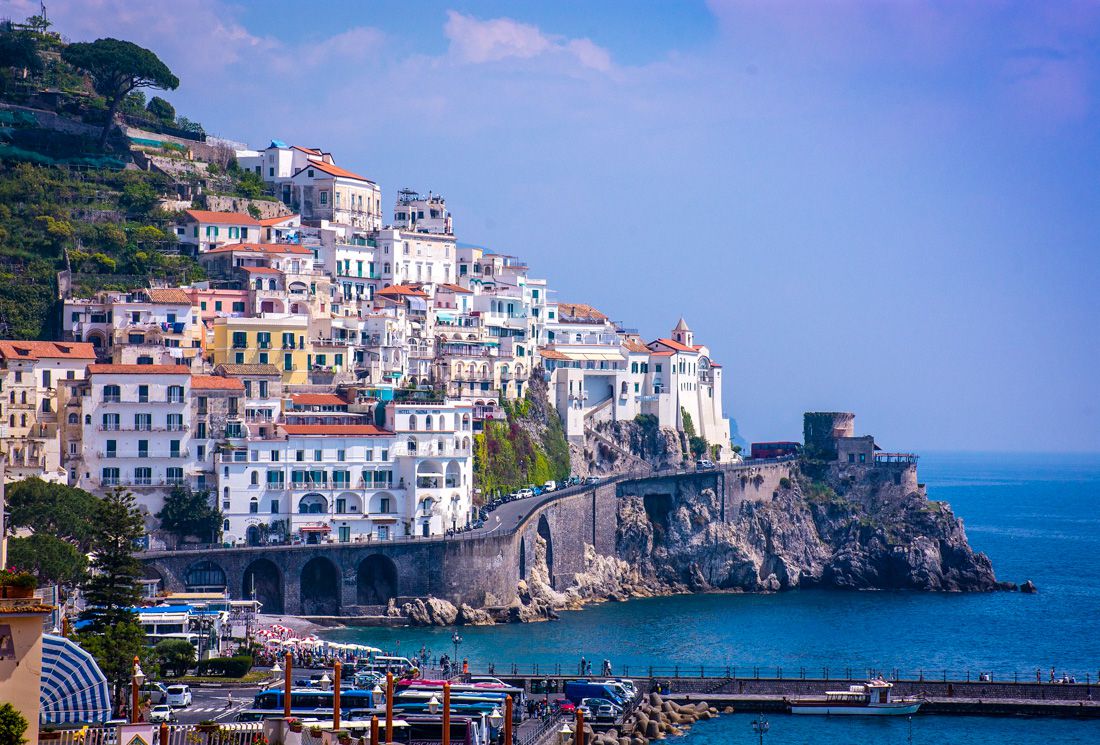 Amalfi, Italy
 Both Italy and South Korea have a number of activities to choose from. With generally more activities and things to do, visitors tend to spend more time in Italy than in South Korea. Usually, 7-14 days is a good amount of time for Italy, and 3-7 days is enough time in South Korea.
Families should spend more time in Italy than South Korea. Because of the many family-friendly attractions and fun things to do for kids in Italy, it's a great place to visit with the whole family.
Couples should spend more time in Italy than South Korea. You'll find plenty of romantic sights and fun activities in Italy that are great for a weekend getaway or a longer couple's trip.
Backpackers and budget travelers should spend more time in Italy than South Korea if your budget allows for it. With a larger number of budget-friendly sights, good nightlife, and active things to do, anyone traveling on a budget would have a good time in Italy.
Visitors enjoy the skiing, nightlife, and food when visiting the cultural destination of Italy. It's a great spot for a beach vacation. This destination offers something for everyone. Since there is so much to do in the area, a weekend is probably not enough for all of it.
It's hard to know how much time to spend in South Korea. Adventure travel is very popular here, too. A weekend is usually not enough time for a trip here as there is plenty to do. The length of your ideal trip is an individual decision.
Visitors enjoy the nightlife, food, and scuba diving and snorkeling when visiting the historical country of Italy. You'll find plenty of activities on the beach. Since there is so much to do in the area, five days is probably not enough for all of it. The length of your trip often depends on your style of travel.
South Korea is a fun place to experience. In South Korea, many people enjoy the adventure travel, national parks, and history and culture that this destination offers. Lots of people come for the history and culture. It's also known for its adventure travel activities. This would be the perfect place to spend five days, as it has just the right amount of activities.
Visitors enjoy the food, scuba diving and snorkeling, and water sports when visiting the destination of Italy. Anyone can find something fun to do here. This is a popular place to visit for one week. Most people come for the beaches. In one week, you should have a good grasp of this country.
In South Korea, many people enjoy the national parks, history and culture, and skiing that this dynamic destination offers. Plenty of people spend one week in the area when traveling. Adventure travel is very popular here, too. Take your pick from the many activities offered here. Lots of people come for the history and culture. One week is often enough time to do most activities.
Visitors enjoy the food, scuba diving and snorkeling, and water sports when visiting the destination of Italy. Anyone can find something fun to do here. This is a popular place to visit for two weeks. Most people come for the beaches. If you enjoy all that's offered here, then two weeks is just the right amount of time to spend here.
You'll find national parks, history and culture, and skiing around the resilient destination of South Korea. Adventure travel is very popular here, too. Take your pick from the many activities offered here. Lots of people come for the history and culture. Most people find that two weeks is more than enough time to see everything.
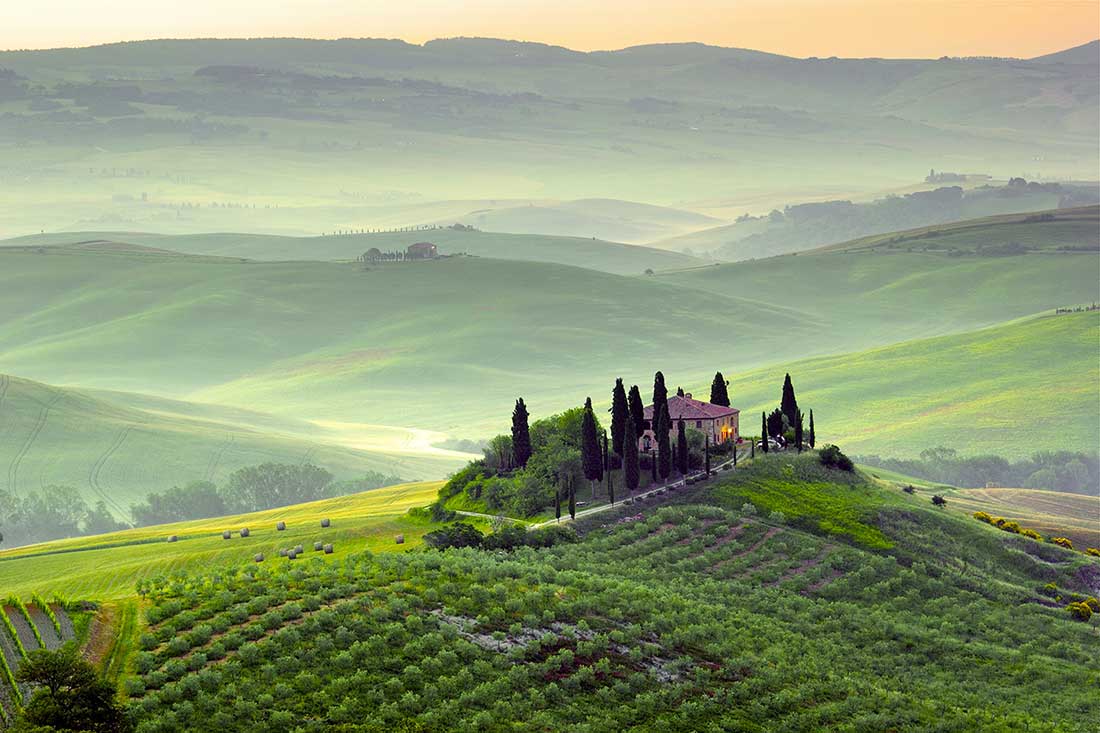 Tuscany
 These are the overall average travel costs for the two destinations.
The average daily cost (per person) in Italy is €202, while the average daily cost in South Korea is €115. These costs include accommodation (assuming double occupancy, so the traveler is sharing the room), food, transportation, and entertainment. While every person is different, these costs are an average of past travelers in each country. What follows is a categorical breakdown of travel costs for Italy and South Korea in more detail.
Looking for a hotel in Italy or South Korea? Prices vary by location, date, season, and the level of luxury. See below for options and compare which is best for your budget and travel style.
Kayak helps you find the best prices for hotels, flights, and rental cars for destinations around the world. Compare prices for multiple destinations when planning your next trip.
Here are some examples of typical transportation prices from actual travelers in Italy:
Also for Italy, here are a few examples of actual transportation services:
Here are some examples of typical transportation prices from actual travelers in South Korea:
Also for South Korea, here are a few examples of actual transportation services:
Prices for flights to both South Korea and Italy change regularly based on dates and travel demand. We suggest you find the best prices for your next trip on Kayak, because you can compare the cost of flights across multiple airlines for your prefered dates.
For Italy, here are some examples of average food and meal prices for travelers:
For Italy, here are some samples of tours and activities related to meals and dining experiences:
Here are some examples of typical meal expenses from previous travelers to South Korea:
For South Korea, here are some samples of tours and activities related to meals and dining experiences:
Below are a few sample prices from actual travelers for Italy's activities, tours, and tickets:
For Italy, here are a few prices for actual activities, tours, and tickets provided by various companies:
For South Korea, here are some examples of average entertainment and activity prices from previous travelers:
Also, here are some specific examples of entertainment, tickets, and activities for South Korea.
Below are a few samples from actual travelers for alcohol and nightlife costs in Italy:
Here are a few nightlife and alcohol tours and activities from local tour providers in Italy:
Here are a few nightlife and alcohol tours and activities from local tour providers in South Korea:
When we compare the travel costs of actual travelers between Italy and South Korea, we can see that Italy is more expensive. And not only is South Korea much less expensive, but it is actually a significantly cheaper destination. Since Italy is in Europe and South Korea is in Asia, this is one of the main reasons why the costs are so different, as different regions of the world tend to have overall different travel costs. So, traveling to South Korea would let you spend less money overall. Or, you could decide to spend more money in South Korea and be able to afford a more luxurious travel style by staying in nicer hotels, eating at more expensive restaurants, taking tours, and experiencing more activities. The same level of travel in Italy would naturally cost you much more money, so you would probably want to keep your budget a little tighter in Italy than you might in South Korea.
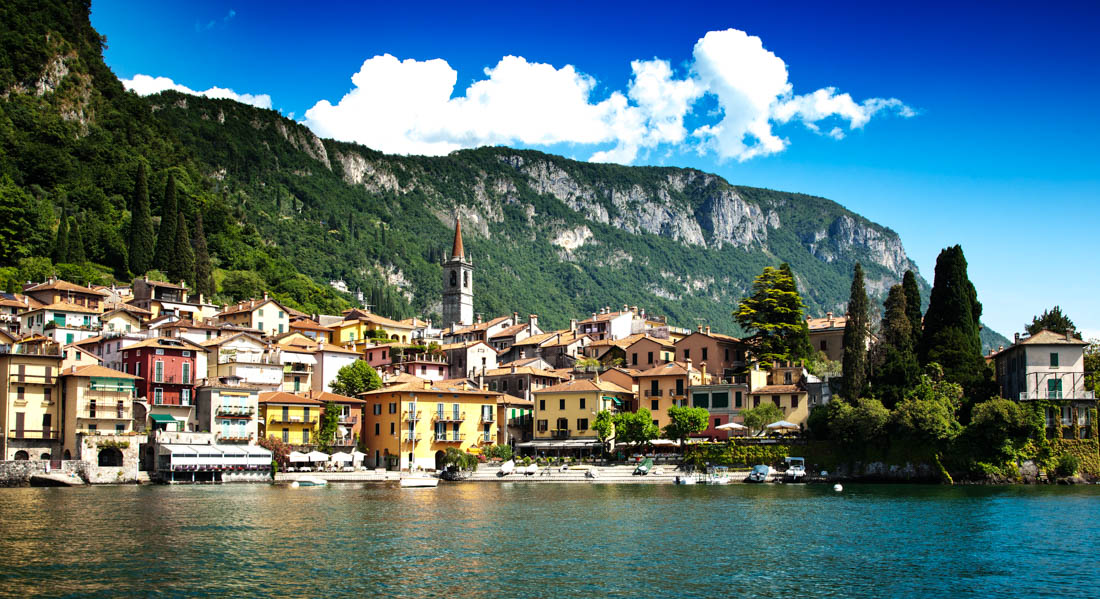 Varenna village, Lake Como, Italy
 Both destinations experience a temperate climate with four distinct seasons. And since both cities are in the northern hemisphere, summer is in July and winter is in January.
Italy is a peninsula in the Mediterranean Sea, and thus has a much warmer climate than most of its European neighbors. The southern regions can be especially warm year-round, and very hot in the summer. The northern regions are home to a more mountainous landscape, so they can have cold and snowy winters. But in general, any time of the year is a great time to visit.
The summer attracts plenty of travelers to both Italy and South Korea. The beaches, snorkeling, the hiking, and the family-friendly experiences are the main draw to Italy this time of year. Furthermore, many travelers come to South Korea for the beaches, the hiking, and the family-friendly experiences.
Rome is around the same temperature as Seoul in the summer. The daily temperature in Rome averages around 25°C (77°F) in July, and Seoul fluctuates around 26°C (78°F).
In Rome, it's very sunny this time of the year. Rome usually receives more sunshine than Seoul during summer. Rome gets 338 hours of sunny skies, while Seoul receives 121 hours of full sun in the summer.
Seoul receives a lot of rain in the summer. In July, Rome usually receives less rain than Seoul. Rome gets 19 mm (0.7 in) of rain, while Seoul receives 369 mm (14.5 in) of rain each month for the summer.
The autumn brings many poeple to Italy as well as South Korea. Many travelers come to Italy for the hiking trails, the shopping scene, and the natural beauty of the area. Additionally, many visitors come to South Korea in the autumn for the hiking trails, the shopping scene, and the natural beauty of the area.
In the autumn, Rome is a little warmer than Seoul. Typically, the autumn temperatures in Rome in October average around 17°C (63°F), and Seoul averages at about 15°C (59°F).
The sun comes out a lot this time of the year in Seoul. In the autumn, Rome often gets around the same amount of sunshine as Seoul. Rome gets 198 hours of sunny skies this time of year, while Seoul receives 204 hours of full sun.
Rome usually gets more rain in October than Seoul. Rome gets 94 mm (3.7 in) of rain, while Seoul receives 49 mm (1.9 in) of rain this time of the year.
Both South Korea and Italy are popular destinations to visit in the winter with plenty of activities. Many visitors come to Italy in the winter for the skiing, the museums, the Christmas ambience, the shopping scene, and the cuisine. Also, most visitors come to South Korea for the skiing, the museums, the shopping scene, and the cuisine during these months.
Seoul can be very cold during winter. In January, Rome is generally much warmer than Seoul. Daily temperatures in Rome average around 8°C (47°F), and Seoul fluctuates around -3°C (27°F).
Rome usually receives less sunshine than Seoul during winter. Rome gets 127 hours of sunny skies, while Seoul receives 163 hours of full sun in the winter.
In January, Rome usually receives more rain than Seoul. Rome gets 81 mm (3.2 in) of rain, while Seoul receives 23 mm (0.9 in) of rain each month for the winter.
Both South Korea and Italy during the spring are popular places to visit. Most visitors come to Italy for the beaches and the natural beauty during these months. Also, the spring months attract visitors to South Korea because of the beaches and the natural beauty.
Rome is around the same temperature as Seoul in the spring. The daily temperature in Rome averages around 14°C (57°F) in April, and Seoul fluctuates around 13°C (55°F).
In Seoul, it's very sunny this time of the year. It's quite sunny in Rome. In the spring, Rome often gets around the same amount of sunshine as Seoul. Rome gets 204 hours of sunny skies this time of year, while Seoul receives 205 hours of full sun.
Rome usually gets less rain in April than Seoul. Rome gets 50 mm (2 in) of rain, while Seoul receives 94 mm (3.7 in) of rain this time of the year.
| Rome | Seoul | |||
|---|---|---|---|---|
| Temp (°C) | Rain (mm) | Temp (°C) | Rain (mm) | |
| Jan | 8°C (47°F) | 81 mm (3.2 in) | -3°C (27°F) | 23 mm (0.9 in) |
| Feb | 9°C (49°F) | 76 mm (3 in) | -0°C (32°F) | 25 mm (1 in) |
| Mar | 11°C (52°F) | 64 mm (2.5 in) | 6°C (42°F) | 47 mm (1.9 in) |
| Apr | 14°C (57°F) | 50 mm (2 in) | 13°C (55°F) | 94 mm (3.7 in) |
| May | 18°C (64°F) | 42 mm (1.6 in) | 18°C (65°F) | 92 mm (3.6 in) |
| Jun | 22°C (71°F) | 21 mm (0.8 in) | 23°C (73°F) | 134 mm (5.3 in) |
| Jul | 25°C (77°F) | 19 mm (0.7 in) | 26°C (78°F) | 369 mm (14.5 in) |
| Aug | 25°C (77°F) | 36 mm (1.4 in) | 26°C (80°F) | 294 mm (11.6 in) |
| Sep | 22°C (71°F) | 74 mm (2.9 in) | 22°C (71°F) | 169 mm (6.7 in) |
| Oct | 17°C (63°F) | 94 mm (3.7 in) | 15°C (59°F) | 49 mm (1.9 in) |
| Nov | 12°C (54°F) | 105 mm (4.1 in) | 8°C (46°F) | 53 mm (2.1 in) |
| Dec | 9°C (49°F) | 94 mm (3.7 in) | 0°C (33°F) | 22 mm (0.9 in) |
 Budget Your Trip is all about finding out how much everything costs so that you can travel cheaper and longer. Created by avid travelers Laurie and Bryan, our goal is to help you plan your next trip on the right budget. With average daily travel costs that are calculated from the budgets of real travelers, plus an analysis of hotel and tour prices, you can find out how much money you need to plan your next adventure. We also have plenty of travel advice, accommodation reviews, and activity suggestions.
Some of the links on this website are sponsored or affiliate links which help to financially support this site. By clicking the link and making a purchase, we may receive a small commission, but this does not affect the price of your purchase.